
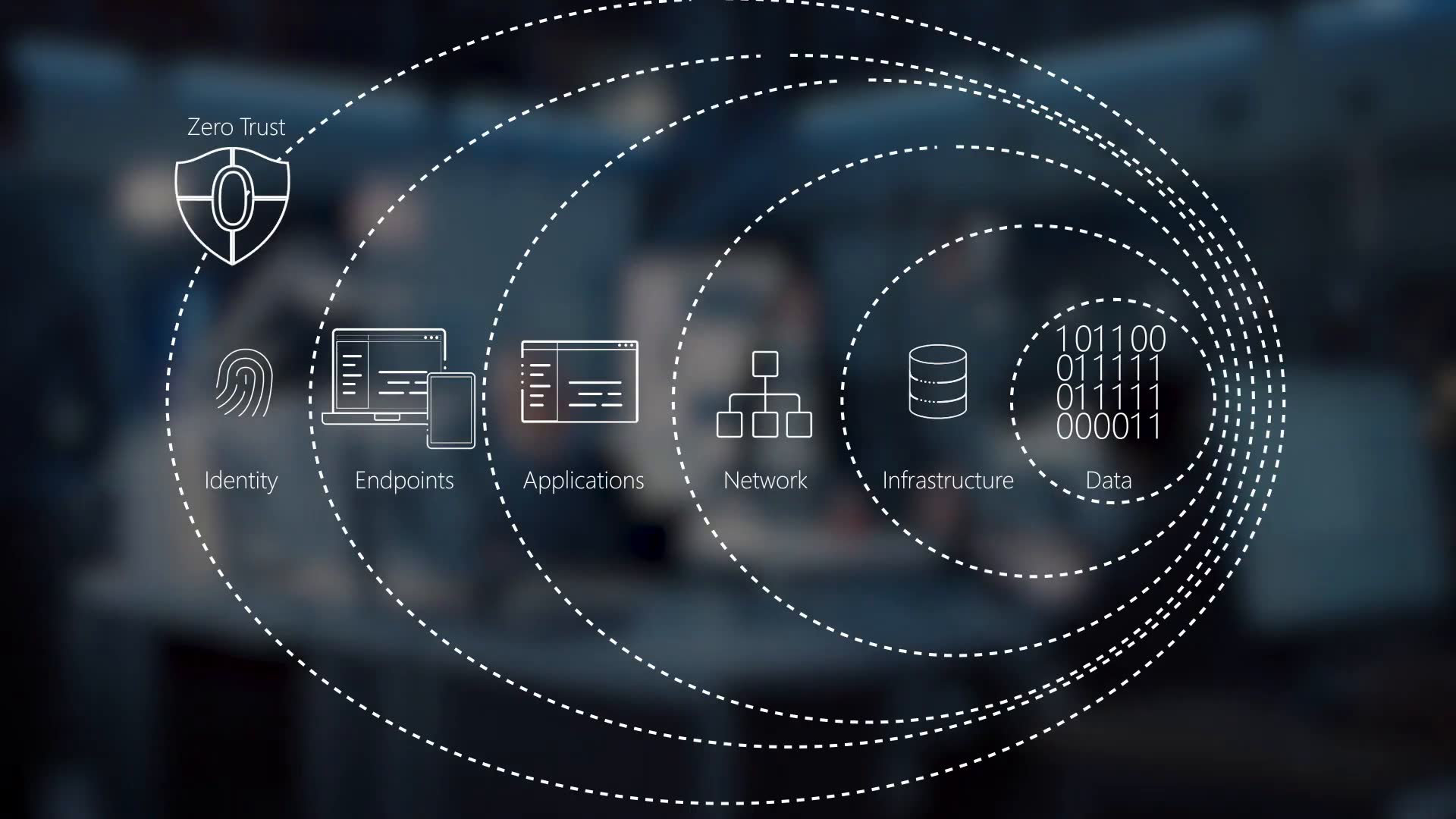
Unveiling Zero Trust: How This Security Trend is Reshaping Digital Landscapes

Unlocking the Power of Zero Trust: Exploring the Rise of a Relevant Security Paradigm

In an era where cyber threats are evolving and becoming more sophisticated, the traditional perimeter-based security model is no longer sufficient to protect sensitive data and assets. As a result, a revolutionary approach called "zero trust" has gained significant traction in recent years. Zero trust is a security framework that challenges the notion of trusting anything or anyone inside or outside an organization's network.
What is Zero Trust?
Zero trust is a security concept rooted in the principle of maintaining strict access control and assuming potential breach at all times. Unlike the conventional "trust, but verify" approach, zero trust assumes no implicit trust, verifying access requests before granting them. This framework focuses on authenticating and authorizing every user, device, and network resource to ensure the highest level of security.
Why is Zero Trust Getting Popular?
The rise in popularity of zero trust can be attributed to several factors:
- Increasing Cyber Threats: As cyber threats continue to escalate in sophistication and scale, organizations are compelled to adopt a more robust security strategy. With traditional perimeter-based security measures, attackers can easily move laterally within networks, making it crucial to adopt a zero trust approach.
- Migration to the Cloud: As more organizations transition their infrastructure and resources to the cloud, the traditional network perimeter becomes less defined. Zero trust provides a much-needed security framework that can transcend physical boundaries and secure data, applications, and systems regardless of their location.
- Remote Workforce: The rapid expansion of remote workforces, accelerated by the COVID-19 pandemic, has significantly increased the attack surface for organizations. Zero trust offersa comprehensive security model that safeguards remote access and prevents unauthorized entry from untrusted devices or networks.
- Data Privacy and Regulatory Compliance: With the introduction of stringent data privacy regulations such as the General Data Protection Regulation (GDPR) and the California Consumer Privacy Act (CCPA), organizations are under immense pressure to safeguard personal information. Zero trust's emphasis on granular access controls and continuous verification aligns well with regulatory requirements.
Origins and Proliferation of Zero Trust
The concept of zero trust was initially introduced by Forrester Research analyst John Kindervag in 2010. Kindervag's core principle was that organizations should not automatically trust anything within or outside their networks. Instead, they should adopt a "never trust, always verify" approach.
Since its inception, zero trust has gained significant attention across various demographics. Large enterprises, government agencies, and organizations with valuable intellectual property have been at the forefront of embracing this paradigm. However, small and mid-sized businesses are also recognizing the importance of zero trust as they experience an increase in cyber threats.
As organizations observe the success and benefits of implementing zero trust, the trend continues to gain momentum. Industry-leading vendors are incorporating zero trust principles into their security solutions, further accelerating its adoption globally.
In conclusion, the prevalence of cyber threats, the migration to cloud environments, the rise of remote work, and the need for regulatory compliance have all contributed to the increasing popularity of zero trust. This security framework's revolutionary concept of assuming no implicit trust has resonated with organizations of all sizes and demographics, positioning zero trust as a crucial element in the future of cybersecurity.
Unleashing the Power of Zero Trust: Exploring Market Size and Growth
Zero Trust, a security concept that assumes no trust by default in any access request or level of privilege, is rapidly gaining traction in the cybersecurity landscape. As organizations and individuals become more aware of the increasing threats and vulnerabilities in a hyper-connected world, the market for zero trust solutions is poised for significant growth.
The market size for zero trust is projected to experience astonishing growth in the upcoming years. According to a report by MarketsandMarkets, the global zero trust security market is expected to reach $38.6 billion by 2026, growing at a compound annual growth rate (CAGR) of 19.9% from 2021 to 2026. This remarkable growth can be attributed to several factors.
First and foremost, the increasing number of sophisticated cyber threats has highlighted the need for a more robust and proactive security approach. Traditional security models, which rely on perimeter-based defenses, are no longer sufficient to protect modern networks and data. Zero trust provides a comprehensive framework that addresses the limitations of legacy security systems and adapts to the evolving threat landscape.
Moreover, the rapid digital transformation taking place across industries is driving the adoption of zero trust solutions. As organizations embrace cloud computing, remote work environments, and bring-your-own-device (BYOD) policies, the need for secure access controls becomes paramount. Zero trust principles, such as verifying every connection, continuously monitoring user behavior, and implementing strong access controls, align well with the requirements of modern digital environments.
Additionally, regulatory compliance mandates are compelling organizations to prioritize security measures like zero trust. Various data protection regulations, such as the General Data Protection Regulation (GDPR) and the California Consumer Privacy Act (CCPA), emphasize the need for robust security measures to safeguard sensitive data. Zero trust frameworks offer granular control and visibility, enabling organizations to meet compliance requirements effectively.
Furthermore, the rise of remote work due to the COVID-19 pandemic has accelerated the adoption of zero trust architectures. With employees accessing corporate resources from various locations and devices, the traditional network perimeter has become increasingly porous. Zero trust mitigates the risks associated with remote work by focusing on user identity and device posture, rather than relying solely on network boundaries.
As the market for zero trust expands, we can expect to witness increased competition among vendors offering zero trust solutions. Large technology companies, cybersecurity specialists, and startups are investing in research and development to deliver innovative products and services in this domain. Additionally, partnerships and collaborations between vendors are likely to emerge, aiming to provide holistic zero trust solutions to customers.
To conclude, the market for zero trust security is on a trajectory of impressive growth. The increasing need for proactive security approaches, the ongoing digitization of industries, regulatory compliance requirements, and the rise of remote work are all factors driving the adoption of zero trust architectures. By embracing the zero trust mindset and deploying robust solutions, organizations can enhance their security posture and protect themselves from ever-evolving threats.
Zero Trust: Unveiling the Rising Consumer Demand and Preferences
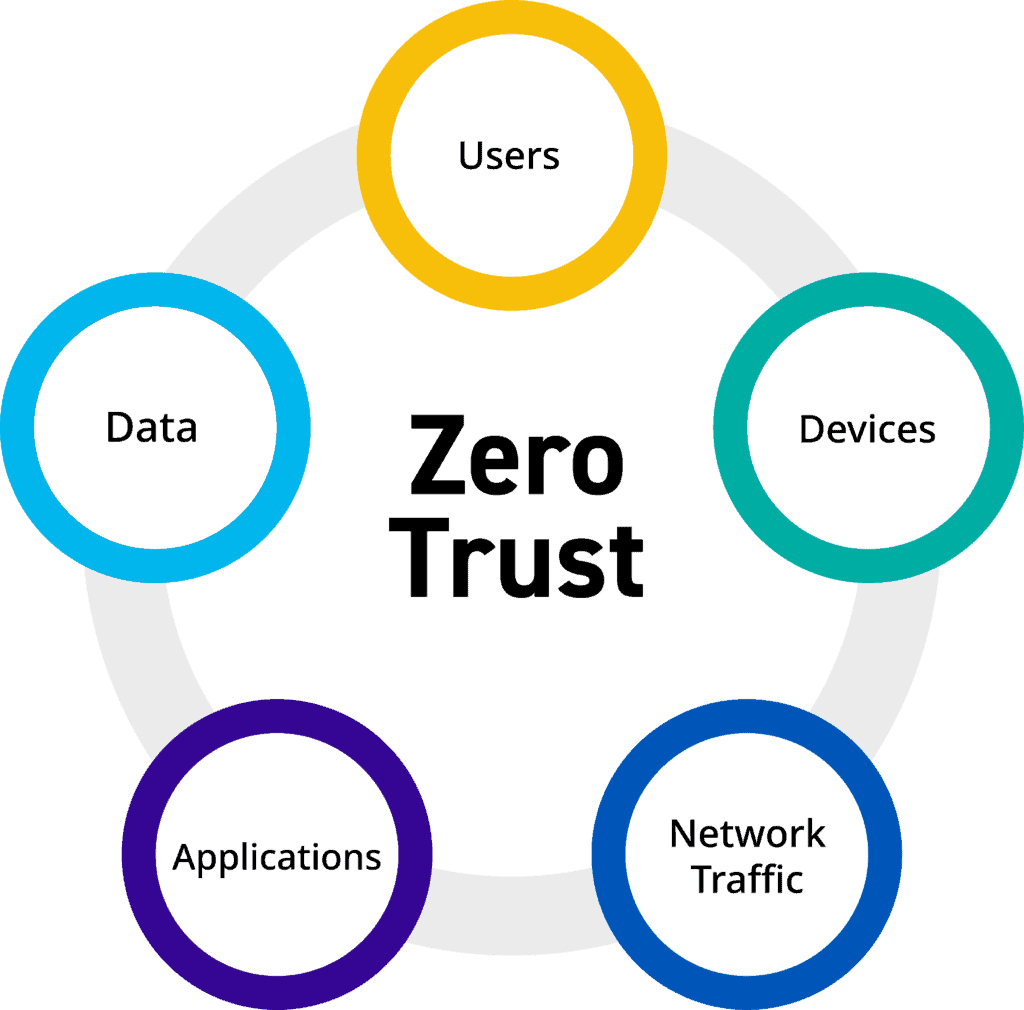
Rising Consumer Demand for Zero Trust Approach
In an ever-evolving digital landscape, where cyber threats are becoming more sophisticated, consumers are increasingly concerned about the security and privacy of their data. As a result, the concept of "zero trust" has emerged as a compelling approach to address these concerns. Zero trust is a cybersecurity model that emphasizes the need for continuous verification and authentication, irrespective of whether the user is inside or outside the network perimeter.
Shift in Consumer Preferences Towards Zero Trust
- Data Security: Consumer demand for zero trust stems from a growing awareness of the vulnerability of their personal and financial information in traditional cybersecurity models. Zero trust offers a more proactive and comprehensive security strategy, reducing the risk of data breaches and unauthorized access.
- Privacy Protection: With extensive data collection practices becoming normalized, consumers are demanding a higher degree of control over their personal information. Zero trust empowers users by ensuring their data is only accessible on a need-to-know basis, building a significant level of trust between the user and the organization handling their data.
- Remote Workforce: The COVID-19 pandemic has accelerated the shift towards remote work, making zero trust increasingly relevant. As employees access sensitive data from various devices and locations, the zero trust approach ensures secure access to corporate resources, regardless of the network or device being used.
- Regulatory Compliance: The implementation of stringent data protection regulations, such as the EU's General Data Protection Regulation (GDPR) and the California Consumer Privacy Act (CCPA), has heightened consumer expectations regarding data security. Zero trust helps organizations meet compliance requirements by adopting a distributed, fine-grained approach to access control.
- Cloud Adoption: As organizations continue to migrate their infrastructure to cloud environments, ensuring the security and integrity of data becomes a paramount concern. The zero trust model aligns with the distributed nature of cloud architectures, providing a granular, policy-based approach to data security.
Takeaways
The consumer demand for a zero trust approach is driven by a combination of factors, including an increased focus on data security and privacy, the rise of remote work, regulatory compliance, and the shift towards cloud adoption. Organizations that embrace zero trust not only position themselves as leaders in cybersecurity but also meet consumer expectations for robust protection of their sensitive information.
By continuously monitoring and verifying user activity, implementing multifactor authentication, and limiting access privileges, businesses can instill a sense of trust and enhance customer loyalty. As the digital landscape evolves, the zero trust approach will likely become an integral part of safeguarding consumer data in an increasingly interconnected world.
Industry Players and Competition in the Zero Trust Market
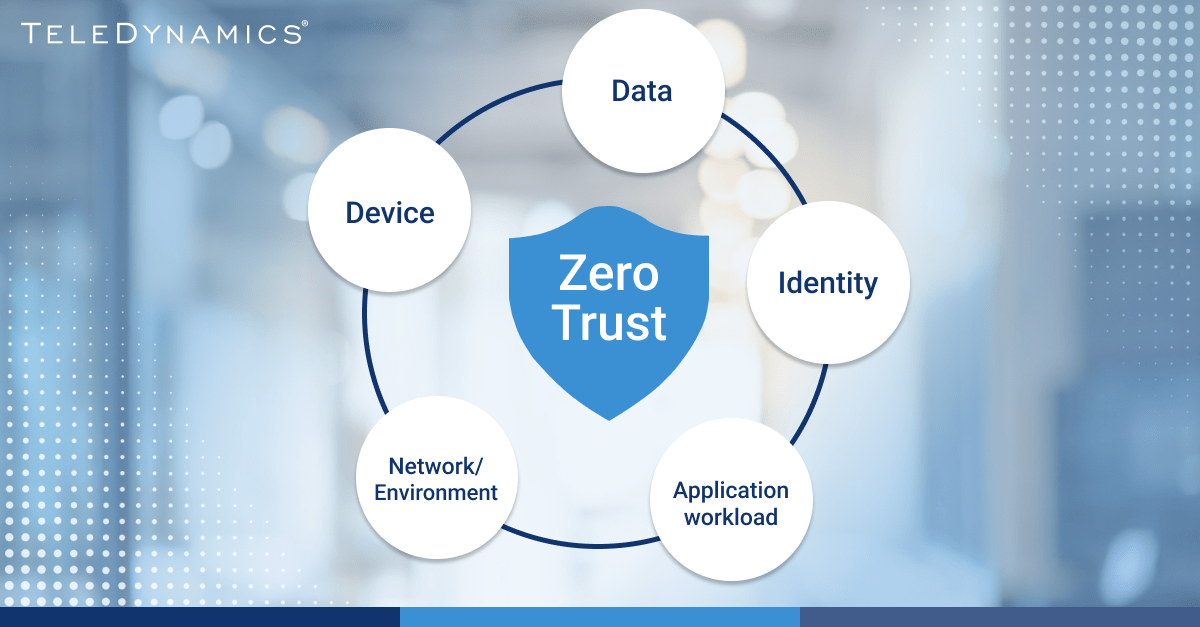
Zero Trust has emerged as a crucial concept in the cybersecurity landscape, with many industry players and companies offering solutions to ensure secure access to networks and data. This section delves into the key industry players and competition in the rapidly growing Zero Trust market.
Leading Industry Players
- Cisco - As a global technology leader, Cisco offers a comprehensive portfolio of Zero Trust solutions, including its Cisco Zero Trust Security, which combines network access control, cloud security, and endpoint security to enable secure connections and prevent unauthorized access.
- Palo Alto Networks - Palo Alto Networks is renowned for its network security solutions and offers the Prisma Access platform that incorporates a Zero Trust approach to secure access to applications and data, both on-premises and in the cloud.
- Akamai Technologies - Akamai is recognized for its edge security solutions and offers the Akamai Zero Trust Edge offering, which integrates secure access service edge (SASE) principles with Zero Trust to enable secure access for users, devices, and applications.
- Okta - Okta specializes in identity and access management (IAM) solutions and provides the Okta Identity Cloud platform, which incorporates Zero Trust principles to ensure secure access and authentication for users across various devices and applications.
- Zscaler - Zscaler is a prominent cloud security provider offering the Zscaler Zero Trust Exchange platform, which applies Zero Trust principles at the network level, enabling secure access to applications and data regardlessof user or device location.
Competition in the Zero Trust Market
The Zero Trust market is highly competitive, driven by the increasing need for organizations to adopt robust security measures. Apart from the leading industry players mentioned above, several other companies are actively engaged in providing Zero Trust solutions. Some notable competitors include:
- VMware - VMware offers the VMware NSX platform, which focuses on delivering network virtualization and security, combining Zero Trust principles with software-defined networking (SDN).
- Microsoft - With Azure Active Directory Conditional Access and its Zero Trust architecture approach, Microsoft provides Zero Trust capabilities as part of its comprehensive suite of cloud-based security solutions.
- Fortinet - Fortinet offers Zero Trust network access (ZTNA) solutions as part of its security fabric, enabling secure access to network resources from any location and device.
- Proofpoint - Known for its cybersecurity and compliance solutions, Proofpoint provides a Zero Trust solution called Proofpoint Meta, which focuses on securing email, cloud applications, and endpoints.
- Broadcom - Broadcom's Symantec Enterprise Division offers Zero Trust components as part of its comprehensive cybersecurity solutions, including network security, cloud security, and endpoint protection.
These industry players and competitors showcase the diverse range of Zero Trust solutions available in the market, catering to the unique security needs of organizations across various industries.
Zero Trust: A Paradigm Shift in Cybersecurity
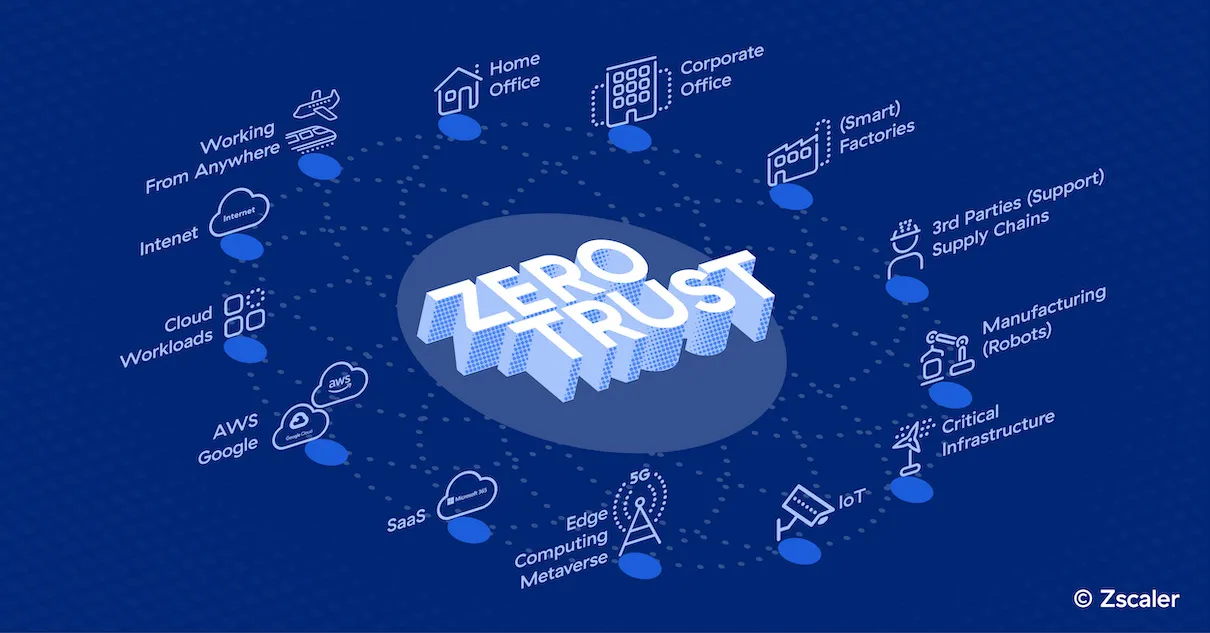
The traditional security model of "trust but verify" is proving to be inadequate in today's connected world. As enterprises face an increasing number of intrusions and data breaches, a new approach to cybersecurity has emerged - Zero Trust. This technological innovation represents a fundamental shift in how organizations protect their digital assets. It operates on the principle that trust should never be assumed, and each user, device, and network component must continuously prove their identity and validate their actions.
Understanding Zero Trust: Zero Trust is a security framework that assumes every user or system on the network is a potential threat, regardless of whether they are inside or outside the organization's perimeter. Unlike conventional perimeter-based security, which relies on a firewall to separate trusted internal networks from untrusted external networks, Zero Trust establishes a "trust nothing, verify everything" approach.
Key Components of Zero Trust:
- Continuous Authentication: Authentication is no longer a one-time event but a constant process that monitors user behavior, device health, and other critical factors to verify identities at all times. Multi-factor authentication, biometrics, and contextual analysis are some of the techniques used to ensure continuous verification.
- Micro-Segmentation: By dividing the network into smaller segments, known as micro-segments, organizations can limit the lateral movement of attackers. Each micro-segment has its own security controls and policies, allowing for granular control and containment of any unauthorized access.
- Least Privilege: Zero Trust emphasizes giving users only the privileges necessary to perform their specific tasks. This principle prevents the sprawl of excessive user permissions, reducing the risk of data breaches resulting from compromised accounts.
- Network Visibility: Organizations implementing Zero Trust must have a thorough understanding of their network infrastructure, devices, and user activity. Real-time monitoring and analytics tools are critical in gaining insights into potential threats and effectively responding to security incidents.
Benefits and Adoption Challenges: Adopting a Zero Trust approach offers several benefits, including increased data security, improved visibility, and enhanced user experience. However, implementing Zero Trust can be complex and challenging for organizations with existing legacy systems, cultural resistance to change, and budget constraints. Additionally, Zero Trust requires continuous monitoring and regular updates to security policies, which can be resource-intensive.
In an era where cyber threats are becoming more sophisticated, the Zero Trust framework represents a technological innovation that prioritizes proactive security and minimizes the potential damage resulting from data breaches or unauthorized access. It requires organizations to shift their mindset from trusting implicitly to verifying constantly. As the adoption of Zero Trust continues to gain momentum, businesses can better protect their assets and build a resilient security posture for the future.
Regional Trends and Cultural Influences on Zero Trust
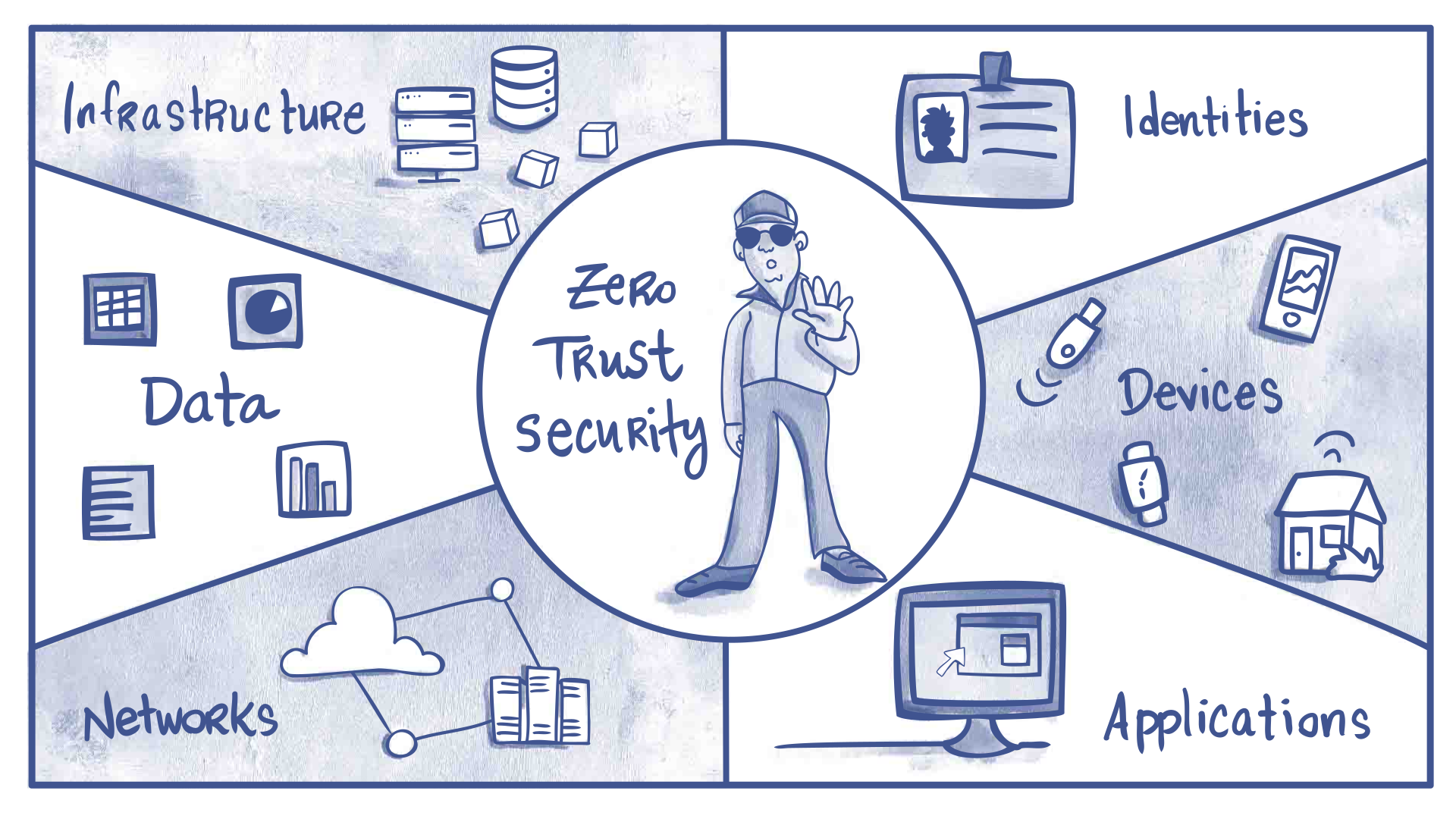
In recent years, the concept of "zero trust" has gained significant attention in the field of cybersecurity. Zero trust is a security framework that operates on the belief that organizations should not automatically trust any device or user, both inside and outside their network perimeter. While zero trust has global relevance, it is interesting to examine how regional trends and cultural influences shape its adoption and implementation in different parts of the world.
United States: Emphasis on Data Privacy and Compliance
The United States has been at the forefront of zero trust adoption, driven by its focus on data privacy and compliance. With the introduction of the California Consumer Privacy Act (CCPA) and the European Union's General Data Protection Regulation (GDPR), American organizations have been compelled to enhance their cybersecurity measures. This has resulted in a widespread recognition of zero trust principles, such as continuous authentication and strict access controls. Additionally, the U.S. federal government's implementation of the Zero Trust Architecture initiative further emphasizes its commitment to this approach.
Europe: Strong Regulatory Frameworks
Similar to the United States, Europe has also embraced zero trust as a means to address strict regulatory requirements concerning data protection and privacy. The GDPR's emphasis on safeguarding personal information has motivated European businesses to adopt zero trust strategies that prioritize user identity verification, least privilege access, and encrypted communications. Furthermore, regional norms of transparency and consent have contributed to the emergence of more stringent zero trust practices, ensuring that organizations take a proactive approach to data security.
Asia: Growing Cybersecurity Concerns and Advanced Technologies
In Asia, the adoption of zero trust is driven by a combination of increasing cybersecurity concerns and the presence of advanced technological ecosystems. With rapidly expanding economies and a growing reliance on digital infrastructure, countries like China, Singapore, and South Korea have recognized the importance of comprehensive security measures. Zero trust principles are embraced to protect against sophisticated cyber threats, which are particularly prevalent in this region. Additionally, cultural influences such as collectivist ideologies and the prioritization of societal well-being over individual privacy have further accelerated the implementation of zero trust measures.
Middle East: Focus on Network Segmentation and Role-Based Access
In the Middle East, zero trust implementation is influenced by a strong focus on network segmentation and role-based access. Organizations recognize the importance of segmenting their networks to minimize the impact of potential security breaches. This approach aligns with traditional cultural values where protecting valuable assets, including data, is highly valued. Role-based access control systems are also prevalent, reflecting the hierarchical nature of many Middle Eastern societies.
Latin America: Growing Awareness and Regulation
While Latin America may still be considered in the early stages of zero trust adoption, there is a growing awareness of its benefits and a push for stricter regulatory frameworks. With the rise of cybercrime in the region, governments and organizations are recognizing the need for enhanced data security measures. As regional cybersecurity regulations evolve, zero trust principles are expected to become increasingly prevalent to mitigate the risks associated with digital transformations and remote work.
Understanding regional trends and cultural influences is crucial when analyzing the global adoption of zero trust. While the core principles of zero trust remain consistent across various regions, the specific implementation and emphasis may vary. Factors such as data privacy regulations, cultural values, and cybersecurity landscapes all play a role in shaping how zero trust is embraced and applied. By recognizing these regional nuances, organizations can develop more effective strategies to protect their systems and data in an increasingly interconnected world.
The Rising Influence of Zero Trust in Social Media
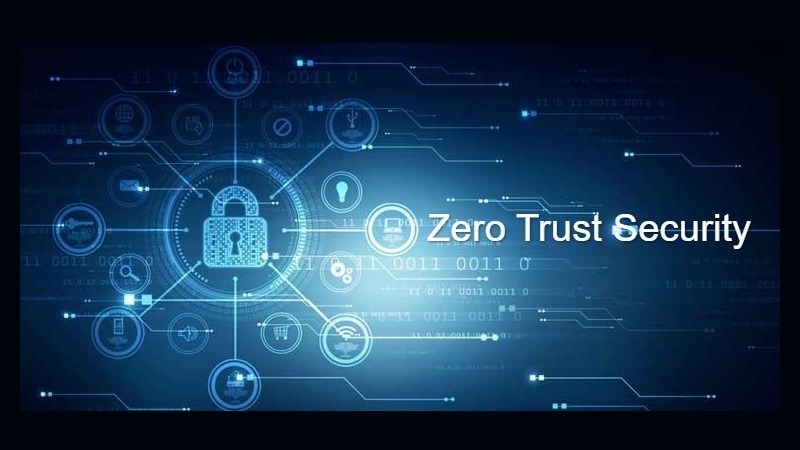
In recent years, the concept of zero trust has gained momentum as a cybersecurity strategy to protect sensitive data and mitigate potential cyber threats. While zero trust traditionally focuses on digital security, its principles are now expanding into the realm of social media. As platforms continue to evolve and adapt to new challenges, the influence of zero trust in social media has become essential for both users and influencers alike. This article delves into how the zero trust approach is shaping the world of social media and its impact on influencers within this space.
Establishing Zero Trust in Social Media
Zero trust philosophy revolves around the idea of not automatically trusting anything or anyone, including users, devices, and networks. This approach is based on continually verifying and validating access requests before granting permissions. Applying this concept to social media means treating every interaction, post, or message with skepticism until it can be authenticated.
Protecting User Data
One of the primary concerns in social media is the security and privacy of user data. With an increasing number of high-profile data breaches and privacy concerns, users are worried about the misuse of their personal information. Applying zero trust principles to social media platforms ensures that appropriate security measures are in place to protect user data, adding an extra layer of protection against potential threats. By employing comprehensive identity verification techniques, such as two-factor authentication, platforms can minimize the risk of unauthorized access or data breaches.
Combating Fake Accounts and Scams
Social media platforms are plagued with fake accounts and scams, often used for fraudulent purposes. The zero trust approach plays a crucial role in identifying and combating these issues by scrutinizing account creation and behavior patterns. By continuously monitoring activities and implementing sophisticated algorithms, platforms can detect suspicious activity and take appropriate action, such as suspending or deleting fake accounts. Influencers benefit from such measures as they can maintain a genuine and diverse following, boosting their credibility in the eyes of both brands and followers.
Influencer Marketing and Zero Trust
As influencers play a significant role in social media marketing, the application of zero trust principles impacts their relationships with brands and their followers. With the rising influence of zero trust in social media, brands are increasingly cautious when partnering with influencers. They seek to ensure that the influencers they collaborate with have genuine reach and engagement, free from suspicious activities such as fake followers or engagement bots. This emphasis on authenticity is beneficial in the long run, fostering more reliable partnerships between brands and influencers.
As social media continues to shape our online interactions and influence various aspects of our lives, the implementation of the zero trust approach becomes paramount. Through its focus on data security, user verification, and combating fraudulent activities, zero trust principles help create a more secure and trustworthy social media environment. Influencers, brands, and users all stand to benefit from the application of zero trust in social media, as it fosters genuine engagement, credibility, and trust. Embracing this evolving approach is crucial for maintaining the integrity of social media platforms, safeguarding user data, and ensuring the long-term success of influencer marketing strategies.
The Future Outlook and Forecast of Zero Trust

As digital transformation continues to shape the way organizations function, cybersecurity becomes an increasingly crucial aspect of business operations. One trend that has gained significant attention in recent years is the concept of "zero trust." The idea of zero trust is rooted in the belief that organizations should never automatically trust any user, device, or network, regardless of their location. Instead, they should verify and authenticate every access attempt before granting permission.
The future outlook for the zero trust trend appears promising, as organizations recognize the limitations of traditional security models. In a landscape riddled with sophisticated cyber threats, the hierarchical and perimeter-based security measures of the past are no longer sufficient. Here are some key factors that contribute to the positive forecast for zero trust:
- Increasing Adoption and Investment: Many organizations have realized the necessity of adopting a zero trust approach to bolster their cybersecurity efforts. As a result, they are actively investing in technologies and solutions that align with the zero trust framework. Market reports suggest that the global zero trust security market is projected to reach significant growth over the next few years, with an expected compound annual growth rate (CAGR) of over 17% from 2021 to 2026.
- Evolving Threat Landscape: The rise of advanced cyber threats, such as sophisticated phishing attacks, ransomware, and supply chain vulnerabilities, necessitates a more comprehensive and proactive security approach. Zero trust offers a paradigm shift by focusing on continuous authentication and access controls, minimizing the potential damage caused by successful breaches. This evolving threat landscape serves as a driving force for organizations to adopt zero trust practices.
- Remote Work and Cloud Adoption: The COVID-19 pandemic has accelerated the adoption of remote work and cloud-based technologies. As organizations increasingly rely on cloud infrastructures and remote access, traditional security perimeters have become more porous and challenging to manage. Zero trust principles, such as identity-based access and microsegmentation, provide a tailored security framework that can adapt to dynamic environments, making it well-suited for the future of remote work and cloud adoption.
- Compliance and Regulatory Requirements: Regulatory bodies worldwide are continuously updating data protection and privacy regulations, imposing stricter penalties for non-compliance. Zero trust aligns well with these requirements by enforcing granular access controls, segregating sensitive data, and implementing strong authentication. Organizations looking to meet compliance standards are prompted to adopt zero trust measures to mitigate risks and protect customer data effectively.
While the future of zero trust appears promising, there are still challenges and considerations to address. Adoption complexities, integration with existing systems, and cultural shifts within organizations are common hurdles that need to be overcome. Nonetheless, the increasing awareness and urgency surrounding cybersecurity make zero trust an indispensable framework that will likely continue to gain traction across various industries.
In conclusion, the future outlook for zero trust is positive, driven by the need for robust security measures in a rapidly evolving digital landscape. As organizations witness the limitations of traditional security models, they are proactively embracing zero trust principles to enhance their cybersecurity posture. With increasing adoption, continued investment, and a changing threat landscape, zero trust is poised to become an integral part of tomorrow's cybersecurity strategies.
The Emergence of Zero Trust: Key Findings and Insights
In recent years, the concept of "Zero Trust" has gained significant traction within the cybersecurity landscape. It represents a fundamental shift in the way organizations approach security, effectively challenging the traditional perimeter-based security model. This trend recap highlights the key findings and insights into the zero trust framework, shedding light on its relevance and implications for businesses today.
- Shift from perimeter-based security: Zero Trust challenges the conventional approach of trusting entities within a network once they have gained access through the perimeter. Instead, it advocates for strict verification and authentication of every user, device, and network segment, regardless of their location or access privileges. This move aims to mitigate the risks associated with internal threats, lateral movement, and compromised credentials.
- Identity-driven security: At the core of zero trust lies the principle of identity-driven security. By adopting this framework, organizations prioritize identity verification, context-driven access controls, and continuous monitoring. This approach ensures that only authenticated and authorized individuals and devices can access sensitive data and resources, helping reduce the likelihood of unauthorized access and data breaches.
- Adaptive and risk-based approach: Zero Trust embraces a dynamic and risk-based approach to security. It leverages continuous monitoring, behavioral analytics, and contextual insights to assess the security posture of entities interacting within the network. Through this adaptive approach, security policies and privileges are adjusted based on real-time threat intelligence and user behavior patterns, thereby minimizing risks.
- Securing remote work and cloud adoption: With the proliferation of remote work and cloud adoption, businesses face new security challenges. Zero Trust provides an effective framework to address these evolving needs by extending security controls beyond the traditional network perimeter. By applying zero trust principles, organizations can secure remote access, enforce device and user authentication, and protect critical data residing in cloud environments.
- Emerging technologies enabling Zero Trust: The rise of technologies like artificial intelligence (AI), machine learning (ML), and behavior analytics have greatly facilitated the implementation of Zero Trust. These technologies empower organizations to analyze massive amounts of data, identify anomalies, and detect potential threats in real-time. Moreover, advancements in identity and access management solutions, network segmentation, and micro-segmentation play a crucial role in enabling zero trust architectures.
- Evolution of regulatory landscape: Regulatory frameworks, such as the European Union's General Data Protection Regulation (GDPR) and California Consumer Privacy Act (CCPA), have contributed to the acceleration of Zero Trust adoption. Compliance requirements, alongside growing concerns around data privacy and protection, have placed greater emphasis on strong data security practices, making zero trust architecture an attractive solution for organizations aiming to comply with these regulations.