

Unveiling the Top 5 Trending Kitchen Design Innovations for 2022

The Resurgence of Kitchen Design: A Blend of Aesthetics and Functionality

In recent years, kitchen design has emerged as one of the most sought-after trends in the interior design world. Evolving from its historical purpose of being solely a utilitarian space for cooking and food preparation, the modern kitchen has transformed into a hub for socialization, entertainment, and self-expression. With a focus on aesthetics, innovation, and functionality, kitchen design is gaining immense popularity across a wide range of demographics, leading to a resurgence of interest in this once-overlooked area of the home.
Kitchen Design Defined:
Kitchen design refers to the process of creating a visually pleasing and functional space that enhances the overall culinary experience. It encompasses the careful selection and arrangement of various elements such as cabinetry, countertops, appliances, lighting, and flooring to create a harmonious and efficient cooking environment. Contemporary kitchen design goes beyond mere functionality, incorporating elements of style, personal taste, and the latest technological advancements to provide homeowners with a space that reflects their lifestyle and taste.
Origins of Kitchen Design:
While kitchen design has always been a part of architectural and interior design history, its significance has evolved over time. In earlier centuries, kitchens were often relegated to a separate area, isolated from the rest of the household. However, as societal norms shifted, kitchens began to be integrated into the overall living space, resulting in the emergence of more versatile and visually appealing designs.
The Popularity of Kitchen Design:
Kitchen design has struck a chord with homeowners of all ages, from millennials looking for modern and sleek designs to baby boomers seeking functional and accessible spaces as they age. There are several reasons why kitchen design has gained popularity:
- Social and Entertainment Hub: The kitchen has become a central gathering place in many households, serving as a hub for entertaining guests and hosting family activities. As such, homeowners are prioritizing the creation of inviting and well-designed kitchen spaces that facilitate interaction and socialization.
- Personal Expression: In an era driven by self-expression and individuality, homeowners see the kitchen as an opportunity to showcase their unique style and personality. Innovative design elements, such as open shelving, statement lighting, and vibrant color schemes, provide avenues for homeowners to personalize their kitchen spaces.
- Technological Advancements: The integration of smart home technology in kitchen appliances and fixtures has revolutionized kitchen design. From voice-controlled intelligent assistants to energy-efficient appliances, homeowners can now create highly functional and efficient cooking spaces that align with their modern lifestyles.
In conclusion, kitchen design has experienced a remarkable surge in popularity due to its ability to blend aesthetics with functionality. As a space that is both utilitarian and social, the kitchen has become a significant focal point in homes across various demographics. The continuous evolution of kitchen design trends ensures that homeowners have an array of options to create a space that reflects their unique style and caters to their specific needs.
Exploring the Expansive Market Size and Continuous Growth of Kitchen Design
Kitchen design has emerged as a thriving industry with exponential growth and a significant market size. As homeowners increasingly prioritize aesthetic appeal, functionality, and modern updates in their kitchens, the demand for innovative designs and products has surged. By understanding the market size and growth trends, we can gain insights into the opportunities and potential challenges that lie ahead for the kitchen design industry.
Expanding Market Size
The kitchen design market encompasses a wide range of products and services, including kitchen cabinets, countertops, appliances, fixtures, flooring, lighting, and more. According to a report by Grand View Research, the global kitchen cabinet market size was valued at $15.6 billion in 2020 and is expected to reach $18.1 billion by 2027, growing at a compound annual growth rate (CAGR) of 2.0% from 2020 to 2027. This indicates a steady growth trajectory in the demand for kitchen cabinets across the globe.
Furthermore, the market size of the global kitchen appliances industry was valued at $175.0 billion in 2020 and is projected to reach $258.6 billion by 2028, growing at a CAGR of 5.2% during the forecast period. The increasing adoption of smart kitchen appliances, rising disposable incomes, and the popularity of open-plan kitchen layouts are some of the key factors contributing to the growth of this segment.
Continuous Growth & Key Drivers
The kitchen design industry is driven by a combination of factors that contribute to its sustained growth:
- Consumer Demographics: The growing number of households, increasing urbanization, and changing consumer lifestyles have amplified the demand for well-designed and functional kitchens. As more people choose to renovate their kitchens or invest in new properties, the market for kitchen design experiences a positive impact.
- Home Improvement Spending: Homeowners' willingness to invest in home improvement projects has significantly contributed to the growth of the kitchen design market. The desire to create a personalized and stylish space, along with the potential for a higher resale value, has fueled the demand for upgrading kitchens with modern designs and innovative features.
- Technology and Innovations: Technological advancements have revolutionized kitchen designs, unlocking numerous possibilities for creativity and convenience. Manufacturers and designers are introducing cutting-edge features such as touchless faucets, smart appliances, voice-activated controls, and sustainable materials, which resonate with the evolving preferences of consumers.
- Healthy Lifestyle and Wellness: The rising emphasis on health and wellness has significantly influenced kitchen design trends. Homeowners are opting for designs that promote healthy cooking habits, such as increased storage for fresh produce, built-in herb gardens, and dedicated spaces for juicers or blenders. This focus on wellness has created new avenues for growth and product innovation.
Future Growth Prospects
The kitchen design industry is expected to continue its upward trajectory in the coming years. As consumer preferences evolve, driven by factors such as sustainability, convenience, and an increased focus on functional spaces, the market will witness new opportunities. Additionally, the growing popularity of open-plan living spaces and the integration of kitchens with smart home technology are expected to drive the market's growth further.
To stay ahead in this competitive landscape, kitchen designers, manufacturers, and retailers must keep a pulse on emerging trends, consumer preferences, and technological advancements. By offering innovative designs, sustainable solutions, and personalized experiences, businesses can tap into the vast potential of the kitchen design market and cater to the evolving needs of homeowners.
Exploring Consumer Demand and Preferences in Kitchen Design

Kitchen design plays a crucial role in creating a functional and aesthetically pleasing space within our homes. As the heart of the house, the kitchen has evolved from a mere cooking area to a multifunctional space where families gather, meals are shared, and memories are made. Understanding consumer demand and preferences in kitchen design is essential for homeowners, designers, and manufacturers alike to create spaces that cater to current trends and lifestyles.
Ergonomics and Functionality
One of the primary concerns for consumers when designing a kitchen is the ergonomic layout and functionality. Homeowners desire kitchens that are efficient and easy to navigate, enabling them to prepare meals without obstacles. Optimal storage solutions, such as deep drawers, pull-out shelves, and overhead cabinets, are highly sought after to maximize space utilization. Additionally, the integration of smart kitchen technology, such as touchless faucets, voice-controlled appliances, and energy-efficient lighting, is becoming increasingly popular, enhancing convenience and sustainability.
Open Concept and Multi-Purpose Spaces
The growing popularity of open-concept floor plans has greatly influenced kitchen design preferences. Homeowners now prefer kitchens that seamlessly blend with adjacent living and dining areas, promoting a sense of openness and connectivity. Open shelves and glass-front cabinets contribute to this trend, encouraging the display of curated kitchenware and personal items, resulting in a more homely atmosphere.
Furthermore, the desire for multi-purpose spaces within the kitchen has become more prominent. Consumers value flexibility and multifunctionality, incorporating features such as kitchen islands with seating areas, breakfast bars, and integrated desks or workstations. These elements allow for diverse activities, such as casual dining, working from home, or children's homework, to be comfortably accommodated within the kitchen space.
Sustainable and Natural Materials
Sustainability and eco-consciousness are significant considerations for consumers seeking kitchen design options. There is a growing preference for materials and finishes that are environmentally friendly and durable. Recycled or renewable materials, such as bamboo, reclaimed wood, and recycled glass, are gaining popularity. Not only do these materials contribute to a greener kitchen, but they also add a touch of natural beauty and warmth to the space. Additionally, energy-efficient appliances and water-saving fixtures are becoming standard choices for environmentally conscious homeowners.
Statement Details and Personalization
Consumers often seek to infuse elements of personal style and individuality into their kitchen design. Customization options and statement details allow homeowners to create unique and personalized spaces. Bold backsplashes, unique cabinet pulls, statement lighting fixtures, and distinctive countertop materials are just a few examples of how consumers are adding personality and character to their kitchens. The desire to express individual style and create a memorable kitchen experience is driving the demand for more innovative and customizable design choices.
In conclusion, consumer demand and preferences in kitchen design reflect a desire for ergonomic layouts, open-concept and multi-purpose spaces, sustainable materials, and personalized features. As homeowners increasingly view kitchens as more than just functional spaces, but also as social hubs and places for self-expression, designers and manufacturers must stay attuned to these evolving trends to meet the changing needs of consumers.
Industry Players and Competition in Kitchen Design
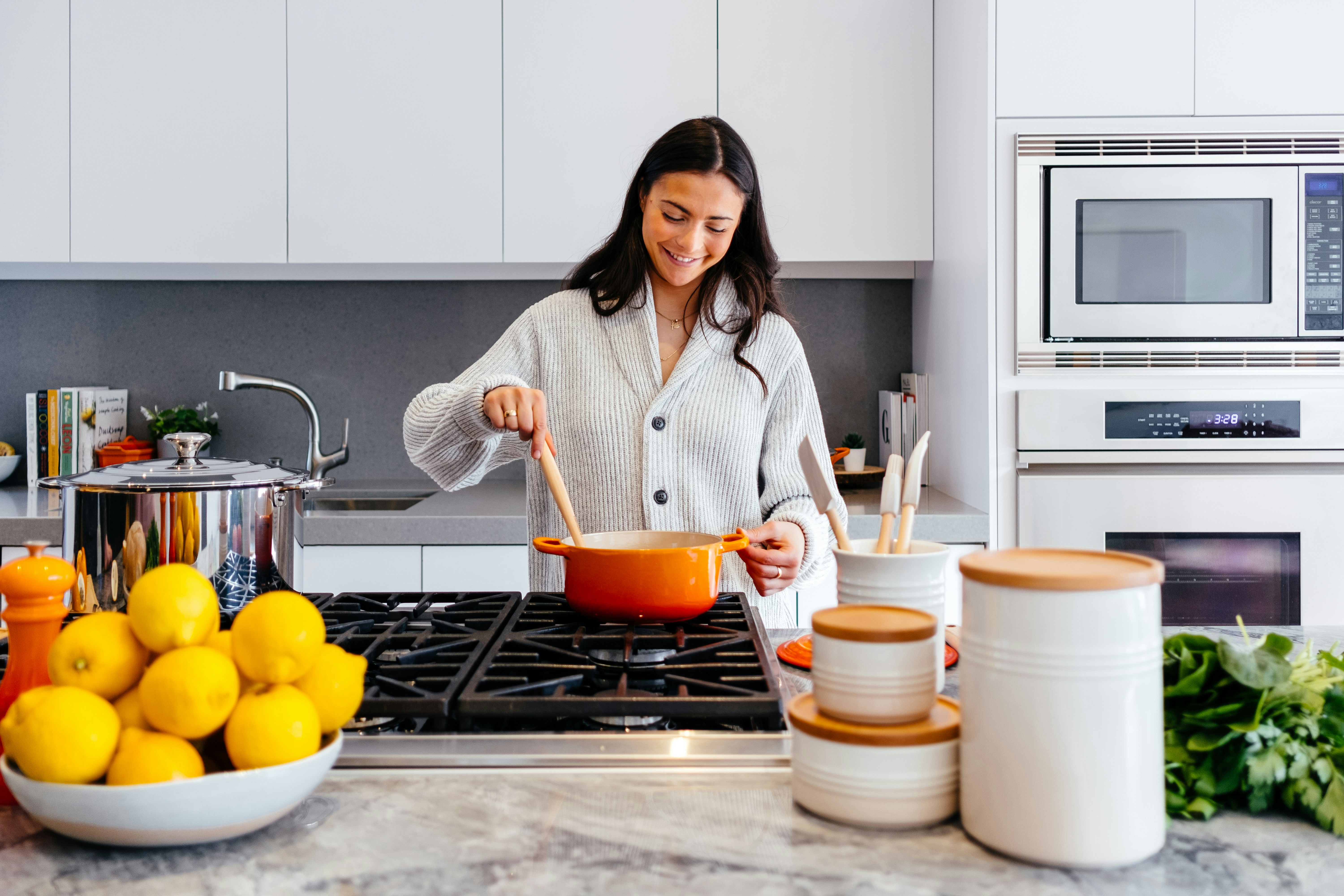
The kitchen design industry is highly competitive, with several key players vying for a significant market share. These industry players include large multinational corporations, small local businesses, and online retailers offering a wide range of products and services to cater to various consumer needs and preferences.
- IKEA: As one of the leading players in the kitchen design industry, IKEA offers a diverse range of kitchen products and solutions to customers worldwide. They are known for their affordable yet stylish designs, which have made them a popular choice for consumers looking for budget-friendly options.
- Home Depot: Another major contender in the kitchen design industry is Home Depot. As a home improvement retailer, Home Depot provides a wide selection of kitchen products, appliances, and installation services. They focus on offering quality products and personalized customer service, catering to customers looking for a one-stop solution for their kitchen design needs.
- Lowe's: Similar to Home Depot, Lowe's is a prominent player in the kitchen design industry, offering a wide array of products and services. They emphasize a customer-centric approach, providing assistance in product selection, design inspiration, and installation. Lowe's also collaborates with renowned brands to offer a comprehensive range of kitchen design options.
- Kitchen and Bath Design Studios: Many local companies specialize in kitchen design and offer personalized services to clients. These design studios often have experienced designers who work closely with customers to create customized and unique kitchen spaces. They often have showrooms where customers can view product samples and gather inspiration for their kitchen projects.
- Online Retailers: Online retailers have gained significant traction in the kitchen design industry, providing customers with the convenience of shopping from the comfort of their homes. Websites like Wayfair, Houzz, and Overstock offer a wide range of kitchen products and provide design inspiration through user-generated content and professional advice. These platforms often have robust search features, enabling customers to filter products based on specific preferences.
Competition within the kitchen design industry is fierce, with players constantly striving to differentiate themselves through innovative designs, quality products, competitive pricing, and exceptional customer service. Many companies invest in research and development to stay ahead of the curve and anticipate evolving consumer trends. Additionally, partnerships with renowned designers and collaborations with other industry stakeholders help companies maintain a competitive edge.
Overall, the kitchen design industry is dynamic and continuously evolving, driven by consumer demands for functional yet aesthetically pleasing kitchen spaces. With various industry players competing for market share, customers now have a plethora of options to choose from, allowing them to find the perfect kitchen design solution for their needs and preferences.
The Future of Kitchen Design: Embracing Technological Innovation

In recent years, technological innovation has been transforming various aspects of our daily lives, and one area that is not immune to this change is kitchen design. With the evolution of smart homes and an increasing demand for convenience and efficiency, the kitchen is experiencing a revolution that is shaping the way we cook, store food, and interact with our culinary spaces. In this article, we explore some of the key technological innovations that are driving the future of kitchen design.
- Smart Appliances: Intelligent appliances are becoming an integral part of modern kitchens. From smart refrigerators that can track food inventory, suggest recipes based on the available ingredients, and order groceries automatically, to smart ovens and cooktops that allow remote control and monitoring, these appliances are making our lives easier and more seamless. Additionally, voice-controlled systems such as Amazon Alexa and Google Assistant are integrating with kitchen appliances, providing hands-free control and enhancing the overall user experience.
- Connected Devices and Internet of Things (IoT): The concept of a connected kitchen is gaining traction as more devices join the Internet of Things. By integrating kitchen appliances, lighting, and other devices, homeowners can create a cohesive and efficient kitchen ecosystem. For example, smart lighting systems that sync with other devices can automate the lighting according to cooking needs, while connected kitchen scales can transfer precise measurements directly to recipe apps, reducing the chances of errors. This interconnectedness allows for better control, energy efficiency, and improved productivity in the kitchen.
- Advanced Cooking Technologies: Digitization has brought advancements in cooking technologies as well. Induction cooktops, for instance, offer precise temperature control and rapid heating by using electromagnetic fields. They are not only safer but also more energy-efficient compared to traditional gas or electric cooktops. Other innovative cooking methods, such as steam ovens and sous vide appliances, ensure optimal cooking results while preserving taste, texture, and nutrients. These technologies are redefining the cooking experience and expanding culinary horizons.
- Smart Storage Solutions: The limited space in kitchens has led to the development of smart storage solutions that maximize available square footage. Intelligent cabinet systems with internal compartments that slide out or rotate, automated pantry organization systems, and sensor-based shelving that adapts to the stored items are transforming how we store and access our kitchen supplies. These innovations not only optimize space but also help in reducing waste by ensuring better visibility of perishable items and minimizing food spoilage.
- Sustainable Innovations: With growing concerns over environmental sustainability, the future of kitchen design is also focused on creating environmentally friendly solutions. Energy-efficient appliances, water-saving faucets, composting systems, and recycling centers are just a few examples of sustainable innovations in the kitchen. Integration of renewable energy sources, such as solar panels, is another emerging trend that promotes eco-friendly living.
As technology continues to evolve, the possibilities for kitchen design are endless. From automated cooking processes to personalized meal planning and virtual reality-enhanced kitchen design, the future promises exciting advancements that will revolutionize the heart of our homes. Embracing technological innovation in kitchen design is not only about convenience and efficiency but also about creating a more sustainable and enjoyable cooking experience.
For further reading on the topic, you might find the following resources helpful:
Regional Trends and Cultural Influences in Kitchen Design

Kitchen design is not only influenced by individual preferences and functional requirements but also by regional trends and cultural influences. Different regions around the world have their own unique design styles, materials, and layouts that are reflective of their cultural heritage and practical needs. Understanding these regional trends and cultural influences can provide valuable insights into the evolving landscape of kitchen design.
Scandinavian Minimalism
Scandinavian design is known for its minimalist and functional approach, and this extends to kitchen design as well. Scandinavian kitchens are characterized by clean lines, simplicity, and natural elements. They usually feature light color palettes, open shelving, and incorporation of natural materials such as wood and stone. The focus is on creating a warm and welcoming space that emphasizes functionality and maximizes natural light.
Mediterranean Charm
Mediterranean kitchen design is reminiscent of the sunny and relaxed lifestyle of countries like Italy, Greece, and Spain. These kitchens feature warm and earthy tones combined with vibrant accents and patterns. Mediterranean kitchens often have a rustic and casual feel, with features such as painted tiles, wrought iron details, and handcrafted accessories. The aim is to create a space that exudes warmth, hospitality, and a connection to nature.
Asian Simplicity
Influenced by the principles of Zen philosophy, Asian kitchen design emphasizes simplicity, balance, and harmony. Japanese and Chinese designs, in particular, are known for their minimalist approach and focus on natural materials. Asian kitchens often have clean lines, uncluttered spaces, and a delicate balance between functionality and aesthetics. They may incorporate elements such as bamboo, shoji screens, and the use of natural light to create a serene and peaceful atmosphere.
Industrial Chic
Industrial kitchen design reflects the urban aesthetic of cities like New York and Berlin. It is characterized by exposed materials such as raw brick, concrete, and metal. Industrial kitchens often have an unfinished and rugged look, showcasing the beauty of imperfections. They may feature open shelving, reclaimed wood, and vintage-inspired fixtures and appliances. The goal is to create an edgy and utilitarian space that celebrates the history and character of industrial buildings.
Middle Eastern Opulence
Middle Eastern kitchen design is all about opulence, luxury, and intricate details. Influenced by the rich cultural heritage of countries like Iran, Morocco, and Turkey, Middle Eastern kitchens often feature vibrant colors, mosaic tiles, and ornate patterns. They may also incorporate features such as arches, domes, and decorative lighting fixtures. The aim is to create a lavish and inviting space that represents the region's love for hospitality and celebration.
Regional trends and cultural influences play a significant role in shaping kitchen design around the world. Whether it's the minimalism of Scandinavia, the charm of the Mediterranean, the simplicity of Asia, the chicness of industrial design, or the opulence of the Middle East, each region brings its unique touch to kitchen spaces. By being aware of these regional trends and cultural influences, designers and homeowners can ensure that their kitchen designs are in line with the latest global trends while reflecting their own personal style and cultural heritage.
The Impact of Social Media and Influencers on Kitchen Design Trends

In recent years, social media and influencers have played a significant role in shaping consumer preferences, particularly in the realm of interior design. Kitchen design trends, in particular, have been greatly influenced by the visual nature of social media platforms, as well as the influence wielded by popular design influencers. Let's explore how social media and influencers have impacted kitchen design trends.
The Rise of Visual Platforms
With the popularity of photo-centric platforms like Instagram and Pinterest, it has become easier than ever for users to discover and share kitchen design ideas. These platforms provide users with a visual feast of inspiration, allowing them to explore a wide range of kitchen designs, from traditional to modern, minimalist to eclectic.
As users scroll through their feeds, they are exposed to an endless stream of professionally styled kitchens and expertly captured snapshots of real homes. This exposure often leads to the desire to replicate these designs in their own homes, sparking demand for specific styles, colors, and features.
The Influence of Design Influencers
One of the key drivers of social media's impact on kitchen design is the prominent role played by design influencers. These individuals have amassed a significant following on platforms like Instagram and YouTube by showcasing their own homes, providing design tips, and sharing insights into the latest trends.
Design influencers have the ability to rapidly disseminate new ideas and styles to their followers, who often trust their expertise and opinions. By partnering with brands, influencers can also introduce new products and innovations to their audiences, further shaping the evolving landscape of kitchen design.
The Power of User-Generated Content
Beyond professional design influencers, social media has also empowered everyday users to become trendsetters themselves. User-generated content has become increasingly influential, with homeowners sharing their own kitchen renovations, DIY projects, and design inspirations.
Platforms like Instagram encourage users to tag brands and use hashtags, making it easy for others to discover products and trends. When users see relatable individuals showcasing their kitchen designs, it adds an element of authenticity and trust, making it more likely that these trends will be adopted by others.
Keeping Up with Changing Trends
The rapid pace of social media and the influence of design influencers have made it more challenging for the average consumer to keep up with the ever-evolving landscape of kitchen design trends. However, there are a few strategies that can help individuals stay ahead:
- Follow Design Influencers - Identify and follow design influencers who align with your personal style and preferences. They can provide inspiration and keep you informed about the latest trends.
- Stay Active on Visual Platforms - Regularly browse platforms like Instagram and Pinterest to discover new ideas and trends. Save images that resonate with you and reference them when planning your own kitchen design.
- Engage with the Community - Join online design communities, follow relevant hashtags, and contribute to discussions. This will keep you engaged with the latest trends and allow you to connect with like-minded individuals.
- Seek Professional Advice - If you feel overwhelmed by the vast amount of information and trends available, consider consulting with a professional kitchen designer who can guide you through the process and ensure your space reflects your style and functionality needs.
In conclusion, social media and influencers have significantly influenced kitchen design trends, making it easier for consumers to discover new ideas, products, and styles. By leveraging the power of visual platforms and following design influencers, individuals can stay informed and create kitchens that are not only functional but also reflect the latest trends in the design world.
Related Articles:
The Future Outlook of Kitchen Design: Embracing Technology and Sustainability

The kitchen is the heart of every home, and over the years, kitchen design has evolved from a functional space to a reflection of style and personality. In recent times, there has been a significant shift towards innovative, tech-driven, and sustainable kitchen designs. As we look ahead, it becomes evident that these trends will continue to shape the future of kitchen design.
Embracing Smart Technology
One of the most prominent trends in kitchen design is the integration of smart technology. With the rise of smart home devices and the Internet of Things (IoT), kitchens are becoming more connected and efficient. Smart appliances, such as refrigerators with built-in Wi-Fi, voice-controlled virtual assistants, and touchless faucets, are already gaining popularity.
As technology advances, we can expect even more innovative features in kitchens of the future. For instance, smart kitchen countertops and tables with embedded touchscreens could revolutionize cooking experiences. These intelligent surfaces can display recipes, provide real-time nutritional information, and even suggest alternative ingredients based on dietary preferences.
Sustainability Takes Center Stage
Another significant shift in kitchen design is the focus on sustainability. With increased awareness about climate change and the need for eco-friendly solutions, homeowners are seeking ways to reduce their environmental impact in the kitchen.
Incorporating sustainable materials in kitchen design, such as recycled glass countertops, reclaimed wood cabinets, and energy-efficient appliances, is already becoming increasingly popular. However, the future of kitchen design will push the boundaries of sustainability even further.
Advancements in renewable energy technology could result in kitchens powered by solar or wind energy, contributing to a greener living environment. Additionally, integrated composting systems and water-saving features will become more commonplace, allowing households to reduce waste and conserve resources.
Personalization and Flexibility
In the future, kitchen design will be highly personalized, catering to individual needs and preferences. Customization options will extend beyond choosing finishes and colors to include the layout and functionality of the kitchen space.
Modular kitchen designs, which allow for flexibility and adaptability, are expected to become more prevalent. These designs enable homeowners to rearrange and reconfigure kitchen components easily, accommodating evolving lifestyle needs.
Furthermore, the integration of artificial intelligence (AI) will revolutionize kitchen design personalization. AI-powered kitchen assistants will be able to learn individual cooking habits, offer personalized recipe recommendations, and adapt lighting and temperature settings based on user preferences.
As we look towards the future of kitchen design, it is evident that technology and sustainability will be the driving forces behind innovation. Smart appliances and interconnected devices will streamline cooking processes, while sustainable materials and energy-efficient solutions will reduce environmental impact.
Personalization and flexibility will allow homeowners to create kitchens that cater to their specific needs, while AI-powered assistants will enhance the overall experience. Ultimately, the future of kitchen design holds great promise for a harmonious blend of functionality, style, and sustainability.
Key Findings and Insights: The Evolution of Kitchen Design

Over the past decade, kitchen design has undergone a remarkable transformation. From being a purely functional space, it has evolved into the vibrant heart of the home, reflecting the changing lifestyles and preferences of homeowners. Let's recap some of the key findings and insights observed regarding this prominent trend.
- Open Concept Layouts: One of the most significant shifts in kitchen design has been the rise of open concept layouts. Walls and barriers are being removed to create seamless transitions between the kitchen and other living spaces, such as dining and living rooms. This design approach promotes a sense of togetherness, allowing people to socialize while cooking and engaging in various activities.
- Multifunctional and Smart Solutions: Modern kitchen designs are all about efficiency and functionality. Homeowners are seeking out smart appliances, space-saving storage solutions, and versatile fixtures that serve multiple purposes. For example, kitchen islands are now often equipped with built-in sinks, extra storage, and even pop-up charging stations for electronic devices.
- Minimalism and Sleek Aesthetics: The popularity of minimalism and sleek aesthetics continues to influence kitchen design choices. Clean lines, open shelving, and concealed storage options are being favored over traditional cabinetry. Additionally, the use of monochromatic color schemes, natural materials like wood and stone, and minimalist hardware contribute to a streamlined and contemporary look.
- Integration of Technology: Technology integration is becoming increasingly prevalent in kitchen design. From touchless faucets and voice-activated appliances to smart lighting and automated temperature control, homeowners are incorporating innovative tech features to enhance convenience and efficiency in the kitchen. IoT-enabled devices, such as smart refrigerators that can track food inventory and suggest recipes, are also gaining traction.
- Sustainable and Eco-Friendly Practices: With a growing focus on environmental sustainability, kitchen design trends now include eco-friendly practices. Designers and homeowners are opting for energy-efficient appliances, water-saving fixtures, and materials with low environmental impact. Recycling stations, composting systems, and kitchen gardens are also being integrated into the design to promote sustainable living.
- Personalization and Lifestyle Expression: Homeowners are using kitchen design as a means of personalized expression. They are incorporating unique elements that reflect their individual styles, interests, and cultural influences. Personalized backsplashes, statement lighting fixtures, bold color choices, and customized cabinetry are just a few ways people are infusing their personality into their kitchen spaces.
- Wellness-Centric Design: A trend gaining momentum in kitchen design is the focus on wellness. Homeowners are recognizing the importance of creating a healthier and more enjoyable cooking environment. Design choices such as air purification systems, natural lighting, non-toxic materials, and ergonomic features are being considered to promote physical and mental well-being in the kitchen.