
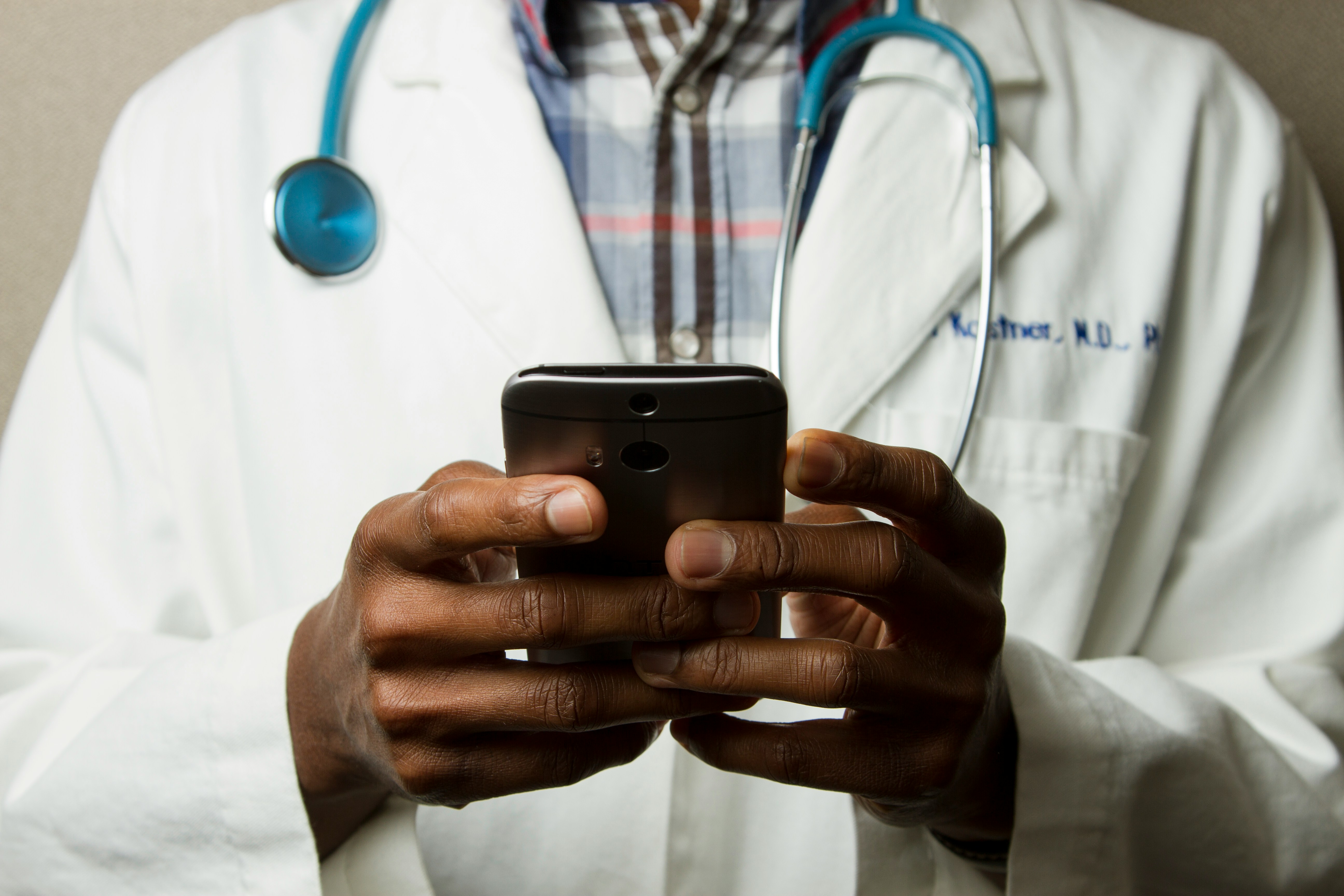
Unveiling the Surging Trend of Telemedicine in Emergency Care: How Virtual Healthcare is Revolutionizing Critical Health Services

The Growing Popularity of Emergency Care: A Lifeline for All

In the fast-paced world we live in, emergency care has emerged as a vital service, providing immediate and life-saving medical attention in critical situations. As the name suggests, emergency care refers to medical treatment and assistance provided to individuals experiencing sudden illnesses, injuries, or other urgent medical conditions that require immediate attention.
Origins of Emergency Care
The concept of emergency care can be traced back to ancient times when the idea of providing urgent medical attention began to develop. However, it gained significant recognition and structure in the mid-20th century with the establishment of the first formalized emergency care systems. During World War II, the military recognized the need for organized medical care for injured soldiers, giving rise to mobile military hospitals and rapid evacuation techniques. This laid the foundation for emergency care systems that exist today.
The Reasons Behind its Increasing Popularity
The popularity of emergency care has been steadily rising, and there are several reasons behind this trend:
- Immediate Access to Medical Assistance: Emergency care facilities play a crucial role in providing timely medical attention to individuals in critical situations. They are accessible 24/7, ensuring that people receive immediate medical care when time is of the essence.
- Specialized Expertise and Facilities: Emergency care centers are equipped with highly skilled medical professionals, advanced diagnostic tools, and specialized facilities to handle a wide range of medical emergencies. This expertise ensures that patients receive appropriate and effective treatment in urgent situations.
- Diverse Demographic Appeal: Emergency care has gained popularity across different demographics. It caters to people of all ages, from infants to the elderly, and serves individuals with a wide variety of medical conditions. Its ability to address a broad range of emergency situations has made it an essential service for communities worldwide.
- Increasing Awareness and Education: With the internet and social media platforms, people have become more aware of the importance of emergency care and its potential to save lives. They are better informed about the symptoms of emergencies and the need to seek immediate medical attention, leading to an increased demand for emergency care services.
- Changing Lifestyles and Risk Factors: Modern lifestyles, characterized by constant activity and potential risks, have contributed to a growing need for emergency care. High-stress levels, increased road traffic, work-related injuries, and the prevalence of chronic health conditions all contribute to the rising demand for immediate medical attention.
The growing popularity of emergency care reflects its essential role in providing immediate medical intervention, helping to save lives and minimize the long-term impact of medical emergencies. As the need for prompt medical attention continues to prevail, emergency care services are likely to expand further, ensuring that individuals have access to critical medical support when they need it the most.
The Burgeoning Market Size and Promising Growth of Emergency Care
Emergency care services play a crucial role in providing timely and life-saving medical assistance to individuals experiencing sudden illness, injury, or medical emergencies. This section will explore the market size and growth potential of emergency care, shedding light on the increasing demand for these services and the key factors driving this growth trajectory.
Market Size and Outlook:
The global emergency care market has been witnessing significant growth in recent years and is projected to continue expanding at a steady pace. According to a report by Market Research Future, the global emergency care market is expected to reach a market value of $32.5 billion by 2023, growing at a CAGR of 7.9% from 2017 to 2023.
Factors Driving Market Growth:
- Rising Incidence of Trauma and Accidents: The increasing number of accidents and trauma cases due to road accidents, workplace mishaps, and natural disasters has been a major driver of the emergency care market. As these incidents often require immediate medical attention, the demand for emergency care services has surged.
- Aging Population and Prevalence of Chronic Diseases: The global population is rapidly aging, leading to an increase in chronic diseases such as cardiovascular disorders, respiratory problems, and diabetes. The elderly population often requires emergency medical services, thus contributing to the growth of this market.
- Technological Advancements: Advancements in medical technology have enhanced the provision of emergency care services. The deployment of advanced diagnostic tools, telemedicine solutions, and mobile health applications has improved the accuracy and efficiency of emergency care, thereby driving market growth.
- Increasing Awareness and Accessibility: The growing awareness among individuals regarding the importance of seeking immediate medical attention in case of emergencies has contributed to the expanded market size of emergency care. Moreover, governments and healthcare organizations are working towards improving accessibility to emergency care facilities, especially in rural and remote areas.
Regional Insights:
North America currently dominates the global emergency care market, attributed to well-established healthcare infrastructure, higher healthcare expenditure, and a rise in healthcare reforms. Additionally, the Asia-Pacific region is expected to witness substantial growth owing to the increasing population, rising investments in healthcare infrastructure, and the emergence of private healthcare providers in countries like China and India.
The emergency care market is witnessing significant growth due to various factors, including the rising incidence of accidents and trauma, an aging population, technological advancements, and increasing awareness among individuals. As the demand for immediate medical attention continues to rise, the emergency care market presents substantial opportunities for healthcare providers and investors alike. With ongoing advancements in medical technology and greater accessibility to emergency care services, the market is likely to prosper in the coming years.
References: Market Research Future, "Emergency Care Market Research Report – Global Forecast till 2023," https://www.marketresearchfuture.com/reports/emergency-care-market-6765
Understanding Consumer Demand and Preferences in Emergency Care

Emergency care plays a crucial role in healthcare, offering immediate medical attention to individuals in critical situations. As consumer expectations evolve, it is essential for healthcare providers and policymakers to understand the specific needs and preferences of patients seeking emergency care. This article aims to delve into consumer demand and preferences within the realm of emergency care.
Demand for Convenient and Timely Emergency Care
One key aspect of consumer demand in emergency care is convenience and timeliness. Patients seeking emergency care often require immediate attention, making the accessibility and availability of care facilities crucial. In today's fast-paced world, consumers expect emergency care services that are easily accessible throughout their communities and operate 24/7.
Preference for Comprehensive Emergency Services
Consumers prioritize emergency care facilities that offer comprehensive services to address a wide range of medical emergencies. Patients seek well-equipped emergency departments with experienced medical staff capable of handling diverse medical conditions, including trauma cases, cardiac emergencies, neurological issues, and more. Offering a variety of diagnostic services, such as X-rays and laboratory testing, within an emergency care setting is also valued by consumers.
Recognition of the Importance of Patient-Centered Care
Patient-centered care is a growing preference among consumers in emergency care. It encompasses aspects such as empathy, communication, respect, and involvement of patients in their care decisions. Consumers seek emergency care facilities that prioritize prompt attention, active listening, and clear communication regarding their diagnosis, treatment options, and expected outcomes. Additionally, the provision of emotional support and a compassionate environment are highly appreciated by patients and their families during distressing times.
Increasing Demand for Technological Innovations
Consumers are increasingly drawn to emergency care facilities that leverage technological innovations to enhance efficiency and effectiveness. Telemedicine in emergency care, for example, enables remote consultations and triaging, allowing patients to receive preliminary assessments before arriving at the facility physically. Furthermore, digital platforms that enable appointment scheduling, real-time wait times, and notifications about bed availability are becoming highly desirable.
Preference for Transparent Pricing and Insurance Coverage
Consumers today are more conscious of their healthcare expenses and seek transparency regarding emergency care costs. Patient preference leans towards facilities that provide clear information about the potential costs associated with emergency care services upfront. Additionally, comprehensible explanations of insurance coverage and financial assistance options are highly valued by consumers to avoid surprise billing or financial strain due to emergency medical services.
Consumer demand and preferences within the realm of emergency care are continually evolving. Healthcare providers and policymakers need to recognize and adapt to these changing preferences to ensure patient satisfaction and improve overall healthcare outcomes. Understanding the importance of convenience, comprehensive services, patient-centered care, technological innovations, and transparency in affordability will help drive the development and improvement of emergency care systems to meet the ever-changing needs of consumers.
Industry Players and Competition in the Emergency Care Sector

The emergency care sector plays a critical role in providing medical services to patients who require immediate attention for serious injuries or urgent medical conditions. This sector encompasses a diverse range of players, including hospitals, ambulance services, urgent care centers, and telemedicine providers. The competition within the emergency care industry is intense as organizations strive to deliver high-quality care efficiently and effectively.
Hospitals and Emergency Departments
Hospitals are significant players in the emergency care sector. They often have dedicated emergency departments (EDs) that operate 24/7 to handle a wide range of emergencies. These departments are staffed by emergency medicine physicians, nurses, and support staff who are trained to provide immediate care to patients in critical condition. Hospitals with comprehensive trauma centers and specialized departments catering to specific medical emergencies, such as cardiac emergencies or stroke care, gain a competitive edge in attracting patients seeking specialized emergency care.
Ambulance Services
Ambulance services are essential for providing pre-hospital emergency care and transportation. These services can be privately owned or operated by municipalities. Some ambulance services are directly affiliated with hospitals, enabling seamless communication and coordination between emergency medical services (EMS) personnel and hospital staff. Competition among ambulance services typically revolves around response times, equipment quality, and the level of training of EMS personnel. Quick response times and reliable services are vital factors that set ambulance services apart in this competitive landscape.
Urgent Care Centers
Urgent care centers have gained prominence in recent years as an alternative to traditional emergency departments for non-life-threatening emergencies. These centers provide immediate care for various conditions that require attention but are not severe enough to warrant an emergency room visit. Urgent care centers often operate during extended hours, offering convenience to patients who face non-emergency medical issues outside regular office hours. Competition among these centers typically centers around accessibility, wait times, affordability, and quality of care.
Telemedicine Providers
The emergence of telemedicine has revolutionized the emergency care sector, particularly in rural areas or situations where immediate physical access to medical professionals is limited. Telemedicine providers leverage technology to deliver remote medical care and consultation. Through digital platforms, patients can connect with physicians who assess their conditions and provide guidance. Telemedicine providers compete based on the accessibility of their platforms, the availability of specialized care, the qualifications of their healthcare professionals, and the user experience offered by their technology.
Competition and Collaboration
While there is competition among these industry players, collaboration is also seen as a way to enhance emergency care services. Hospitals may collaborate with ambulance services to ensure seamless patient transfers and improve response times. Urgent care centers might establish partnerships with hospitals or physician practices to offer coordinated care and streamlined referrals. Telemedicine providers may collaborate with hospitals or emergency departments to extend their reach and allow patients to access immediate care remotely.
In conclusion, the emergency care sector consists of various players, including hospitals, ambulance services, urgent care centers, and telemedicine providers. Each player competes to offer high-quality care, accessibility, and efficiency to attract patients seeking emergency medical services. Collaboration between these entities can lead to improved care coordination and better outcomes for patients in need of emergency care.
Transforming Emergency Care with Technological Innovation

Emergency care is a critical aspect of healthcare that plays a crucial role in saving lives and providing timely medical assistance. Technological innovation has significantly transformed the landscape of emergency care, streamlining processes, enhancing communication, and improving patient outcomes. In this section, we explore the emergence of innovative technologies in emergency care and their potential to revolutionize the field.
Telemedicine in Emergency Care:
Telemedicine has rapidly evolved as a game-changing technology in emergency care, connecting patients with healthcare professionals remotely. This innovation enables patients to receive medical advice and assistance without physically visiting the emergency department, helping to reduce overcrowding and prioritize critical cases.
Telemedicine applications allow healthcare providers to assess and triage patients remotely, providing guidance through video consultations or phone calls. This technology has proven particularly valuable in rural areas where access to emergency care may be limited. Emergency medical services (EMS) can also utilize telemedicine to provide real-time remote guidance to first responders in the field.
Artificial Intelligence (AI) for Diagnosis and Triage:
Artificial Intelligence (AI) has immense potential in helping emergency care providers diagnose and triage patients effectively and efficiently. Machine learning algorithms can analyze vast amounts of medical data, including patient symptoms, vital signs, medical history, and lab results, to assist healthcare professionals in making accurate decisions.
AI-powered systems can support emergency department triage by predicting the severity and urgency of a patient's condition based on available information. This technology can enable quicker identification of critical cases, ensuring they receive prompt medical attention. By optimizing triage processes, AI can help reduce wait times for patients and optimize resource allocation within emergency departments.
Wearable Devices and Remote Monitoring:
Wearable devices equipped with various sensors can monitor vital signs, detect abnormalities, and transmit real-time health data to healthcare providers. These devices offer the potential for continuous monitoring of patients' health status, not only during emergency situations but also in everyday life.
In emergency care, wearable devices can provide valuable data to help emergency medical providers assess a patient's condition remotely, facilitating rapid decision-making. For example, wearables can monitor an individual's heart rate, blood pressure, glucose levels, or respiratory rate, enabling early detection of deteriorating health or potential emergencies.
Robotics and Automation:
Advances in robotics and automation have brought about several innovative applications in emergency care. Robots can help in situations where human intervention is risky or time-consuming, such as hazardous rescue operations or transferring patients with mobility issues.
Robotic systems equipped with advanced sensors and cameras can assist in surveying unstable building structures during emergencies, providing real-time information to first responders. Furthermore, robotic exoskeletons have shown promise in enhancing the strength and mobility of emergency healthcare providers, reducing fatigue during physically demanding situations.
Technological innovation continues to reshape emergency care, empowering healthcare providers with tools to deliver timely and effective interventions. From telemedicine and AI-assisted triage to wearable devices and robotics, these advancements hold immense potential to improve patient outcomes, optimize resource allocation, and enhance the overall emergency care experience. As technology continues to advance, we can expect further transformative solutions that will revolutionize emergency care, ultimately saving more lives in critical situations.
Region-specific Trends and Cultural Influences in Emergency Care

Emergency care is a critical aspect of healthcare systems worldwide. However, the provision of emergency care is influenced by regional trends and cultural factors, which can shape the way it is delivered and accessed in different parts of the world. Understanding these unique regional trends and cultural influences is essential for providing effective emergency care that meets the specific needs of diverse populations.
Accessibility and Availability
One of the significant regional trends that affects emergency care is the accessibility and availability of services. In some remote or rural areas, access to emergency care may be limited due to a lack of healthcare facilities or transportation challenges. This can result in delayed or inadequate emergency care, leading to poorer health outcomes for individuals living in these regions. Additionally, healthcare disparities can also exist in urban areas, where certain marginalized populations may have limited access to emergency care services.
Cultural influences can further impact accessibility and availability. For example, in some regions with high cultural value on community support, individuals may turn to local community resources and traditional healers before seeking formal emergency care. This cultural practice can delay or alter the type of care received, impacting patient outcomes.
Language and Communication
Language barriers can significantly influence emergency care. In regions with diverse populations and multiple languages spoken, healthcare providers may face challenges in effectively communicating with patients during emergencies. This can lead to a delay in diagnosis, misinterpretation of symptoms, or improper administration of treatment. Providing interpretation services or bilingual healthcare providers can enhance communication and improve the quality of emergency care in these regions.
Cultural influences on language and communication can also play a role. In some cultures, individuals may rely on family members or community leaders to act as interpreters or mediators in medical consultations. This can impact the delivery of emergency care, as vital information may be lost in translation or influenced by the cultural beliefs and biases of the interpreter.
Cultural Beliefs and Practices
Cultural beliefs and practices have a significant influence on emergency care utilization and decision-making. For example, in some cultures, there may be stigmas associated with seeking emergency care or visiting hospitals. Traditional beliefs and alternative medicine practices may also shape perceptions of emergency care. Individuals adhering to traditional healing practices may delay seeking formal emergency care, relying on alternative remedies first. Understanding these cultural beliefs and practices is crucial for healthcare providers to effectively engage with patients and ensure appropriate and timely emergency care.
In addition, cultural factors can impact decision-making during emergencies. For example, in some regions, family members may play a more significant role in decision-making for patients, including consenting to treatments. This can influence the type and timing of emergency care provided, requiring healthcare providers to engage and collaborate with family members in the decision-making process.
Regional trends and cultural influences shape emergency care delivery and access around the world. Factors such as accessibility, language and communication, and cultural beliefs and practices can significantly impact how individuals seek, receive, and make decisions regarding emergency care. By recognizing and understanding these regional trends and cultural influences, healthcare providers can tailor emergency care services to better meet the specific needs of diverse populations, ensuring better health outcomes for all.
The Role of Social Media and Influencers in Emergency Care Awareness

In today's digital age, social media and influencers have emerged as powerful tools for spreading information and raising awareness about a variety of topics. One area where their impact is increasingly being felt is in the realm of emergency care. As people turn to platforms like Twitter, Instagram, and YouTube for information and advice, social media influencers are playing a crucial role in educating and empowering individuals about emergency care.
Raising Awareness and Dispelling Myths
Social media influencers have the ability to reach a wide audience and capture their attention. By using their platforms to educate their followers about emergency care, influencers can help dispel common myths and misconceptions, providing accurate and up-to-date information. For example, they can share posts on the importance of timely response during a medical emergency or debunk common first aid misconceptions.
Spreading Important Information
During emergencies, time is of the essence. Social media platforms provide a fast and efficient way to spread critical information to a large number of people. Whether it's by sharing infographics, videos, or live updates, influencers can quickly disseminate information about emergency care best practices, nearby medical facilities, or emergency contact numbers. This can be especially helpful in situations like natural disasters or public health emergencies, where timely information can save lives.
Advocacy for Emergency Preparedness
Influencers can leverage their social media presence to advocate for emergency preparedness. They can use their platforms to encourage their followers to create emergency kits, undergo CPR training, or get vaccinated. By regularly highlighting the importance of being prepared for emergencies, influencers can help foster a culture of safety and resilience within their online communities.
Personal Stories and Testimonials
Influencers often share personal stories and testimonials that resonate with their followers. By sharing experiences related to emergency care, such as surviving accidents or dealing with medical emergencies, influencers can create a sense of empathy and connection, motivating individuals to take emergency care seriously. Personal stories can also help reduce anxiety and fear associated with emergencies by showcasing positive outcomes.
Collaboration with Healthcare Organizations
Some influencers collaborate with healthcare organizations and emergency response agencies to provide accurate information and resources to their followers. By partnering with these organizations, influencers can strengthen their credibility and ensure that the information they promote is reliable and evidence-based. Such collaborations can also facilitate the development of educational campaigns and initiatives aimed at increasing emergency care awareness within online communities.
In conclusion, social media influencers are playing an increasingly important role in raising awareness and educating the public about emergency care. Through their reach, authentic storytelling, and collaborations with healthcare organizations, influencers are making a significant impact in promoting timely responses, debunking myths, and advocating for emergency preparedness. As the influence of social media continues to grow, there is great potential for influencers to further contribute to saving lives and enhancing emergency care outcomes.
The Future Outlook of Emergency Care: Trends and Forecast

Emergency care plays a crucial role in addressing unforeseen health emergencies and saving lives. As healthcare continues to evolve, it is important to examine the future outlook and forecast of emergency care. In this article, we will highlight some emerging trends and discuss the potential impact they may have on the future of emergency care.
- Technological Advancements in Emergency Medical Services (EMS): In the future, technological advancements are likely to revolutionize emergency care. For instance, the adoption of telemedicine and remote patient monitoring systems will enable EMS providers to assess and treat patients remotely, reducing response times and improving patient outcomes. EMS vehicles may also become more sophisticated, integrated with advanced diagnostic equipment and real-time communication systems that enhance the delivery of care.
- Artificial Intelligence (AI) and Machine Learning: The integration of AI and machine learning into emergency care is expected to streamline processes, improve diagnostic accuracy, and optimize resource allocation. AI algorithms can help triage patients based on the severity of their condition, enabling emergency rooms to prioritize cases and allocate resources accordingly. Machine learning can also aid in predicting patient deterioration, allowing for early intervention and potentially reducing mortality rates.
- Mobile Health Applications and Wearables: Mobile health applications and wearable devices have gained popularity in recent years, and they are expected to play an increasingly significant role in emergency care. These technologies can provide real-time tracking of vital signs, symptoms, and medical history, allowing for better pre-arrival preparation and more accurate initial assessments. Additionally, mobile apps can help individuals find nearby emergency facilities, reducing response times and ensuring timely and appropriate care.
- Community-Based Care: The future of emergency care will likely involve a shift towards community-based care models. Community paramedicine programs, for example, extend the scope of traditional paramedics to provide preventative care, chronic disease management, and post-discharge follow-up. By offering more comprehensive care within communities, these programs can reduce the strain on emergency departments and enhance patient outcomes.
- Integration of Behavioral Health Services: Recognizing the importance of mental health, the future of emergency care is likely to prioritize the integration of behavioral health services. Emergency departments may incorporate mental health professionals as part of their core team to better address psychiatric emergencies and provide timely support to patients in crisis.
The future outlook of emergency care is promising, with advancements in technology, artificial intelligence, mobile health applications, community-based care, and integrated behavioral health services expected to revolutionize the field. These trends have the potential to enhance patient outcomes, reduce response times, optimize resource allocation, and improve the overall efficiency of emergency care. As these innovations continue to develop, emergency care will become more patient-centered and responsive to the evolving healthcare needs of communities.
Key Findings and Insights: The Rising Demand for Emergency Care

In recent years, the demand for emergency care has been rapidly increasing, reflecting a growing need for immediate medical attention. As healthcare systems worldwide face a surge in emergency cases, it becomes crucial to understand the key findings and insights related to this trend.
- Escalating Emergency Department Visits: One of the primary indicators of the rising demand for emergency care is the steady increase in emergency department (ED) visits. According to data from the Centers for Disease Control and Prevention (CDC), ED visits in the United States alone rose by nearly 30% from 1995 to 2017. This pattern is consistent across many countries, indicating a global phenomenon.
- Changing Demographics and Aging Population: The aging population, particularly the baby boomer generation, has a significant impact on the demand for emergency care. As this generation grows older, they exhibit a higher likelihood of developing chronic conditions and requiring immediate medical attention. Additionally, the growth of urban populations, changes in lifestyle, and increased traffic congestion also contribute to the rise in emergency cases.
- Lack of Primary Care Access: Limited access to primary care has emerged as a crucial driver behind the increasing demand for emergency care. Primary care shortages in certain regions result in patients utilizing hospitals' emergency departments as their primary source of healthcare. This leads to overcrowded EDs and extended wait times, posing challenges for both patients and healthcare providers.
- Mental Health Crisis: Another significant factor contributing to the rise in emergency care is the mental health crisis. Mental health emergencies, such as suicidal ideation or acute episodes of psychiatric disorders, frequently require immediate attention. With limited mental health resources available, EDs end up shouldering the burden, placing strain on the overall emergency care system.
- Impact of COVID-19: The ongoing COVID-19 pandemic has further intensified the demand for emergency care. The overwhelming influx of infected patients, coupled with the need for rapid testing and treatment, has forced healthcare facilities to adapt and expand their emergency care capabilities. This has led to an increase in telehealth services, makeshift triage centers, and streamlined processes to manage the surge in COVID-19 related emergencies.
- Advancements in Emergency Medicine: While the increasing demand presents challenges, advancements in emergency medicine have allowed healthcare professionals to provide more effective and efficient care. Technologies like telemedicine, electronic health records (EHR), and artificial intelligence (AI) have the potential to streamline triage processes, reduce wait times, and improve patient outcomes.