

Unveiling the Surging Trend of Neuroprotective Lifestyle: How Brain Health Is Becoming a Top Priority

The Rising Popularity of Brain Health: Exploring the Growing Trend
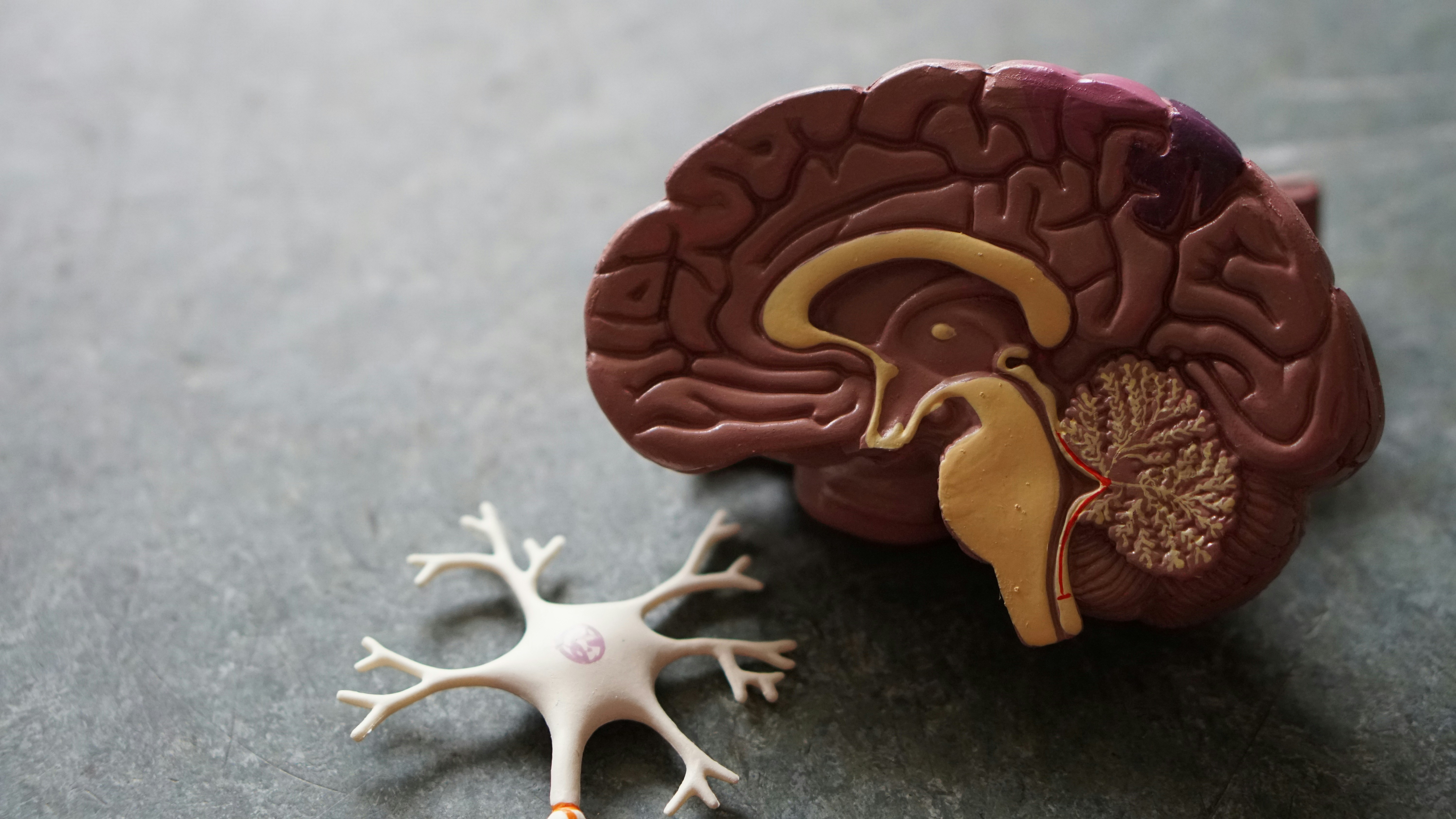
In recent years, the concept of brain health has gained considerable attention across various demographics. As we strive to maintain wellness and enhance our cognitive abilities, the focus on brain health has emerged as a significant trend. This article aims to provide a brief explanation of brain health, its origins, and the factors contributing to its increasing popularity.
Understanding Brain Health
Brain health refers to the overall well-being and optimal functioning of the brain. It encompasses various aspects, including mental clarity, cognitive function, memory, focus, emotional well-being, and overall brain performance. Maintaining brain health involves adopting lifestyle practices and habits that support optimal brain function and reduce the risk of cognitive decline.
Origins of the Brain Health Trend
The origins of the brain health trend can be traced back to the increased awareness surrounding the importance of maintaining a healthy brain as we age. With advancements in medical science and research on the brain, there has been a growing understanding of the factors that can influence brain health, including genetics, lifestyle choices, and environmental influences.
The popularity of brain health can also be attributed to the rise in age-related neurological disorders, such as Alzheimer's disease and dementia. As these conditions pose significant challenges and affect a growing segment of the population, individuals are becoming more proactive in taking preventive measures to safeguard their brain health.
Popularity Among Various Demographics
Brain health is not limited to a specific age group or demographic. While older adults may have a heightened interest in maintaining cognitive function as they age, the trend extends across different generations. Younger individuals and professionals also actively engage in activities and adopt habits that promote brain health to maintain mental acuity and enhance productivity.
Furthermore, the rise of digital technology and the increasing prevalence of sedentary lifestyles have led to concerns about the impact on cognitive function. This has sparked interest in brain health among individuals of all ages who seek to counteract the potential negative effects of technology and sedentary behavior on their brains.
The accessibility of information and resources related to brain health has also contributed to its popularity. With the widespread availability of online platforms, mobile apps, brain-training games, and wearable technology, individuals have easy access to tools that claim to enhance brain health and cognitive performance.
As the importance of brain health becomes more evident, people are increasingly seeking ways to protect and improve their cognitive abilities. The rising popularity of brain health can be attributed to a range of factors, including increased awareness of age-related neurological disorders, advancements in brain research, concerns about the impact of technology, and a growing interest in maintaining cognitive function across all age groups. Understanding the origins and drivers of this trend can help individuals make informed choices to support their brain health and well-being.
Exploring the Expanding Market Size and Growth in Brain Health
The global brain health market has witnessed significant growth in recent years as individuals increasingly prioritize their cognitive well-being and seek solutions to enhance brain functions. This surge in demand has led to the emergence of a variety of products and services catering to brain health, including supplements, cognitive training programs, and digital health technologies. Understanding the market size and growth trends in the brain health sector can provide valuable insights into the opportunities and potential of this rapidly evolving industry.
Market Size:
The brain health market has experienced remarkable growth in recent years, driven by several factors such as an aging population, increased awareness of mental health issues, and a growing focus on preventive healthcare. According to a report by Grand View Research, the global brain health market was valued at approximately $7.1 billion in 2020 and is expected to reach a value of $16.9 billion by 2028, growing at a compound annual growth rate (CAGR) of 11.9% during the forecast period.
Additionally, a study conducted by Market Research Future (MRFR) estimates that the brain health supplements market alone will reach a valuation of $11.6 billion by 2023, with a CAGR of 7.3% from 2017 to 2023. This indicates the increasing consumer demand for dietary supplements and nutraceuticals that claim to improve cognitive function and support brain health.
Growth Drivers:
- Aging Population: The global population is aging at an unprecedented rate, leading to an increased prevalence of age-related cognitive decline, such as Alzheimer's disease and other forms of dementia. This demographic shift has fueled the demand for brain health products and services, as individuals seek ways to maintain cognitive health and delay the onset of neurodegenerative conditions.
- Mental Health Awareness: Greater awareness and reduced stigma surrounding mental health issues have prompted individuals to prioritize their overall well-being, including cognitive health. The rising incidence of stress, anxiety, and depression has led to a surge in demand for brain health products that claim to enhance mood, reduce stress, and improve cognitive performance.
- Technological Advancements: The advancements in digital health technologies and wearable devices have opened up new possibilities for monitoring and improving brain health. Products and services, including brain-training apps, neurofeedback devices, and virtual reality therapies, are gaining traction among health-conscious consumers, contributing to the market's growth.
- Shift towards Preventive Healthcare: With a growing emphasis on preventive healthcare, individuals are proactively seeking strategies to maintain optimal brain health and prevent cognitive decline. This paradigm shift has been instrumental in the growth of the brain health market, as consumers adopt various lifestyle modifications, dietary supplements, and cognitive training programs to support brain function.
Conclusion:
The brain health market has expanded considerably in recent years, driven by factors such as an aging population, increased mental health awareness, technological advancements, and a shift towards preventive healthcare. As consumers increasingly prioritize cognitive well-being and seek effective brain health solutions, the market is projected to continue its growth trajectory in the coming years. Understanding the market size and growth trends in brain health can guide businesses and entrepreneurs in developing innovative products and services that cater to this burgeoning industry and contribute to the overall well-being of individuals around the world.
Exploring Consumer Demand and Preferences in Brain Health

Brain health has become an increasingly important topic as people become more aware of the impact of cognitive wellbeing on overall quality of life. As a result, consumer demand and preferences in the area of brain health have been steadily rising. This article delves into the key factors driving this demand and highlights the preferences of consumers in this growing market.
Factors Driving Consumer Demand:
- Aging Population: With a significant increase in life expectancy, there is a growing interest among aging consumers to maintain brain health and cognitive function. As people age, they become more conscious of age-related cognitive decline, leading them to actively seek ways to improve brain health and prevent conditions such as dementia and Alzheimer's disease.
- Stress and Mental Health Concerns: In today's fast-paced world, stress and mental health issues have become major concerns. Many consumers are looking for ways to reduce stress and anxiety, improve focus, and enhance cognitive performance. As a result, brain health products and solutions are gaining popularity as consumers search for natural ways to support their cognitive function.
- Workplace Performance: In a highly competitive job market, employees are seeking ways to optimize their performance and productivity. Brain health has become crucial not only for older adults but also for young professionals who strive for mental sharpness, concentration, and memory retention. Products and services that claim to enhance brain function and cognitive abilities are particularly appealing to this group.
- Health and Wellness Trend: Consumers are increasingly prioritizing their overall health and wellness. Brain health is viewed as an essential aspect of overall well-being, alongside physical fitness and nutrition. The desire to lead a balanced and fulfilling life has led to a surge in demand for brainhealth products and services that emphasize cognitive enhancement and mental well-being.
Consumer Preferences in Brain Health:
- Natural and Holistic Approaches: Consumers are gravitating toward natural and holistic approaches to brain health. They prefer products and services that are free from harmful chemicals and have minimal side effects. Natural supplements, meditation, yoga, and engaging in mentally stimulating activities are some examples of preferences in this realm.
- Science-based Products: While consumers value natural approaches, they also seek science-backed products and solutions. Products with proven efficacy and safety resonate well with consumers who are looking for evidence-based options to support their brain health. Clear and transparent labeling, along with reputable scientific research, are significant factors influencing consumer preferences.
- Convenience and Accessibility: In today's fast-paced lifestyle, convenience and accessibility play a vital role in consumer choices. Brain health products that are easy to incorporate into daily routines, such as dietary supplements, functional foods or beverages, and mobile apps, are preferred by consumers who seek hassle-free solutions.
- Personalization: With the growing emphasis on individual health and customization, consumers appreciate personalized brain health solutions. Whether it’s through the use of wearable devices, brain-training programs tailored to personal needs, or personalized nutrition plans, customization enables consumers to address their specific cognitive health goals effectively.
Understanding consumer demand and preferences in the area of brain health is crucial for businesses and researchers to develop effective strategies, products, and services. By meeting consumer expectations and addressing their specific needs, companies can tap into this rising market and contribute to improving brain health for individuals of all ages.
Industry Players and Competition in Brain Health

The brain health industry is experiencing rapid growth due to the increasing awareness of the importance of cognitive well-being. As the demand for brain health products and services continues to rise, numerous industry players are vying for position in this competitive market. This section explores some of the key players and provides insights into the intense competition within the brain health industry.
Key Industry Players
- Johnson & Johnson: As a multinational pharmaceutical and consumer goods company, Johnson & Johnson has a strong presence in the brain health sector. They offer a range of products targeted at improving brain health and cognitive function, including dietary supplements, prescription medications, and digital health solutions.
- Lumosity: Lumosity is a prominent player in the digital brain training space. Their platform offers a variety of personalized cognitive exercises and brain training programs to improve memory, attention, and problem-solving skills. Lumosity's user-friendly interface and emphasis on scientific research have helped them gain a substantial user base.
- Eisai Co., Ltd: Japanese pharmaceutical company Eisai is actively involved in the research and development of drugs for brain-related disorders, such as Alzheimer's disease and epilepsy. With a focus on innovation, Eisai strives to bring novel treatments to market and address the unmet needs of patients.
- Nootropics Depot: Nootropics Depot is a prominent player in the brain health supplement industry. They offer a wide range of nootropic supplements, which are designed to enhance cognitive function, memory, and focus. Their products cater to a diverse customer base looking for natural and safe alternatives to boost brain health.
- CogniFit: CogniFit specializes in cognitive assessments and brain training programs. Their platform uses cutting-edge technology to evaluate cognitive abilities and create customized brain training plans. CogniFit's solutions cater to both individuals seeking personal improvement and professionals in the healthcare and education sectors.
Competition and Market Dynamics
The brain health industry is highly competitive, with companies constantly striving to differentiate themselves and capture market share. Innovation and scientific credibility are crucial factors in gaining a competitive advantage. Companies that can demonstrate the effectiveness of their products through research and clinical trials are more likely to succeed.
Moreover, the brain health industry is witnessing a significant shift towards digital solutions and personalized experiences. Companies like Lumosity and CogniFit, which offer online platforms and app-based brain training, have gained popularity among consumers. These companies leverage technological advancements to deliver engaging and accessible brain health solutions.
As the market expands, collaboration and partnerships between different industry players become increasingly common. Pharmaceutical companies like Johnson & Johnson and Eisai often collaborate with research institutions, universities, and startups to accelerate the development of new treatments and therapies for brain-related disorders.
In summary, the brain health industry is witnessing fierce competition among various industry players, each vying to establish their brand as a trusted source of brain health solutions. Companies that invest in research, develop innovative products, and leverage technology to provide personalized experiences are likely to gain a competitive edge in this dynamic and growing market.
Advancing Brain Health: The Intersection of Technology and Innovation

Technological advancements have paved the way for significant breakthroughs in the field of brain health. As researchers and scientists seek to explore ways to optimize brain function and improve overall mental well-being, innovative solutions are emerging that harness the power of technology. From brain-computer interfaces to neurofeedback devices, here are some notable technological innovations shaping the future of brain health.
- Brain-Computer Interfaces (BCIs): One of the most fascinating developments in the field of brain health is the evolution of brain-computer interfaces. BCIs enable direct communication between the brain and external devices, allowing individuals to control computers, prosthetics, or even robotic systems using their thoughts. This technology holds immense potential for individuals with motor disabilities or conditions like paralysis, enabling them to regain independence and improve their quality of life. Additionally, BCIs have the potential to enhance cognitive abilities, with ongoing research exploring their use in attention and memory enhancement.
- Neurofeedback Devices: Neurofeedback technology provides a means to visualize and regulate brain activity in real-time. These devices capture brainwave patterns and deliver feedback to the user, facilitating self-regulation and optimizing brain function. Neurofeedback holds promise in various areas, such as reducing stress and anxiety, improving attention and focus, and treating conditions like attention deficit hyperactivity disorder (ADHD). As the technology advances, portable and user-friendly neurofeedback devices are becoming more accessible to the general public, empowering individuals to take control of their brain health.
- Virtual Reality (VR) Therapy: Virtual reality has emerged as a powerful tool in the field of brain health, specifically in the realm of therapy and rehabilitation. VR therapy allows individuals to immerse themselves in virtual environments tailored to their specific needs, providing exposure therapy for phobias, treating post-traumatic stress disorder (PTSD), and aiding in mental health treatment. By creating realistic and controlled simulations, VR therapy not only enhances therapeutic outcomes but also offers a safe and immersive space for individuals to confront challenging situations.
- Wearable Brain Monitoring: Wearable devices equipped with EEG (Electroencephalogram) sensors have gained popularity in recent years, enabling individuals to monitor their brain activity and gain insights into their cognitive states. These devices provide valuable data on sleep quality, stress levels, and cognitive performance, among other metrics. With the integration of machine learning algorithms and artificial intelligence, wearable brain monitoring devices have the potential to identify patterns and provide personalized interventions to enhance brain health and well-being.
- Cognitive Training Apps: Mobile applications designed for cognitive training have gained traction as a convenient and accessible way to improve brain health. These apps offer a range of activities to enhance memory, attention, problem-solving, and other cognitive functions. Through gamification and adaptive learning algorithms, these apps provide engaging and personalized training regimens. As the demand for mental wellness and brain fitness continues to rise, cognitive training apps are poised to play a significant role in promoting brain health across different age groups.
Technological innovation in the field of brain health empowers individuals to engage actively in their own cognitive well-being, pushing the boundaries of what is possible. As these innovations continue to advance, the potential for enhancing brain health and unlocking human potential becomes increasingly promising. Embracing technology in the pursuit of optimal brain function is an exciting frontier that holds tremendous potential for improving the lives of individuals around the world.
Regional Trends and Cultural Influences on Brain Health

When examining brain health from a regional perspective, it becomes evident that certain cultural factors and regional trends play a significant role in shaping people's attitudes and behaviors towards maintaining good brain health. Understanding these influences can provide valuable insights into promoting brain health across different regions.
Western Cultures: Emphasis on Cognitive Performance
In Western cultures, particularly in North America and Europe, there is often a strong emphasis on cognitive performance and productivity. As a result, individuals in these regions frequently prioritize brain health to enhance their mental capabilities and maintain peak performance. This can manifest in a variety of ways, such as a focus on brain-boosting dietary supplements, brain-training games and apps, and participating in regular mental exercises.
Moreover, the prevalence of mindfulness practices, such as meditation and yoga, has gained popularity in Western cultures, with the aim of reducing stress and improving overall brain function. These practices have become deeply embedded in the wellness industry, forming an integral part of brain health routines for many individuals.
Asian Cultures: Traditional Remedies and Lifestyle Factors
In contrast, Asian cultures, particularly East Asian and Southeast Asian countries, often incorporate traditional remedies and lifestyle factors into their approach to brain health. Practices such as Traditional Chinese Medicine (TCM) and Ayurveda in India have long been used to enhance overall well-being, including brain function.
Herbal supplements, such as ginkgo biloba, used in TCM, are believed to improve memory and cognitive function. Furthermore, specific dietary choices, such as including fish high in omega-3 fatty acids and a wide variety of fruits and vegetables, are commonly associated with brain health in Asian cultures.
In addition to dietary considerations, regular physical activity, such as martial arts like Tai Chi or Qigong, is encouraged as a means to promote brain health in Asian cultures. These practices combine physical movement, mindfulness, and social interaction, providing a holistic approach to enhancing cognitive well-being.
Indigenous Cultures: Connection to Nature and Traditional Knowledge
Indigenous cultures often have their unique perspectives on brain health, emphasizing a deep connection to nature and traditional knowledge. Indigenous communities, such as those in Africa, Australia, and South America, have historically relied on their deep understanding of nature and plant medicine to support brain health.
For example, the use of medicinal plants and herbs, passed down through generations, is common among indigenous communities. These traditional remedies are believed to enhance cognitive function and overall brain health. Moreover, the connection to land and community plays a vital role in maintaining mental well-being in Indigenous cultures.
Urbanization and Global Trends
As regions become increasingly urbanized and globalized, cultural influences on brain health can intersect and blend. People in urban areas tend to adopt a mix of cultural practices, combining elements from their own heritage with broader global trends related to brain health.
In modern urban cultures, the pursuit of brain health often includes a combination of Western approaches, such as cognitive training and stress reduction techniques, along with the incorporation of traditional practices, such as mindfulness and herbal remedies. This blending of approaches reflects the diverse cultural backgrounds and influences found in urban populations.
When it comes to brain health, regional trends and cultural influences play a significant role in shaping people's attitudes and approaches. While Western cultures prioritize cognitive performance and productivity, Asian cultures focus on incorporating traditional remedies and lifestyle factors. Indigenous cultures emphasize a deep connection to nature and traditional knowledge. As regions become more urbanized and globalized, these influences intersect and blend, creating a diverse approach to brain health worldwide. By recognizing and understanding these regional trends and cultural influences, we can develop more tailored strategies to promote brain health within specific populations.
The Influence of Social Media and Influencers on Brain Health Awareness

In recent years, the role of social media and influencers in shaping people's perceptions and behaviors has become increasingly influential. With an emphasis on health and wellness, these online platforms have played a significant role in raising awareness about various aspects of physical and mental well-being, including brain health.
Through informative and engaging content, social media influencers have the power to reach a vast audience and capture their attention. This has allowed them to become valuable sources of information and inspiration for individuals seeking to improve their brain health. From promoting healthy eating habits to sharing cognitive exercises and stress management techniques, influencers have become active participants in the brain health conversation on social media platforms.
Within the realm of brain health, influencers have been instrumental in debunking myths and misconceptions, bridging the gap between scientific research and the general public's understanding. They use engaging content formats, such as videos, infographics, and blog posts, to communicate complex concepts in a digestible and relatable manner. By sharing personal experiences, expert insights, and evidence-based advice, influencers contribute to the dissemination of accurate information about maintaining and enhancing brain health.
Notably, social media platforms have also facilitated the formation of supportive communities centered around brain health. These communities bring together individuals who share common interests and goals related to brain health, creating a space for mutual encouragement, learning, and resource sharing. Through these communities, influencers play a pivotal role in fostering engagement, facilitating discussions, and providing guidance to individuals seeking to optimize their brain health.
However, it is important to remain discerning consumers of the information shared by social media influencers. While many influencers provide valuable insights, some may lack scientific expertise or misinterpret research findings. Misinformation and misleading claims about brain health can spread rapidly on social media platforms, potentially leading individuals down ineffective or even harmful paths. It is crucial for users to critically evaluate the credibility of influencers and corroborate the information they receive with reputable sources.
The influence of social media and influencers on brain health awareness extends beyond organic content. There is also a growing trend of collaborations between influencers and organizations specializing in brain health products, services, or research. Such partnerships allow influencers to promote evidence-based brain health solutions while enabling organizations to reach larger and more diverse audiences. Influencer marketing campaigns, sponsored content, and affiliate programs play a vital role in driving brand awareness, consumer education, and uptake of brain health-related products and services.
In conclusion, the intersection of social media and influencers has had a significant impact on raising awareness about brain health. Influencers act as powerful advocates, disseminating accurate information, inspiring behavioral change, and fostering communities centered around brain health. However, users must approach social media content with caution and critically evaluate the credibility of influencers. By striking a balance between engaging with influencers and seeking reputable sources, individuals can harness the benefits of social media while making informed decisions about their brain health journey.
The Future Outlook and Forecast of Brain Health

As we continue to prioritize overall well-being, one crucial aspect gaining significant attention is brain health. With growing awareness of conditions like Alzheimer's disease and an aging population, the future outlook for brain health is shaping up to be a prominent trend. This article explores the forecast for brain health and the potential impact it can have on society.
Increasing Concern and Awareness
In the coming years, we can expect brain health to become an area of increasing concern and awareness. As people strive for improved cognitive function, preventive measures, including exercise, a healthy diet, and mental stimulation, will become more popular. This shift in focus will lead to a surge in demand for brain-boosting products, services, and technologies.
Technological Advancements
Advancements in technology will play a crucial role in the future of brain health. Interventions such as neurofeedback, brain-computer interfaces, and virtual reality therapies show promise in enhancing brain function and treating various mental health conditions. These innovations are likely to become more accessible as costs decrease, allowing greater adoption and integration into mainstream healthcare.
Personalized Brain Care
As understanding of the brain improves, personalized approaches to brain health will gain momentum. Advancements in genetic research and neuroimaging techniques will enable healthcare professionals to tailor treatment plans and interventions based on an individual's unique brain structure and needs. This personalized approach will lead to more effective and targeted treatments for conditions related to brain health.
Nutritional Interventions
Nutrition plays a vital role in brain health, and we can anticipate an increased focus on nutritional interventions in the future. Research on the impact of specific nutrients, such as omega-3 fatty acids, antioxidants, and vitamins, on brain function and neurodegenerative diseases is ongoing. This research will likely shape dietary guidelines and lead to the development of functional foods and supplements to support brain health.
Mental Well-being and Cognitive Performance Enhancement
In addition to addressing cognitive decline and neurodegenerative diseases, brain health will also focus on mental well-being and cognitive performance enhancement. As stress and mental health issues become more prevalent, individuals will seek ways to improve their resilience and cognitive abilities. This trend may lead to the popularity of mindfulness practices, brain-training games, and other techniques to enhance mental performance.
The future outlook for brain health is promising, with increasing concern, advancements in technology, personalized approaches, nutritional interventions, and a focus on mental well-being. As the population ages and the importance of brain health becomes more evident, individuals, healthcare professionals, and researchers will continue to prioritize brain health initiatives. By staying aware of these trends and developments, we can better prepare for a future where brain health is a central aspect of overall well-being.
Trend Recap: Key Insights on Brain Health

Over the past few years, brain health has emerged as a significant trend, with increasing global awareness and interest in maintaining cognitive function and overall mental well-being. As people become more proactive about their health, they are seeking ways to improve memory, focus, and concentration, as well as prevent or delay age-related cognitive decline.
Here are some key findings and insights on the trend of brain health:
- Growing Aging Population: One of the primary drivers of the brain health trend is the global aging population. As life expectancy increases, there is a growing concern about age-related cognitive decline, such as dementia and Alzheimer's disease. This has created a strong demand for products and services that promote brain health and help individuals maintain optimal cognitive function as they age.
- Increased Awareness and Education: The rise in research and scientific studies on the brain has led to increased awareness and understanding of the factors that impact brain health. People are now more informed about the importance of nutrition, exercise, sleep, stress management, and mental stimulation in maintaining a healthy brain. This awareness has fueled the demand for brain health-related products and services.
- Nutrition and Brain Health: The correlation between nutrition and brain health is gaining recognition. A diet rich in fruits, vegetables, whole grains, healthy fats (like omega-3 fatty acids), and low in refined sugars has been linked to better cognitive function and a reduced risk of age-related cognitive decline. Supplements like omega-3 fatty acids, vitamins B, C, D, and E, and antioxidants have gained popularity for their potential cognitive benefits.
- Exercise and Mental Well-being: Regular physical activity has been found to have significant positive effects on brain health. Exercise increases blood flow to the brain, promotes the growth of new neurons, and enhances memory and cognitive function. Activities like cardio workouts, strength training, and mind-body exercises (e.g., yoga and tai chi) have been recommended for optimal brain health.
- Mental Stimulation and Brain Games: Keeping the brain mentally active and engaged is considered crucial for enhancing cognitive function and preventing cognitive decline. Brain games and puzzles, such as Sudoku, crossword puzzles, and memory games, have gained popularity as tools for mental stimulation. Additionally, activities like learning new skills, reading, and socializing have been associated with improved brain health.
- Stress Management: Chronic stress is known to have negative effects on the brain and cognitive function. As a result, stress management techniques, such as meditation, mindfulness, deep breathing exercises, and relaxation techniques, have gained popularity as means to reduce stress and promote brain health.
- Technology and Brain Health: The integration of technology in brain health has seen significant advancements. Wearable devices, smartphone apps, and brain-training programs have become popular tools for tracking and improving brain health. These technologies offer personalized solutions, feedback, and cognitive exercises for enhancing mental capabilities.