

Unveiling the Surging Popularity of Interactive Spinner Wheels in Gamification and Online Marketing Strategies

The Soaring Popularity of Spinner Wheels: A Trend Taking Various Demographics by Storm
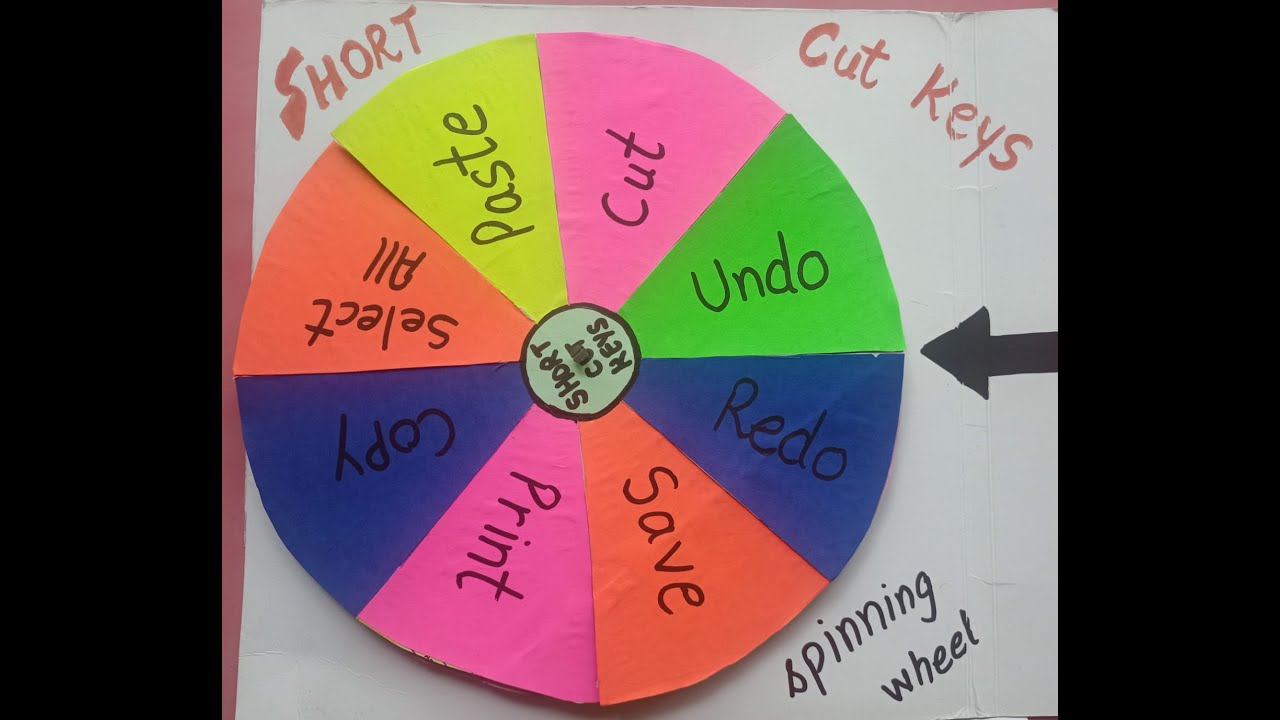
Spinner wheels have rapidly gained popularity in recent years, captivating both young and old across various demographics. This trend, with its origins stemming from toys and fidget devices, has evolved into a playful instrument for decision-making, entertainment, and stress relief. The spinner wheel is an engaging and intriguing gadget that has been proven to captivate users for hours on end. In this article, we will explore the origins of the spinner wheel trend, the reasons behind its widespread popularity, and its appeal among different age groups and interests.
Origins of Spinner Wheel:
The origins of spinner wheels can be traced back to the simple concept of spinning toys, which have existed for centuries. However, the popularity of spinner wheels skyrocketed around 2017 with the introduction of fidget spinners. Initially designed as tools to help individuals with ADHD or anxiety disorders, fidget spinners quickly captured the attention of a much wider audience, becoming a fad. Fidget spinners served as stress relievers and soon became a sought-after gadget worldwide.
Popularity among Different Demographics:
Spinner wheels have managed to transcend age and interest barriers, capturing the attention and fascination of a broad range of demographics.
- Children and Teenagers: Spinner wheels amassed a huge following among children and teenagers due to their fun and engaging nature. Many found joy in the simple act of spinning the wheel, exploring its mesmerizing patterns and colors. Schools and playgrounds became inundated with spinner wheels, making them a sensation among younger age groups.
- Adults: Spinner wheels found a place in the lives of adults as well, serving as stress relievers and decision-making tools. By spinning the wheel to randomly land on a particular choice or action, adults found a lighthearted way to tackle various decisions, be it choosing a restaurant or organizing their daily routine.
- Gamers and Collectors: Spinner wheels have also become popular among gamers and collectors. Gaming enthusiasts found spinner wheels to be an exciting addition to their gaming setup, incorporating them into gameplay elements or as a simple means of relaxation between intense gaming sessions. Collectors, on the other hand, began seeking out unique, rare, and customizable spinner wheels, turning them into prized possessions within their collections.
The spinner wheel trend has made a lasting impact on various demographics, capturing the fascination of individuals of all ages and interests. Its origins in toy and fidget devices, combined with its engaging and stress-relieving nature, have contributed to its widespread popularity. From aiding decision-making to providing entertainment, spinner wheels have become more than just a passing fad. As their popularity continues to soar, it is evident that spinner wheels have become a trend here to stay.
Market Size and Growth of Spinner Wheels: Riding the Wave of Popular Fidget Toys
Spinner wheels, also known as fidget spinners, burst onto the scene in 2017 as a viral sensation, captivating people of all ages with their mesmerizing spinning motion. Originally marketed as stress-relieving toys, spinner wheels quickly gained popularity and became more than just a passing fad. In this article, we will delve into the market size and growth of spinner wheels, analyzing their rise to fame and their current place in the market.
Market Size:
The spinner wheel market experienced astronomical growth in a relatively short period. In 2017, the market was valued at approximately $500 million globally, a staggering figure considering the product's novelty and niche appeal. (source: Forbes)
The initial surge in demand for spinner wheels was fueled by social media, where videos and photos of the spinning device quickly spread, garnering millions of views and shares. The low price point and ease of accessibility contributed to its widespread popularity, making it an impulse buy for many consumers.
Growth Factors:
Several key factors have propelled the growth of the spinner wheel market:
- Social media influence: The role of social media cannot be understated in the success of spinner wheels. Platforms like TikTok, Instagram, and YouTube played a crucial role in generating buzz and creating a global frenzy around the product. Influencers and celebrities showcasing spinner wheels to their millions of followers further amplified its popularity.
- Stress relief and focus: Spinner wheels were initially marketed as stress-relieving tools, claiming to help individuals manage anxiety, improve focus, and relieve boredom. This positioning appealed to a wide range of demographics, including students, office workers, and individuals seeking relaxation.
- Collectibility and customization: As the market matured, spinner wheels expanded beyond their basic designs. Manufacturers introduced various shapes, colors, and materials, catering to consumers' desire for customization and collectibility. Limited editions and artist collaborations drew collectors and enthusiasts, further boosting sales.
Market Trends:
While the initial hype around spinner wheels has subsided, the market continues to evolve, adapting to changing consumer preferences. Here are some notable trends in the spinner wheel market:
- Premium spinner wheels: As the market becomes saturated with standard spinner wheels, there is a growing demand for high-end, premium options featuring superior craftsmanship and unique designs. These premium models offer enhanced spin times, premium materials such as titanium or ceramics, and more intricate aesthetics.
- Focus on sustainability: In response to growing concerns about environmental impact, manufacturers are developing spinner wheels made from eco-friendly materials such as bamboo or recycled plastics. This trend aligns with the broader shift towards sustainable and ethical consumer goods.
- Integration with smart technology: With the rise of Internet of Things (IoT), spinner wheels are being integrated with smart technology to offer additional features such as tracking spin data, providing interactive gaming experiences, or connecting to smartphone apps for performance analysis.
The market size and growth of spinner wheels witnessed unprecedented levels of success when they first emerged, driven by social media, stress relief claims, and affordability. While the initial hype has cooled, the industry remains adaptive, exploring new avenues such as premium models, sustainable options, and smart technology integration. As the market continues to evolve, spinner wheels are poised to remain a popular choice for those seeking both entertainment and stress relief.
Understanding Consumer Demand and Preferences for Spinner Wheels
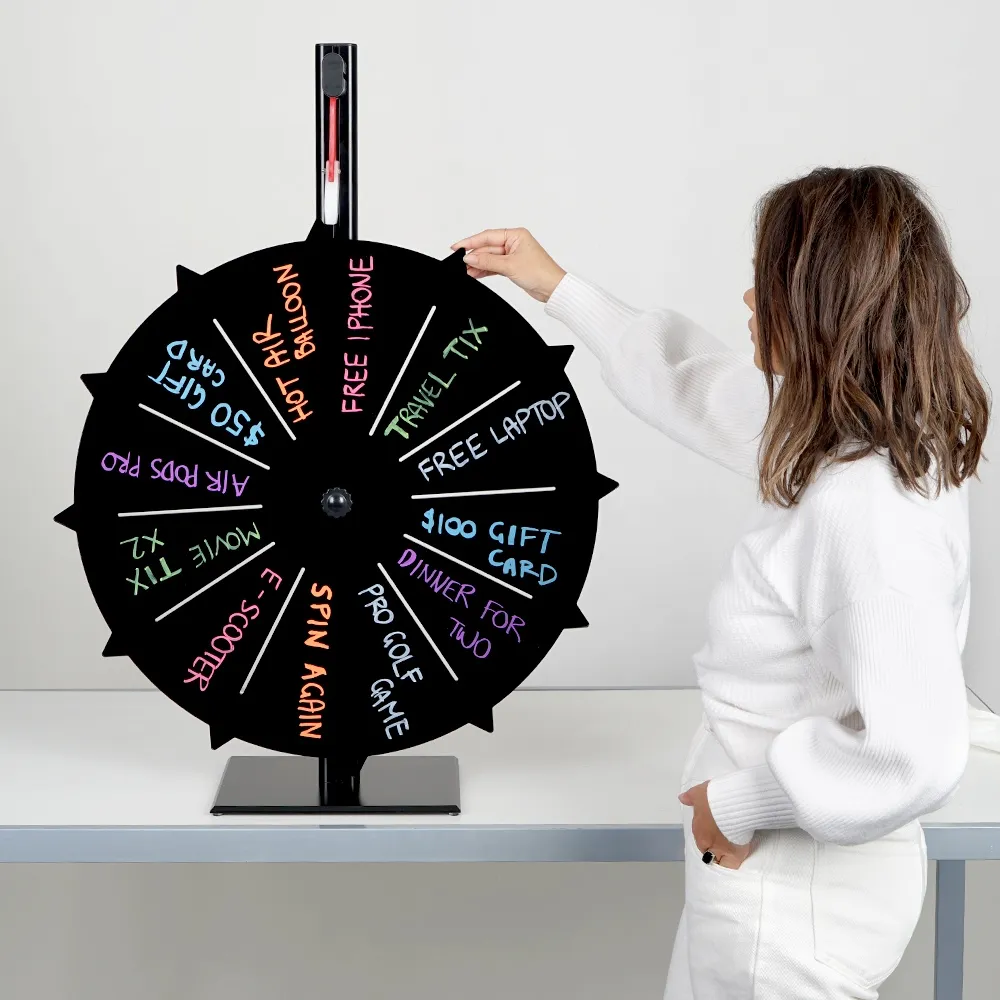
Spinner wheels, also known as spinners, have gained immense popularity in recent years, capturing the attention of consumers around the world. These innovative devices, originally designed as stress-relief toys, quickly became a global trend across various age groups and demographics. In this section, we delve into the factors driving consumer demand and the key preferences surrounding spinner wheels.
The Appeal of Fidget Toys and Stress Relief
One of the primary factors driving consumer demand for spinner wheels is their association with stress relief and anxiety reduction. Spinner wheels are designed to keep idle hands occupied, providing a satisfying sensory experience that helps individuals cope with stress and anxiety in a fast-paced world. As a result, there is a growing market for spinner wheels among individuals seeking relaxation or a distraction from daily pressures.
Novelty and Entertainment
Spinner wheels offer a unique form of entertainment and amusement. With their vibrant colors, sleek designs, and mesmerizing spinning motion, they captivate users and provide a sense of playfulness. The tactile experience and satisfaction of fidgeting and spinning the device make it appealing to both children and adults. For consumers, spinner wheels represent novelty and whimsy, offering a break from
Versatility and Portability
Consumer demand for spinner wheels is also driven by their versatility and portability. These compact devices can be easily carried in pockets, bags, or purses, making them readily accessible for on-the-go entertainment. Additionally, spinner wheels come in a variety of sizes, materials, and designs, catering to individual preferences. From simple plastic spinners to more high-end metallic options, consumers have the freedom to choose a spinner that matches their style and personal taste.
Social and Collectible Factors
In recent years, spinner wheels have become a symbol of trendiness and a social phenomenon. The device has gained a substantial following on social media platforms, where users showcase their spinner collections, participate in spinner challenges, and share spinner-related content. This social aspect has contributed to the rise in consumer demand, as individuals seek to join the spinner wheel community, generate discussions, and showcase their own unique spinners.
Health and Wellness Benefits
Beyond their stress-relieving properties, some consumers believe that spinner wheels offer additional health and wellness benefits. These include assisting with concentration, reducing symptoms of attention disorders, and promoting mindfulness. While scientific evidence supporting these claims is limited, the perceived health benefits associated with spinner wheels undoubtedly contribute to consumer interest and demand.
Spinner wheels have emerged as more than just toys; they have become a cultural phenomenon and a symbol of relaxation, playfulness, and personal style. Their appeal lies in their ability to provide stress relief, entertainment, and a sense of belonging to a vibrant community. As consumer preferences continue to evolve, staying attuned to these key factors will be crucial for businesses and manufacturers looking to tap into the ongoing demand for spinner wheels.
Industry Players and Competition: The Battle of the Spinner Wheels
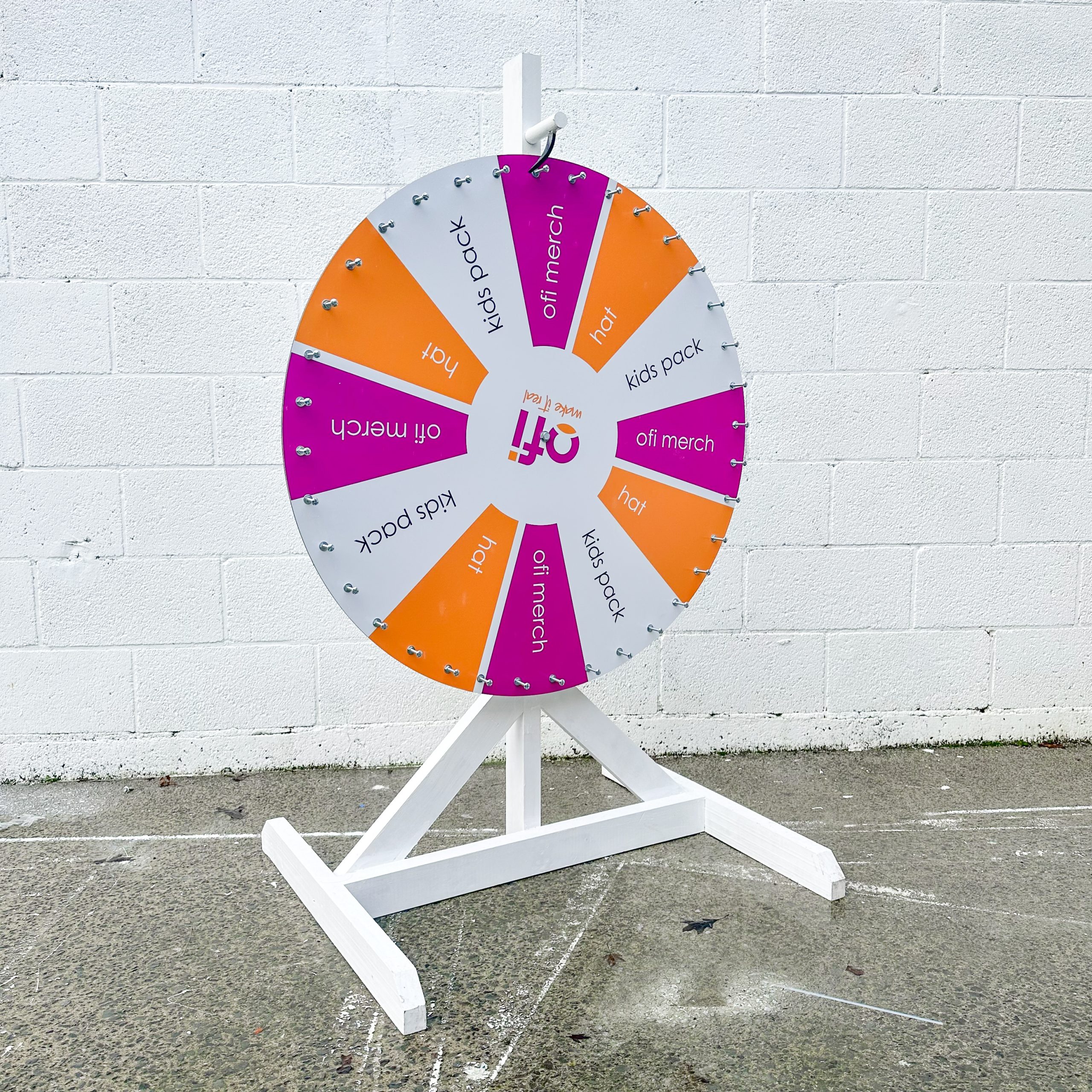
The spinner wheel industry has experienced exponential growth in recent years, captivating both children and adults alike with its mesmerizing spinning motion. With its rise in popularity, various industry players have emerged, competing to capture a significant share of the market.
One of the earliest and most recognizable players in the spinner wheel market is the company Fidget Spinners Inc. They were pioneers in introducing spinner wheels to the mainstream market, capitalizing on the fidget toy craze that swept the globe a few years ago. Fidget Spinners Inc. quickly rose to prominence, benefiting from widespread media coverage and consumer demand for these addictive and stress-relieving gadgets.
However, as the market evolved, new competitors emerged, challenging Fidget Spinners Inc.'s dominance. One such player is TrendySpinners, a startup that disrupted the market with their innovative designs and unique features. TrendySpinners differentiated themselves by incorporating LED lights, Bluetooth connectivity, and customizable designs, appealing to a diverse range of consumer preferences.
Another significant player in the spinner wheel industry is Wheels of Wonder. This company places a strong emphasis on quality and durability, catering to consumers who prioritize longevity and smooth spinning action. Wheels of Wonder invest heavily in research and development, constantly refining their spinner wheel designs to deliver an unparalleled spinning experience.
In addition to these established companies, several smaller players have entered the market, each seeking to carve out their niche. Examples include SpinMaster, who targets the children's market with their vibrant and fun-themed spinner wheels, and EcoSpin, a company focusing on sustainability by utilizing eco-friendly materials in their manufacturing process.
As competition intensifies within the spinner wheel industry, players are employing various strategies to stand out and gain market share. Branding and marketing play a crucial role in creating a recognizable identity in such a saturated market. By building a strong brand presence and offering unique features, companies like SpinMaster and TrendySpinners have managed to capture the attention of their target demographics.
Innovation is another key factor in staying competitive. Companies that constantly push the boundaries of spinner wheel design and functionality are more likely to remain relevant and attract repeat customers. For instance, Wheels of Wonder's dedication to product development has allowed them to retain a loyal customer base and maintain a competitive edge.
Furthermore, pricing competitiveness is an ongoing battle in this market. With numerous options available to consumers, competitive pricing strategies are essential to capture market share. Some players opt for lower price points to appeal to price-conscious consumers, while others justify higher prices by emphasizing the quality and unique features of their spinner wheels.
As the spinner wheel industry continues to evolve, the competition among industry players will undoubtedly intensify. Companies that can effectively balance innovation, branding, and pricing strategies are poised to succeed in this growing market. Keeping up with consumer preferences and leveraging market research tools, such as Treendly, will play a crucial role in staying ahead of the curve and gaining a competitive advantage.
The Evolution of Spinner Wheels: Revolutionizing Mobility

Spinner wheels have become a common feature in the design of various types of luggage, making it easier for travelers to navigate through airports, train stations, and other bustling environments. These innovative wheels have significantly improved mobility, offering greater convenience and comfort. In this section, we will explore the evolution of spinner wheels and their impact on the travel industry.
- Traditional Wheels: Traditionally, luggage was equipped with two fixed wheels, often referred to as "inline" or "roller" wheels. While these wheels allowed travelers to propel their luggage forward, they lacked maneuverability and stability. This led to the introduction of spinner wheels, which revolutionized the travel industry.
- Introduction of Spinner Wheels: Spinner wheels, also known as multidirectional wheels, made their debut in the luggage market in the early 2000s. Unlike traditional wheels that moved in a single direction, spinner wheels can rotate 360 degrees, enabling users to effortlessly change direction without straining their wrists or arms. This innovation brought a new level of ease and flexibility to the movement of luggage.
- Improved Maneuverability: One of the key advantages of spinner wheels is their exceptional maneuverability. Travelers can effortlessly glide their luggage alongside them, making tight turns and navigating through crowded places without difficulty. The ability to move in any direction provides a significant advantage over traditional wheels, which often required users to tilt and push their luggage.
- Enhanced Stability: Spinner wheels offer increased stability due to their four-wheel configuration. As each wheel rotates independently, evenly distributing the weight, the luggage remains balanced and upright. This makes it less prone to tip over or topple while standing or in transit, reducing the risk of damage to belongings.
Different Types of Spinner Wheels:
Over time, spinner wheels have undergone further innovation to cater to specific user needs. Some of the variations include:
- Double Spinner Wheels: Double spinner wheels have two sets of wheels per corner, providing extra stability and load-bearing capability. This design ensures smoother movement on uneven surfaces and bumps.
- 360-Degree Spinner Wheels: A step further from traditional spinner wheels, 360-degree spinner wheels allow users to maneuver their luggage in any direction with minimal effort. These wheels are often larger in size, providing better shock absorption on irregular terrains.
- In-line Spinner Wheels: In-line spinner wheels combine the best of both worlds, allowing users to switch between spinner and inline modes. This versatility enables travelers to adapt to different situations and surfaces they encounter during their journey.
Spinner wheels have transformed the way people travel, offering enhanced maneuverability and stability in luggage design. This technological innovation has not only elevated the travel experience but also adds convenience and ease for travelers worldwide. As the demand for seamless mobility continues to grow, we can expect further advancements in the design and functionality of spinner wheels in the future.
Regional Trends and Cultural Influences on the Spinner Wheel
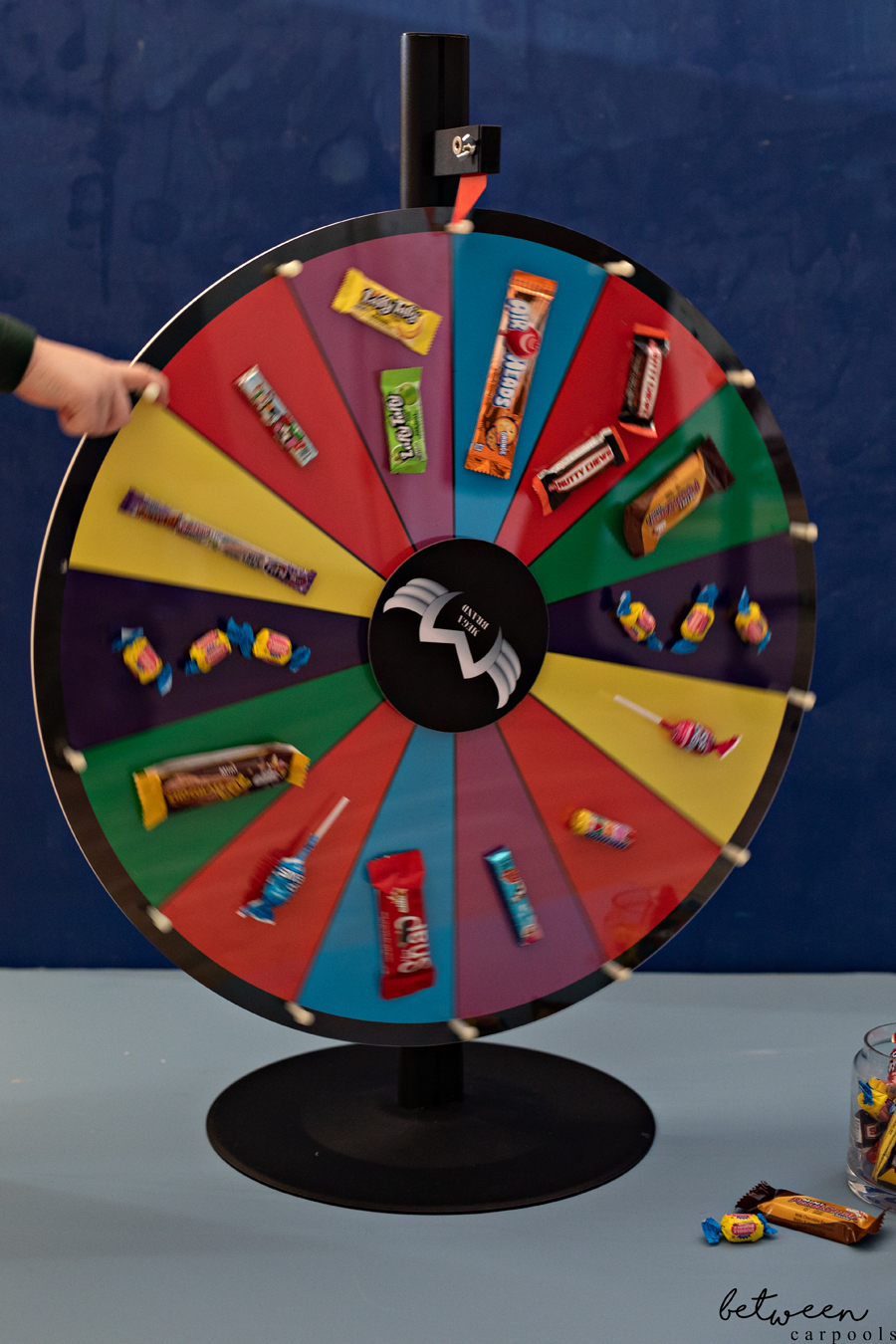
The spinner wheel, also known as a fidget spinner, gained immense popularity worldwide in 2017. It became a global phenomenon as people of all ages embraced this handheld gadget for stress relief and entertainment. Despite its international appeal, regional trends and cultural influences played a significant role in shaping the spinner wheel's popularity across different countries and continents.
United States: The Birthplace of the Spinner Wheel
The United States can be considered the birthplace of the spinner wheel trend. It gained initial traction as a stress-relieving toy and fad among schoolchildren, spreading rapidly through word-of-mouth and social media. As a result, the spinner wheel gained significant cultural significance and became a symbol of the fidgeting culture prevalent among American teenagers and young adults.
Asia: From Novelty to Sensation
Asia, especially countries like China and Japan, played a crucial role in propelling the spinner wheel from a niche fidget gadget to a full-blown sensation. In these countries, the spinner wheel was marketed as a tool for wellness and focus, aligning with cultural values associated with mindfulness and self-improvement. Spinners were also heavily incorporated into popular Japanese anime and manga, further fueling their popularity among the region's youth.
Europe: Embracing Fads and Collectibles
European countries embraced the spinner wheel trend with varying degrees of intensity, reflecting the region's diverse cultural landscape. While some European countries displayed a keen interest in the spinner wheel, treating it as a temporary fad like the United States, others approached it as a collectible item. In countries like Germany and the UK, spinner enthusiasts were driven by the desire to acquire unique and aesthetically pleasing spinners, leading to a surge in customized and collectible versions of the gadget.
Middle East and Africa: Cultural Adaptation and Localization
In the Middle East and Africa, the spinner wheel also gained prominence, but with adaptations to suit local cultural preferences. For example, spinners with Arabic calligraphy and designs representing cultural symbols became popular in countries like Saudi Arabia and the UAE, appealing to a sense of identity and regional pride. The longevity of the spinner's popularity in these regions was influenced by its ability to align with local cultural values and aesthetics.
Latin America: Delayed Adoption and Regional Variations
Latin America exhibited a delayed adoption of the spinner wheel trend compared to other regions. While the gadget eventually gained popularity, it faced competition from already established fads and cultural trends. Additionally, Latin American countries introduced regional variations such as spinners in the colors of national flags or custom spinners featuring local popular sports teams. These adaptations helped drive local interest and a sense of uniqueness within the market.
In conclusion, while the spinner wheel achieved global recognition, regional trends and cultural influences significantly shaped its popularity and adoption in different parts of the world. Adapting to cultural preferences, localizing marketing strategies, and aligning with existing fads allowed the spinner wheel to resonate strongly within specific regions, making it more than just a passing trend but a meaningful cultural phenomenon.
The Rise of Spinner Wheels: How Social Media and Influencers are Fueling the Trend
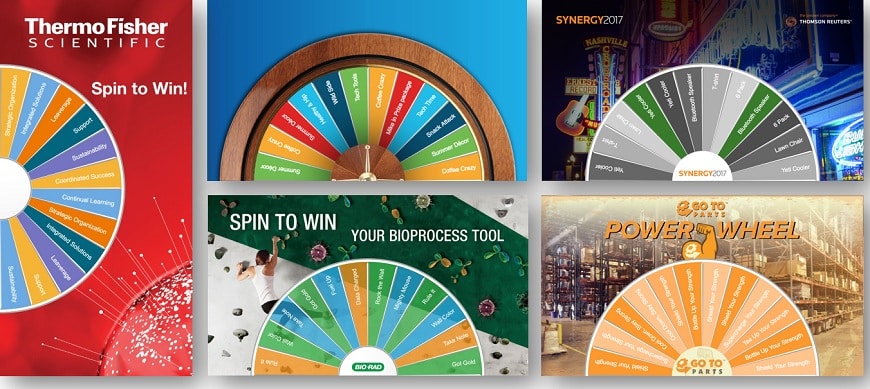
In recent years, spinner wheels have become an increasingly popular trend, and much of their rise can be attributed to the power of social media and influencers. These whimsical, rotating devices have taken the internet by storm, capturing the attention of users across various social platforms.
Social Media as the Catalyst for Spinner Wheel Trend
Social media platforms such as TikTok, Instagram, and YouTube have played a significant role in spreading the popularity of spinner wheels. These platforms provide an ideal space for viral challenges and trends to gain traction rapidly, and spinner wheels fit perfectly into this category.
One of the key reasons for the massive success of spinner wheels on social media is their visual appeal and potential for creating engaging content. Individuals film themselves spinning the wheel and await the outcome to participate in quirky challenges or reveal answers to questions. This interactive nature has captured the attention of millions of viewers who are captivated by the excitement and anticipation associated with spinner wheels.
As content creators and social media users continue to share videos and posts featuring spinner wheels, they inadvertently contribute to the trend's growth. Each time someone engages with this content, it reaches new audiences, potentially inspiring others to join in on the fun and purchase spinner wheels for themselves.
The Influencer Effect on Spinner Wheels
The influence of social media is further amplified by the involvement of influencers. Influencers are individuals who have amassed a significant following on platforms like Instagram, YouTube, or TikTok, and have the power to impact the decisions and purchasing behavior of their followers.
When influencers embrace a trend, it often leads to a domino effect. As they share entertaining and compelling content featuring spinner wheels, their followers are more likely to take notice and become interested in the phenomenon. Influencers' ability to create engaging and relatable content around spinner wheels can help turn them into must-have items.
Additionally, influencers often collaborate with brands, showcasing spinner wheels in sponsored posts or videos. By doing so, they introduce their followers to specific brands and products, further boosting their appeal and increasing demand.
The surge in popularity of spinner wheels can be largely attributed to the power of social media and the impact of influencers. These platforms provide an ideal environment for the trend to gain momentum, capturing the attention of millions of users worldwide. As social media continues to evolve, it will be fascinating to see how spinner wheels evolve with it, and what new trends will emerge in the future.
The Future Outlook and Forecast of Spinner Wheels
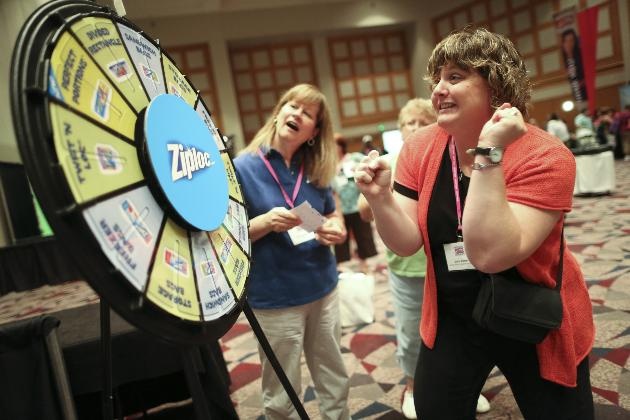
Spinner wheels have gained significant popularity in recent years, capturing the attention of people of all ages. These small, rotating discs have become a widely used toy, a tool for stress relief, and even a marketing gimmick. However, trends can be cyclical, and it's important to evaluate the future outlook and forecast of the spinner wheel trend.
- Continued Growth in the Toy Market: The spinner wheel is likely to continue its expansion in the toy market. Its simplicity and low cost make it an attractive choice for children and parents alike. Additionally, spinner wheels offer a variety of designs and themes, allowing manufacturers to keep the trend fresh and appealing to younger generations. This sustained growth in the toy market will be driven by factors such as innovation, collaborations with popular franchises, and increasing accessibility.
- Adaptation to New Industries: While initially popular as a toy, spinner wheels have found their way into various industries. From stress relief tools to promotional items, these spinning devices have shown an ability to adapt and find new applications. As companies seek unique ways to engage customers and reduce stress, spinner wheels will likely continue to make their presence felt in sectors such as advertising, corporate branding, and even rehabilitation.
- Saturation and Consolidation: Like any trend, there is a risk of saturation and market consolidation. As the market becomes flooded with spinner wheels, it may become harder for manufacturers to differentiate their products and sustain the demand. Consequently, many smaller brands may struggle to compete, leading to consolidation among larger manufacturers. However, innovative features, unique designs, and the ability to tap into niche markets can help maintain interest and prevent oversaturation.
- Evolving Technology: The future of spinner wheels could be shaped by advancements in technology. While the basic concept remains the same, technological enhancements could play a role in improving durability, design, and functionality. For instance, the integration of LED lights, Bluetooth connectivity, or even smart features might add a new dimension to spinner wheels and attract consumers seeking the latest gadgets.
- Environmental and Ethical Concerns: In recent years, there has been a growing emphasis on sustainability and ethical manufacturing practices. Spinner wheels, primarily made from plastic, might face criticism due to their environmental impact. Manufacturers will likely be expected to address these concerns by using more sustainable materials or finding alternative eco-friendly designs. Adapting to changing consumer preferences for ethical and sustainable products will be crucial for the long-term success of spinner wheels.
While it is challenging to predict the future with certainty, the spinner wheel trend shows promising signs of continued growth and diversification. Manufacturers that innovate, adapt to changing consumer demands, and incorporate sustainable practices are more likely to thrive in this evolving market. Whether as a toy, a stress relief tool, or a promotional item, spinner wheels have the potential to maintain their appeal and relevance in the years to come.
Key Findings and Insights: The Rising Popularity of Spinner Wheels
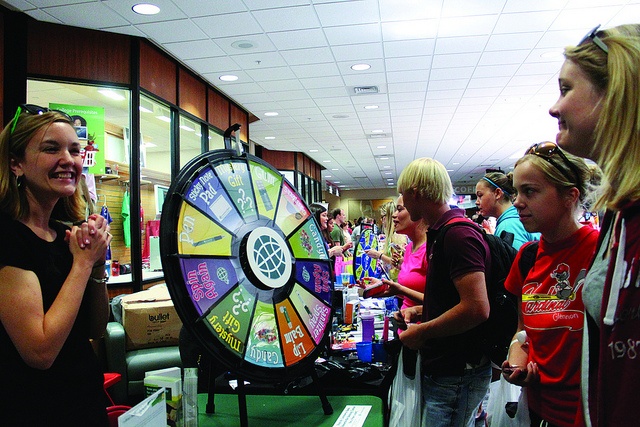
Spinner wheels have emerged as a trending phenomenon in recent years, captivating both young and old with their simple yet captivating design. As a market research-focused writer, I have delved into this trend to uncover its key findings and insights.
- Stress Relief and Anxiety Management: Spinner wheels gained widespread popularity due to their therapeutic benefits. People have found spinning the wheels to be a calming activity that helps relieve stress and manage anxiety. The repetitive motion of spinning the wheel creates a soothing effect, promoting relaxation and mindfulness.
- Fidget Toy Sensation: Spinner wheels garnered attention due to their classification as fidget toys. Initially designed to aid individuals with attention disorders such as ADHD, these toys have transcended their intended purpose and become an overnight sensation among individuals of all ages. The engaging tactile experience of spinning the wheel serves as a satisfying sensory outlet for restless hands.
- Rise of Collectible Spinners: The spinner wheel trend has evolved beyond a simple stress-relieving gadget into a social collectible phenomenon. Manufacturers and designers now produce an array of eye-catching spinner wheels featuring unique designs, colors, and materials. This surge in collectibility has created a niche market, contributing to the emergence of limited edition and customized spinner wheels.
- Cross-Industry Applications: Spinner wheels have ventured beyond the traditional toy market and penetrated various industries. Many companies are incorporating spinner wheels into their marketing strategies as promotional giveaways or branded merchandise. Additionally, spinner wheels have made their way into gaming platforms and mobile applications, further expanding their reach and appeal.
- Educational and Therapeutic Potential: Spinner wheels have shown promise in educational and therapeutic settings. Teachers have embraced spinner wheels as a tool for classroom activities, engaging students in learning through kinesthetic involvement. Moreover, therapists have utilized spinner wheels in sensory integration therapy, aiding individuals with sensory processing issues.