

Unveiling the Surge: Exploring the Growing Popularity of High-Yield Checking Accounts

The Rise of Checking Accounts: A Popular Financial Solution for All
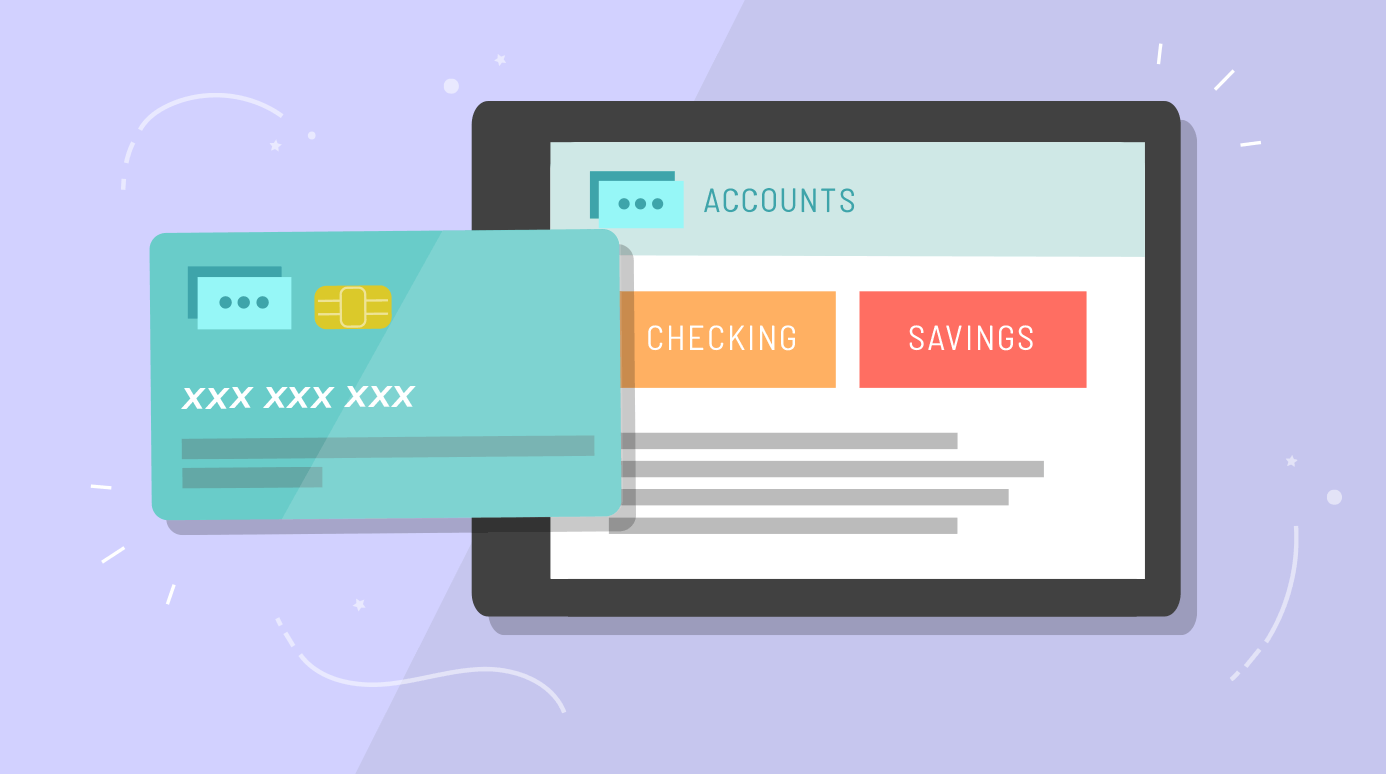
In the world of personal finance, checking accounts have emerged as a cornerstone for managing day-to-day money matters. Their popularity has grown significantly over the years, attracting individuals from various demographics. In this section, we will explore the concept of checking accounts, delve into their origins, and highlight the factors contributing to their increasing popularity.
Explaining Checking Accounts and Their Origins:
A checking account is a type of bank account that allows depositors to easily access and manage their funds for frequent transactions, such as paying bills, writing checks, and making debit card purchases. These accounts have gained traction due to their convenience and flexibility, offering a safe and efficient alternative to carrying cash or managing financial transactions through multiple channels.
Checking accounts trace their origins back to the early 18th century, when merchants and traders sought a secure way to store their funds and facilitate business transactions. Over time, these accounts evolved to cater to the needs of individuals, becoming an essential financial tool for everyday money management.
Popularity Among Various Demographics:
Checking accounts have garnered popularity among a wide range of demographics. Young adults and professionals find them essential for receiving salaries, managing expenses, and making on line purchases. In an increasingly cashless society, checking accounts provide convenience and safety, reducing the risk associated with carrying physical currency.
Furthermore, checking accounts are also favored by small business owners and entrepreneurs. These accounts serve as a hub for managing business transactions and maintaining an accurate record of financial activities.
Checking accounts have also gained popularity among older adults who value the accessibility and ease of managing their retirement funds, social security benefits, and pension payments. The ability to make electronic payments, autopay bills, and track expenses through online banking platforms has made checking accounts an integral part of their financial planning.
Additionally, checking accounts offer benefits to students, allowing them to receive financial aid, manage part-time job earnings, and track their expenses easily. Many financial institutions offer special checking account options tailored specifically towards students, with features such as lower fees and incentives for account usage.
In conclusion, the popularity of checking accounts can be attributed to their convenience, accessibility, and safety. Regardless of age, occupation, or financial goals, checking accounts provide a secure and convenient avenue for managing day-to-day financial needs. As our society becomes increasingly digital and cashless, the demand for checking accounts is expected to continue its upward trajectory.
The Market Size and Growth of Checking Accounts: A Growing Trend
Checking accounts are an essential financial tool that enables individuals to manage their day-to-day expenses, payments, and personal finances efficiently. They have long been a staple of the banking industry and continue to play a crucial role in the financial lives of millions of people around the world. In this article, we will explore the market size and the growth of checking accounts, highlighting the reasons behind their popularity and the factors contributing to their expansion.
Market Size of Checking Accounts
The market size of checking accounts is substantial, reflecting their widespread adoption and the essential role they play in personal finance management. According to a report by Statista, as of 2020, there were an estimated 5.75 billion personal checking accounts worldwide. In the United States alone, the number of checking accounts reached over 265 million in 2019, as reported by the Federal Deposit Insurance Corporation (FDIC). These figures demonstrate the scale and significance of checking accounts in the global financial landscape.
Factors Driving the Growth of Checking Accounts
Several factors contribute to the continuing growth of checking account usage:
- Convenience and Accessibility: Checking accounts offer individuals convenient access to their funds, allowing them to make payments, transfer money, and withdraw cash easily. With the advent of online and mobile banking, these accounts have become even more accessible, enabling customers to manage their finances from the comfort of their homes or on the go.
- Digital Transformation: The rapid expansion of digital banking has played a pivotal role in the growth of checking accounts. With the increasing popularity of online banking platforms and mobile banking apps, individuals have embraced the convenience of managing their finances digitally, including accessing their checking accounts. This shift toward digital banking has opened new avenues for growth in the industry.
- Direct Deposit and Electronic Funds Transfers: Many employers now offer direct deposit services, allowing employees to receive their salaries directly into their checking accounts. This automatic deposit feature eliminates the need for manual handling of paper checks and expedites the accessibility of funds. Additionally, electronic funds transfers have become the preferred method for bill payments and money transfers, further driving the demand for checking accounts.
- Rewards and Incentives: Some financial institutions offer rewards and incentives, such as cashback programs, high-interest rates, or fee waivers, to attract customers to open checking accounts with their banks. These promotions encourage individuals to establish a banking relationship and enjoy the benefits associated with their checking accounts.
Projected Growth of Checking Accounts
The future looks promising for the checking account market, with continued growth expected in the coming years. Factors contributing to this projected growth include:
- Digitization of Banking Services: As the world becomes increasingly interconnected and technology-driven, the demand for digital banking services will amplify. With more individuals embracing online and mobile banking, the number of checking accounts is likely to increase.
- Financial Inclusion Efforts: Governments, financial institutions, and non-profit organizations are actively working towards increasing financial inclusion, ensuring that everyone has access to basic banking services. As these efforts progress, more individuals will gain access to banking services, resulting in a broader customer base for checking accounts.
- Emerging Markets: Developing countries with expanding middle-class populations are expected to contribute significantly to the growth of checking accounts. As these economies flourish, the demand for formal banking services, including checking accounts, is likely to rise.
In conclusion, checking accounts are an integral part of personal finance management and have experienced significant growth in recent years. The convenience, accessibility, and advantages they offer have made them a popular choice among individuals worldwide. With the ongoing digital transformation of the banking industry and increased efforts towards financial inclusion, checking accounts are projected to continue expanding in the years to come.
Understanding Consumer Demand and Preferences in Checking Accounts

In today's digital society, checking accounts remain an essential financial tool for individuals to manage their day-to-day expenses. As consumer preferences and needs evolve, it is crucial for banks and financial institutions to stay abreast of the changing demands in the checking account space. In this section, we will explore the key factors driving consumer demand and preferences when it comes to checking accounts.
- Convenience and Accessibility: In an era of instant gratification, consumers expect convenience and accessibility when it comes to managing their finances. Online and mobile banking have become a necessity rather than a luxury, as individuals look for the ability to check their account balances, make payments, and transfer funds with ease. A seamless digital banking experience, robust mobile apps, and features such as mobile deposits are highly sought after.
- Fee Structures and Costs: Consumers are increasingly cost-conscious and seek checking accounts that offer competitive fee structures. Hidden fees, such as overdraft charges and ATM fees, can be a deterrent for potential customers. Banks that provide fee-free checkings accounts or transparent fee structures with low or no monthly maintenance fees are more likely to attract customers.
- Rewards and Perks: Many consumers are drawn to checking accounts that go beyond basic banking services and offer rewards and perks. Cashback rewards on debit card purchases, higher interest rates, and discounts on certain merchant categories are factors that can incentivize customers to choose one checking account over another.
- Security and Fraud Protection: As online banking becomes more prevalent, consumers prioritize the security of their financial information. Features such as two-factor authentication, fraud alerts, and robust identity theft protection measures are crucial considerations for consumers when choosing a checking account. Banks that prioritize customers' data security and offer proactive fraud prevention measures can build trust and attract a larger customer base.
- Customer Service and Support: Strong customer service and support are vital in the banking industry. Consumers appreciate banks that provide easy accessibility to customer support through multiple channels, such as phone, email, or live chat. Quick dispute resolution, personalized assistance, and knowledgeable staff can enhance the overall banking experience and build customer loyalty.
- Sustainable and Ethical Banking: There is a growing segment of consumers who want their banking choices to align with their values. Sustainable and ethical banking practices, such as investments in clean energy or fossil fuel divestment, are considerations for individuals when choosing a checking account. Banks that champion social responsibility and prioritize sustainability may attract customers who are socially conscious.
Understanding consumer demand and preferences in checking accounts is crucial for banks seeking to expand their customer base and improve customer retention. By considering factors such as convenience, cost, rewards, security, customer service, and sustainability, banks can develop tailored checking account offerings that meet the evolving needs of consumers in today's dynamic financial landscape.
Industry Players and Competition in the Checking Accounts Market

The checking accounts market is highly competitive, with numerous industry players vying for their share of the market and offering various features and benefits to attract customers. In this section, we will explore some of the major industry players and discuss the competition in the checking accounts market.
- Traditional Banks: Traditional banks have long been the dominant players in the checking accounts market. Established financial institutions such as Chase, Bank of America, Wells Fargo, and Citibank offer a wide range of checking account options to their customers. These banks have extensive branch networks, ATMs, and online banking platforms, providing convenience and accessibility to their account holders. Their brand recognition, trust, and longstanding history in the industry give them a competitive advantage.
- Online Banks: With the rise of digital banking, online banks have emerged as significant competitors in the checking accounts market. Players like Ally Bank, Chime, and Aspiration offer fee-free checking accounts, higher interest rates, and innovative features like early direct deposit, virtual card integration, and robust mobile banking apps. Online banks often operate entirely online, maintaining lower overhead costs, enabling them to pass on the savings to their customers in the form of better rates and fewer fees.
- Credit Unions: Credit unions, not-for-profit financial cooperatives owned by their members, also compete in the checking accounts market. These member-owned institutions, such as Navy Federal Credit Union and Alliant Credit Union, often offer lower fees, competitive interest rates, and personalized customer service. Credit unions differentiate themselves by emphasizing their focus on member service, community involvement, and a customer-centric approach.
- Neobanks: Neobanks, also known as challenger banks or digital-only banks, are disrupting the traditional banking landscape with their user-friendly interfaces, advanced technology, and alternative banking experiences. Fintech companies like Revolut, N26, and Varo Money offer checking accounts with instant spending notifications, budgeting tools, and easy integration with other financial services. These banking platforms often target younger, tech-savvy customers who prioritize convenience and digital-first experiences.
Competition and Market Dynamics:
The checking accounts market is highly competitive, with industry players constantly innovating and improving their offerings to attract and retain customers. Factors such as fees and charges, interest rates, convenience, digital capabilities, customer service, and brand reputation play crucial roles in consumer decision-making.
While traditional banks have the advantage of established brand recognition and widespread physical presence, online banks and neobanks are gaining traction by leveraging technology to offer enhanced user experiences and competitive rates. This disruption has forced traditional banks to evolve, with many investing in improving their digital platforms and offering online-only options.
As competition intensifies, industry players are focusing on customer retention strategies, such as personalized banking experiences, rewards programs, and value-added services like financial planning tools or insurance offerings.
The checking accounts market is highly competitive, with traditional banks, online banks, credit unions, and neobanks all vying for a share of the market. Each player offers unique features and benefits to differentiate themselves from their competitors. The changing consumer preferences, advancements in technology, and evolving regulations will continue to shape this competitive landscape in the coming years.
The Era of Technological Innovation in Checking Accounts

In recent years, the banking industry has witnessed a wave of technological innovation, transforming the way consumers manage their financial transactions. One area that has particularly benefited from these advancements is checking accounts. As digital banking becomes increasingly popular, financial institutions are leveraging technology to enhance the functionality and user experience of checking accounts, offering consumers greater convenience, security, and control over their finances.
Mobile Banking: Banking on the Go
Mobile banking has revolutionized the way we interact with our checking accounts. With the rise of smartphones and the ubiquity of mobile apps, consumers can now access their accounts and perform various transactions with just a few taps. Mobile banking apps allow users to check their account balances, review transaction history, transfer funds, deposit checks through remote capture, and even pay bills, all from the comfort of their handheld devices.
Furthermore, many financial institutions have incorporated advanced security measures into their mobile banking platforms, such as biometric authentication (e.g., fingerprint or facial recognition) and one-time passwords, ensuring the safety of customers' sensitive financial information.
Contactless and Digital Payments
We are witnessing a shift towards digital payments, and checking accounts are not lagging behind in this trend. From traditional debit cards to contactless payment options like Apple Pay, Google Pay, or Samsung Pay, consumers can link their checking accounts directly to these digital payment platforms. This integration eradicates the need to carry physical cards and enhances the convenience of making payments, whether in-store, online, or via peer-to-peer transfers.
Additionally, financial institutions are actively exploring the potential of blockchain technology and cryptocurrencies, offering customers the ability to transact with digital assets directly from their checking accounts. This seamless integration of digital currencies into the conventional banking system has the potential to revolutionize the way we transact, reducing fees, transaction times, and opening up new opportunities for financial inclusion.
Personalized Financial Insights and Automation
Technological advancements have also opened doors to personalized financial insights and automation for checking account holders. By leveraging artificial intelligence (AI) and machine learning algorithms, banks can analyze customers' spending habits and provide customized financial advice.
For instance, AI-powered budgeting tools can categorize expenses, track patterns, and identify potential areas for savings, thereby empowering consumers to make informed financial decisions. Furthermore, automated bill payments and savings transfers ensure that customers never miss a payment or fail to save money regularly, reducing the hassle of manual transactions.
Enhanced Fraud Protection and Alerts
The rise of technology has also brought with it advanced fraud protection mechanisms to safeguard checking accounts. Banks and financial institutions employ sophisticated algorithms to detect and prevent fraudulent activities. They leverage machine learning to analyze transaction patterns, identify questionable activities, and instantly alert customers about potential fraudulent charges. Furthermore, features such as real-time transaction alerts enable customers to monitor their accounts actively, providing an added layer of security against unauthorized access.
Embracing a Future of Enhanced Banking
The technological innovations transforming checking accounts are undoubtedly enhancing the banking experience for consumers worldwide. With the widespread adoption of mobile banking, the rise of contactless payments, personalized financial insights, and enhanced security measures, customers have more control over their finances than ever before. As fintech solutions continue to evolve, the future promises even more convenience, efficiency, and financial empowerment for checking account holders.
Regional Trends and Cultural Influences Shaping Checking Accounts

Checking accounts, a fundamental financial tool for personal and business banking, are influenced by regional trends and cultural factors that vary across different geographic locations. Understanding these dynamics can provide valuable insights into the preferences and needs of consumers in different regions. In this section, we explore some of the notable regional trends and cultural influences shaping checking accounts.
United States: The Rise of Digital Banking
In the United States, the shift towards digital banking has significantly impacted checking account usage. The convenience of online and mobile banking has led to an increasing number of consumers opting for digital-only checking accounts offered by fintech startups and online banks. This trend is particularly prevalent among younger demographics, who prioritize quick and streamlined banking experiences. As a result, traditional brick-and-mortar banks have had to adapt by enhancing their digital offerings to remain competitive.
Europe: Embracing Contactless and Mobile Payments
Europe has witnessed a rapid adoption of contactless payment technologies, which has influenced the design and features of checking accounts. As consumers increasingly rely on contactless cards and mobile payments for daily transactions, European banks have incorporated these capabilities into their checking accounts. Features such as integration with digital wallets and real-time transaction notifications have become standard to accommodate the preferences of tech-savvy consumers in the region. Additionally, some countries, like Sweden, are moving towards a cashless society, with mobile payment options becoming an integral part of daily financial interactions.
Asia: Fostering Cashless Economies and Added Benefits
Several Asian countries, including China, South Korea, and Singapore, have been at the forefront of fostering cashless economies. In these regions, checking accounts often come with added benefits, such as loyalty programs, rewards, and discounts tied to various merchants and services. By incentivizing consumers to use their checking accounts for daily transactions, these banks have successfully encouraged the adoption of digital payments. Additionally, the integration of financial services with popular digital ecosystems, such as e-commerce platforms or ride-hailing services, has further shaped the landscape of checking accounts in Asia.
Middle East: Sharia-Compliant Banking
In many Middle Eastern countries where Islamic banking principles are followed, checking accounts are offered in compliance with Sharia law. These accounts, known as Islamic or Sharia-compliant checking accounts, follow specific guidelines that prohibit charging or earning interest. Instead, banks provide other means of generating income, such as profit-sharing arrangements or fees on specific services. The introduction of these specialized checking accounts caters to the cultural and religious sensitivities of the region, enabling individuals to manage their finances in accordance with their beliefs.
Regional trends and cultural influences play a significant role in shaping the features, design, and functionality of checking accounts. Understanding these dynamics is crucial for financial institutions seeking to cater to the unique preferences and needs of consumers in different regions. As technology advances and cultural norms evolve, checking account offerings will continue to adapt, providing customers with innovative solutions that align with their financial goals and cultural backgrounds.
The Rise of Social Media Influencers: Shaping the Future of Checking Accounts

In today's digital age, social media has transformed the way consumers make decisions, with influencers playing a crucial role in shaping consumer behavior. As the popularity of checking accounts continues to grow, banks and financial institutions are turning to social media influencers to promote their offerings and connect with a larger audience.
The Power of Social Media Influencers
Social media influencers are individuals who have built a substantial following on platforms such as Instagram, YouTube, Facebook, and TikTok. They have developed a strong rapport with their followers, who trust their opinions and recommendations. Influencers can sway consumer preferences, especially when it comes to financial products like checking accounts.
Creating Brand Awareness
One of the primary reasons why banks and financial institutions partner with social media influencers is to raise brand awareness. By collaborating with influencers, these companies can tap into their extensive follower base and expose their checking account offerings to a wider audience. This strategy allows banks to reach younger demographics who may not be as receptive to traditional advertising methods.
Leveraging Authenticity and Trust
One of the key advantages of social media influencers is their ability to create authentic content that resonates with their followers. Influencers often share personal experiences and stories, giving audiences a glimpse into their lives. When influencers recommend a particular checking account, their followers perceive it as a genuine endorsement, resulting in increased trust and credibility for the brand.
Boosting Engagement and Customer Acquisition
Social media influencers possess a unique ability to engage with their followers on a more personal level. They can create interactive content, such as live Q&A sessions, polls, or challenges, to encourage audience participation. By promoting checking accounts through these interactive means, influencers can pique interest and prompt followers to seek more information or sign up for an account.
Educating and Simplifying Complexities
Checking accounts often involve intricate terms and conditions that can be daunting for consumers to understand. Social media influencers can simplify these complexities by creating educational content that breaks down financial jargon into digestible and relatable forms. This approach helps potential customers make informed decisions and select the checking account that best suits their needs.
Tracking the Success of Influencer Marketing
To measure the effectiveness of influencer marketing campaigns, banks and financial institutions leverage various metrics. These can include the number of new account sign-ups, website traffic generated through influencer links, engagement rates on influencer posts, and sentiment analysis from customer feedback. Tracking these metrics allows companies to evaluate the ROI of their influencer partnerships and fine-tune their strategies accordingly.
As the influence of social media continues to grow, banks and financial institutions must recognize the role that influencers play in shaping consumer preferences. By leveraging the power of social media influencers, banking institutions can effectively create brand awareness, build trust, boost customer acquisition, and simplify complex banking concepts for a wider audience. Incorporating this marketing strategy into their overall marketing efforts is paramount for banks looking to stay competitive in the digital landscape.
The Future Outlook for Checking Accounts: A Changing Landscape

Checking accounts have long been a fundamental tool for individuals and businesses to manage their finances. However, in recent years, the banking industry has seen significant shifts and advancements that are shaping the future of checking accounts. As technology continues to evolve and consumer demands change, it is essential to understand the future outlook of this trend.
- Digital Transformation: The advent of digital banking has driven a fundamental shift in the way people manage their finances. Digital-only banks and fintech companies are emerging as strong competitors to traditional brick-and-mortar banks, offering streamlined and user-friendly digital checking account experiences. This trend is expected to continue as more consumers embrace the convenience and accessibility of digital banking. The future of checking accounts lies in seamless integration with mobile banking apps, innovative features like real-time notifications, and automation of routine financial tasks.
- Open Banking and APIs: Open banking, the practice of allowing third-party financial service providers access to bank data via secure APIs, is gaining traction worldwide. This movement creates opportunities for more personalized and tailored banking experiences. In the context of checking accounts, customers can expect to connect their accounts with various financial apps and services, such as budgeting tools, expense trackers, and saving apps, all while maintaining the security and privacy of their financial data. Open banking will likely foster innovation and enable customers to optimize their checking account usage based on individual financial goals and needs.
- Rise of Neo-Banks: Neo-banks, or digital-only banks, are on the rise globally. Offering hassle-free account setup, lower fees, and enhanced personalization, they are attracting younger and tech-savvy consumers. These banks often provide a seamless digital checking account experience, with features such as instant payments, dedicated savings goals, and rewards programs. While traditional banks still dominate the checking account landscape, the expanding presence of neo-banks is expected to drive increased competition and potentially lead to greater customer-centric offerings.
- Integration of Emerging Technologies: Technologies such as artificial intelligence (AI), machine learning (ML), and blockchain have the potential to reshape checking accounts and offer innovative solutions. AI and ML can help identify patterns in spending behavior, detect fraud, and provide personalized financial recommendations. Blockchain technology, known for its security and transparency, can revolutionize the verification and authentication processes for transactions, making checking accounts more secure. As these technologies become more advanced and accessible, their integration into checking accounts is likely to accelerate.
- Sustainability and Ethical Banking: With growing awareness of environmental, social, and governance (ESG) factors, consumers are increasingly drawn to banks that align with their values. Ethical banking, which prioritizes sustainability, responsible investing, and social impact, will likely influence the future of checking accounts. Customers may expect features such as carbon footprint tracking, investment portfolios aligned with sustainable goals, and charitable donation options integrated into their checking account platforms. Banks that proactively adopt ESG practices may gain a competitive edge and appeal to a broader customer base.
In conclusion, the future of checking accounts is evolving rapidly due to technological advancements, changing customer expectations, and the rise of new market players. The digital transformation, open banking, integration of emerging technologies, the emergence of neo-banks, and the importance of sustainability and ethical banking are all shaping the outlook for checking accounts. As these trends continue to develop, banks will need to adapt and innovate to meet the evolving needs of customers in the ever-changing financial landscape.
Key Findings and Insights: The Rise of Checking Accounts in the Digital Age

Checking accounts have long been a staple of personal finance, providing individuals with a secure and convenient way to manage their money. However, with the advent of the digital age, the landscape of checking accounts has evolved significantly. In this section, we recap the key findings and insights of our comprehensive study on the rise of checking accounts in the digital age.
- Digital Banking Revolution: The emergence of digital banking platforms has brought a significant transformation in the way people interact with their checking accounts. Online and mobile banking options have made it easier than ever to access and manage funds, eliminating the need for traditional brick-and-mortar bank branches.
- Convenience and Accessibility: One of the primary factors driving the popularity of checking accounts is the convenience they offer. Customers can now perform various banking transactions, such as bill payments, fund transfers, and balance inquiries, at their fingertips. The round-the-clock availability of services has made banking more accessible to a wider audience.
- Faster Payment Systems: The integration of faster payment systems, such as real-time payments and peer-to-peer transfers, has become a key feature of modern checking accounts. With these advancements, individuals can now send and receive money in a matter of seconds, increasing financial efficiency and reducing the reliance on traditional payment methods.
- Integration of Budgeting Tools: Many digital banking platforms now offer integrated budgeting tools and personalized financial management solutions. These features help customers track their spending habits, set savings goals, and receive real-time insights into their financial well-being. This integration of budgeting tools has further enhanced the value proposition of checking accounts in the digital age.
- Enhanced Security Measures: As customers increasingly rely on digital banking, the need for robust security measures has become paramount. Banks and financial institutions are investing heavily in advanced security technologies, such as biometrics, multi-factor authentication, and encryption, to protect customer data and ensure secure transactions.
- Shift towards Neobanks: Neobanks, also known as digital-only banks, have gained significant traction in recent years. Their user-friendly interfaces, competitive interest rates, and customer-centric approach have attracted a new wave of customers. These fintech disruptors are challenging traditional banking models and offering innovative checking account solutions.
- Integration of Social Responsibility: Customers today are more conscious about the social and environmental impact of their financial choices. Many digital banking platforms now offer options that align with customers' values, such as green banking, impact investing, and charitable giving programs. This integration of social responsibility adds an extra layer of appeal to modern checking accounts.