
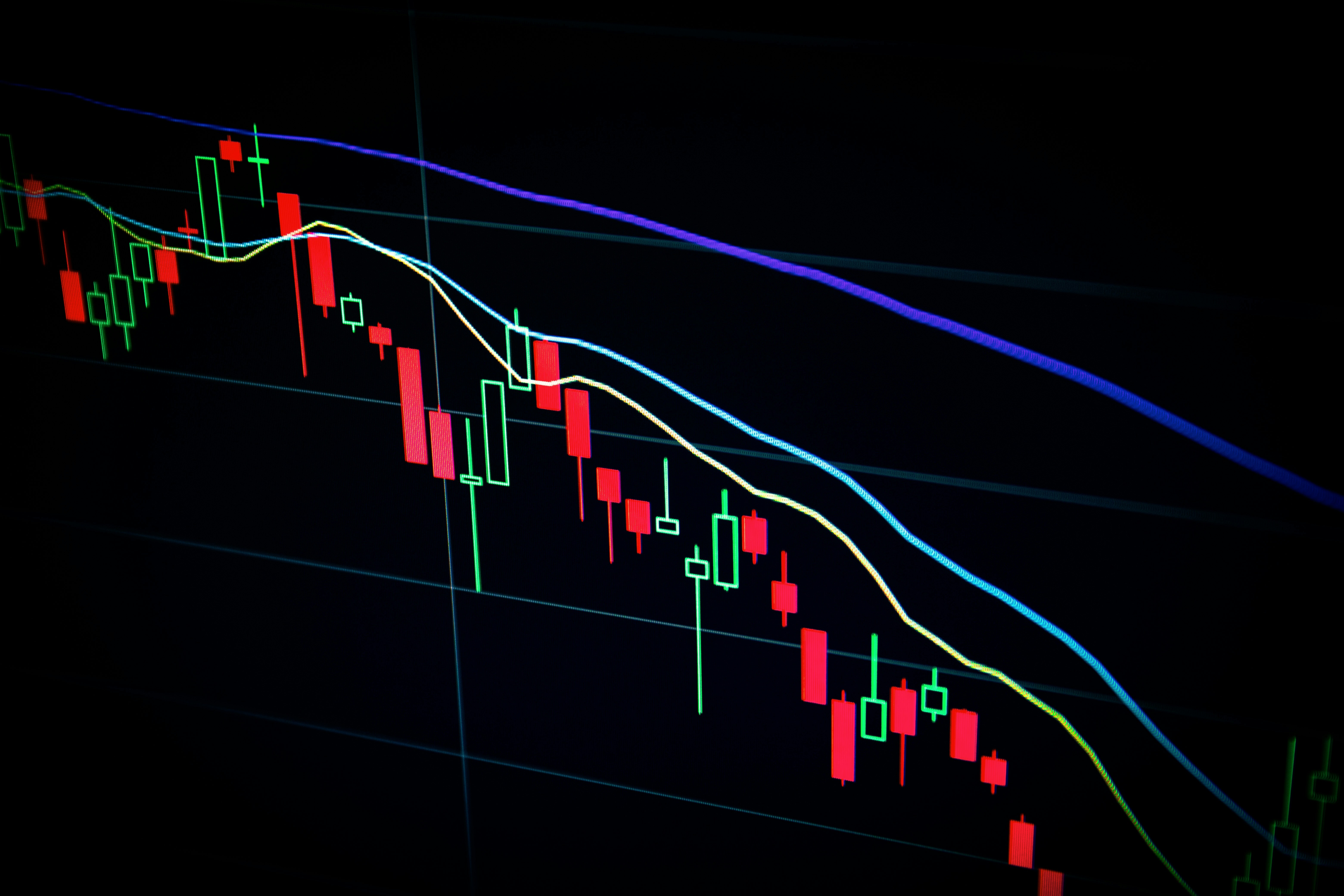
Unveiling the Surge: Exploring the Booming Trend of Tech Stocks Dominance in the Stock Market

The Rise of the Stock Market: Exploring its Origins and Popularity

In recent years, the stock market has become a significant topic of conversation among people of all backgrounds. Excitement around stock investing has surged, with both seasoned investors and newcomers showcasing an interest in understanding and participating in this financial realm. In this article, we will delve into the origins of the stock market, provide a brief explanation of how it functions, and explore why it has gained popularity across various demographics.
Origins of the Stock Market: The concept of stock markets can be traced back to 17th-century Europe, particularly in Amsterdam and London, where early stock exchanges emerged. These exchanges allowed merchants and traders to buy and sell shares of ownership in various companies, providing them with an opportunity to raise capital for expansion or share risks among investors.
Over time, stock markets spread across continents, with notable examples being the New York Stock Exchange (NYSE) consolidating its position in the United States in the late 18th century. Today, stock markets exist around the world, from Tokyo to Frankfurt, facilitating the buying and selling of numerous publicly traded companies and assets.
Understanding the Stock Market: The stock market is essentially a marketplace where shares of ownership in listed companies are bought and sold. Investors can purchase stocks, which represent their ownership in the company, with the anticipation that the value of these stocks will appreciate over time, generating a profit when they eventually sell them. It is an ecosystem where buyers and sellers meet, and prices of stocks are determined through supply and demand dynamics.
Key Factors Driving Popularity: The stock market's expanding popularity can be attributed to several factors:
- Investment Opportunities: With interest rates on savings accounts and bonds remaining low, many individuals are turning to the stock market as a means to potentially earn higher returns on their investments. The potential for capital appreciation, dividend income, and passive income generation through stock investments has attracted individuals seeking financial growth.
- Technological Advancements: The rise of technology and the increasing accessibility of brokerage platforms and trading apps have made it easier for individuals to participate in the stock market. Online trading platforms and mobile applications allow investors to buy and sell stocks quickly and conveniently, eliminating the need for traditional brick-and-mortar brokerage firms.
- Financial Education: The accessibility of information and educational resources about investing has empowered individuals to make informed decisions about their finances. Blogs, podcasts, online courses, and social media platforms have played a vital role in disseminating knowledge and creating communities of investors who share insights and experiences.
- Changing Demographics: The stock market's popularity is expanding across demographics, with younger investors showing particular interest. Millennials and Generation Z, armed with a knack for technology, are embracing stock market investing as they seek to grow their wealth and secure their financial futures. Additionally, high-profile success stories of individuals who amassed wealth through stock investments have acted as a catalyst for interest among various age groups.
The stock market's popularity has gained momentum due to its historical significance and the enduring opportunities it offers for financial growth and wealth creation. Through technological advancements and increased access to educational resources, more individuals are participating in the stock market, making it a dominant force in the global financial landscape. Whether driven by investment aspirations or financial security goals, the stock market has become increasingly relevant and attractive to a diverse range of people seeking to make their money work for them.
The Expanding Market Size and Continuous Growth of the Stock Market
The stock market is a crucial component of the global economy, providing a platform for the buying and selling of shares in publicly traded companies. Over the years, the stock market has experienced significant growth and expansion, becoming an integral part of investment strategies worldwide.
Market Size and Scope
The market size of the stock market is measured by the total capitalization of all listed companies' shares. As of 2021, the global stock market was valued at over $95 trillion, reflecting the growing significance of this financial sector. The market size can vary significantly among different regions and countries due to variations in economic development and market maturity.
Factors Driving Market Growth
Several factors contribute to the continuous growth of the stock market:
- Increasing Investor Participation: As individual investors, institutional investors, and pension funds seek higher returns, many have turned to the stock market to achieve their financial goals. This surge in investor participation has driven the demand for listed securities, thereby expanding the market.
- Technological Advancements: The advent of technology has played a pivotal role in propelling market growth. Online trading platforms, algorithmic trading, and advancements in data analysis have made stock trading more accessible and efficient. These technological advancements have attracted a larger pool of investors and reduced trading costs, further fueling market growth.
- Globalization and Economic Development: The process of globalization has led to increased cross-border investments. As economies develop and global trade expands, companies across various sectors seek to raise capital through initial public offerings (IPOs) and subsequently list their shares on stock exchanges. This trend has contributed to the growth of new stock markets around the world.
- Expansion of Exchange-Traded Funds (ETFs): ETFs have gained popularity among investors due to their flexibility and diversification benefits. The growing demand for ETFs has driven the creation of new investment products, resulting in increased trading activity and market growth.
Future Growth Potential
The stock market's growth trajectory shows no signs of slowing down, with several trends and factors pointing toward its continuous expansion:
- Emerging Market Potential: Developing economies, such as India and China, present immense growth opportunities for the stock market. As these nations continue to expand and increase their market liberalization efforts, the stock market will become an important avenue for capital allocation and wealth creation.
- Rise of ESG Investing: Environmental, Social, and Governance (ESG) investing continues to gain prominence as investors prioritize sustainable investments. Companies that demonstrate strong ESG practices are likely to attract more capital, leading to an increased focus on ESG-related metrics within the stock market.
- Technological Advancements: Ongoing technological advancements, such as artificial intelligence, machine learning, and blockchain, are set to revolutionize the stock market. These technologies are expected to enhance market efficiency, facilitate faster trade settlement, and enable the creation of new investment products.
In conclusion, the stock market has experienced substantial growth in size and scope, catering to the evolving needs and demands of investors worldwide. Its expansion is driven by factors such as increasing investor participation, technological advancements, and globalization. Looking ahead, emerging markets, ESG investing, and further technological developments are expected to contribute to its continuous growth.
Consumer Demand and Preferences in the Stock Market

The stock market has always been a subject of great interest for consumers worldwide. As an integral part of the global financial system, the stock market offers individuals the opportunity to invest in businesses and potentially benefit from their growth and success. As consumer demand and preferences continue to evolve, it is crucial to understand the factors that influence their decision-making process in the stock market.
- Accessibility and Convenience: With advancements in technology, consumers now have easier access to the stock market than ever before. Online trading platforms and mobile applications have made it simpler for individuals to buy and sell stocks at their convenience. This increased accessibility has led to a significant rise in consumer participation in the stock market.
- Information and Education: In the age of information, consumers now have access to a wealth of knowledge when it comes to the stock market. Online resources, blogs, news outlets, and social media platforms provide a constant stream of information and analysis about various stocks and market trends. Easy access to relevant information helps consumers make informed decisions and stay updated about their investments.
- Diversification and Risk Management: Consumers are increasingly aware of the importance of diversification in their investment portfolio. They seek to spread their investments across different sectors, asset classes, and geographic regions to minimize risk. This preference for diversification is evident in the demand for index funds, exchange-traded funds (ETFs), and mutual funds that allow investors to access diversified portfolios.
- Environmental, Social, and Governance (ESG) Investing: Growing concerns about environmental sustainability, social responsibility, and corporate governance have paved the way for ESG investing. Consumers are showing a preference for companies that prioritize ethical practices, sustainability initiatives, and diversity. This has led to increased demand for ESG-focused investment products, allowing individuals to align their investments with their values.
- Robo-Advisors and Algorithmic Trading: The emergence of robo-advisors and algorithmic trading has transformed the landscape of stock market investments. Automated platforms and algorithms provide personalized investment recommendations based on consumer preferences and risk tolerance. This has attracted a new segment of consumers who prefer a hands-off approach to their investments while benefiting from the expertise of technology-driven solutions.
- Social Trading and Community Engagement: Social trading platforms allow investors to engage with like-minded individuals, exchange ideas, and follow the trades of successful investors. This preference for community-based interaction creates a sense of camaraderie among investors and allows for collaborative learning and information sharing.
- Trading Fees and Cost Management: Cost considerations play a significant role in consumer preferences when it comes to stock market investing. Consumers prefer platforms that offer competitive trading fees, low-cost index funds, and commission-free trading options. This preference has led to increased competition among brokerage firms, driving down costs and making investing more accessible to a wider range of consumers.
Understanding consumer demand and preferences in the stock market is crucial for financial institutions, brokers, and investment advisors. By keeping up with these evolving preferences, market participants can tailor their offerings to meet the needs of investors and provide a more seamless and personalized investment experience.
Industry Players and Competition in the Stock Market

The stock market is a fiercely competitive industry, with numerous players vying for control and market share. From large financial institutions to individual investors, the stock market attracts a wide range of participants with varying strategies and objectives. This section explores some of the key industry players and the competition that exists within the stock market.
Financial Institutions
Financial institutions, such as banks, asset management firms, and hedge funds, are significant players in the stock market. These institutions have access to extensive resources, including capital, research teams, and advanced technology, which gives them a competitive edge. They often engage in various trading strategies, ranging from long-term investment portfolios to high-frequency trading.
Some of the well-known financial institutions involved in the stock market include JPMorgan Chase, Goldman Sachs, Vanguard Group, and BlackRock. These players dominate the industry due to their substantial assets under management and influential positions in the market.
Individual Investors
Individual investors play an essential role in the stock market and are often referred to as retail investors. These individuals come from diverse backgrounds and may include everyday people, small traders, or high net worth individuals. The rise of online trading platforms and the availability of information has empowered individual investors, allowing them to participate more actively in the market.
While individual investors may lack the resources and expertise of financial institutions, they bring their perspectives and unique investment strategies. They often seek opportunities in specific sectors or niche markets, leveraging their knowledge and insights to make trading decisions.
Stock Exchanges
Stock exchanges serve as the primary platforms for trading stocks and other securities. These exchanges provide the infrastructure and regulatory framework to facilitate transactions between buyers and sellers. The two most prominent stock exchanges in the United States are the New York Stock Exchange (NYSE) and the NASDAQ.
The competition between stock exchanges primarily revolves around attracting companies to list their shares. Companies typically choose exchange listings based on factors such as liquidity, visibility, and regulatory requirements. Stock exchanges compete on these aspects and work to offer better services, technology, and investor protection to entice new listings.
Fintech Startups
The emergence of technology has given rise to a new set of players in the stock market – fintech startups. These innovative companies leverage advanced algorithms, artificial intelligence, and machine learning to enhance trading strategies, improve data analysis, and provide more accessible investing platforms.
Fintech startups offer competitive advantages by providing user-friendly interfaces, reduced trading fees, and personalized investment advice. Companies such as Robinhood, eToro, and Wealthfront have disrupted traditional brokerage models, attracting a younger generation of investors who are seeking more accessible and affordable options.
The stock market is a highly competitive landscape, with various industry players striving to gain an edge in the market. Financial institutions, individual investors, stock exchanges, and fintech startups all contribute to the competition within the industry. This competition is driven by factors such as capital, resources, technology, investor preferences, and the regulatory environment. As the market evolves, the players will continue to adapt their strategies and offerings to remain competitive in this dynamic industry.
Emerging Technological Innovations Shaping the Stock Market of Tomorrow

The stock market has always been at the forefront of technological advancements, with innovations such as electronic trading, algorithmic trading, and online brokerage platforms revolutionizing the industry. As technology continues to evolve at an unprecedented pace, new trends are emerging that have the potential to reshape the future of the stock market.
- Artificial Intelligence (AI) and Machine Learning: AI and machine learning algorithms are increasingly being used in the stock market to analyze vast amounts of data and make predictive insights. These advanced algorithms can quickly analyze market trends, news articles, social media sentiment, and financial data to identify trading patterns and opportunities. AI-powered trading systems and robo-advisors are gaining traction, enabling faster and more efficient investment decisions.
- Big Data Analytics: With the availability of massive amounts of structured and unstructured data, big data analytics is transforming how investors analyze the stock market. Traditional financial analysis methods are being supplemented or replaced by data-driven approaches that leverage powerful analytics tools. By examining real-time market data, economic indicators, and corporate information, investors can make more informed decisions and spot potential market trends.
- Blockchain Technology: The advent of blockchain technology is impacting various industries, including the stock market. Blockchain provides secure and transparent transactions, which can enhance trust and reduce intermediaries in trading processes. Smart contracts running on blockchain platforms enable faster settlement of trades, reducing costs and improving efficiency. Blockchain-based solutions are also being explored to facilitate the issuance and trading of digital securities, bringing new opportunities for investors around the globe.
- High-Frequency Trading (HFT): HFT refers to the use of powerful computers and algorithms to execute trades at incredibly high speeds. HFT has evolved over the years, becoming an integral part of the stock market. By leveraging advanced technology and low-latency connections, HFT firms can identify price discrepancies and execute trades within microseconds. This form of trading has increased liquidity, reduced spreads, and transformed the dynamics of financial markets globally.
- Quantum Computing: Quantum computing, although still in its nascent stage, has the potential to revolutionize the stock market. Quantum computers can perform complex calculations at an exponentially faster rate than classical computers, which could enable quicker and more accurate analysis of stock market data. With the ability to process vast datasets and examine multiple scenarios simultaneously, quantum computing may have a significant impact on portfolio optimization, risk management, and algorithmic trading strategies.
As technology rapidly advances, these innovations are set to shape the future of the stock market. Investors, traders, and financial institutions are embracing these transformative technologies to gain a competitive edge, improve decision-making, and optimize investment strategies. As these trends continue to evolve, it will be crucial for market participants to stay updated and adapt to the changing landscape to unlock new opportunities and mitigate risks.
Note: To gain more insights into the advancements in the stock market and emerging technologies, you can read the article here.
Regional Trends and Cultural Influences in the Stock Market

The stock market is not only influenced by economic factors but also by regional trends and cultural influences specific to different countries and regions. These factors can significantly impact stock market performance and investment strategies. Understanding these regional trends and cultural influences is crucial for investors seeking to navigate the complex world of global financial markets.
Regional Economic Climate
The economic conditions and policies of a region can have a direct impact on the performance of their stock market. Factors such as GDP growth rate, interest rates, inflation, and fiscal policies play a significant role in driving the stock market's performance. For example, during periods of economic recession, stock markets tend to experience lower demand and lower stock prices.
Regulatory Frameworks and Market Structures
The regulatory frameworks and market structures in different regions also play a vital role in shaping stock market trends. The rules governing the stock market, such as listing requirements, disclosure standards, and trading regulations, vary across countries and regions. These differences can affect investor confidence and the overall stability of the market.
Investor Sentiment and Risk Appetite
Cultural influences and regional trends greatly impact investor sentiment and risk appetite. Cultures that have a higher degree of risk aversion may impact stock market dynamics. For instance, in countries with a conservative investment culture, investors may have a preference for low-risk assets and be less inclined to invest heavily in stocks. Understanding cultural attitudes towards risk can provide valuable insights into investor behavior within a given region.
Technological Advancements and Market Accessibility
Technological advancements and market accessibility also influence regional stock market trends. In some regions, the adoption of technology and the availability of online trading platforms have opened up investment opportunities and attracted a new generation of investors. These technological changes can significantly impact trading volumes and the overall liquidity of a stock market.
Political Stability and Geopolitical Events
Political stability and geopolitical events can have a significant impact on regional stock markets. Economic and political uncertainties, such as elections, policy changes, trade disputes, or geopolitical tensions, can create volatility in stock prices. Investors closely monitor these events and adjust their investment strategies accordingly.
Cultural Attitudes towards Ownership and Investment
Cultural attitudes towards ownership and investment can vary significantly from region to region. In some cultures, there is a strong emphasis on long-term investments, while others may have a preference for short-term trading or speculation. Understanding these cultural attitudes is important when analyzing stock market trends and investor behavior.
Regional trends and cultural influences are key factors that shape the stock market landscape. Investors need to consider these aspects when evaluating investment opportunities and developing strategies tailored to specific regions. By understanding these trends, investors can gain valuable insights into potential market movements and enhance their chances of successful investing.
The Role of Social Media Influencers in Shaping Stock Market Trends

In recent years, the rise of social media platforms has revolutionized the way information is disseminated and consumed. One field where this transformation is particularly evident is the stock market. Social media influencers, armed with a large online following, have emerged as powerful players capable of shaping stock market trends and influencing investment decisions. This article explores the impact of social media influencers in the world of stocks, highlighting their role in driving market sentiment and providing avenues for investors to gather information.
The Power of Social Media Influencers
Social media influencers are individuals who have amassed a significant following on platforms like Instagram, YouTube, Twitter, and TikTok. They often specialize in specific niches, such as finance, entrepreneurship, or investing. These influencers wield considerable influence over their followers, who trust their advice and opinions.
When it comes to stock market trends, social media influencers have the power to create a buzz around specific stocks or investment strategies through their content. Through engaging storytelling, educational videos, and market analysis, influencers can captivate their audience and incite them to take action, such as buying or selling a particular stock.
Impact on Market Sentiment
Social media influencers are known to create trends and shape public opinion. They can generate positive or negative sentiment around a specific stock, leading to increased buying or selling activity. This influence is particularly strong among retail investors who seek guidance and information from trusted sources outside traditional financial institutions.
For example, if a popular influencer endorses a particular stock, their followers may flock to purchase it, driving up demand and, consequently, the stock price. This phenomenon has been observed in the GameStop saga, where retail investors organized themselves on platforms like Reddit to buy shares, driving the stock price to unprecedented heights. Social media platforms acted as catalysts that facilitated the coordination of these investors.
Information Dissemination and Accessibility
In addition to sentiment manipulation, social media influencers provide ordinary investors with access to market information that was previously gated behind financial institutions or costly investment platforms. These influencers act as intermediaries, simplifying complex financial concepts and presenting investment opportunities in a relatable manner.
By breaking down jargon and providing real-time analysis, influencers democratize information and empower their followers to make informed investment decisions. This trend is particularly important among younger investors who are typically more active on social media platforms and seek alternative sources of financial advice beyond traditional media and finance industry professionals.
Conclusion
Social media influencers have forever changed the way information is disseminated in the stock market. They hold a unique position of trust and influence over their followers, with the power to sway investment decisions and shape market sentiment. As the influence of social media continues to grow, understanding the role of influencers in the stock market becomes crucial for both investors and market observers. It is essential to remain cautious and discerning, conducting thorough research beyond the opinions of individual influencers to make well-informed investment choices.
The Future Outlook of the Stock Market: Trends and Forecasts
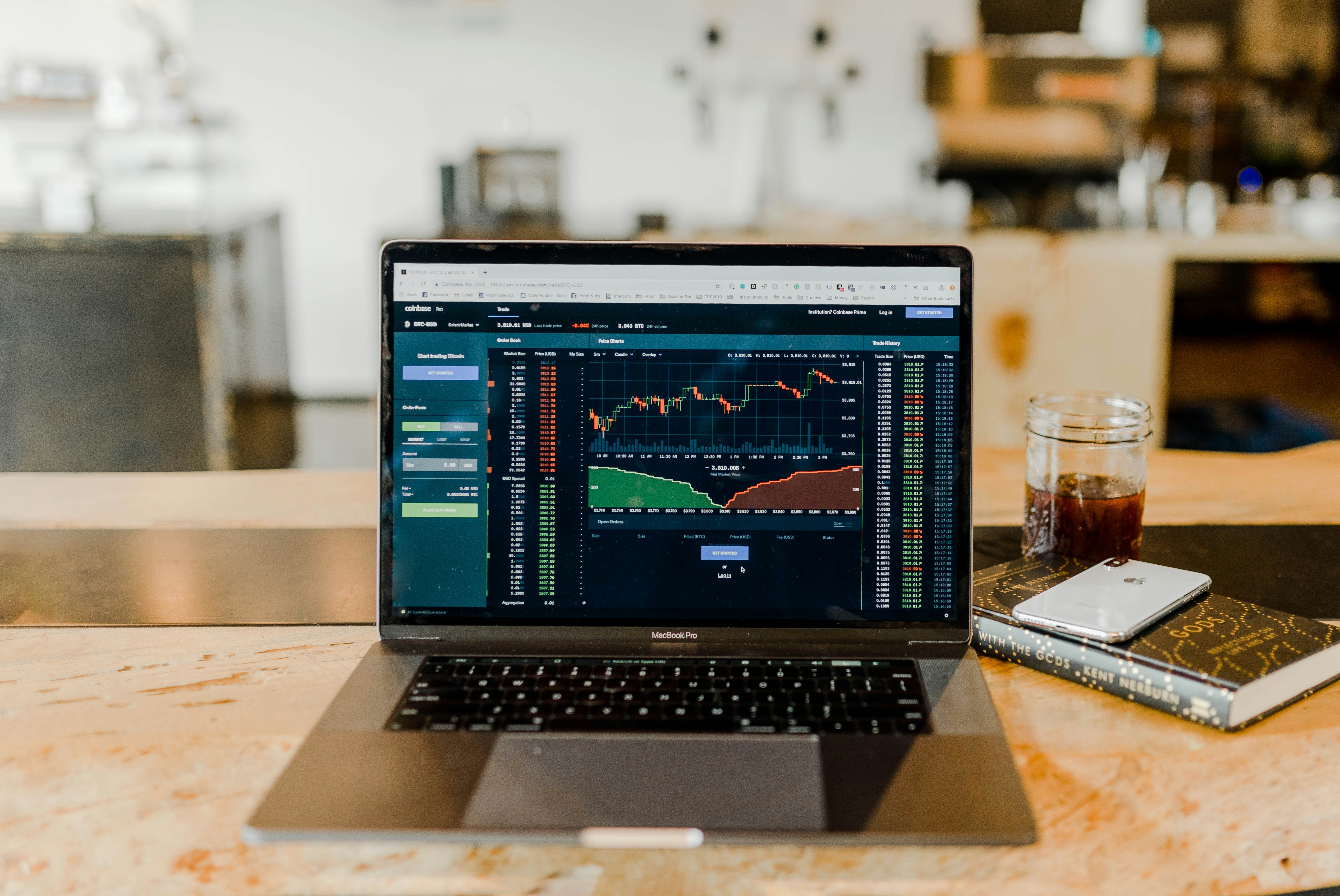
The stock market plays a pivotal role in the economy, serving as a barometer of economic health and a platform for investors to grow their wealth. As we move into the future, it is crucial to examine the trends and forecasts that can provide insights into the future outlook of the stock market.
Technological Advancements
The integration of technology, such as artificial intelligence (AI) and machine learning, has revolutionized the way the stock market operates. These advancements have led to increased efficiency in trading, improved data analysis, and the development of algorithmic trading strategies. As technology continues to evolve, the stock market is likely to become even more reliant on these innovations. Additionally, with the rise of fintech companies disrupting traditional financial services, the stock market is expected to see further digitization and automation.
Increased Investor Participation
In recent years, there has been a surge in individual investor participation in the stock market. Platforms such as Robinhood have made investing more accessible and user-friendly, attracting a new generation of investors. This trend is expected to continue as younger people gain interest in investing and take advantage of online brokerage platforms that offer commission-free trades and fractional share investing. The influx of new investors could contribute to increased market volatility and impact the strategies of institutional investors.
Sustainable Investing
The importance of environmental, social, and governance (ESG) factors has gained significant attention in recent years. Investors are increasingly considering these criteria when making investment decisions, resulting in the rise of sustainable investing. The demand for ESG-focused investments is expected to grow, and companies that align with ESG goals may attract more investors. The incorporation of ESG factors by investors could reshape market dynamics as companies prioritize sustainability initiatives to attract capital.
Global Economic Recovery
The COVID-19 pandemic dramatically impacted global economies, resulting in a sharp decline in stock markets worldwide. However, with the rollout of vaccination campaigns and gradual reopening of economies, a global economic recovery is anticipated. This recovery could be reflected in the stock market, with sectors such as travel, hospitality, and entertainment experiencing significant rebounds. Investors will closely monitor economic indicators and government policies to navigate the changing landscape.
Regulatory Measures
As the stock market evolves, regulators are likely to implement measures to ensure fairness, stability, and transparency. Regulatory changes may include increased scrutiny of high-frequency trading strategies, enhanced disclosure requirements, and stricter enforcement of existing regulations. These measures aim to protect investors and maintain market integrity. Understanding and adapting to these regulatory changes will be crucial for market participants.
It is important to note that the stock market is inherently volatile and subject to various external factors. Economic indicators, geopolitical events, and unforeseen circumstances can significantly impact market performance. Therefore, while trends and forecasts provide valuable insights, they should be considered in conjunction with thorough research and analysis.
Overall, the future outlook of the stock market appears promising, driven by technological advancements, increased investor participation, sustainable investing, global economic recovery, and regulatory measures. By staying informed and adaptable, investors can potentially seize opportunities and navigate the evolving landscape of the stock market.
Exploring Key Insights and Findings from the Stock Market Trend

The stock market is a fascinating and ever-evolving trend that has attracted investors, researchers, and the general public alike. In this recap, we will delve into the key findings and insights on the stock market trend, shedding light on the current state of affairs and exploring potential future developments.
Key Findings:
- Increased Retail Investor Participation: One of the notable findings is the surge in retail investor participation in the stock market. Enabled by accessible trading platforms and social media-driven investment communities, individual investors are now playing a more significant role. This growing retail investor army has the potential to impact stock prices and shake up traditional market dynamics.
- Technology-Driven Innovation: Technological advancements have revolutionized the stock market landscape. High-frequency trading, algorithmic trading, and artificial intelligence-based tools have become prevalent in the market. These innovations have streamlined trading processes, increased responsiveness, and provided valuable insights for investors.
- Volatility and Uncertainty: Volatility is an inherent characteristic of the stock market. Analysts and investors must grapple with unexpected market swings driven by economic conditions, political events, and global crises. The COVID-19 pandemic, for example, resulted in a significant market downturn, followed by a remarkable recovery. Investors must factor in volatility when making investment decisions.
- Growth of Exchange-Traded Funds (ETFs): Exchange-traded funds, or ETFs, have gained substantial popularity in recent years. These investment vehicles offer diversification, low costs, and simplicity, making them attractive to both retail and institutional investors. The rise of thematic ETFs, targeting specific sectors or trends, has expanded investment opportunities and allowed for focused exposure to niche market segments.
- Sustainable Investing: Socially responsible investing, also known as sustainable or ESG (Environmental, Social, and Governance) investing, has seen considerable growth. Investors are increasingly considering ethical, environmental, and governance factors when constructing their portfolios. The demand for companies that prioritize sustainability and social impact has led to the emergence of dedicated ESG indices and investment products.
Key Insights:
- Market Sentiment and Social Media Influence: Social media platforms have become influential in shaping market sentiment and driving trends. Investors now rely on online communities, such as Reddit's WallStreetBets, for investment ideas and discussions. The collective power of these communities can create volatile market conditions based on sentiment rather than fundamental analysis.
- Globalization and Interconnectedness: The stock market has become increasingly interconnected on a global scale. Global events, such as trade disputes or political crises, can have far-reaching impacts on stock prices, affecting not only local markets but also international portfolios. Thus, understanding global economic trends and geopolitical developments is crucial for investors.
- Long-Term Investing and Risk Management: While short-term market fluctuations can generate considerable buzz, a long-term investment strategy remains crucial for most investors. Diversification, risk management, and aligning investments with one's financial goals are foundational principles for success in the stock market. It is essential to focus on quality companies with sustainable growth potential rather than getting caught up in short-term market noise.
- Continuous Learning and Adaptation: The stock market is a dynamic environment that requires continuous learning and adaptation. Staying updated with financial news, market trends, and emerging technologies is essential for investors and analysts to make informed decisions. Employing data-driven analysis, leveraging technology, and monitoring changing regulations are crucial considerations in this ever-evolving landscape.