

Unveiling the Soaring Popularity of Rigips: A Closer Look at the Trend Taking the Construction Industry by Storm

The Rising Popularity of Rigips: Exploring a Growing Trend

In recent years, rigips has gained significant popularity across various demographics, becoming a prominent trend in the construction and interior design sectors. As a versatile construction material, rigips offers numerous benefits, making it an attractive choice for professionals and DIY enthusiasts alike. In this article, we will delve into what rigips is, uncover its origins, and explore the factors driving its rising popularity among different demographic groups.
What is Rigips?
Rigips, also known as gypsum board or drywall, is a building material that consists of gypsum plaster sandwiched between two layers of paper or fiberglass mats. This lightweight and cost-effective material is widely used for creating interior walls and ceilings, providing a smooth and durable surface that can easily be painted or decorated.
Origins of Rigips:
The history of rigips dates back to the early 20th century when it was developed by the German company, Rigips GmbH. Founded in 1932, Rigips GmbH pioneered the mass production of gypsum-based construction materials, including rigips boards. Over time, its popularity spread worldwide, and rigips became a globally recognized brand for gypsum boards.
Driving Factors for Popularity:
- Easy and Quick Installation: Rigips is known for its ease of installation, making it a preferred choice for construction professionals and DIY enthusiasts. Its lightweight nature, coupled with interlocking edges and specialized fastening systems, allow for efficient and hassle-free installation, saving both time and labor costs.
- Versatility and Adaptability: Rigips can be easily cut, shaped, and formed to fit various design requirements. It offers flexibility in creating partitions, curved walls, and decorative elements, enabling architects and interior designers to bring their creative visions to life. Rigips also provides excellent acoustic and fire-resistant properties, enhancing the overall safety and comfort of built environments.
- Sustainability and Environmental Friendliness: A growing emphasis on sustainability has contributed to the increased popularity of rigips. Gypsum, the main ingredient in rigips, is a naturally occurring mineral that can be extracted with minimal environmental impact. Furthermore, rigips is recyclable and can be repurposed at the end of its lifecycle, reducing waste and supporting green building practices.
Popularity Among Different Demographics:
The rising popularity of rigips extends across various demographic groups. Among contractors and construction professionals, rigips has become a go-to material due to its efficiency, cost-effectiveness, and compatibility with modern construction techniques. Homeowners, too, are embracing rigips for its versatility, aesthetic appeal, and the ability to easily modify interior spaces.
Additionally, rigips has gained traction in the commercial and hospitality sectors, where its adaptability and acoustic properties prove advantageous. Designers and architects appreciate rigips for its ability to create sleek and contemporary interiors, while also meeting safety and regulatory requirements.
As the popularity of rigips continues to soar, it is evident that this versatile construction material has become a preferred choice for a wide range of applications. Its ease of installation, adaptability, sustainability, and aesthetic appeal have cemented its status as a leading trend in the construction and interior design industries. As the market evolves, it will be intriguing to witness new innovations and advancements that further enhance rigips' appeal and utility.
Market Size and Growth of Rigips: A Promising Future
Rigips, a leading manufacturer of drywall and gypsum-based building materials, has experienced significant market growth in recent years due to the rising demand for cost-effective and sustainable construction solutions. With its versatility and ease of installation, Rigips' products have become an integral part of the construction industry, contributing to its continued expansion worldwide.
Market Size
The global drywall market has witnessed steady growth over the past decade, with Rigips establishing itself as a prominent player in the industry. According to a market research report by Mordor Intelligence, the global drywall market was valued at USD 42.9 billion in 2020 and is expected to reach USD 57.2 billion by 2026, growing at a CAGR of 5.7% during the forecast period.
Rigips, owned by Saint-Gobain, is a renowned brand in many countries across Europe, Asia, and the Americas. It has a strong presence in key markets such as Germany, France, the UK, Russia, China, and the United States. The company's wide range of drywall products cater to various segments, including residential, commercial, industrial, and institutional construction.
Growth Factors
Several factors contribute to the growth of the Rigips brand and the overall drywall market:
- Rise in Construction Activities: The increasing need for affordable housing, infrastructure development, and urbanization has led to a surge in construction activities globally. Drywall, such as the one offered by Rigips, provides a cost-effective and time-efficient solution for building and renovation projects, driving its demand in the market.
- Advantages of Drywall: Drywall offers numerous benefits, including flexibility, fire resistance, acoustic insulation properties, and ease of installation. These qualities make it an attractive choice for construction projects, leading to its widespread adoption across various sectors.
- Sustainable Construction Practices: With growing environmental consciousness, the construction industry is embracing sustainable practices. Drywall, being a recyclable material with low carbon emissions, aligns with these trends. Rigips is committed to sustainability, offering products with high recycled content and supporting sustainable building certifications.
- Technological Advancements: Continuous innovation in drywall manufacturing has led to the development of advanced products with enhanced performance characteristics. Rigips has been at the forefront of these innovations, introducing products that meet evolving customer requirements, such as impact resistance, moisture resistance, and improved soundproofing.
- Increasing Demand for Renovations: The growing trend of renovating existing spaces, both residential and commercial, has further propelled the demand for drywall. Rigips' product portfolio caters to renovation projects by offering solutions that provide improved aesthetics, durability, and energy efficiency.
Future Outlook
The market outlook for Rigips appears promising, driven by factors such as urbanization, infrastructure development, and the shift towards sustainable construction practices. As the construction industry continues to expand worldwide, the demand for drywall products is expected to grow steadily.
Rigips, with its established brand reputation, commitment to innovation, and wide range of product offerings, is well-positioned to capitalize on these opportunities. By leveraging its expertise and continuously adapting to market trends, Rigips can solidify its position as a market leader and continue its growth trajectory in the years ahead.
Understanding Consumer Demand and Preferences for Rigips

Rigips, also known as gypsum plasterboard or drywall, is a widely used building material in the construction industry. It is known for its durability, ease of installation, and versatility. In this section, we will dive deeper into the consumer demand and preferences for Rigips, exploring the factors that drive its popularity, the key features consumers look for, and the emerging trends in the market.
Factors Driving Consumer Demand for Rigips:
- Durability and Strength: Rigips is renowned for its strength and durability, which makes it a popular choice among consumers. Its high resistance to fire, impact, and moisture ensures long-term stability and reduces the need for frequent repairs or replacements. Builders and homeowners alike value this sturdy material, as it contributes to the overall longevity of their structures.
- Ease of Installation: Another significant factor driving the demand for Rigips is its ease of installation. Compared to traditional construction methods, Rigips offers a quicker and more cost-effective solution. The lightweight nature of these plasterboards allows for easy handling and facilitates faster installation time, saving both labor and material costs.
Consumer Preferences for Rigips:
- Sound Insulation and Acoustic Performance: Consumers increasingly value sound insulation and acoustic performance in buildings, especially in commercial spaces and residences located in noisy environments. Rigips plasterboards with enhanced acoustic properties, such as increased sound reduction index and sound absorption capabilities, are preferred by those seeking a quiet and peaceful living or working environment.
- Sustainability and Environmental Impact: With growing awareness of environmental issues, consumers are prioritizing sustainable construction materials. Rigips, made primarily from gypsum and recycled materials, offers an eco-friendly solution. Consumers are more likely to choose Rigips products manufactured with minimal energy consumption, low emissions, and sustainable sourcing practices.
Emerging Trends in the Rigips Market:
- Innovative Designs and Textures: Consumer demand for aesthetically pleasing interiors is driving the demand for Rigips products with innovative designs and textures. Manufacturers are introducing a wide range of decorative plasterboards, including textured, perforated, and curved options, allowing consumers to achieve unique and visually appealing designs in their spaces.
- Integrated Sound and Lighting Systems: As technology continues to advance, consumers are looking for integrated solutions that combine functionality and aesthetics. Rigips products with built-in sound and lighting systems are gaining popularity, providing convenient installations and streamlined design options for consumers seeking a modern and sleek look for their spaces.
By understanding consumer demand and preferences for Rigips, it becomes clear that durability, ease of installation, sound insulation, sustainability, and innovative designs are key factors influencing purchasing decisions. As the market continues to evolve, manufacturers and suppliers should consistently monitor consumer preferences and actively adapt to emerging trends to meet the ever-changing demands of the construction industry.
Industry Players and Competition in the Rigips Market

The Rigips market is highly competitive, with several industry players vying for market share. Rigips, which is a brand of gypsum plasterboards and gypsum fiberboards, has gained popularity in the construction industry due to its versatility and ease of installation. Let's take a closer look at some of the key players in the market and the competition they face.
- Saint-Gobain: Saint-Gobain is a global leader in the construction industry and produces the Rigips brand. With a presence in over 70 countries, Saint-Gobain has an extensive distribution network and a strong reputation for producing high-quality building materials. The company's focus on sustainability and innovation has helped maintain its position in the market.
- USG Corporation: USG Corporation, a subsidiary of Gebr. Knauf KG, is another prominent player in the Rigips market. USG offers a wide range of gypsum products, including gypsum plasterboards under the Sheetrock brand. The company has a strong customer base and focuses on providing innovative solutions for various construction applications.
- Etex Group: Etex Group is a global building materials company that manufactures Rigips products under its subsidiary, Siniat. The company has a strong presence in Europe and offers a diverse range of gypsum products for both residential and commercial construction.
- Knauf Gips KG: Knauf Gips KG is a German-based company that produces gypsum building materials, including plasterboards. Knauf's Rigips brand is well-known in the European market, and the company has been expanding its global footprint in recent years. Knauf focuses on product innovation and continuously invests in research and development.
- Other Competitors: Apart from the major players listed above, there are several smaller regional and local manufacturers of gypsum plasterboards and fiberboards. These companies often compete on price and target specific niches within the market. Additionally, differentiation through product quality, availability, and customer service plays a significant role in the competitiveness of the overall Rigips market.
The Rigips market faces competition from alternative materials used in construction, such as plywood and drywall. However, the advantages offered by Rigips, such as fire resistance, sound insulation, and ease of installation, give it a competitive edge. Additionally, the growing demand for sustainable building materials has opened up opportunities for market players to offer environmentally friendly Rigips products.
To stay ahead in the competitive Rigips market, industry players focus on product innovation, efficient supply chain management, and excellent customer service. Additionally, strategic collaborations, acquisitions, and partnerships play a crucial role in expanding market presence and gaining a competitive advantage.
As the demand for efficient and sustainable construction materials continues to rise, the Rigips market is expected to witness further competition and innovation among industry players. It will be interesting to observe how these companies adapt to changing market dynamics and capitalize on emerging trends to strengthen their positions in the industry.
Mentioned references:
Technological Innovations in the World of Rigips

In the world of construction materials, Rigips is a well-known brand for gypsum-based plasterboard products commonly used for walls and ceilings. Over the years, technological advancements have significantly influenced the way Rigips products are manufactured and used. These innovations have not only improved the durability and quality of Rigips materials but also made construction processes more efficient and sustainable.
One notable technological innovation in the field of Rigips is the development of high-performance plasterboards. These next-generation boards are designed to provide enhanced fire resistance, acoustic performance, and thermal insulation properties. By incorporating advanced additives and reinforcement materials, manufacturers have been able to create Rigips boards that offer improved safety and comfort in buildings.
Another significant advancement in the world of Rigips is the introduction of moisture-resistant plasterboards. These innovative products are specifically engineered to withstand humid environments such as kitchens, bathrooms, and basements. By utilizing advanced formulations and moisture-resistant backing materials, Rigips has made it possible to use plasterboard in areas where traditional products would be prone to damage and degradation.
Technological innovations have also greatly impacted the installation and construction processes associated with Rigips materials. One such development is the advent of self-adhesive plasterboards. These panels come with a pre-applied adhesive layer, eliminating the need for separate glue or fixing materials during installation. This not only saves time and effort but also improves the overall quality of the finished wall or ceiling surface.
In recent years, the construction industry has witnessed the rise of Building Information Modeling (BIM), a technology that allows for the creation of virtual 3D models of buildings. BIM systems enable architects, engineers, and contractors to collaborate effectively and streamline the construction process. This technological advancement has had a direct impact on the use of Rigips products, as it facilitates precise planning and placement of plasterboards, resulting in more accurate and efficient installations.
Furthermore, sustainable practices have become a key focus within the construction industry. Manufacturers of Rigips have responded to this demand by developing environmentally friendly products. This includes the use of recycled gypsum and reducing the carbon footprint by optimizing the production process. These initiatives align with the industry's growing awareness of sustainable construction practices and the importance of reducing waste.
In conclusion, technological innovations have significantly shaped the world of Rigips, bringing forth high-performance boards, moisture-resistant solutions, self-adhesive panels, and sustainable practices. These advancements have improved construction processes, enhanced the quality of buildings, and helped meet the evolving needs of the industry. As technology continues to advance, we can expect further innovations in the world of Rigips, paving the way for even more efficient and sustainable construction practices.
Cultural Influences and Regional Trends on Rigips

Rigips, also known as drywall or plasterboard, is a widely used building material that is used for interior walls and ceilings. While it may be considered a standard construction material in many parts of the world, there are cultural influences and regional trends that can impact the popularity and usage of rigips in different markets. Understanding these factors can provide valuable insights for manufacturers, contractors, and other stakeholders in the construction industry.
- Traditional Building Practices: In regions with strong ties to traditional construction practices, the usage of rigips may be limited. Countries with a rich history of using materials such as stone, wood, or adobe for construction may have less demand for rigips due to cultural preferences for these traditional materials. For example, in areas of South America where adobe is commonly used for construction, the demand for rigips may be relatively low. Contractors and manufacturers must be aware of these cultural preferences and adapt their offerings accordingly.
- Architectural Styles: Regional architectural styles can also influence the popularity of rigips. For instance, countries with a prevalence of older architectural styles, such as Gothic or Renaissance, may have limited demand for rigips due to the use of decorative plasterwork or stone in their construction. On the other hand, modern architectural styles that emphasize sleek and minimalistic designs may drive higher demand for rigips.
- Climate and Environmental Factors: Climate and environmental considerations play a significant role in the usage of rigips. In regions with high humidity levels or a propensity for earthquakes, alternative construction materials may be preferred over rigips. For example, in earthquake-prone areas like Japan, specialized seismic-resistant materials may be favored over rigips to ensure structural safety. Similarly, in humid regions, mold-resistant materials may be used instead. Manufacturers and contractors should consider these regional climatic factors when determining the demand for rigips in different markets.
- Economic Factors: Economic factors and regional construction practices also impact the popularity of rigips. In emerging markets where construction projects may be cost-sensitive, rigips can be an attractive option due to its relatively low cost and ease of installation. Furthermore, factors such as local labor costs, availability of construction materials, and government regulations can influence the adoption of rigips in different regions.
It is crucial for stakeholders in the construction industry to be aware of the cultural influences and regional trends that shape the popularity and usage of rigips. From traditional building practices to architectural styles, climate and environmental factors, as well as economic considerations, all play a role in determining the demand for rigips in different markets. By understanding and adapting to these cultural and regional dynamics, manufacturers and contractors can effectively target their products and services to meet the specific needs of each market.
The Rise of Social Media Influencers in the Rigips Industry

In recent years, social media has revolutionized the way companies promote their products and reach consumers. One industry that has seen a significant impact from this digital shift is the Rigips industry. Rigips, a brand that specializes in gypsum-based construction materials, has found success in utilizing social media influencers to connect with their target audience and increase brand awareness. This section explores the rising role of social media influencers in the Rigips industry and how it has shaped the marketing strategies of companies in this sector.
The Power of Influencer Marketing
Influencer marketing, which involves collaboration between brands and social media content creators with a substantial following, has become a popular advertising tool in recent years. Unlike traditional commercials or print advertisements, social media influencers provide authentic product endorsements and recommendations to their followers, creating a sense of trust and connection. This approach has proven particularly effective in industries like Rigips, where consumers often rely on recommendations and testimonials before making purchasing decisions.
Finding the Right Fit
When it comes to partnering with social media influencers, companies in the Rigips industry must consider the niche and target audience of the influencer. For example, a Rigips brand may choose to collaborate with a home improvement enthusiast who shares tips and tricks for DIY projects. By doing so, the brand can tap into the influencer's existing audience of individuals interested in home renovations, garnering more visibility and credibility within their target market.
Showcasing Rigips in Action
One of the main benefits of utilizing social media influencers in the Rigips industry is the ability to showcase product applications and inspire creativity. Influencers can demonstrate how to use Rigips products effectively in various construction projects, ranging from wall installations to creative design elements. This not only gives the brand exposure but also helps potential customers visualize the possibilities and benefits of using Rigips in their own projects.
Building Trust and Authenticity
In the Rigips industry, where quality and reliability are paramount, building trust is crucial. Social media influencers play a vital role in establishing this trust by sharing their genuine experiences and opinions about Rigips products. When influencers speak positively about their experiences with Rigips materials, their followers are more likely to trust their recommendations and consider investing in the brand.
Keeping Up with the Trends
The fast-paced nature of social media makes it essential for companies in the Rigips industry to stay updated with the latest trends and changes. By partnering with influencers, brands can tap into the influencer's knowledge and industry insights, ensuring that their marketing strategies align with current market demands and preferences. Influencers are often at the forefront of emerging trends, enabling companies to adapt and stay relevant in a competitive market.
In conclusion, the rise of social media influencers has brought a new dimension to the marketing strategies of companies in the Rigips industry. By collaborating with influencers and leveraging their influence and reach, Rigips brands can effectively connect with their target audience, demonstrate product applications, build trust, and stay ahead of industry trends. As social media continues to evolve, companies in the Rigips industry should embrace influencer marketing as a powerful tool in their promotional efforts.
The Future Outlook and Forecast of Rigips
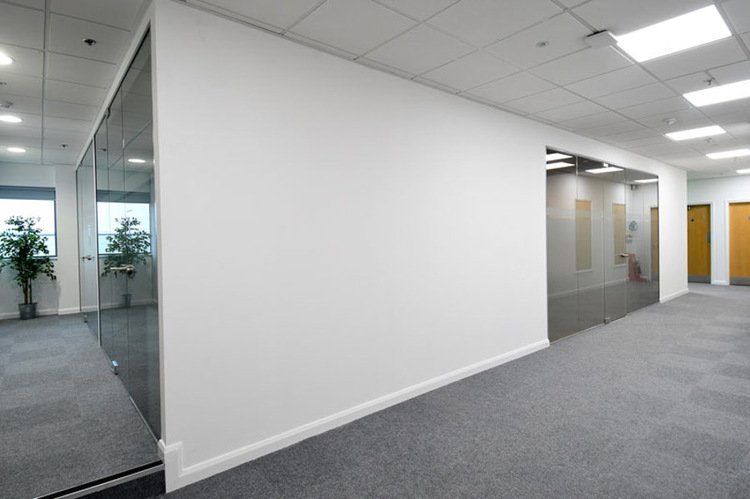
Rigips, also known as gypsum boards or drywall, has gained significant popularity in recent years as a sustainable and versatile building material. As the construction industry continues to grow and evolve, the future outlook for Rigips remains optimistic, with several key trends and factors driving its forecast.
Sustainable Construction and Design
One of the main drivers for the future growth of Rigips is the increasing focus on sustainable construction and design. With growing concerns about environmental impact, Rigips offers several advantages that align with these priorities. Rigips is made from gypsum, a naturally occurring mineral, and it can be recycled and reused, making it a sustainable alternative to traditional construction materials. Additionally, Rigips provides excellent thermal and acoustic insulation, contributing to energy efficiency and comfort in buildings. As sustainable construction practices become more mainstream, the demand for Rigips is expected to rise.
Urbanization and Population Growth
Another factor contributing to the positive forecast for Rigips is the ongoing global urbanization trend and population growth. As more people move to urban areas, the demand for housing, commercial spaces, and infrastructure projects increases. Rigips is a cost-effective and easy-to-install material, making it an ideal choice for construction in urban environments. With urbanization continuing at a rapid pace in many parts of the world, the demand for Rigips is expected to remain strong.
Innovative Applications and Technologies
The future outlook for Rigips is also influenced by ongoing advancements in construction technologies and innovative applications. Manufacturers are constantly developing new products and solutions that enhance the performance and versatility of Rigips. For example, there are fire-resistant gypsum boards available that offer enhanced safety in buildings. Additionally, the use of Rigips in interior design and decoration is growing, with creative applications such as curved walls and acoustic treatment becoming increasingly popular. These innovations and advancements in Rigips technology are expected to attract new users and contribute to its sustained growth.
Market Expansion and Global Trends
The future forecast for Rigips is also supported by the expansion of its market and global trends. Rigips is widely used in North America, Europe, and Asia-Pacific regions, and there is a growing awareness and adoption of the material in emerging economies. As construction activities increase in these regions, the demand for Rigips is expected to grow. Moreover, government initiatives promoting sustainable construction and focusing on infrastructure development further contribute to the positive outlook for Rigips.
In conclusion, the future outlook for Rigips appears promising due to various factors and trends. The increasing emphasis on sustainable construction, urbanization, innovative applications, and global market expansion all support its forecasted growth. As the construction industry continues to evolve, Rigips is likely to play a vital role in meeting the demand for sustainable and efficient building materials.
Key Findings and Insights: The Rising Popularity of Rigips

As the demand for sustainable materials and energy-efficient buildings continues to grow, the construction industry has been focusing on finding innovative solutions. In recent years, there has been a noticeable increase in the popularity of a specific construction material called Rigips. In this section, we will delve into the key findings and insights surrounding the rising trend of Rigips in the market.
Increasing Use in Building Constructions
One of the key findings is the increasing use of Rigips in building constructions. Rigips, also known as gypsum plasterboard or drywall, is a versatile and lightweight construction material that is easy to install and provides excellent thermal and acoustic insulation. It has gained popularity due to its numerous advantages over traditional construction materials like brick or concrete. Builders and contractors are opting for Rigips due to its efficiency, cost-effectiveness, and time-saving properties.
Sustainable and Environmentally Friendly
Another significant insight into the trend of Rigips is its sustainable and environmentally friendly nature. Made from a combination of gypsum, water, and additives, Rigips is 100% recyclable and contributes to reducing the carbon footprint of construction projects. Additionally, Rigips has excellent fire-resistant properties, making it a safe choice for building constructions.
Design Flexibility and Aesthetics
Rigips offers design flexibility and aesthetics, allowing architects and interior designers to create visually appealing spaces. The material can be easily cut, shaped, and molded to fit various architectural designs, offering endless possibilities for creativity. It provides a smooth and seamless surface for paint, wallpaper, or other decorative finishes.
Growth of Renovation and Remodeling Projects
The trend of Rigips is further fueled by the growth of renovation and remodeling projects. Many homeowners and businesses are opting for Rigips as a cost-effective way to transform existing spaces. Rigips can be used to create partition walls, false ceilings, or even decorative elements, giving a fresh look to interiors without major structural changes.
Increased Supplier and Manufacturing Investments
An insight into the trend of Rigips is the increased investments by suppliers and manufacturers. The surge in demand has prompted industry players to expand manufacturing capabilities and develop new product lines to meet the market's needs. This investment has led to improved product quality, wider availability, and competitive pricing, further driving the adoption of Rigips in construction projects.