

Unveiling the PCOS Puzzle: Exploring the Trend of Polycystic Ovary Syndrome and its Impact on Women's Health

The Rising Popularity of PCOS: Understanding the Trend

Polycystic Ovary Syndrome (PCOS) is a hormonal disorder that affects millions of women worldwide. In recent years, PCOS has gained significant attention and popularity among various demographics. This article aims to provide an overview of PCOS, explore the reasons behind its increasing recognition, and shed light on its origins.
Understanding PCOS
PCOS is a condition characterized by an imbalance in reproductive hormones, specifically estrogen and progesterone, in a woman's body. Women with PCOS typically produce higher levels of androgens (male hormones) than normal, resulting in irregular menstrual cycles, the formation of small cysts on the ovaries, and various other symptoms.
The Rising Popularity
Over the past decade, PCOS has become increasingly popular among different demographics, including women, healthcare professionals, and researchers. Several factors contribute to its growing recognition:
- Improved Awareness: Increased public awareness campaigns, online resources, and social media have played a crucial role in spreading information about PCOS. This has helped women realize that their symptoms may be attributed to PCOS and seek proper diagnosis and treatment.
- Diagnostic Advancements: The medical community has made significant progress in identifying the signs and symptoms of PCOS. Advanced diagnostic techniques, such as ultrasound imaging and blood tests, have enabled more accurate identification of the condition, leading to a rise in diagnosed cases.
- Lifestyle Changes and Obesity Epidemic: PCOS is strongly associated with obesity and insulin resistance. As the global obesity epidemic continues to soar, more individuals are experiencing PCOS-related symptoms. This has prompted greater attention and interest in understanding and managing the condition.
- Fertility Concerns: PCOS is a leading cause of infertility in women. With increasing concerns about fertility worldwide, many couples are seeking guidance and support to overcome PCOS-related challenges in conceiving. This has also contributed to the popularity of discussions and treatments related to PCOS.
Origins of PCOS
Despite its rising popularity, PCOS is not a new condition. Medical literature reveals that PCOS has been recognized for decades. However, it has gained significance in recent years due to scientific advancements, increased research, and growing recognition of its impact on women's health.
PCOS has been linked to both genetic and environmental factors. While the exact causes are still being studied, it is believed that a combination of genetic predisposition, insulin resistance, and hormonal dysregulation contribute to the development of PCOS. Researchers continue to explore these origins to improve diagnosis, management, and treatment options for affected individuals.
In conclusion, PCOS has gained popularity within various demographics due to improved awareness, diagnostic advancements, the obesity epidemic, and fertility concerns. Understanding the origins and underlying causes of PCOS is crucial for effectively managing the condition and providing the necessary support to affected individuals.
The Market Size and Growth of Polycystic Ovary Syndrome (PCOS)
Polycystic Ovary Syndrome (PCOS) is a common endocrine disorder that affects women of reproductive age. It is characterized by hormonal imbalances, ovarian cysts, and a range of symptoms like irregular periods, acne, and infertility. PCOS affects approximately 5-10% of women worldwide, making it one of the most prevalent hormonal disorders in women. In this section, we will explore the market size and growth of PCOS and the factors driving its expansion.
Market Size of PCOS
The market size of PCOS encompasses various aspects, including diagnostics, pharmaceuticals, and devices aimed at managing or treating the condition. According to a report by GlobalData, the global market for PCOS therapeutics was estimated to be valued at $674.8 million in 2019. This market is expected to grow at a considerable Compound Annual Growth Rate (CAGR) during the forecast period.
One of the major driving factors behind the expansion of the PCOS market is the increasing awareness of the syndrome among both patients and healthcare providers. As knowledge about PCOS improves, more women are seeking medical assistance and diagnosis, leading to an increased demand for diagnostic tests and tools.
Furthermore, the rising prevalence of PCOS globally is a significant contributor to the market size growth. Factors such as sedentary lifestyles, unhealthy dietary habits, and increasing obesity rates contribute to the increasing incidence of PCOS.
Growth Drivers of the PCOS Market
- Technological advancements in diagnosis and treatment: Advances in medical technologies have contributed to the growth of the PCOS market. For instance, specialized ultrasound machines and hormone testing kits have improved the accuracy of PCOS diagnosis, leading to better treatment outcomes. The emergence of non-invasive diagnostic techniques and minimally invasive treatments has also driven market growth.
- Increasing focus on precision medicine: Precision medicine, which involves tailoring treatments to individual patients based on their genetic makeup and specific disease characteristics, is gaining prominence in PCOS management. This approach allows for more targeted therapies and improved patient outcomes, which, in turn, fuels market growth.
- Growing demand for fertility treatments: Infertility is a common consequence of PCOS, and many women with the syndrome require fertility treatments to conceive. The increasing demand for assisted reproductive technologies like in vitro fertilization (IVF) and ovulation induction medications drives the growth of the PCOS market.
- Rising investment in research and development: The focus on PCOS research and development has increased in recent years, with biotechnology and pharmaceutical companies investing in developing novel therapies and drugs. This investment has accelerated the growth of the PCOS market by providing more treatment options to patients.
The market size and growth of PCOS reflect the increasing awareness of the condition, the rising prevalence of the syndrome, and advancements in medical technologies and treatments. The PCOS market is expected to expand further in the coming years, driven by factors such as technological advancements, precision medicine, demand for fertility treatments, and increased research and development efforts. As healthcare professionals and researchers continue to focus on improving diagnostics and treatment options for PCOS, the market is likely to witness continued growth.
Understanding Consumer Demand and Preferences for PCOS

Polycystic ovary syndrome (PCOS) is a common hormonal disorder that affects millions of women worldwide. PCOS brings with it a range of symptoms, including irregular periods, infertility, weight gain, and increased risk of certain health conditions like diabetes and heart disease. As more women are diagnosed with PCOS, there has been a growing demand for information, support, and products tailored to managing this condition. Understanding consumer demand and preferences for PCOS can help businesses and healthcare providers better meet the needs of this target audience.
Rising Awareness and Education
One of the key aspects of consumer demand around PCOS is the increasing awareness and education about this condition. Many individuals with PCOS are actively seeking information on the causes, symptoms, and methods of treatment. They are interested in understanding how PCOS affects their bodies and are looking for resources that can help them navigate the challenges associated with this condition. This demand for knowledge has led to the popularity of blogs, online forums, and social media communities that provide information and support to women with PCOS.
Holistic Approaches to Management
Another significant aspect of consumer demand for PCOS revolves around holistic approaches to managing this condition. Traditional medical treatments often focus on symptom management using medication. However, many women with PCOS are seeking alternative approaches that embrace a more holistic perspective. This includes lifestyle changes such as adopting a balanced diet, exercising regularly, managing stress, and incorporating natural remedies into their routine. The demand for products and services that support this holistic approach has risen, including dietary supplements, fitness programs, and mindfulness apps tailored specifically for women with PCOS.
Personalized Solutions
PCOS is a complex condition, and the symptoms and experiences can vary greatly from one individual to another. Recognizing this diversity, consumers are seeking personalized solutions that address their specific needs and concerns. They are looking for healthcare providers and products that take into account the individual context of their PCOS journey. This demand has given rise to the availability of online consultations, personalized diet and exercise plans, and specialized PCOS support groups that cater to the unique requirements of each woman.
Mental Health and Emotional Support
PCOS not only affects physical health but can also take a toll on mental well-being. Women with PCOS often experience anxiety, depression, and body image issues, which can impact their overall quality of life. Consequently, there is a growing demand for mental health support and resources that address the emotional aspects of living with PCOS. This includes counseling services, online support groups, and self-help books that empower women to navigate the emotional challenges associated with their condition.
Empowerment and Advocacy
Consumer demand for PCOS also extends to empowerment and advocacy. Women with PCOS are increasingly vocal about their experiences and are seeking platforms that amplify their voices. Many individuals are eager to connect with others who share similar experiences and raise awareness about PCOS in their communities. This demand has led to the formation of online and offline support networks, as well as the rise of influential voices in the PCOS community advocating for improved healthcare, better research, and greater public awareness.
In conclusion, understanding consumer demand and preferences for PCOS is crucial for businesses, healthcare providers, and organizations aiming to meet the needs of women living with this condition. Rising awareness and education, the popularity of holistic approaches, the demand for personalized solutions, mental health support, and advocacy are all key aspects of the consumer landscape. By recognizing and aligning with these preferences, stakeholders can ensure they effectively serve and support this growing consumer base.
Industry Players and Competition in the PCOS Market

Polycystic ovary syndrome (PCOS) is a common hormonal disorder affecting women of reproductive age. With a growing prevalence globally, the PCOS market has witnessed significant growth in recent years. As the demand for effective treatments and solutions for PCOS continues to rise, various industry players have emerged to meet this need. In this section, we will explore the key players and highlight the competition within the PCOS market.
- Pharmaceutical Companies: Pharmaceutical manufacturers play a vital role in the PCOS market, providing medications and treatment options for patients. Companies such as Bayer AG, Abbott Laboratories, and Merck & Co., Inc. are prominent players in the PCOS pharmaceutical segment. These companies develop and market medications such as hormonal contraceptives, insulin-sensitizing agents, and anti-androgens, which are commonly prescribed for managing PCOS symptoms.
- Medical Device Manufacturers: In addition to pharmaceutical companies, medical device manufacturers also contribute to the PCOS market. One of the notable players in this segment is Myovant Sciences Ltd., which focuses on developing innovative therapies for women's health conditions, including PCOS. Myovant's investigational therapy, relugolix, has shown promise in clinical trials for the treatment of uterine fibroids and endometriosis, which are often associated with PCOS.
- Diagnostic Testing Companies: The accurate diagnosis of PCOS is crucial for effective management and treatment. Diagnostic testing companies, such as Quest Diagnostics and LabCorp, offer a range of tests to assess hormone levels, insulin resistance, and other related factors that aid in diagnosing PCOS. These companies provide physicians with the necessary tools to confirm the presence of PCOS and develop personalized treatment plans for patients.
- Nutraceutical and Supplement Companies: The growing interest in natural and holistic approaches to managing PCOS has given rise to nutraceutical and supplement companies in the market. These companies offer a variety of products, including herbal supplements, vitamins, and dietary suggestions, targeted at addressing specific PCOS symptoms, such as hormonal imbalance and weight management. Some notable players in this space include Insulite Health and Theralogix.
- Online Platforms: The rise of e-commerce and digital platforms has created opportunities for startups and entrepreneurs to enter the PCOS market. Online platforms, like PCOS Diva and My PCOS Kitchen, provide a range of resources, including blogs, meal plans, and coaching services, catering to individuals seeking information and support for managing their PCOS. These platforms leverage technology to offer personalized solutions and build communities around PCOS management.
Competition in the PCOS Market:
The PCOS market is highly competitive, with industry players striving to gain a larger market share and develop innovative products and solutions. Competitive factors include the effectiveness and safety of medications, the ability to provide accurate diagnostics, and the ability to offer comprehensive and holistic approaches to PCOS management. Price, accessibility, and customer support also play a significant role in the competition.
The PCOS market is characterized by the presence of various industry players across pharmaceuticals, medical devices, diagnostics, nutraceuticals, supplements, and online platforms. The competition in this market is driven by the need to provide effective treatments, accurate diagnostics, and holistic solutions for managing PCOS. As research and technology continue to advance, the PCOS market is expected to witness further growth, fostering collaboration and innovation among industry players.
Technological Innovations Revolutionizing PCOS Management

Polycystic Ovary Syndrome (PCOS) is a common hormonal disorder affecting millions of women worldwide. PCOS is characterized by a combination of symptoms, including irregular menstrual cycles, infertility, weight gain, acne, and excessive hair growth. The management and treatment of PCOS traditionally involve a combination of medications, lifestyle modifications, and hormone therapy. However, technological advancements are now playing a significant role in improving PCOS management and empowering women to take control of their health. Let's explore some of these innovative solutions:
- Mobile Apps for Symptom Tracking: Mobile apps specifically designed for PCOS have emerged as valuable tools for women to track and manage their symptoms effectively. These apps allow users to monitor menstrual cycles, track ovulation, record symptoms, and set reminders for medications or appointments. They may also provide dietary guidance and exercise tips tailored to PCOS.
- Artificial Intelligence (AI) for Early Diagnosis: AI-powered algorithms are being developed to assist in the early diagnosis of PCOS. By analyzing medical records, genetic data, and hormonal profiles, AI technology can recognize patterns and identify individuals at risk of developing PCOS. Early detection can lead to timely intervention and better outcomes for patients.
- Virtual Assistants for Personalized Support: Virtual assistants, like chatbots, are being used to provide personalized support and guidance to women with PCOS. These AI-driven chatbots can answer questions, provide information about PCOS symptoms and treatments, suggest lifestyle modifications, and offer emotional support. They act as a virtual companion, providing real-time assistance and minimizing the feeling of isolation often associated with PCOS.
- Telehealth Services for Remote Consultations: Telehealth services have gained momentum, providing patients with remote access to healthcare professionals. For women managing PCOS, this means the convenience of consulting with healthcare providers from the comfort of their homes. Telehealth facilitates regular check-ups, medication adjustments, and guidance, reducing the need for in-person visits and enhancing overall patient care.
- Precision Medicine for Personalized Treatment: The advent of precision medicine has opened new possibilities for tailoring PCOS treatment to individual patients. With advances in genetic testing, clinicians can identify specific genetic markers associated with PCOS. This allows for a personalized approach to treatment, optimizing the selection of medication and dosages based on an individual's genetic makeup.
- Wearable Devices for Continuous Monitoring: Wearable devices, such as smartwatches and activity trackers, have become increasingly popular in healthcare. For women with PCOS, these devices can track various health parameters, including heart rate, sleep patterns, and physical activity levels. Continuous monitoring provides individuals with insights into their overall health and helps them make informed decisions regarding lifestyle modifications.
As technology continues to evolve, these innovative solutions have the potential to revolutionize PCOS management, empowering women with better tools and support. They enable early detection, personalized treatment, improved symptom management, and convenient access to healthcare resources. By harnessing the power of technology, the future of PCOS management looks promising, promising enhanced quality of life for those affected by this syndrome.
Regional Trends and Cultural Influences on PCOS
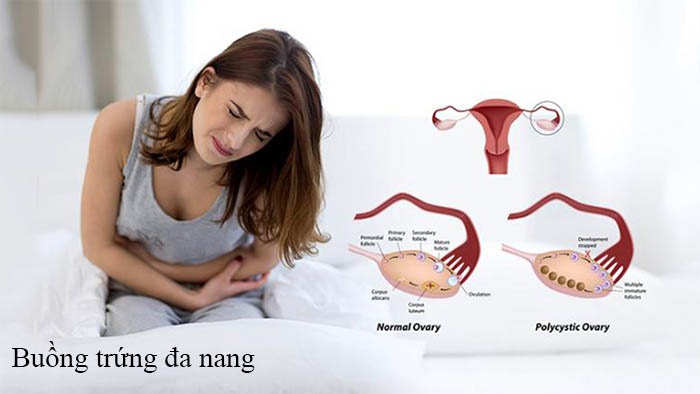
Polycystic Ovary Syndrome (PCOS) is a hormonal disorder that affects millions of women worldwide. While PCOS causes a range of health issues regardless of geographical region, regional trends and cultural influences can significantly impact the experiences and perceptions surrounding this condition. Understanding these unique regional and cultural factors is crucial for developing effective treatment strategies, raising awareness, and providing support to women with PCOS.
Regional Differences in PCOS Prevalence
The prevalence of PCOS varies across different regions of the world. Studies have shown that there might be geographic variations in the occurrence and severity of the condition. For example, research suggests that women of South Asian, Middle Eastern, and Mediterranean descent are more likely to have PCOS compared to women of other ethnic backgrounds. These regional disparities in PCOS prevalence may be influenced by genetic factors, differences in lifestyle, dietary habits, and environmental exposures.
Cultural Perspectives and Stigma
Cultural perspectives and societal attitudes towards PCOS play a significant role in how the condition is perceived and managed. In some societies, PCOS is still stigmatized and considered taboo, leading to a lack of awareness, delayed diagnosis, and limited support systems for affected women. Cultural beliefs around femininity, beauty standards, and fertility can further contribute to the challenges faced by women with PCOS in certain regions.
Dietary and Lifestyle Factors
Dietary and lifestyle factors specific to certain regions can have an impact on PCOS symptoms and management. For instance, in regions where traditional diets are high in refined carbohydrates and unhealthy fats, women with PCOS may be at a greater risk of experiencing weight gain and insulin resistance, exacerbating their condition. Conversely, cultural dietary practices rich in whole foods, vegetables, and healthy fats, such as the Mediterranean diet, may offer potential benefits for women with PCOS.
Access to Healthcare and Treatment Options
The availability and accessibility of healthcare resources and treatment options can vary greatly across regions. In some areas, particularly developing countries, limited access to quality healthcare may result in underdiagnosis, under-treatment, and inadequate support for women with PCOS. Addressing these regional disparities is crucial to ensure that women from all backgrounds have access to appropriate medical care, education, and support networks.
Traditional Medicine and Alternative Therapies
In certain regions, traditional medicine and alternative therapies may be preferred over conventional Western approaches for managing PCOS symptoms. For example, traditional Chinese medicine (TCM) and Ayurveda offer holistic treatment approaches that aim to rebalance the body's energy systems. Although scientific evidence for the effectiveness of these practices is limited, they remain popular choices for some women with PCOS and may influence regional treatment preferences.
Understanding the regional trends and cultural influences on PCOS is essential for tailoring interventions, raising awareness, and providing support that aligns with the specific needs of affected women. By acknowledging and addressing these factors, healthcare professionals, policymakers, and support networks can work together to empower women with PCOS and improve their quality of life across diverse regions and cultures.
The Impact of Social Media Influencers on Raising Awareness about PCOS
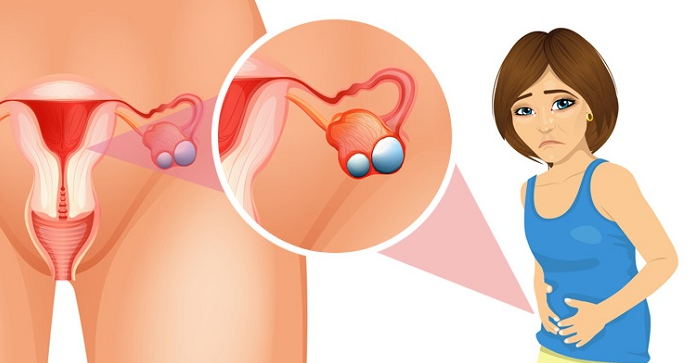
Polycystic ovary syndrome (PCOS) is a common hormonal disorder that affects millions of women worldwide. It is characterized by a variety of symptoms, including irregular periods, acne, weight gain, and fertility issues. However, despite its prevalence, PCOS often remains underdiagnosed and misunderstood. In recent years, social media influencers have played a significant role in raising awareness about PCOS, helping to educate and empower women who are affected by this condition.
The Power of Influencers: Social media influencers have gained immense popularity and influence in the digital age. Their large follower base and authentic interactions make them competent advocates for various causes, including raising awareness about health issues like PCOS. Influencers utilize different social media platforms such as Instagram, YouTube, and TikTok to share their personal experiences, knowledge, and advice regarding PCOS, reaching a wide audience in the process.
Spreading Awareness: One of the key ways influencers help in raising awareness about PCOS is by sharing their own personal stories. By opening up about their struggles with PCOS, influencers create a sense of empathy and relatability among their followers, who may be going through similar experiences. This helps to break the stigma around PCOS and encourages others to seek support and proper medical care.
Education and Information: Influencers also provide valuable educational content about PCOS, such as its symptoms, causes, and available treatment options. Through informative posts, videos, and live sessions, they debunk myths, provide evidence-based information, and offer resources for further learning. This not only helps individuals better understand their own bodies but also enables them to have informed conversations with healthcare professionals.
Promoting Healthy Lifestyles: Influencers often emphasize the importance of maintaining a healthy lifestyle for managing PCOS symptoms. They share tips and tricks for managing weight, improving diet, and incorporating exercise into daily routines. By sharing their own journeys of implementing these changes, influencers inspire and motivate their followers to adopt healthier habits, leading to improved overall well-being.
Support and Community: The power of social media lies in its ability to bring people together and create communities. Influencers cultivate spaces where individuals affected by PCOS can connect and support one another. They promote discussions and provide platforms for conversations about PCOS, fostering a sense of belonging and solidarity among their followers. This support, both virtual and real, can make a significant difference in the lives of those living with PCOS.
Social media influencers have become valuable allies in raising awareness about PCOS. They offer a unique platform to share personal stories, provide credible information, promote healthy lifestyles, and foster communities of support. By harnessing their influence, these influencers have the potential to make a positive impact on the lives of women with PCOS, helping them to navigate their journey with confidence and empowerment.
The Future Outlook and Forecast of PCOS

Polycystic ovary syndrome (PCOS) is a hormonal disorder affecting millions of women worldwide. As medical knowledge and understanding of PCOS continue to advance, the future outlook for this trend is both promising and challenging. Let's explore the forecast for PCOS and its potential impact on women's health.
Increasing Awareness and Diagnosis
One significant future trend for PCOS is the increasing awareness and diagnosis rates. PCOS is a common condition, yet many cases go undiagnosed or misdiagnosed. As more research is conducted and knowledge about the syndrome spreads, healthcare professionals are becoming better equipped to identify and diagnose PCOS. Increased awareness campaigns and education efforts are likely to drive earlier diagnosis rates and improved understanding of the condition.
Personalized Treatment and Care
Another area of growth in the PCOS trend lies in personalized treatment and care. PCOS manifests differently in each individual, meaning that treatment plans should be tailored to address specific symptoms and concerns. Advances in medical technology, such as genetic testing and precision medicine, are likely to play a crucial role in providing personalized treatment options for women with PCOS. This shift towards tailored healthcare could lead to more effective management and improved outcomes for patients.
Lifestyle Interventions and Holistic Approaches
With PCOS being closely associated with factors such as obesity, insulin resistance, and mental health issues, the future outlook emphasizes the importance of lifestyle interventions and holistic approaches. Research suggests that lifestyle changes, such as dietary modifications, regular exercise, stress reduction techniques, and adequate sleep, can positively impact PCOS symptoms and overall well-being. As these findings gain more traction and are incorporated into clinical practice, healthcare providers are likely to emphasize comprehensive approaches to PCOS management.
Advancements in Medication and Therapies
The field of PCOS research is continuously evolving, driving advancements in medication and therapies. Currently, the most common treatment approach involves hormone-regulating medications and contraceptives. However, researchers are exploring novel drug targets and therapeutic options to address the root causes of PCOS. For example, ongoing studies are investigating the potential benefits of insulin sensitizers, anti-inflammatory agents, and emerging treatments targeting androgen excess. These innovative therapies have the potential to revolutionize PCOS treatment in the future.
Integrating Digital Health Solutions
The integration of digital health solutions is also expected to shape the future of PCOS management. Mobile applications and wearable devices tailored to PCOS can help individuals track symptoms, monitor hormonal changes, and provide personalized recommendations. These technological advancements have the potential to improve access to care, enhance patient engagement, and promote self-management for women with PCOS.
In conclusion, the future outlook for PCOS is characterized by increasing awareness, personalized treatment and care, lifestyle interventions, advancements in medication and therapies, and the integration of digital health solutions. Addressing the complex nature of PCOS requires a multidisciplinary approach involving healthcare professionals, researchers, and patients themselves. By focusing efforts on early detection, tailored care, and holistic management, the prognosis for women living with PCOS can be significantly improved.
Insights and Key Findings: A Deep Dive into Polycystic Ovary Syndrome (PCOS)

Polycystic Ovary Syndrome (PCOS) is a complex hormonal disorder affecting millions of women worldwide. It can manifest in various ways, such as irregular periods, hormonal imbalances, fertility issues, weight gain, and mood swings. Understanding the key findings and insights surrounding PCOS can help both individuals and healthcare professionals navigate this condition effectively.
- Prevalence and Impact: PCOS is one of the most common endocrine disorders in women of reproductive age, affecting approximately 5-10% of women globally. Research suggests that the prevalence of PCOS may differ among different ethnic groups. The impact of PCOS extends beyond reproductive health, with studies linking it to an increased risk of diabetes, cardiovascular disease, and mental health conditions like depression and anxiety.
- Diagnosis and Underdiagnosis: Diagnosing PCOS can be challenging due to its complex nature. The Rotterdam criteria, established by the European Society of Human Reproduction and Embryology and the American Society for Reproductive Medicine, are widely used for diagnosis. However, PCOS remains underdiagnosed, with many women unaware of their condition. This underdiagnosis may be attributed to the variability of symptoms and the lack of awareness among healthcare professionals.
- Hormonal Imbalances and Insulin Resistance: Women with PCOS often experience hormonal imbalances, including elevated levels of androgens (male hormones) and insulin resistance. These imbalances contribute to the characteristic symptoms of PCOS, such as acne, hirsutism (excessive hair growth), and difficulty losing weight. Insulin resistance, in particular, plays a key role in the development of metabolic disorders associated with PCOS.
- Lifestyle Management and Treatment Options: While there is no cure for PCOS, lifestyle management plays a crucial role in alleviating symptoms and improving overall health. A combination of regular exercise, a balanced diet, and weight management can help manage insulin resistance and reduce the risk of complications. Additionally, medications such as oral contraceptives, anti-androgens, and insulin-sensitizing agents may be prescribed by healthcare providers to address specific symptoms and underlying hormonal imbalances.
- Emotional and Psychological Impact: The emotional and psychological impact of living with PCOS should not be overlooked. Women with PCOS often experience higher levels of anxiety, depression, and body dissatisfaction. The visible symptoms associated with PCOS, such as weight gain and unwanted hair growth, can further contribute to a negative body image. Providing support, education, and counseling services are essential for addressing these emotional challenges.