
Unveiling the Green Revolution: Exploring the Surging Trend of Sustainable Power Stations

The Soaring Popularity of Power Stations: A Revolution in Energy Generation

In an era where sustainability and renewable energy have become paramount, power stations have emerged as an increasingly popular solution for energy generation. Power stations, also known as power plants or power stations, are large-scale facilities designed to generate electricity by converting various sources of energy, such as fossil fuels, nuclear energy, hydroelectric power, solar power, or wind power. The Origins of Power Stations: The concept of power stations originated in the late 19th century with the invention of the first centralized power plant by Thomas Edison in New York City. Edison's Pearl Street Station, established in 1882, marked a significant shift from individual localized power sources to a centralized facility capable of supplying electricity to a large area. This innovative approach laid the foundation for the modern power station model. The Growing Popularity of Power Stations: Over the years, power stations have gained widespread popularity due to several factors: 1. Reliable Energy Supply: Power stations offer a consistent and reliable supply of electricity, ensuring uninterrupted service for residential, commercial, and industrial consumers. This factor has significantly contributed to their popularity, as societies have become increasingly dependent on electricity for various aspects of daily life. 2. Diverse Energy Sources: Power stations can harness energy from diverse sources, including fossil fuels such as coal, oil, and natural gas, as well as renewable sources like solar, wind, hydro, and nuclear energy. This versatility is a key advantage, as it allows for the adaptation of power stations to local energy resources and environmental conditions. 3. Scalability and Efficiency: Power stations have the advantage of scalability, with the ability to generate electricity on a large scale, making them suitable for supplying energy to densely populated areas. Additionally, advancements in technology have significantly improved the efficiency of power stations, enhancing their overall performance and decreasing environmental impact. 4. Demographic Appeal: Power stations have proven popular among various demographics. While concerns about climate change and environmental sustainability drive the younger generations towards renewable energy sources, power stations that use fossil fuels continue to be widely accepted due to their cost-effectiveness and reliability. This diversity in demographic appeal has ensured the continued relevance and growth of power stations. In short, power stations have become increasingly popular due to their ability to provide reliable energy from diverse sources, their scalability, and their appeal across various demographics. As the world continues to grapple with the need for sustainable energy solutions, power stations will likely remain a key player in the global energy landscape.
The Market Size and Growth of Power Stations
Power stations play a crucial role in meeting the world's growing energy demands. These facilities generate electricity by converting various forms of energy, such as fossil fuels, nuclear power, and renewable sources, into usable electrical power. As the global population continues to increase and societies become more industrialized, the market for power stations has witnessed significant growth. Market Size of Power Stations The market size of power stations is substantial, reflecting the indispensability of reliable and adequate power supply. According to a report by Grand View Research, the global power plant control system market size was valued at $5.87 billion in 2020. This figure is expected to reach $7.36 billion by 2028, with a compound annual growth rate (CAGR) of 2.7% from 2021 to 2028. The power station market is segmented based on types, including thermal power stations, hydroelectric power stations, nuclear power plants, and renewable energy power plants. Each of these segments contributes to the overall market share, with thermal power stations historically dominating the market due to their wide-scale deployment. Factors Driving Market Growth Several factors drive the growth of the power station market: 1. Growing Energy Demand: The global population is increasing, and emerging economies are undergoing rapid industrialization, resulting in a rise in energy requirements. Power stations are essential to cater to this growing demand for electricity. 2. Government Initiatives: Governments worldwide are emphasizing the need for clean energy and setting renewable energy targets in an effort to mitigate climate change. This has led to an increased focus on constructing renewable energy power plants, such as solar and wind farms. 3. Advancements in Technology: Technological advancements have improved the efficiency and reliability of power stations. For instance, the development of advanced gas turbines and smart grid systems has made thermal power plants more efficient and environmentally friendly. Similarly, advancements in energy storage technologies have supported the integration of renewable energy sources into the grid. 4. Increasing Public Awareness: There is a growing awareness among the general public about the environmental impact of traditional power generation methods, such as fossil fuels. This has led to an increased demand for cleaner and more sustainable power generation options, thereby driving the growth of renewable energy power plants. Market Challenges and Opportunities While the power station market presents significant opportunities for growth, there are also challenges to consider: 1. Environmental Concerns: The environmental impact of power stations, especially those relying heavily on fossil fuels, is a major challenge. The market is shifting towards cleaner and renewable energy sources to mitigate these concerns. 2. Evolving Regulatory Landscape: Governments worldwide are introducing stricter regulations to reduce carbon emissions and transition to cleaner energy sources. Power station operators need to adapt to these evolving regulations, which can pose challenges but also create opportunities for innovative solutions. 3. Infrastructure Investment: The development of power stations requires significant investment in infrastructure, such as transmission lines and grid connectivity. Securing funding for these projects can be a challenge, particularly for renewable energy power plants. In conclusion, the power station market is experiencing steady growth due to factors such as increasing energy demand, government initiatives towards cleaner energy sources, technological advancements, and public awareness. However, the market also faces challenges related to environmental concerns, evolving regulations, and infrastructure investment. To thrive in this dynamic market, power station operators and industry stakeholders must stay abreast of these trends and continually innovate to meet the evolving energy needs of society.
Exploring Consumer Demand and Preferences in the Power Station Market

Understanding consumer demand and preferences is crucial for businesses operating in any industry. In the context of power stations, it is important to identify consumer expectations and desires to tailor offerings according to their specific needs. This section explores the consumer demand and preferences related to power stations, shedding light on emerging trends and potential areas for growth. Rise in Renewable Energy One significant shift in consumer preferences regarding power stations is the increasing demand for renewable energy sources. As climate change concerns escalate, individuals are becoming more conscious of their carbon footprint. This has led to a growing preference for clean and sustainable energy options such as solar, wind, hydroelectric, and geothermal power. Consumers are more likely to support power stations that promote the use of renewable energy sources and have a minimal environmental impact. This changing preference has created opportunities for companies to invest in and market renewable energy-powered power stations. Decentralized Power Generation Another emerging trend in consumer demand is a move towards decentralized power generation. Traditionally, power stations were large-scale centralized facilities that supplied electricity to a wide area. However, with advancements in technology and the rise of smart grids, consumers are increasingly interested in generating their own electricity. Decentralized power generation allows consumers to have more control over their energy production and consumption, leading to potential cost savings and increased energy independence. This trend has propelled the growth of residential solar panels, small wind turbines, and microgrids. Energy Storage Solutions The consumer demand for reliable and uninterrupted power supply has led to a surge in interest in energy storage solutions. Power stations equipped with energy storage capabilities allow consumers to store surplus energy generated during times of low demand and use it during peak hours or when there is a power outage. This not only offers convenience but also enhances the reliability and resilience of the power supply. Lithium-ion batteries, flywheels, and pumped hydro storage are some of the technologies that have gained prominence in the energy storage market. Consumers are increasingly seeking power stations that prioritize energy storage integration to ensure uninterrupted power supply and better energy management. Smart and Connected Power Stations Consumers are embracing the concept of smart homes and connected devices, and power stations are no exception to this trend. The integration of advanced technologies, such as Internet of Things (IoT) sensors, artificial intelligence (AI), and predictive analytics, has enabled the development of smart and connected power stations. Smart power stations can efficiently monitor energy production and consumption, optimize operations, and provide real-time data to consumers about their energy usage. This empowers consumers to make informed decisions, track their energy consumption patterns, and potentially reduce their overall energy costs. Consumer preferences in the power station market are significantly influenced by the increasing demand for renewable energy, a shift towards decentralized power generation, the need for energy storage solutions, and the adoption of smart and connected technologies. Businesses operating in this market can capitalize on these trends by aligning their offerings with consumer expectations and leveraging emerging technologies to provide efficient and sustainable power solutions. By understanding and responding to consumer demand and preferences, companies can stay ahead of the curve and drive growth in the power station industry.
Power Station Industry Players and Competition

The power station industry is a crucial component of any country's infrastructure, responsible for generating electricity on a large scale. As the demand for energy continues to rise, the industry has become increasingly competitive. This section will highlight some of the key industry players and explore the fierce competition within the power station sector. Key Industry Players 1. General Electric (GE): With a long-standing reputation as a leader in the power industry, GE offers a wide range of power generation technologies, including gas turbines, steam turbines, and renewable energy solutions. The company's expertise and global reach have established it as a dominant player in the power station market. 2. Siemens: Another prominent player in the power station industry, Siemens is known for its innovative and efficient power generation solutions. The company focuses on a diverse portfolio, ranging from gas turbines and steam turbines to combined cycle power plants. Siemens has a strong presence globally and continues to invest in research and development to stay ahead in the market. 3. Mitsubishi Power: Mitsubishi Power is a leading provider of power generation systems, boasting a wide array of products, including gas turbines, steam turbines, and integrated coal gasification combined cycle (IGCC) systems. The company emphasizes sustainability and works towards reducing environmental impact through its advanced power generation technologies. 4. ABB: ABB is a prominent player in the power station industry, specializing in offering grid integration solutions and digital control systems that optimize power generation and transmission. Their advanced power electronics solutions, including high-voltage direct current (HVDC) technology, make them an important competitor in the industry. Competitive Landscape The power station industry is highly competitive, with players constantly striving to innovate and improve their technologies. Key factors contributing to the competition within the market include: 1. Technological Advancements: Power station companies are continuously investing in research and development to develop more efficient and environmentally-friendly power generation solutions. Advancements in areas such as gas turbine technology, renewable energy integration, and smart grid systems are crucial in gaining a competitive edge. 2. Increasing Demand for Renewable Energy: With the growing focus on sustainability and the reduction of carbon emissions, there is a rising demand for renewable energy sources. Power station companies are competing to develop and provide advanced renewable energy solutions such as solar, wind, and hydroelectric power generation systems. 3. Cost-Effectiveness: Cost is a significant factor in the power station industry. Companies are constantly striving to develop technologies that are more cost-effective, efficient, and require minimal maintenance. This includes advancements in gas turbine efficiency, energy storage systems, and improved installation and construction methods. 4. Global Expansion: Power station companies are expanding their presence globally to tap into emerging markets with rising energy demands. They are forming strategic partnerships, acquiring local companies, and investing in power projects to gain a competitive advantage and secure long-term growth. In conclusion, the power station industry is home to several major players competing to provide cutting-edge power generation technologies. General Electric, Siemens, Mitsubishi Power, and ABB are among the key players in the industry. These companies compete on various fronts, including technological advancements, renewable energy solutions, cost-effectiveness, and global expansion. The competition drives innovation and contributes to the development of more efficient and sustainable power generation solutions.
Transforming Power Stations: Innovations Revolutionizing Energy Generation
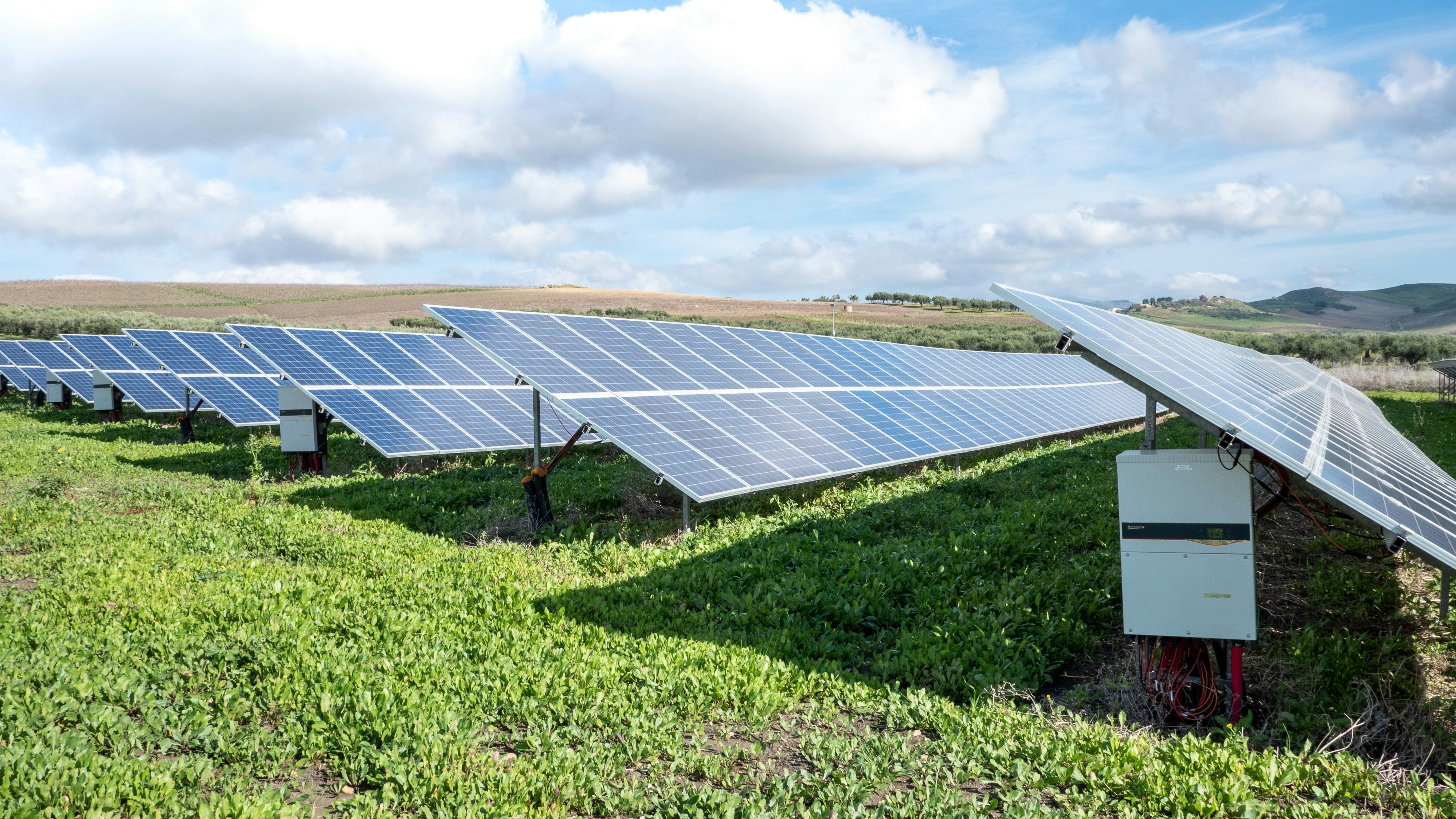
In recent years, the power generation industry has witnessed significant developments as a result of technological innovations. Advancements in renewable energy sources, energy storage systems, and smart grid technologies have revolutionized power stations, paving the way for a more sustainable and efficient energy future. 1. Renewable Energy Integration: One of the most notable technological advancements in power stations is the integration of renewable energy sources. Traditional power stations were heavily reliant on fossil fuels, but the shifting focus towards sustainability has led to the widespread adoption of renewable energy technologies such as solar, wind, hydro, and geothermal power. Innovations, such as advanced solar panel designs, efficient wind turbines, and improved energy capture technologies, have significantly increased the efficiency and output of renewable energy systems. This integration has enabled power stations to generate electricity in a cleaner and more sustainable manner, reducing greenhouse gas emissions and promoting a greener future. 2. Energy Storage Solutions: Another area of technological innovation revolutionizing power stations is energy storage. Previously, power stations relied on a constant supply-demand balance, which posed challenges during periods of high demand and intermittent renewable energy generation. The development of advanced energy storage solutions, such as lithium-ion batteries, flow batteries, and compressed air energy storage (CAES), has addressed this issue. These storage systems ensure a constant and reliable power supply by capturing excess energy during low-demand periods and discharging it during high-demand phases. This allows power stations to store and distribute energy efficiently, stabilize the grid, and enhance overall system reliability. 3. Smart Grid Technologies: The emergence of smart grid technologies has brought about a transformation in power station operations. Smart grids leverage cutting-edge communication, automation, and sensing technologies to optimize energy generation, transmission, and distribution. These advancements enable power stations to integrate renewable energy sources and manage power flow more effectively. For instance, intelligent sensors and monitoring systems detect anomalies and optimize electricity distribution, leading to reduced power wastage. Additionally, smart grid technologies facilitate real-time energy consumption monitoring, empowering consumers to make informed decisions about their energy usage and contribute actively to demand response programs. This enhances energy efficiency and reduces overall electricity consumption, resulting in lower costs and environmental impact. 4. Microgrids and Decentralized Power Generation: The concept of microgrids, which consist of localized power generation systems, has gained prominence in recent years. Microgrids offer localized energy generation and distribution, enabling communities and businesses to operate independently from the main power grid, especially during emergencies or grid failures. Advances in decentralized power generation technologies, such as small-scale solar panels, wind turbines, and biomass systems, have made microgrids economically viable alternatives. This approach promotes energy self-reliance, fosters resilience, and reduces transmission losses associated with long-distance energy distribution. Overall, technological innovation is reshaping power stations, making them pivotal players in the transition towards a sustainable and efficient energy future. The integration of renewable energy sources, energy storage solutions, smart grid technologies, and the adoption of microgrids are revolutionizing power stations, fostering a greener energy landscape and promoting energy independence at both the macro and micro levels.
Regional Trends and Cultural Influences on Power Station Development

Regional trends and cultural influences play a significant role in shaping the development of power stations across different countries and regions. Factors such as geographical location, available resources, government policies, technological advancements, and cultural attitudes towards energy production all contribute to the unique characteristics and priorities regarding power station infrastructure. Understanding these regional trends and cultural influences can provide valuable insights for policymakers, investors, and industry professionals. 1. Geographic Considerations Geographical factors, including climate conditions, terrain, and available natural resources, profoundly impact the development of power stations in different regions. For instance, countries with abundant access to renewable energy sources like wind or solar may prioritize the establishment of associated power stations. Nordic countries like Norway and Sweden, which are rich in hydropower potential, have prioritized the development of hydroelectric power stations, while countries with substantial coal reserves like China and the United States have historically focused on coal-fired power stations. 2. Government Policies and Regulations Government policies and regulations also shape power station development in different regions. Some governments may heavily invest in clean energy infrastructure to reduce carbon emissions and combat climate change. As a result, regions like Germany, Denmark, and California have shown a strong commitment to renewable energy sources, leading to the rapid expansion of wind and solar power stations. In contrast, regions with a high dependence on fossil fuels, such as the Middle East, may focus on expanding oil or natural gas power stations. 3. Technological Advancements Technological advancements and innovation play a crucial role in determining the type and efficiency of power stations in different regions. Technologically advanced countries like Japan and Germany have embraced nuclear power stations as a source of reliable and clean energy. Conversely, regions with limited access to technological expertise might rely on older, less efficient power station designs, leading to higher environmental impacts. The ongoing innovations in battery storage and smart grid systems are also influencing the development of power stations in regions where energy storage and distribution are key concerns. 4. Cultural Attitudes towards Energy Production Cultural attitudes and societal norms shape the energy landscape by influencing public opinion, environmental concerns, and willingness to embrace specific energy sources. For instance, regions with a strong emphasis on environmental sustainability, such as Scandinavia or certain parts of Europe, often prioritize the development of renewable energy sources and sustainable power stations. In contrast, regions with high energy demand and industrialization pressures may focus more on conventional power station options, seeking to balance economic growth with environmental needs. Understanding regional trends and cultural influences is crucial for predicting and analyzing the development of power stations across different regions. Geographical considerations, government policies, technological advancements, and cultural attitudes all contribute to the unique energy landscapes and priorities in various parts of the world. By recognizing and adapting to these regional trends, stakeholders in the power sector can make informed decisions, embrace clean energy alternatives, and contribute to sustainable development in their respective regions.
The Power of Social Media Influencers in Driving Awareness for Power Stations

In recent years, social media platforms have become powerful tools for driving awareness and engagement for various industries, including the energy sector. One particular area where social media and influencers have played a significant role is in promoting power stations. Leveraging the reach, credibility, and impact of social media influencers can greatly influence public perception and understanding of power stations, as well as help in disseminating valuable information about their operations and benefits. This article explores the power of social media influencers and their role in driving awareness for power stations. The Rise of Social Media Influencers Social media influencers are individuals who have developed a substantial following on platforms like Instagram, YouTube, Twitter, and TikTok. Their content often revolves around a specific area of interest, such as fashion, beauty, lifestyle, or even energy-related topics like sustainability and clean energy. With their large and engaged audiences, influencers have the ability to shape public opinion and influence consumer behavior. The Impact on Power Station Awareness For power stations, social media influencers can make a significant difference in increasing awareness among the general public. By partnering with influencers who have an interest in environmental issues, sustainable practices, or a specific geographical area, power stations can effectively communicate their operations, benefits, and positive impact on the community. Influencers have the ability to create engaging and educational content about power stations, using their platforms to showcase behind-the-scenes footage, highlight the technological advancements, and emphasize the role of such facilities in the overall energy landscape. They can share personal stories, interviews, and even conduct live tours to give their audience an immersive experience. Building Trust and Credibility A major advantage of utilizing social media influencers is their ability to build trust and credibility with their followers. Influencers are seen as relatable and authentic by their audience, creating a sense of connection. When influencers endorse or advocate for power stations, they bring a level of credibility and trust that traditional advertising may struggle to achieve. By sharing their personal experiences and opinions, influencers can lend their authenticity to their endorsements and make power stations more approachable and relatable to their followers. This helps to dispel misconceptions or fears about power stations, often associated with pollution or environmental concerns, and educate the public about their critical role in providing reliable and sustainable energy sources. Reaching Targeted Audiences Social media platforms offer a variety of targeting options, allowing power stations to reach specific audiences through influencers. By partnering with influencers whose followers align with the desired target demographic, power stations can ensure their message reaches the right people and resonates effectively. This targeting helps in increasing brand awareness, attracting support, and even driving policy change. Social media influencers have emerged as powerful allies in driving awareness for power stations. By leveraging their reach, credibility, and ability to connect with audiences, influencers can significantly impact public perception of power stations and help disseminate important information about their benefits and operations. In an era where social media plays a crucial role in shaping public opinion, employing influencers allows power stations to connect with diverse audiences, build trust, dispel misconceptions, and advocate for the positive impact of these critical energy infrastructure projects. With the continued growth and influence of social media, influencers will likely play an increasingly vital role in shaping public discourse around power stations and other energy-related initiatives.
The Future Outlook of Power Stations

As the world continues to face the challenges of climate change and the need for sustainable energy solutions, the future outlook for power stations is set to undergo significant changes. Power stations, also known as power plants or electricity generation facilities, are integral to meeting our global energy demands. In this section, we will explore the future forecast for power stations and the key trends that are shaping this industry. 1. Transition to Renewable Energy Sources One of the most notable trends impacting power stations is the transition from traditional fossil fuel-based power generation to renewable energy sources. Governments and organizations around the world are increasingly adopting policies and regulations aimed at reducing greenhouse gas emissions. This has prompted a shift towards alternative energy options such as solar, wind, hydro, and geothermal power. Renewable energy technologies have made significant progress in terms of efficiency and cost-effectiveness. Solar and wind power, in particular, have experienced rapid growth in recent years, with an increasing number of power stations incorporating these renewable sources into their energy mix. According to the International Renewable Energy Agency (IRENA), renewable energy could account for more than 50% of global electricity generation by 2030, with power stations playing a crucial role in this transition. 2. Decentralized Power Generation Another key trend shaping the future of power stations is the rise of decentralized power generation. Traditionally, power stations were large-scale centralized facilities that supplied electricity to a wide area. However, advancements in technology and the increasing adoption of distributed energy resources (DERs) have enabled smaller-scale power generation at the local level. Decentralized power generation utilizes technologies such as rooftop solar panels, microgrids, and energy storage systems, allowing communities and businesses to generate and manage their own energy. This trend not only reduces dependence on traditional grid systems but also enhances energy resilience and promotes greater energy independence. Power stations of the future may feature a blend of centralized and decentralized generation, with a greater emphasis on local communities and their energy needs. 3. Smart Grid Integration and Energy Storage The integration of smart grid technologies and energy storage systems is another significant aspect of the future outlook for power stations. Smart grids enable more efficient and reliable electricity distribution by utilizing advanced monitoring, control, and communication capabilities. They facilitate the seamless integration of renewable energy sources, demand-side management, and efficient grid operation. Furthermore, energy storage systems, such as batteries and pumped hydro storage, play a crucial role in maximizing the utilization of renewable energy and ensuring a stable power supply. These systems can store excess energy generated during times of low demand and release it during periods of high demand or when renewable sources are less productive. Power stations are likely to incorporate energy storage solutions to optimize the grid and enhance the reliability of electricity supply. 4. Electrification of Transportation and Industry The future forecast for power stations is closely linked to the electrification of transportation and industry. As societies shift away from fossil fuels, the demand for electricity to power electric vehicles, public transportation systems, and industrial processes is expected to increase significantly. Power stations will play a pivotal role in meeting this demand, ensuring a reliable and clean energy supply to support the growing electrification trend. In conclusion, the future outlook for power stations revolves around the transition to renewable energy sources, decentralized power generation, smart grid integration, and the electrification of transportation and industry. These trends are driven by the need to address climate change and create a more sustainable energy future. Power stations are evolving to embrace new technologies and systems that will enable efficient, clean, and reliable electricity generation. By staying ahead of these trends, power stations can shape a brighter and more sustainable energy landscape for future generations.
Key Findings and Insights: The Rise of Power Stations

The power station trend is gaining significant momentum across the globe, driven by several key factors and emerging technologies. This recap highlights the key findings and insights on the power station trend, shedding light on its growth trajectory and potential implications for various industries. 1. Shift Towards Renewable Energy: One of the prominent findings is the increasing shift towards renewable energy sources, which has fueled the demand for innovative and sustainable power stations. Solar and wind power stations, in particular, are gaining traction due to their reduced carbon footprint and long-term cost-effectiveness. Governments, corporations, and consumers alike are recognizing the importance of transitioning towards cleaner energy alternatives. 2. Decentralized Energy Generation: The power station trend also highlights the growing importance of decentralized energy generation. Rather than relying solely on centralized power grids, power stations are emerging as localized energy hubs that empower communities and businesses to generate their own electricity. This decentralization provides not only greater flexibility but also resilience in times of natural disasters or power outages. 3. Advancements in Energy Storage: Another significant insight is the advancements in energy storage technologies, complementing the growth of power stations. Efficient and cost-effective battery storage systems, such as lithium-ion batteries, are becoming integral components of power stations. These storage solutions enable the smooth integration of renewable energy sources by addressing intermittent power generation, ensuring a consistent power supply. 4. Integration of Smart Grid Technologies: The integration of smart grid technologies is revolutionizing the power station landscape. The use of advanced sensors, data analytics, and artificial intelligence allows for real-time monitoring, optimization, and management of energy generation and distribution. This leads to better efficiency, reduced downtime, and improved grid stability. As power stations become smarter, they pave the way for increased energy automation and enhanced energy management systems. 5. Potential Disruption across Industries: The power station trend has the potential to disrupt various industries. Traditional fossil fuel-based power generation companies may face challenges as renewable energy power stations gain prominence. Additionally, the rise of power stations could impact the automotive industry as electric vehicle adoption increases. EV charging infrastructure becomes an integral part of power stations, further accelerating the shift towards clean transportation. 6. Investment Opportunities and Market Growth: The power station trend presents significant investment opportunities across multiple sectors. Companies involved in renewable energy technologies, energy storage systems, and smart grid solutions are likely to experience substantial market growth. Furthermore, governments and policymakers are actively supporting the development and integration of power stations through incentives and favorable regulations.