

Unlocking the Untapped Potential: The Rising Trend of Romanized - How Transliteration is Revolutionizing Global Content Consumption

The Rising Trend of Romanized: Bridging the Gap Between Cultures

In today's globalized world, it has become increasingly common for people to explore and appreciate different cultures from around the globe. One particular trend that has been gaining traction is the use of romanized text. Romanization refers to the process of representing languages that do not use the Latin alphabet in a way that allows non-native speakers to read and pronounce them. This method has been used for centuries to bridge the gap between languages and cultures, enabling a deeper understanding and appreciation of diverse linguistic traditions.
Origins and Definition:
The concept of romanization originated as a means of introducing foreign languages to the Western world. It began in the 16th century when European explorers and missionaries encountered languages that utilized non-Latin alphabets, such as Arabic, Chinese, and Japanese. In order to promote communication and spread knowledge, they transliterated these languages into the Roman alphabet.
Romanized text typically replaces the original characters of a language with letters from the Latin alphabet. It may include additional diacritical marks, such as accent marks or apostrophes, to indicate specific sounds that do not exist in English or other Roman-based languages. For example, the Hindi word "नमस्ते" (pronounced as "namaste") is romanized as "namaste."
Popularity and Demographics:
The popularity of romanized text has surged in recent years due to several factors. Firstly, globalization and technological advancements have made it easier for cultures to interact with one another. As people seek to understand and appreciate different languages and traditions, romanization serves as a valuable tool to bridge the language barrier.
Romanized text has gained prominence in various demographics. For language learners, it provides a stepping stone to engage with unfamiliar languages before fully committing to learning their unique script. Additionally, tourists and travelers find romanization useful when communicating in foreign countries where the Latin alphabet is not widely used. Moreover, the rise of K-pop and the Korean wave has popularized the romanization of Korean lyrics, enabling non-Korean speakers to sing along and understand the music.
In conclusion, the trend of romanized text has become increasingly popular as it allows people from different cultures to connect and appreciate languages without having to master complex scripts. Its origins can be traced back to the need for cross-cultural communication, and its adoption has grown significantly in recent years. As our world becomes more interconnected, romanization serves as a vital bridge that promotes understanding and integration between societies around the globe.
The Market Size and Growth of Romanized
In recent years, the global demand for romanized content has been on the rise, particularly in the context of languages such as Chinese, Japanese, Korean, and Arabic. Romanization involves the conversion of non-Latin scripts into the Roman alphabet, making it easier for non-native speakers to read and understand the language. This article explores the market size and growth potential of romanized content, highlighting its importance and future prospects.
Market Size:
The market for romanized content has experienced significant growth in recent years, driven by several factors. One of the key drivers is the increasing globalization and interconnectedness of the world. As people from different cultural backgrounds interact and communicate more frequently, the need for language learning and cross-cultural understanding becomes crucial. Romanization allows individuals to access and comprehend foreign languages more easily, fostering better communication and cultural exchange.
Another factor contributing to the market size of romanized content is the growing popularity of K-pop, J-pop, and other forms of international music. These genres have expanded beyond their domestic markets and gained a global following. As fans seek to understand the lyrics and meanings behind their favorite songs, romanization becomes an essential tool for non-native speakers to engage with the content.
Additionally, the rise of e-commerce and the digitization of content have also played a role in increasing the market size of romanized content. With the advent of online platforms and streaming services, consumers have access to a wide range of international media. Romanized subtitles and translations allow for a seamless viewing experience, enabling content providers to tap into a larger audience base.
Market Growth:
The growth potential of the romanized content market is substantial, with several factors driving its expansion. One such factor is the increasing interest and demand for learning Asian languages, such as Chinese, Japanese, and Korean. These languages are not only spoken by millions of people worldwide but are also associated with thriving economies and rich cultural heritage. As individuals seek to explore new career opportunities, travel, or broaden their horizons, the need for romanized learning materials and resources will continue to rise.
Furthermore, as businesses expand their operations globally, there is a growing need for effective communication with partners and clients in foreign markets. Romanized content provides a bridge between languages, enabling smoother business interactions and cross-cultural collaboration. This demand is expected to drive the growth of romanized translation services and tools for businesses.
Moreover, advancements in technology, such as artificial intelligence and machine learning, are likely to fuel the growth of romanized content. These technologies can facilitate the automatic generation of romanized content, making it more accessible and cost-effective. Additionally, language learning platforms and apps are increasingly incorporating romanized content to make language acquisition more efficient and user-friendly.
The market size and growth potential of romanized content are significant, driven by factors such as globalization, the popularity of international music, e-commerce, language learning, business communication, and technological advancements. As the world becomes more interconnected, the demand for romanized content will continue to grow. Companies and content providers that recognize this trend and adapt to it will find lucrative opportunities in serving the expanding market for romanized content.
Understanding Consumer Demand and Preferences for Romanized Products

In recent years, Romanization has gained significant popularity among consumers worldwide. Romanization refers to the process of representing a writing system, such as a foreign language or script, using Roman characters. It plays a crucial role in enabling individuals to understand and pronounce words from other languages more easily.
Consumer Demand for Romanized Products:
- Accessibility and Globalization: As the world becomes more interconnected, people are increasingly seeking ways to bridge language barriers. Romanized products, such as romanized textbooks, dictionaries, menus, and maps, allow individuals to access information and services easily, promoting inclusivity and cultural understanding.
- Language Learning and Travel: Many language learners find the romanization of foreign scripts helpful, especially during the early stages of language acquisition. People traveling to foreign countries, where the local script may be unfamiliar, also rely on romanized signage and maps to navigate their surroundings. Such demand for romanized products is particularly strong in regions with significant tourism or in countries renowned for their language learning programs.
- Digital Era and Multilingual Communication: In today's digitally-driven world, multilingual communication has become increasingly vital for businesses and individuals alike. Romanized products allow for the seamless integration of different languages within digital platforms, making it easier for non-native speakers to interact confidently with online content, social media, and even e-commerce platforms.
Consumer Preferences for Romanized Products:
- Accuracy and Clarity: Consumers value romanized products that accurately represent the original script without any ambiguity in pronunciation or meaning. Clarity in romanization assists users in pronouncing unfamiliar words correctly and understanding the intended message without depending solely on translation.
- Consistency and Standardization: Consistency in romanization systems is highly favored by consumers as it promotes ease of learning and usage. Standardized romanization systems, such as the International Phonetic Alphabet (IPA) or the Hepburn System for romanizing Japanese, provide a uniform basis for consumers to learn and apply romanization across different contexts.
- Cultural Sensitivity: Respecting cultural nuances and preferences is critical when creating romanized products. A sensitive approach to romanization ensures that the original essence of the language or script is preserved while facilitating its understanding for non-native speakers. Consumers value romanized products that strike this delicate balance while avoiding cultural appropriation or misrepresentation.
As global interactions continue to increase, consumer demand for romanized products is expected to rise. Understanding consumers' preferences for accurate representation, consistency, and cultural sensitivity is crucial for businesses seeking to cater to this growing market segment. By recognizing the impact that romanized products have on language learning, travel, and multilingual communication, companies can adapt their strategies to meet consumers' desires for enhanced accessibility and cultural understanding.
Industry Players and Competition in the Romanized Market

In recent years, the demand for romanized content, particularly in the realm of music, movies, tv shows, and video games, has seen a significant rise. Romanization is the process of transliterating non-Latin scripts into the Latin alphabet, making it easier for non-native speakers to understand and pronounce words. This trend is particularly popular in Asian countries, where romanized versions of Korean, Japanese, and Chinese content have gained immense popularity among global audiences.
As the interest in romanized content grows, several industry players have emerged, catering to the demand and competing for market share. Here are some of the key players and the competition in the romanized market:
Online Platforms
Online platforms have played a crucial role in providing romanized content to a vast audience. Platforms like YouTube, Spotify, and Apple Music have become popular destinations for users seeking romanized versions of songs from various languages. These platforms not only host romanized content but also offer algorithmic recommendations based on users' preferences, ensuring a personalized experience.
However, notable Korean-specific platforms like Melon, Genie, and Bugs Music have also emerged, offering a wider range of romanized Korean music, as well as Korean-language content. These platforms often provide additional features such as music charts, user-generated playlists, and exclusive content, attracting a niche market of Korean music enthusiasts.
Content Creators and Influencers
Content creators and influencers have been at the forefront of popularizing romanized content, especially in the K-pop industry. Social media platforms like Instagram, Twitter, and TikTok have become hotspots for creators to share romanized lyrics, dance covers, and reaction videos. These influencers have developed large followings, contributing to the growth of the romanized market by creating a sense of community and sparking conversations around the content.
Moreover, independent blogs, websites, and YouTube channels dedicated to providing romanized lyrics and translations have gained significant traction. These platforms actively compete with one another by offering accurate and timely romanized content to cater to the growing fan base.
Language Learning Platforms
The rise in interest for romanized content has also led to a surge in demand for language learning platforms that teach non-native speakers how to read and pronounce romanized texts properly. Apps like Duolingo, Memrise, and Rosetta Stone have recognized this opportunity and expanded their language courses to include romanization options.
These platforms often incorporate gamification elements, allowing users to practice reading and pronouncing romanized words in a fun and interactive manner. This offers a competitive advantage as they cater to both language learners and fans of romanized content.
Translation Services
Another aspect of the romanized market is the translation industry. Translation agencies and freelance translators have recognized the need for accurate romanized translations of various languages. These translators work with production companies, record labels, and content creators to provide high-quality romanized subtitles, song lyrics, and script translations. Competition among translation services focuses on delivering accurate translations with contextual understanding while ensuring the romanized version stays true to the original meaning and intent.
As the market for romanized content continues to grow, industry players will have to stay innovative and adaptable to keep up with the evolving demands of global audiences. Whether it be online platforms, content creators, language learning platforms, or translation services, the competition to provide the best romanized experience will intensify, benefiting consumers in their quest for understanding and enjoying content from various languages and cultures.
The Technological Innovation of Romanized Languages
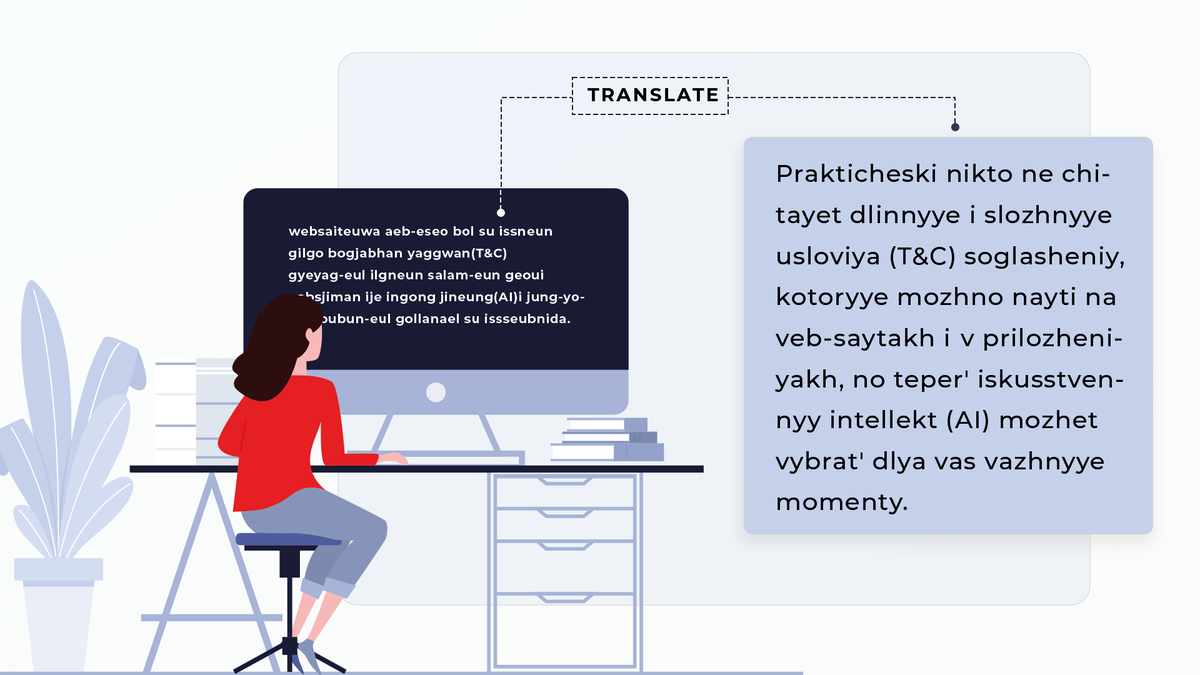
Technological innovation has significantly impacted various aspects of our lives, enhancing communication, facilitating global connectivity, and breaking down barriers. One area that has seen notable technological advancements is the romanization of languages. Romanization refers to the process of transcribing non-Latin scripts into the Latin alphabet, enabling wider accessibility and understanding. In this article, we will explore some of the technological innovations that have revolutionized the romanized representation of languages.
- Optical Character Recognition (OCR) Technology: Optical Character Recognition (OCR) technology has played a crucial role in automating the romanization process. OCR enables the conversion of printed or handwritten non-Latin scripts into Romanized text using pattern recognition algorithms. This technology has significantly sped up the translation and transcription process, allowing for more efficient language learning, translation services, and broadening access to non-Latin texts for a wider audience.
- Transliteration Applications: Transliteration applications have contributed to the technological innovation of romanized languages. These applications use advanced algorithms and databases to convert non-Latin scripts into their romanized equivalents in real-time. Such applications are particularly useful in situations where instant translation or transcribing of non-Latin texts is required. They facilitate communication between different language speakers, aiding in business transactions, travel, and cultural exchanges.
- Language Learning Tools: Technological innovations in romanized languages have also extended to language learning tools. Modern language learning applications and software often include features that enable the romanization of non-Latin scripts. By providing learners with a romanized version alongside the original script, these tools allow learners to better understand and pronounce words and phrases. It makes learning new languages more accessible, especially for beginners who may not be familiar with non-Latin scripts.
- Text-to-Speech Technology: Text-to-speech (TTS) technology plays a vital role in facilitating the romanization of languages. TTS software converts written text into spoken words. In the case of non-Latin scripts, TTS technology can generate audio outputs of the romanized version of the text, aiding users in understanding pronunciation and improving language fluency. This innovation provides valuable assistance to individuals learning languages with non-Latin scripts and enables better accessibility to multilingual content.
Technological innovation has made significant strides in advancing the romanization of languages. Through the development of OCR technology, transliteration applications, language learning tools, and text-to-speech technology, the romanized representation of non-Latin scripts has become more accessible, understandable, and usable. These innovations have not only facilitated communication and translation services but have also empowered language learners and promoted cross-cultural understanding. As technology continues to evolve, we can expect further advancements in the romanization of languages, making them more accessible and inclusive for individuals across the globe.
Regional Trends and Cultural Influences on Romanization
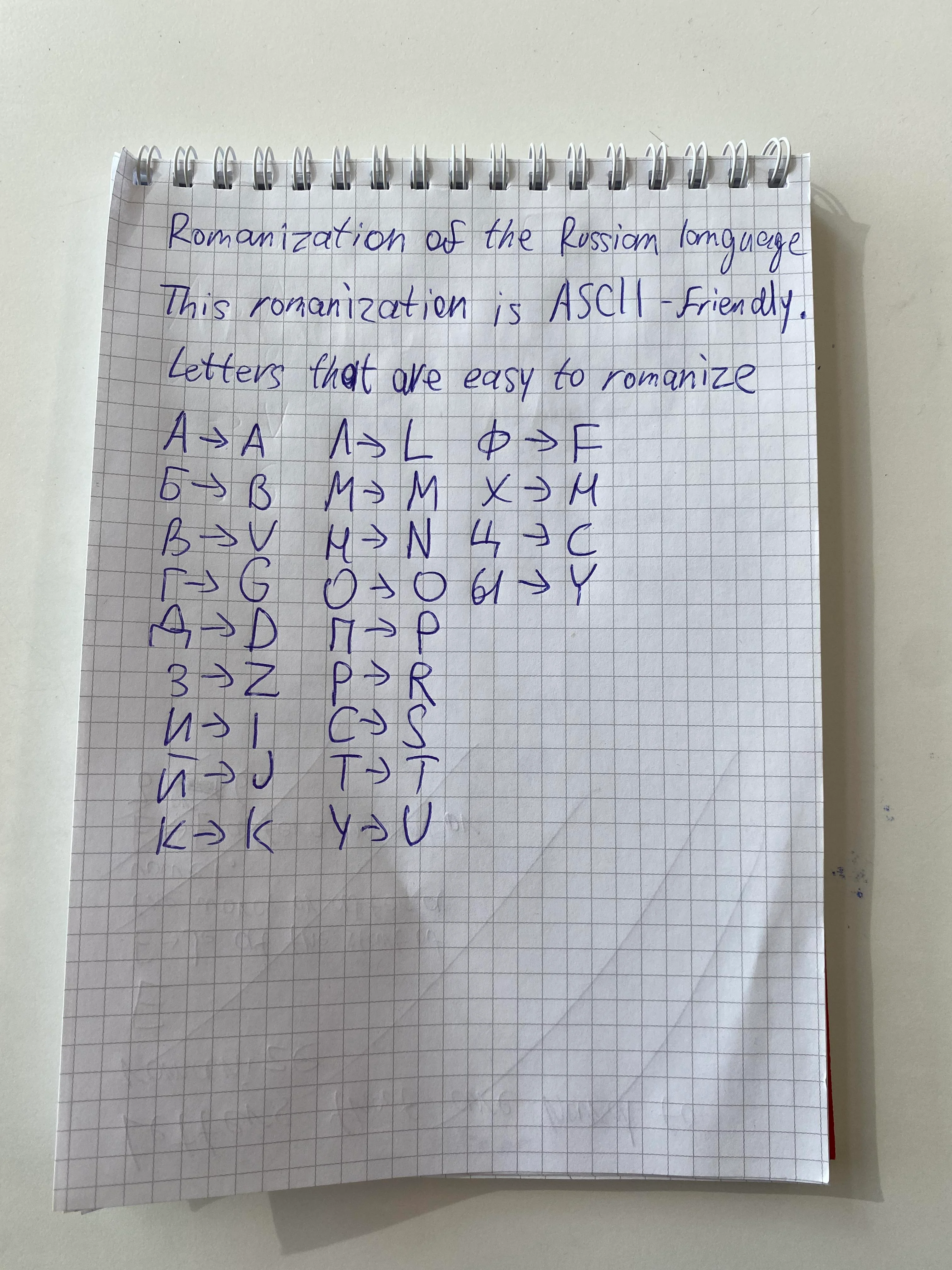
The process of romanization, which involves representing non-Latin scripts using the Latin alphabet, has played a significant role in bridging cultural divides and facilitating communication across different regions. The adoption and adaptation of romanization systems vary across cultures, influenced by regional trends, linguistic factors, and cultural norms. In this section, we explore some regional trends and cultural influences on romanization, shedding light on how they shape and transform languages around the world.
Latin America: Spanish Language and Romanization
Latin America, with its diverse linguistic landscape, showcases interesting regional trends and cultural influences regarding romanization. In Spanish-speaking countries, such as Mexico, Colombia, and Argentina, romanization is prevalent to facilitate communication in a Latin-based alphabet. However, there are notable variations in the romanization conventions adopted.
For instance, in Mexico, the Spanish language includes unique phonetic features, and as a result, certain words and phrases are romanized differently than in other Spanish-speaking countries. In popular culture, these adaptations are often seen in the titles of movies and TV shows. One notable example is the Mexican film "Amores Perros," which translates to "Love's a Bitch" in English, showcasing the unique romanization choices for the film's title.
East Asia: Chinese, Japanese, and Korean Romanization
In East Asia, romanization has been utilized to enable better communication between languages with non-Latin scripts, such as Chinese, Japanese, and Korean. Each of these languages has its own romanization systems, heavily influenced by regional trends and cultural factors.
Chinese romanization includes systems like Pinyin in mainland China and Wade-Giles in Taiwan, both of which aim to represent the phonetics of Chinese characters using the Latin alphabet. These romanization systems have played a crucial role in improving language learning, as well as facilitating cross-cultural communication and trade.
Similarly, in Japan, there are several romanization systems, including Hepburn, Kunrei-shiki, and Nihon-shiki. The Hepburn system, which is widely adopted internationally, uses Latin characters to represent Japanese sounds, making it easier for non-native speakers to learn and pronounce Japanese words.
Korea has the Korean Romanization system, also known as the Romanization of Korean (ROK). ROK evolved as a means to promote Korean language learning and to facilitate communication between Korean and non-Korean speakers. The system follows specific romanization rules that align with the phonetic characteristics of the Korean language.
Middle East and North Africa: Arabic Romanization Challenges and Adaptations
The Arabic language, with its rich history and diverse dialects across the Middle East and North Africa, presents unique challenges and adaptations in romanization.
Romanization of Arabic poses challenges due to the complex phonological structures and the absence of certain Arabic sounds in the Latin alphabet. As a result, Romanization systems for Arabic languages often vary across regions based on local dialects and cultural influences. Examples include the Buckwalter Arabic Transliteration System and the ArabTeX system, each adapted to specific linguistic and regional requirements.
These regional romanization adaptations in Arabic-speaking countries have helped bridge linguistic gaps and improve communication with non-Arabic speakers. They have also found application in fields such as media, publishing, and language education.
In summary, regional trends and cultural influences significantly impact the romanization systems adopted across different regions. The variations in romanization conventions are shaped by linguistic factors, phonetic characteristics, local dialects, and cultural norms. Understanding these influences is essential for effective communication and cross-cultural understanding in the increasingly interconnected world.
The Rise and Impact of Romanized Social Media Influencers

Social media has revolutionized how we connect, communicate, and consume content. In recent years, a powerful trend has emerged, propelling the popularity and influence of content creators who are experts in romanized (Romanization) - the transliteration of writing in one script into another that uses the Latin alphabet. These specialized social media influencers are transforming the way people interact and engage with languages and cultures, and their impact cannot be overstated.
Redefining Language Learning
Romanized content has enabled language learners to grasp the basics of unfamiliar languages quickly. Social media influencers create bite-sized videos, posts, and tips with romanized characters, making language learning accessible to a broader audience. Platforms like TikTok, Instagram, and YouTube are popular hubs where these influencers share their expertise and make language learning enjoyable and engaging.
Building Communities and Fostering Cultural Exchange
Social media influencers focusing on romanized content have played a pivotal role in creating diverse communities of language enthusiasts. These influencers bring together individuals from different cultural backgrounds, fostering cross-cultural understanding and encouraging collaboration. Through comments, discussions, and interactions with their followers, influencers create safe spaces where communities can engage in a healthy exchange of ideas, language tips, and cultural insights.
Amplifying Cultural Awareness
One significant impact of romanized social media influencers is their ability to amplify cultural awareness. By introducing languages and cultures to a wider audience, these influencers break down barriers and challenge stereotypes. They shine a light on different traditions, customs, and histories, promoting understanding and respect for diverse cultures. This not only helps to bridge gaps but also celebrates the beauty of linguistic and cultural diversity.
Influencing Marketing Strategies
As romanized social media influencers gain substantial followings, brands and businesses have recognized their potential as effective marketing tools. Influencers often collaborate with companies, helping them reach target audiences and create authentic connections. Romanized content creators enable brands to tap into niche markets interested in language learning, cultural exchange, and global connectivity.
Empowering Minority Language Speakers
For speakers of less widely spoken languages, romanized social media influencers offer a platform to celebrate their native tongue and connect with others who share their language and cultural heritage. By promoting the use of romanization, these influencers empower minority language speakers, providing visibility and a sense of belonging in digital spaces where their voices may have otherwise gone unheard.
In conclusion, romanized social media influencers have emerged as powerful agents of change, promoting linguistic diversity, cultural exchange, and community-building. They have transformed how individuals learn languages, fostered cross-cultural understanding, influenced marketing strategies, and empowered minority language speakers. As the influence of social media continues to grow, so does the prominence and impact of these romanized influencers in shaping our digital culture.
The Future Outlook and Forecast of the Romanized Trend
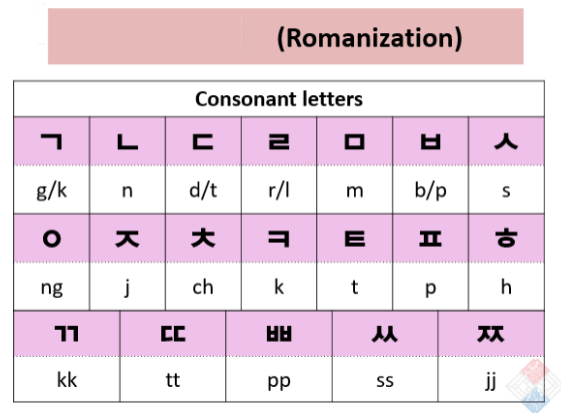
The Romanized trend, also known as the Romanization trend, has been gaining momentum in recent years, and its future outlook appears promising. This trend refers to the transliteration of non-Latin script languages into the Roman alphabet, making them more accessible and easier to understand for those unfamiliar with the original script.
Popularity and Adoption
The Romanized trend has seen widespread adoption in various fields, including music, film, literature, and tourism. Many popular K-pop songs, for example, incorporate Romanized lyrics, enabling international fans to sing along and understand the meaning of the songs. In addition to music, Romanized subtitles in foreign films have become increasingly popular, making them more accessible to a global audience.
Linguistic Accessibility
The primary driver of the Romanized trend is linguistic accessibility. By transforming non-Latin script languages into the Roman alphabet, individuals who do not understand the original script can still engage with and appreciate the content. This accessibility has promoted cross-cultural understanding and the exchange of ideas.
Educational Benefits
Another significant aspect of the Romanized trend is its impact on language learning and education. Romanization aids the initial learning phase of a foreign language by providing a bridge between the learner's native language and the target language. Beginners find it easier to grasp pronunciation and basic vocabulary, which increases their comfort and confidence in learning a new language.
Enhanced Communication
The Romanized trend has also facilitated communication between people from different cultures. With Romanized systems in place, individuals can communicate online or through text using non-Latin script languages, bridging the language gap and fostering greater cultural exchange.
Technology Advancements
Advancements in technology have played a crucial role in the popularity and future forecast of the Romanized trend. Text input methods, such as virtual keyboards and voice recognition software, have made it easier for individuals to type or dictate Romanized versions of non-Latin script languages. This increased accessibility will likely continue to drive the adoption of Romanization in various digital platforms and applications.
Continued Growth and Diversification
Given its current popularity and the benefits it offers, the Romanized trend is expected to continue growing and diversifying in the future. This growth will likely extend beyond music, films, and tourism to other sectors, such as business, marketing, and social media. As more individuals engage with the Romanized versions of non-Latin script languages, novel opportunities will arise for businesses to tap into global markets and reach a wider audience.
In conclusion, the future forecast of the Romanized trend is promising. Its popularity, linguistic accessibility, educational benefits, enhanced communication, technology advancements, and potential for continued growth and diversification indicate that Romanization will play an increasingly significant role in bridging language and cultural barriers in the coming years.
Key Findings and Insights: The Rise of Romanized Trend
The Romanized trend has gained significant traction in recent years, captivating the attention of individuals seeking a fresh and unique way to express themselves. From fashion and music to language and art, the adoption of romanized elements has become increasingly popular across various industries and cultures. Here are the key findings and insights:
- Cross-Cultural Appeal: The Romanized trend transcends cultural boundaries, attracting a diverse range of enthusiasts from different backgrounds. It allows individuals to blend elements of various cultures, creating a fusion of styles that is both trendy and appealing. This trend's widespread appeal stems from its ability to provide a sense of inclusivity and openness, fostering a global community embracing cultural exchange.
- Fashion and Aesthetics: Romanized fashion has made a strong impact on the industry, with streetwear brands incorporating romanized letters into their designs. Romanized typography has found its way onto clothing, accessories, and even footwear, allowing people to display their love for the trend in a unique and stylish way. The minimalist and sleek nature of romanized typography has become a sought-after aesthetic for fashion-forward individuals.
- Musical Influence: The music industry has embraced the romanized trend, especially in the realm of K-pop and J-pop. International fans of Korean and Japanese music often romanize song titles and lyrics, making it easier to understand and sing along. This cross-cultural phenomenon has spurred the rise of romanized lyric videos, enabling non-native speakers to engage with the music on a deeper level. This growing trend highlights the power of music as a global language and the role romanized elements play in breaking down language barriers.
- Language Learning: Romanization has become a valuable tool for language learners around the world. Learning a new language can be intimidating, but romanization simplifies the process by transcribing foreign characters into the Latin alphabet. By romancing text, learners can build confidence in pronunciation and comprehension before diving into the intricacies of a new writing system. This trend has revolutionized language learning, opening doors for individuals eager to explore different cultures and expand their horizons.
- Digital Communication: The rise of digital communication platforms has further fueled the prevalence of the romanized trend. From social media posts to messaging apps, romanized text serves as a convenient way to express ideas, emotions, and identity. The use of romanized elements offers a shared language that bridges the divide between cultures and enhances communication in an increasingly interconnected world.