

Unlocking the Trend: Exploring the Rapid Rise of High-Yield Savings Accounts in 2021

The Growing Popularity of Savings Accounts: A Secure Approach to Financial Stability

In an era of constant financial uncertainty, the importance of saving money has become more apparent than ever. This has led to the surge in popularity of savings accounts, a tried and tested method for individuals and households to secure their financial future. A savings account is a deposit account offered by banks and other financial institutions that allows individuals to safely store their money while earning interest on their balance. The concept of savings accounts originated in ancient times, with civilizations such as the Babylonians and Egyptians implementing rudimentary savings systems. Over time, the development of banking institutions and advancements in technology have made savings accounts increasingly accessible to people of all walks of life.
Why Is It Getting Popular?
There are several reasons why savings accounts have gained widespread popularity in recent years. Firstly, they offer a safe way to hold money, ensuring that funds are protected against loss or theft. Government-backed deposit insurance and stringent regulations provide individuals with peace of mind, eliminating concerns about the security of their savings. Additionally, savings accounts are highly liquid, allowing for easy access to funds whenever needed.
Furthermore, savings accounts have become increasingly popular due to the ongoing shift in financial mindset. As people become more aware and conscious of the importance of financial stability and long-term planning, saving money has become a top priority. The economic uncertainties stemming from the global financial crisis, market volatility, and the impact of the COVID-19 pandemic have further emphasized the need to build a financial safety net. Savings accounts provide an accessible and tangible means for individuals to protect themselves from unforeseen circumstances and work towards achieving their financial goals.
Popularity Across Demographics:
The popularity of savings accounts extends across various demographics, making them a universally appealing financial tool. According to a study conducted by the Federal Reserve, savings account ownership shows little variation when considering demographic factors such as age, income, and education. This suggests that regardless of a person's background, the desire to save and secure one's finances transcends traditional barriers.
Savings accounts are particularly popular among individuals who prioritize financial security, such as young adults starting their careers, families planning for the future, and retirees aiming to maintain a stable lifestyle. Moreover, savings accounts are often used as a stepping stone towards other financial goals, such as saving for a down payment on a home, starting a business, or funding higher education.
In conclusion, the growing popularity of savings accounts can be attributed to their inherent safety, liquidity, and the shifting financial mindset of individuals across various demographics. As people strive to protect their financial well-being, savings accounts offer a secure approach to building a foundation of stability for the future.
Market Size and Growth of Savings Accounts
Savings accounts have long been a popular financial tool for individuals looking to save money and earn interest on their deposits. These accounts provide a safe and convenient way to store funds while also offering a small return on investment. In recent years, the market size and growth of savings accounts have been significant, driven by various factors such as increasing consumer awareness, improved technology, and changing financial habits.
Market Size
The market size of savings accounts can be best understood by looking at the total amount of funds deposited in these accounts. According to a report by the Federal Deposit Insurance Corporation (FDIC) in the United States, the total amount of deposits in savings accounts reached $10.2 trillion in 2020. This substantial figure reflects the large market size of savings accounts and the value individuals place on saving money.
Moreover, the market size is not limited to the United States alone. In other developed countries like the United Kingdom, Australia, and Canada, savings accounts play a significant role in the financial landscape. The combined market size of savings accounts worldwide is substantial and continues to grow.
Growth Factors
The growth of savings accounts is driven by several key factors. Firstly, increasing consumer awareness of the importance of saving money has played a significant role in driving the market's growth. With changing economic conditions and the realization that relying solely on credit or debt is not sustainable, individuals are now more conscious of the need to build an emergency fund and save for future goals.
Secondly, the advent of digital banking and improved technology has made it easier for individuals to open and manage savings accounts. Online banking platforms have simplified the account opening process, reduced the paperwork involved, and provided convenient access to account information and transactions. This increased accessibility has attracted more individuals to open and maintain savings accounts, contributing to market growth.
Thirdly, changing financial habits and a shift towards more conservative investment strategies have also fueled the growth of savings accounts. In the aftermath of the global financial crisis in 2008, many individuals became more risk-averse, seeking safer alternatives for their savings. As a result, savings accounts became an attractive option, offering stability and moderate returns compared to more volatile investment options.
Future Outlook
The future outlook for the market size and growth of savings accounts is promising. There is a growing focus on financial well-being and the importance of saving for the future, which is likely to continue driving the demand for savings accounts. Additionally, as technology continues to advance and more individuals embrace digital banking, the accessibility and convenience of opening and managing savings accounts will only improve.
However, it is worth noting that the emergence of alternative financial tools, such as high-yield savings accounts and investment apps, may introduce some competition to traditional savings accounts. These alternatives offer higher interest rates or returns but may come with additional risk. Nonetheless, savings accounts are expected to remain a fundamental part of individuals' financial strategies, ensuring a stable and secure place to save money for years to come.
In conclusion, the market size of savings accounts is substantial, reflecting the importance individuals place on building a financial safety net. Factors such as increasing consumer awareness, improved technology, and changing financial habits have driven the growth of savings accounts. With a promising future outlook, savings accounts are likely to remain a popular choice for individuals looking to save money and achieve their financial goals.
Understanding Consumer Demand and Preferences for Savings Accounts
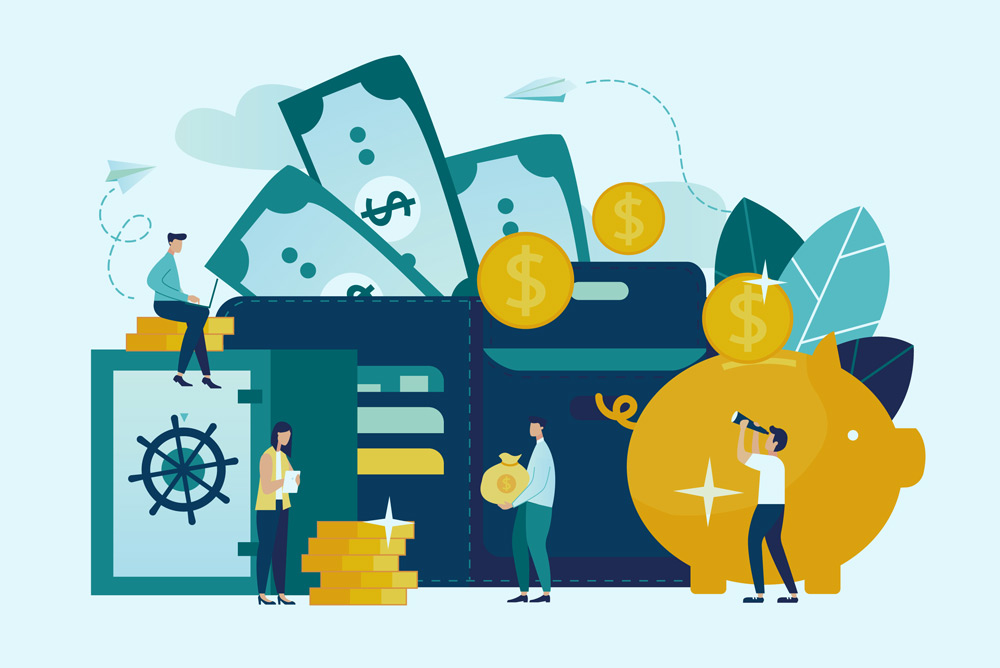
Savings accounts play a crucial role in financial planning, providing individuals with a secure place to stash their money and earn interest over time. As consumer awareness of personal finance grows, the demand for savings accounts has increased. In this section, we will delve into the factors that influence consumer preferences for savings accounts, examining the key features and trends that individuals consider when choosing a savings account.
Factors Influencing Consumer Demand and Preferences
- Interest Rates: Interest rates are a crucial factor when consumers select a savings account. A higher interest rate allows individuals to earn more money on their deposits over time. Savvy consumers carefully research and compare interest rates offered by various financial institutions before making a decision.
- Fees and Charges: Consumers are increasingly sensitive to fees and charges associated with savings accounts. They prefer accounts with minimal or no monthly maintenance fees, overdraft charges, or ATM fees. Additionally, consumers value transparent fee structures and easy-to-understand terms and conditions.
- Online and Mobile Banking: The preference for digital banking has soared in recent years. Consumers seek savings accounts that offer online and mobile banking options, enabling them to conveniently access and manage their funds anytime, anywhere. The ability to check balances, make transfers, set up automatic savings, and receive customer support through digital channels is highly valued.
- Security and Reputation: Trust is important when it comes to banking and personal finance. Consumers prefer savings accounts offered by reputable institutions with a solid track record, strong security measures, and deposit insurance protection. They are more likely to choose accounts from established banks, credit unions, or online platforms with a proven record of reliability and stability.
- Customer Support: Prompt and reliable customer support has become an essential consideration for consumers evaluating savings accounts. Access to knowledgeable customer service representatives who can address queries, provide assistance, and offer personalized advice is highly valued. Consumers are increasingly seeking out banks or financial institutions with excellent customer service ratings.
- Additional Features and Benefits: Some consumers look for additional features and benefits when choosing a savings account. These may include rewards or loyalty programs, automatic savings plans, tools for goal setting, financial education resources, budgeting tools, or the ability to link multiple accounts for easy fund transfers. Such value-added services can influence consumer preferences.
Trends in Consumer Demand for Savings Accounts
- Increased Interest in High-Yield Accounts: With low interest rates becoming more prevalent, consumers are seeking out high-yield savings accounts that offer competitive interest rates. These accounts generally provide higher returns on deposits compared to traditional savings accounts. Individuals are increasingly willing to consider online banks or neobanks that often offer attractive interest rates on savings accounts.
- Preference for Digital-Only Banks: The rise of digital banking has fueled a growing interest in digital-only banks that offer savings accounts with no physical branches. These banks leverage technology to offer competitive interest rates, low fees, and a seamless digital banking experience. Millennials and Gen Z, in particular, are drawn to these account options due to their convenience and user-friendly interfaces.
- Sustainable and Socially Responsible Savings Options: An emerging trend in consumer preferences for savings accounts is the demand for sustainable and socially responsible options. Individuals are looking to align their financial goals with their values by choosing accounts that support environmentally friendly initiatives, social causes, or community development.
- Integration of Savings with Financial Management Apps: Consumers increasingly rely on financial management apps to track their spending, budgeting, and investment goals. The integration of savings accounts with these apps has become a desirable feature. Seamless syncing, real-time updates, and the ability to set savings goals within the app are features that consumers find appealing.
Understanding consumer demand and preferences for savings accounts is crucial for financial institutions to attract and retain customers. Factors such as interest rates, fees, online banking capabilities, security, customer support, and additional features play a vital role in shaping consumer choices. As consumer expectations evolve, financial institutions need to adapt and provide innovative, customer-centric solutions to meet the growing demand for savings accounts.
Industry Players and Competition in the Savings Accounts Market

Savings accounts have long been a popular choice for individuals looking to save money and earn interest on their deposits. As a result, the market for savings accounts is highly competitive, with several industry players vying for customers' attention. This section will explore some of the key players in the savings accounts market and highlight the competition among them.
- Traditional Banks: Traditional banks have been dominant players in the savings accounts space for decades. Established financial institutions like JPMorgan Chase, Bank of America, and Wells Fargo offer various savings products to attract customers. These banks have a strong brand presence, extensive branch networks, and a long history of serving customers' financial needs. However, traditional banks often face challenges in meeting the evolving expectations of digitally-savvy customers and competing with newer financial technology (fintech) firms.
- Online Banks: Online banks, also known as direct banks or virtual banks, have emerged as significant competitors in the savings accounts market. These banks operate exclusively through digital channels, enabling customers to open accounts, perform transactions, and access customer service entirely online. Leading online banks like Ally Bank, Marcus by Goldman Sachs, and Discover Bank offer competitive interest rates, lower fees, and convenient digital banking features that appeal to tech-savvy consumers. Their streamlined operations and cost-effective business models allow them to pass on the savings to customers in the form of higher interest rates.
- Credit Unions: Credit unions also compete in the savings accounts market, targeting specific communities or groups of individuals. Credit unions are member-owned financial cooperatives, and unlike traditional banks, they operate on a not-for-profit basis. This enables credit unions to offer attractive interest rates on savings accounts and other financial products while providing personalized customer service. Credit unions such as Navy Federal Credit Union and PenFed Credit Union are known for their competitive rates, community focus, and commitment to serving their members' best interests.
- Fintech Startups: The rise of fintech has brought forth a wave of innovative startups focusing on savings accounts. These startups leverage technology and data analysis to offer personalized savings solutions and superior user experiences. Savvy customers who prioritize user-friendly interfaces and value-added features are drawn to players like Acorns, Betterment, and Wealthfront. These fintech platforms often utilize advanced algorithms and automation to help users save and invest. They also emphasize financial education and goal setting, providing users with tools to make better financial decisions.
- Neobanks: Neobanks, also known as challenger banks, are a subset of fintech startups that offer a full range of banking services, including savings accounts. These digital-first banks, such as Chime, N26, and Revolut, rely on technology to deliver seamless banking experiences and often provide innovative savings features. Neobanks typically operate without physical branches and focus on user-centric designs, competitive interest rates, and advanced budgeting tools. Their streamlined operations and lower overhead costs allow them to offer compelling savings products and attract customers seeking modern banking solutions.
In this highly competitive landscape, industry players continuously strive to attract and retain customers through competitive interest rates, innovative features, superior customer experiences, and convenient digital banking capabilities. The increasing prevalence of digital banking and disruptive fintech solutions has spurred traditional banks to invest in modernizing their offerings to stay relevant. Meanwhile, online banks, credit unions, fintech startups, and neobanks continue to disrupt the market, offering customers a broad range of options for their savings needs.
By understanding the dynamics of these industry players and their competition, individuals can make informed decisions about choosing the right savings account provider that aligns with their unique preferences and financial goals.
The Future of Savings Accounts: Technological Innovations

In the fast-evolving world of financial services, savings accounts have long been considered a traditional and fundamental component of personal finance. However, with the advent of technology and changing customer demands, traditional savings accounts are undergoing significant transformation. This article explores some of the technological innovations that are reshaping the landscape of savings accounts, making them more engaging, convenient, and personalized for today's consumers.
- Digital Banking Platforms: With the rise of digital banking, traditional brick-and-mortar banking institutions are steadily embracing technology to transform savings accounts. Digital banking platforms offer customers the ability to open, manage, and track their savings accounts entirely online. These platforms provide easy-to-use interfaces, intuitive navigation, and real-time transaction updates, empowering users to have complete control over their financial goals. Additionally, digital banking platforms often offer advanced budgeting tools, spending insights, and goal-setting features, allowing customers to make informed decisions about their savings.
- Automated Saving Tools: To address the challenge of low savings rates, financial technology (fintech) companies have introduced automated saving tools that leverage technology to help individuals save more effectively. These tools automatically round up purchases to the nearest dollar and deposit the difference into a designated savings account. By effortlessly saving small amounts regularly, individuals can gradually build a substantial savings balance over time. Moreover, some automated saving tools utilize artificial intelligence algorithms to analyze spending patterns and recommend personalized savings goals tailored to individuals' income and expenses.
- High-Interest Savings Accounts: While traditional savings accounts often offer minimal interest rates, the emergence of technology-based financial institutions has led to the development of high-interest savings accounts. These accounts, offered primarily by online-only banks, leverage digital infrastructure to reduce operating costs and, consequently, offer higher interest rates on savings. By eliminating physical branches and streamlining their operations, these digital banks can pass on the cost savings to customers in the form of higher interest rates, thus incentivizing individuals to save more.
- Gamification and Reward-based Saving: To make savings accounts more engaging and encourage better financial habits, financial institutions are incorporating elements of gamification and rewards into their savings products. Gamification techniques use challenges, milestones, and progress tracking to make saving money feel like a rewarding experience. Rewards-based saving programs offer customers incentives such as cashback, bonuses, or discounts on partner services when they reach certain savings milestones. By incorporating these elements, savings accounts become more motivating, encouraging individuals to save regularly and stay committed to their financial goals.
Technological innovations are revolutionizing the world of savings accounts, transforming them from static traditional products into interactive and personalized financial solutions. Digital banking platforms, automated saving tools, high-interest savings accounts, and gamification techniques are reshaping the way individuals save, making it more convenient, engaging, and rewarding. As technology continues to advance, we can expect further developments in the savings account landscape, empowering consumers to save smarter and achieve their financial goals more efficiently.
The Impact of Regional Trends and Cultural Influences on Savings Accounts

Savings accounts are a popular financial tool that individuals use to earn interest on their deposited funds while maintaining liquidity. While the basic concept of a savings account remains the same across regions, there are several cultural and regional influences that shape the way people approach and use savings accounts. These influences have a significant impact on the popularity, features, and usage patterns of savings accounts in different parts of the world.
Cultural Influences on Savings Accounts
Culture plays a crucial role in shaping individuals' attitudes and behaviors towards savings. Different cultures have varying views on saving, influenced by factors such as historic economic stability, personal financial goals, and societal norms. Here are a few key cultural influences observed in different regions:
- East Asia - The Culture of Saving: Countries such as China, Japan, and South Korea have a strong cultural emphasis on saving. These societies prioritize frugality, long-term planning, and intergenerational wealth preservation. As a result, savings rates tend to be high, and savings accounts are a fundamental part of financial planning. In Japan, for example, a popular type of savings account called the "tsumitate account" allows individuals to save slowly over time and receive annual bonuses.
- Northern Europe - A Thrifty Approach: Countries like Germany, Sweden, and the Netherlands have cultures that value frugality and careful financial management. Savings accounts are commonly used by individuals to build emergency funds and achieve specific financial goals. This cultural emphasis on saving has led to the development of innovative savings products, such as fixed-term savings accounts and socially responsible savings options.
- United States - Debt and Investment Focus: In contrast to some other regions, the United States has a culture that often prioritizes consumption and investment over savings. This cultural inclination, combined with easy access to credit, has led to relatively lower savings rates. While savings accounts are widely available, other investment options like stocks, real estate, and retirement plans often take precedence. However, individual states like Utah and North Dakota have higher savings rates compared to the national average, reflecting regional cultural variations.
Regional Trends in Savings Accounts
Apart from cultural influences, several regional trends have an impact on the popularity and features of savings accounts. These trends often emerge due to economic factors, government policies, and evolving consumer preferences. Here are a few notable examples:
- Latin America - Informal Saving Clubs: In various countries across Latin America, informal savings clubs known as "tandas" or "cundinas" are prevalent. These self-organized groups enable individuals to save and borrow money from trusted community members. While not traditional savings accounts, they serve a similar purpose and reflect the cultural preference for community-based financial systems.
- Middle East - Islamic Banking: In many Middle Eastern countries, Islamic banking principles guide financial practices. Islamic banking prohibits the charging or receiving of interest. As a result, banks in these regions offer savings accounts based on profit-sharing models, where depositors and banks share the returns generated from investments that comply with Islamic principles. This unique approach caters to religious and cultural preferences while providing individuals with a means to save.
- Africa - Mobile Money and Digital Savings: In several African countries, where traditional banking infrastructure may be limited, mobile money platforms have gained significant momentum. These platforms, such as M-Pesa in Kenya, offer digital savings accounts accessible via mobile phones. Mobile money has become an essential tool for individuals to save and conduct financial transactions, overcoming geographic barriers and promoting financial inclusion.
Understanding the cultural influences and regional trends on savings accounts is essential for financial institutions and policymakers. By recognizing these factors, stakeholders can tailor savings account products and services to better meet the specific needs and preferences of different populations. Moreover, individuals can benefit from understanding how culture and regional trends shape savings practices and make informed decisions regarding their personal financial goals and strategies.
The Rise of Social Media Influencers in Promoting Savings Accounts
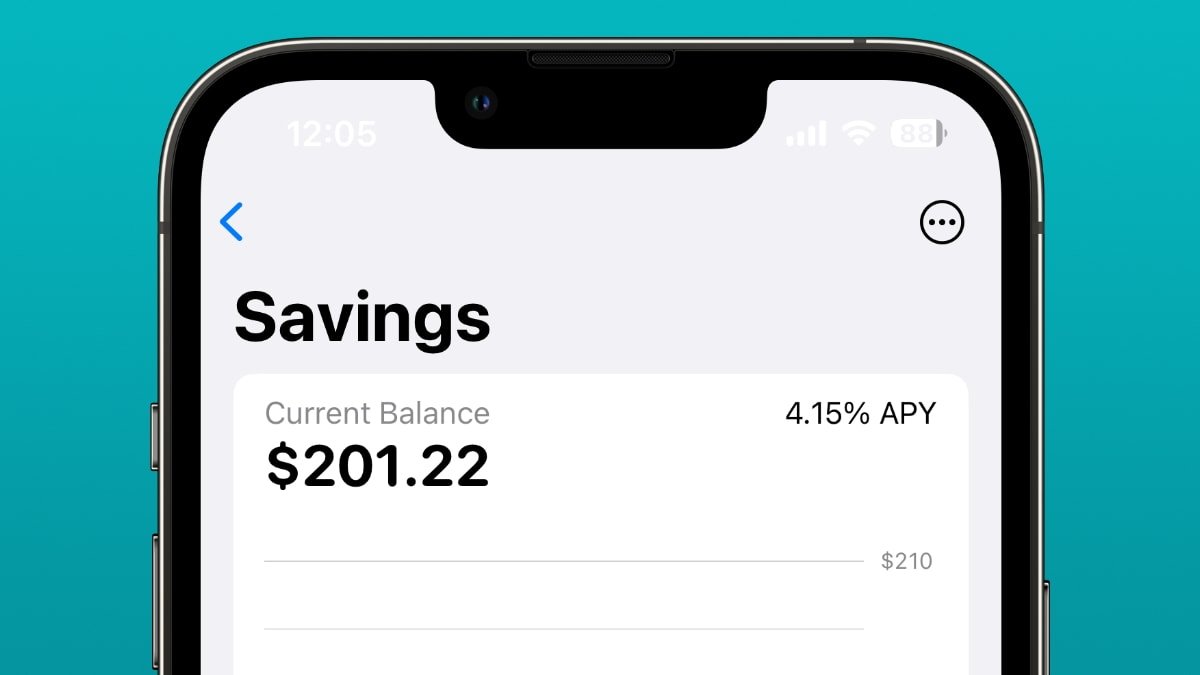
In today's digital age, social media has emerged as a powerful tool for brand promotion and consumer engagement. With the increasing popularity of influencers, social media platforms have become a thriving space for marketing various products and services, including savings accounts. In this article, we will explore how social media influencers are playing a significant role in promoting savings accounts and encouraging financial literacy among their followers.
The Shift Towards Influencer Marketing:
Traditional marketing strategies are no longer as effective as they used to be. Consumers are becoming more skeptical of traditional advertising, leading brands and businesses to explore alternative methods to reach their target audience. Influencer marketing has gained immense prominence by leveraging the trust and influence that social media personalities have with their followers. By collaborating with influencers who have a strong online presence, financial institutions can effectively promote their savings accounts to a wider audience, particularly millennials and Gen Z individuals.
Building Trust and Credibility:
One of the reasons social media influencers are effective in promoting savings accounts is their ability to build trust and credibility with their followers. Influencers have spent years nurturing their online communities and cultivating relationships based on authenticity and personal connection. As a result, their audience is more likely to trust their recommendations and consider their advice on financial matters, including the importance of having a savings account.
Driving Awareness and Financial Literacy:
Social media influencers have the power to create engaging and educational content that simplifies complex financial concepts related to savings accounts. They can break down the benefits of saving money, explain different types of savings accounts, and provide useful tips for managing personal finances. By doing so, influencers help raise awareness about the importance of saving and foster financial literacy among their followers, many of whom may have little prior knowledge or awareness about savings accounts.
Showcasing Personal Financial Success:
Influencers often share their own personal finance journeys and successes with their followers. By documenting their experiences of saving money and achieving financial milestones, they not only inspire others to do the same but also demonstrate the tangible benefits of having a savings account. Through relatable and inspiring stories, influencers can motivate their audience to take control of their financial futures and consider opening or maintaining a savings account.
Leveraging Social Media Features:
Social media platforms continually introduce new features that allow influencers to engage with their audience in innovative ways. For example, Instagram's question stickers, polls, and live video sessions enable influencers to interact more intimately with their followers, answering specific savings-related queries and providing real-time financial advice. These features create a sense of community and make conversations about savings accounts more relatable and accessible for a wide range of individuals.
In conclusion, social media influencers have emerged as influential catalysts in promoting savings accounts and driving financial literacy. Through their trusted online presence, ability to build credibility, and engaging content creation, influencers have the potential to reach a sizable audience and encourage a culture of saving. Financial institutions can effectively leverage this growing trend by partnering with influencers to raise awareness about the benefits of savings accounts and educate their followers on various financial aspects.
The Future Outlook for Savings Accounts: A Shift Towards More Digitally Enabled and Personalized Solutions
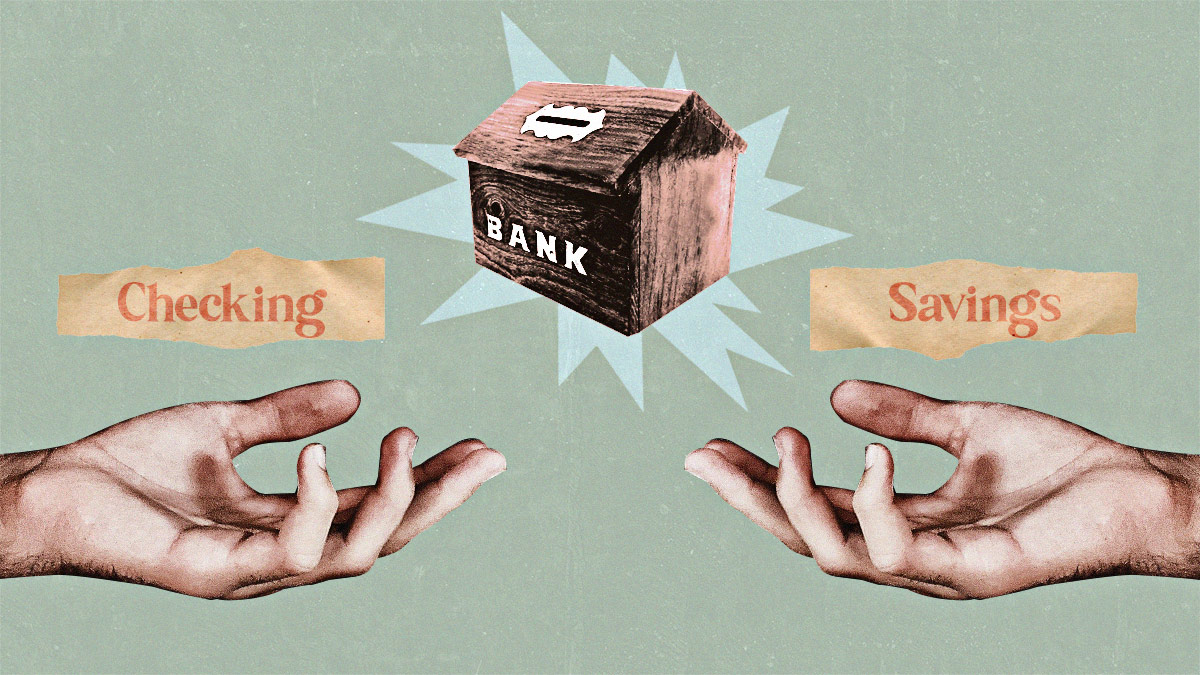
Savings accounts have long been a popular financial instrument for individuals looking to grow their wealth and achieve financial goals. In recent years, the banking industry has witnessed several changes in customer preferences and advancements in technology that are shaping the future of savings accounts. This section will explore the future outlook and forecast for savings accounts, highlighting emerging trends and developments in the industry.
Digitization and Mobile Banking:
The rise of smartphones and mobile banking apps has revolutionized the way people manage their finances. As a result, traditional brick-and-mortar banks are facing increasing competition from digital-only banks and fintech startups offering innovative savings account solutions. Going forward, we can expect a further shift towards digital savings accounts, enabling customers to conveniently access and manage their savings anytime, anywhere.
Personalized Saving Solutions:
In an era of personalized experiences, consumers are seeking tailored solutions that cater to their specific financial goals and needs. Banks and financial institutions are responding to this demand by offering personalized savings accounts with features like automatic savings plans, goal-based savings, and customizable interest rates. This trend is likely to continue, enabling account holders to optimize their savings strategies and achieve their financial objectives more effectively.
Increasing Focus on Financial Education:
As saving becomes more complex, with various investment options available, customers are seeking guidance to make informed decisions. Banks are recognizing the importance of financial education and are incorporating educational resources into their savings account platforms. This includes providing tools, calculators, and educational content to help customers better understand investment options and maximize returns. In the future, we can expect savings accounts to become comprehensive financial management platforms, offering educational resources that empower customers to make smarter financial decisions.
Integration of Savings with Other Financial Services:
Another emerging trend in the savings account landscape is the integration of savings with other financial products and services. Banks are exploring cross-selling opportunities by bundling savings accounts with loans, credit cards, and insurance products. Such integration can offer customers added convenience, rewards, and incentives for maintaining a healthy savings balance. This trend is likely to continue as financial institutions seek to deepen customer relationships and maximize their revenue streams.
The future outlook for savings accounts is full of promise, with digitalization, personalization, financial education, and integration with other financial services playing key roles in shaping the industry. As customer preferences and technology continue to evolve, we can expect savings accounts to become more sophisticated, user-friendly, and tailored to individual needs. The banking sector will need to adapt to these changes by investing in technology, enhancing customer experience, and offering innovative solutions to stay competitive in a rapidly evolving industry.
Savings Accounts: Key Findings and Insights

- Increased Focus on Saving: The trend of savings accounts has gained significant traction in recent years, with individuals and households becoming more conscious about their financial well-being. This has led to a growing emphasis on saving money for various purposes such as emergencies, retirement, education, and future goals.
- Rising Interest in High-Yield Accounts: One key finding is the increased interest in high-yield savings accounts. These accounts offer higher interest rates compared to traditional savings accounts, enabling individuals to grow their savings more rapidly. The appeal of high-yield accounts lies in their ability to provide better returns on investment and help individuals achieve their financial goals faster.
- Digital and Mobile Banking: The convenience and accessibility offered by digital and mobile banking platforms have significantly contributed to the popularity of savings accounts. Customers can now easily open savings accounts online, monitor their balances, make transfers, and set up automatic savings features. This shift towards digital banking has made it easier for individuals to build and manage their savings.
- Automation and Goal-Based Savings: Automation and goal-based savings are emerging trends within the savings account landscape. Many financial institutions now offer features that round up transactions to the nearest dollar, automatically saving the excess amount into a designated account. This approach helps individuals save money effortlessly, gradually building their savings without consciously making an effort.
- Emergence of Neobanks: Neobanks, which are digital-only banks, have disrupted the traditional banking landscape and have gained popularity among individuals in search of innovative savings account options. Neobanks typically offer advanced mobile apps, attractive interest rates, and user-friendly interfaces, making them an appealing choice for tech-savvy individuals who prioritize convenience and digital banking experiences.
- Financial Education and Budgeting Tools: Another notable trend is the focus on financial education and the provision of budgeting tools by financial institutions to empower consumers to save effectively. Many banks now offer educational resources, personalized budgeting tools, and spending trackers to help individuals track their expenses and identify areas where they can save more.