
Unlocking the Power of Merchandise: Exploring the Soaring Trend of Influencer Merch in the Gaming Community

The Rising Popularity of Merch: Exploring Its Origins and Appeal Across Demographics
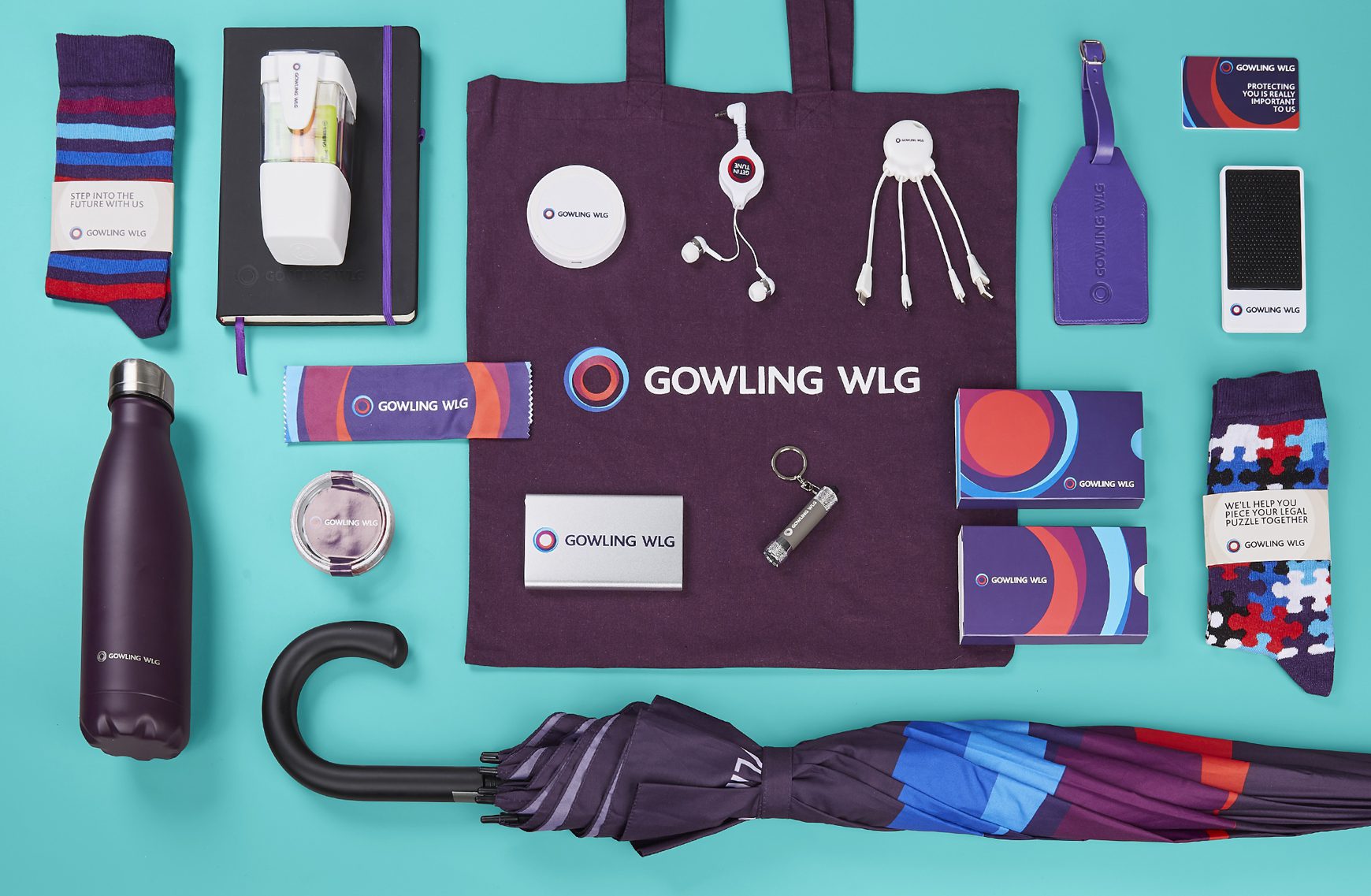
In recent years, the concept of merch has gained significant popularity, becoming a trend that shows no signs of slowing down. Broadly defined, merch (short for merchandise) refers to products that are associated with a particular brand, artist, influencer, or event, typically sold to fans or supporters. From t-shirts featuring an artist's album cover to branded merchandise for popular online influencers, merch has become a significant aspect of modern pop culture. This article aims to explore the origins of merch and delve into why it has become increasingly popular among various demographics.
Origins of Merch:
The concept of merch is not new; it has been around for decades. Early on, bands and musicians printed their logos, album art, or slogans on t-shirts, posters, and other items to promote their music and connect with their fans. However, with the rise of the internet and social media, the reach and impact of merch took on new dimensions.
Popularity among Various Demographics:
One reason for merch's widespread popularity is its appeal to a broad range of demographics. Merchandise is no longer limited to music bands; it now encompasses a wide range of niches and fandoms, catering to the diverse interests of consumers. Whether it's sports teams, video game franchises, TV shows, or even internet memes, there is merch targeted at almost every interest. This expanded reach has led to an increased adoption of merch among different age groups, from teenagers to young adults and even older generations.
In addition, the rise of influencer culture has played a crucial role in the popularity of merch. Influencers, individuals with sizeable online followings, have leveraged their audience base to create and sell their own branded merchandise. This has allowed them to not only monetize their popularity but also build stronger connections with their fans. Younger demographics, especially Gen Z, who idolize and follow various influencers online, are particularly drawn to owning merch associated with their favorite influencers or content creators.
Furthermore, the rise of e-commerce and online marketplaces has made it easier than ever to access and purchase merch. Consumers can now browse and buy merchandise from the comfort of their homes, enabling them to engage with their favorite brands or personalities effortlessly. Social media platforms have also played a crucial role in promoting merch, with influencers and fans sharing their purchases and experiences, further fueling the trend.
The popularity of merch has grown substantially, thanks to its ability to tap into consumers' strong emotional connection with their favorite brands, artists, influencers, or interests. Whether it's a way to express fandom, support a cause, or simply showcase personal style, merch has become an integral part of modern consumer culture. As the trend continues to evolve, brands and influencers will undoubtedly find innovative ways to leverage merchandising to engage with their audience actively.
Market Size and Growth of Merch: Riding the Wave of Merchandising Trends
The merchandising industry has experienced remarkable growth in recent years, driven by the increasing demand for unique and branded products among consumers. From t-shirts and hoodies to mugs and phone cases, merch has become an essential part of building a loyal fan base and generating additional revenue streams for businesses and individuals alike.
Market Size
The market size of the merchandising industry is substantial and continues to expand year after year. According to a report by Grand View Research, the global licensed merchandise market was valued at $280.3 billion in 2020 and is projected to reach $414.2 billion by 2027, growing at a CAGR of 6.4% from 2020 to 2027. This significant market size is indicative of the growing popularity and demand for branded merchandise across various sectors and industries.
Factors Driving Growth
Several key factors have contributed to the rapid growth of the merch market. One of the primary drivers is the rise of social media influencers and content creators who leverage their personal brand to sell merchandise to their dedicated followers. These influencers have a direct connection with their fanbase, which enables them to market and sell merchandise more effectively. The increasing number of influencers across platforms like Instagram, YouTube, and TikTok has fueled the demand for merch and further expanded its market size.
Another factor driving the growth of the merch industry is the shift towards e-commerce. The ease of setting up online stores and the availability of print-on-demand services have empowered individuals and small businesses to create and sell their own merchandise without the need for large inventories or upfront investments. This accessibility has democratized the industry, allowing anyone with a creative idea to enter the market and cater to niche audiences.
Brands and companies have also embraced merchandising as an effective marketing strategy. Merchandise serves as a powerful promotional tool to build brand awareness, strengthen customer loyalty, and generate additional revenue. From sportswear companies selling jerseys and fan gear to tech giants offering branded accessories, merch has become an integral part of brand engagement and customer relationship management.
Future Growth Opportunities
The future of the merch market looks promising, with ample growth opportunities on the horizon. As consumers increasingly seek authenticity and unique products, personalized and customized merchandise is poised to gain more traction. Print-on-demand services and technology advancements will continue to make it easier for creators and businesses to offer customized products, enabling them to cater to the specific preferences of their target audience.
Additionally, the integration of Augmented Reality (AR) and Virtual Reality (VR) in the merchandising industry presents exciting possibilities. Through AR and VR experiences, customers can visualize and personalize merchandise before making a purchase, enhancing their shopping experience and increasing sales potential.
Furthermore, the rise of sustainability and ethical consumerism will influence the merch market. More consumers are demanding eco-friendly and ethically sourced products. Businesses that incorporate sustainable practices in their merch manufacturing processes, such as using organic materials or implementing recycling initiatives, are likely to attract a growing customer base concerned about the social and environmental impact of their purchases.
In conclusion, the merchandising industry continues to expand, driven by the growth of influencers, the rise of e-commerce, and the strategic use of merch by brands and businesses. With personalized merchandise and technological advancements on the horizon, the merch market is set to prosper further. Savvy entrepreneurs and companies that tap into emerging trends and consumer demands will be well-positioned to seize the opportunities this burgeoning market has to offer.
Understanding Consumer Demand and Preferences in the Merchandise Industry
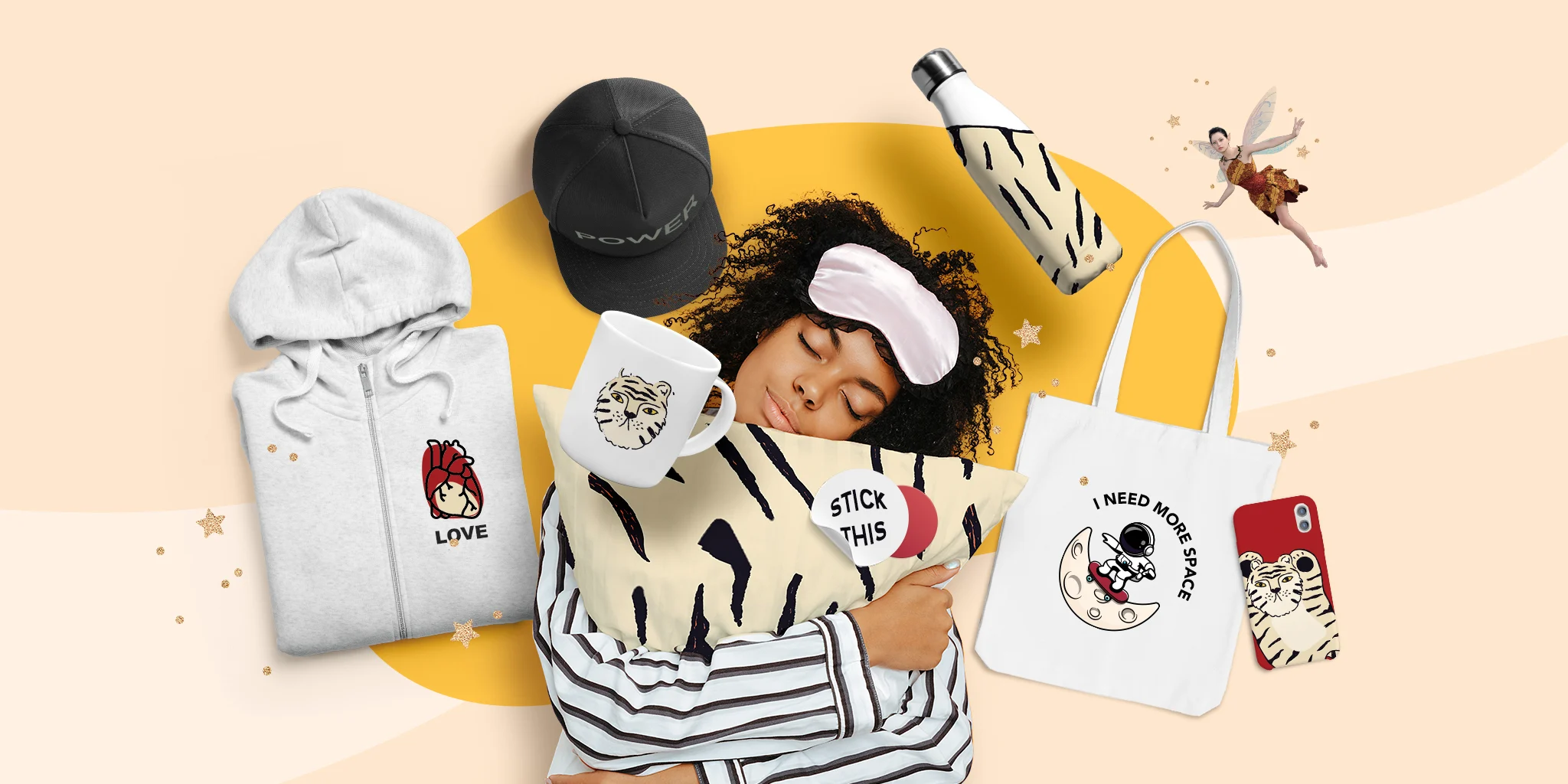
In recent years, the market for merchandise, commonly referred to as "merch," has witnessed significant growth. Merchandise encompasses a broad range of products associated with brands, artists, influencers, and events, including clothing, accessories, collectibles, and novelty items. This surge in popularity can be attributed to the increasing power of social media, brand collaborations, and a desire for unique personal expression.
Tapping into Passion and Identity
One of the key reasons behind the growing demand for merch is the emotional connection it offers. Fans of musicians, sports teams, and content creators seek to not only support their idols but also showcase their affiliation. Wearing a t-shirt with their favorite band's logo or carrying a mug with their beloved influencer's catchphrase allows individuals to identify as part of a community and express their passions and interests.
Personalization and Customization
Consumers today value personalized products that cater to their unique preferences. When it comes to merch, customization options such as choosing preferred colors, adding names or initials, or selecting designs that reflect their individuality play a crucial role in driving consumer demand. Brands that offer customization services are more likely to attract buyers looking for exclusive and one-of-a-kind merchandise.
Limited Edition and Exclusivity
In recent years, limited edition merch has become highly sought after among consumers. The scarcity and exclusivity associated with limited edition items often create a sense of urgency and desire among fans. Collaborations between brands and artists, as well as special event-related merch, drive consumer interest, as fans crave items that are both unique and representative of a special occasion or collaboration.
Sustainability and Ethical Production
Concerns about sustainability and ethical production practices are increasingly shaping consumer preferences within the merch industry. People are becoming more conscious of the environmental impact of their purchases and are seeking out brands that prioritize sustainable materials, ethical sourcing, and responsible manufacturing processes. Companies that embrace eco-friendly practices and communicate this commitment effectively are likely to attract environmentally conscious consumers.
Online and Offline Shopping Experience
The rise of e-commerce has transformed the way consumers interact with merchandise. Online platforms provide convenience, extensive product selection, and the ability to browse items from the comfort of one's own home. However, the in-person shopping experience still holds value, as it allows consumers to touch, feel, and try on items before making a purchase. Pop-up shops, merch booths at events, and retail collaborations can create a tangible and immersive experience for consumers, enhancing their connection to the merchandise and the associated brand.
Staying Ahead of the Trend
Analyzing consumer demand and preferences within the merch industry is crucial for businesses to stay ahead of the trend. Understanding the emotional connection consumers seek, the demand for personalization, the appeal of limited edition items, the importance of sustainability, and the evolving shopping experience helps brands create merchandise that resonates with their target audience. Utilizing market research tools, identifying emerging trends, and listening to customer feedback can provide valuable insights and help businesses position themselves effectively in this competitive market.
By adapting to consumer demands and preferences, brands can leverage the power of merch to strengthen their relationships with customers, increase brand loyalty, and tap into a lucrative market that continues to thrive.
Industry Players and Competition in the Merch Market
The merch market has seen significant growth in recent years, fueled by the rise of influencer culture and the increasing demand for personal branding. As a result, numerous industry players have emerged, offering a wide range of creative merchandise options to cater to this growing market.
One of the key players in the merch industry is Fanjoy, a company that specializes in creating and distributing merchandise for popular influencers and celebrities. Fanjoy collaborates with notable names, such as Jake Paul and David Dobrik, to create exclusive and limited-edition merchandise collections that resonate with their fan base. This strategic partnership has allowed Fanjoy to establish itself as a dominant force in the merch market.
Another major player in the industry is Redbubble, an online marketplace that provides a platform for independent artists to sell their designs on various products, including clothing, accessories, and home decor. Redbubble's unique approach allows artists to monetize their creations, giving them a way to build their brand and reach a wider audience. With its vast catalog of designs, Redbubble has become a go-to destination for consumers seeking unique and customizable merchandise.
When it comes to competition, one cannot overlook the impact of Merch by Amazon. This print-on-demand service allows independent creators to upload their designs, which can then be printed and shipped to customers on demand. With its vast customer base and the ability to tap into Amazon's robust infrastructure, Merch by Amazon has become a significant player in the merch market, enabling creators to reach millions of potential buyers.
In addition to these key players, other notable competitors in the industry include Teespring, an e-commerce platform that allows creators to design and sell custom merchandise, and Printful, a print-on-demand service that offers a wide range of products for creators to customize and sell.
While the merch market offers tremendous opportunities, the competitive landscape poses challenges for new entrants. Established players like Fanjoy, Redbubble, and Merch by Amazon have already captured significant market share and built strong brand recognition. These companies can leverage their existing partnerships, customer bases, and infrastructure to stay ahead in this fiercely competitive market.
To succeed in this space, new entrants must differentiate themselves by offering unique features, high-quality products, and impeccable customer service. They must also focus on building strong relationships with influencers and leveraging social media platforms to generate awareness and drive sales.
In conclusion, the merch market is highly competitive, with several industry players vying for dominance. Fanjoy, Redbubble, Merch by Amazon, Teespring, and Printful are some of the key players in this rapidly growing industry. As the demand for personalized merchandise continues to rise, these players will need to innovate and adapt to stay ahead of the competition.
The Rise of Technological Innovation in the Merchandising Industry
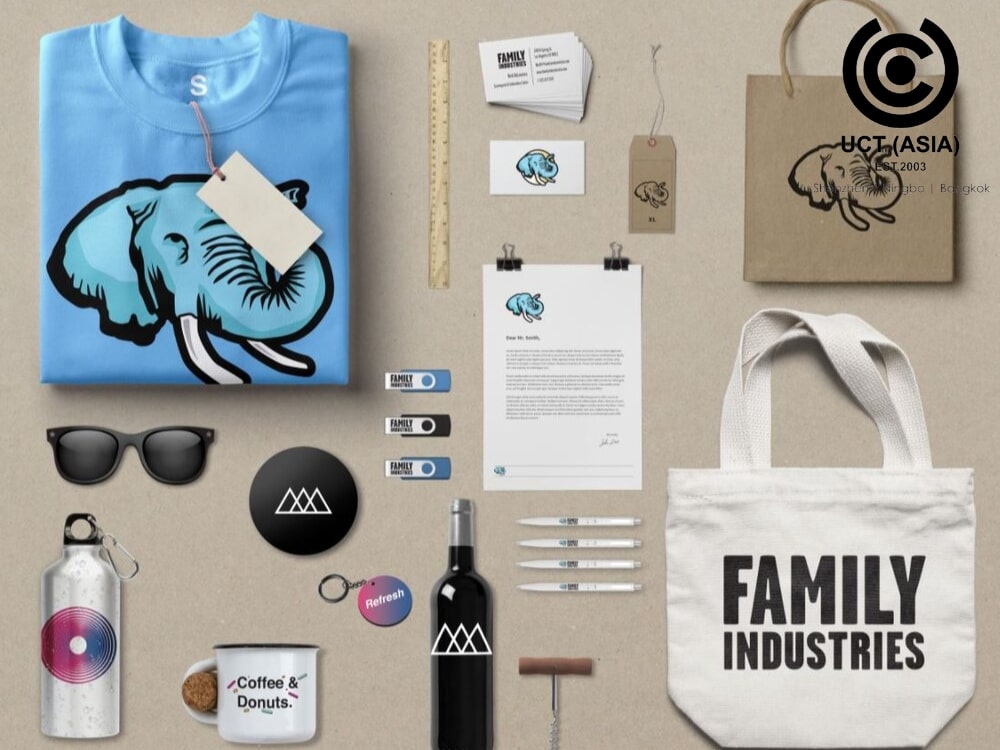
Technological advancements have transformed numerous industries over the years, and the merchandising industry is no exception. From e-commerce platforms to personalized marketing strategies, technological innovation has enabled businesses to optimize their merchandising efforts and better cater to consumer demands.
E-commerce Platforms and Online Marketplaces
The advent of e-commerce platforms has revolutionized the way merchandising works. Online marketplaces such as Amazon, eBay, and Shopify have provided businesses with an opportunity to reach a wider audience and increase sales. These platforms offer convenient and user-friendly interfaces, secure payment gateways, and data-driven insights that assist businesses in making informed decisions regarding product listing, pricing, and inventory management.
Augmented Reality (AR) and Virtual Reality (VR)
AR and VR technologies have started to make their mark in the merchandising industry, revolutionizing the way consumers interact with products before making a purchase. With AR applications, customers can virtually try on clothes, visualize how furniture would look in their homes, or see how a piece of artwork would enhance their living space. This immersive experience enhances consumer engagement and reduces the likelihood of returns, thus benefiting businesses and consumers alike.
Personalized Marketing and Customer Relationship Management
Technological advancements have made it easier for businesses to personalize marketing efforts and establish stronger customer relationships. Utilizing data analytics, businesses can track consumer behavior, preferences, and purchase history, allowing them to tailor marketing campaigns and product recommendations to individual customers. This personalized approach not only improves the customer experience but also increases the likelihood of customer loyalty and repeat purchases.
Internet of Things (IoT) and Supply Chain Optimization
The integration of IoT devices and sensors in the merchandising industry has resulted in improved supply chain management. IoT devices can monitor inventory levels, track shipments, and even forecast demand patterns, facilitating efficient inventory management and reducing stockouts. Additionally, IoT devices can help in preventing counterfeit products by implementing product authentication systems, ensuring customer trust and brand integrity.
AI-Powered Chatbots and Virtual Assistants
The use of artificial intelligence (AI)-powered chatbots and virtual assistants has transformed customer service within the merchandising industry. Chatbots provide instant assistance, answering customer queries, and helping them navigate through product catalogs, ultimately leading to improved customer satisfaction. Furthermore, AI-powered virtual assistants can offer personalized shopping recommendations based on customer preferences and past interactions, making the shopping experience more seamless and enjoyable.
In conclusion, technological innovation has significantly impacted the merchandising industry, enabling businesses to meet consumers' evolving needs and preferences. From e-commerce platforms and AR/VR integration to personalized marketing strategies and AI-powered chatbots, technology has enhanced various aspects of the merchandising process. As technology continues to advance, it is essential for businesses to embrace these innovations to stay competitive in a rapidly evolving marketplace.
Exploring Regional Trends and Cultural Influences in the World of Merch
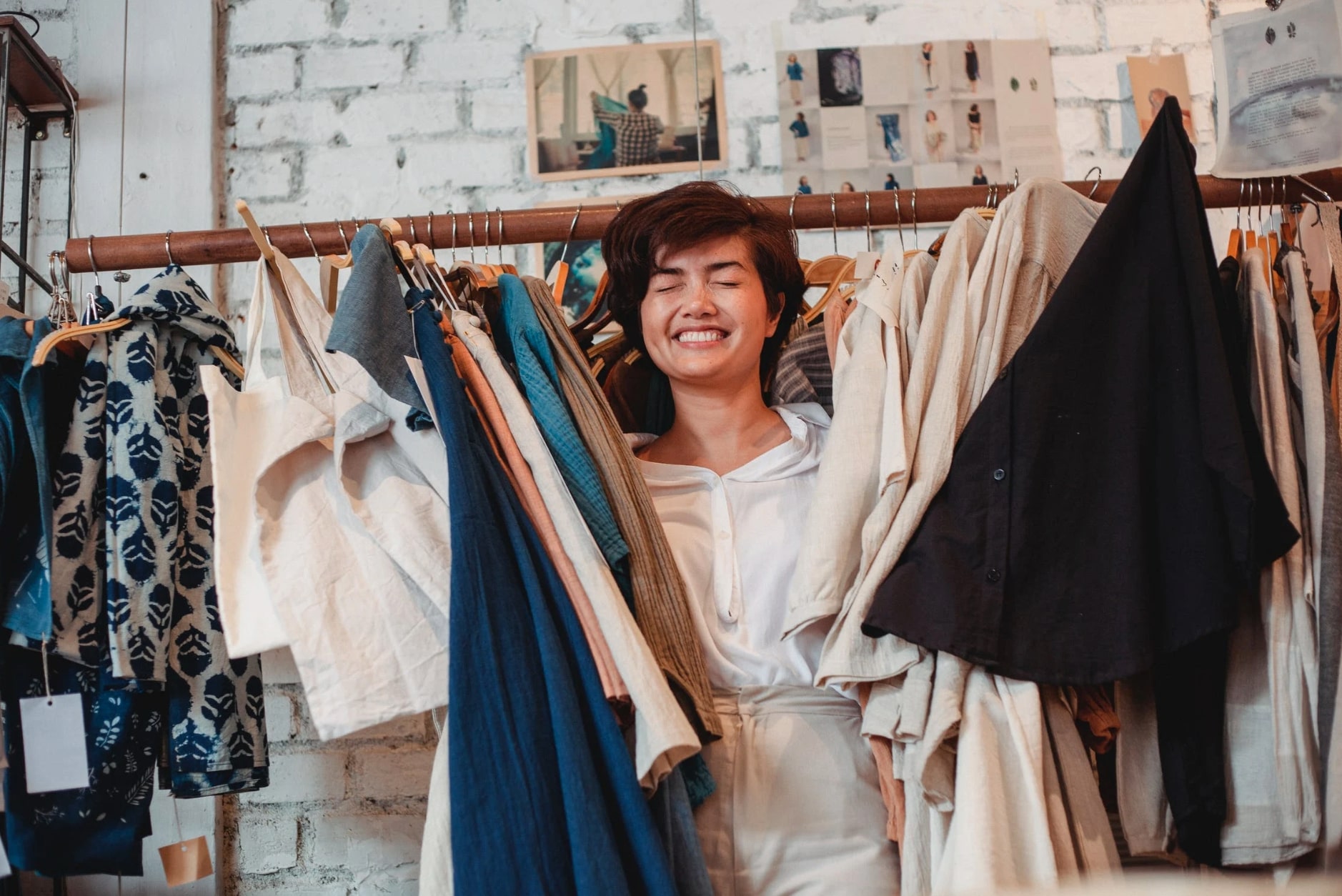
Merchandise, commonly referred to as merch, has become an integral part of modern popular culture. From music artists to YouTubers, influencers, and sports teams, merch has become a lucrative way to connect with fans, promote brands, and express individuality. However, merch trends and cultural influences are not limited to a universal standard; they are often shaped by regional trends and cultural nuances. In this section, we will delve into the fascinating world of merch, exploring how regional trends and cultural influences impact this thriving industry.
Regional Trends in Merch
Regional trends play a crucial role in shaping the merch landscape. Different regions have distinctive preferences, tastes, and cultural sensibilities that impact the design, style, and themes of merch. Let's explore some notable regional trends:
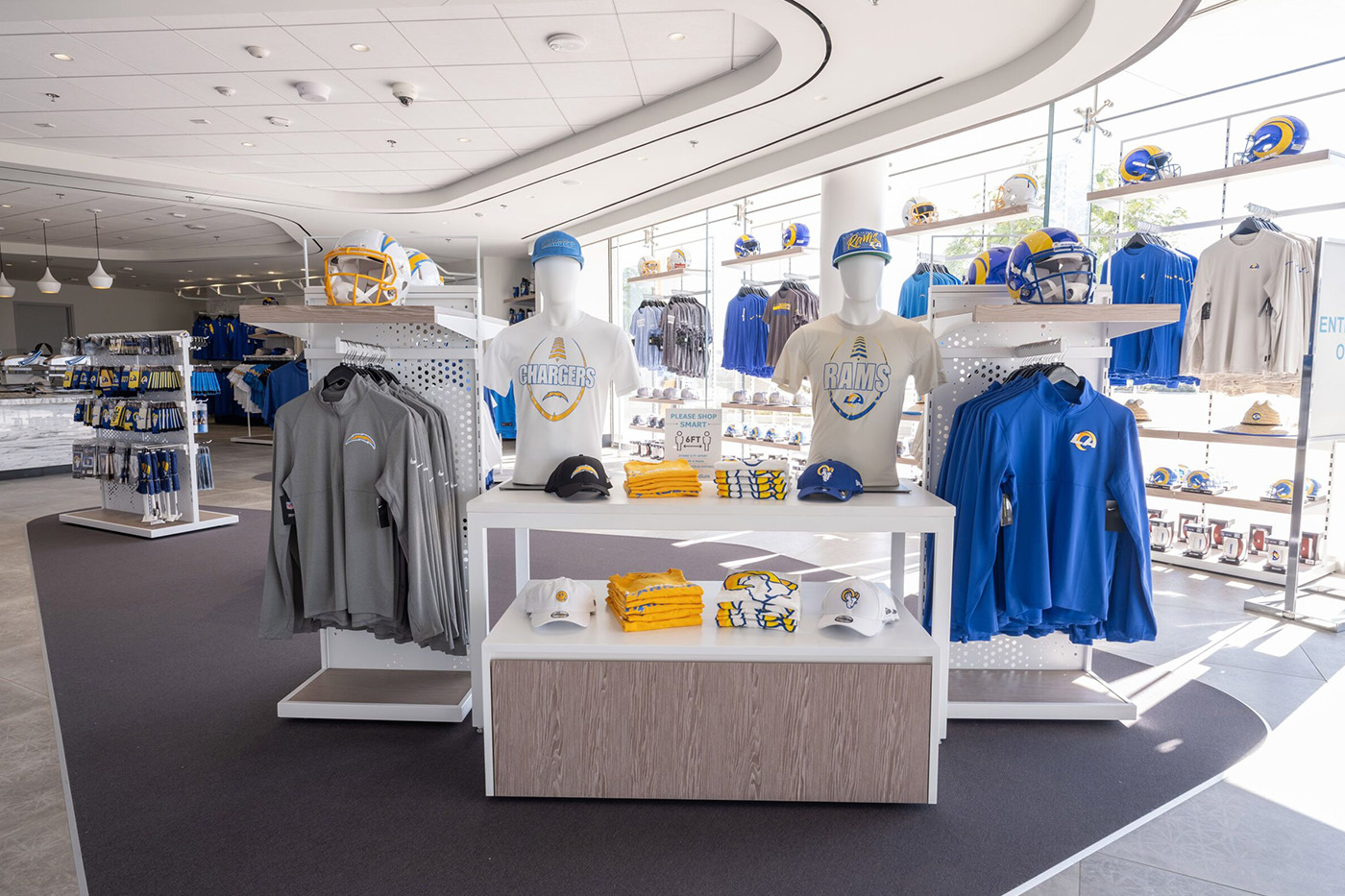
- North America: North America, particularly the United States, has been a significant hub for merch sales and trends. The influence of music genres like hip-hop and rock is evident in the graphic tees, hoodies, and caps popularized by musicians and bands. Additionally, sports teams, particularly those in major leagues like the NFL, NBA, and MLB, have a strong presence in the merch market, with fans proudly sporting team jerseys, hats, and accessories.
- Europe: Europe's merch scene showcases a fusion of fashion-forward designs and unique cultural influences. Countries like the United Kingdom, Germany, and Italy often lead the way with innovative merchandise concepts and collaborations. High-fashion brands also frequently collaborate with musicians, influencers, and artists to create limited-edition collections, appealing to fashion-conscious consumers.
- Asia: Asia boasts a vibrant merch market, enlivened by the region's love for pop culture, anime, K-pop, and gaming. Japan is renowned for its merchandise culture, ranging from anime-inspired clothing and accessories to collectible figures. K-pop artists, known for their devoted fanbases, release merchandise tied to album releases, concerts, and fan events, creating a wave of demand and excitement.
- Latin America: In Latin America, merch trends are influenced by the region's diverse music genres, with Latin pop, reggaeton, and urban music gaining global recognition. Artists like Bad Bunny, J Balvin, and Maluma have capitalized on their popularity by releasing bold and colorful merch collections that resonate with their fanbases. Additionally, soccer (or football) is a significant cultural force in the region, leading to the popularity of soccer-themed jerseys, scarves, and accessories.
Cultural Influences on Merch
Cultural influences further shape the world of merch, allowing for deeper connections with specific communities and subcultures. Here are some notable cultural influences:
- Streetwear and Urban Culture: The rise of streetwear and urban culture has had a profound impact on merch. Influenced by hip-hop, skateboarding, and graffiti, streetwear-inspired merch often features bold graphics, logo-centric designs, and limited-edition drops. Brands like Supreme, Off-White, and BAPE have successfully merged fashion and merch, catering to style-conscious individuals.
- Fandom Culture: Fans play a significant role in merch trends, with fandoms forming tight-knit communities around specific entertainers, TV shows, movies, or books. Fan culture has led to the emergence of niche merch trends, such as concert tour merch, fan art collaborations, or limited-edition collectibles. Engaging with fandoms through merch helps fans feel connected to their favorite artists or franchises.
- Ethnic and Indigenous Representation: There is an increasing demand for merch that celebrates diversity and promotes inclusivity. Brands are recognizing the importance of representing different ethnicities and cultures in their merch offerings, providing a platform for underrepresented communities to express pride in their heritage.
Regional trends and cultural influences have a significant impact on the world of merch, shaping designs, themes, and consumer preferences in distinct ways. From North America's music and sports-driven merch scene to Europe's fusion of fashion and art collaborations, Asia's love for pop culture, and Latin America's vibrant music and soccer-inspired merch, every region brings its unique flavor to the table. Additionally, cultural influences like streetwear, fandom culture, and embracing diversity further enrich the merch landscape. By understanding these regional and cultural dynamics, businesses and creatives can tap into emerging trends and connect with consumers on a deeper level.
The Impact of Social Media Influencers on the Merchandise Industry
Social media has revolutionized the way brands market their products, with a particular emphasis on the merchandise industry. Today, consumers have access to a multitude of online platforms like Instagram, YouTube, TikTok, and Facebook, where influencers play a pivotal role in promoting and popularizing merch.
Role of Influencers in the Merchandise Industry
Influencers, who have built a loyal following through their engaging content and relatable personalities, are considered key opinion leaders within various social media communities. By partnering with influencers, brands can leverage their existing fan base and tap into their influence to promote and sell merchandise.
Building Brand Awareness
One of the primary benefits of collaborating with influencers in the merchandise industry is the ability to generate brand awareness. Influencers have a direct line of communication with their followers, who trust their opinions and recommendations. This allows brands to reach a highly engaged audience and expose them to their merchandise. When influencers promote merchandise through creative and authentic content, they can effectively capture the attention of their followers and leave a lasting impression.
Increasing Sales and Conversion Rates
In addition to brand awareness, influencers can also help drive sales and boost conversion rates. By featuring merchandise in their posts, videos, or stories, influencers can generate interest and excitement among their followers. Their recommendations and endorsements lend credibility to the merchandise, influencing their audience's purchasing decisions. This can result in a significant increase in sales and conversion rates for brands.
Navigating Trends and Popularity
Social media influencers have their fingers on the pulse of the latest trends and popular culture. Their ability to predict and tap into emerging trends enables brands to stay relevant and adapt their merchandise offerings accordingly. Influencers act as trendsetters, often creating their own merch lines, which further strengthens their credibility and influence over their followers' purchasing decisions.
Benefits for Influencers
While brands benefit from collaborations with influencers, influencers themselves also benefit from these partnerships. By promoting merchandise, influencers can diversify their revenue streams, especially if they have a large and engaged following. They can earn income through affiliate programs, sponsored posts, or even by launching their own merch lines. Additionally, collaborations with brands can boost their personal brand image, further solidifying and expanding their influence.
As the merch industry continues to grow, social media influencers are becoming an integral part of marketing strategies. Their ability to create brand awareness, drive sales, navigate trends, and benefit from the partnerships makes them essential in expanding the reach and impact of merchandise. Brands looking to establish a strong presence in this industry should consider harnessing the power of influencers' social media platforms to maximize their success.
The Future Outlook and Forecast of the Merch Trend
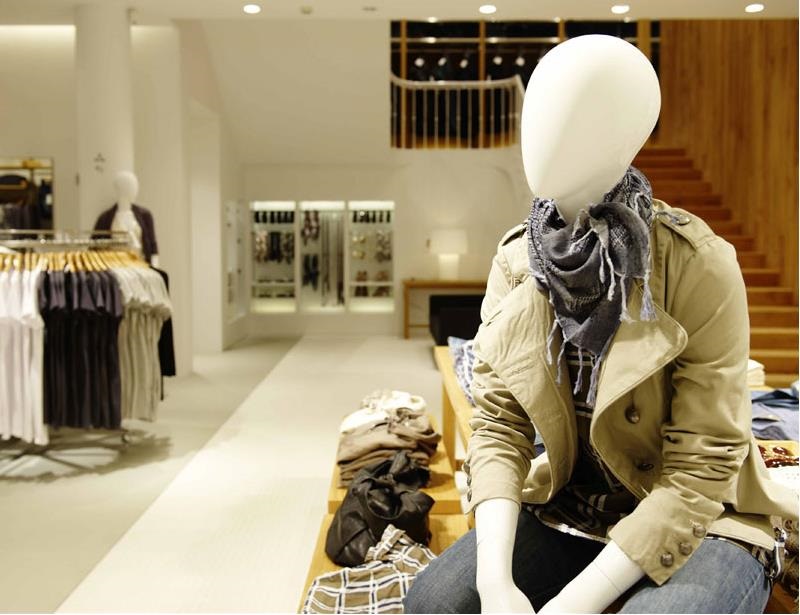
As the e-commerce industry continues to grow and evolve, the merch trend has emerged as a prominent and lucrative sector. Merch, short for merchandise, refers to branded products or items associated with a particular person, brand, or event. From artist merchandise to influencer collaborations, merch offers a unique way for individuals and businesses to monetize their brand and engage with their audience.
Looking towards the future, the merch trend is expected to see continued growth and innovation. Here are some key insights and forecasts for the future outlook of merch:
- Rise of E-commerce Platforms: With the increasing popularity of online shopping, e-commerce platforms are becoming the go-to destination for buying merch. Popular platforms like Shopify, Etsy, and Amazon are continuously improving their features and user experience to cater to the growing demand for merch. These platforms offer a wide range of opportunities for creators and brands to showcase and sell their products to a global audience.
- Personalization and Customization: Consumers today crave unique and personalized experiences. As a result, the future of merch is likely to embrace personalization and customization options. Consumers will have the ability to create customized products, such as adding their name or choosing specific designs and colors. This trend will allow brands to build stronger connections with their audience and increase customer loyalty.
- Sustainability and Ethical Practices: As environmental concerns gain traction, consumers are becoming more conscious of their purchasing decisions. The future of merch will see a significant emphasis on sustainability and ethical practices. Brands that offer eco-friendly materials, ethical sourcing, and responsible manufacturing processes will likely be favored by consumers. This trend will not only cater to the growing demand for sustainable products but also strengthen brand reputation and loyalty.
- Influencers and Collaborations: Influencer marketing has already made a significant impact on the merch landscape. As the trend continues to evolve, collaborations between influencers and brands or artists will become even more prevalent. Influencers have the power to drive massive sales and generate buzz around a particular product or brand. Partnering with influencers can help brands expand their reach and tap into new target markets.
- Augmented Reality (AR) and Virtual Reality (VR): As technology advances, AR and VR are expected to play a significant role in the future of merch. These technologies have the potential to transform the way consumers interact with merchandise. For example, customers may be able to try on virtual clothing or accessories, visualize how a product would look in their own space, or even attend virtual concerts or events. Integrating AR and VR into the merch experience will enhance customer engagement and create immersive shopping experiences.
In conclusion, the future outlook for the merch trend is promising. E-commerce platforms will continue to be at the forefront of merch sales, offering opportunities for creators and brands to reach a global audience. Personalization, sustainability, influencer collaborations, and the integration of AR and VR will shape the evolution of the trend. As consumer preferences and technology advance, the merch industry will adapt to meet the demands of a changing market.
Key Findings and Insights: The Rising Trend of Merch
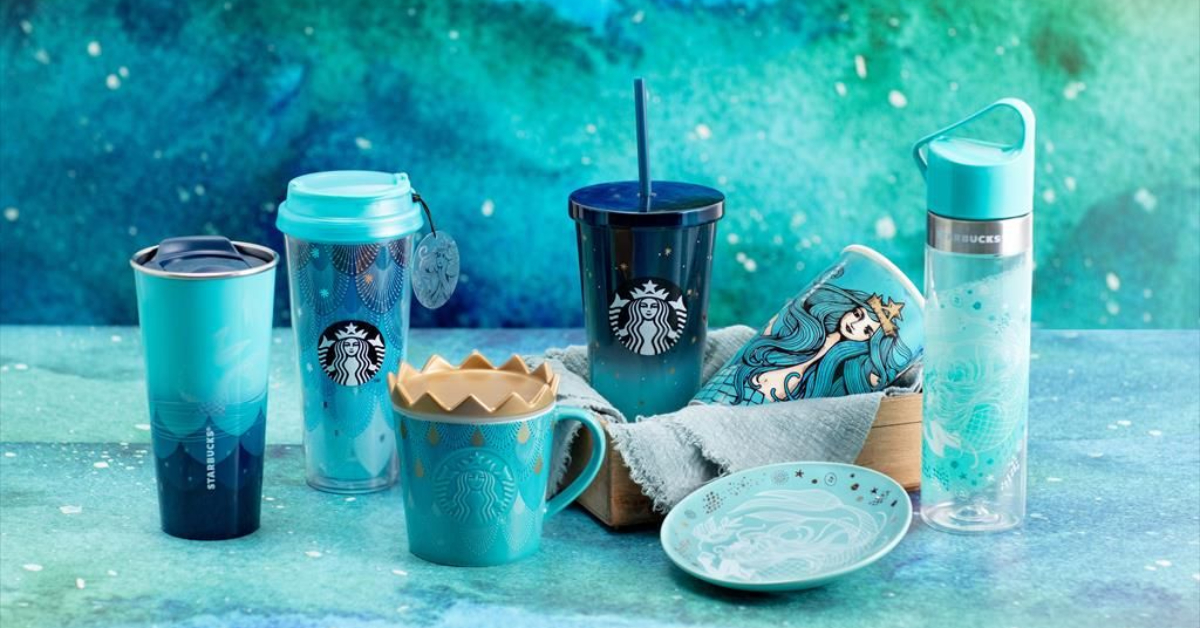
Merch, or merchandise, has emerged as a popular trend with significant implications for businesses and influencers alike. This recap highlights the key findings and insights surrounding this growing phenomenon:
- Expanding brand reach through merch: The use of merch is a powerful tool for brand expansion. Offering branded products such as t-shirts, caps, mugs, and more allows businesses to extend their reach beyond their core products or services. Not only does merch provide an additional revenue stream, but it also increases brand exposure and enhances customer loyalty.
- Connecting with fans and followers: Influencers and content creators have embraced merch as a means of forging deeper connections with their fans and followers. Limited edition merchandise featuring their logos, catchphrases, or artwork allows followers to showcase their support and affiliation. This personalized connection enhances the influencer's brand identity and fosters a sense of community.
- A new status symbol: Owning merch has become a form of social currency. People derive a sense of pride and identity by wearing or displaying products associated with their favorite brands or influencers. Merchandise has become a representation of their interests, values, and affiliations, thereby contributing to the rise of the trend.
- The role of social media: Social media platforms play a fundamental role in the success of merch. Influencers are primarily marketing their merchandise through their social media profiles, leveraging their large follower bases to create buzz and generate sales. Furthermore, user-generated content, such as unboxing videos and photos featuring merch, goes viral, indirectly promoting the brand or influencer.
- The rise of dropshipping: The popularity of merch has coincided with the emergence of dropshipping, a fulfillment method that allows businesses to sell merch without needing to manage inventory or fulfill orders. Dropshipping has lowered the barriers to entry, enabling anyone to establish a merch business online. This accessibility has spawned a plethora of merchandise brands, each catering to specific niches and interests.
- Diversification beyond traditional merch: Traditional merch offerings have evolved to include a wider range of products. This diversification includes exclusive collaborations, premium merchandise, and innovative items such as collectibles, limited editions, and digital goods. Businesses and influencers are constantly experimenting with new merch concepts to cater to evolving consumer preferences.
- Sustainability and ethical concerns: As the merch trend gains traction, sustainability and ethical manufacturing are becoming increasingly important to consumers. Brands that prioritize eco-friendly materials, fair trade practices, and reduction of waste appeal to socially conscious consumers and contribute positively to brand reputation.