

Unlocking the Key to Urban Efficiency: Exploring the Soaring Demand for Last Mile Transportation Solutions

The Growing Significance of Last Mile: Revolutionizing End-to-End Delivery

In recent years, the concept of the "last mile" has gained significant traction in the world of logistics and e-commerce. Referring to the final leg of delivery from a distribution center to the end-user's doorstep, last mile has become a crucial aspect in ensuring efficient and timely delivery of goods. This section aims to provide a brief explanation of last mile delivery, its origins, and the reasons behind its rising popularity.
Understanding Last Mile Delivery: The term "last mile" originated from the telecommunication industry, where it referred to the final stretch of the network connecting users to the main service provider. Over time, the concept expanded beyond telecommunications and found its way into various industries, predominantly in the field of retail and e-commerce.
In the context of logistics, last mile delivery specifically focuses on the final step of the delivery process, where products are transported from a local hub or fulfillment center to the consumer's location. This stage is often considered the most complex and expensive part of the entire supply chain, as it involves navigating urban areas, dealing with traffic congestion, and ensuring prompt, convenient, and personalized delivery to the end consumer's doorstep.
Popularity Among Various Demographics: The growing popularity of last mile delivery can be attributed to several key factors that have reshaped consumer expectations and market dynamics. One of the primary drivers of this trend is the rapid rise of e-commerce. With the proliferation of online shopping platforms and the increasing number of consumers opting for online purchases, the demand for efficient and seamless last mile delivery services has surged.
Moreover, the rise of on-demand services, such as food delivery and ride-hailing, has further propelled the significance of last mile logistics. Consumers now expect quick, on-time delivery, often within hours, regardless of the items they purchase or services they engage with.
Notably, last mile delivery has gained popularity among a diverse range of demographics. While younger generations, such as millennials and Gen Z, have embraced the convenience of e-commerce, older generations are also becoming increasingly comfortable with online shopping and home delivery. As a result, last mile delivery services are catering to a broad spectrum of demographics, making it a pervasive trend in today's rapidly evolving market.
In conclusion, the concept of last mile delivery has rapidly emerged as a critical component in the world of logistics and e-commerce. Its rising popularity can be attributed to the surge in online shopping, the increasing demand for on-demand services, and the evolving needs and expectations of consumers. By understanding the significance of last mile delivery, businesses can adapt their strategies to meet the ever-changing demands of the market and deliver a seamless and satisfactory customer experience.
The Growing Market Size and Potential of Last Mile Delivery
Last mile delivery refers to the final leg of the logistics process, where goods are transported from a distribution center or a transportation hub to the end-user. With the rise of e-commerce and changing consumer preferences, the demand for efficient and timely last mile delivery services has soared. In this section, we will examine the market size and growth of the last mile industry and explore the opportunities it presents for businesses.
Market Size:
The last mile delivery market has witnessed significant growth in recent years and is projected to continue expanding at a robust rate. According to a report by Grand View Research, the global last mile delivery market size was valued at approximately $36.9 billion in 2020. It is expected to reach $61.57 billion by 2028, registering a compound annual growth rate (CAGR) of 7.9% from 2021 to 2028.
Several factors contribute to the market's size and growth. Firstly, the rapid growth of e-commerce, fueled by increasing internet penetration, changing consumer behaviors, and the convenience of online shopping, has been a key driver. As more consumers turn to online platforms to make purchases, the demand for efficient and reliable last mile delivery services has surged.
Furthermore, urbanization and population growth have also played a crucial role in the market's expansion. With more people living in urban areas, the need for last mile delivery services has intensified, as these areas often have dense populations and complex logistics requirements.
Opportunities and Challenges:
The last mile delivery sector presents numerous opportunities for businesses to thrive. As the market continues to grow, new players are entering the industry, offering innovative solutions to address the challenges faced in last mile delivery, such as delivery time, cost, and convenience.
Technological advancements also play a significant role in shaping the future of last mile delivery. Solutions like route optimization software, autonomous delivery vehicles, drones, and smart lockers are being explored to make the process more efficient and cost-effective. By leveraging technology, businesses can streamline operations, minimize delivery times, reduce costs, and enhance the overall customer experience.
However, the rapid growth of the last mile delivery industry also brings certain challenges. The increasing demand for faster deliveries, environmental concerns, labor shortages, and rising operating costs are some of the significant hurdles faced by businesses in this sector. Overcoming these challenges will require innovative strategies, collaboration with key stakeholders, and a focus on sustainability.
Conclusion:
The market size of the last mile delivery industry is expanding rapidly, driven by the growth of e-commerce and changing consumer preferences. With technological advancements and innovative solutions, businesses have the opportunity to capitalize on this growing market. However, addressing the challenges associated with last mile delivery is crucial for sustained success. By staying informed about trends, adopting efficient strategies, and investing in emerging technologies, businesses can position themselves to thrive in the dynamic last mile delivery landscape.
Consumer Demand and Preferences in Last Mile Delivery

Consumer demand for efficient and convenient last mile delivery services has witnessed significant growth and continues to shape the way businesses operate in today's market. As technology advancements and changing consumer expectations drive the need for faster and seamless deliveries, companies are striving to understand and cater to consumer preferences in this domain.
Rise in E-commerce and On-Demand Services:
The rapid growth of e-commerce and on-demand services has transformed the retail landscape, creating a greater need for efficient last mile delivery solutions. With consumers increasingly relying on online shopping for a wide array of products, the demand for quick and reliable delivery has become a top priority. Retailers and service providers must adapt to this growing consumer preference for fast and convenient last mile services, ensuring the seamless movement of goods from warehouses to consumers' doorsteps.
Speed and Time:
Consumer expectations for quicker and more time-sensitive deliveries are shaping their preferences in the last mile segment. Same-day and next-day delivery options are highly sought after, particularly for perishable goods, time-sensitive items, and urgent purchases. Consumers are willing to pay a premium for accelerated shipping, making speed a critical factor when it comes to their choice of retailer or service provider.
Transparency and Tracking:
Consumers also place a premium on transparency and real-time tracking during the last mile delivery process. They desire the ability to track their packages and receive updates on the delivery status, ensuring peace of mind and facilitating their own planning. Delivery tracking through mobile apps or online platforms has become an essential feature expected by consumers, allowing them to stay informed and anticipate the arrival of their shipments.
Flexibility and Personalization:
Flexible delivery options that align with consumers' schedules and location preferences are gaining prominence in the last mile space. Consumers prefer the convenience of choosing specific delivery time slots, evening or weekend deliveries, or the ability to reroute packages to alternate delivery addresses. Moreover, personalization options such as allowing customers to specify delivery instructions or preferences enhance the overall consumer experience in the last mile delivery process.
Contactless and Sustainable Deliveries:
The COVID-19 pandemic has accelerated the demand for contactless deliveries, further influencing consumer preferences in the last mile segment. Consumers value delivery methods that reduce physical contact, whether it be through contactless drop-offs, electronic signatures, or in-app communication. Simultaneously, sustainable initiatives by companies that prioritize eco-friendly packaging, electric vehicles, or carbon-neutral delivery options resonate positively with environmentally-conscious consumers.
Conclusion:
Consumer demand and preferences in last mile delivery are continually evolving as technological advancements, changing consumer expectations, and external factors shape the market. By understanding these demands for speed, transparency, flexibility, contactless delivery, and sustainability, companies can improve their last mile operations and gain a competitive edge in today's e-commerce-driven landscape. Staying attuned to consumer preferences enables businesses to offer a seamless delivery experience, fostering customer loyalty and satisfaction in this pivotal phase of the supply chain.
The Last Mile: Industry Players and Competitive Landscape

The "last mile" refers to the final leg of the delivery process, where goods are transported from a distribution hub to the end consumer's doorstep. As e-commerce continues to thrive and customer expectations for quick and convenient delivery rise, the last mile has become a critical battleground for companies in the logistics and transportation industry. In this section, we will explore the key industry players and the competitive landscape in the last mile sector.
Traditional Carriers
Traditional carriers such as UPS, FedEx, and DHL have long been dominant players in the last mile space. With extensive infrastructure, established delivery networks, and technology systems, these companies are well-equipped to handle large-scale deliveries efficiently. They offer a range of services, including same-day, next-day, and scheduled deliveries, catering to the needs of individual consumers and businesses alike.
However, traditional carriers face challenges in meeting the escalating demand for fast and flexible last mile services. Their existing infrastructure and delivery routes may not be optimized for the intricate urban landscape or the increasing need for deliveries in remote areas. To address this, they are investing in innovative solutions such as drone and autonomous vehicle deliveries, as well as partnering with local third-party delivery providers to expand their reach.
On-Demand Delivery Startups
The rise of on-demand delivery startups has significantly disrupted the last mile landscape. Companies like Postmates, DoorDash, and Uber Eats leverage gig economy workers or independent contractors to provide fast and convenient deliveries on a hyperlocal level. These startups utilize mobile apps and technology platforms to match delivery requests with available drivers in real-time, enabling efficient and flexible last mile services.
One of the key advantages of on-demand delivery startups is their ability to offer same-day and even one-hour deliveries, addressing the growing consumer demand for instant gratification. They have also introduced innovative delivery options, such as contactless deliveries and the option to schedule deliveries at specific time slots, providing added convenience to customers.
E-commerce Giants
E-commerce giants like Amazon and Alibaba have recognized the significance of the last mile in overall customer satisfaction and are investing heavily in building their own delivery networks. These companies are leveraging their vast resources, advanced technology, and extensive fulfillment center networks to offer expedited deliveries and gain a competitive edge.
Amazon, in particular, has made substantial investments in its last mile capabilities, with initiatives such as Amazon Prime, Amazon Flex (a crowdsourced delivery platform), and Amazon Delivery Service Partners (a program that enables entrepreneurs to start their own last mile delivery businesses under the Amazon brand). By bringing deliveries in-house, e-commerce giants aim to improve delivery speed, control the customer experience, and reduce reli
ance on third-party carriers.
Regional and Local Players
In addition to the major industry players, numerous regional and local last mile delivery providers have emerged to cater to specific markets and niches. These players often possess a deep understanding of the local market dynamics, which can be advantageous in navigating complex urban environments, providing specialized services, and catering to unique customer preferences.
Some of these regional and local players focus on specific industries such as grocery delivery (e.g., Instacart) or furniture delivery (e.g., Wayfair), while others position themselves as eco-friendly alternatives by utilizing electric vehicles or bicycles for last mile transport.
Conclusion
The last mile sector is a highly dynamic and competitive space, with different industry players vying for supremacy in providing fast, reliable, and convenient delivery services. Traditional carriers continue to dominate but face challenges in meeting evolving customer expectations. On-demand delivery startups capitalize on their agility and technology platforms to offer hyperlocal and quick deliveries. E-commerce giants are taking steps to control their own last mile networks, while regional and local players bring their specialized knowledge and tailored services to specific markets.
To stay ahead in this competitive landscape, companies must continually innovate, optimize their delivery networks, and embrace emerging technologies such as drones, autonomous vehicles, and artificial intelligence to improve last mile operations.
The Last Mile Revolution: Technological Innovations Shaping the Delivery Industry

In an era where convenience is highly valued, the "last mile" of delivery has gained significant attention. The "last mile" refers to the final leg of the supply chain, where goods are transported from a distribution center to their ultimate destination, typically a consumer's doorstep. The challenges and opportunities associated with this stage of delivery have spurred technological innovations that are revolutionizing the industry.
Delivery Drones – Defying Traditional Boundaries
One of the most exciting and futuristic innovations in the last mile delivery space is the use of delivery drones. These autonomous flying robots have the potential to overcome traffic congestion and reach remote areas more efficiently. Companies like Amazon, Alphabet's Wing, and UPS are already developing and testing drone delivery services.
Delivery drones offer a range of benefits, including reduced delivery times and costs, enhanced accessibility, and reduced carbon emissions. However, some challenges still need to be overcome, such as regulatory frameworks, safety concerns, and scaling up the infrastructure to support widespread drone deliveries.
Autonomous Vehicles – Enabling Efficient Deliveries
Autonomous vehicles, both on the ground and in the air, are another technological innovation transforming last mile delivery. Self-driving vans and trucks have the potential to optimize routes, increase delivery efficiency, and reduce dependency on human drivers. Companies like Tesla, Waymo, and Uber have been making strides in developing autonomous vehicle technology.
Moreover, technology companies are exploring the potential of autonomous robots and sidewalk delivery drones for completing the last mile leg. These robots can navigate sidewalks, avoiding pedestrians and obstacles, to make deliveries within neighborhoods or urban areas. Companies like Starship Technologies and Kiwi Bot have already deployed their autonomous robots for last mile deliveries in several cities.
Smart Lockers – Revolutionizing Parcel Pick-up
Smart lockers have emerged as a game-changer in last mile delivery, primarily for e-commerce logistics. These secure and automated lockers enable convenient self-service pick-up and return of parcels. Retailers and logistics providers are partnering with companies like Amazon Hub Locker, UPS Access Point, and FedEx OnSite to offer customers alternative delivery options.
Smart locker systems not only provide flexibility and convenience to consumers but also reduce the need for multiple delivery attempts, thus minimizing costs and environmental impact. They are particularly beneficial for urban areas where theft or missed deliveries can be common issues.
Delivery Robots – Transforming Urban Logistics
Delivery robots, also known as sidewalk robots or ground drones, are being deployed to tackle the challenges of urban deliveries. These small, autonomous robots navigate sidewalks and crosswalks, traveling short distances to make local deliveries. They can carry packages while safely interacting with pedestrians and traffic.
As urban areas continue to grow, delivery robots offer an efficient and environmentally friendly solution for last mile logistics. Companies like Starship Technologies, Marble, and Nuro are pioneering the use of delivery robots for various applications, including food delivery, grocery delivery, and packages.
Blockchain – Enhancing Transparency and Security
While not exclusively focused on the last mile, blockchain technology has the potential to revolutionize the entire supply chain, including the final deliveries. Blockchain provides a decentralized and immutable ledger that improves transparency, traceability, and security for goods in transit.
By leveraging blockchain technology, companies can ensure end-to-end visibility of shipments, reduce fraud and counterfeiting, and streamline customs processes. This level of transparency and efficiency can significantly impact the last mile, minimizing delays, optimizing routes, and enhancing customer trust.
Embracing the Future of Last Mile Delivery
The last mile is a critical phase of the delivery process where customer satisfaction and operational efficiency often intersect. Technological innovations are reshaping this stage, offering unprecedented opportunities for businesses and consumers alike. While some innovations are already being implemented on a small scale, widespread adoption and scalability are key to unlocking the full potential of the last mile revolution.
Regional Trends and Cultural Influences on Last Mile
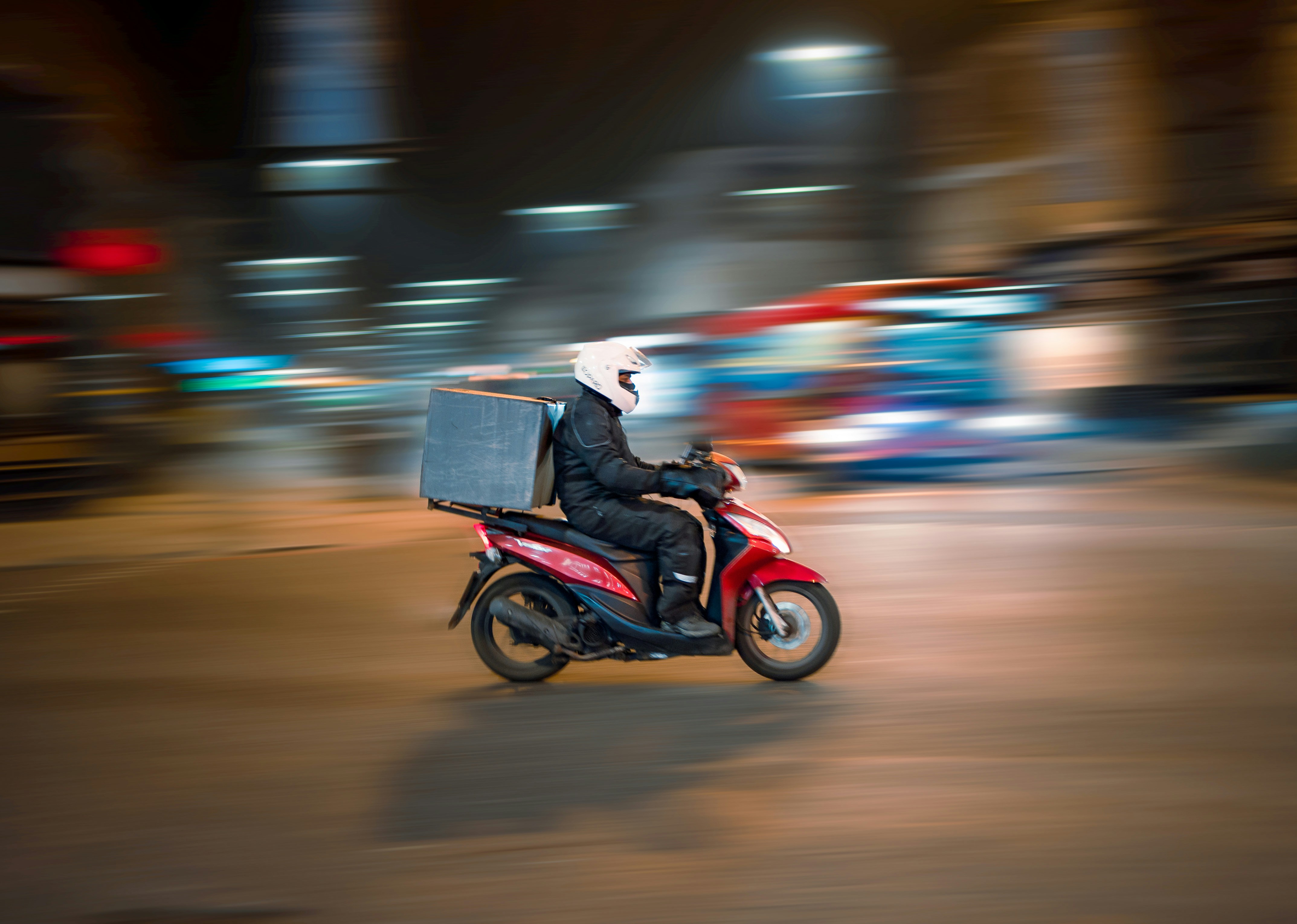
The concept of last mile, referring to the final leg of the delivery process where goods are transported from a distribution center to the end user's location, is influenced by various regional trends and cultural factors. Understanding these influences is crucial for businesses to optimize their last mile strategies and cater to the unique demands of different markets.
Infrastructure and Urbanization
Last mile delivery is greatly influenced by the infrastructure and urbanization levels of a region. Developed regions with well-maintained roads, highways, and supporting transportation networks tend to have smoother last mile operations. For instance, in North America and Europe, where road networks are extensive and well-connected, traditional delivery methods using vans or trucks are commonly employed.
However, in emerging economies or regions with inadequate infrastructure, last mile delivery can be more challenging. Africa and parts of Asia, for example, face difficulties due to poorly maintained roads or lack of road networks in certain areas. In such regions, alternatives like motorbikes, bicycles, or even foot delivery are prevalent, emphasizing the importance of adapting delivery methods to suit local conditions.
Consumer Behavior and Preferences
Consumer behavior and preferences play an important role in determining last mile strategies. Cultural factors greatly influence how consumers expect their deliveries to be fulfilled, impacting the design of last mile networks.
In densely populated regions with a collectivist culture like Japan or China, consumers often prefer delivery lockers placed in communal areas, allowing them to pick up packages at their convenience. This approach saves time and minimizes the need for face-to-face interactions. In contrast, individualistic cultures, particularly prevalent in Western countries, may prioritize personalized home deliveries, with options for specific time slots or special instructions.
Environmental Concerns and Sustainability
Increasing environmental consciousness and concerns about sustainability are driving several regional trends in last mile delivery.
In Scandinavian countries like Sweden and Norway, where environmental friendliness is a priority, concepts such as cargo bikes and electric vehicles are gaining popularity. These eco-friendly options contribute to reduced carbon emissions and align with the region's commitment to sustainability.
Similarly, in urban areas across the world, including areas of the United States, there is a growing movement towards micro-fulfillment centers (MFCs) or dark stores. These smaller-scale fulfillment centers are strategically located within city limits, reducing the distance and carbon footprint associated with last mile delivery.
Technological Advancements and Digitalization
Regional trends in technology adoption have a significant impact on last mile delivery. The level of technology infrastructure and readiness influences the efficiency of delivery networks and customer experience.
For example, in Southeast Asia, where mobile technology is highly prevalent, platforms specializing in motorbike-based delivery have emerged. These apps leverage geolocation and real-time tracking to provide highly efficient last mile services.
In contrast, Europe has been at the forefront of experimenting with drone delivery for last mile logistics, particularly in regions like the Netherlands and Germany. Regulatory frameworks and interest from companies like Amazon and DHL have positioned these countries as testbeds for drone-based delivery systems.
Understanding regional trends and cultural influences on last mile delivery is crucial for businesses to tailor their strategies effectively. By adapting to local infrastructure, consumer preferences, sustainability concerns, and technological advancements, companies can optimize their last mile operations and cater to the unique demands of diverse markets.
The Power of Influencers in Shaping the Last Mile Conversation

In today's digital era, social media has become an integral part of our lives. Platforms like Instagram, YouTube, and TikTok have given rise to a new breed of celebrities known as "influencers." These individuals have amassed large followings by curating content that resonates with their audience, making them potent drivers of consumer trends and shaping the last mile conversation.
Understanding the Last Mile
The "last mile" refers to the final leg of the delivery process, from the distribution center to the customer's doorstep. It is often the most crucial and challenging aspect of transportation logistics, as it can be costly, time-consuming, and prone to errors. However, advancements in technology and the rise of e-commerce have brought significant changes to this phase.
The Rise of Influencer Marketing
Influencers, with their large and engaged social media followings, have become a vital catalyst in shaping consumer behavior. Brands have recognized the potential these influencers hold in connecting with their target audience and driving sales. Through carefully curated content, influencers create a bridge between brands and consumers, resulting in a highly impactful marketing strategy.
Influencers and the Last Mile Conversation
Influencers have a unique ability to generate interest and drive conversations around various topics, including the last mile. They often share their personal experiences with products or services, providing insights into their delivery experiences. By incorporating the last mile into their content, influencers create awareness and spark discussions among their followers about the importance of efficient and seamless deliveries.
The Impact on Brand Perception
Influencers can significantly influence how their followers perceive brands, including how they handle the last mile aspect of their operations. Whether it's unboxing videos, product reviews, or stories about their shopping experiences, influencers have the power to shape consumer opinions and influence their purchasing decisions. They can highlight the benefits of seamless last mile delivery, fast shipping, and exceptional customer service, thereby enhancing brand reputation.
Driving Innovation in the Last Mile
Influencers can also act as a source of inspiration for brands, pushing them to innovate and improve their last mile operations. By sharing their experiences and preferences, influencers provide valuable feedback that companies can use to optimize their logistics processes. This input can drive changes in packaging, delivery methods, and customer support systems to better meet the expectations of consumers.
Conclusion
In the world of social media and influencer culture, these individuals have emerged as powerful agents of change, particularly when it comes to shaping the last mile conversation. Their ability to connect with and influence their audience has made them indispensable partners for brands aiming to optimize their delivery processes and enhance customer experiences. As the influence of social media continues to grow, brands that acknowledge and collaborate with influencers stand to gain a significant edge in the highly competitive last mile landscape.
The Future Outlook of Last Mile: A Booming Trend in the Delivery Industry

Over the past decade, the last mile has become an increasingly important topic in the delivery industry. The last mile refers to the final leg of the delivery process, from the distribution center to the end customer's doorstep. As e-commerce continues to soar and consumers demand faster and more convenient deliveries, the last mile has emerged as a critical factor in customer satisfaction and business success.
Rapid growth in e-commerce driving the demand for last mile solutions
The rise of e-commerce has been a key driver behind the increased focus on the last mile. With the convenience of online shopping, consumer expectations for timely deliveries have skyrocketed. In response, businesses have been forced to invest in innovative last mile solutions to meet these rising demands. From same-day delivery to drone deliveries, companies are constantly exploring new technologies and strategies to optimize the last mile delivery process.
Technological advancements reshaping last mile logistics
Technological advancements are revolutionizing last mile logistics. Artificial intelligence (AI), machine learning, automation, and route optimization algorithms are being utilized to streamline delivery operations. Companies are using predictive analytics to optimize delivery routes, reduce delivery times, and minimize costs. Drones, autonomous vehicles, and robots are being tested to significantly speed up the last mile delivery process. These innovations promise to make last mile deliveries more efficient, cost-effective, and environmentally friendly.
The challenges and potential solutions of the last mile
Despite the advancements, the last mile still poses several challenges. Traffic congestion, parking restrictions, and the complexity of delivering to urban areas can cause delays and increase operating costs. Additionally, the increase in the number of deliveries presents sustainability challenges, such as carbon emissions and packaging waste.
To mitigate these challenges, smart urban planning is necessary. Cities and municipalities can collaborate with delivery companies to create designated delivery zones, implement micro-fulfillment centers closer to customers, and enforce regulations to manage traffic congestion. Sustainable practices like electric vehicles, eco-friendly packaging, and route optimization can help reduce the environmental impact of last mile deliveries.
The growing importance of customer experience in the last mile
Customer experience is a crucial element in the last mile. Businesses that provide seamless, efficient, and personalized delivery experiences are more likely to retain their customers and gain a competitive edge. Real-time tracking, delivery notifications, flexible delivery options, and easy returns are some of the factors that contribute to a positive customer experience.
Companies are leveraging technology in innovative ways to enhance the last mile customer experience. For instance, they are using chatbots, mobile apps, and virtual assistants to provide detailed tracking information and customer support. Personalization and customization are becoming more prevalent, with options for customers to choose delivery time slots and locations that best suit their needs.
Conclusion
The last mile is a dynamic and rapidly evolving aspect of the delivery industry. With the continuous growth of e-commerce, advancements in technology, and the increasing importance of customer experience, the last mile will remain a critical focus for businesses seeking to stay ahead in the competitive market. By adopting innovative solutions, collaborating with urban planners, and prioritizing customer satisfaction, companies can overcome the challenges and seize the opportunities that the last mile presents.
Key Findings and Insights: The Last Mile Trend

The Last Mile trend has gained significant attention in recent years as the final leg of the delivery process becomes a critical point for businesses and consumers. This trend refers to the transportation of goods from a distribution center or fulfillment center to the end destination, which is often the customer's doorstep. Here are the key findings and insights related to the Last Mile trend:
- Rise of E-commerce: The growth of e-commerce has played a vital role in driving the Last Mile trend. With the increasing number of online purchases, the demand for efficient and timely deliveries has surged. Consumers expect fast and reliable shipping options, putting pressure on companies to optimize their last-mile operations.
- Customer Expectations: In the age of on-demand services, customers have higher expectations for convenience and speed. Faster delivery times, real-time tracking, and flexible delivery options have become crucial factors in customer satisfaction. Businesses need to invest in advanced technologies and innovative strategies to meet these expectations.
- Urban Challenges: Urban areas present unique challenges for last-mile deliveries. Traffic congestion, parking limitations, and strict regulations in city centers make it difficult for delivery drivers to navigate efficiently. Consequently, companies are exploring alternative solutions such as electric bikes, drones, and micromobility to overcome these obstacles and ensure prompt deliveries.
- Sustainability Concerns: The Last Mile trend has also brought attention to environmental concerns. The increasing number of delivery vehicles on the roads contributes to carbon emissions and pollution. To address this issue, businesses are adopting greener solutions, including electric vehicles, bike couriers, and consolidation centers to reduce their carbon footprint and promote sustainability.
- Emerging Technologies: Advancements in technology are revolutionizing the last-mile delivery landscape. Route optimization algorithms, artificial intelligence, and machine learning are enabling companies to streamline their operations, improve efficiency, and reduce costs. Autonomous vehicles and drones are also set to play a significant role in the future of last-mile delivery.
- The Role of Logistics Providers: Logistics providers have become crucial partners in the last-mile delivery process. Third-party companies specializing in last-mile services offer expertise, infrastructure, and efficient delivery networks that benefit businesses. Collaborating with logistics providers allows companies to focus on their core competencies while providing reliable and timely deliveries to customers.