
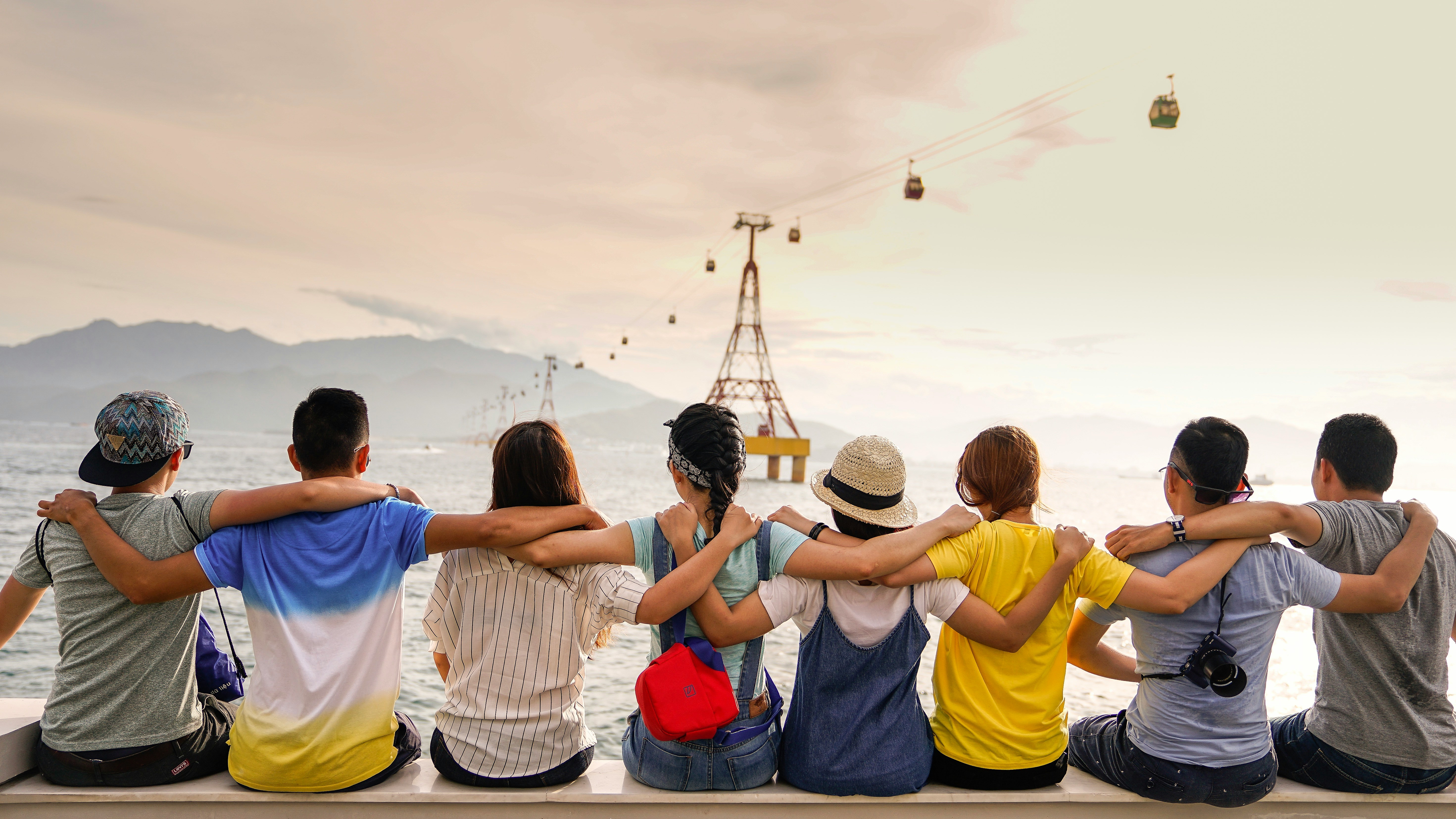
Unlocking the Enmeshment Phenomenon: Exploring the Surge in Interconnected Relationships and its Implications

The Rise of Enmeshment: Exploring the Popularity of an Interconnected Lifestyle

Introduction: Unveiling the Trend of Enmeshment
In recent years, a peculiar trend has been gaining traction among individuals seeking a deeper sense of interconnection and belonging. Dubbed "Enmeshment," this phenomenon represents a lifestyle approach that emphasizes emotional closeness, shared experiences, and blurred boundaries within relationships. As its popularity continues to grow, it is essential to understand what exactly enmeshment entails, its origins, and why it is resonating with various demographics.
Unraveling the Enmeshment Trend
Enmeshment can be defined as a relational dynamic characterized by an excessive closeness and dependency between individuals, often resulting in blurred boundaries and a lack of individual autonomy. Unlike healthy interdependence, enmeshment involves individuals who are heavily intertwined, making it challenging to discern where one person ends, and the other begins. It commonly manifests in families, romantic relationships, and even friendships, blurring the lines between personal identities and individual needs.
Origins and Influences
The concept of enmeshment finds its roots in family systems theory, a psychological framework developed by Murray Bowen in the 1950s. Bowen noticed patterns of unconscious emotional fusion within families and coined the term "undifferentiated ego mass" to describe a family structure where individuals had little autonomy or clear boundaries. Over time, this idea evolved, and "enmeshment" came to signify the unhealthy extreme of emotional fusion and lack of differentiation between family members.
Enmeshment's Popularity Across Demographics
Enmeshment has gained notable popularity among various demographics due to several interconnected factors.
- Cultural Shifts: In an increasingly digital age, where virtual interactions often overshadow face-to-face connections, many individuals yearn for authentic and intimate relationships. Enmeshment serves as an antidote to the often shallow and transactional nature of modern-day connections.
- Reaction to Individualism: As societies become more individualistic, with an emphasis on personal success and achievement, enmeshment can offer a counterbalance by emphasizing the importance of emotional support, community, and interdependence.
- Seekers of Emotional Intimacy: Enmeshment often appeals to those who long for profound emotional bonds and a sense of ever-present support. It promises a constant connection, where individuals become intricately linked through shared experiences, thoughts, and feelings.
- Alternative to Loneliness: Enmeshment provides solace to individuals grappling with loneliness or a lack of social support. By intertwining themselves with others, they create a sense of belonging and security, fostering a shared identity and alleviating their emotional isolation.
As the enmeshment trend continues to capture the attention of various demographics, it is essential to examine the concept's implications, both positive and negative, on individuals and relationships. This interconnected lifestyle offers a unique approach to navigating human connections, challenging traditional notions of personal boundaries and autonomy. By understanding the origins and motivations behind enmeshment, we can gain insight into the social and cultural dynamics driving its popularity and impact on our interconnected world.
The Expanding Enmeshment Market: Size and Growth Trends
Enmeshment refers to a psychological concept that describes an unhealthy, overly close or fused relationship dynamic within families or interpersonal relationships. While not a new phenomenon, enmeshment has gained increasing attention in recent years as people strive for healthier boundaries and more autonomous relationships. This article aims to explore the market size and growth of the enmeshment concept, highlighting its relevance in various industries and the trajectory it is set to follow.
Understanding the Enmeshment Market
Enmeshment is primarily a psychological concept centered around toxic relationship patterns, making it challenging to quantify the market size accurately. However, when looking at the broader scope of mental health and self-improvement industries, various products, services, and resources have emerged to address enmeshment-related issues. As such, we can analyze the growth and market size indirectly.
Market Size
The market size of enmeshment-related products and services can be approximated by considering the revenues of industries related to mental health, family therapy, self-help, and relationship counseling. According to a report by the market research firm IBISWorld, the mental health services industry in the United States alone generated revenues of approximately $35 billion in 2020. This figure includes counseling services, therapy sessions, and other mental health interventions aimed at improving relationship dynamics.
While it is challenging to determine the exact proportion of this market devoted to enmeshment-related offerings, the prevalence of enmeshment's influence within family and romantic relationships suggests a significant portion may be attributable to such services.
Additionally, the self-help industry has experienced substantial growth in recent years, with a market size estimated at $11 billion in 2020. This sector encompasses books, online courses, coaching services, and other resources aimed at helping individuals navigate and overcome personal challenges, including enmeshment.
Growth Trends
The enmeshment market is experiencing steady growth due to several factors. Firstly, increased awareness and understanding of enmeshment as a concept have fueled demand for resources and interventions to address its negative effects. As more people recognize the signs and consequences of enmeshed relationships, they seek solutions to establish healthier boundaries and interpersonal dynamics.
Secondly, the growing acceptance and normalization of mental health issues in society have led to an increased willingness to seek professional help. As conversations surrounding mental health become more destigmatized, individuals and families are more open to addressing enmeshment-related concerns, thus driving the market's growth.
Thirdly, the advent of digital platforms and technology has revolutionized access to information and resources related to enmeshment. Online counseling, therapy apps, self-help websites, and social media communities have made it easier for individuals to find support and guidance relevant to their enmeshment struggles.
Moreover, the COVID-19 pandemic and its associated challenges have contributed to an increased demand for mental health and relationship support. Lockdowns, social isolation, and the stress brought about by the pandemic have further amplified the need for enmeshment-focused interventions.
Conclusion
Although it is challenging to precisely quantify the market size dedicated solely to enmeshment, its impact on mental health, relationship dynamics, and the related industries is undeniable. As awareness of enmeshment continues to grow and people seek solutions for healthier relationships, the market for enmeshment-related products and services is expected to expand further. Meeting this demand, market players are likely to develop innovative offerings tailored specifically to addressing the challenges associated with enmeshment.
Exploring Consumer Demand and Preferences: Enmeshment

Enmeshment, which refers to an overly close and boundary-blurring relationship between individuals, has become an increasingly significant topic of interest in recent years. As personal relationships and societal dynamics continually evolve, understanding consumer demand and preferences regarding enmeshment can provide valuable insights for various industries.
The Rise of Enmeshment
Enmeshment has gained attention as individuals place growing importance on connection and emotional intimacy in their relationships. In an increasingly digitized world, people seek emotional support and meaningful connections more than ever before. Enmeshment often involves a high level of emotional intensity and dependence, with individuals valuing deep emotional bonds and interconnectedness.
Consumer Demand for Enmeshment
Consumer demand for enmeshment can be observed in various aspects of daily life. One area influenced by this demand is the dating and relationship industry. Millennials and Gen Z, in particular, exhibit a desire for intensity and emotional depth in their romantic relationships. They are seeking partners who can understand and fulfill their emotional needs, leading to a rise in demand for enmeshment-oriented relationship advice and coaching services.
In the realm of wellness and self-care, enmeshment-related practices have also gained popularity. From mindfulness and meditation centered around building connection with oneself and others, to therapies that explore attachment styles and relationship patterns, consumers are actively seeking ways to create healthier and more authentic connections between themselves and others.
Preferences within Enmeshment
While some individuals actively pursue enmeshment, it is important to acknowledge that preferences for the extent of enmeshment can vary greatly among consumers. There is a need for balance, as excessive enmeshment can lead to a loss of individual identity and personal boundaries. Thus, consumers may seek tools and resources that enable them to navigate enmeshed relationships in a healthy manner, emphasizing healthy boundaries and personal autonomy within close connections.
Implications for Industries
Various industries can leverage insights into consumer demand and preferences for enmeshment. In the realm of technology and social media, platforms that facilitate deep connections while respecting individual boundaries are likely to gain traction. Content creators and influencers who are able to navigate the fine line between emotional connection and maintaining authenticity and boundaries are also likely to be well-received by audiences.
Furthermore, industries that provide relationship advice, therapy, and self-care products and services can capitalize on the demand for enmeshment-oriented offerings. By addressing the need for fulfilling and authentic connections, while also promoting healthy boundaries and self-identity, these industries can meet consumer expectations and foster long-term customer loyalty.
Conclusion
The demand for enmeshment reflects an evolving societal landscape, where individuals emphasize emotional intimacy and meaningful connections. Understanding consumer demand and preferences in relation to enmeshment can provide valuable insights for industries across various sectors. By aligning their offerings to these preferences, businesses can better serve their customers and stay ahead in an ever-changing market.
Understanding the Players and Competitive Landscape in the Enmeshment Industry

The enmeshment industry refers to the growing field focused on providing solutions and support for individuals struggling with enmeshed relationships. Enmeshment occurs when boundaries between individuals become blurred, leading to a lack of individuality and healthy differentiation within relationships. As awareness around enmeshment and its negative impacts on mental and emotional well-being has grown, various players have entered the market to provide guidance and intervention.
- Therapy and Counseling Providers: Mental health professionals play a crucial role in addressing enmeshment, providing therapy and counseling services to individuals, couples, and families. These professionals help clients develop healthier relationship patterns and establish boundaries, working towards disentangling enmeshed dynamics. Traditional therapy approaches, such as family systems therapy and cognitive-behavioral therapy, are often utilized in this context.
- Life Coaches and Relationship Coaches: Life coaches and relationship coaches offer guidance and support to individuals seeking to navigate enmeshed relationships. These coaches employ various techniques to help clients develop the necessary skills and awareness to untangle themselves from enmeshment. They may focus on empowering clients to set healthy boundaries, prioritize self-care, and cultivate a sense of individuality within relationships.
- Online Communities and Support Groups: The rise of the internet and social media has led to the emergence of online communities and support groups centered around enmeshment. These platforms provide individuals with a virtual space to share their experiences, seek advice, and connect with others going through similar challenges. Online communities often offer peer support, resources, and educational materials to help individuals gain insight into their enmeshed relationships.
- Workshops and Retreats: Many organizations and individuals host workshops and retreats focused on enmeshment and fostering healthy relationships. These events provide participants with experiential learning opportunities, where they can explore the dynamics of enmeshment in a supportive and guided environment. Workshop facilitators may utilize techniques such as group therapy exercises, role-playing, and mindfulness practices to help participants gain awareness and develop strategies to overcome enmeshment.
- Self-Help Books and Publications: An array of self-help books and publications are available to those seeking to understand and address enmeshed relationships. These resources offer insights, strategies, and practical tools to help individuals break free from enmeshment patterns. Topics covered in these publications range from codependency and boundary-setting to fostering healthy attachment styles within relationships.
The competition within the enmeshment industry is fueled by the increasing demand for solutions and support in navigating enmeshed relationships. Companies and professionals in this space strive to differentiate themselves by offering unique perspectives, specialized expertise, and innovative approaches to addressing enmeshment. The effectiveness of their interventions, their ability to connect with clients, and the accessibility of their services are significant factors that contribute to their competitiveness.
As enmeshment continues to garner attention and more people seek help, it is essential for industry players to stay informed about emerging research, industry trends, and evolving therapeutic approaches. By continually adapting and refining their offerings, these industry players can effectively address the complex challenges of enmeshment and provide valuable support to individuals, couples, and families struggling with this issue.
Technological Innovation in Enmeshment

Enmeshment, a concept rooted in psychology, refers to an unhealthy boundary between individuals where personal identities become fused and individuality is compromised. While enmeshment primarily falls under the domain of psychology, technological advancements have given rise to new forms of enmeshment and ways to address potential issues. In this section, we will explore how technological innovation has influenced the concept of enmeshment and how it can be both an enabler and a potential solution.
Enmeshment in the Digital Age
The rapid growth of the internet and social media platforms has revolutionized how people communicate and connect. However, it has also brought about new challenges, including enmeshment facilitated by technology. Social media platforms, in particular, can contribute to blurring boundaries between individuals, leading to a sense of enmeshment. People may feel a constant need to be connected, easily succumbing to comparison, and losing touch with their own identity.
Technological Enablers of Enmeshment
Technological innovations have not only expanded our possibilities but have also created new avenues for enmeshment. Here are a few examples:
- Social Media: Social media platforms like Facebook, Instagram, and TikTok have provided individuals with highly engaging and interactive environments. Users often find themselves spending excessive amounts of time on these platforms, seeking validation, and constantly comparing themselves to others. This can trigger enmeshment by blurring the boundaries between the online persona and one's true self.
- Virtual Reality (VR) and Augmented Reality (AR): VR and AR technologies offer immersive experiences that have the potential to redefine social interactions. While they can create new opportunities for connection, it is essential to consider the potential for individuals to become enmeshed in virtual worlds, disconnecting from reality and their authentic selves.
- Wearable Devices and Quantified Self: Wearable devices, such as smartwatches and fitness trackers, enable individuals to monitor various aspects of their lives, including health and fitness. While these devices offer valuable data, individuals may become overly reliant on them, leading to an enmeshment with the idea of self-measurement and the constant pursuit of improvement.
Technological Solutions for Enmeshment
While technology can contribute to enmeshment, it can also be leveraged as a tool to address this issue. Here are a few technological solutions that can help individuals navigate the challenges of enmeshment:
- Digital Wellbeing Tools: Many devices and platforms now offer digital wellbeing features to help users manage their screen time, set limits, and receive notifications regarding excessive use. By promoting self-awareness and encouraging healthier technology usage, these tools can assist individuals in breaking free from enmeshment patterns.
- Mindfulness Apps and Meditation Technologies: Apps and technologies focused on mindfulness and meditation can help individuals reconnect with their authentic selves, improve focus, and reduce stress. These tools provide a counterbalance to the constant stimulation and distractions of the digital world, allowing individuals to foster a healthier relationship with technology.
- Personalized Recommendations and Filters: As technology continues to evolve, personalized algorithms and filters can be developed to promote content that aligns with an individual's values and interests, while filtering out harmful or triggering content. By curating a digital environment that supports an individual's well-being, these innovations can reduce the risk of enmeshment.
In conclusion, while technological innovation has the potential to contribute to enmeshment, it can also serve as a solution. By fostering digital well-being, promoting mindfulness, and utilizing personalized recommendations, technology can help individuals maintain healthier boundaries, navigate the digital world more consciously, and ultimately avoid the pitfalls of enmeshment. Awareness, balance, and responsible technology usage are essential in harnessing the positive potentials of technology while mitigating its negative impacts on enmeshment.
Cultural Influences and Regional Trends on Enmeshment

Enmeshment, a psychological phenomenon characterized by blurred boundaries, lack of individual identity, and excessive emotional reliance, is influenced by cultural factors and regional trends. While enmeshment can occur across various cultures, certain cultural values, societal expectations, and regional norms can either contribute to or counteract enmeshment tendencies. Understanding these influences is crucial for comprehending the prevalence and impact of enmeshment in different regions.
Cultural Collectivism vs Individualism
One of the significant cultural influences on enmeshment is the distinction between collectivist and individualistic cultures. Collectivist cultures, such as many Asian and Latin American societies, prioritize group cohesion, interdependence, and harmony over individual autonomy. In these cultures, enmeshment may be more prevalent as individuals are encouraged to prioritize the needs and desires of the family or community over personal goals.
Conversely, individualistic cultures, commonly found in Western societies, emphasize personal freedom, self-expression, and individual achievement. In such cultures, enmeshment may be viewed as stifling individuality and may be less prevalent or even discouraged.
Gender Roles and Familial Expectations
Gender roles and familial expectations also influence the prevalence of enmeshment within a region. In societies with more traditional gender roles, such as some Middle Eastern or South Asian countries, enmeshment can be reinforced as women are often expected to prioritize their roles as wives, mothers, and caretakers above personal aspirations and autonomy. These societal expectations can perpetuate enmeshed family dynamics.
On the other hand, regions with more progressive gender norms may exhibit lower levels of enmeshment, as both men and women are encouraged to pursue personal goals and maintain independence. For example, in Scandinavian countries known for their progressive gender equality, individuals may be less prone to enmeshment due to the emphasis on individual agency and autonomy.
Regional Influences
Regional trends and historical context also play a role in shaping enmeshment patterns. For instance, regions that have a history of extended family structures and multigenerational households, such as some parts of Africa or rural areas in India, may be more susceptible to enmeshment. The close living arrangements and interdependence within extended families can foster enmeshment dynamics.
Additionally, economic or political factors can influence the prevalence of enmeshment. In regions where economic opportunities are limited, individuals may rely heavily on their families for support, leading to increased enmeshment. Similarly, regions with a history of political instability or conflict may foster enmeshment as a coping mechanism for dealing with uncertainty and maintaining a sense of security.
Understanding regional and cultural influences on enmeshment is crucial for professionals in fields such as psychology, sociology, and mental health. Recognizing these factors allows professionals to tailor interventions and support systems that are sensitive to cultural contexts and address the unique challenges associated with enmeshment in different regions.
Overall, enmeshment is influenced by a variety of cultural and regional factors. While enmeshment can occur in any culture, understanding these influences enables us to develop a more comprehensive understanding of its prevalence, impact, and potential approaches for addressing it effectively in diverse contexts.
The Rise of Enmeshed Influencers: Navigating the Complexities of Social Media

In today's digital age, social media has emerged as a powerful platform that connects people across the globe, allows them to share their thoughts, opinions, and experiences, and influences their purchasing decisions. With the advent of social media influencers, a new trend has emerged - enmeshment. This concept refers to the close relationship between influencers and their followers, leading to a more intimate connection and deeper influence on consumer behavior. This article explores the rise of enmeshed influencers and the implications it has on social media users.
Understanding Enmeshment:
Enmeshment in the context of social media refers to the profound connection between influencers and their followers. Unlike traditional advertising, where the relationship is impersonal and one-way, enmeshed influencers create a sense of community and belonging among their followers. They share personal stories, struggles, and triumphs, becoming relatable figures who inspire and motivate their audience.
Enmeshment manifests in various ways, such as influencers asking for feedback, inviting input for content creation, or seeking advice and suggestions from their followers. This two-way interaction fosters a feeling of involvement and ownership, leading to a deeper sense of connection between influencers and their audience. As a result, followers become emotionally invested in the influencer's life, often considering them a friend or a confidant.
The Impact on Consumer Behavior:
Enmeshed influencers have a significant influence on consumer behavior as they bridge the gap between authenticity and advertising. Their followers feel a sense of trust in their recommendations, as they perceive influencers as genuine individuals sharing their personal experiences and preferences.
When enmeshed influencers promote a particular product or service, their followers are more likely to trust and consider these recommendations. The authentic connection established through enmeshment creates an environment of influence based on personal relationships rather than traditional advertising methods.
Brands Have a New Avenue:
For brands, partnering with enmeshed influencers can be a highly effective marketing strategy. By tapping into the influencer's enmeshed audience, brands gain exposure to a highly engaged and receptive group of potential customers. They can leverage this deeper connection to create authentic and relatable brand messaging, fostering trust and increasing the likelihood of conversion.
Navigating the Fine Line:
While enmeshment can be beneficial for both influencers and brands, it also raises concerns regarding boundaries and ethics. The intimate nature of the relationship between influencers and their followers can blur the line between personal and professional boundaries, potentially leading to manipulation or exploitation.
Both influencers and brands must be mindful of the power dynamics at play and prioritize transparency and authenticity in their interactions. Implementing clear disclosure policies, ensuring honesty in endorsements, and maintaining healthy boundaries between influencer and audience are essential to maintain trust and ethical practices.
The rise of enmeshed influencers on social media marks a pivotal shift in the landscape of digital marketing. As influencers foster a sense of connection, relatability, and authenticity, they gain significant influence over consumer behavior. Brands looking to tap into this trend must approach partnerships with enmeshed influencers mindfully, prioritizing transparency and ethical practices. Ultimately, understanding the powerful influence of enmeshed influencers can help individuals and brands navigate the complexities of social media and harness its potential effectively.
The Future Outlook of Enmeshment: A Promising Trend on the Rise

Enmeshment, a social trend that emphasizes close-knit relationships and interconnectedness, is expected to continue gaining momentum in the coming years. As individuals increasingly seek deeper connections and a sense of belonging in an increasingly disconnected world, enmeshment offers a solution that resonates with many.
Enmeshment involves the blurring of boundaries between individuals, typically within families or close-knit social groups. It goes beyond mere emotional connectedness to encompass a sense of togetherness on both psychological and behavioral levels. Enmeshed individuals tend to have a high degree of involvement in each other's lives, sharing experiences, thoughts, and decision-making processes. This trend nurtures a strong support system, fostering an environment of trust, empathy, and mutual reliance.
One of the key driving forces behind the growing popularity of enmeshment is the rise of social media and technology, which, paradoxically, have only served to exacerbate feelings of isolation and disconnection. As people become more accustomed to interactions through screens, they are yearning for genuine human connections. Enmeshment offers a pathway for individuals to reestablish meaningful relationships and combat the emotional detachment that technology has inadvertently fostered.
Moreover, societal and cultural shifts have also contributed to the rise of enmeshment. Traditional notions of individualism and self-reliance are gradually giving way to a more community-oriented mindset. The younger generations, in particular, are placing greater emphasis on interpersonal relationships and the well-being of collective units, like families and close friendship circles. Enmeshment aligns with this evolving value system by reinforcing the importance of interdependence and emotional support within these units.
Moving forward, enmeshment is likely to be further fueled by several factors. Firstly, the ongoing pandemic has brought to the forefront the need for social connection and support systems. The collective experience of prolonged periods of isolation has reinforced the importance of strong relationships and shared experiences. As we emerge from this crisis, people will seek even more opportunities to engage in enmeshed relationships for emotional resilience and well-being.
Secondly, the mental health implications of enmeshment cannot be disregarded. Research suggests that enmeshment can contribute positively to individuals' psychological well-being by providing a sense of security and belonging. As mental health becomes an increasingly important aspect of holistic well-being, enmeshment may gain further recognition as a valid and effective strategy for fostering resilience and emotional support.
Lastly, the growing interest in alternative lifestyles, such as intentional communities and co-living arrangements, is also expected to propel the enmeshment trend forward. These living arrangements actively encourage shared resources, responsibilities, and emotional connections among members. The rise of such communities reflects a broader societal shift towards prioritizing connections and interdependence over individualism.
In conclusion, enmeshment is a promising trend that is likely to continue shaping our social landscape in the coming years. Driven by a desire for deeper connections, societal shifts, and the growing recognition of its mental health benefits, enmeshment offers a compelling approach to combatting isolation and fostering resilience. As individuals seek greater fulfillment and support in their lives, enmeshment provides an avenue for building strong, interconnected relationships that contribute to overall well-being and a sense of belonging.
Enmeshment: The Fine Line Between Connection and Overlapping Identities

Key Findings and Insights:
- Definition and Understanding: Enmeshment refers to a lack of healthy boundaries within relationships, often resulting in blurred identities and a loss of individuality. It describes the phenomenon where individuals become excessively involved in each other's lives, thoughts, and emotions, making it difficult for them to differentiate their own needs and desires from those of others.
- Causes and Contributors: Enmeshment can be influenced by a variety of factors, such as family dynamics, cultural norms, attachment styles, and past experiences. Overprotective parenting, emotional dependency, and a fear of abandonment are often associated with the development of enmeshed relationships.
- Emotional Consequences: Enmeshed relationships can have both positive and negative emotional consequences. On one hand, individuals may experience a sense of belonging and connection. However, excessive enmeshment can result in feelings of suffocation, loss of autonomy, and emotional fusion, leading to anxiety, depression, codependency, and difficulty forming healthy relationships.
- Impact on Individual Identity: One key insight is the potential erosion of individual identity within enmeshed relationships. When boundaries are not respected, individuals may struggle to establish or assert their own values, preferences, and beliefs. This can lead to confusion, a lack of self-confidence, and difficulties in making independent decisions.
- Interdependence vs. Enmeshment: It is important to differentiate between healthy interdependence and enmeshment. While interdependence emphasizes mutual support, individual growth, and maintaining boundaries, enmeshment tends to place an excessive focus on pleasing others, sacrificing personal needs, and maintaining an unhealthy level of emotional fusion.
- Cultural and Gender Influences: Cultural norms and gender roles can significantly impact the prevalence and acceptance of enmeshment within relationships. Some cultures may prioritize collectivism and interconnectedness, fostering higher levels of enmeshment. Additionally, traditional gender roles may encourage enmeshment by promoting expectations of closeness and emotional reliance within families.
- Addressing and Overcoming Enmeshment: Recognizing and addressing enmeshment is crucial for establishing healthier relationships and individual well-being. This may involve setting boundaries, practicing assertiveness, promoting personal autonomy, seeking therapy, and developing healthier coping mechanisms.