

Unlocking SEO Success: The Emerging Trend of In-depth SEO Audits for Enhanced Rankings and Traffic

The Rise of SEO Audits: Unveiling the Key to Online Success

In the digital world, where visibility and search rankings can make or break a business, understanding and optimizing search engine optimization (SEO) practices have become paramount. One of the most effective tools gaining popularity in recent years is the SEO audit. This comprehensive analysis of a website's SEO performance has become an indispensable part of any successful online strategy. In this article, we will delve into what exactly an SEO audit entails, trace its origins, and explore why it is gaining traction across various demographics.
Explaining SEO Audits
An SEO audit is an in-depth examination of a website's existing SEO strategies, performance, and potential areas for improvement. It assesses factors like website structure, backlink profile, keyword optimization, mobile-friendliness, site speed, user experience, and technical issues that may impact search engine rankings.
Origins of SEO Audits
The practice of SEO auditing originated with the evolution of search engines and the need to maximize visibility in search results. As search engines became more sophisticated, webmasters and digital marketers realized the importance of regular assessment and optimization of their websites to maintain or improve their rankings. This led to the development of systematic SEO auditing processes, tools, and methodologies.
Popularity Among Various Demographics
SEO audits have gained popularity among various demographics due to several factors:
- Businesses: From small startups to large corporations, businesses have embraced SEO audits to enhance their online presence. By conducting regular audits, businesses can identify and rectify SEO shortcomings, ensuring their websites are optimized to reach their target audience and gain a competitive edge.
- Digital Marketers and SEO Specialists: SEO audits are an integral part of the toolkit for digital marketers and SEO specialists. These professionals use SEO audits to assess the SEO health of their clients' websites, devise effective strategies, and track progress over time.
- Bloggers and Content Creators: Bloggers and content creators recognize the importance of generating organic traffic and attracting readers to their websites. SEO audits help them identify areas where their content may be falling short and provide insights to optimize their websites for better visibility.
- E-commerce Platforms: With the explosive growth of e-commerce, SEO audits have become invaluable for online retailers. By analyzing their website's technical aspects, content, and user experience, e-commerce platforms can increase their chances of being discovered by potential customers.
- SEO Agencies: SEO agencies leverage the power of SEO audits to attract clients and demonstrate their expertise. By showcasing comprehensive audits and subsequent improvements, they establish trust and show tangible results to their clients.
Conclusion
As the digital landscape continues to evolve, the significance of SEO audits in maximizing online visibility cannot be overstated. Whether for businesses, digital marketers, content creators, or SEO agencies, SEO audits provide valuable insights to optimize websites and stay ahead of the competition. By recognizing the importance of SEO audits, individuals and businesses can enhance their online presence and achieve their desired marketing goals.
The Expanding Market and Rapid Growth of SEO Audits
The market for SEO audits has witnessed remarkable growth over the past few years, owing to the increasing importance of search engine optimization (SEO) in digital marketing strategies. As businesses strive to enhance their online visibility and gain a competitive edge, SEO audits have become a crucial tool for optimizing websites and improving search engine rankings.
Market Size:
According to a report by Grand View Research, the global SEO software market size was valued at USD 1.22 billion in 2020 and is expected to grow at a compound annual growth rate (CAGR) of 15.9% from 2021 to 2028. This showcases the substantial market size and immense potential for SEO audits in meeting the demands of businesses worldwide.
With the rapid advancement of technology and the increasing reliance on the internet, the digital marketing landscape has become highly competitive. As a result, businesses are allocating larger budgets for online marketing activities, including SEO audits, to ensure they are targeting the right audience and maximizing their organic traffic potential.
Factors Driving Growth:
- Increasing Demand for Online Visibility: The rising number of online businesses and the need for increased visibility have propelled the demand for SEO audits. Companies are seeking to optimize their websites, identify technical issues, and improve their search engine rankings to reach a broader audience and drive more organic traffic.
- Advancements in Search Engine Algorithms: Search engines like Google are constantly updating their algorithms to deliver more accurate and relevant search results. This necessitates conducting regular SEO audits to ensure websites comply with the latest algorithm requirements and maintain their rankings.
- Growing Awareness of SEO Benefits: As businesses become more aware of the benefits of SEO, they are actively investing in SEO audits to identify areas for improvement. An SEO audit helps them understand their website's current standing in terms of visibility, keyword rankings, user experience, and technical performance, enabling them to make data-driven decisions to boost their online presence.
- Rising Adoption of SEO Audit Tools: The availability of advanced SEO audit tools and software has made it easier for businesses to analyze their websites, identify optimization opportunities, and track performance. These tools provide comprehensive insights into keyword analysis, backlink profiles, on-page SEO factors, and competitor analysis, empowering businesses to make informed SEO decisions.
The market for SEO audits is expected to exhibit steady growth in the coming years, driven by the increasing importance of search engine optimization and the rising demand for online visibility. As businesses recognize the pivotal role of SEO in their digital marketing strategies, investing in regular SEO audits will become a standard practice to stay competitive in the evolving online landscape.
Understanding Consumer Demand and Preferences for SEO Audits
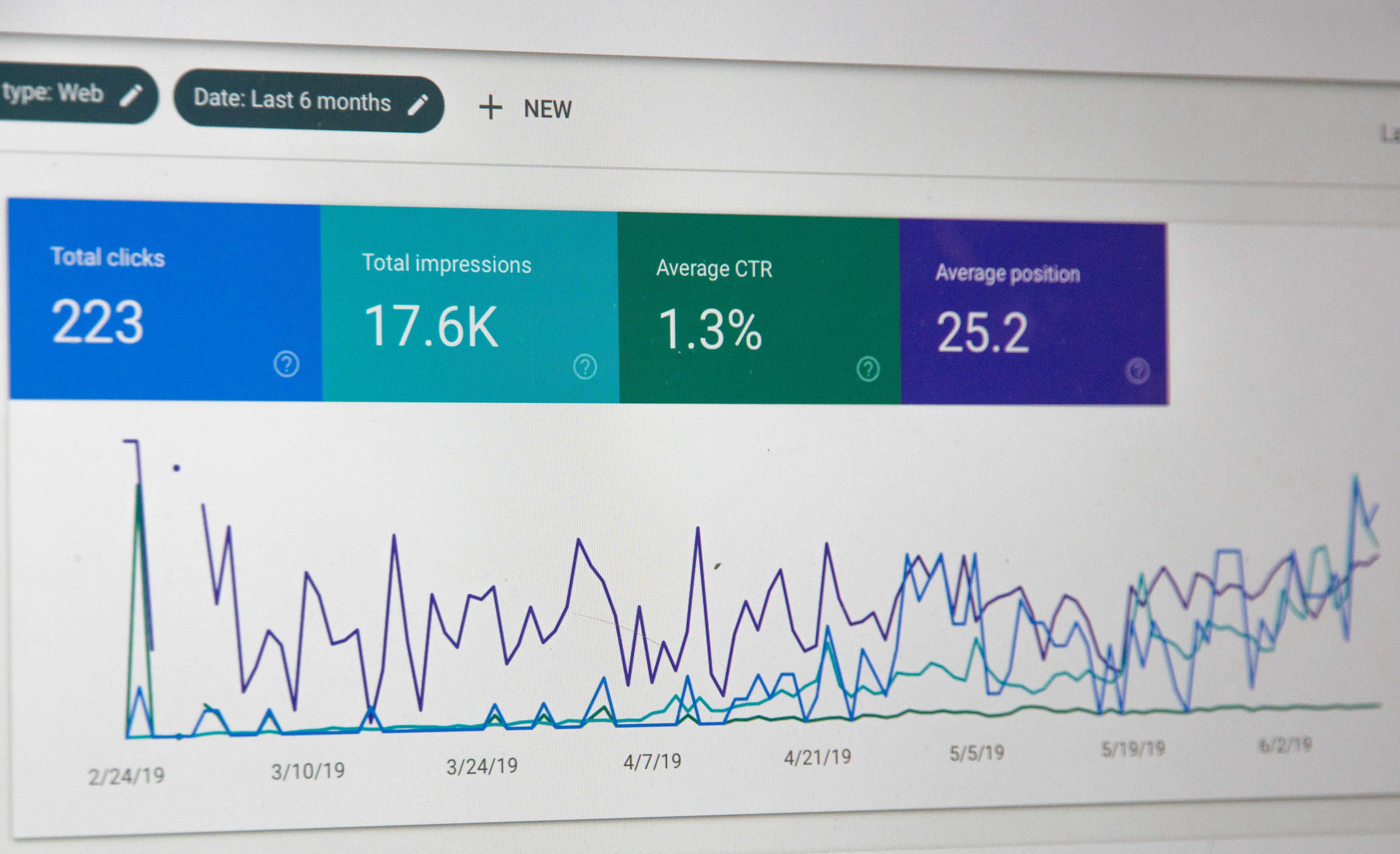
In the digital age, Search Engine Optimization (SEO) plays a crucial role in improving a website's visibility and organic traffic. As businesses strive to enhance their online presence, SEO audits have gained significant importance. But what do consumers demand and prefer when it comes to SEO audits? Let's explore the key aspects that influence consumer decision-making in this domain.
Comprehensive Audit Reports:
Consumer demand for SEO audits is driven by the need for comprehensive and actionable insights. Businesses and website owners seek detailed reports that identify areas where SEO improvements can be made. This includes analyzing on-page and off-page SEO factors, backlink profiles, keyword targeting, website loading speed, mobile-friendliness, and more. Consumers prefer audits that provide clear explanations, prioritize issues by severity, and offer practical recommendations for improvement.
Customizable Solutions:
Every website has unique requirements and goals. Consumers prefer SEO audit services that can be tailored to their specific needs. This includes options to focus on particular areas or industry-specific elements that matter most to their business. Customizable audits allow consumers to prioritize key aspects such as local SEO, e-commerce optimization, content analysis, or technical SEO, based on their business objectives.
User-Friendly Presentation:
The presentation of the audit findings is a vital aspect that influences consumer preferences. Consumers favor SEO audits that are visually appealing, easy to understand, and well-structured. Graphs, charts, and summary sections help in conveying complex information effectively. A user-friendly format enhances the overall experience and allows consumers to quickly grasp the key insights without getting overwhelmed.
Actionable Recommendations:
Merely identifying SEO issues won't suffice. Consumers expect actionable recommendations that provide guidance on how to address the identified problems. A comprehensive report should include steps, best practices, and resources to implement improvements. Clear instructions, along with estimated effort and impact, enable consumers to prioritize actions and allocate resources effectively.
Competitive Insights:
Understanding the competition is crucial for consumer decision-making. Consumers value SEO audit services that provide insights into their competitors' SEO strategies. Such insights can help businesses identify gaps in their own SEO approach and improve their chances of outperforming their rivals. Competitive analysis, including keyword rankings, backlink comparisons, and content gap analysis, assists consumers in formulating a robust SEO strategy.
Consumer demand and preferences for SEO audits revolve around comprehensive reports, customizable solutions, user-friendly presentations, actionable recommendations, and competitive insights. By addressing these aspects, SEO audit providers can cater to the evolving needs of businesses and website owners, ultimately helping them improve their online visibility and search engine rankings.
References:
Industry Players and Competition in the SEO Audit Market

The SEO audit market has gained significant traction in recent years as businesses recognize the importance of optimizing their online presence for search engines. As a result, several players have emerged, all offering tools and services to help organizations assess and improve their website's search engine optimization (SEO) performance. In this section, we will explore some of the prominent industry players and the competitive landscape in the SEO audit market.
SEMrush
SEMrush is one of the leading players in the SEO audit market. Their platform offers a comprehensive set of tools to analyze website performance and identify areas for improvement. With robust features like organic research, keyword analysis, backlink tracking, and site audit, SEMrush provides businesses with valuable insights and actionable recommendations to optimize their SEO strategies. SEMrush's user-friendly interface and extensive database of competitor information give them a competitive edge in the market.
Moz
Moz is another well-established player in the SEO industry, offering a suite of tools to help businesses improve their website's SEO performance. Their website audit tool, "Site Crawl," provides in-depth analysis of on-page and technical SEO issues such as broken links, duplicate content, and crawlability problems. With their comprehensive keyword research and link building tools, Moz provides businesses with actionable insights to enhance their organic search rankings.
Ahrefs
Ahrefs, renowned for its robust backlink analysis capabilities, has also made its mark in the SEO audit market. Alongside their powerful backlink analysis tool, Ahrefs offers features like keyword research, rank tracking, and content analysis. Their comprehensive site audit tool helps businesses identify and fix issues that may be hindering their SEO performance. Ahrefs' extensive database and real-time data make it a formidable competitor in the SEO audit market.
Screaming Frog
Screaming Frog is a unique player in the SEO audit market, focusing primarily on website crawling and technical SEO analysis. Their eponymous SEO Spider tool enables businesses to crawl websites, identifying common issues like broken links, duplicate content, and missing meta tags. The tool provides comprehensive insights into a website's structure and allows users to analyze specific pages and elements for enhanced optimization.
Competitive Landscape
The SEO audit market is highly competitive, with several players vying for market share. It is driven by businesses' increasing need to improve their organic search rankings and drive more traffic to their websites. While the players mentioned above are among the industry leaders, there are various other entrants and emerging players offering specialized SEO audit tools to cater to specific market niches.
Additionally, some solutions offer all-in-one SEO platforms that encompass various aspects of digital marketing, including site audits. These all-in-one platforms typically provide a broader range of features, including keyword research, backlink analysis, content optimization, and competitor analysis. Examples of such platforms include HubSpot, Semrush, and Moz.
As competition intensifies, industry players continue to innovate and improve their offerings, providing businesses with more advanced and comprehensive solutions for SEO audit and optimization. The market's dynamism, coupled with the constant evolution of search engine algorithms, ensures that the players in this space must remain agile and adapt to changing trends and customer needs.
Overall, the SEO audit market presents a range of established players and emerging competitors, driving advancements in technology and benefiting businesses seeking to enhance their online visibility.
The Role of Technological Innovation in SEO Audits

SEO audits are essential for ensuring the optimal performance of websites in search engine rankings. Traditionally, these audits involved manual assessment of various factors affecting a website's visibility and search engine optimization (SEO) efforts. However, with technological advancements, automated tools and innovative techniques have emerged, revolutionizing the process of SEO audits. In this article, we will explore the impact of technological innovation on SEO audits and how it has transformed the way websites optimize their online presence.
Crawling and Indexing:
One significant area where technological innovation has reshaped SEO audits is in the crawling and indexing of websites. Search engine crawlers now use advanced algorithms and machine learning techniques to analyze and understand website content more effectively. This enables SEO auditors to gain deeper insights into how search engines perceive and index their websites, allowing them to make data-driven optimizations for better visibility.
Data Analytics and AI:
The integration of data analytics and artificial intelligence (AI) has revolutionized SEO audits by providing actionable insights and recommendations. Advanced analytics tools can process large amounts of data, including search traffic, user behavior, and keyword performance, to identify trends and patterns. With AI capabilities, these tools can provide predictive analysis, suggesting improvements and predicting the likely impact of SEO strategies. By leveraging such technology, SEO auditors can make more informed decisions and increase the effectiveness of their optimization efforts.
Competitor Analysis:
Technological advancements have also empowered SEO auditors to conduct comprehensive competitor analysis, enabling businesses to stay ahead of their competitors in search engine rankings. Tools equipped with competitive intelligence capabilities can gather and analyze data about competitors' website performance, backlink profiles, and keyword strategies. By identifying gaps and opportunities, SEO auditors can develop strategies that outperform their competitors and boost their website's visibility.
Mobile Optimization:
As mobile devices continue to dominate internet usage, mobile optimization has become crucial for SEO success. Technological innovations have introduced tools and practices to audit websites specifically for mobile friendliness, page load speed, and overall mobile user experience. This enables auditors to identify any issues that might impact a website's mobile visibility and offer targeted recommendations for optimization.
Voice Search and Structured Data:
With the rise of voice-controlled devices and voice search queries, SEO audits now focus on optimizing for voice search. Technological innovation has introduced structured data markup tools that help auditors implement schema markup to enhance website search results and enable voice assistants to provide more accurate and relevant information. SEO auditors can now ensure that websites are optimized to leverage this growing search trend effectively.
Technological innovation has transformed the landscape of SEO audits, providing SEO auditors with powerful tools and techniques to optimize websites for better search engine visibility. From advanced crawling and indexing to data analytics and AI-based recommendations, businesses can now leverage cutting-edge technology to drive their SEO strategies. Embracing these innovations ensures that websites not only meet search engine ranking requirements but also provide a better user experience, ultimately leading to increased organic traffic and conversions.
Regional Trends and Cultural Influences on SEO Audits

When it comes to SEO audits, regional trends and cultural influences can play a significant role in shaping the way these audits are conducted and the factors that are prioritized. Understanding these regional dynamics is crucial for businesses and entrepreneurs aiming to optimize their online presence and improve search engine rankings. Let's explore some key considerations for SEO audits within different regions and the cultural influences that impact this process.
Language and Localization:
In regions with multiple languages or distinct dialects, SEO audits need to take into account the diversity of languages used by the target audience. This affects not only the choice of keywords but also the structure of website content, meta tags, and other SEO elements. Localization is a critical factor as it ensures that content is culturally appropriate and resonates with the target audience.
Search Engine Preferences:
Different regions have their preferences when it comes to search engines. While Google dominates the global search engine market, there are exceptions. For instance, Baidu remains the most popular search engine in China, while Yandex is widely used in Russia. Conducting an SEO audit in a specific region requires understanding the search engine landscape and tailoring strategies accordingly.
Regional Competitor Analysis:
A thorough SEO audit involves analyzing competitors to identify strengths, weaknesses, and opportunities. However, in different regions, there may be variations in the competition landscape. Some markets might have well-established players, while others might be emerging with lower competition. In regions where local competitors have a stronger influence, understanding their strategies and tactics becomes essential to gain a competitive edge.
Cultural Nuances and Sensitivities:
Cultural influences significantly impact content creation and optimization. Certain topics, images, or symbols that are acceptable in one culture may be offensive or inappropriate in another. Adapting content to respect cultural nuances ensures that the website is sensitive and relevant to the region. For example, localization might involve using country-specific idioms, references, or colloquial language to establish a connection with the target audience.
Legal and Regulatory Compliance:
Different regions have varying legal and regulatory frameworks that impact SEO strategies. For example, data privacy regulations such as the General Data Protection Regulation (GDPR) in the European Union, and China's strict internet censorship policies, require businesses to consider these factors while conducting SEO audits. Compliance with these regulations ensures that websites avoid penalties and maintain a positive reputation.
Mobile-Friendly Optimization:
Mobile internet usage varies across regions, with some areas having higher mobile penetration than desktop usage. Therefore, regional SEO audits should take into account the mobile-friendliness of websites, ensuring that they are well-optimized for mobile devices. This might involve responsive design, fast loading times, and mobile-specific features.
By recognizing the influence of regional trends and cultural nuances on SEO audits, businesses can develop targeted strategies that align with the preferences and expectations of their target markets. Understanding these factors helps to optimize website performance, improve visibility, and attract relevant traffic from specific regions.
Read more about SEO audits and their importance
The Power of Social Media Influencers in SEO Audits

When it comes to conducting SEO audits, social media influencers can play a crucial role in boosting your online visibility and driving organic traffic to your website. Leveraging the power of influencers can significantly impact the results of your SEO audit and help you identify areas for improvement. Let's explore how social media influencers can contribute to the success of your SEO audit.
Content Promotion and Link Building
One of the primary factors that influence search engine rankings is the number and quality of inbound links leading back to your website. Social media influencers can play a vital role in link building by promoting your content to their substantial online following. By sharing your articles, videos, or infographics, influencers can help generate backlinks, which are essential for improving your website's authority and keyword rankings.
Expanding Audience Reach
By collaborating with relevant influencers in your industry, you can tap into their dedicated fanbase and expose your brand to a wider audience. This increased exposure can lead to more website visits, social media engagements, and ultimately, better SEO performance. When conducting an SEO audit, it's crucial to evaluate how effectively your brand is leveraging influencers to reach new audiences and improve your online presence.
Social Signals for Search Engine Algorithms
Search engines, including Google, consider social signals as a crucial indicator of a website's popularity and relevance. The more shares, likes, comments, and mentions your content receives on social media platforms, the higher its chances of ranking well in search results. Including social media metrics in your SEO audit can give you insights into how effectively your content is resonating with your target audience and whether influencer collaborations are positively impacting your online visibility.
Authenticity and Trustworthiness
Influencer marketing allows you to leverage an influencer's reputation and credibility within your industry. When influencers speak positively about your brand or recommend your products or services, it adds a layer of authenticity and trustworthiness that can significantly impact consumers' buying decisions. Authentically integrating influencer content and testimonials into your website and social media activities can enhance your brand's image and build trust with potential customers.
Real-time Feedback and Insights
When conducting an SEO audit, it's essential to monitor social media conversations and listen to what consumers are saying about your brand. By engaging with influencers and monitoring their feedback, you can gain valuable insights into your target audience, their preferences, and their perception of your brand. This feedback can provide actionable information for improving various SEO elements, such as keyword targeting, website user experience, and content strategy.
In conclusion, incorporating social media influencers into your SEO audit can yield significant benefits for your overall online visibility. From content promotion and link building to expanding your audience reach and gaining real-time insights, influencers can enhance your brand's SEO performance. By harnessing the power of influencer collaborations, you increase your chances of success in the highly competitive digital landscape.
You can read more about the intersection of social media and SEO in our blog article: The Impact of Social Signals on SEO.
The Future Outlook and Forecast of SEO Audits

SEO audits have become an essential part of digital marketing strategies, helping businesses optimize their websites for search engines. By analyzing and evaluating various factors that influence search engine rankings, SEO audits provide valuable insights and recommendations to improve website performance and visibility. In this section, we will explore the future outlook and forecast of SEO audits, considering the trends and advancements that are likely to shape the industry.
- Increased Emphasis on Mobile Optimization: With the majority of internet users accessing websites through mobile devices, search engines have prioritized mobile optimization in their ranking algorithms. As a result, SEO audits will continue to focus on mobile-friendly design and user experience. Auditors will assess factors such as page load speed, responsive design, and mobile UX to ensure websites are optimized for mobile search.
- Voice Search Optimization: The rapid growth of voice assistants and smart speakers has significantly impacted search behavior. Voice searches are expected to gain more prominence in the coming years, and SEO audits will adapt to this trend. Auditors will need to evaluate websites' voice search compatibility, including featured snippets, schema markup, and conversational keyword optimization.
- Structured Data and Schema Markup: Structured data, in the form of schema markup, provides search engines with additional context about website content. This enhances the search experience and improves the visibility of websites in search engine result pages (SERPs). Future SEO audits will likely put a stronger emphasis on evaluating the implementation and effectiveness of structured data and schema markup to help websites rank higher.
- User Experience Optimization: User experience (UX) has always been crucial, and search engines recognize its importance in determining website rankings. SEO audits will increasingly focus on UX elements like website navigation, content formatting, readability, and click-through rates. Ensuring a positive user experience will be paramount to improve website performance and organic search visibility.
- AI and Machine Learning Integration: Advancements in artificial intelligence (AI) and machine learning are revolutionizing the SEO industry. AI-powered tools can analyze vast amounts of data, detect patterns, and provide actionable insights to improve website performance. In the future, SEO audits may utilize AI algorithms to automate data analysis, identify hidden trends, and provide more accurate recommendations for SEO optimization.
As the digital landscape continues to evolve, SEO audits will remain a vital component of successful digital marketing strategies. With trends such as mobile optimization, voice search, structured data, user experience, and AI integration shaping the industry, businesses must adapt to stay competitive. Regular SEO audits will help businesses identify and address any shortcomings in their websites' search engine optimization, ensuring they stay ahead in the ever-changing online ecosystem.
Key Findings and Insights on the Trend of SEO Audits

As the digital landscape becomes increasingly competitive, businesses are recognizing the importance of optimizing their online presence to attract organic traffic and improve their visibility on search engines. In this regard, conducting SEO audits has emerged as a crucial tool for businesses to evaluate their website's performance and identify areas for improvement.
SEO Audits Boost Website Performance:
One of the key findings is that SEO audits can significantly enhance website performance by analyzing various factors like site structure, content quality, keyword usage, and backlink profile. By uncovering technical issues, such as broken links, slow page speed, or duplicate content, an SEO audit helps troubleshoot problems that may be hindering search engine visibility and user experience.
SEO Audits Improve User Experience:
Another important insight is that SEO audits play a vital role in enhancing user experience. This involves making the website more accessible, improving mobile optimization, and ensuring high-quality, relevant content. By addressing these areas, businesses can engage visitors, improve page engagement metrics, and ultimately increase conversion rates.
SEO Audits Drive Organic Traffic:
A significant finding of the trend is that conducting SEO audits helps businesses drive organic traffic to their websites. By identifying target keywords, analyzing competitors, and optimizing on-page elements, an SEO audit assists in increasing search engine rankings and generating more organic traffic. Additionally, it helps businesses uncover content gaps and opportunities, allowing them to create valuable and relevant content that meets users' search intent.
The Importance of Local SEO Audits:
Local SEO audits have gained prominence as another valuable insight. With the increasing number of searches made with local intent, local businesses need to ensure they are visible to their target audience in their geographic area. Local SEO audits help in optimizing Google My Business profiles, local citations, and online reviews, enabling businesses to appear in local search results and attract potential customers nearby.
Continuous Monitoring and Adaptation:
Lastly, the findings suggest that SEO audits should be an ongoing process rather than a one-time activity. The search engine landscape is constantly evolving, and businesses need to adapt to new algorithms and changing user behaviors. Regular SEO audits and constant monitoring enable businesses to stay updated and make necessary adjustments to maintain or improve their website's performance.