
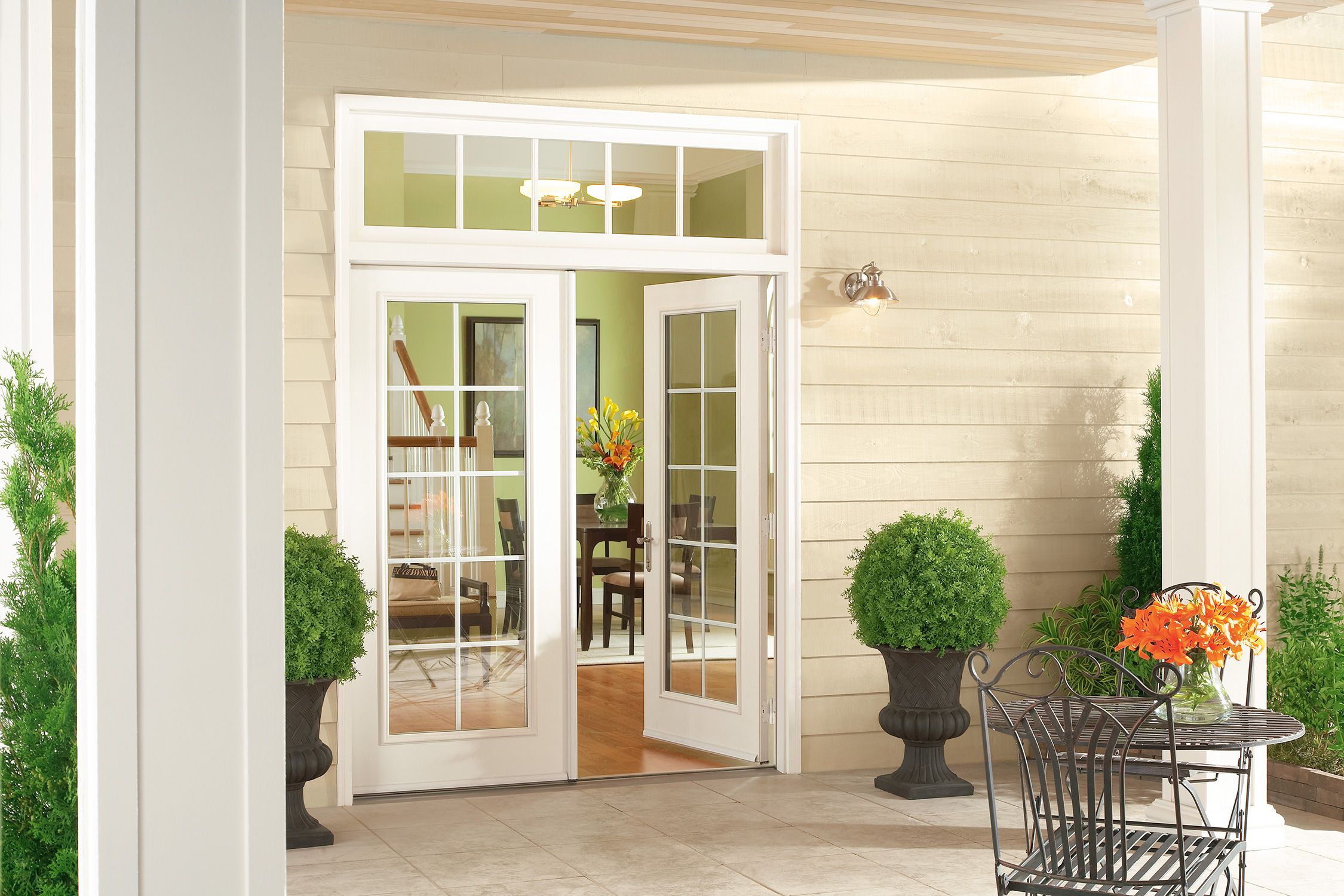
Unlocking Home Design: The Growing Trend of French Doors in Modern Interiors

The Rise of French Doors: A Growing Trend in Home Design
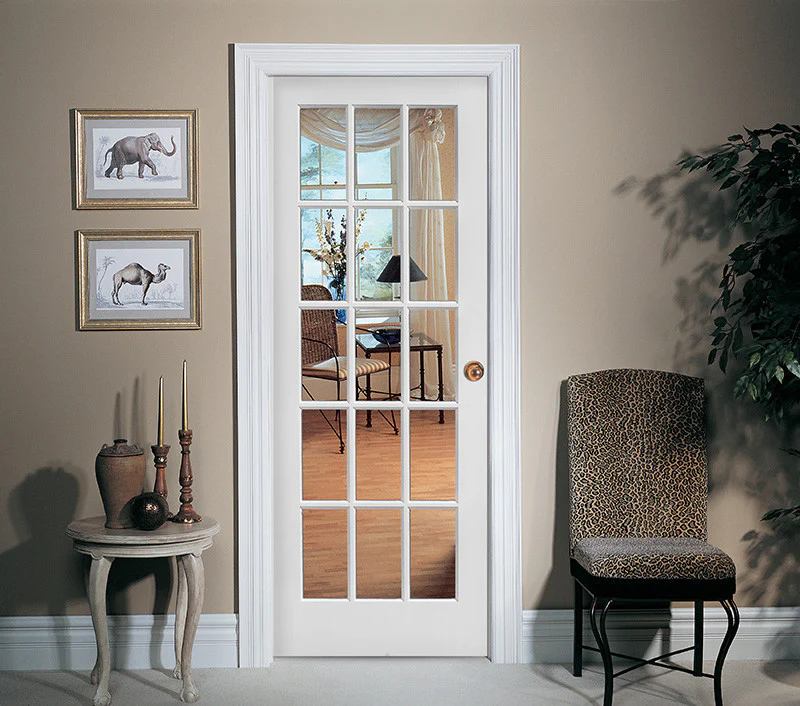
In recent years, French doors have gained immense popularity in home design and have become a coveted architectural feature among homeowners and interior designers alike. These elegant and versatile doors add a touch of timeless sophistication to residential spaces, seamlessly blending indoor and outdoor living areas. This article dives into the trend of French doors, explores their origins, and examines why they have become increasingly popular across various demographics.
Understanding French Doors:
French doors, also known as French windows, are double doors primarily made of glass panels set into a wooden or metal frame. They are typically hinged and open from the center, swinging both inwards and outwards. The glass panels allow an abundance of natural light to flood the interior, creating a sense of spaciousness and connection between indoor and outdoor areas.
Origins of French Doors:
The origins of French doors trace back to the Renaissance period in France, where they were initially designed as large, ornate windows. As architectural tastes evolved, these windows transformed into functional doors while retaining their characteristic elegance and ornamental features. French doors gained popularity in the 17th and 18th centuries, particularly in French architectural styles, where they served as grand entrances to gardens and terraces.
Popularity Among Various Demographics:
- Retail Trend:
- Homeowners' Desire for Natural Light:
- Increasing Indoor-Outdoor Lifestyle:
- Aesthetic Appeal:
The rising popularity of French doors in home design can be attributed to their timeless charm, ability to enhance natural lighting, and their contribution to the seamless integration of indoor and outdoor living spaces. As these doors continue to captivate homeowners and design enthusiasts alike, it is clear that they have become a significant trend in the realm of architectural design.
Market Size and Growth of French Doors
French doors are a popular choice among homeowners due to their elegant design and functionality. These doors consist of individual glass panels framed by wood or metal, offering increased natural light and a seamless connection between indoor and outdoor spaces. In recent years, the market size for French doors has been steadily growing, driven by various factors such as increasing consumer preference for aesthetically pleasing and energy-efficient home solutions.
According to a report by Transparency Market Research, the global market for French doors is expected to reach $17.2 billion by the end of 2027, with a compound annual growth rate (CAGR) of 5.9% during the forecast period 2019-2027. The rising demand for French doors can be attributed to their ability to enhance the visual appeal of a property and create a sense of openness.
In terms of market segmentation, the residential sector dominates the French door market. Homeowners are incorporating French doors into their designs to create a stylish and contemporary living space. Additionally, the growing trend of open-floor plans and the desire for seamless transitions between indoor and outdoor areas have fueled the demand for French doors.
Another significant growth driver for French doors is the increasing focus on energy efficiency. French doors with energy-efficient glass and insulated frames help to reduce heat loss and thermal transfer, thereby improving the energy efficiency of homes. This factor has led to a higher adoption of French doors amongst environmentally conscious consumers.
Moreover, the surging construction industry, especially in developing economies, is expected to contribute to the growth of the French door market. The construction of new residential and commercial buildings, coupled with renovation and remodeling activities, creates a demand for aesthetically pleasing and functional doors such as French doors.
Furthermore, technological advancements in materials and manufacturing processes have led to the availability of a wide range of French doors with improved durability and security features. These advancements have also made French doors more affordable, making them accessible to a larger consumer base.
In conclusion, the market size of French doors is experiencing consistent growth, driven by factors such as the increasing demand for visually appealing and energy-efficient home solutions, rising construction activities, and technological advancements. As consumers continue to prioritize aesthetics, functionality, and sustainability, the market for French doors is expected to expand further in the coming years.
Understanding Consumer Demand and Preferences for French Doors
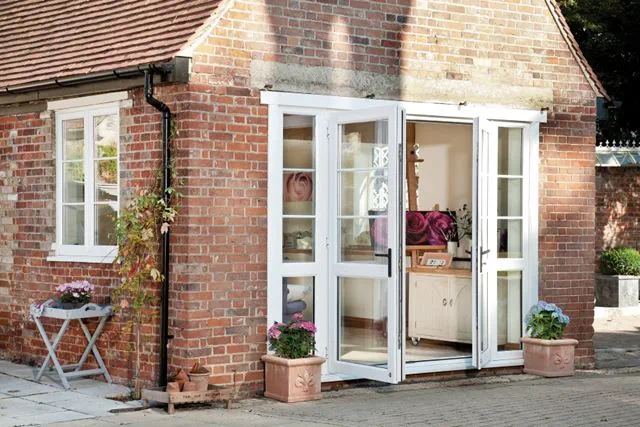
French doors have become a popular choice among homeowners looking to enhance the aesthetic appeal and functionality of their living spaces. These elegant and versatile doors not only allow abundant natural light to enter but also create a seamless connection between indoor and outdoor areas. This section explores the consumer demand and preferences surrounding French doors, enabling manufacturers and retailers to cater to the evolving needs of this market segment.
Increasing Popularity of French Doors:
In recent years, French doors have witnessed a surge in popularity among consumers. The demand for these doors can be attributed to several factors:
- Aesthetics: French doors exude a sophisticated and timeless appeal, enhancing the overall look and feel of any space. Their classic design, typically characterized by multiple glass panels, adds elegance and charm to both modern and traditional homes.
- Natural Light: One of the primary reasons homeowners opt for French doors is their ability to bring in abundant natural light. The large glass panels allow sunlight to flood the room, creating a bright and airy environment.
- Better Connection with the Outdoors: French doors provide a seamless transition between indoor and outdoor spaces, blurring the boundaries and creating an inviting atmosphere. They are especially popular for patios, balconies, and backyard areas.
Preferred Materials:
Materials play a significant role in consumer preferences when choosing French doors. The most popular materials include:
- Wood: Traditional wooden French doors continue to be highly favored for their natural beauty and warmth. They offer a timeless appeal and can be customized to suit various architectural styles.
- Vinyl: Vinyl French doors are gaining traction due to their durability, low maintenance requirements, and cost-effectiveness. They are resistant to moisture, fading, and warping, making them a practical choice for different climates.
- Fiberglass: Fiberglass French doors are known for their excellent thermal performance, energy efficiency, and durability. They are available in a wide range of finishes, including wood-like grains, allowing consumers to enjoy the aesthetic benefits of wood without the associated maintenance.
Features and Functionality:
Consumers have specific preferences when it comes to the features and functionality offered by French doors. Some key factors include:
- Security and Safety Features: Consumers prioritize the safety and security of their homes. French doors equipped with multipoint locking systems, reinforced frames, and impact-resistant glass provide peace of mind.
- Energy Efficiency: With the growing emphasis on sustainability, energy-efficient French doors are highly sought after. Consumers look for doors with low-E glass, weatherstripping, and insulated frames to minimize heat loss and reduce energy bills.
- Customization Options: Homeowners often prefer French doors that can be tailored to their specific requirements. This includes options such as different glass types, decorative grilles, hardware finishes, and size variations.
Understanding consumer demand and preferences is crucial for manufacturers and retailers operating in the French door market. By recognizing the increasing popularity of French doors, the preferred materials, and the desired features and functionality, businesses can cater to the evolving consumer needs. Adapting to these preferences and offering a wide range of options will help capture a larger share of this growing market while satisfying the desire for elegance, natural light, and seamless indoor-outdoor connection that French doors offer.
Industry Players and Competition in the French Doors Market
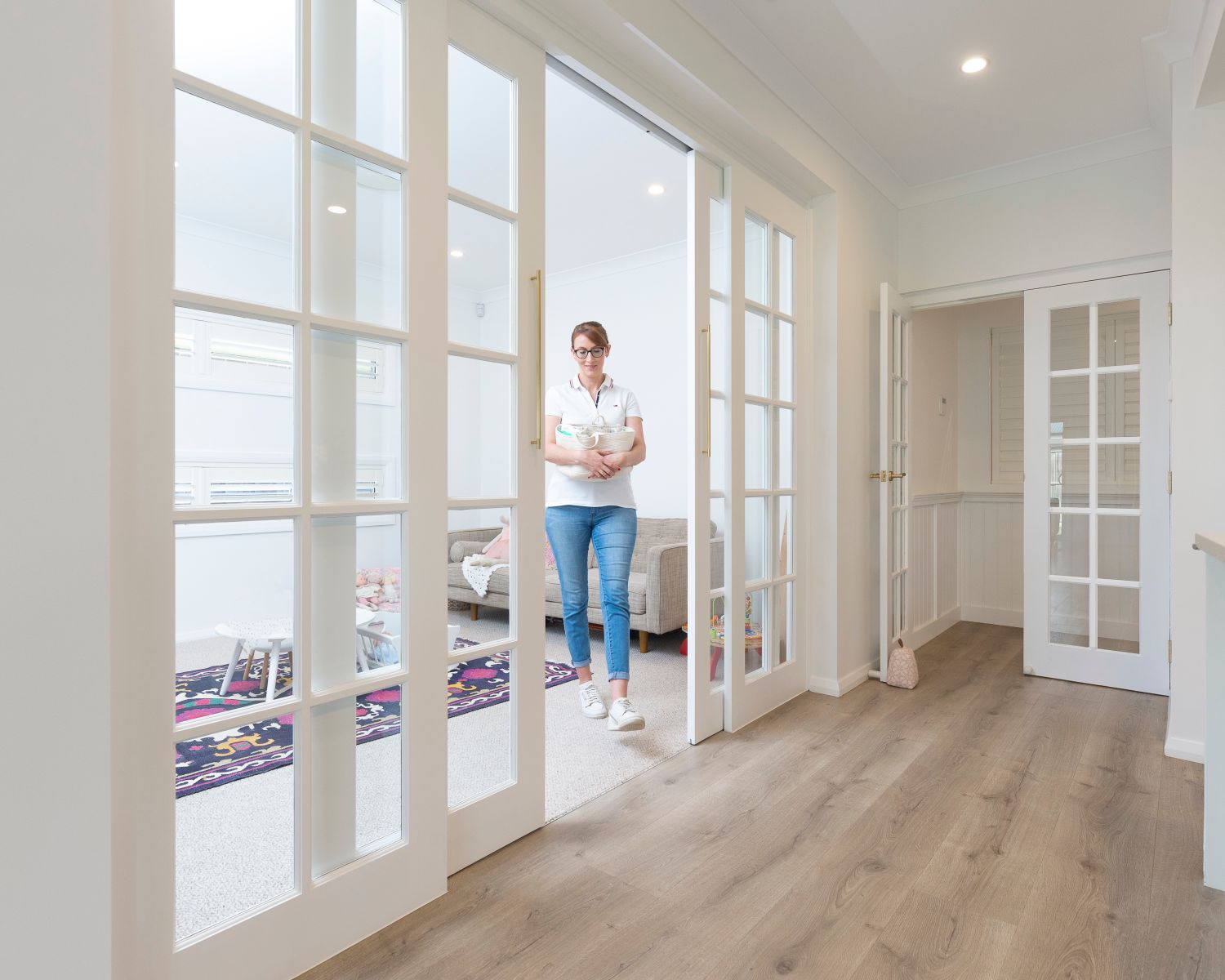
When it comes to the construction and home improvement industry, French doors have become an increasingly popular choice among homeowners. These elegant and functional doors provide a classic and timeless look while allowing natural light to flood into a room. As the demand for French doors continues to grow, various industry players are vying for a share of this competitive market.
Leading Manufacturers
Several established manufacturers have made a name for themselves in the French doors market:
- Pella Corporation: Pella is a well-known and reputable manufacturer of doors and windows. They offer a wide range of French doors in various materials, including wood, fiberglass, and vinyl. With their focus on energy efficiency and innovative designs, Pella has positioned itself as a leading player in the market.
- Andersen Corporation: Andersen is another prominent manufacturer that has been providing high-quality doors and windows for over a century. Their French doors combine durability, functionality, and aesthetic appeal. Andersen offers customization options to meet individual customer preferences, giving them a competitive edge.
- JELD-WEN: JELD-WEN is a global leader in the door and window industry, known for its extensive product portfolio. Their French doors are built with precision and attention to detail, offering a blend of style, durability, and security. JELD-WEN's commitment to sustainable manufacturing practices has also positioned them as a preferred choice for eco-conscious consumers.
Emerging Players
While established manufacturers dominate the French doors market, there are also some emerging players that are disrupting the industry:
- Milgard Windows & Doors: Milgard is gaining recognition for its innovative approach to French door design and quality craftsmanship. The company offers a range of customizable options, including frame materials, hardware finishes, and glass choices. Milgard's emphasis on advanced technology and product performance sets them apart from traditional manufacturers.
- Masonite International Corporation: Masonite is an industry leader in interior and exterior doors. Their French doors are known for their elegance and versatility. Masonite's commitment to sustainability and product innovation has helped them attract a growing customer base looking for stylish and eco-friendly solutions.
Competitive Landscape
The French doors market is highly competitive, with manufacturers constantly striving to differentiate themselves based on product quality, design, and customer service. Some of the key factors contributing to competition in this space include:
- Product Innovation: Manufacturers are investing in research and development to create improved designs and features that meet the evolving needs and preferences of consumers. This includes advancements in energy efficiency, security features, and smart home integration.
- Customization Options: Offering a wide range of customization options allows manufacturers to cater to the unique style and design preferences of individual customers. This differentiation factor gives companies a competitive advantage in attracting customers who seek personalized solutions.
- Quality and Durability: Given that French doors are a long-term investment for homeowners, manufacturers are focused on producing doors that are built to last. The use of high-quality materials, precision manufacturing, and rigorous testing processes are all essential elements of a competitive offering.
- Brand Reputation and Trust: Established manufacturers often have an advantage due to their longstanding reputation and established customer base. However, emerging players can gain market share by building trust through warranties, positive customer reviews, and exceptional service.
As the demand for French doors continues to rise, it is expected that industry players will continue to invest in innovation, customization, and quality to maintain their competitive positions. This competition ultimately benefits consumers, as it drives the market and leads to improvements in product offerings and customer experiences.
Technological Innovation in French Doors: Enhancing Style, Security, and Efficiency
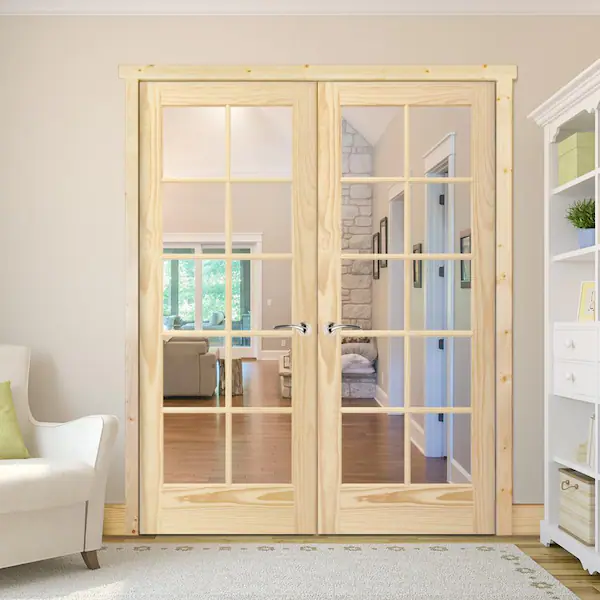
French doors have been a popular architectural feature for many years, adding elegance and sophistication to both residential and commercial spaces. These classically designed doors with glass panels are known for their ability to let in natural light and create a seamless transition between indoor and outdoor areas. While the design of French doors has remained relatively unchanged over the years, technological innovations have been introduced to enhance their functionality, style, security, and energy efficiency.
Smart Door Locks and Home Automation Integration
One significant technological advancement in French doors is the integration of smart door locks and home automation systems. Smart locks provide enhanced security features, allowing homeowners to control access to their homes remotely. With options such as fingerprint recognition, keyless entry, and remote access through a smartphone app, homeowners can monitor and manage who enters their space with ease. Integrating French doors with home automation systems enhances convenience and peace of mind, as they can be integrated with other smart devices such as security cameras, lighting systems, and heating/cooling systems.
Energy-Efficient Glass and Thermal Performance
Improving energy efficiency is another critical focus in the industry, and French doors are no exception. Technological advancements in glass coatings and glazing techniques have led to the development of energy-efficient glass options for French doors. Low-emissivity (Low-E) glass, for example, helps to reduce heat transfer through the glass, enhancing thermal performance and reducing energy consumption for heating and cooling. Additionally, manufacturers have introduced double or triple glazing options with insulating gas fills between the glass panes, further reducing heat loss and enhancing energy efficiency.
Impact-Resistant Materials and Security Features
With security being a top concern for homeowners, French door manufacturers have introduced technological advancements to enhance both the strength and safety features of these doors. Impact-resistant materials, such as reinforced glass and strong framing materials like steel or fiberglass, are now commonly used to make French doors more secure. Additionally, manufacturers have incorporated multipoint locking systems into French doors, which provide multiple locking points along the length of the door, enhancing security against forced entry.
Motorized Opening and Closing Systems
To improve convenience and ease of use, motorized opening and closing systems have been introduced for French doors. With the touch of a button or the use of a remote control, homeowners can effortlessly open or close their French doors. This feature is particularly useful for large or heavy doors and allows for smooth and quiet operation. Motorized systems also enable advanced safety features, such as obstacle detection sensors that can prevent the doors from closing if an obstruction is detected.
Soundproofing and Privacy Solutions
To address concerns regarding noise pollution and privacy, technological innovations have been introduced to minimize sound transmission and enhance privacy in French doors. Acoustic glass technologies help reduce noise infiltration, making French doors ideal for spaces where sound insulation is a priority, such as offices or bedrooms. Moreover, smart glass options, such as switchable or privacy glass, allow homeowners to control the transparency of their French doors, providing privacy when needed or creating an open and transparent space when desired.
Embracing technological innovation, manufacturers are continuously pushing the boundaries of what French doors can offer. These advancements in smart locks, energy efficiency, security features, motorization, and soundproofing solutions have transformed French doors into more than just beautiful architectural elements; they have become functional, secure, and energy-efficient components that elevate the overall experience of spaces. With the growing demand for innovative design and functionality, it is evident that the technological advancements in French doors are set to continue, providing homeowners with even more options to suit their needs and preferences.
Regional Trends and Cultural Influences on French Doors
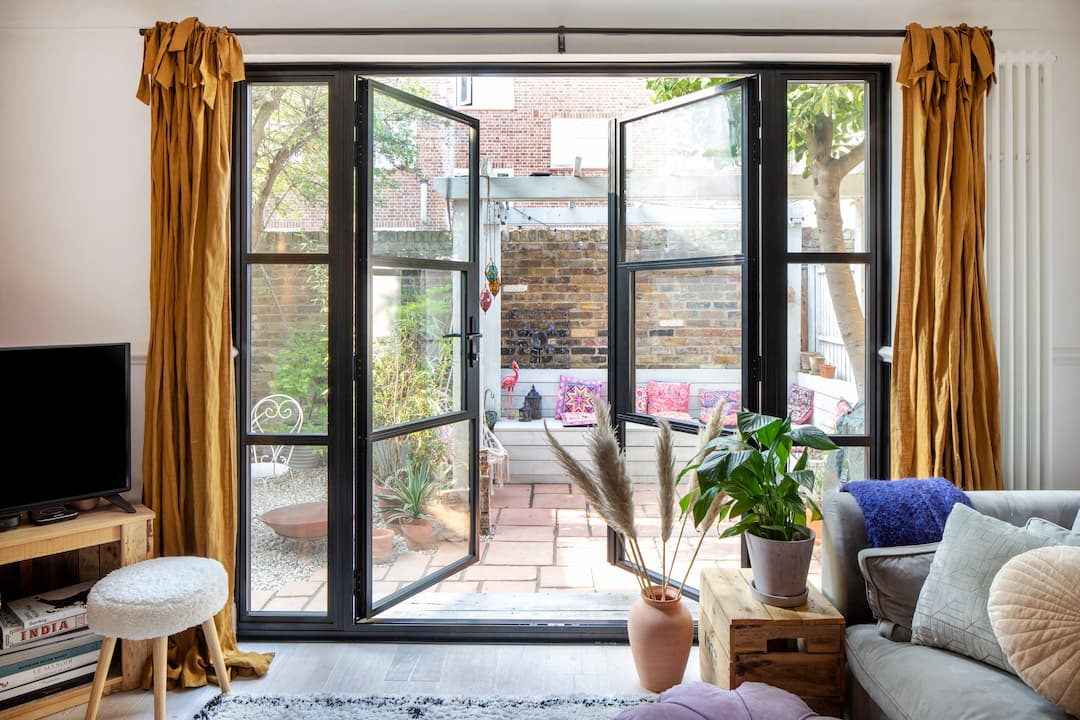
French doors have become popular worldwide for their elegance and classic appeal. However, regional trends and cultural influences can shape the way French doors are used and appreciated in different parts of the world. Let's explore some of the regional nuances and cultural factors that influence the popularity and usage of French doors in various locations.
Europe: Celebrating Traditional Aesthetics
In Europe, the birthplace of French doors, they hold significant historic and architectural value. The European market emphasizes the preservation of traditional aesthetics, making French doors a popular choice for both residential and commercial buildings. Countries like France, Spain, and Italy highlight their rich cultural heritage by incorporating French doors into their architectural designs.
North America: Blending Indoor and Outdoor Living
In North America, French doors often serve as a way to connect indoor and outdoor spaces seamlessly. With its abundance of natural beauty, the region's architectural trends frequently incorporate large glass panels to frame picturesque views. From suburban homes to urban apartments with balconies, French doors are a popular feature, allowing residents to enjoy the outdoors while indoors.
Asia: Incorporating Privacy and Elegance
In Asian cultures that prioritize privacy and elegance, French doors have adapted to suit the local aesthetic. Traditional sliding Japanese doors, known as "fusuma" and "shoji," bear similarities to French doors in terms of creating bordered spaces. By combining elements of classic Western design and Eastern aesthetics, French doors have gained popularity in countries like Japan, China, and South Korea.
Middle East: Encouraging Natural Ventilation and Light
In the hot and arid climate of the Middle East, French doors have a unique role to play. Emphasizing natural ventilation and maximizing natural light, French doors are a common feature in the region's architecture. The doors allow for efficient airflow and can be designed with ornate ironwork patterns, complementing the distinctive Middle Eastern architectural styles.
Australia and New Zealand: Embracing Outdoor Lifestyles
With their love for outdoor living, Australia and New Zealand have integrated French doors into their architectural designs. Often leading to patios, gardens, or verandas, French doors provide a seamless transition between indoor and outdoor spaces, allowing residents to embrace the outdoor lifestyle that is cherished in these regions.
As trends evolve and cultures continue to shape design preferences, French doors adapt to reflect the unique needs and aesthetics of different regions. From celebrating tradition in Europe to merging indoor and outdoor spaces in North America, French doors have demonstrated their versatility in meeting the preferences influenced by regional trends and cultural backgrounds.
The Impact of Social Media and Influencers on the Rising Popularity of French Doors
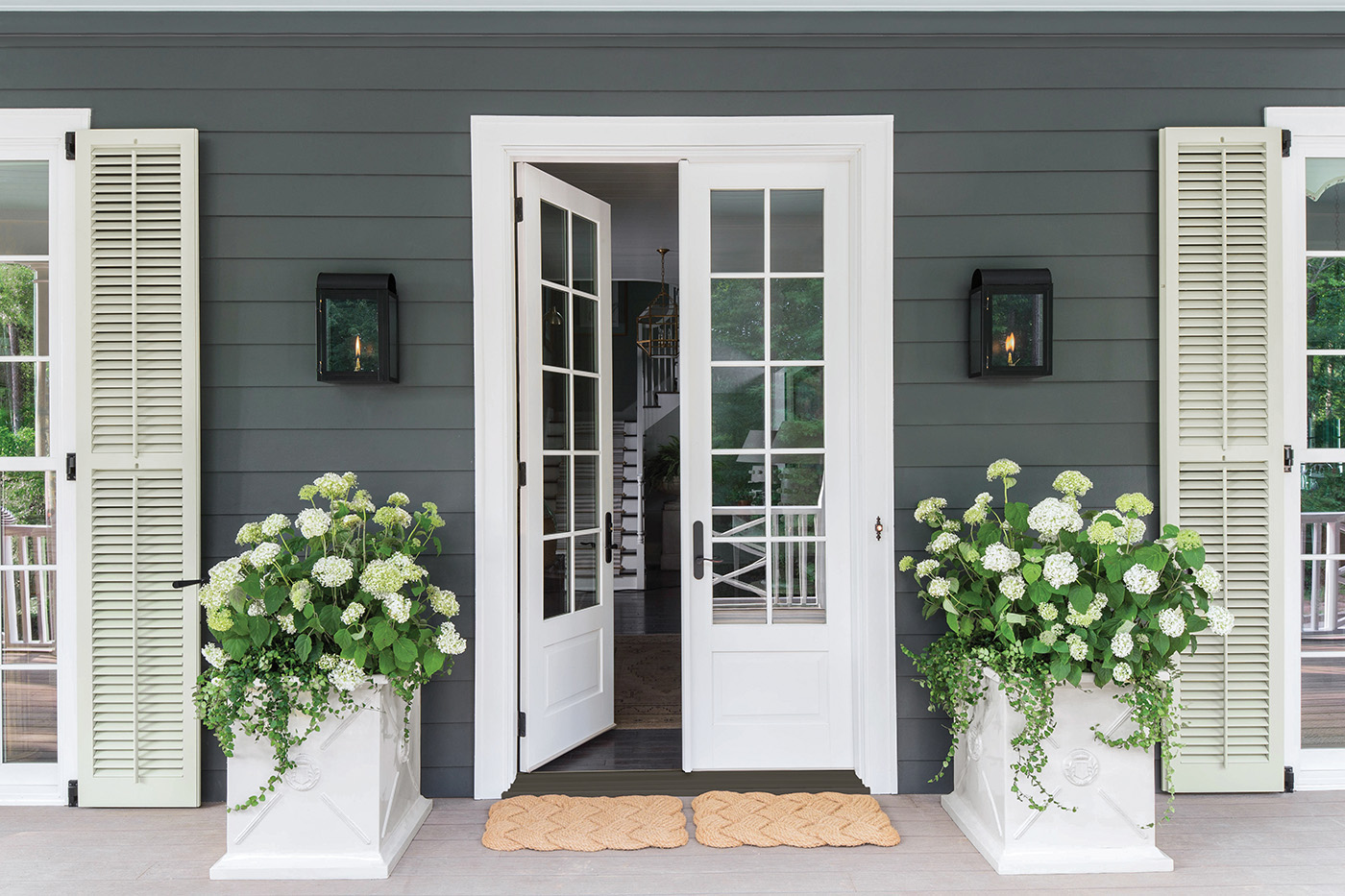
In recent times, the way we discover and interact with new products and ideas has been greatly influenced by social media. Platforms such as Instagram, TikTok, and YouTube have become vital in shaping consumer trends and driving the success of various industries, including home improvement and interior design. One product that has seen a significant surge in popularity, thanks to social media and influencer marketing, is the French door.
French doors, known for their elegance, timeless appeal, and ability to allow natural light to flood into a space, have become a sought-after feature for homeowners and designers. Social media has played a pivotal role in showcasing the beauty and functionality of French doors, and influencers have been instrumental in driving consumer interest and adoption.
One of the primary reasons French doors have gained traction on social media is their aesthetic appeal. Instagram and Pinterest, in particular, have given interior designers and homeowners a platform to showcase their beautiful homes, with French doors often taking center stage. The visual nature of these platforms allows for easy sharing of inspirational images, encouraging others to emulate these design choices.
Influencers specializing in home improvement and interior design have also played a significant role in popularizing French doors. These influencers, with their large followings and credibility, have the power to influence consumer behavior and shape trends. By featuring French doors prominently in their content, they introduce their audience to the allure and practicality of these doors, sparking interest and curiosity.
Through platforms like YouTube and TikTok, influencers have had the opportunity to provide in-depth information and showcase the installation process, maintenance tips, and the different styles of French doors available. By sharing their personal experiences and recommendations, influencers create a sense of trust and reliability, encouraging their followers to consider French doors for their own homes.
Moreover, the accessibility of French doors has been enhanced through influencer collaborations and partnerships. Many influencers collaborate with home improvement brands, promoting French doors as part of their sponsored content. This not only exposes their audience to specific brands but also provides them with unique discount codes or exclusive offers, making these doors more attainable and appealing to a wider range of consumers.
In conclusion, social media and influencer marketing have undoubtedly contributed to the growing popularity of French doors. Through visually-driven platforms and influential personalities, these doors have captivated the interest of homeowners and designers worldwide. The power of social media and influencers in shaping consumer trends cannot be underestimated, as they continue to drive the success and desirability of French doors in the ever-evolving world of home improvement.
The Future Outlook of French Doors: Embracing Elegance and Connection
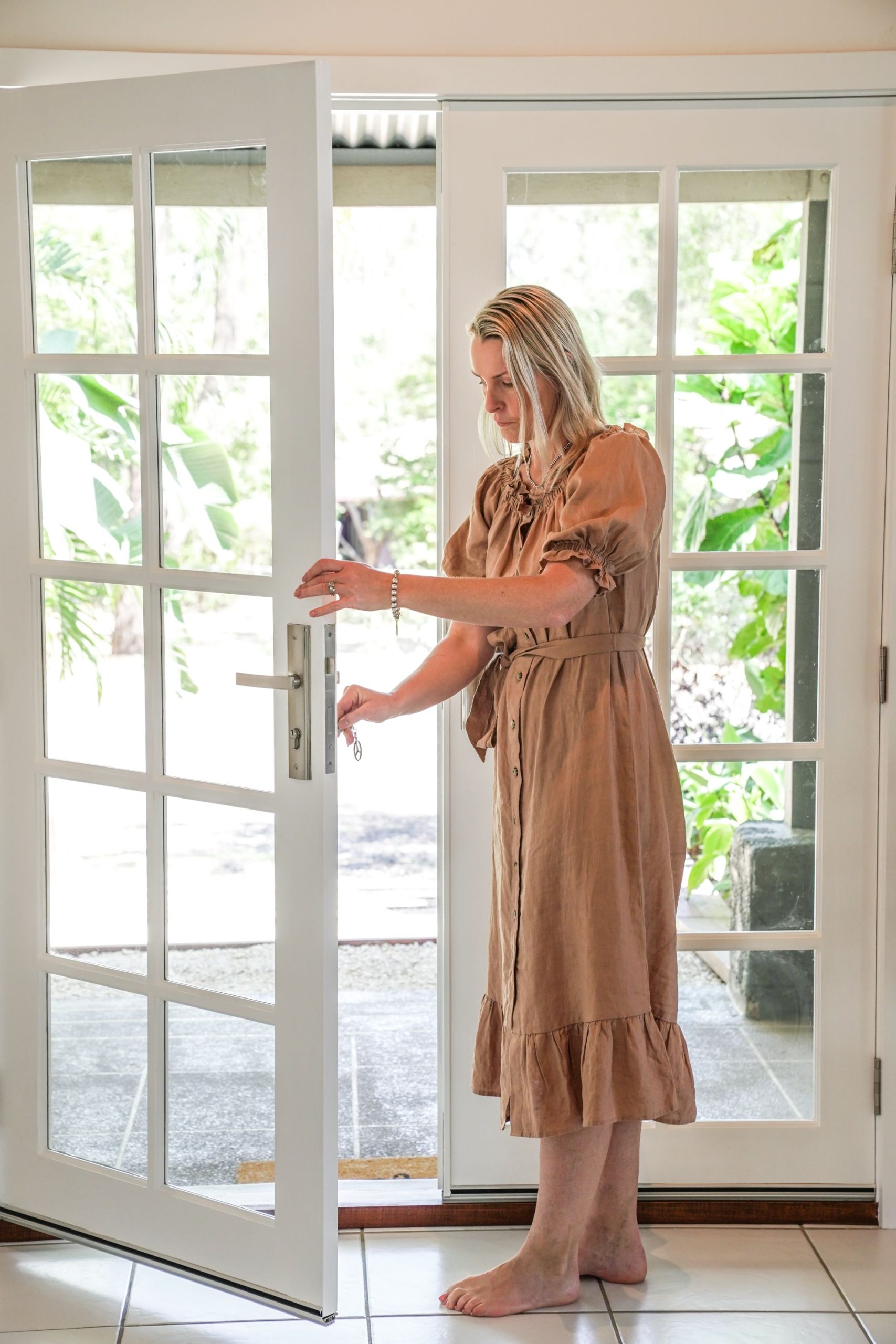
With their timeless elegance and ability to seamlessly blend indoor and outdoor spaces, French doors have been a popular architectural feature for centuries. While they have endured the test of time, the future outlook for French doors remains promising as homeowners and designers continue to prioritize comfort, connection, and sustainability in their living spaces.
Increasing Demand for Indoor-Outdoor Living
One of the key drivers of the French door trend is the growing demand for indoor-outdoor living spaces. As people seek to create a harmonious flow between their indoor and outdoor areas, French doors provide an ideal solution. These doors allow natural light to flood into the interior while providing easy access to the outdoors, enhancing the overall sense of spaciousness and connection with nature.
The desire for outdoor living spaces has only intensified with the COVID-19 pandemic, as people spend more time at home and seek to maximize the use of their outdoor areas. French doors offer a seamless transition between indoor and outdoor spaces, making them a valuable addition to homes, patios, and balconies.
Sustainable Design
In an era of increasing environmental consciousness, sustainable design is becoming a significant consideration for homeowners. French doors, with their large glass panels, contribute to energy efficiency by allowing ample natural light to enter the home, reducing the need for artificial lighting during daylight hours. This can result in a reduced reliance on electricity and a lower carbon footprint.
Additionally, modern advancements in glass technology have significantly improved the energy efficiency of French doors. Low-E coatings, insulated glass, and thermally broken frames help to minimize heat transfer, keeping homes cooler in the summer and warmer in the winter. As sustainability continues to be a priority, the demand for energy-efficient French doors is expected to rise.
Continued Emphasis on Aesthetic Appeal
French doors have long been admired for their classic beauty and ability to enhance the architectural style of a home. As interior design trends evolve, French doors remain a popular choice for their ability to add an element of sophistication and charm to any space.
To meet the evolving design preferences of homeowners, manufacturers are offering a wide range of customization options for French doors. From different frame materials (such as wood, fiberglass, or aluminum) to varied glass patterns, homeowners can select the perfect French doors to complement their interior and exterior aesthetics.
Technology Integration
With the rapid advancement of technology in the home, it is expected that French doors will also evolve to integrate smart features. Homeowners can already find French doors equipped with smart locks, sensors, and automated opening systems that can be controlled remotely via smartphones or connected home devices. These advancements not only enhance convenience but also contribute to the overall security and functionality of the doors.
As the Internet of Things (IoT) becomes more prevalent in households, the potential for French doors to become an integral part of smart home ecosystems is promising. Imagine doors that can sense the weather conditions and adjust their opening and closing mechanisms accordingly, or doors that automatically adjust their transparency based on privacy settings. These possibilities can further elevate the user experience and enhance the future prospects of French doors.
In conclusion, the future outlook for French doors appears bright. Their ability to create a seamless connection between indoor and outdoor spaces, their contribution to sustainable design, their timeless aesthetic appeal, and the potential for technology integration position French doors as a trend that will continue to grow in popularity. Homeowners and architects alike can look forward to the continued evolution of this architectural feature as it adapts to the changing needs and preferences of modern living.
French Doors: A Timeless Trend of Elegance and Functionality
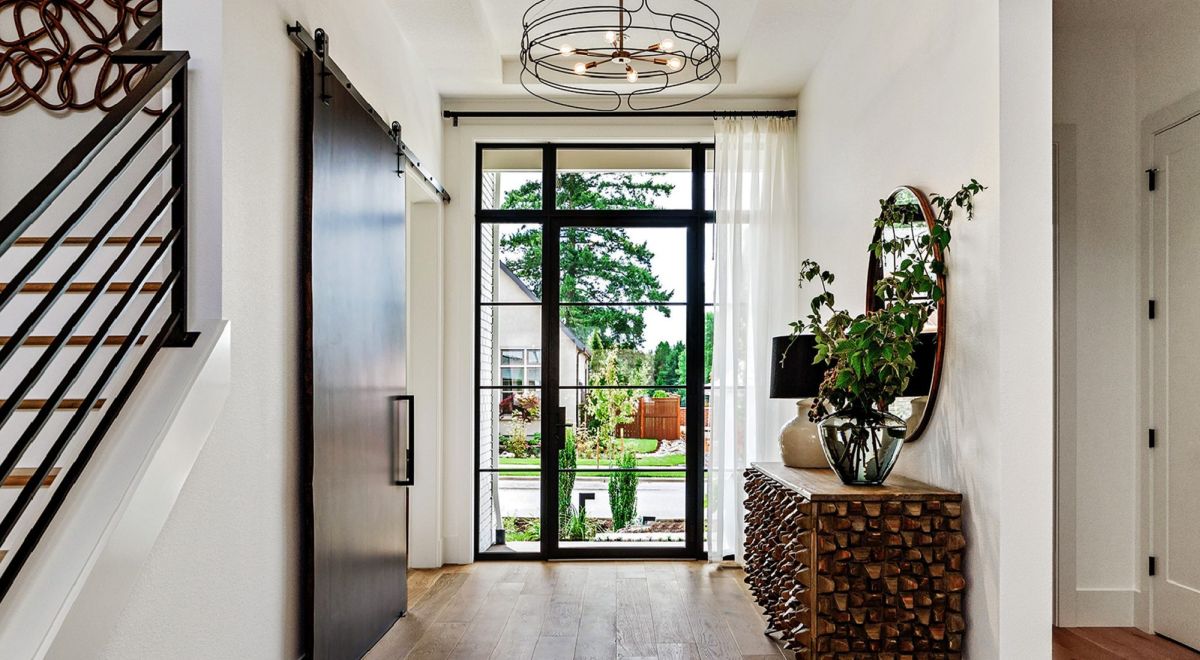
French doors have emerged as a timeless trend in the world of interior design and home renovations. These elegant and functional doors have gained popularity due to their ability to create a seamless transition between indoor and outdoor spaces while adding a touch of sophistication to any room. After analyzing market data and consumer behavior, we have identified several key findings and insights that shed light on the rising popularity of French doors.
Blurring the Boundaries
One of the main reasons behind the surge in demand for French doors is their ability to blur the boundaries between indoor and outdoor spaces. Homeowners are increasingly seeking a seamless connection with nature and a greater flow of natural light. French doors, with their large glass panels and minimalistic frames, allow for unobstructed views of the outdoors, making it feel like an extension of the living space.
Enhancing Aesthetics
As the field of interior design continues to evolve, homeowners are placing more emphasis on aesthetics and visual appeal. French doors, often featuring intricate patterns and elegant glasswork, serve as a focal point in a room. They bring a sense of grandeur and sophistication to any space, acting as a captivating architectural feature that enhances the overall charm of a home.
Versatility in Design
French doors offer a wide range of design options, catering to various architectural styles and personal preferences. They can be customized with diverse materials, from traditional wood to modern aluminum or uPVC. Additionally, homeowners can choose from a variety of panel configurations, including single, double, or sliding doors. This versatility allows for seamless integration into different types of homes, regardless of their size or style.
Functionality and Space Optimization
Apart from their aesthetic appeal, French doors also offer practical benefits. They allow for better natural ventilation and airflow, contributing to a more comfortable living environment. Moreover, French doors create an illusion of spaciousness, particularly in smaller rooms, by allowing unobstructed views and maximizing the entry of natural light.
Investment in Home Value
French doors have become a popular choice for homeowners looking to increase the value of their property. Real estate agents often highlight the presence of French doors as a selling point, as they add an element of luxury and sophistication. By investing in French doors, homeowners not only enhance their living spaces but also improve the resale potential of their homes.