

Unlocking Health Insights: Exploring the Surging Trend of Advanced Blood Testing

The Rising Popularity of Blood Tests: Unveiling Health Insights

In recent years, blood tests have gained significant popularity as a powerful tool for obtaining essential health insights. These tests, often performed in healthcare settings, analyze blood samples to provide valuable information about an individual's overall health and potential medical conditions. The increasing demand for blood tests can be attributed to their ability to detect diseases, monitor treatment effectiveness, and identify potential health risks. Origins of blood tests can be traced back to ancient civilization, where physicians recognized the importance of examining blood to diagnose illness. Today, blood tests have become an integral part of medical care, offering invaluable insights into individuals' health across various demographics.
Let's dive deeper into the reasons behind the growing popularity of blood tests and the impact they have on different population groups.
The Expanding Market Size and Sustained Growth of Blood Tests
The market size of blood tests is rapidly expanding as there is an increasing demand for reliable diagnostic tools to monitor health conditions and aid in disease detection and prevention. A blood test, also known as a blood panel or blood work, is a medical procedure that analyzes a person's blood sample to measure various parameters such as blood cell counts, hormone levels, cholesterol levels, glucose levels, and the presence of specific antibodies or biomarkers.
Market Size and Value
The global market for blood tests has been experiencing substantial growth over the past decade and is expected to continue its upward trajectory. According to a report by Grand View Research, the global blood testing market size was valued at over $60 billion in 2020. Factors such as the rising prevalence of chronic diseases, technological advancements in diagnostic devices, and the increasing geriatric population have contributed to the market's expansion.
Growing Prevalence of Chronic Diseases
The growing prevalence of chronic diseases, such as cardiovascular disorders, diabetes, cancer, and infectious diseases, has played a significant role in driving the demand for blood tests. These tests provide clinicians with essential information about a patient's overall health condition, aiding in the diagnosis, treatment, and management of various diseases.
Technological Advancements and Point-of-Care Testing
Advancements in technology have revolutionized the field of blood testing, making it more accurate, accessible, and efficient. The introduction of point-of-care testing (POCT) systems has particularly fueled market growth. POCT allows for quick and convenient testing at the patient's bedside, eliminating the need for samples to be sent to centralized laboratories.
Rising Geriatric Population
The global population is aging, with the number of elderly individuals rising significantly. The elderly are more susceptible to chronic conditions, thereby increasing the demand for blood tests for effective disease management. The geriatric population is anticipated to fuel market growth as healthcare providers focus on preventive and proactive measures, necessitating regular blood tests.
COVID-19 Pandemic Impact
The ongoing COVID-19 pandemic has further amplified the significance of blood tests. These tests play a vital role in diagnosing and monitoring COVID-19 infections, assessing immunity through antibody testing, and studying potential long-term effects of the virus on various body functions. As a result, the market for blood tests has witnessed exponential growth during the pandemic.
Future Growth Prospects
The market for blood tests is projected to witness sustained growth in the coming years. Factors such as increasing healthcare expenditure, the introduction of advanced technologies, and a growing emphasis on personalized medicine are expected to drive the market. Additionally, rising awareness about preventive healthcare, coupled with the integration of artificial intelligence in diagnostics, is likely to contribute to the expansion of the blood testing market.
In conclusion, the market size of blood tests is expanding globally due to the rising prevalence of chronic diseases, technological advancements, the growing geriatric population, and the impact of the COVID-19 pandemic. As the demand for accurate and reliable diagnostic tools continues to rise, the blood testing market is expected to experience sustained growth and present lucrative opportunities for healthcare providers and diagnostic companies alike.
Consumer Demand and Preferences for Blood Tests: Understanding the Growing Need for Diagnostic Tools

In recent years, there has been a significant increase in consumer demand for blood tests, driven by the growing need for diagnostic tools and personalized healthcare. Blood tests have become an essential aspect of medical examinations, enabling doctors to diagnose various health conditions, monitor disease progression, and assess treatment effectiveness. As advancements in technology and healthcare continue to unfold, consumers are increasingly embracing blood tests as a means of proactive health management.
The Rise of Personalized Healthcare
One of the key factors driving the demand for blood tests is the shift towards personalized healthcare. Individuals today have become more proactive about their health and are seeking personalized solutions tailored to their specific needs. Blood tests provide valuable insights into an individual's health status by measuring various biomarkers, such as cholesterol levels, blood glucose, hormone imbalances, vitamin deficiencies, and genetic markers. These tests help identify potential health risks, allowing individuals to make informed decisions about their lifestyle choices and enabling healthcare providers to offer targeted treatments and interventions.
Prevention Over Cure
Another important factor influencing consumer demand for blood tests is the increasing focus on preventive healthcare. Instead of waiting for symptoms to manifest, individuals are now looking for ways to detect health issues at an early stage when they can be more effectively managed or treated. Blood tests offer an opportunity for early detection and intervention, helping individuals prevent the onset of chronic diseases or enabling earlier intervention for better health outcomes. The ability of blood tests to identify potential health risks provides consumers with peace of mind and empowers them to take control of their health.
Convenience and Accessibility
Consumer preferences for convenience and accessibility have also played a significant role in driving the demand for blood tests. Traditional healthcare models often required individuals to visit healthcare facilities or clinics for blood tests, which involved tedious wait times and multiple appointments. However, with the advent of direct-to-consumer diagnostic testing services, individuals can now conveniently order blood tests online and collect their samples at home. This innovation has not only simplified the process but has also made it more accessible to a wider range of consumers.
The Role of Technology
Advancements in technology have contributed to the popularity of blood tests and influenced consumer preferences. The development of portable blood testing devices and the integration of digital health platforms enable individuals to track their health parameters easily. Additionally, the availability of app-based platforms and telemedicine services allows consumers to access their test results and consult healthcare professionals remotely, further enhancing convenience and accessibility.
Consumer demand and preferences for blood tests have rapidly evolved over recent years, driven by the shift towards personalized healthcare, a focus on preventive measures, and the increasing need for convenience and accessibility. As technological advancements continue to transform the healthcare landscape, blood tests are likely to play an even more significant role in proactive health management. Healthcare providers and diagnostic companies must understand and respond to these evolving consumer demands to ensure the seamless integration of blood tests into the broader healthcare ecosystem.
The Blood Test Industry Players and Competitive Landscape
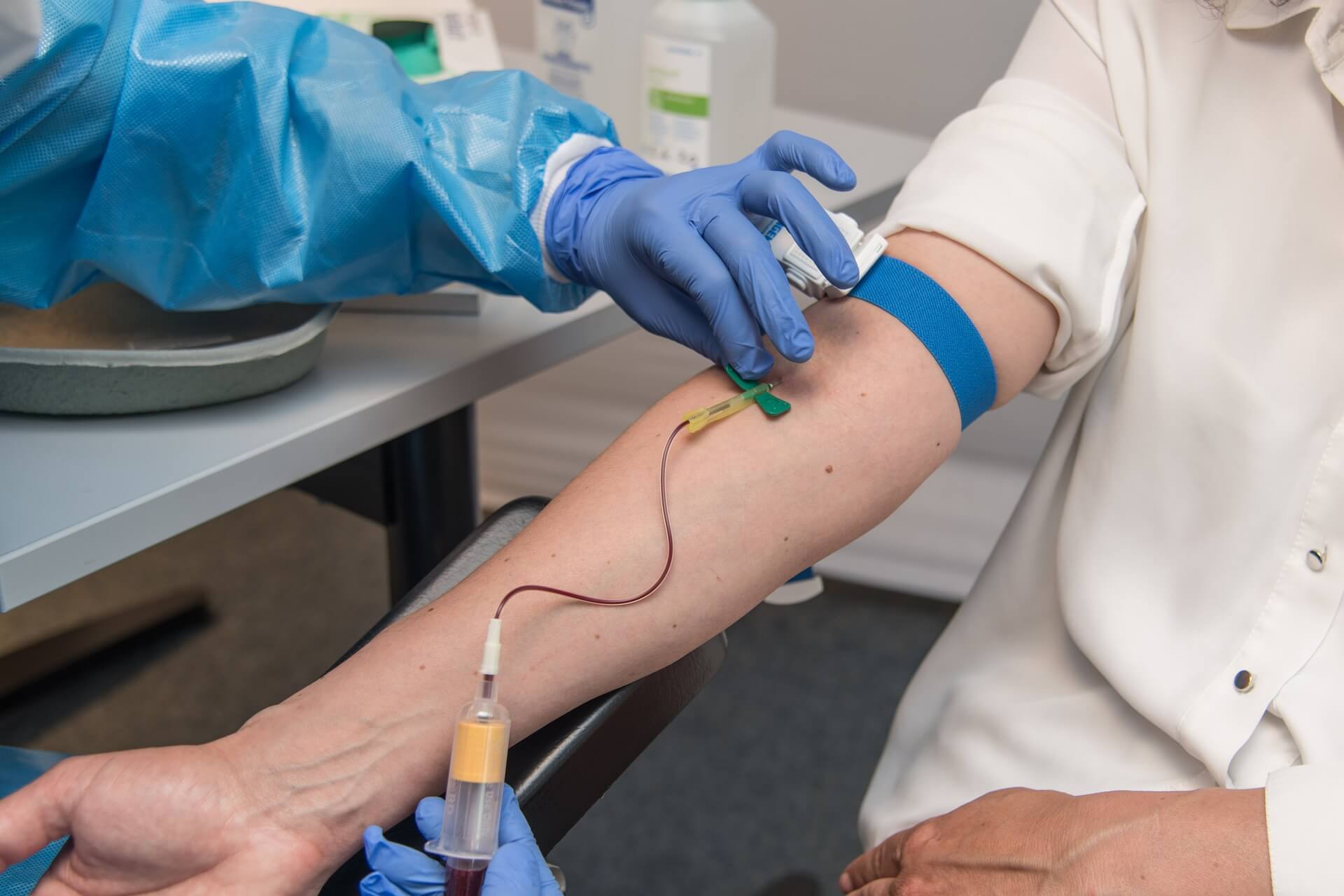
The blood test industry has emerged as a critical part of healthcare, aiding in disease diagnosis, treatment monitoring, and wellness assessments. As the demand for personalized and preventive healthcare grows, the industry players and competition have intensified. Let's explore the key players and the competitive landscape in the blood test sector.
Major Industry Players
- Quest Diagnostics: Quest Diagnostics is a leading provider of diagnostic information services. They offer a wide range of blood tests, including routine tests, advanced diagnostics, and genetic testing. With a vast network of laboratories, they serve millions of patients every year.
- LabCorp: LabCorp is another major player in the blood test industry. Like Quest Diagnostics, LabCorp provides an extensive range of blood testing services. They offer tests for general health screening, disease detection, and monitoring, catering to both individual consumers and healthcare providers.
- Roche Diagnostics: Roche Diagnostics is a prominent global player in the diagnostics industry. They offer a comprehensive portfolio of blood testing solutions, including innovative diagnostic assays and platforms. Roche Diagnostics focuses on advancing personalized healthcare through their cutting-edge technologies.
- Abbott Laboratories: Abbott Laboratories is a diversified healthcare company that operates in various segments, including diagnostics. They provide a wide variety of blood tests, ranging from routine tests to specialized diagnostic assays. Abbott is known for its focus on research and development, aiming to improve healthcare outcomes.
- Bio-Rad Laboratories: Bio-Rad Laboratories is a leading provider of specialty clinical diagnostics and life science research products. They offer a range of blood testing solutions, including immunoassay systems and instruments. Bio-Rad focuses on delivering accurate and reliable results to support clinical decision-making.
Emerging Industry Players
Apart from the established players, several emerging companies are driving innovation in the blood test industry. These companies often specialize in specific areas or introduce disruptive technologies. Some notable emerging players include:
- Theranos: Although facing challenges in the past, Theranos disrupted the industry with its claims of conducting multiple blood tests using minimal samples. While the company faced legal issues and dissolved in 2018, its impact on the industry cannot be overlooked.
- GRAIL: GRAIL is a biotechnology company that focuses on early cancer detection through blood tests. They are developing a multi-cancer early detection test that analyzes circulating tumor DNA in the blood. GRAIL's innovative approach aims to revolutionize cancer screening and improve patient outcomes.
Competitive Landscape
The blood test industry is highly competitive, with players striving to offer better capabilities, accuracy, and faster turnaround times. Competition in the industry is driven by factors such as technological advancements, pricing strategy, geographic reach, and the ability to provide comprehensive test offerings. Moreover, as the demand for blood tests increases, many smaller diagnostic laboratories and startups are entering the market, creating further competition. These players often specialize in niche areas, such as genetic testing or advanced biomarker analysis.
To stay competitive, companies are investing in research and development to develop new tests and improve the accuracy and efficiency of existing ones. They are also exploring partnerships and collaborations with healthcare providers to expand their reach and improve patient access to blood testing services.
In conclusion, the blood test industry is witnessing intense competition among major players, focused on delivering accurate and comprehensive testing solutions. While established companies like Quest Diagnostics and LabCorp dominate the market, emerging players like GRAIL are disrupting the industry with innovative approaches. The competitive landscape is constantly evolving as new technologies and diagnostic methods emerge, and smaller players strive to gain market share.
Revolutionizing Healthcare: The Technological Innovation in Blood Testing

In recent years, there has been a remarkable surge in technological advancements across various sectors, and the field of healthcare is no exception. One area that has witnessed significant innovation is blood testing. These tests play a vital role in diagnosing diseases, monitoring treatments, and detecting potential health issues. Technological breakthroughs have transformed traditional blood testing methods, making them more efficient, accurate, and accessible. In this article, we delve into some of the latest technological innovations in blood testing.
Point-of-Care Testing (POCT):
Point-of-care testing (POCT) enables healthcare professionals to conduct blood tests immediately at the patient's location, such as bedside, clinic, or home, without the need for a centralized laboratory. This innovation has revolutionized healthcare by providing faster results, facilitating quicker diagnoses, and improving patients' overall experience. POCT devices are portable and handheld, allowing for real-time monitoring and streamlined treatment decisions. These advancements are particularly significant in emergency situations, where time is of the essence.
Microfluidic Technology:
Microfluidic technology involves manipulating small amounts of fluids to accomplish various chemical, biological, and medical tasks. It has gained immense popularity in blood testing due to several advantages, such as miniaturization, automation, reduced sample volume, and increased sensitivity. Microfluidic devices can perform multiple tests using microliters of blood, minimizing the sample requirement while maintaining accuracy. These innovative devices offer the potential for rapid and low-cost diagnostic solutions, paving the way for quicker and more accessible blood testing globally.
Lab-on-a-Chip (LoC) Technology:
Lab-on-a-Chip (LoC) technology involves integrating multiple laboratory functions onto a single microchip. This innovation has greatly advanced blood testing by allowing for miniaturized analytical systems that require only a small volume of blood. LoC devices enable rapid testing and analysis of various biomarkers, including proteins, enzymes, and genetic material, in a high-throughput manner. They provide the capability to perform comprehensive panels of tests using a minimal amount of blood without compromising accuracy. This technology holds great promise for personalized medicine and precision diagnostics.
Non-Invasive Blood Testing:
Traditional blood testing methods often require invasive procedures, such as venipuncture, which can be uncomfortable and inconvenient for patients. However, recent technological advancements have paved the way for non-invasive blood testing methods, eliminating the need for needles and offering a more patient-friendly experience. One such innovation is the development of microsampling devices, which collect small blood samples through painless methods like finger-prick or saliva collection. Non-invasive blood testing has the potential to revolutionize healthcare by enabling frequent, convenient, and less stressful monitoring of various health parameters.
The continuous technological innovation in blood testing is transforming healthcare, making it more personalized, efficient, and patient-centered. Point-of-care testing, microfluidic technology, lab-on-a-chip devices, and non-invasive blood testing methods are just a few examples of the remarkable advancements that have revolutionized traditional blood testing procedures. These innovations are empowering healthcare professionals with faster and more accurate diagnostic tools while enhancing patient experience and accessibility. As technology continues to evolve, the future of blood testing holds immense potential in improving healthcare outcomes worldwide.
Regional Trends and Cultural Influences on Blood Tests
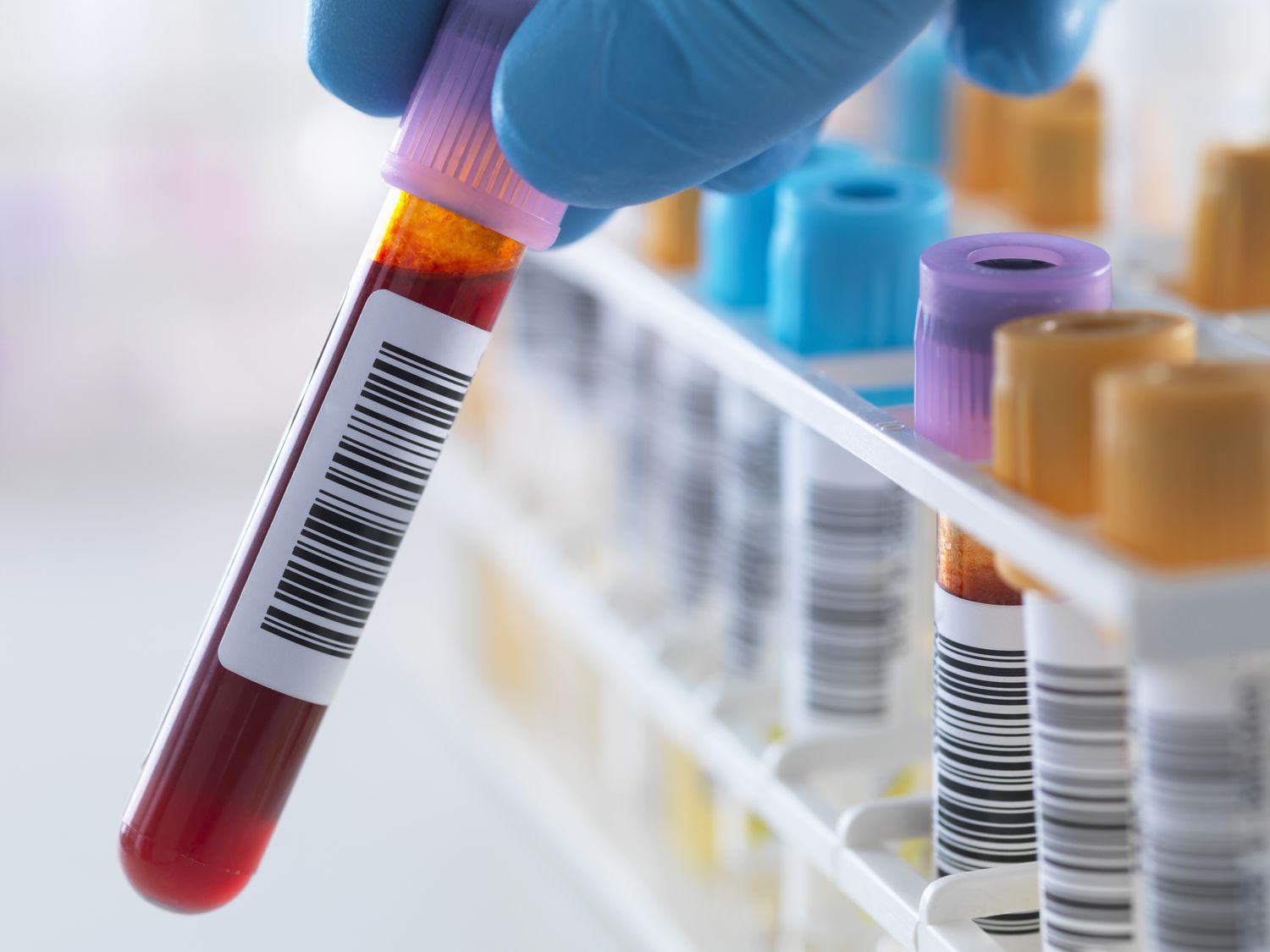
Blood tests are medical procedures that are performed to analyze various aspects of a person's health. While the science behind blood tests remains consistent globally, regional trends and cultural influences can have a significant impact on the way they are utilized and perceived in different parts of the world. These factors can influence the frequency of blood tests, the specific parameters tested, and even the social or cultural acceptance of such procedures.
Regional Trends and Frequency of Blood Tests
The frequency at which blood tests are conducted can vary across regions due to differences in healthcare systems, access to healthcare facilities, and medical guidelines. In some countries, routine blood tests are part of a regular check-up and are encouraged as a preventive measure. For example, in the United States, blood tests are often used to screen for conditions such as high cholesterol, diabetes, and vitamin deficiencies.
On the other hand, in regions with limited access to healthcare, blood tests may be conducted less frequently. This could be due to factors like resource constraints, lack of awareness, or cultural beliefs. For instance, in rural areas of certain developing countries, the availability of healthcare facilities and the cost of blood tests may limit their usage primarily to the diagnosis and monitoring of specific diseases.
Cultural Influences on Blood Tests
Cultural factors can play a crucial role in shaping the perception and utilization of blood tests. For instance, in some cultures, there may be a preference for natural or traditional remedies over medical interventions. This might result in a lower acceptance of routine blood tests or a preference for alternative diagnostic methods.
Additionally, cultural beliefs or stigmas related to blood can influence the willingness of individuals to undergo blood tests. In some societies, blood is considered sacred or spiritually significant, and the act of drawing blood may be perceived as invasive or taboo. This can impact the acceptance and compliance of individuals with recommended blood tests.
Parameters Tested in Blood Tests
The specific parameters tested in blood tests may also vary based on regional trends and cultural influences. Although the fundamental tests, such as complete blood count (CBC) and blood chemistry panels, are standard across the globe, there could be variations in the inclusion of region-specific markers.
For example, certain regions with a high prevalence of specific health conditions, such as iron deficiency anemia or certain genetic disorders, may incorporate additional tests to screen for these conditions. Similarly, dietary habits, cultural practices, or environmental factors may influence the inclusion of specific markers in blood tests. This ensures that the tests are relevant to the health concerns prevalent in a particular region.
Regional trends and cultural influences significantly impact the utilization, acceptance, and parameters tested in blood tests. Understanding these factors is crucial for healthcare providers, researchers, and policymakers to ensure that blood tests are tailored to specific regions and cultures, fostering patient engagement and health outcomes. As the field of personalized medicine continues to evolve, recognizing these regional trends and cultural influences becomes increasingly essential for providing effective and culturally sensitive healthcare.
The Impact of Social Media Influencers on the Blood Test Industry

In recent years, the influence of social media on consumer behavior has grown exponentially. Social media platforms have become powerful tools for individuals to connect and share information, as well as for businesses to market their products and services. One industry that has experienced the impact of social media and influencer marketing is the blood test sector. In this article, we will delve into how social media influencers are reshaping the blood test industry and the implications this holds for both consumers and providers.
- The Rise of Influencer Marketing: Influencer marketing has gained traction across various industries, and the blood test sector is no exception. With the rise of health and wellness trends, influencers are leveraging their digital presence to promote the benefits of blood testing. By sharing personal experiences, success stories, and informative content, influencers drive awareness and engage their followers in conversations about the importance of monitoring their health through blood tests.
- Education and Advocacy: Social media influencers have a significant role to play in educating the public about blood tests. They often collaborate with healthcare professionals, laboratories, and testing companies to create informative content that simplifies complex medical jargon and highlights the significance of various parameters measured in blood tests. This educational aspect of influencer marketing helps demystify blood testing, making it more accessible and encouraging people to prioritize their health.
- Trust and Authenticity: One of the key reasons why influencer marketing is successful in the blood test industry is the trust and authenticity that influencers can bring to their recommendations. Followers often view influencers as relatable individuals who have firsthand experience with various aspects of health and wellness. As a result, their recommendations and endorsements can carry a lot of weight and influence consumer decisions to undergo specific blood tests or choose particular providers.
- Awareness and Accessibility: The reach and impact of social media influencers extend beyond just education. They also play a crucial role in raising awareness about specific blood tests and making them more accessible to a wider audience. By showcasing their own experiences or collaborating with testing companies to offer discounted rates or promotions, influencers encourage their followers to seek blood tests and prioritize their well-being.
- Challenges and Considerations: While influencer marketing has numerous benefits for the blood test industry, there are some challenges and considerations that both influencers and consumers need to be aware of. First and foremost, it is important to ensure that influencers are partnering with credible and reliable testing providers to maintain the integrity of their recommendations. Additionally, consumers should be cautious of misleading claims or promotions and conduct thorough research before making any decisions based solely on influencer endorsements.
In conclusion, social media influencers are playing a significant role in reshaping the blood test industry. Their ability to educate and raise awareness, foster trust and authenticity, and make blood tests more accessible has a profound impact on consumer behavior. As influencer marketing continues to evolve, providers and consumers must navigate the opportunities and challenges associated with this digital phenomenon to ensure responsible and informed decision-making in the realm of blood testing.
The Future Outlook and Forecast of Blood Tests

Blood tests have proven to be an invaluable tool in diagnosing and managing various medical conditions. These tests analyze different components of the blood, providing important insights into a person's overall health. As technology continues to progress, the future of blood tests holds significant potential for innovations that will enhance their accuracy, accessibility, and efficiency. In this section, we will explore the future outlook and forecast of blood tests, highlighting the key trends that are expected to shape this field in the coming years.
- Advancements in Technology: The future of blood tests will undoubtedly be influenced by advancements in technology. Emerging technologies such as microfluidics, lab-on-a-chip devices, and point-of-care testing are poised to revolutionize the traditional blood testing process. These technologies enable faster, smaller, and portable blood testing devices that can deliver results within minutes, even outside traditional laboratory settings. The development of novel sensing technologies, including biosensors and nanotechnology, will further enhance the accuracy and sensitivity of blood tests, making them even more valuable in diagnosing and monitoring diseases.
- Personalized Medicine: The rise of personalized medicine will have a significant impact on the future of blood tests. With advances in genomics and molecular diagnostics, blood tests are increasingly playing a vital role in tailoring medical treatments to individual patients' specific needs. Genetic testing using blood samples can provide valuable information about a person's predisposition to certain diseases, their response to specific drugs, and their overall genetic profile. Integrating genetic data with traditional blood testing will enable healthcare professionals to make more informed decisions regarding disease prevention, diagnosis, and treatment.
- Early Disease Detection and Prevention: Blood tests have long been used for disease detection, but the future holds immense potential in terms of identifying diseases at their earliest stages. Liquid biopsies, which involve the analysis of circulating tumor cells, circulating DNA, and other biomarkers in the bloodstream, have showcased promising results for the early detection of various types of cancer. These non-invasive tests can provide valuable information that allows for early intervention and improved patient outcomes. In the future, blood tests may also be able to detect other diseases, such as neurodegenerative disorders, autoimmune conditions, and infectious diseases, at their earliest stages, enabling timely treatment and prevention strategies.
- Enhanced Healthcare Accessibility: One of the most significant trends in blood testing's future outlook is the improvement in healthcare accessibility. With the development of portable, handheld blood testing devices, individuals will have greater control over their health monitoring. These user-friendly devices will enable patients to take blood tests at home, eliminating the need for frequent visits to healthcare facilities. The integration of telemedicine and remote monitoring technologies will further enhance the accessibility of blood tests, allowing individuals in remote areas to receive timely healthcare guidance based on their test results.
The future of blood tests holds tremendous potential for revolutionizing disease diagnosis, treatment, and prevention. With advancements in technology, the rise of personalized medicine, a focus on early disease detection, and improved healthcare accessibility, blood tests are set to become even more integral to healthcare systems worldwide. These advancements will not only improve patient outcomes but also contribute to the overall efficiency and effectiveness of healthcare delivery. As ongoing research and development efforts continue, the future of blood tests looks promising, with the potential to transform the way we approach healthcare.
Unleashing the Potential of Blood Tests: Key Findings and Insights

Key Findings:
- Growing Shift Towards Personalized Healthcare: One of the key findings in the realm of blood tests is the increasing focus on personalized healthcare. Instead of relying solely on symptoms and traditional diagnostic approaches, blood tests provide a comprehensive picture of an individual's health, enabling personalized treatment plans.
- Early Detection of Diseases: Blood tests have emerged as a powerful tool for early disease detection. They allow for the identification of biomarkers and genetic markers associated with various conditions, including cancer, cardiovascular diseases, diabetes, and infectious diseases. Early detection enables timely intervention, potentially saving lives and improving patient outcomes.
- Rapid Advancements in Technology: The constant evolution of technology has significantly improved the accuracy, speed, and accessibility of blood tests. Innovations like liquid biopsy, microfluidics, and next-generation sequencing have pushed the boundaries of traditional diagnostic approaches. These advancements have made blood tests more reliable, less invasive, and more cost-effective.
- Surge in Point-of-Care Testing: Point-of-care testing (POCT) has gained significant traction in recent years. This trend is fueled by the growing demand for instant results, especially in critical situations or remote areas where access to laboratories is limited. POCT devices allow for rapid on-site analysis of blood samples, facilitating quicker diagnosis and treatment decisions.
- Wider Range of Applications: Blood tests have expanded beyond disease detection and are now being used for a diverse range of applications. They are employed in monitoring treatment effectiveness, identifying genetic predispositions, determining nutritional deficiencies, tracking hormone levels, and assessing overall wellness. The versatility of blood tests makes them a valuable tool across various healthcare domains.
Key Insights:
- Transformational Impact on Healthcare: Blood tests are driving a transformative shift in healthcare by offering more accurate and personalized diagnoses, leading to improved patient care and treatment outcomes. They have the potential to revolutionize how diseases are detected, monitored, and treated, ultimately shaping the future of medicine.
- Empowering Patients with Health Awareness: The availability of blood tests has fueled a significant shift towards proactive health management. They empower individuals to take charge of their well-being by providing insights into their health status and risk factors. This increased health awareness encourages preventive measures and lifestyle modifications, fostering a healthier population.
- Challenges in Implementation and Adoption: Despite the immense potential, the widespread implementation and adoption of blood tests still face challenges. These include regulatory limitations, reimbursement issues, data privacy concerns, and the need for education and training to ensure effective interpretation of results. Addressing these challenges is crucial to unlocking the full potential of blood tests.
- Integration of Artificial Intelligence (AI): With the vast amount of data generated through blood tests, the integration of AI technologies is inevitable. AI algorithms can efficiently analyze complex patterns and correlations within blood samples, enabling more accurate diagnoses, personalized treatment plans, and predictive analytics for disease detection.
- Ethical Considerations and Informed Consent: The increasing accessibility and use of blood tests raise ethical considerations related to privacy, ownership of data, and patient consent. Striking the right balance between data-driven healthcare advancements and safeguarding individual rights is crucial to ensure trust, transparency, and responsible use of blood test results.