
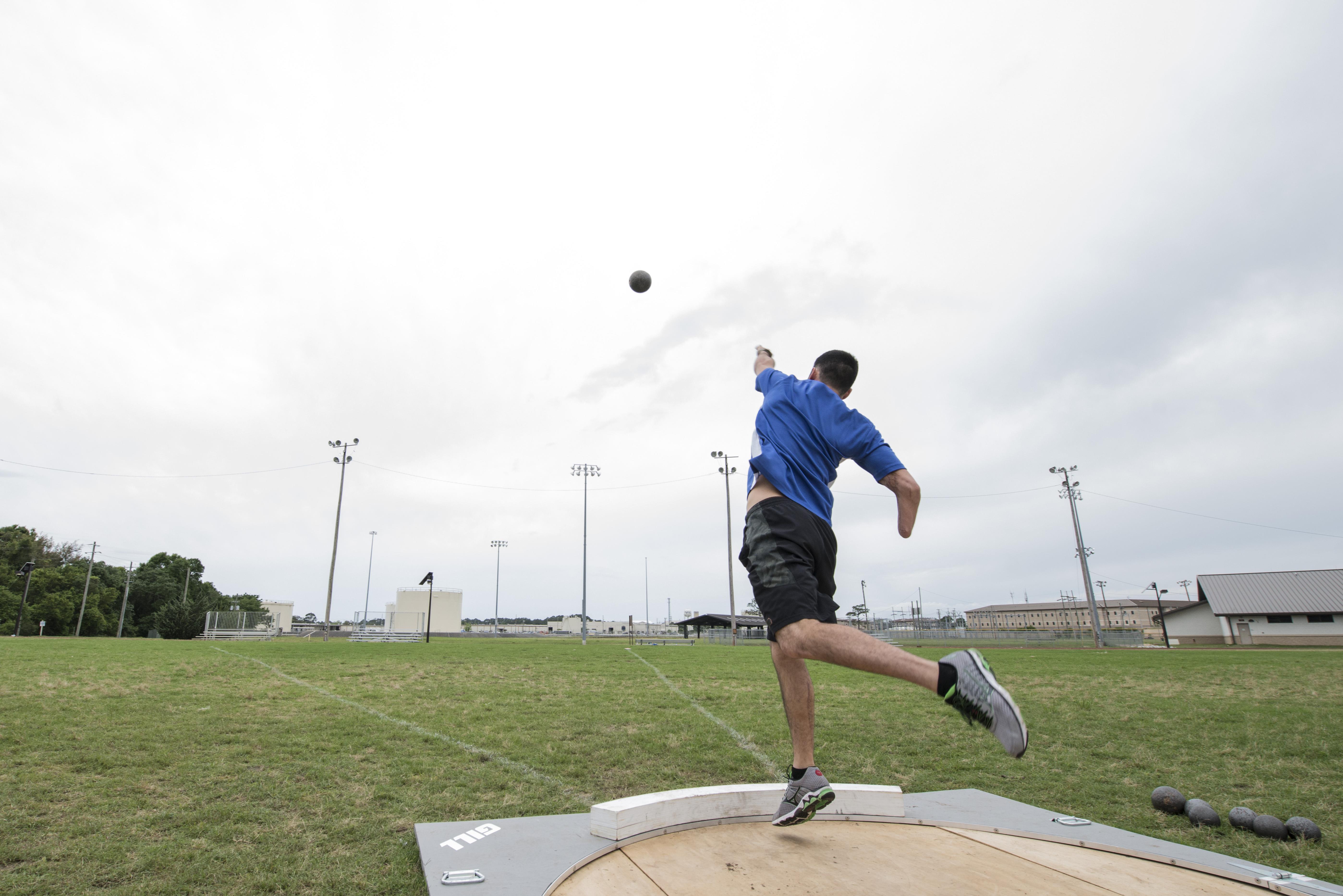
Unearthing the Burgeoning Trend of Stone Put: A Deep Dive into a Growing Fitness Craze

The Rising Popularity of Stone Put: The Ancient Sport Making a Modern Comeback

Stone put, also known as stone throwing or stone toss, is an ancient sport that has regained popularity in recent years. This traditional Celtic sport involves throwing a heavy stone as far as possible. It originated in Scotland and Ireland centuries ago and has since spread to various parts of the world. Stone put has gained traction across different demographics for several reasons, making it a trending activity among athletes, fitness enthusiasts, and individuals looking for unique and exciting recreational pursuits.
Origins of Stone Put:
Stone put traces its roots back to the ancient Celtic civilization, most notably in Scotland and Ireland. The sport was originally practiced as a form of physical competition and was often associated with clan rivalries and celebrations. It was also believed to have served as a training activity for warriors, measuring their strength and power.
Popularity Among Different Demographics:
- Athletes and Sports Enthusiasts: Stone put has been embraced by athletes and sports enthusiasts who are drawn to its challenging nature and competitive spirit. The sport requires a combination of power, technique, and accuracy, making it an engaging and physically demanding activity. Additionally, stone put is often included as a discipline in Highland Games and other traditional sporting events, attracting athletes from various backgrounds.
- Fitness and Strength Training: Stone put has gained popularity as a unique form of strength training and functional fitness exercise. It offers a full-body workout, engaging the legs, core, and upper body muscles. Moreover, the specific movements involved, such as the explosive power required for the throw, can help improve coordination, balance, and overall athletic performance.
- Cultural Revival: Stone put's resurgence can also be attributed to the growing interest in reviving ancient customs and cultural traditions. Many individuals have actively sought out traditional sports like stone put, aiming to understand and preserve their cultural heritage. This has led to the creation of stone put clubs, events, and festivals dedicated to keeping the sport alive and passing it down to future generations.
- Thrill-seekers and Recreational Participants: Stone put has captivated thrill-seekers and recreational participants as an exciting and unconventional activity. It offers a break from more mainstream sports and a chance to engage in a unique skill. People of all ages and backgrounds are increasingly seeking out experiences that test their limits and provide a memorable adventure, making stone put an attractive option.
Stone put's rising popularity can be attributed to a combination of factors, including its historical significance, physical demands, cultural revival, and appeal to both athletes and recreational participants. As interest in ancient traditions and alternative sporting activities continues to grow, stone put is likely to remain a trending pursuit among individuals seeking a challenging and memorable experience.
The Market Size and Growth of Stone Put: Riding the Trending Wave
In recent years, stone put has gained significant popularity as a recreational activity and competitive sport. This centuries-old tradition, also known as stone throwing, involves participants throwing a heavy stone for distance or height. Let's delve into the market size and growth of this exciting trend.
Exploring the Market Size
Though stone put originated in Scottish Highland Games, it has now transcended geographical boundaries and is enjoyed by enthusiasts worldwide. The market size for stone put can be evaluated by considering the number of participants, equipment sales, event attendance, and sponsorships.
Participant Numbers: As the popularity of stone put has soared, so has the number of participants. Amateur stone put leagues and competitions are appearing in various regions, attracting both seasoned athletes and newcomers fascinated by this unique sport. Moreover, the rise of social media platforms has contributed to the visibility and accessibility of stone put, enticing more individuals to try their hand at this ancient activity.
Equipment Sales: With the increased interest in stone put, the demand for high-quality and durable equipment has risen. Companies specializing in manufacturing stone put gear, such as throwing stones, gloves, shoes, and safety equipment, are witnessing a surge in sales. Additionally, online marketplaces catering to sports enthusiasts have recognized the growing demand for stone put equipment, leading to a broader range of options and availability.
Event Attendance: Stone put competitions at both the amateur and professional levels are drawing larger crowds of spectators, further highlighting the expanding market. Events featuring notable athletes and exciting matchups create a vibrant and engaging atmosphere that attracts not only participants but also fans who relish the energy and thrill of the sport.
Sponsorships: As stone put continues to gain traction, the interest from sponsors and advertisers has also flourished. Companies recognize the potential marketing opportunities in aligning their brand with this emerging trend. This influx of sponsorship deals injects more financial support into the sport, driving its growth and creating opportunities for higher-profile events and competitions.
Analyzing Growth Factors
Several factors contribute to the growth of the stone put market:
- Increased Awareness: The widespread use of social media platforms, blogs, and online communities has played a significant role in spreading awareness about stone put. As people share their experiences, achievements, and progress in this niche sport, it captures the attention of individuals who may have previously been unaware of stone put's existence.
- Fitness and Wellness Trend: The growing emphasis on fitness and wellness has prompted many individuals to seek out new and exciting ways to stay active. Stone put offers a unique and challenging workout, appealing to fitness enthusiasts looking to try something different.
- Cultural Appreciation: Stone put's deep-rooted cultural origins resonate with those seeking to connect with their heritage or explore diverse sporting traditions. This cultural appreciation fosters an interest in stone put, attracting individuals from various backgrounds, ultimately contributing to the sport's growth.
- Inclusivity and Accessibility: Stone put is a sport that welcomes participants of all ages, genders, and fitness levels. Unlike some athletic activities that may require specific physical attributes or skills, stone put can be enjoyed by anyone willing to give it a try. This inclusivity and accessibility make stone put an attractive option for a wide range of individuals, further propelling its growth.
With all these factors at play, the market size and growth of stone put are projected to continue expanding. As the sport gains more recognition, it is crucial for industry players to keep pace with the increasing demand for equipment, training resources, and quality events. By staying ahead of the curve and capitalizing on this growing trend, businesses can establish themselves as key players within the flourishing stone put market.
Stone Put: Exploring Consumer Demand and Preferences

Stone put, also known as stone throwing or stone hurling, is a recreational activity that involves participants throwing stones with varying weights and sizes. While it may seem like a niche sport, stone put has gained popularity in recent years, attracting a diverse group of individuals interested in this unique form of physical activity. In this section, we will delve into the consumer demand and preferences related to stone put.
The Rise in Popularity
Stone put has seen a rise in popularity due to several factors. Firstly, it offers a break from conventional sports such as football or basketball, providing a fresh and exciting alternative for those seeking a unique sporting experience. Additionally, stone put aligns with a growing interest in traditional and historical sports, as it draws inspiration from ancient competitions like the Scottish Highland Games' stone put event.
Target Demographic
Stone put appeals to individuals across various age groups and backgrounds. While it is common to see enthusiasts in their 20s to 40s seeking a physical challenge, the sport has also captivated the interest of older individuals who appreciate its historical significance. Stone put can especially attract adventure-seeking individuals who enjoy trying unconventional sports and embracing new experiences.
Preferences in Stone Selection
When it comes to stone selection, participants exhibit preferences based on their level of expertise, personal goals, and the vibe they seek during their stone put sessions. Novice throwers tend to opt for lighter stones, allowing them to focus on technique, accuracy, and building foundational skills. Conversely, experienced throwers often favor heavier stones, seeking to test their strength and challenge their physical limits.
The shape of the stone is another consideration. Some participants prefer round stones, which are easier to grip and throw smoothly, while others might opt for irregularly shaped stones, which offer a greater challenge and require more technique to hurl efficiently.
Accessories and Equipment
While stone put is relatively simple and requires minimal equipment, several accessories can enhance the overall experience. Fingerless gloves provide both protection and grip for the thrower's hands. Additionally, weightlifting belts or back supports can help individuals maintain proper form and prevent injury when handling heavy stones.
Events and Competitions
Stone put events and competitions play a crucial role in meeting the demand of enthusiasts. From local stone put gatherings to regional competitions and international championships, these events create a platform for individuals to showcase their skills, learn from other participants, and foster a sense of community within the stone put community.
The consumer demand and preferences for stone put highlight a growing interest in unique and unconventional sports experiences. The rise in popularity of stone put can be attributed to its appeal to a diverse range of individuals, as well as its alignment with the growing fascination with traditional and historical sports. By understanding consumer preferences in stone selection, accessories, and equipment, stone put organizers and manufacturers can cater to the needs of this niche yet passionate market.
Industry Players and Competition in the Stone Put Market

Stone put, also known as stone throwing or stone tossing, is a traditional sport that originated in Scotland and has gained popularity around the world. In this sport, participants compete by throwing a large stone as far as possible. As stone put continues to grow in popularity, several industry players have emerged, offering different products and services to meet the demands of athletes and enthusiasts in this unique market.
Traditional Sporting Goods Companies
Many well-established sporting goods companies have recognized the potential of the stone put market and have started offering specialized stone put equipment. These companies leverage their expertise in manufacturing and distributing sporting goods to provide high-quality stones, ranging in weight and sizes, to cater to the varying needs of competitors. They often collaborate with professional stone put athletes to develop and refine their products, ensuring their competitiveness in the market.
Niche Stone Put Equipment Manufacturers
In addition to traditional sporting goods companies, several niche manufacturers have surfaced, focusing solely on developing stone put equipment. These companies dedicate their resources to creating innovative stone designs, grips, and accessories that enhance the performance and experience of athletes during competitions. By catering solely to the stone put market, these niche manufacturers are able to offer a wide range of specialized options to meet the specific needs and preferences of stone put enthusiasts.
Stone Put Training and Coaching Services
As stone put gains popularity, there has been a rise in the demand for professional training and coaching services. Many experienced stone put athletes and coaches have started offering their expertise to individuals and groups looking to improve their skills and techniques in the sport. These training and coaching services may be offered in person or through online platforms, providing convenience and accessibility to a global audience. Additionally, some organizations specialize in hosting stone put competitions and events, bringing together athletes and enthusiasts to foster community and skill development.
Online Communities and Information Platforms
The growth of social media and online platforms has greatly contributed to the expansion of stone put's reach. Online communities and information platforms dedicated to stone put serve as hubs for discussion, knowledge sharing, and engagement among athletes, enthusiasts, and industry players. These platforms facilitate the exchange of tips and techniques, product recommendations, and news related to stone put. They also provide a channel for industry players to connect with potential customers, conduct market research, and stay updated on the latest trends and developments in the sport.
Retailers and E-commerce Platforms
Retailers specializing in sporting goods and equipment are also important players in the stone put market. These retailers often stock a variety of stone put equipment, catering to athletes and enthusiasts of all levels. With the rise of e-commerce, these retailers have expanded their online presence, making it easier for customers to browse and purchase stone put products from the comfort of their homes. E-commerce platforms also provide an avenue for specialized stone put equipment manufacturers to reach a broader customer base, regardless of geographical location.
As the stone put market continues to evolve, competition among industry players is expected to intensify. To stay ahead in this competitive landscape, companies must continuously innovate and cater to the evolving needs and preferences of stone put athletes and enthusiasts. By offering high-quality products, specialized services, and fostering community engagement, industry players can carve out their niche in this exciting and growing market.
Transforming Traditional Play: Technological Innovation in Stone Put

Stone put, also known as shot put, has roots in ancient Greek civilization and has been a popular sport since the first modern Olympic Games in 1896. As technological advancements continue to shape various industries, the world of athletics is constantly evolving. Although not traditionally associated with cutting-edge technology, stone put has seen its fair share of innovations that have taken the sport to new heights. This article explores some of the notable technological advancements that have transformed stone put and enhanced the performance of athletes.
- Launch Monitoring Systems One significant technological innovation in stone put is the introduction of launch monitoring systems. These systems provide real-time data on an athlete's throw, enabling coaches and athletes to analyze technique, power, and performance. By using sensors and motion analysis tools, these systems capture key metrics such as initial velocity, acceleration, and angle of release. By utilizing launch monitoring systems, athletes can identify areas for improvement, refine their technique, and make adjustments to enhance their performance. Coaches can also use this data to provide valuable feedback and design personalized training programs. Such systems not only help athletes improve their throws but also increase their overall competitiveness in the sport.
- Advanced Materials In recent years, advancements in materials science have had a significant impact on stone put equipment. Traditional stone put balls were made of iron or steel, with some variations using brass or bronze. However, the advent of advanced materials has allowed for the creation of more durable and performance-enhancing options. Composite materials, such as carbon fiber and high-density plastics, have gained popularity in the manufacturing of stone put balls. These materials offer advantages such as enhanced strength-to-weight ratio, durability, and improved aerodynamics. Athletes can now select stones that better suit their throwing style and maximize their performance potential.
- Biomechanical Analysis With the help of biomechanical analysis, stone put athletes can gain deeper insights into their throwing technique. This technology enables the assessment of body movements and joint forces during the throw, providing valuable feedback on areas for improvement. Biomechanical analysis tools utilize motion capture systems and force plates to collect data on an athlete's kinematics and kinetics. This data can then be analyzed to identify inefficiencies, optimize joint angles, and enhance power generation. By integrating biomechanical analysis into training programs, athletes can fine-tune their technique, reduce the risk of injury, and optimize their overall performance.
- Virtual Reality Training Virtual reality (VR) technology is revolutionizing training across various sports, and stone put is no exception. VR training allows athletes to practice and visualize throwing techniques, experiment with different strategies, and conduct mental rehearsals in a highly immersive and realistic virtual environment. VR training offers a safe and controlled setting for athletes to refine their skills, simulate competition scenarios, and make strategic decisions. By leveraging this technology, stone put athletes can enhance their mental preparation, develop muscle memory, and gain a competitive edge.
Stone put, a sport deeply rooted in tradition, is embracing technological innovation to push the boundaries of performance. From launch monitoring systems to advanced materials and biomechanical analysis, these innovations are revolutionizing the way athletes approach the sport. As technology continues to evolve, stone put athletes can expect further advancements that will help them achieve higher levels of performance and excellence in the years to come.
Regional Trends and Cultural Influences on Stone Put

Stone put, also known as stone throwing or stone heaving, is a traditional sport found in various cultures around the world. While the rules and variations of stone put may differ across regions, the sport’s popularity and cultural significance are often influenced by regional trends and cultural practices.
Celtic Influence on Stone Put in Europe:
Stone put has deep roots in Celtic culture, particularly in Scotland, Ireland, and Wales. Known as "Putting the Stone" in Scottish traditions, the sport was historically practiced as a test of strength and agility. It was often associated with ancient Celtic festivals and clan gatherings. This cultural influence has continued to shape stone put in the region, leading to the creation of unique stone put events such as the Scottish Highland Games, where athletes participate in traditional Scottish sports, including stone put.
Berber Cultural Significance in North Africa:
In North Africa, particularly in countries like Algeria and Morocco, stone put has its cultural significance tied to the Berber people. The Berber community and their traditional sports played a vital role in maintaining cultural heritage and promoting local traditions. Stone put, known as "Tafoukt," is often practiced during festivals and gatherings, serving as a symbol of strength and endurance within the community.
Influence of Sumo Wrestling on Stone Put in Japan:
While not the same sport, stone put in Japan has been influenced by the country's renowned traditional sport of sumo wrestling. Sumo, deeply rooted in Japanese culture, emphasizes physical strength, balance, and technique. These principles also resonate in stone put activities found in Japan, where variations of stone throwing are practiced during local festivals and traditional games.
Indigenous Cultural Heritage in North America:
Native American tribes in North America have a long history of stone put as part of their cultural heritage. Various nations, such as the Navajo, Lakota, and Cherokee, included stone put as a competitive sport during traditional ceremonies and rituals. Stone put was seen as a way to honor ancestral traditions, showcase physical prowess, and serve as a form of entertainment. The sport continues to be practiced today by indigenous communities across North America, reaffirming their cultural identity.
Cultural Significance in Oceania:
In Oceania, stone put holds cultural significance among the Maori people of New Zealand. Known as "Rakau Ue," stone put exemplifies the Maori warrior spirit, focusing on strength, dexterity, and mental fortitude. The sport has evolved over time to incorporate traditional stones, resembling ancestral weapons, and is often practiced during Maori festivals and special occasions as a way to honor their cultural heritage.
Stone put as a traditional sport has been shaped by regional trends and cultural influences worldwide. From Celtic traditions in Europe to indigenous cultural heritage in North America and the cultural significance for various communities, stone put unites people through shared traditions, strength, and celebration of their distinct cultures. Understanding these regional trends can help appreciate the depth and diversity of this ancient sport across the globe.
The Rise of Stone Put Challenges: How Social Media and Influencers are Shaping a New Trend

In recent years, social media platforms have become the driving force behind the rise of various viral challenges. From the ALS Ice Bucket Challenge to the Mannequin Challenge, these trends have captured the attention and participation of millions of people worldwide. One such emerging trend is the stone put challenge, a unique and thrilling activity that is gaining popularity through the power of social media and influencer marketing.
The Stone Put Challenge: Defying Gravity, One Throw at a Time
The stone put challenge involves individuals attempting to throw a stone as far as possible, defying gravity and showcasing their strength, skill, and determination. Participants of all ages and fitness levels are joining in this exhilarating challenge, with each throw becoming a personal and physical accomplishment.
The Influence of Social Media: Spreading the Stone Put Movement
Social media platforms like Instagram, TikTok, and YouTube have played a significant role in the widespread adoption of the stone put challenge. Influencers across various niches, including fitness, outdoor activities, and sports, have showcased their stone put attempts, encouraging their followers to take part and share their own throws.
Through the use of captivating videos and aesthetically pleasing visuals, influencers create an aspirational image around the stone put challenge, inspiring others to emulate their efforts. The challenge’s appeal lies in its simplicity, accessibility, and the sense of achievement it brings. The viral nature of social media ensures that the stone put challenge reaches a wide audience, engaging individuals from different walks of life.
The Role of Influencers: Driving Engagement and Encouraging Participation
Influencers hold a powerful sway over their followers, and their involvement in the stone put challenge has fueled its popularity. Influencers provide step-by-step tutorials, tips, and tricks to improve stone put techniques, creating a community of eager learners. By regularly featuring their followers' achievements, they also create a sense of camaraderie and friendly competition, further motivating individuals to participate.
Moreover, brands and businesses have recognized the potential of the stone put challenge as a marketing opportunity, leveraging influencers to promote their products. Fitness equipment manufacturers, sportswear brands, and outdoor recreation companies have partnered with influencers to create tailored campaigns, tapping into the stone put challenge's growing popularity and engaging their target audience effectively.
The Future of the Stone Put Challenge: Trending Towards Mainstream Recognition

The stone put challenge continues to gain momentum, with more individuals participating and sharing their experiences on social media. As the trend transcends digital platforms and sparks interest in real-life events, we can expect to see organized stone put competitions and gatherings, bringing enthusiasts together for a day of friendly rivalry and celebration.
The use of influencers will remain integral to sustaining the stone put challenge's growth, as they continually inspire and encourage others to take part through their engaging content and relatable experiences. Through strategic collaborations with brands and businesses, influencers will help position the stone put challenge as not just an online trend but a compelling and physically rewarding activity with long-term viability.
In conclusion, the stone put challenge represents the powerful influence of social media and influencers in shaping viral trends and creating interactive communities. With its simple yet exhilarating nature, the stone put challenge has captured the imagination of people worldwide, inspiring them to push their physical limits while forging connections through shared experiences. As the trend continues to evolve, it remains to be seen how far the stone put challenge will go and what new avenues it will open in the world of social media and influencer marketing.
The Future Outlook for Stone Put: A Growing Trend
Stone put, also known as stone throwing or stone skipping, is a recreational activity that involves throwing stones across a body of water in such a way that they bounce off the surface. While stone put might seem like a simple pastime, it has gained popularity among outdoor enthusiasts and has the potential to become a significant trend in the coming years.
Increasing Interest in Outdoor Activities
One of the key factors contributing to the rising popularity of stone put is the growing interest in outdoor activities. People are increasingly looking for ways to engage with nature and explore the outdoors, and stone put offers a unique and accessible way to do so. It appeals to all ages and can be enjoyed in various locations such as lakes, rivers, or beaches.
Social Media Influence
Another factor driving the growth of stone put is the influence of social media. Platforms like Instagram and TikTok have become popular avenues for sharing unique and visually appealing content. Stone put's mesmerizing skipping patterns and the challenge of achieving the perfect number of skips make it an ideal activity to capture in videos and share with others. As more people discover stone put through social media, the trend is expected to gain further traction.
Stress Relief and Mindfulness
In a fast-paced and technology-driven world, many individuals are actively seeking ways to reduce stress and find moments of mindfulness. Stone put can provide a sense of calm and relaxation as it requires focus and concentration. The repetitive motion of stone throwing, combined with the tranquil surroundings of the outdoors, can help individuals disconnect from their daily stresses and find a therapeutic escape.
Potential for Competitive Events
As stone put continues to gather momentum, there is potential for the emergence of competitive events centered around the activity. Similar to other sports involving throwing or tossing objects, stone put can be organized into formalized competitions, complete with rules, scoring systems, and championship events. This could open up opportunities for enthusiasts to participate in local, regional, or even international stone put events, further fueling the growth of the trend.
Environmental Considerations
While stone put offers numerous benefits, it is essential to consider the potential impact on the environment. Over time, continuous stone throwing can erode shorelines and disturb aquatic wildlife habitats. As more people become aware of the environmental consequences, it is anticipated that the trend will evolve to become more conscious of sustainability practices, such as using biodegradable stones or participating in organized events that implement environmental guidelines.
In conclusion, the future outlook for stone put is promising. With increasing interest in outdoor activities, the influence of social media, its potential for stress relief, and the possibility of competitive events, the trend is set to continue its growth. However, it is crucial for enthusiasts to be mindful of the potential environmental impact and take steps towards sustainability. Stone put has the potential to become a widely recognized recreational activity and a staple of outdoor leisure in the years to come.
For a deeper understanding of stone put and its historical significance, you may find this article helpful.
Key Findings and Insights: The Rising Popularity of Stone Put

The traditional Scottish sport of stone put has been gaining significant popularity globally in recent years. Stone put, also known as stone throwing or stone shot, involves competitors throwing a heavy stone as far as possible. This fascinating trend has captured the attention of both athletes and spectators alike, leading to its adoption in various competitive events and even influencing other sports.
- Uniting Tradition and Innovation One of the key insights into the rising popularity of stone put is the balance between tradition and innovation. While stone put is rooted in ancient Scottish traditions, it has evolved over time, embracing modern techniques and technology. This blend of old and new appeals to individuals seeking distinctive and authentic experiences.
- Fitness and Strength Training Stone put competitions require immense physical strength and technique, making it a popular choice among fitness enthusiasts and athletes looking for unique training methods. The sport provides a full-body workout, strengthening muscles, improving coordination, and enhancing cardiovascular endurance. As a result, stone put has found a place in strength training programs and cross-training routines.
- Spectator-Friendly Events Stone put events have turned into highly engaging spectator experiences. With its raw power and intense competition, audiences find the sport captivating. The combination of a traditional backdrop, such as Highland Games, with exciting contests, draws crowds of locals and tourists alike. These events have become festive affairs, often featuring music, food, and cultural celebrations alongside the stone put competitions. This has created a niche market for event organizers, sponsors, and local businesses to capitalize on the trend.
- Inspiration for Alternative Sports The increasing popularity of stone put has led to the emergence of alternative sports incorporating similar elements. For example, "stone put-inspired" strength challenges have gained traction in fitness competitions, where participants engage in various weightlifting and throwing exercises using stones. This trend has also influenced the development of recreational sports, such as stone skipping, where individuals compete to achieve the farthest stone skips on water surfaces.
- Health Benefits and Mental Well-being Beyond its physical benefits, stone put showcases mental fortitude. Athletes competing in stone put must maintain focus, concentration, and composure. The mental discipline required for success in stone put events aligns with the growing appreciation for holistic well-being. This aspect has contributed to the trend's appeal and its integration into mental health and mindfulness initiatives.