
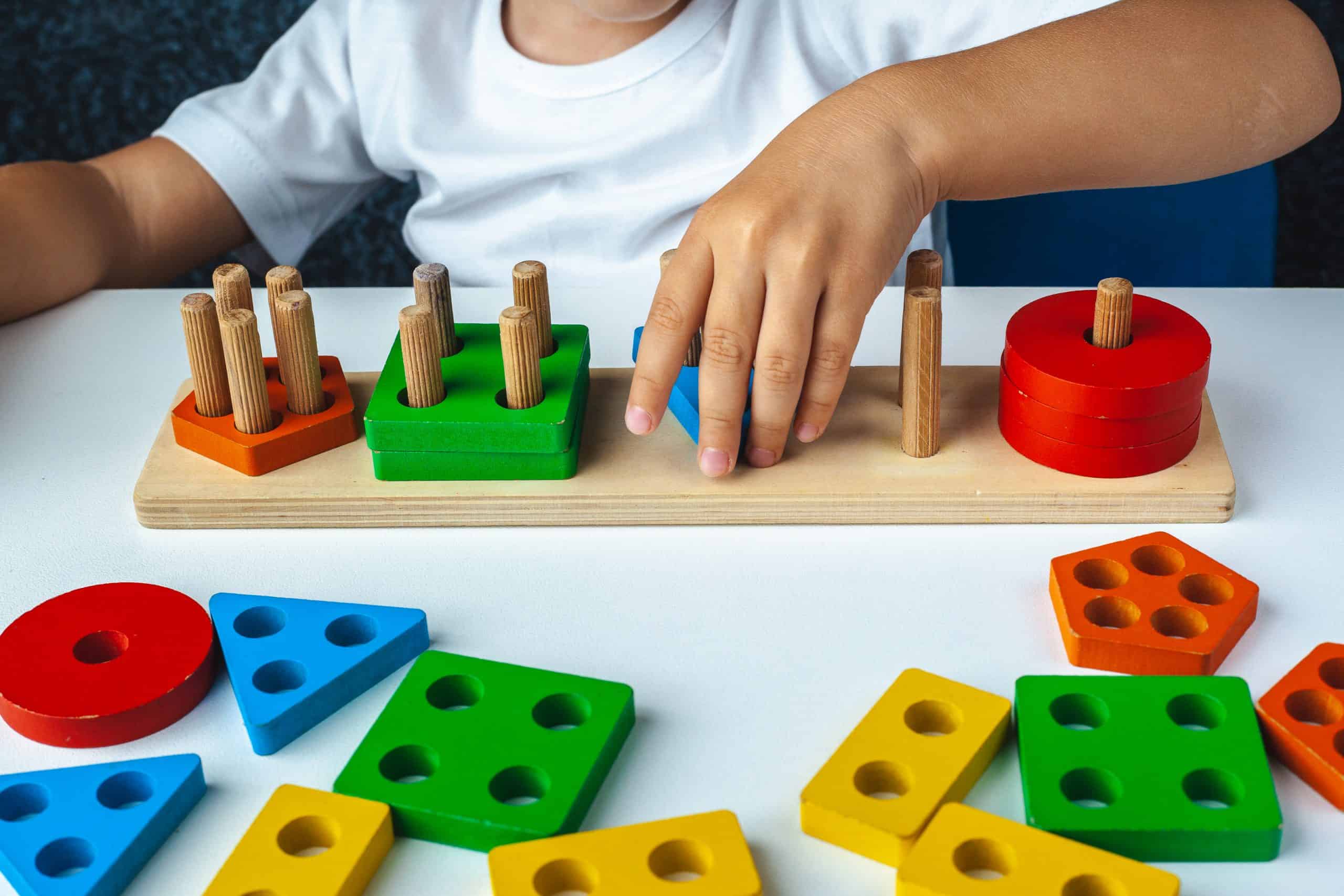
The Surging Popularity of Montessori Learning: Uncovering the Latest Trends in Montessori Products

The Rising Popularity of Montessori Products: A Holistic Approach to Early Education

In recent years, Montessori products have gained significant popularity among parents, educators, and childcare providers. Rooted in the Montessori method of education, these products are designed to encourage child-led learning and holistic development. This approach, which was developed by Dr. Maria Montessori in the early 1900s, has proven to be effective in fostering independent thinking, creativity, and problem-solving skills in children. As a result, the demand for Montessori products has been steadily increasing, with parents from all walks of life embracing this educational philosophy.
What are Montessori Products?
Montessori products encompass a wide range of educational materials that are specially designed to support the principles of the Montessori method. These materials are carefully crafted to cater to the developmental needs of children aged between 0-6 years, which is considered to be a critical period for cognitive, emotional, and physical growth.
These products focus on providing children with the opportunity to explore and engage with their environment through hands-on learning experiences. They typically include sensory materials, practical life tools, language materials, math manipulatives, and more. Each product is meticulously designed to promote independent and active learning, allowing children to work at their own pace and develop their unique abilities.
Origins and Philosophy of Montessori Products
The Montessori method was developed by Dr. Maria Montessori, an Italian physician and educator, who believed in the importance of respecting and nurturing the natural development of children. Dr. Montessori's educational philosophy is based on the idea that every child has an innate desire to learn and explore their surroundings. By providing them with a conducive environment and the right tools, children can develop their full potential.
Montessori products are inspired by this philosophy and aim to create an enriching learning environment that promotes the child's independence, creativity, and love for learning. The materials are carefully designed to stimulate the child's senses, encourage concentration, and foster a sense of accomplishment and self-confidence.
Popularity Among Various Demographics
One of the factors contributing to the growing popularity of Montessori products is their effectiveness in catering to the diverse needs of children from various backgrounds and ability levels. The Montessori approach recognizes and respects that each child develops at their unique pace and focuses on individual progress rather than a one-size-fits-all approach.
Moreover, Montessori products have gained recognition for their ability to nurture important life skills such as critical thinking, problem-solving, and emotional intelligence. This has appealed to a broad demographic, including parents seeking an alternative to traditional education systems, homeschooling families, and early education institutions aiming to incorporate progressive teaching methods.
As more research emerges highlighting the benefits of Montessori education and its long-term impact on children's development, its popularity continues to soar. In an ever-evolving world, where the demand for holistic and child-centric education is on the rise, Montessori products have emerged as a valuable resource for fostering a lifelong love of learning in children.
Stay tuned for the next section, where we will dive deeper into the specific benefits of Montessori products and their impact on a child's development.
Market Size and Growth of Montessori Products
Montessori education has gained significant popularity in recent years, and as a result, the market for Montessori products has seen substantial growth. This article explores the market size and growth of Montessori products and highlights the factors contributing to this expansion.
Market Size: The global market for Montessori products continues to expand, driven by the increasing demand for alternative education methods and a growing awareness of the benefits of Montessori principles. According to a report by Grand View Research, the global preschool or early childcare education market size was valued at $253.5 billion in 2020 and is expected to reach $520.5 billion by 2028, with a compound annual growth rate (CAGR) of 9.4%.
Montessori education, with its emphasis on hands-on learning, independence, and critical thinking, has gained popularity not only in traditional Montessori schools but also in mainstream educational settings. As a result, the demand for Montessori materials and products has grown significantly.
Factors Driving Growth:
Several key factors are contributing to the growth of the Montessori products market:
- Increasing Parental Preference for Alternative Education Methods: Parents are increasingly seeking educational approaches that prioritize child-centered learning, individualized instruction, and holistic development. Montessori education aligns with these preferences, attracting parents who value its philosophy and methodology.
- Growing Awareness of Montessori Benefits: The benefits of Montessori education, such as fostering a love for learning, promoting independence and creativity, and developing problem-solving skills, have been well-documented. As more research highlights these advantages, the demand for Montessori products has increased.
- Adoption in Mainstream Education: Many traditional schools are incorporating Montessori principles and materials into their classrooms. This integration of Montessori practices into mainstream education has contributed to the expansion of the Montessori product market.
- Entrepreneurial Opportunities: The growth of the Montessori products market has also created entrepreneurial opportunities for educators and innovators. This has led to a surge in the creation of new Montessori-inspired products.
The market for Montessori products is witnessing remarkable growth, driven by factors such as the increasing preference for alternative education methods, growing awareness of the benefits of Montessori education, adoption in mainstream schools, and entrepreneurial opportunities. As the demand for Montessori principles and materials continues to rise, the market is forecasted to see sustained expansion in the coming years.
Consumer Demand and Preferences for Montessori Products

Montessori education has gained considerable popularity in recent years, leading to a surge in the demand for Montessori products. These products are specifically designed to support the Montessori method, which emphasizes independent learning, self-directed activities, and hands-on exploration.
The Growing Trend: Montessori Products in High Demand
As parents increasingly recognize the benefits of the Montessori method, the demand for Montessori products has seen significant growth. These products range from educational toys and sensory materials to practical life tools and furniture. Parents seek out these items to create an environment that promotes their child's independence, curiosity, and learning.
Preference for Natural and Eco-Friendly Materials
One key preference seen among consumers is the desire for Montessori products made from natural and eco-friendly materials. Montessori principles prioritize fostering a connection with nature and using materials that are safe and non-toxic. Hence, parents often prioritize products made from sustainable materials like wood, cotton, and bamboo.
Focus on Open-Ended and Multi-Purpose Toys
Montessori philosophy encourages open-ended and multi-purpose toys that stimulate a child's imagination and creativity. These types of toys give children the freedom to explore and come up with their own ideas, rather than providing step-by-step instructions or limited play options. Parents prefer toys that can be used in different ways, allowing their child to engage in extended periods of play and learning.
Practical Life Tools for Everyday Tasks
Another aspect of Montessori education is incorporating practical life skills into a child's daily routine. Parents looking for Montessori products often seek out tools that help children develop these skills. This includes child-sized kitchen utensils, cleaning supplies, gardening tools, and more. Practical life tools not only support a child's independence but also enable them to contribute to household tasks, fostering a sense of responsibility and accomplishment.
Growth in Online Marketplaces and Specialty Stores
As the demand for Montessori products continues to rise, various channels have emerged to meet the needs of consumers. Online marketplaces such as Amazon and specialty Montessori-focused stores have gained popularity among parents searching for these products. These platforms offer a wide range of Montessori materials and toys, allowing parents to explore different options and make informed purchasing decisions.
The increased interest in Montessori education has driven a surge in consumer demand for Montessori products. Natural and eco-friendly materials, open-ended and multi-purpose toys, practical life tools, and the convenience of online marketplaces are key preferences among parents seeking to incorporate the Montessori method into their child's learning experience. As more people become aware of the benefits of Montessori education, the demand for Montessori products is expected to continue growing.
Montessori Products: Exploring the Industry Players and Competition

The Montessori method of education has gained significant popularity in recent years as parents and educators embrace its child-centered approach. As a result, the market for Montessori products has experienced impressive growth, with various industry players vying for a share of the market.
Industry Players
Several companies have emerged as key players in the Montessori products industry. These companies offer a range of materials and resources that align with the Montessori philosophy and cater to the needs of parents, teachers, and children. Some of the prominent industry players include:
- Nienhuis Montessori: Nienhuis Montessori is a renowned educational materials manufacturer that has been supplying Montessori products for over 90 years. Their materials are used in Montessori classrooms worldwide and are known for their quality and authenticity.
- Monti Kids: Monti Kids is an online learning platform that focuses on delivering Montessori-approved toys and curriculum for infants and toddlers. They offer a subscription-based model, providing parents with carefully curated toy sets that support their child's development at different stages.
- PlanToys: PlanToys is an eco-friendly toy company that places a strong emphasis on sustainability. They produce a line of Montessori-inspired toys made from sustainable materials, encouraging children's imagination, creativity, and problem-solving skills.
- Trillium Montessori: Trillium Montessori is an educational resource provider and curriculum creator for Montessori teachers and homeschooling parents. They offer a wide range of digital resources, including lesson plans, printables, and online courses, to support Montessori education.
Competition
With the growing popularity of the Montessori method, competition in the Montessori products market continues to intensify. Companies are constantly innovating and expanding their product offerings to cater to the increasing demand. Some factors driving competition in this industry include:
- Product Differentiation: Montessori companies aim to differentiate themselves through the quality, authenticity, and uniqueness of their products. They focus on developing materials that are aligned with Maria Montessori's principles, ensuring that they deliver genuine Montessori experiences.
- Value for Money: Price competitiveness plays a significant role in driving consumer choices. Companies that can offer high-value Montessori products at reasonable prices have an advantage in the market, as parents and teachers are often looking for affordable options without compromising on quality.
- Digital Innovation: As technology advances, companies are incorporating digital elements into their products and platforms. Online learning resources, digital curriculum tools, and virtual learning experiences are becoming increasingly popular, creating new avenues for competition among Montessori product providers.
- Expanding Target Audience: The Montessori method is not limited to traditional schools anymore, as more parents adopt Montessori principles for homeschooling or incorporating them into their parenting approach. This expanding target audience opens up opportunities for companies to cater to the diverse needs of different settings and age groups.
In conclusion, the Montessori products industry has witnessed remarkable growth, with various companies vying for market share. Established players like Nienhuis Montessori, Monti Kids, PlanToys, and Trillium Montessori have made significant contributions to the industry by offering a wide range of Montessori materials, toys, and educational resources. With competition driven by product differentiation, value for money, digital innovation, and an expanding target audience, the Montessori products market is poised for further evolution and development.
Technological Innovation in Montessori Products: Modernizing Traditional Education

Montessori education is known for its hands-on, child-centered approach that fosters independent thinking and self-paced learning. Developed more than a century ago by Maria Montessori, this approach to education has gained popularity worldwide. As the use of technology continues to grow in various educational settings, it is interesting to explore how technological innovation is impacting Montessori products and enhancing the learning experience in a way that aligns with the principles of this teaching method.
Digital Tools Facilitating Montessori Education:
Traditionally, Montessori education relies heavily on tactile and sensory experiences to encourage exploration and discovery. However, as technology becomes more prevalent, innovative companies are creating digital tools that complement and enhance the Montessori learning environment.
One example is augmented reality (AR) applications that bring virtual objects and information into the real world. By utilizing AR, Montessori products can provide interactive experiences that allow children to explore familiar objects and concepts in new ways. For instance, an AR app can bring a 3D representation of the solar system to life, enabling children to interact with and learn about planets, their sizes, and their orbits.
Another technological innovation in Montessori products is the integration of digital sensors and smart objects. These products bridge the gap between traditional Montessori materials and modern technology, allowing children to engage with concepts through play and interactive feedback. For instance, a digital sensor-enabled puzzle can provide real-time feedback, encouraging children to experiment, problem-solve, and learn at their own pace.
Online Platforms for Montessori Education:
In addition to physical Montessori products, online platforms are playing a significant role in bringing Montessori education to a wider audience. These platforms provide educational resources, activities, and interactive materials that adhere to the Montessori principles.
With the rise of e-learning, Montessori-inspired online platforms offer children the opportunity to engage in self-directed learning, no matter their physical location. Through these platforms, children can access a variety of educational materials, such as videos, interactive games, and quizzes, that promote experiential learning and cater to different learning styles.
Furthermore, these platforms often provide valuable resources for parents and educators by offering guidance, tracking progress, and facilitating communication. They can help parents understand and implement the Montessori principles effectively, even if they have limited knowledge or experience in this educational approach.
The Future of Technological Innovation in Montessori Products:
As technology continues to evolve, the future of Montessori products holds immense potential for further innovation. Artificial intelligence (AI) and machine learning can revolutionize personalized learning experiences, tailoring educational materials and activities to suit each child's unique abilities and interests.
Moreover, the integration of Internet of Things (IoT) devices can create a more connected Montessori learning environment. Smart objects can track children's progress, adjust content and difficulty levels accordingly, and provide real-time feedback to both children and educators.
However, it is crucial to strike a balance between incorporating technology and preserving the hands-on, tactile nature of the Montessori approach. Technology should always serve as a tool to enhance and enrich children's learning experiences rather than replace traditional Montessori materials and methods.
Technological innovation in Montessori products and platforms is transforming the way children experience this renowned educational approach. By integrating digital tools, online platforms, and cutting-edge technology, Montessori education can adapt to a modern world while preserving its core principles of child-centered learning, independence, and exploration. As technology continues to develop, the future holds exciting possibilities for creating even more engaging and personalized Montessori learning experiences.
Exploring Regional Trends and Cultural Influences on Montessori Products

Montessori education is an alternative educational approach that has gained popularity worldwide for its emphasis on child-centered learning and hands-on materials. As the demand for Montessori education continues to grow, the market for Montessori products has also witnessed a significant rise. However, regional trends and cultural influences play a crucial role in shaping the type of Montessori products that are popular in different parts of the world.
Asia: Traditional Materials with a Modern Twist
In Asia, where Montessori education is gaining popularity, there is often a blend of traditional cultural influences and modern approaches to Montessori materials. Traditional materials like bamboo, wood, and natural fibers are commonly used to create Montessori-inspired products, representing a connection to nature and sustainability. Japanese Washi paper, Indian textiles, and Chinese calligraphy brushes are often incorporated into Montessori materials, adding a touch of cultural heritage to the learning experience.
Furthermore, Asian cultures often emphasize discipline, precision, and respect for elders. These values are reflected in the design of Montessori products, which are often crafted with attention to detail and boast intricate designs. The use of calming colors, such as pastels and muted tones, also aligns with the Asian aesthetics of tranquility and harmony.
Europe: Stylish and Minimalistic Designs
In Europe, known for its design sensibilities and appreciation for minimalism, Montessori products often exhibit clean lines, simplistic shapes, and a focus on functionality. European Montessori materials tend to have a contemporary and sleek appearance, aligning with the region's design philosophies.
Scandinavian influences are particularly prominent in European Montessori products. Scandinavian design principles, characterized by simplicity, functionality, and natural materials, are reflected in the use of light-colored wood, soft fabrics, and organic shapes. These understated and elegant designs not only facilitate open-ended play and exploration but also seamlessly integrate with modern interiors.
North America: Diversity and Personalization
In North America, a diverse melting pot of cultures, Montessori products often celebrate individuality and inclusivity. Trilingual learning materials, incorporating English, Spanish, and French, are highly sought-after due to the region's linguistic diversity. Montessori materials featuring representations of diverse ethnicities and cultures are also gaining popularity, reflecting the importance of cultural representation and inclusivity.
Moreover, personalization is a key trend in North American Montessori products. Customizable materials, from engraved wooden nameplates to personalized learning journals, allow parents and educators to tailor the learning experience to each child's unique needs and interests. This trend is a reflection of the North American emphasis on individualism and the desire for personalized education.
Regional trends and cultural influences have a substantial impact on the design, materials, and features of Montessori products worldwide. From traditional Asian materials to minimalist European designs and personalized North American options, the variety and adaptability of Montessori products cater to different cultural contexts and preferences. As Montessori education continues to evolve, understanding these regional trends can help educators and parents make informed choices when selecting Montessori materials that align with their values and cultural backgrounds.
Understanding the Impact of Social Media Influencers on the Montessori Product Industry

In recent years, social media platforms have become powerful marketing tools and have revolutionized the way products are promoted. The rise of social media influencers has been particularly impactful. In this article, we will explore how social media influencers have influenced the Montessori product industry.
The Emergence of Montessori Influencers:
Montessori education, an educational approach developed by Maria Montessori, emphasizes independence, self-directed learning, and hands-on activities. Montessori products are designed to support this approach and provide children with engaging, educational experiences.
As the popularity of Montessori education grows, so does the demand for Montessori products. Social media influencers, with their ability to reach niche audiences, have taken notice of this trend and have started creating content centered around Montessori education and products.
Impact on Consumer Awareness and Education:
Social media influencers play a crucial role in educating and raising awareness about Montessori products. They provide detailed reviews, showcase the products in action, and share insights about how these products can benefit children's learning and development. By leveraging their influence and targeted content creation, influencers have introduced Montessori products to a wider audience.
Influencers as Brand Ambassadors:
Social media influencers often collaborate with Montessori product brands, becoming their brand ambassadors. These partnerships help increase brand visibility and establish credibility among their followers, as influencers are seen as trusted sources of product recommendations and information.
By featuring Montessori products in their content, influencers create a sense of authenticity and genuineness. Their endorsement can significantly impact consumer purchasing decisions, as followers are more likely to trust and value the influencer's opinion.
Driving Sales and Growth:
The impact of social media influencers on Montessori product sales is undeniable. Their ability to create engaging content showcases the benefits of these products, captures the attention of target audiences, and drives sales for both established and emerging Montessori brands.
Influencers leverage social media platforms to provide links and discount codes, making it easier for their followers to purchase Montessori products. Additionally, influencers often run giveaways or collaborate with brands to offer exclusive discounts, further incentivizing their followers to make a purchase.
Challenges and Potential Pitfalls:
While the influence of social media influencers on the Montessori product industry is significant, there are challenges and potential pitfalls to consider. It is essential for influencers and brands to maintain transparency and authenticity in their partnerships. Misleading or exaggerated claims about the effectiveness of Montessori products can harm consumer trust and the industry's reputation.
Furthermore, it is crucial for influencers to select and promote Montessori products that align with the core values and principles of Montessori education. This ensures that the products being endorsed genuinely support children's learning and development, rather than simply capitalizing on a trend.
Social media influencers have undoubtedly had a significant impact on the Montessori product industry. Their ability to raise awareness, educate consumers, and drive sales has propelled the growth and popularity of Montessori products. However, it is important for influencers to maintain authenticity and for consumers to critically evaluate the products being endorsed. By striking a balance between influence and responsibility, influencers can continue to contribute to the development of the Montessori product industry.
The Future Outlook for Montessori Products: A Growing Trend in Education

Montessori education, an educational approach developed by Dr. Maria Montessori, focuses on promoting independence, freedom within limits, and providing hands-on learning experiences for children. In recent years, there has been a growing interest in Montessori products designed to enhance learning and development in children. This article examines the future outlook for Montessori products and their potential impact on education and the market.
- Increasing Demand for Montessori Education: Montessori education has gained popularity globally for its holistic and child-centered approach. As more parents seek alternative educational methods, the demand for Montessori products is expected to rise. According to a study by Grand View Research, the global Montessori market is projected to reach $8.2 billion by 2027, growing at a CAGR of 7.9%.
- Focus on Individualized Learning: Montessori products align with the philosophy of individualized learning, allowing children to explore and learn at their own pace. This personalized approach to education is highly valued by parents and educators alike. As the understanding of the benefits of individualized learning grows, the demand for Montessori-inspired products will also increase.
- Integration of Technology: While traditional Montessori materials are often tactile and physical, there is a growing trend toward integrating technology into Montessori products. Technology-based Montessori products can enhance learning experiences by providing interactive and engaging content. Companies are developing educational apps, digital manipulatives, and online platforms that combine the principles of Montessori education with the advantages of technology.
- Sustainability and Eco-Friendly Materials: With increasing awareness and concern for the environment, there is a significant push for eco-friendly and sustainable Montessori products. Parents and educators are looking for materials made from natural and non-toxic materials, such as wood, organic cotton, and recycled materials. Companies that prioritize sustainability and eco-consciousness in their product offerings are likely to gain a competitive advantage in the Montessori market.
- Expansion into the Home Market: Traditionally, Montessori education has been associated with schools and educational institutions. However, there is a growing trend of parents incorporating Montessori principles into home environments. This has created opportunities for Montessori product manufacturers to expand their offerings for home use. From wooden puzzles and learning toys to practical life activities, there is a wide range of Montessori-inspired products available for parents to create a Montessori-inspired environment at home.
Montessori education and products have gained significant traction in recent years, and the future outlook remains positive. With increasing interest in personalized and child-centered education, the demand for Montessori products is expected to grow. Moreover, the integration of technology and sustainability focus will shape the development of future Montessori products. As the market expands and evolves, companies that align with the core principles of Montessori education and cater to the needs of parents and educators will stand out in this growing industry.
Montessori Products: Key Findings and Insights

Montessori education has gained significant popularity in recent years, leading to a corresponding surge in demand for Montessori products. As children's learning and developmental needs continue to evolve, parents and educators are increasingly turning towards Montessori-inspired products to enhance learning experiences. Here are the key findings and insights on this trend:
- Rising Demand for Hands-on Learning: Montessori products emphasize hands-on learning and experiential play. These products provide children with the freedom to explore, engage their senses, and learn at their own pace. As a result, there has been a growing demand for Montessori toys, puzzles, and manipulatives that promote hands-on exploration and cognitive development.
- Focus on Practical Life Skills: Montessori education emphasizes practical life skills as a key component of a child's development. Montessori products often include activities that encourage self-care, such as dressing, cooking, cleaning, and gardening. These products help children develop independence, self-confidence, and essential life skills, making them highly sought after by parents and educators.
- Sustainable and Natural Materials: Montessori products are often made from natural and sustainable materials, such as wood, fabric, or organic materials. This aligns with the Montessori philosophy of engaging children with their environment and promoting eco-consciousness. As eco-friendly trends gain momentum across industries, Montessori products made from sustainable materials have become increasingly popular.
- Open-ended and Multi-functional Design: Montessori products typically have open-ended designs, allowing children to use them in various ways that suit their interests and developmental stage. Open-ended toys, such as building blocks, stacking toys, and shape sorters, promote creativity, problem-solving skills, and imaginative play. The multi-functional nature of these products makes them appealing to parents looking for toys that can grow with their child.
- Emphasis on Sensorial Development: Montessori products strongly emphasize sensory experiences to enhance learning. They often include materials that engage multiple senses, such as touch, sight, sound, and sometimes taste or smell. Sensory play not only facilitates cognitive development but also helps children refine their fine motor skills and emotional regulation.
- Supportive Online Communities: Online communities and social media platforms have played a vital role in the growth of the Montessori product trend. Parents and educators share their experiences, ideas, and recommendations for Montessori products, creating a supportive network that helps individuals make informed purchasing decisions. This online presence has further fueled the awareness and popularity of Montessori products.