
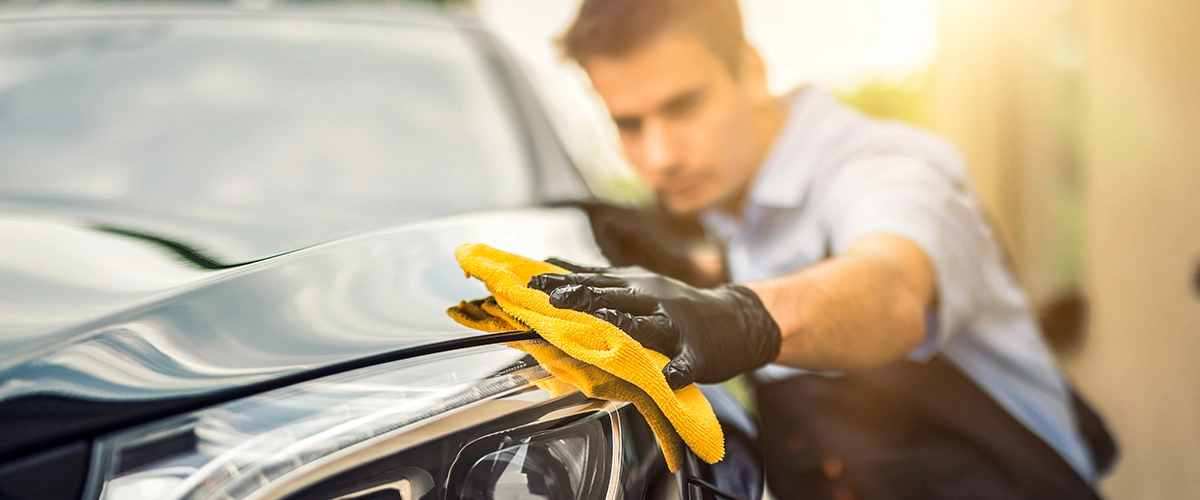
The Surging Popularity of Ceramic Coating: A Growing Trend in Detailing

The Rising Trend of Detailing: Unveiling the Art of Vehicle Care

In recent years, an emerging trend in the automotive industry has taken the world by storm - detailing. No longer just a process reserved for car enthusiasts, detailing has gained immense popularity among a diverse range of demographics. This comprehensive approach to vehicle care involves meticulous cleaning, polishing, and restoration to rejuvenate a vehicle's appearance. From luxury car owners to everyday commuters, more and more individuals are embracing the art of detailing to enhance their driving experience.
What is Detailing?
Detailing goes beyond the typical car wash. It involves an intricate and thorough process that aims to restore a vehicle's original condition and appearance. Detailers utilize specialized tools, high-quality products, and extensive knowledge to deep clean, polish, and protect the exterior and interior surfaces of automobiles.
Origins of Detailing:
While the concept of cleaning and maintaining vehicles has been around for decades, the term "detailing" as we know it today originated in the United States during the 1960s. Professional auto detailers started to offer their services to high-end customers who demanded meticulous care for their prized possessions. Over time, the importance and benefits of detailing became apparent, leading to its widespread popularity and evolution into a mainstream trend.
The Popularity of Detailing:
Detailing has gained popularity among various demographics for several reasons:
- Aesthetics: In an era where appearances matter, people take pride in driving a clean and well-maintained vehicle. Detailing helps individuals achieve a showroom-like appearance, making their cars stand out and project a sense of elegance and sophistication.
- Preservation: Detailing not only enhances a vehicle's appearance but also plays a crucial role in preserving its value. Regular detailing helps protect the paintwork, prevent corrosion, and maintain the overall condition of the car. As a result, many car owners are turning to detailing to extend the lifespan and resale value of their vehicles.
- DIY Culture: The rise of social media platforms and tutorials has fueled a DIY (do-it-yourself) culture, with people seeking ways to improve their skills and save money. Detailing, with its vast array of DIY products and techniques, has become a popular avenue for individuals to showcase their abilities in car care.
- Community and Enthusiast Culture: Detailing has also spawned a thriving community of enthusiasts who are passionate about caring for vehicles. This community exchange information, share tips, and foster a sense of camaraderie around the art of detailing. With numerous online forums, YouTube channels, and events dedicated to detailing, it has become an engaging hobby for many.
As the trend of detailing continues to grow, it has transcended its niche market to become mainstream appeal. The desire for a pristine, well-maintained vehicle, coupled with the preservation and DIY culture, has fostered the rise of detailing among various demographics. Beyond a simple wash, detailing offers an immersive experience that allows individuals to truly connect with their vehicles and express their passion for all things automotive.
The Market Size and Growth of Detailing
In recent years, the automotive detailing industry has experienced significant growth, driven by an increasing demand for professional vehicle maintenance and aesthetic enhancements. Auto detailing refers to the thorough cleaning, restoration, and protection of a vehicle's exterior and interior surfaces. This specialized service goes beyond basic car washing, offering a wide range of treatments such as waxing, polishing, paint correction, upholstery cleaning, and more.
The global automotive detailing market size has been steadily expanding due to several key factors. First and foremost, the growing popularity of car ownership and the desire to maintain vehicles in pristine condition have fueled demand for professional detailing services. Furthermore, the increasing number of luxury and high-end vehicles on the road has further contributed to the growth of this industry.
According to a report by Grand View Research, the global auto detailing market was valued at $9.19 billion in 2020 and is expected to reach $14.28 billion by 2028, registering a compound annual growth rate (CAGR) of 5.6% during the forecast period. This growth can be attributed to various reasons, including rising consumer disposable income, increased awareness about vehicle aesthetics, and a shift in consumer preferences toward professional cleaning and appearance enhancement solutions.
North America currently dominates the auto detailing market, accounting for the largest share in terms of revenue. The region's strong presence can be attributed to factors such as a high concentration of luxury and premium car owners, a strong aftermarket industry, and the availability of advanced detailing technologies and products.
Furthermore, the Asia Pacific region is anticipated to witness significant growth in the coming years. Growing disposable income, rapid urbanization, and the expanding automotive industry in countries like China and India are driving the demand for auto detailing services in this region.
The market expansion also extends beyond traditional automotive detailing services. With the rise of eco-friendly consumer trends, there has been a surge in demand for eco-friendly and waterless detailing products and practices. Customers are increasingly seeking environmentally-conscious options that reduce water consumption and minimize chemical waste.
In conclusion, the automotive detailing market is experiencing robust growth and is likely to continue expanding in the coming years. The market size is projected to reach $14.28 billion by 2028, propelled by factors such as the increasing number of luxury vehicles, rising disposable income, and growing awareness about vehicle aesthetics. As the industry evolves, there is also a rising demand for eco-friendly detailing solutions. This presents an opportunity for businesses to tap into the emerging market of sustainable auto detailing products and practices.
Consumer Demand and Preferences in the Detailing Industry

Consumer demand and preferences in the detailing industry have experienced significant growth in recent years. Auto detailing, which involves the thorough cleaning, restoration, and finishing of a vehicle, has become increasingly popular as individuals seek to maintain the pristine appearance and value of their cars. In this article, we will delve into the various factors driving consumer demand and the preferences that influence their choices in the detailing industry.
Quality of Services
Consumers today prioritize the quality of detailing services. They want their vehicles to look brand new and be free from any imperfections. Detailing service providers that offer exceptional results tend to attract a greater number of customers. This includes removing scratches, swirl marks, and other paint imperfections, as well as providing a thorough interior cleaning and restoration.
Convenience and Accessibility
Convenience is a significant factor for consumers when choosing a detailing service. Busy lifestyles and time constraints have led to an increased demand for mobile detailing services, where professionals can visit a customer's location to perform the services. This saves time and enhances the overall customer experience.
Additionally, consumers prefer detailing companies that offer online booking and scheduling options, allowing them to easily select a time and location that suits their needs. With the rise of on-demand services, consumers expect a seamless and convenient process when it comes to detailing their vehicles.
Eco-Friendly Practices
Sustainability and eco-friendly practices have gained traction across various industries, including automotive detailing. Consumers are becoming more conscious of the environmental impact of detailing products and processes. They are actively seeking service providers that use biodegradable, non-toxic, and water-efficient products. This shift towards eco-friendly detailing has given rise to the popularity of services such as waterless car washes and steam cleaning.
Value for Money
While quality services are crucial, consumers are also price-conscious and seek good value for their money. They often compare pricing and service offerings across various detailing providers. Therefore, detailing companies that strike a balance between competitive pricing and delivering exceptional results tend to attract a loyal customer base.
Additional Services and Customization
Consumers appreciate detailing companies that offer a range of additional services to meet their specific needs. These can include services such as paint protection coatings, ceramic coatings, window tinting, and upholstery repairs. Additionally, customization options, such as personalized scents or detailing packages tailored to different vehicle types, allow consumers to further customize their detailing experience.
Consumer demand and preferences in the detailing industry revolve around quality services, convenience, sustainability, value for money, and additional services/customization. By understanding these key factors, detailing service providers can adapt their offerings to cater to emerging consumer trends and stay ahead in an increasingly competitive market.
For more insights on consumer preferences and trends, check out this article on Understanding Consumer Behavior in the Automotive Industry.
Industry Players and Competitive Landscape in the Detailing Market
The detailing market is a highly competitive industry, consisting of several key players that offer a range of services to meet the growing demand for vehicle care and maintenance. As consumers become increasingly conscious of the appearance and longevity of their vehicles, the industry players are constantly striving to stand out and differentiate themselves in this crowded market.
Major Industry Players
- 3M Company: Known for its extensive portfolio of automotive products, 3M offers a wide range of auto care solutions, including rubbing compounds, car polish, and wax. They cater not only to individual vehicle owners but also to professional detailing businesses.
- Turtle Wax, Inc.: With a strong brand reputation and presence in over 90 countries, Turtle Wax is a leading manufacturer of automotive appearance products. Their offerings encompass car wax, polish, interior care products, and more.
- Meguiar's, Inc.: Established in 1901, Meguiar's is known for its premium car care products and detailing accessories. They produce a range of polishes, compounds, waxes, and exterior/interior cleaners that are popular among enthusiasts and professionals alike.
- Griot's Garage: Griot's Garage has built a loyal customer base by providing high-quality car care products targeted at automotive enthusiasts. They offer a vast product line, including polishes, waxes, sealants, and detailing accessories.
- Chemical Guys: Chemical Guys is a prominent manufacturer and distributor of car care products that cater to both DIY enthusiasts and professional detailers. They offer an extensive range of compounds, sealants, glazes, and accessories.
Competitive Landscape
The detailing market is highly competitive, with numerous players vying for market share. The competition is fueled by factors such as product innovation, quality, brand reputation, and customer service. Industry players continuously invest in research and development to introduce new and improved detailing products, staying ahead of the latest industry trends.
In recent years, the detailing market has witnessed a surge in the demand for eco-friendly and sustainable products. Customers are increasingly seeking products that align with their environmental concerns. Consequently, some companies, such as Griot's Garage and Chemical Guys, have responded by introducing eco-friendly detailing solutions that are free from harmful chemicals.
Moreover, the emergence of online marketplaces has also intensified the competition in the industry. E-commerce platforms have provided an accessible avenue for smaller players to compete with larger, established brands. This has resulted in increased product offerings, competitive pricing, and improved convenience for customers.
As the industry players endeavor to stay ahead of the competition, customer experience and loyalty have become pivotal for success. Establishing strong relationships with customers through exceptional service, personalized experiences, and engaging content has become a key differentiating factor.
In conclusion, the detailing market boasts several major industry players that strive to meet the evolving demands of vehicle owners. The competitive landscape is driven by factors such as product innovation, brand reputation, and customer service. By staying attuned to emerging trends and prioritizing customer experience, detailing companies can maintain a competitive edge in this ever-growing market.
Technological Innovation in Detailing: Revolutionizing Car Care

Car detailing, the process of deep cleaning, restoring, and protecting a vehicle's appearance, has been transformed by technological innovations. These advancements have revolutionized the car care industry, providing more efficient and effective ways to maintain and enhance the aesthetics of vehicles. Here, we explore some key technological innovations that have had a significant impact on detailing practices.
Advanced Cleaning Equipment and Techniques
Traditional car detailing often involved labor-intensive processes like hand washing, waxing, and polishing. However, modern technology has introduced advanced cleaning equipment and techniques to simplify and streamline the detailing process.
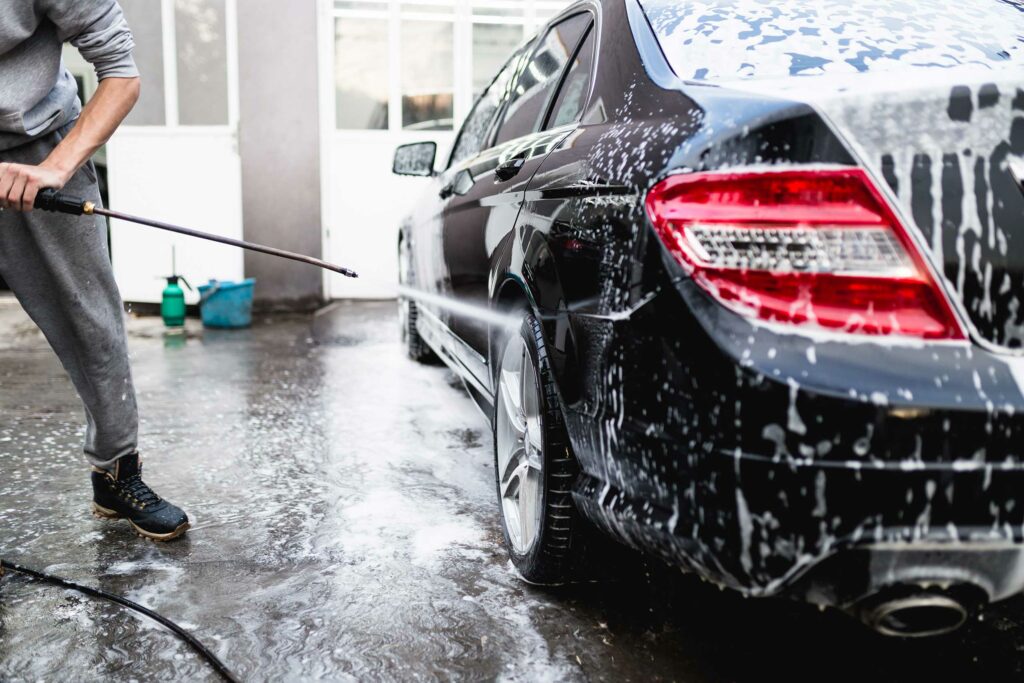
Automated car wash systems, for instance, have become increasingly common, offering high-pressure water jets, soft brushes, and advanced detergents to clean vehicles quickly and thoroughly. These systems not only save time but also ensure a consistent level of cleaning. Additionally, steam cleaning machines are gaining popularity due to their ability to remove dirt, grease, and stains without the use of chemicals, making them an eco-friendly alternative.
Paint Protection Films and Ceramic Coatings
One of the key concerns in car detailing is protecting the vehicle's paintwork from scratches, UV damage, and fading. Technological advancements have led to the development of innovative solutions like paint protection films (PPF) and ceramic coatings.
PPF is a transparent, self-healing film that can be applied to a car's exterior surfaces, providing a protective barrier against rock chips, scratches, and environmental hazards. These films can be applied to specific areas or to the entire vehicle, offering long-lasting protection and maintaining the car's original appearance.
Ceramic coatings, on the other hand, are liquid polymer coatings that bond chemically with the vehicle's paint, creating a hydrophobic and durable layer. This layer acts as a shield, protecting the paintwork from UV rays, chemicals, bird droppings, and other contaminants. Ceramic coatings not only enhance the gloss and depth of the paint but also make it easier to clean and maintain the vehicle's appearance.
Advanced Polishing and Buffing Systems
To achieve a flawless finish, detailing often involves polishing and buffing to remove imperfections, swirl marks, and scratches from the vehicle's paintwork. Technological innovations have led to the development of advanced polishing and buffing systems that deliver superior results.
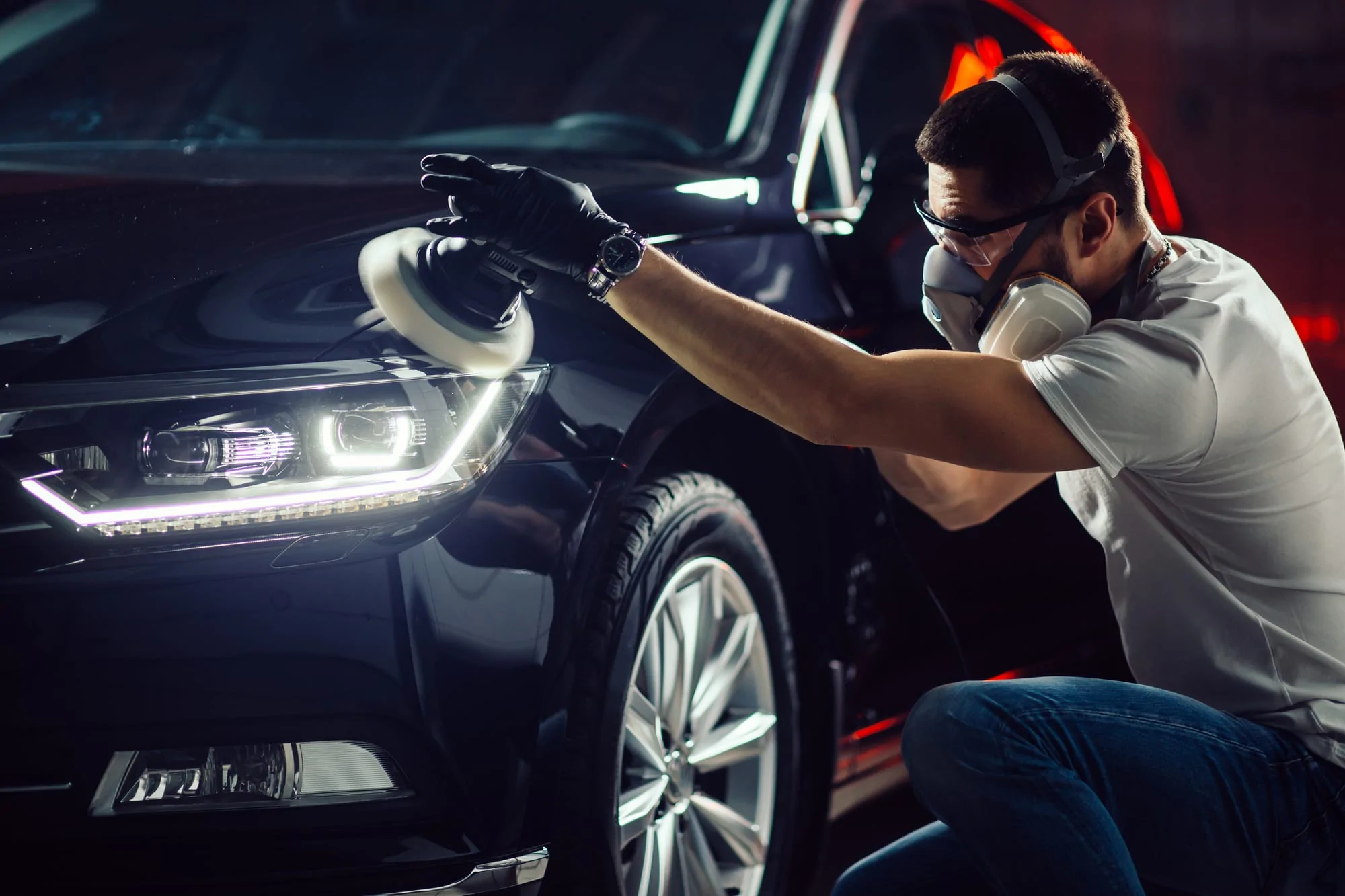
Random orbital polishers, for example, utilize dual-action movements to minimize the risk of paint damage while effectively removing defects. These polishers combine oscillation and rotation to distribute products evenly, resulting in a smoother finish. Additionally, machine-learning algorithms have also been integrated into some polishing systems, allowing them to adapt to different paint types and adjust their movements
Smart Detailing Tools and Apps
In the age of digitalization, smart detailing tools and mobile applications have emerged to assist both professional detailers and car owners in their maintenance efforts. Examples include electronic paint thickness gauges, color-matching devices, and mobile apps that provide product recommendations, step-by-step tutorials, and maintenance schedules.
These tools and apps allow users to streamline their detailing process, ensure accuracy, and access expert knowledge from their smartphones. They also help users stay up-to-date with the latest industry trends and techniques.
In conclusion, technological innovations have significantly transformed the car detailing industry by introducing advanced cleaning equipment, paint protection solutions, polishing systems, and smart tools. These innovations not only enhance the efficiency and effectiveness of detailing practices but also provide car owners with more convenient and reliable ways to maintain and care for their vehicles.
Regional Trends and Cultural Influences on the Rise of Sustainable Fashion
Sustainable fashion has been gaining significant traction globally as consumers increasingly prioritize ethical and environmentally-friendly practices in their purchasing decisions. However, regional trends and cultural influences play a crucial role in shaping the adoption and growth of sustainable fashion. Let's explore some key aspects of regional trends and cultural influences on this emerging market.
Cultural Values and Ethical Considerations:
In many regions, cultural values and ethical considerations strongly influence the popularity of sustainable fashion. For instance, Scandinavian countries like Sweden and Denmark have long embraced sustainability as a core value, making them early adopters of eco-friendly fashion practices. Their commitment to protecting the environment and promoting social responsibility has not only propelled sustainable fashion brands to the forefront but has also fostered a culture of conscious consumption.
Similarly, in indigenous communities such as those found in South America or Southeast Asia, traditional craftsmanship and sustainable production techniques are deeply ingrained in their cultural heritage. This connection to the environment and the preservation of ancestral knowledge drive the demand for sustainable fashion, often centered around handcrafted and organic materials.
Economic Factors:
Economic factors also significantly impact the regional trends of sustainable fashion. Affordability plays a crucial role in the adoption of eco-friendly clothing. In some regions, where sustainable fashion may be seen as an exclusive and premium market, consumers may prefer affordable fast fashion alternatives. In developing economies, access to sustainable fashion may be limited due to higher production costs or lack of awareness. However, as sustainable fashion becomes more accessible and affordable through forward-thinking business models, such as renting or second-hand marketplaces, the adoption rate in these regions is expected to increase.
Local Innovations and Manufacturing Practices:
Regional trends in sustainable fashion are often shaped by local innovations and manufacturing practices. Different regions have varying access to natural resources and expertise, leading to the development of unique sustainable fashion ecosystems. For example, African countries are known for their vibrant textile traditions, which have been re-imagined and utilized by contemporary sustainable fashion designers. These reinterpretations contribute to the global appeal of African-inspired sustainable fashion, showcasing the significance of local cultural influences.
Government Support and Policy Changes:
Government support and policy changes are vital in influencing regional trends in sustainable fashion. Some governments actively promote sustainability and environmental consciousness through initiatives such as tax incentives, subsidies, or education campaigns. These measures can create a fertile ground for sustainable fashion entrepreneurs and encourage a shift in consumer behavior. Scandinavian countries have been leaders in this area, implementing policies that foster innovation and support sustainable fashion startups.
Fashion Capitals and Influencers:
Fashion capitals and influential individuals also play a significant role in driving regional trends in sustainable fashion. Cities like Copenhagen, Amsterdam, and Berlin have emerged as hubs for sustainable fashion, with a concentration of sustainable brands, events, and fashion weeks. The local industry's dynamism and collaboration between brands and designers working towards sustainability contribute to these cities' recognition as trendsetters in the field.
Moreover, cultural influencers, including celebrities, fashion bloggers, and social media personalities, have the power to shape consumer perceptions and preferences. When influential individuals promote sustainable fashion choices, it can create ripple effects and inspire others to follow suit.
In conclusion, regional trends and cultural influences strongly impact the rise of sustainable fashion. From cultural values and economic factors to local innovations and government policies, each region brings unique perspectives and challenges to the sustainable fashion landscape. Understanding these influences is crucial for sustainable fashion entrepreneurs, policymakers, and consumers alike to foster the growth and adoption of ethical and environmentally-friendly fashion practices around the world.
The Exploding Role of Social Media Influencers in Shaping Consumer Culture
In recent years, the rise of social media has transformed the way people interact, share information, and make purchasing decisions. One of the most significant consequences has been the emergence of social media influencers, individuals who have built substantial online followings and have the power to influence consumer choices. In this section, we will delve into the details of this phenomenon and explore the impact of influencers on contemporary consumer culture.
The Power of Social Media Influencers
Social media influencers have become an integral part of marketing strategies for businesses across industries. With their ability to connect with and influence thousands, or even millions, of followers, influencers play a crucial role in shaping trends, driving brand awareness, and impacting purchasing decisions.
Types of Social Media Influencers
Social media influencers come in various shapes, sizes, and niches. These include:
- Celebrities: Famous individuals with large social media followings.
- Micro-influencers: Individuals with a smaller but highly engaged following within a particular niche.
- Bloggers/vloggers: Content creators who produce blogs or videos on specific subjects, attracting loyal followers interested in their opinions and recommendations.
- Industry experts: Professionals with comprehensive knowledge and experience in a particular field.
Collaborations and Partnerships
Brands recognize the potential of influencers to amplify their messages and reach their target audiences more effectively. Collaborations and partnerships have become standard practices in influencer marketing. Through these alliances, influencers promote products or services to their followers, often through sponsored posts, reviews, giveaways, or unboxing videos.
Measuring Influence and Impact
Assessing the effectiveness and reach of influencer campaigns is crucial for brands to allocate their marketing resources wisely. Several key performance indicators (KPIs) can be used to evaluate the success of influencer marketing, such as follower growth, engagement rates, website traffic, and conversions. Tools and platforms, such as Treendly, offer advanced analytics to measure the impact of influencer campaigns and identify emerging trends.
Challenges and Ethical Considerations
While the influence of social media influencers continues to grow, there are also challenges and ethical considerations to navigate. Authenticity and transparency have become critical concerns for both influencers and consumers. Disclosure of sponsored content, maintaining genuine relationships with followers, and avoiding excessive promotion are essential elements for long-term success and maintaining credibility.
The Future of Influencer Marketing
As social media platforms evolve and user behavior changes, the role of influencers in shaping consumer culture is likely to evolve as well. The use of new platforms, such as TikTok and Clubhouse, presents exciting opportunities for influencer marketing. Additionally, brands are increasingly moving towards working with nano-influencers, individuals with smaller followings but higher engagement rates, for more targeted and niche promotions.
In conclusion, social media influencers are a driving force in contemporary consumer culture. Their ability to connect with and influence large audiences has transformed marketing strategies, creating a new era of influencer-driven advertising. As the industry continues to evolve, it is crucial for marketers to stay abreast of emerging trends and leverage the power of influencers to ensure the success of their brand's campaigns.
Uncovering the Future Outlook and Forecast of the Detailing Trend

The detailing trend has gained significant traction in recent years, captivating the attention of consumers and businesses alike. However, as with any trend, it is crucial to assess its future outlook and forecast to determine its longevity and potential impact. In this section, we delve into the future prospects of the detailing trend, shedding light on the possibilities it holds and the factors that may influence its trajectory.
Market Size and Growth Potential:
According to industry analysts, the detailing trend is expected to witness substantial growth in the coming years. Market research reports indicate that the trend has already gained significant momentum and is anticipated to continue expanding, driven by factors such as changing consumer preferences, evolving technologies, and shifting cultural landscapes. With a growing number of individuals embracing the detailing trend, companies operating in this space have an opportunity to tap into an expanding market and capture a larger share of potential customers.
Technological Advancements:
Technological advancements are expected to play a crucial role in shaping the future of the detailing trend. Innovations like detailing and detailing are poised to revolutionize the way detailing is experienced and consumed. These advancements not only enhance the overall user experience but also open doors to new possibilities and business opportunities. As technology continues to advance at an unprecedented pace, it is likely that the detailing trend will further proliferate, offering exciting prospects for both consumers and businesses.
Influencing Factors:
The future outlook of the detailing trend may be impacted by several factors that warrant consideration. These influencing factors can significantly shape the trajectory and longevity of the trend. Key factors to monitor include:
- Consumer Demand and Behavior: Understanding evolving consumer demand and behavior patterns is vital to anticipate the future of the detailing trend. Analyzing consumer preferences, buying habits, and adoption rates will provide valuable insights into the market's potential growth and direction.
- Sustainability and Ethical Considerations: In an increasingly environmentally conscious era, sustainability and ethical considerations are becoming paramount. The future success of the detailing trend may depend on its ability to align with sustainable practices and meet consumers' growing demands for ethically sourced and eco-friendly products or services.
- Regulatory Landscape: Changes in local regulations and policies can significantly impact the detailing trend. Regulatory support or constraints, consumer protection measures, and governmental initiatives can influence market growth, investment decisions, and consumer trust.
Potential Pitfalls and Disruptions:
As with any trend, the detailing trend may face potential pitfalls and disruptions that could alter its future course. These could include market saturation, evolving consumer preferences, economic downturns, or the emergence of competing trends. Continuous monitoring and adaptation will be crucial to navigate and respond to potential challenges effectively.
While it is impossible to predict the future outcome with certainty, assessing the various factors related to the detailing trend provides valuable insights and helps stakeholders understand its possible trajectory. Monitoring the market size, growth potential, technological advancements, influencing factors, and potential disruptions will allow businesses to make informed decisions, stay ahead of the curve, and unlock opportunities within the detailing industry.
The Rising Trend of Detailing: Key Findings and Insights
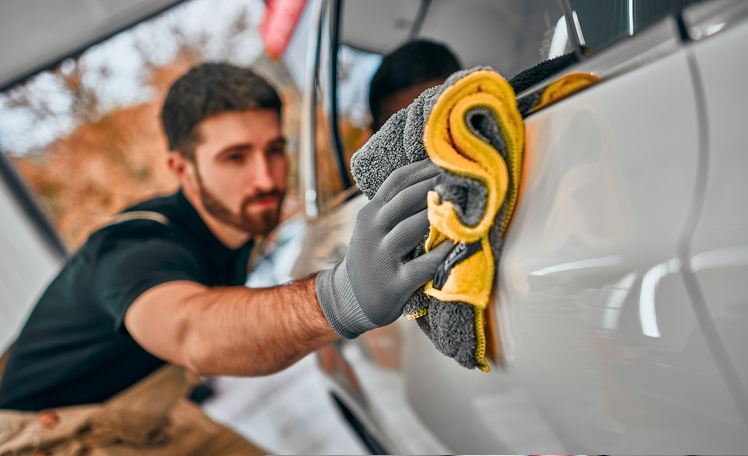
Detailing, a practice typically associated with maintaining the aesthetic appearance and functionality of cars, has expanded beyond the automotive industry and entered several other sectors. In this article, we will delve into the key findings and insights regarding the rising trend of detailing and its implications for businesses and consumers alike.
Key Findings:
- Diversification of Detailing Services: The detailing industry has evolved from merely focusing on car cleaning and polishing to offering a wide range of services, including paint correction, interior restoration, ceramic coatings, and even yacht detailing. This diversification has catered to customer preferences and provided businesses with opportunities to tap into new markets.
- Growing Demand for Professional Services: As people increasingly value the appearance and longevity of their assets, there has been a surge in demand for professional detailing services. Consumers are willing to invest in expert professionals to enhance the aesthetics and protect the surfaces of their vehicles, homes, boats, and even electronic devices.
- Cross-Industry Adoption: While the automotive sector remains the primary market for detailing services, this trend has permeated other industries as well. Detailing is now sought after in sectors such as aviation (aircraft detailing), hospitality (hotel room detailing), luxury goods (handbag and shoe detailing), and electronics (gadget detailing). The broader adoption of detailing across industries has created new avenues of growth for service providers.
- Emerging Consumer Preferences: The rise of eco-consciousness is affecting consumer preferences when it comes to detailing services. There is a growing demand for eco-friendly and water-efficient detailing methods to reduce environmental impact. Additionally, consumers are looking for personalized services that cater to their specific needs and preferences, such as the use of natural and organic cleaning products or digital customization options.
Key Insights:
- Business Opportunities: The increasing demand for professional detailing services presents lucrative opportunities for businesses to capitalize on this trend. Companies can differentiate themselves by offering specialized detailing packages, leveraging technology for personalized experiences, and incorporating sustainability practices into their operations. Collaborations with manufacturers, dealerships, and emerging markets like electric vehicles can expand the potential customer base.
- Importance of Brand Image: With the rise of detailing services across industries, maintaining a strong brand image is crucial for businesses to stand out from the competition. Establishing trust, highlighting industry expertise, and showcasing successful case studies can help attract and retain customers. Online presence and positive customer reviews are vital for building credibility and reaching a wider audience.
- Adapting to Changing Consumer Preferences: In order to thrive in the detailing market, service providers need to keep up with evolving consumer preferences. This includes staying updated on eco-friendly practices, offering personalized experiences, and adopting new technologies. Investing in training programs and certifications for employees can ensure the delivery of quality services that align with current customer expectations.
- Data-driven Decision Making: To effectively navigate the detailing landscape, businesses should leverage data and market research tools like Treendly to identify emerging trends, anticipate customer demands, and stay ahead of the competition. By closely monitoring social media discussions, search trends, and customer feedback, businesses can make informed decisions regarding their service offerings, pricing strategies, and marketing campaigns.