

The Bone Broth Diet: Unlocking the Trending Secret to Weight Loss and Gut Health

The Bone Broth Diet: A Trendy Health Approach on the Rise

In recent years, the bone broth diet has gained significant attention as a popular health and wellness approach. This dietary trend involves consuming nutrient-dense bone broth as a significant component of one's daily meals. Originating from ancient culinary traditions, this diet has captured the interest of many health-conscious individuals seeking a holistic approach to wellness. In this section, we will explore what the bone broth diet entails, examine its rising popularity, and highlight its appeal among various demographics.
Explaining the Bone Broth Diet:
The bone broth diet centers around a simple yet powerful principle: incorporating bone broth into one's regular diet to promote overall health and well-being. Bone broth is made by simmering animal bones (such as chicken, beef, or fish) for an extended period, typically for several hours or even up to 48 hours. This process allows the release of essential nutrients, collagen, amino acids, and minerals into the broth, resulting in a highly nutritious liquid.
Origins of the Bone Broth Diet:
The consumption of bone broth has roots in various traditional cuisines, including Chinese, Korean, and European cultures, dating back centuries. In these cultures, bone broth has long been recognized for its health benefits, such as supporting digestion, promoting joint health, and boosting the immune system.
Rising Popularity:
In recent years, the bone broth diet has gained momentum and widespread popularity. This surge in interest can be attributed to several factors. Firstly, the growing emphasis on wellness and a return to natural, whole foods has put bone broth in the spotlight. Health enthusiasts tout its potential benefits, such as supporting gut health, reducing inflammation, and enhancing joint mobility.
Additionally, the bone broth diet aligns with the popular movement towards ancestral eating practices, as it draws upon traditional culinary techniques and holistic approaches to nutrition. This diet resonates with those seeking a less processed and more sustainable way of nourishing their bodies.
Appeal among Various Demographics:
The bone broth diet has captured the attention of diverse groups of individuals across different demographics. Fitness enthusiasts and athletes are drawn to the diet's potential for supporting muscle recovery and improving overall performance. The collagen and amino acids present in bone broth are believed to contribute to healthy skin, hair, and nails, making the diet attractive to those seeking natural beauty remedies.
Furthermore, individuals seeking weight loss or improved digestion have embraced the bone broth diet as a detoxifying and cleansing approach. The high protein content and vitamins found in bone broth can help promote satiety and support a healthy metabolism, making it a popular choice among those aiming to shed extra pounds.
In recent years, the bone broth diet has attracted attention among individuals following specific dietary lifestyles, such as paleo, keto, and Whole30. These diets emphasize whole, unprocessed foods and have recognized the potential benefits of incorporating bone broth as a nutrient-dense staple.
In conclusion, the bone broth diet has experienced a surge in popularity due to its association with ancestral culinary traditions, its alignment with wellness trends, and its potential health benefits. As more people recognize the importance of nourishing their bodies with wholesome, nutrient-rich foods, the bone broth diet continues to capture attention and gain traction among various demographics.
Market Size and Growth of the Bone Broth Diet
The bone broth diet has quickly gained popularity in recent years, as more and more people are embracing its numerous health benefits. This diet is based on the consumption of nutrient-rich bone broth, which is made by simmering animal bones and connective tissues.
Market Size
The global bone broth market was valued at $69.6 million in 2019, and it is projected to reach $218.4 million by 2027, with a CAGR of 14.8% during the forecast period. This significant market size indicates a growing interest in the bone broth diet and its potential benefits.
Factors Driving Market Growth
Several factors contribute to the increasing demand for bone broth and the subsequent growth of the bone broth diet market:
- Rising Health Consciousness: As consumers become more health-conscious, they are inclined towards adopting diets that promote overall wellness. The bone broth diet, with its focus on natural ingredients and potential health benefits, aligns with this consumer trend.
- Increasing Awareness of the Benefits: The bone broth diet is known for its numerous health benefits, including improved digestive health, joint support, and skin rejuvenation. As word spreads about these benefits, more people are inclined to give this diet a try, driving market growth.
- Growing Demand for Natural and Organic Products: With the shift towards natural and organic products, consumers are seeking clean and minimally processed food options. Bone broth, with its simple and organic ingredients, is seen as a wholesome and natural choice, further fueling market growth.
- Availability of Bone Broth Products: The increasing availability of bone broth products in various forms, including powders, ready-to-drink beverages, and frozen options, makes it easier for consumers to incorporate bone broth into their diets. This accessibility contributes to the growth of the market.
Regional Market Insights
The bone broth diet market is witnessing significant growth worldwide, with North America leading the way. The United States, in particular, dominates the market, accounting for the largest share due to the rising popularity of the paleo and keto diets, which often incorporate bone broth. Europe and the Asia Pacific regions are also experiencing considerable growth, driven by an increasing interest in natural and healthy food options.
The bone broth diet market is expected to continue its upward trajectory, driven by factors such as rising health consciousness, growing awareness of the benefits, the demand for natural and organic products, and the availability of bone broth products. As more people recognize the potential health advantages of this diet, the market is likely to witness sustained growth in the coming years.
For additional information on the bone broth diet and its benefits, you can read our article on The Health Benefits of Bone Broth.
Consumer Demand and Preferences for the Bone Broth Diet

The bone broth diet has gained considerable popularity in recent years, thanks to claims of its various health benefits. It involves consuming bone broth as a significant part of one's daily diet, with the goal of promoting weight loss, improving gut health, and boosting overall wellness. In this section, we will delve into the consumer demand and preferences surrounding the bone broth diet.
Growing Interest and Demand:
The bone broth diet has witnessed a significant surge in interest and demand. Consumers are increasingly looking for natural and holistic approaches to improve their health and well-being, and the bone broth diet aligns with this growing trend. Proponents of the diet market it as a nutrient-dense, collagen-rich, and gut-healing option.
Weight Loss and Health Improvement:
One of the main drivers of consumer interest in the bone broth diet is its association with weight loss. Many individuals are actively seeking dietary plans that can help them shed pounds and maintain a healthy lifestyle. The bone broth diet appeals to this segment as it provides a low-calorie and low-fat option, which can potentially support weight loss efforts.
Additionally, bone broth is believed to have several other health benefits, including improved digestion, joint health, and immune system support. Consumers who struggle with digestive issues or are seeking a natural alternative to support their joint health find these claims attractive.
Convenience and Availability:
Consumer preferences surrounding the bone broth diet often extend to convenience and availability. While some consumers prefer making their own bone broth from scratch, others prefer the convenience of commercially available options. Hence, there is a growing market for pre-packaged bone broth products, especially for those with busy schedules or limited cooking skills.
Quality and Sourcing:
Consumers who opt for the bone broth diet often prioritize the quality of ingredients and sourcing practices. They look for organic, grass-fed, or pasture-raised bones, seeking assurance of high nutritional value and cleaner, more sustainable products. Brands that emphasize the quality and transparency of their sourcing practices tend to resonate with these consumers.
Flavor Profile and Variety:
Another aspect of consumer preferences in the bone broth diet revolves around flavor profiles and variety. While some individuals prefer the traditional, unseasoned bone broth, others seek flavored options that make the diet more enjoyable and palatable. Brands that offer a range of flavors, such as spicy, herb-infused, or vegetable-based broths, cater to a wider consumer base.
The bone broth diet has evolved into a significant trend within the health and wellness space, driven by consumer demand and preferences. The emphasis on weight loss, health improvement, convenience, quality, sourcing, and flavor variety shapes the choices consumers make when adopting this dietary plan. As consumers increasingly prioritize their well-being, the bone broth diet is likely to remain a popular option for those seeking natural and holistic approaches to improve their overall health.
Industry Players and Competition in the Bone Broth Diet Market

The bone broth diet has gained significant popularity in recent years, as it is believed to offer numerous health benefits. This has led to the emergence of several industry players and increased competition in the marketplace. Let's take a closer look at some of the key players and their competitive strategies in the bone broth diet market.
- Osso Good Co. - Osso Good Co. is a prominent player in the bone broth industry, offering a wide range of organic and sustainably sourced bone broth products. The company has built a strong reputation for its high-quality products and commitment to sourcing ingredients from ethical and sustainable sources. Osso Good Co. provides a variety of flavors and options to cater to different dietary preferences, positioning itself as a premium brand in the market.
- Bare Bones - Bare Bones is another major player in the bone broth diet market. The company focuses on producing organic and pasture-raised bone broth products, while also offering options for specific diets such as paleo and keto. Bare Bones differentiates itself by using a slow-cooking process, which is believed to maximize the extraction of nutrients and flavors from the bones.
- Vital Proteins - While primarily known for its collagen-based products, Vital Proteins has also ventured into the bone broth market. The company offers a range of collagen-infused bone broth powders and ready-to-drink beverages. By combining collagen with bone broth, Vital Proteins aims to provide a product that offers not only the benefits of bone broth but also the added advantages of collagen supplementation for joint health and beauty benefits.
Kettle & Fire - Kettle & Fire is a well-known brand that specializes in bone broth products.
They offer a variety of bone broth flavors, including nutrient-rich options like chicken, beef, and mushroom. Kettle & Fire focuses on convenience, as all their bone broth products come in shelf-stable packaging, making them easily accessible to consumers.
In this competitive landscape, companies are constantly innovating to capture a larger market share. Some key competitive strategies used by these industry players include:
- Product Differentiation: Industry players differentiate themselves by offering unique flavors, sourcing organic and sustainable ingredients, and catering to specific dietary preferences. These strategies help companies target different consumer segments and carve out their niche in the market.
- Marketing and Branding: Effective marketing and branding play a significant role in the success of industry players. Companies use various marketing channels, such as social media, influencer partnerships, and educational content, to create awareness and build brand loyalty. They also highlight the health benefits of bone broth and position themselves as trusted sources for high-quality products.
- Expansion of Product Portfolio: Many industry players have expanded their product lines to include not just traditional bone broth but also other related products. This includes collagen-infused bone broth, bone broth powders, and even ready-to-drink beverages. By diversifying their product offerings, companies can target a wider consumer base and cater to different needs and preferences.
Overall, the bone broth diet market is becoming increasingly competitive, with several industry players vying for consumer attention. As consumers become more health-conscious and seek natural and nutrient-dense food options, the bone broth diet industry is expected to witness continued growth.
Technological Innovation Revitalizing the Bone Broth Diet

Bone broth has gained popularity for its potential health benefits, including improved digestion, joint health, and skin rejuvenation. As people increasingly embrace the bone broth diet, technological innovations have emerged to make this nutritious beverage more accessible, convenient, and sustainable. In this section, we will explore some of the technological advancements that are reshaping the bone broth industry.
Online Platforms and Delivery Services:
Technology has provided a platform for bone broth producers to reach a wider audience. Online marketplaces and delivery services have made it easier for consumers to explore and purchase a variety of bone broth products. By leveraging these platforms, both established brands and emerging startups can offer their products to a global customer base.
Additionally, subscription-based models and auto-replenishment options allow consumers to receive regular supplies of bone broth without the hassle of repeat ordering. This convenience-driven approach further supports the adherence to the bone broth diet and encourages sustained consumption.
Enhanced Packaging and Shelf-Life:
Preserving the nutritional quality of bone broth while extending its shelf-life has been a major challenge for manufacturers. However, advancements in packaging technology have made it possible to overcome this hurdle. Vacuum-sealed packaging, a common technique used in the food industry, helps to maintain the freshness and flavor of bone broth for extended periods. This innovation allows consumers to stock up on bone broth without compromising its nutritional value.
Ready-to-Drink and Concentrated Bone Broth:
To cater to the fast-paced lifestyle of modern consumers, technological innovations have made bone broth more convenient than ever. Ready-to-drink bone broth products, available in tetra packs or bottles, eliminate the need for lengthy preparation and cooking times. These products provide a quick and portable solution for those on the go, making it easier to incorporate bone broth into daily routines.
Furthermore, advancements in extraction techniques have enabled the creation of concentrated bone broth. These concentrated forms contain higher levels of collagen and other essential nutrients. By condensing the bone broth, manufacturers reduce the volume needed for consumption while maintaining its nutritional potency.
Sustainability and Waste Reduction:
Technological innovation has played a vital role in fostering sustainability within the bone broth industry. The rise of plant-based packaging materials, such as biodegradable or compostable containers, reduces the environmental impact associated with traditional packaging options. Additionally, advancements in production processes help reduce waste by utilizing the entirety of the animal or plant material.
Furthermore, technology also enables precise ingredient sourcing and quality control, ensuring that bone broth manufacturers can work with suppliers who adhere to sustainable farming and production practices.
Technological innovations continue to reshape the bone broth industry, making this nutrient-rich beverage more accessible, convenient, and sustainable for consumers. From online platforms and delivery services to enhanced packaging and ready-to-drink options, these advancements have revolutionized the way bone broth is consumed. As the bone broth diet gains traction, we can expect further innovations to emerge, catering to evolving consumer needs and preferences.
Regional Trends and Cultural Influences on the Bone Broth Diet

The Bone Broth Diet, a popular food trend in recent years, has garnered attention for its potential health benefits and weight loss claims. Although the diet's popularity transcends geographical boundaries, regional trends and cultural influences have played a significant role in shaping its adoption and interpretation in different parts of the world.
Asian Influence: Embracing Tradition
Asian cultures, particularly China and Japan, have a deep-rooted tradition of consuming bone broth for its nourishing properties. In these countries, bone broth has long been used in traditional cooking and as a healing elixir. This cultural influence has contributed to the global popularity of the bone broth diet, as people are increasingly recognizing the benefits of incorporating this ancient practice into their daily lives.
Moreover, the Asian influence can be seen in the way bone broth is prepared and served. Traditional Asian bone broths often include additional ingredients such as ginger, garlic, and scallions, which impart a unique flavor and aroma. This regional variation adds diversity to the bone broth diet, making it more appealing to a wider audience.
Western Wellness Movement: A Quest for Health
In the Western world, the bone broth diet has gained traction as part of a broader wellness movement. With an increasing focus on natural, whole foods, people in the West have embraced the idea of using bone broth as a nutritional staple. The Western interpretation of the diet often emphasizes the homemade aspect, with an emphasis on using organic, grass-fed animal bones and locally sourced ingredients.
Cultural influences in Western cuisines have also impacted the bone broth diet. For instance, in countries like Italy and France, soup-based dishes like bouillon and consommé have long been celebrated. These culinary traditions have paved the way for the integration of bone broth into Western diets and have influenced the way it is consumed and enjoyed.
Celebrity Endorsements and Social Media: Driving Global Awareness
The bone broth diet's rise to prominence has been bolstered by celebrity endorsements and the power of social media. Influencers and celebrities across different regions have helped popularize the diet by sharing their experiences and recipes via platforms like Instagram and YouTube. This global exposure has resulted in a cross-pollination of regional trends as people incorporate unique ingredients and flavors from their respective cultures.
For example, in Latin American countries, where hearty soups and stews are a culinary cornerstone, the bone broth diet has been adapted with flavorsome additions like cilantro, cumin, and chili. Similarly, in the Middle East, spices like turmeric and cumin are often used to enhance the health benefits and taste of bone broth-based dishes.
Final Thoughts
While the bone broth diet has gained a global following, regional trends and cultural influences have shaped its adoption and interpretation. The Asian influence brings tradition and depth of flavor, the Western wellness movement emphasizes using high-quality ingredients, and social media exposes people to a diverse range of regional variations. The combination of these factors ensures that the bone broth diet evolves and thrives as an inclusive and culturally diverse trend in the world of health and wellness.
The Rising Influence of Social Media and Influencers on the Bone Broth Diet
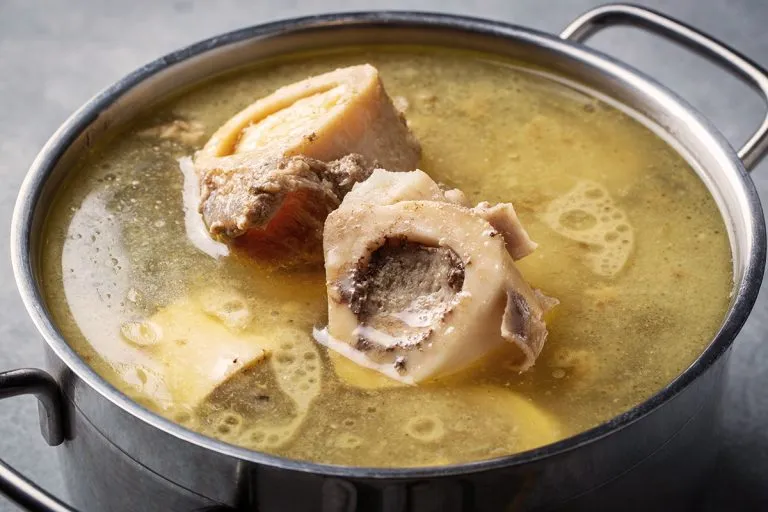
The bone broth diet has gained significant popularity in recent years due to its perceived health benefits. Although the diet has been around for centuries, its resurgence can largely be attributed to the increasing influence of social media and influencers.
Social Media: A Catalyst for the Bone Broth Diet
One of the main reasons for the resurgence of the bone broth diet can be attributed to the power of social media. Platforms such as Instagram, YouTube, and TikTok have allowed health-conscious individuals to share their experiences, recipes, and results with a global audience. Accordingly, the bone broth diet has garnered attention from individuals looking to improve their health and wellness.
Social media acts as a catalyst for sharing information about the bone broth diet for several reasons. For one, it provides a platform for influencers, wellness coaches, and nutrition experts to showcase the benefits of the diet. These individuals use their knowledge, personal experiences, and engaging content to educate and inspire their followers.
The Role of Influencers
Influencers have played a substantial role in popularizing the bone broth diet. These individuals have thousands, if not millions, of followers who trust their opinions and recommendations. By sharing their experiences with the bone broth diet, influencers have the power to sway their audience's perception and influence their dietary choices.
Many influencers choose to promote the bone broth diet as part of their overall health and wellness routine. They often share tips, recipes, and success stories to demonstrate the efficacy of the diet. The influence that these individuals have over their followers can result in a surge of interest and adoption of the bone broth diet.
Creating a Community
The bone broth diet has also developed a strong community on social media platforms. Individuals on the diet use hashtags such as #bonebrothdiet, #bonebrothrecipes, or #bonebrothlifestyle to connect with like-minded individuals. This sense of community offers support, advice, and inspiration to those on the diet, creating a positive environment for its followers.
Within this community, individuals often share their progress, recipes, and tips, fostering a sense of camaraderie and motivation. The community aspect of the bone broth diet adds another layer of influence, as users can bond over their shared experiences and find encouragement from others who have achieved success with the diet.
The Future Impact
As social media continues to play a crucial role in shaping consumer preferences and lifestyles, the influence of platforms and influencers on the bone broth diet is likely to increase. The ease of sharing information, the rise of wellness influencers, and the strong sense of community created through social media all contribute to the continued popularity and growth of the diet.
It is important for individuals to approach the bone broth diet and any other diet trend with caution, ensuring they thoroughly research and consult with healthcare professionals before making significant dietary changes. Nonetheless, the influence of social media and influencers has undeniably contributed to the rising popularity of the bone broth diet and will continue to shape health and wellness trends in the future.
The Future Outlook and Forecast of the Bone Broth Diet

The bone broth diet has gained significant popularity in recent years as a health trend that promotes weight loss, gut health, and overall well-being. But what does the future hold for this trend? Will it continue to thrive or eventually fade away?
Steady Growth in Popularity:
The bone broth diet has experienced steady growth in popularity and shows no signs of slowing down. This trend is likely to continue as more people become aware of its potential benefits. The diet's emphasis on natural, whole foods, and its alignment with popular wellness movements such as paleo and clean eating, make it an attractive option for health-conscious individuals.
Expanding Product Offerings:
As the bone broth diet gains traction, we can expect to see a further expansion in the availability and variety of bone broth products. Currently, bone broth powders, capsules, and even ready-to-drink options have become more accessible, catering to the convenience-driven consumer. Additionally, some companies offer flavored variations and innovative recipes, attracting a wider audience. This diversification is likely to appeal to those who may not have the time or skills to make their own bone broth.
Collaboration with the Food Industry:
Restaurants and food companies are taking note of the bone broth diet trend and incorporating bone broth-based dishes into their menus. This collaboration between the dietary trend and the food industry allows more opportunities for consumers to try bone broth in various culinary creations. This development will further normalize the consumption of bone broth and expand its reach beyond the health and wellness community.
Increased Awareness of Health Benefits:
As research on the health benefits of bone broth continues to emerge, the future outlook of this trend appears promising. Bone broth is known to be rich in essential nutrients like collagen, amino acids, and minerals, which contribute to skin health, joint function, and gut nourishment. As scientific evidence continues to support these claims, the bone broth diet could become a mainstay in the health and wellness industry.
Potential Challenges and Considerations:
While the future outlook for the bone broth diet seems positive, there are a few potential challenges to consider. One such challenge is the need for more extensive scientific research to validate the claims associated with bone broth consumption. Additionally, the diet's restrictive nature may deter some individuals, leading to a potential decline in popularity over time. It's essential for the bone broth diet to adapt to varying consumer preferences and continue evolving to stay relevant.
In conclusion, the bone broth diet is expected to experience continued growth and popularity in the coming years. The diversification of bone broth products, collaboration with the food industry, and increasing scientific support for its health benefits all contribute to a promising future. However, adapting to consumer needs and addressing potential challenges will be critical in ensuring the long-term success of this trend.
Key Findings and Insights: The Rise of the Bone Broth Diet

The bone broth diet has gained significant attention in recent years as a popular dietary trend. Advocates of this diet claim that bone broth is not only a delicious and versatile ingredient but also offers a range of health benefits. Through extensive market research, we have analyzed this trend to provide key findings and insights that shed light on its popularity and implications for the health and wellness industry.
- Increasing Popularity of the Bone Broth Diet: The bone broth diet has experienced a remarkable surge in popularity, particularly among health-conscious consumers and those seeking natural alternatives for weight loss and overall well-being. This increase in popularity can be attributed to several factors, including the growing interest in traditional and ancestral diets, the rise of the wellness culture, and endorsements from celebrities and influencers.
- Health Benefits of Bone Broth: Bone broth is rich in collagen, minerals, and other nutrients that are believed to support joint health, improve digestion, boost the immune system, and promote glowing skin. Moreover, the slow-cooking process of bone broth helps extract vital compounds from bones and connective tissues, making it a valuable source of essential amino acids and minerals like calcium, magnesium, and phosphorus.
- Weight Loss and Satiety: Many proponents of the bone broth diet claim that incorporating bone broth into meals can aid in weight loss and provide a feeling of satiety. The high protein content of bone broth helps reduce appetite and prevent overeating, while the gelatin found in the broth may support gut health and improve digestion, thus promoting healthy weight management.
- Adaptability and Culinary Versatility: Bone broth is known for its culinary versatility, as it can be used as a base for soups, stews, sauces, and various recipes. This adaptability has made it an attractive ingredient for people following different dietary preferences, including paleo, keto, and gluten-free diets. The ability to incorporate bone broth into a wide range of dishes contributes to its widespread adoption and sustained popularity.
- Challenges and Limitations: Despite its numerous benefits, it is essential to acknowledge some limitations and challenges associated with the bone broth diet. Firstly, the time-consuming process of making bone broth from scratch may deter those with busy lifestyles. Additionally, sourcing high-quality bones and ensuring the broth is free from contaminants can pose challenges for some individuals. Finally, it is important to note that while bone broth can be a healthy addition to one's diet, it should not be considered a magical cure-all solution.