

Sleep Aid Revolution: Exploring the Surging Demand for Natural Sleep Solutions

The Rising Popularity of Sleep Aid: Addressing the Growing Need for Quality Sleep
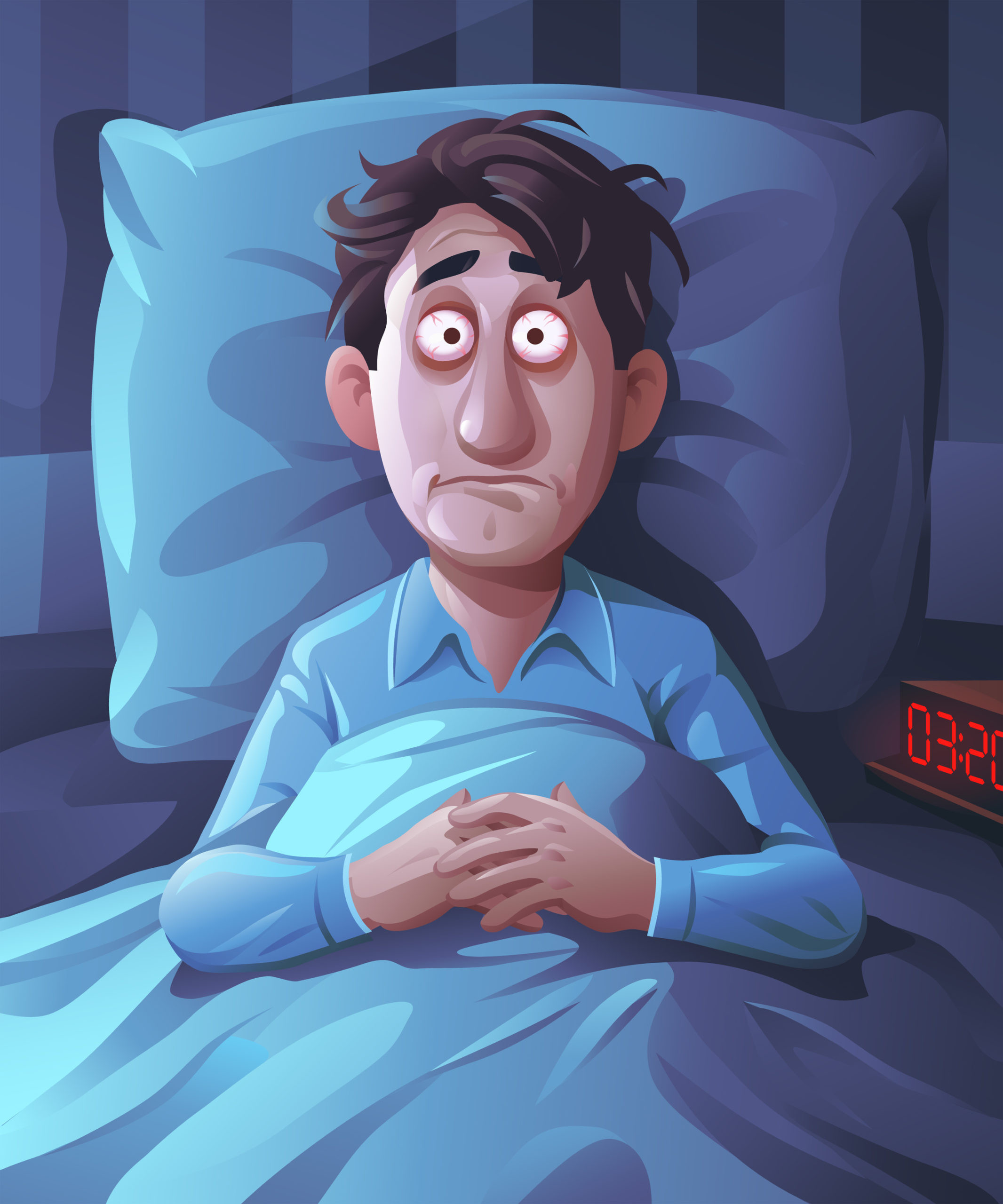
In today's fast-paced and demanding world, getting a good night's sleep has become increasingly elusive for many individuals. As a result, the use of sleep aids has gained significant popularity as individuals seek solutions to help them achieve better sleep and improve their overall wellbeing. This article explores the concept of sleep aid, its origins, and the reasons behind its growing popularity.
Defining Sleep Aid:
Sleep aids, also known as sleep remedies or sleeping aids, refer to products and techniques designed to promote better sleep. These aids can include over-the-counter medications, herbal supplements, wearable devices, relaxation techniques, and sleep-promoting lifestyle changes. The primary goal is to address sleep problems such as insomnia, restless leg syndrome, or sleep apnea, allowing individuals to establish healthier sleep patterns.
Origins of Sleep Aid:
The use of sleep aids dates back centuries, with ancient civilizations employing various methods to induce sleep. Traditional remedies included herbs, such as valerian root and chamomile, which were believed to have calming effects on the body. Even in modern times, natural remedies and practices like aromatherapy, herbal teas, and meditation continue to be popular alternatives to pharmaceutical sleep aids.
Increasing Need for Quality Sleep:
A combination of factors has contributed to the growing popularity of sleep aids. Firstly, the increased prevalence of sleep disorders and disturbances has created a need for effective solutions to combat sleeplessness and improve sleep quality. According to the American Sleep Association, approximately 50-70 million adults in the United States alone suffer from sleep disorders, highlighting the widespread impact of sleep-related issues.
Additionally, modern lifestyles, characterized by prolonged screen time, high stress levels, irregular work schedules, and a lack of work-life balance, have adversely affected sleep patterns. As a result, people are seeking remedies to address the negative impacts on their sleep quality and overall well-being.
Popularity Among Various Demographics:
The popularity of sleep aids extends across various demographics. It is not limited to a particular age group or gender, as people of all ages and genders can experience sleep difficulties. Sleep disorders can affect teenagers facing academic pressures, adults struggling with work-related stress, or seniors dealing with age-related sleep problems.
Furthermore, athletes and those leading physically active lifestyles have recognized the importance of quality sleep for optimal performance and recovery. As a result, the use of sleep aids has gained traction among these individuals, helping them achieve the necessary restorative sleep to support their physical and mental well-being.
The increasing demand for sleep aids highlights society's recognition of the importance of sleep for overall health and well-being. From ancient remedies to modern pharmaceuticals, individuals are seeking solutions to address sleep disturbances and promote better sleep quality. As the understanding of sleep disorders and the importance of quality sleep improves, the popularity of sleep aids is likely to continue to rise, providing relief to those in need.
The Market Size and Growth of Sleep Aid: An Analysis
Sleep is a fundamental aspect of human well-being, and the importance of a good night's rest cannot be overstated. However, in today's increasingly demanding and fast-paced world, many individuals struggle with sleep-related issues. As a result, the sleep aid market has seen significant growth over the years, with an expanding range of products and treatments aimed at improving sleep quality. In this section, we will explore the market size and growth of sleep aid, highlighting key trends and factors driving its expansion.
Market Size:
The global sleep aid market has witnessed substantial growth in recent years, driven by factors such as increasing awareness about sleep disorders, changing lifestyles, and rising stress levels. According to a report by Grand View Research, the global sleep aid market was valued at $69.5 billion in 2019 and is projected to reach $101.9 billion by 2027, growing at a compound annual growth rate (CAGR) of 5.8% during the forecast period.
The market size of sleep aid can be further broken down into various segments, including prescription sleep aids, over-the-counter (OTC) sleep aids, sleep clinics, and sleep devices. Prescription sleep aids, such as benzodiazepines and non-benzodiazepines, dominate the market due to their efficacy in treating sleep disorders like insomnia. The OTC sleep aid market is also expanding rapidly, with a wide range of products available to consumers without a prescription.
Growth Factors:
Several key factors contribute to the growth of the sleep aid market:
- Increasing prevalence of sleep disorders: Sleep disorders, such as insomnia, sleep apnea, and restless leg syndrome, are becoming more prevalent due to factors like high stress levels, sedentary lifestyles, and digital dependency. As a result, there is a growing demand for sleep aids to manage these conditions effectively.
- Rising awareness about sleep health: Awareness about the importance of good sleep and its impact on overall health and well-being has grown significantly in recent years. This increased awareness has led to higher demand for sleep aid products and services, as individuals seek solutions to improve their sleep quality.
- Advancements in technology: The development of innovative sleep aid solutions, including wearable devices, smart mattresses, and sleep tracking apps, has played a crucial role in the market's growth. These technological advancements offer personalized sleep insights and real-time monitoring, allowing individuals to identify and address sleep-related issues more effectively.
- Growing consumer willingness to invest in sleep health: As individuals prioritize their overall well-being, there has been a shift in consumer behavior towards investing in products and services that promote better sleep. This behavioral change has contributed to the increasing market size and demand for sleep aids.
The market size and growth of sleep aid have witnessed significant expansion, fueled by factors such as rising awareness about sleep disorders, advancements in technology, and increasing consumer willingness to prioritize sleep health. With an ever-growing range of sleep aid products and services available, the sleep aid market is expected to continue its upward trajectory in the coming years. As individuals continue to prioritize their sleep quality, the industry will likely see further innovation and advancements to meet the evolving needs of consumers.
Unveiling Consumer Demand and Preferences in the Sleep Aid Market

In today's fast-paced and highly demanding lifestyle, sleep deprivation is becoming a common issue affecting many individuals. As a consequence, the demand for sleep aids has been on the rise, offering relief and promoting better sleep quality. In this section, we will delve into the intricacies of consumer demand and preferences in the sleep aid market.
Increasing Awareness and Prevalence of Sleep Issues
Sleep deprivation and related issues such as insomnia, sleep apnea, and restless leg syndrome have gained significant attention, driving the need for effective sleep aids. According to the Sleep Foundation, around 35% of adults in the United States report getting less than the recommended seven hours of sleep per night. This alarming statistic has heightened consumer awareness of the importance of sleep and the significance of utilizing sleep aids to address sleep-related problems.
Natural and Non-Habit Forming Ingredients
Consumers are increasingly seeking sleep aids that are made from natural and non-habit forming ingredients. They are mindful of potential side effects and long-term dependency associated with traditional sleep medications. Ingredients such as melatonin, chamomile, valerian root, and lavender have gained popularity due to their natural properties and soothing effects on the body and mind. As a result, products that highlight natural ingredients are witnessing a surge in demand.
Convenient and Customizable Formats
Consumer preferences for sleep aids have diversified beyond traditional pill forms. Sleep aids are now available in various formats like gummies, sprays, teas, and even wearable devices. These innovative formats cater to consumers who value convenience and customization in their sleep routines. For instance, time-released capsules allow individuals to experience consistent sleep throughout the night, while sleep tracking devices provide personalized sleep data and recommendations to improve sleep quality.
Personalized Solutions and Holistic Approaches
The sleep aid market is witnessing a shift towards personalized solutions and holistic approaches to sleep. Consumers are seeking products that align with their specific needs, considering factors such as age, gender, lifestyle, and sleep patterns. Sleep aids that combine a blend of ingredients targeting multiple aspects of sleep, such as stress reduction, relaxation, and deep sleep promotion, are gaining popularity. Additionally, complementary products like aromatherapy, sleep masks, and white noise machines are being embraced as part of a holistic sleep experience.
Online Research and Reviews
Consumers heavily rely on online research, reviews, and recommendations to make informed decisions when selecting sleep aids. They value the opinions and experiences shared by others and often seek reassurance before making a purchase. As a result, active engagement on review platforms, social media, and blogs is crucial for sleep aid brands to build trust and credibility with their target audience.
The sleep aid market is witnessing significant growth, primarily driven by increasing awareness of sleep-related issues and the desire for quality sleep. Consumers are gravitating towards natural ingredients, convenient formats, personalized solutions, and holistic approaches. Furthermore, the reliance on online research and reviews showcases the importance of establishing a strong online presence and leveraging customer testimonials. Sleep aid brands that understand and adapt to these consumer demands and preferences will be well-positioned to excel in this booming market.
Industry Players and Competition in the Sleep Aid Market
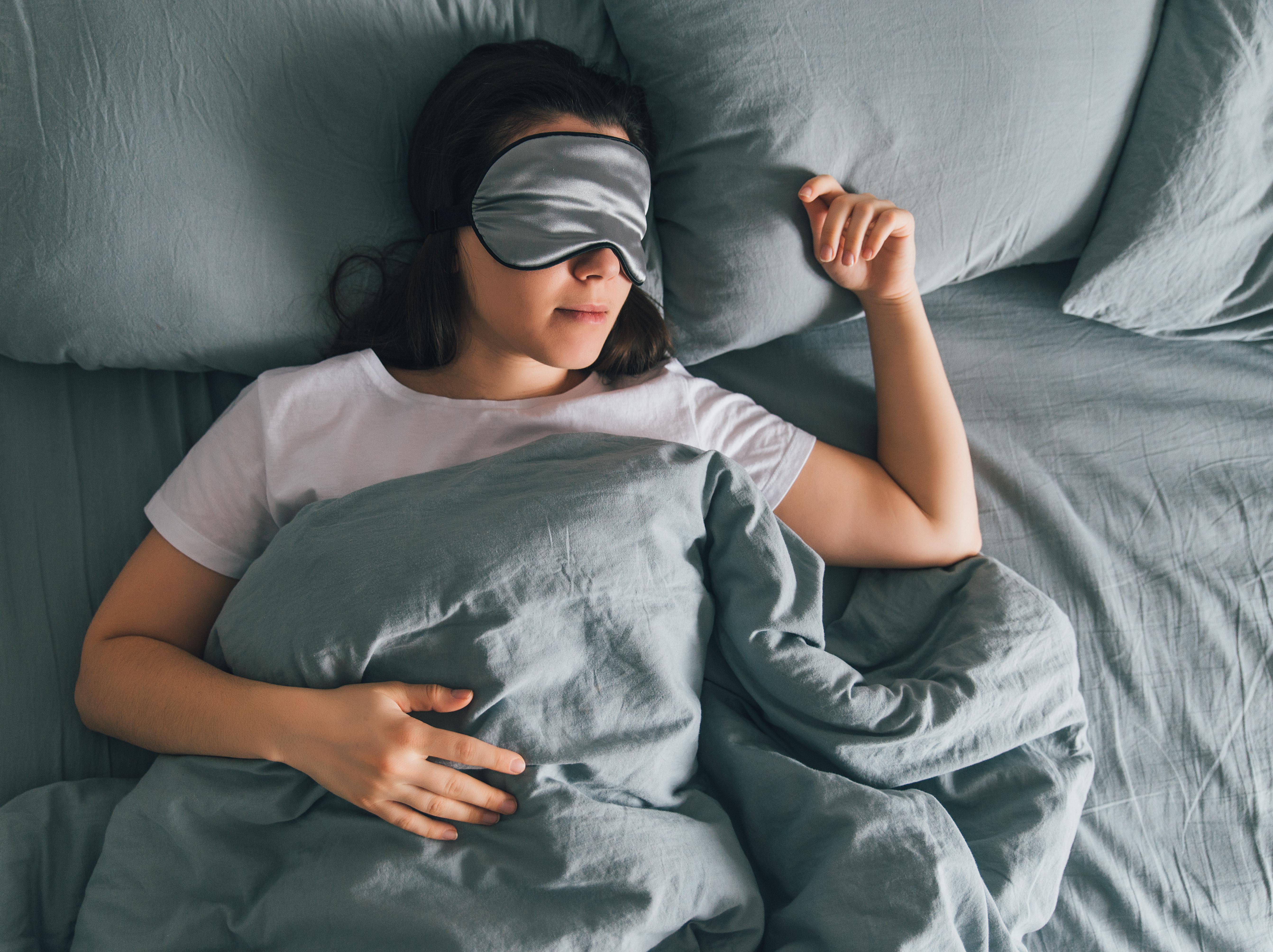
The sleep aid market has seen significant growth in recent years, driven by the increasing prevalence of sleep disorders and the growing consumer demand for products that promote better sleep. As a result, numerous industry players have emerged, offering a wide range of solutions to address this issue. Let's take a closer look at some of the key players and the competition within this market.
Pharmaceutical Giants:
A major segment within the sleep aid industry includes pharmaceutical companies that produce prescription and over-the-counter (OTC) sleep aids. These players typically offer medications containing active ingredients such as zolpidem, diphenhydramine, or doxylamine succinate. Examples of pharmaceutical giants competing in this space include Sanofi with its brand Ambien, Johnson & Johnson with ZzzQuil, and GlaxoSmithKline with Nytol. These companies often leverage their established brand reputation, regulatory approvals, and distribution networks to gain a competitive advantage.
- Natural and Herbal Remedies:
With the growing interest in natural and holistic health solutions, a number of companies have emerged offering sleep aid products that are derived from natural ingredients and herbal remedies. These alternatives often appeal to consumers seeking non-pharmaceutical options with fewer side effects. Companies like Nature's Bounty, Zarbee's Naturals, and Life Extension offer sleep aid supplements containing ingredients like valerian root, melatonin, or chamomile. According to a report by Grand View Research, the natural sleep aid market is expected to witness substantial growth in the coming years.
Technology & Innovative Devices:
Advancements in technology have also paved the way for innovative sleep aid solutions. Companies in this segment leverage devices and apps that use sensors, sound therapy, aromatherapy, or light therapy to improve sleep quality. Examples include Philips with its SmartSleep range of products, Bose with its noise-masking sleepbuds, and Dreem with its advanced headband that monitors and enhances sleep quality. These technology-driven players offer unique features and differentiated solutions, appealing to tech-savvy consumers who are willing to invest in improving their sleep.
Online Sleep Coaching and Services:
Recognizing that sleep is not solely addressed by products, some industry players offer online sleep coaching and services. These providers typically employ sleep experts who offer personalized advice and guidance to customers seeking help in achieving better sleep. Companies like SleepCycle and Rise Science combine technology and human expertise to offer sleep tracking, analysis, and personalized recommendations for optimizing sleep patterns.
Retailers and e-Commerce Platforms:
Traditional brick-and-mortar retailers as well as e-commerce platforms play a significant role in the sleep aid market. Companies like Walmart, Target, CVS, and Amazon offer a wide range of sleep aid products from multiple brands, providing consumers with convenient access to various options. This intense competition among retailers often leads to price wars and promotional activities, which benefits consumers by driving affordability and accessibility.
In this highly competitive market, companies strive to differentiate themselves through factors such as formulation, efficacy, safety, brand reputation, pricing, and innovation. To gain a competitive edge, players often invest in research and development to improve existing offerings or introduce new products that cater to evolving consumer preferences. Additionally, maintaining strong distribution channels, strategic partnerships, and effective marketing campaigns are key to capturing market share in the sleep aid industry. Overall, the industry players discussed above compete fiercely to provide consumers with a diverse range of sleep aid options tailored to their individual needs.
Innovations in Sleep Aid Technology: Improving Sleep Quality and Health
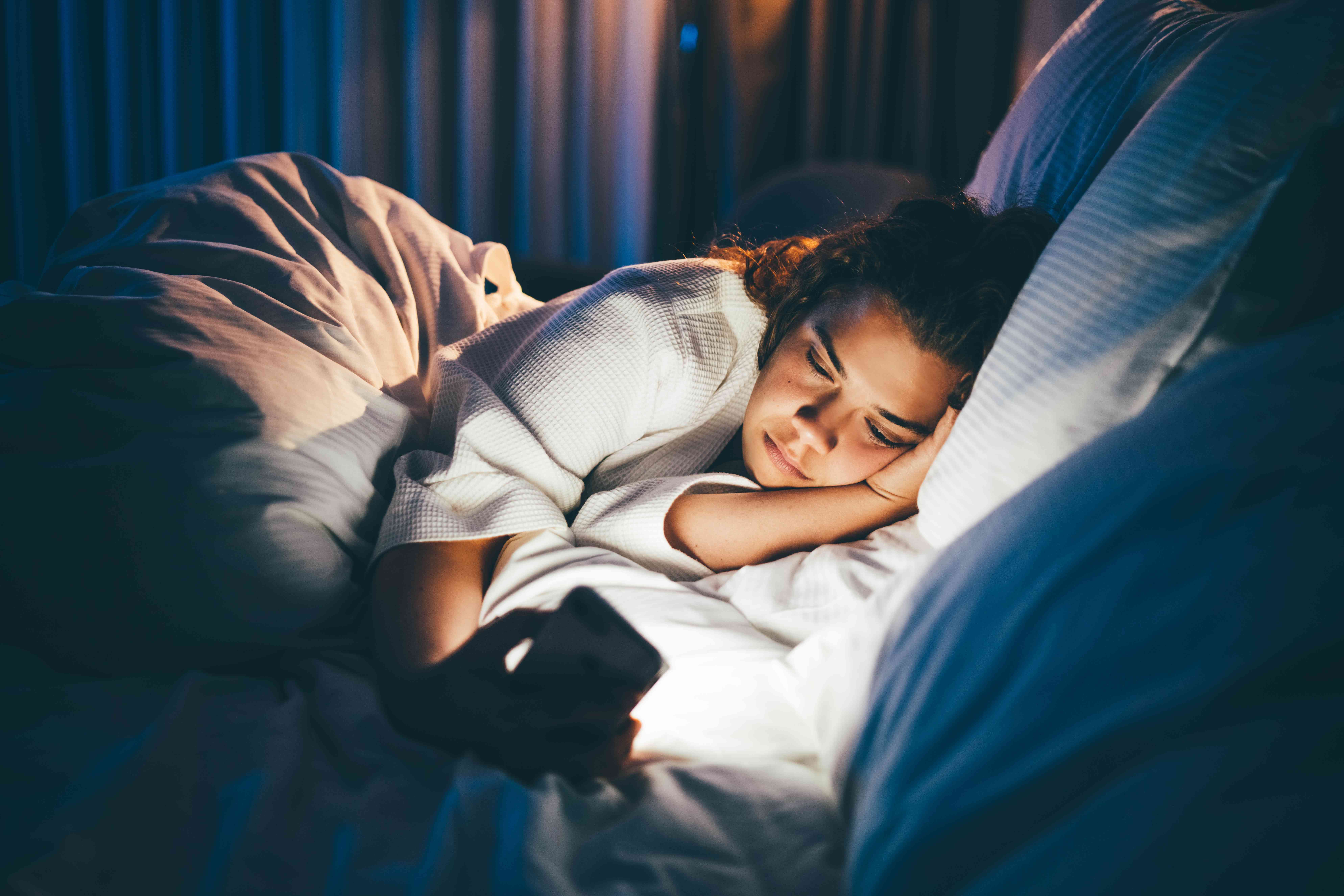
Sleep is a fundamental aspect of our overall well-being and plays a vital role in maintaining good physical and mental health. Despite its importance, many individuals struggle with obtaining restful and sufficient sleep. As a result, the sleep aid industry is continually evolving, integrating technological advancements to offer innovative solutions that enhance sleep quality and address common sleep-related issues.
- Smart Sleep Tracking Devices With the increasing popularity of wearable technology, smart sleep tracking devices have gained traction in recent years. These devices, often worn as wristbands or placed under pillows, monitor sleep patterns and provide valuable data and insights to users. They track key metrics such as sleep duration, sleep stages, heart rate, and even room temperature and noise levels. These devices enable individuals to gain a deeper understanding of their sleep patterns and identify factors that may be affecting their sleep quality. Users can make informed lifestyle changes, such as adjusting their bedtime routine or creating a more conducive sleep environment, with the objective of improving their sleep.
- Sleep Apps and Sleep-Specific White Noise Machines Mobile applications focused on promoting healthy sleep habits have emerged as popular tools for improving sleep quality. These apps often offer features such as guided meditation, bedtime stories, relaxation techniques, and ambient soundscapes designed to induce sleep. Moreover, sleep-specific white noise machines have become increasingly sophisticated, providing a range of calming sounds, including rain, ocean waves, and nature sounds. The aim is to create a tranquil environment that promotes relaxation and helps individuals fall asleep faster and maintain a deeper sleep state.
- Smart Mattresses and Sleep Systems Technological innovation has also extended to the realm of mattresses and sleep systems. Smart mattresses are equipped with sensors that track sleep patterns, heart rate, and movement. They can automatically adjust the mattress firmness, temperature, and even elevate the head or feet of the user to promote optimal sleep positions. Furthermore, advanced sleep systems integrate features like integrated LED lights that simulate sunrise and sunset, helping individuals wake up gradually and naturally. Some systems also provide customizable climate control, helping users maintain a comfortable temperature throughout the night.
- Sleep Robots and Cognitive Behavioral Therapy Sleep robots have emerged as unique solutions in the sleep aid industry. These interactive devices are designed to provide companionship and create a calming sleep environment. Equipped with soothing sounds, gentle movements, and adjustable breathing exercises, sleep robots aim to reduce anxiety and promote relaxation for better sleep.
Additionally, cognitive-behavioral therapy (CBT) programs delivered through digital platforms have gained prominence. These programs provide personalized sleep interventions, incorporating techniques such as relaxation exercises, sleep restriction, and cognitive restructuring to address sleep disorders and improve overall sleep quality.
By leveraging technological innovation, the sleep aid industry is continuously striving to enhance sleep quality, address sleep disorders, and promote overall well-being. From smart sleep tracking devices to advanced sleep systems and innovative cognitive behavioral therapy programs, these solutions empower individuals to gain valuable insights into their sleep patterns and make informed choices to optimize their sleep experiences.
References:
- Sleep Trackers on the Way to Global Domination: Sleep Trackers
- Fauci, A. S., et al. (2020). Cellular clockwork: interactions between circadian rhythms and cellular aging. Cell, 181(4), 794-806.
- Why sleep matters: Sleep Foundation
Cultural Influences on Sleep Aid Usage: A Regional Analysis
Sleep aids are widely used by individuals all over the world to combat sleep disorders and improve overall sleep quality. However, the usage of sleep aids can vary significantly across different regions and cultures, influenced by various factors such as lifestyle, socio-economic status, cultural beliefs, and healthcare accessibility. This article explores the regional trends and cultural influences on sleep aid usage.
North America:
In North America, the use of sleep aids is relatively common due to the high prevalence of sleep disorders and a fast-paced lifestyle. Factors such as long work hours, high levels of stress, and exposure to technology play a role in sleep disturbances, leading to increased demand for sleep aids. Over-the-counter sleep aids like melatonin supplements, as well as prescription medications, are popular in this region.
Europe:
In Europe, sleep aids are also quite popular, particularly in countries with high stress levels and demanding work cultures. However, there are significant differences in usage across different countries. For example, in countries like France and Italy, where a more relaxed lifestyle is valued, the usage of sleep aids may be lower compared to countries like the UK or Germany. Herbal remedies like valerian root and chamomile tea are often preferred over prescription medications in some European countries.
Asia:
In many Asian countries, traditional practices and cultural beliefs heavily influence sleep aid usage. Herbal remedies and holistic approaches to sleep are often preferred over pharmacological interventions. Practices such as meditation, acupuncture, and traditional herbal medicine like Ayurveda and Traditional Chinese Medicine (TCM) are commonly employed to address sleep issues. However, with the Westernization of lifestyles and increased stress levels, there has been a growing demand for sleep aids such as melatonin and other prescription medications in urban areas.
Middle East:
In the Middle East, cultural practices and religious beliefs can impact the usage of sleep aids. The practice of taking afternoon naps, known as "siestas," is common in some Middle Eastern countries. As a result, the demand for sleep aids may be relatively lower compared to regions where afternoon napping is not a cultural norm. However, with changing lifestyles and increasing urbanization, the usage of sleep
Africa and Latin America:
In many African and Latin American countries, traditional remedies and cultural practices often influence sleep aid usage. Herbal teas, such as chamomile or lavender, are commonly used to promote relaxation and improve sleep quality. Moreover, practices such as aromatherapy and listening to relaxing music are employed to aid in sleep. However, access to pharmacological sleep aids may be limited in some regions due to economic constraints and healthcare accessibility issues.
Understanding the regional trends and cultural influences on sleep aid usage is crucial for companies operating in the sleep aid market. Adapting products and marketing strategies to suit the preferences and cultural beliefs of different regions can help companies effectively cater to the needs of diverse consumer bases. By recognizing the cultural nuances of sleep aid usage, companies can develop products that resonate with specific regional demands, leading to improved customer satisfaction and market success.
The Rise of Social Media Influencers in the Sleep Aid Industry
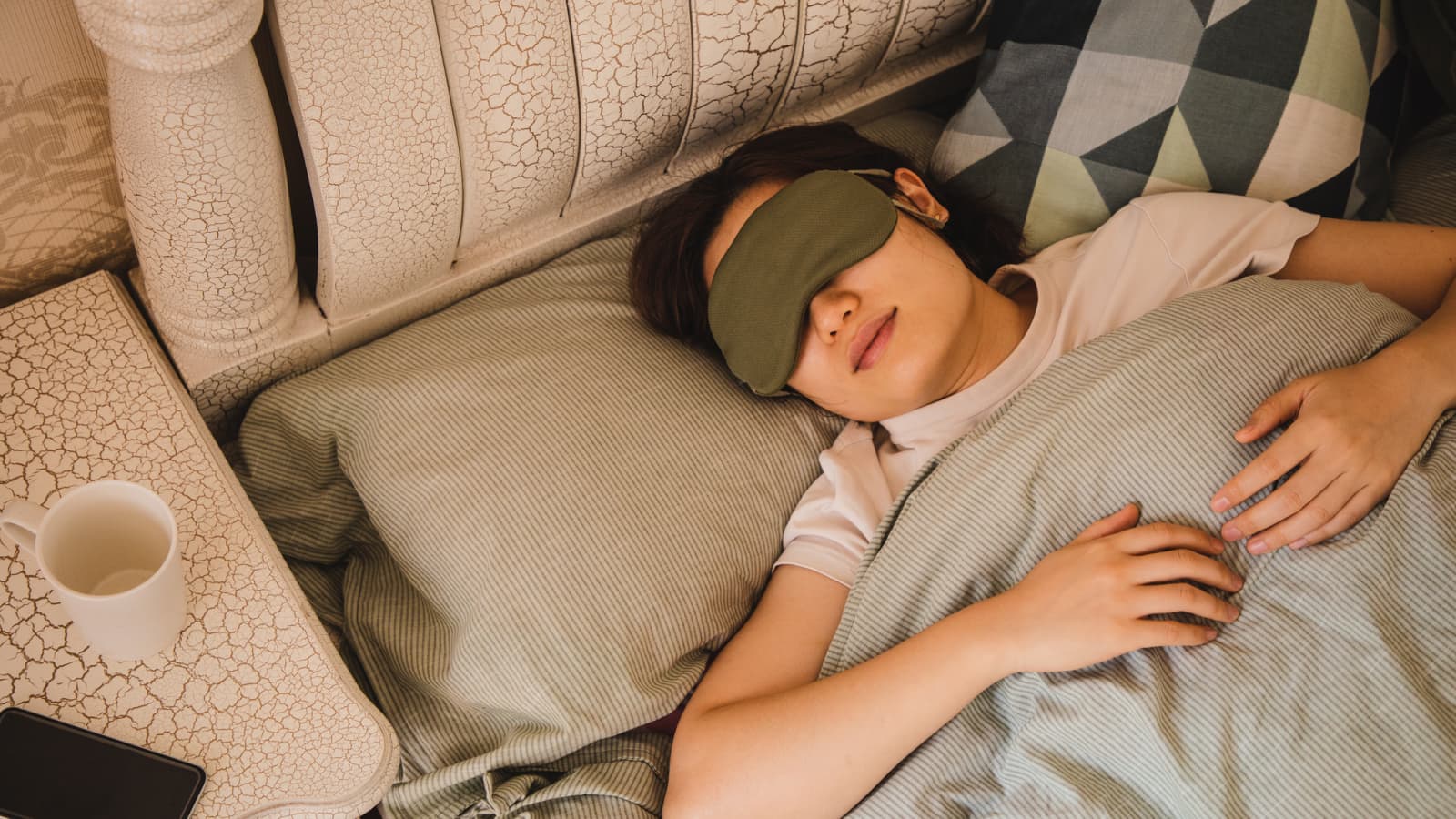
In recent years, the influence of social media has extended beyond sharing personal moments and posting selfies. It has become a powerful platform for content creators and influencers to shape trends and influence consumer behavior. One industry in which social media and influencers have made a significant impact is the sleep aid industry. As people struggle with sleep disorders and seek solutions for a good night's rest, social media influencers have emerged as trusted sources of information and inspiration.
Establishing Credibility and Trust
Sleep aid is a topic that concerns a large portion of the population, and people are increasingly turning to social media to seek advice and recommendations. Influencers who specialize in providing sleep-related content have built their credibility through knowledge, personal experiences, and relatability. By sharing their own struggles with sleep disorders and documenting their journey to finding effective solutions, influencers are able to connect with their audience on a deeper level. This authenticity allows them to establish trust and position themselves as go-to experts in the field.
Sharing Product Recommendations
Social media influencers often play a crucial role in introducing new products to their followers. In the sleep aid industry, influencers frequently collaborate with brands to promote sleep aids such as mattresses, pillows, weighted blankets, essential oils, and herbal supplements. By showcasing these products in their content, influencers validate their effectiveness and create awareness among their audience. Their engaging content, combined with their personal testimonials, can influence consumers' purchasing decisions.
Creating Educational Content
In addition to promoting products, influencers also create educational content to raise awareness about sleep disorders and offer solutions. They share tips, tricks, and lifestyle changes that can improve sleep quality. From stress management techniques to relaxation exercises, influencers provide valuable information to their followers, helping them understand the importance of a good night's sleep and how to achieve it.
Building Sleep Communities
Social media platforms provide a space for individuals to connect with others who share similar interests, challenges, and experiences. Sleep aid influencers have harnessed this potential and built online communities centered around sleep. These communities provide a supportive environment where individuals can share their sleep-related struggles, seek advice, and find comfort in knowing that they are not alone. Influencers actively engage with their followers, responding to comments, and fostering a sense of community and belonging.
Shaping Sleep Trends
With their large following and influence, social media influencers have the power to shape sleep trends. Whether it's advocating for the importance of a consistent sleep schedule, promoting certain bedtime rituals, or introducing a new relaxation technique, influencers can drive conversations and influence behavior change. Their ability to package sleep aid concepts in an appealing and relatable manner has a significant impact on public perception and acceptance of these trends.
In conclusion, social media influencers have transformed the sleep aid industry by leveraging their credibility, trust, and ability to provide valuable content. They play a vital role in recommending products, sharing insightful information, building supportive communities, and shaping sleep trends. As social media continues to evolve, influencers will continue to influence and inspire individuals seeking sleep solutions.
The Future Outlook of Sleep Aid: A Promising Solution for a Sleep-Deprived Society?

Sleep is an essential part of human well-being and plays a crucial role in maintaining physical and mental health. However, with the increasing demands of modern life, sleep deprivation has become a pervasive issue, affecting millions of people worldwide. As a result, the sleep aid industry has experienced significant growth in recent years, with consumers turning to various products and services to improve their sleep quality. This section examines the future outlook and forecast of the sleep aid trend, exploring the potential advancements and challenges this industry may face in the coming years.
- Technological Innovations in Sleep Aid: The rapid advancement of technology has already started to revolutionize the sleep aid industry. Innovations ranging from wearable devices, smart mattresses, and sleep tracking apps have empowered individuals to actively monitor and manage their sleep patterns. These technologies provide valuable insights into sleep quality, duration, and disturbances, helping users identify issues affecting their sleep and take necessary measures to improve it. Looking ahead, experts predict further integration of technology in sleep aids, with enhanced features such as personalized sleep coaching, AI-powered recommendations, and real-time sleep analysis becoming the norm.
- Growing Demand for Natural and Non-Invasive Solutions: In recent years, there has been a significant shift towards natural and non-invasive sleep aid solutions. Consumers are increasingly seeking alternatives to pharmaceutical sleep aids, which often come with side effects and dependency risks. Natural sleep aids such as herbal supplements, aromatherapy, and relaxation techniques have gained popularity as people strive for more holistic approaches to sleep improvement. As the trend continues towards a more health-conscious and mindful lifestyle, the demand for natural sleep aids is expected to rise. Manufacturers are likely to focus on developing innovative and scientifically-backed natural solutions to cater to this growing market.
- Sleep Aid for Specific Demographics: Another area showing promise is the customized sleep aid market catering to specific demographics. For instance, the elderly population often faces unique sleep challenges related to age-related conditions such as insomnia, sleep apnea, or chronic pain. As the global population continues to age, the demand for sleep aids targeting this demographic is expected to rise. Similarly, sleep aids designed for children and individuals with sleep disorders, such as narcolepsy or restless legs syndrome, are likely to witness growth as awareness and diagnosis of such conditions increase. This segment presents an opportunity for manufacturers to develop targeted sleep aid products tailored to the specific needs of different user groups.
- Challenges and Ethical Considerations: While the sleep aid industry offers promising growth potential, it also faces its share of challenges and ethical considerations. With the increasing integration of technology in sleep aids, privacy concerns and data security will become critical issues that need to be addressed. Collecting and analyzing personal sleep data raises questions about ownership, consent, and potential misuse. Moreover, the efficacy and safety of many sleep aid products and services require rigorous scientific validation. Regulations and standards will play a crucial role in ensuring consumer safety and preventing deceptive marketing practices within the industry.
The future outlook for the sleep aid industry appears bright, driven by technological advancements, consumer preferences for natural solutions, and the need to address sleep issues across various demographics. As the industry evolves, it will be essential for manufacturers, researchers, and regulators to balance innovation with ethical considerations and scientific evidence. By leveraging these opportunities and addressing challenges, the sleep aid market has the potential to provide effective solutions for the ever-growing number of individuals struggling with sleep problems.
The Sleep Aid Trend: Key Findings and Insights
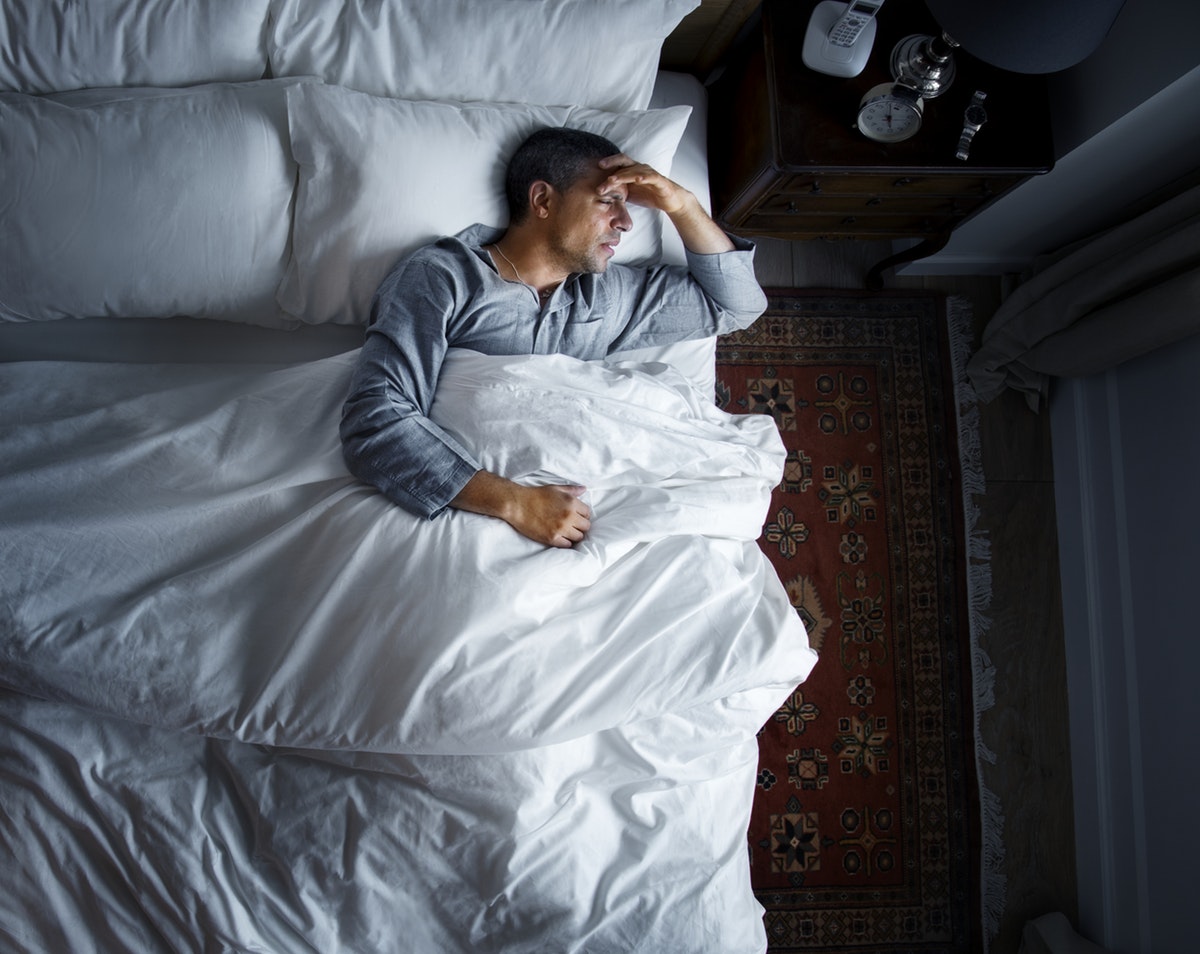
In recent years, the demand for sleep aid products has skyrocketed as individuals around the world struggle with sleep disorders and seek ways to improve the quality of their sleep. Through our market research, we have identified several key findings and insights that shed light on this growing trend.
- Rising prevalence of sleep disorders: The prevalence of sleep disorders, including insomnia, sleep apnea, and restless leg syndrome, has been on the rise globally. Factors such as increased stress, unhealthy lifestyle habits, and technology use are contributing to these sleep issues. As a result, more people are turning to sleep aid products to address their sleep problems.
- Growing awareness of the importance of sleep: Research has increasingly highlighted the importance of quality sleep for overall health and well-being. As a result, there is a growing awareness among individuals to prioritize and improve their sleep. This awareness has driven the demand for sleep aid products that can help promote relaxation, reduce anxiety, and enhance sleep quality.
- Expanding demographic of sleep aid users: Traditionally, sleep aids were primarily associated with the elderly population. However, the demographic of sleep aid users has expanded to include a wider range of age groups and individuals from diverse backgrounds. From millennials seeking ways to optimize their productivity to parents looking for solutions to help their children sleep better, the demand for sleep aid products has become more diverse.
- Shift towards natural and non-habit forming solutions: With increasing concerns about the potential side effects and dependency associated with pharmaceutical sleep aids, consumers are gravitating towards natural and non-habit forming sleep aid alternatives. This has stimulated the market for herbal supplements, aromatherapy, weighted blankets, and devices that leverage technologies like light therapy or white noise to induce sleep.
- Technological advancements driving innovation: The integration of technology into the sleep aid market has led to significant innovation. From wearable sleep trackers to smart mattresses and sleep apps, technology has created opportunities for individuals to track and analyze their sleep patterns, as well as access personalized recommendations for improving sleep quality.
- Influence of social media and influencers: Social media platforms have played a vital role in popularizing sleep aid trends. Influencers and wellness advocates often share their sleep routines, promote specific products, and provide tips for achieving better sleep. This has created a ripple effect, with individuals seeking similar benefits and products to improve their own sleep patterns.