

Shining Bright: Unveiling the Surging Demand for Laser Teeth Whitening in 2021

The Rising Popularity of Teeth Whitening: A Gleaming Trend Taking the World by Storm

In recent years, the trend of teeth whitening has gained remarkable popularity worldwide. People are increasingly seeking ways to enhance their smiles by achieving brighter, whiter teeth. Teeth whitening refers to the process of using different techniques and products to remove stains and discoloration from the surface of teeth, resulting in a whiter and more radiant smile.
Origins of Teeth Whitening:
The desire for whiter teeth is not a new phenomenon. Historically, different cultures and civilizations have valued white teeth as a sign of beauty and good health. Ancient Egyptians used a mixture of pumice stone and wine vinegar to whiten their teeth, while the Romans utilized urine (yes, urine!) as a teeth whitening agent. Thankfully, technology and innovation have come a long way since then.
Modern teeth whitening methods, such as bleaching agents and advanced dental treatments, have evolved to be more effective, convenient, and safe. Today, there are numerous options available to achieve the desired level of whiteness, including in-office treatments, at-home kits, and natural remedies.
Popularity Among Various Demographics:
The popularity of teeth whitening is not limited to a specific demographic or age group. It has garnered attention from a wide range of individuals, including celebrities, beauty influencers, and the general public. Several factors contribute to its growing appeal:
- Enhanced Aesthetics: Whiter teeth are associated with youthfulness, attractiveness, and a healthier overall appearance. A bright smile can boost confidence and improve self-esteem, hence making teeth whitening an appealing option for anyone seeking to enhance their smile.
- Social Media Influence: In the era of social media, where people are constantly sharing images of themselves, a picture-perfect smile has become increasingly important. The desire to have gleaming white teeth, similar to those seen on Instagram or TikTok, has influenced people to seek teeth whitening solutions.
- Accessibility and Affordability: Teeth whitening procedures have become more accessible and affordable than ever before. Advancements in dental technology have made the treatments quicker, more effective, and less invasive. Furthermore, at-home teeth whitening kits provide a relatively low-cost option for those who prefer DIY methods.
- Lifestyle Factors: Modern lifestyles often include habits that can stain teeth, such as consuming coffee, tea, wine, or smoking. As a result, teeth whitening has become a popular solution to counteract the effects of these staining substances and maintain a bright smile.
Teeth whitening has emerged as a trend, fueled by a combination of aesthetic aspirations, the influence of social media, improved accessibility, and the desire for an attractive smile. As individuals of all demographics seek a whiter and more radiant smile, the popularity of teeth whitening continues to rise.
The Soaring Market Size and Rapid Growth of Teeth Whitening
The teeth whitening market has witnessed significant growth in recent years, reflecting the increasing demand for a brighter and more confident smile. As more and more people prioritize dental aesthetics, the market size for teeth whitening products and services has continued to expand. This article explores the market size and growth of teeth whitening, highlighting the key factors contributing to its surge in popularity.
Market Size
According to a market research report, the global teeth whitening market was valued at $5.56 billion in 2020 and is projected to reach $7.40 billion by 2027, with a compound annual growth rate (CAGR) of 4.2% during the forecast period. The growing awareness among consumers about the importance of oral health and the desire for a whiter smile has been driving the market's expansion.
Factors Driving Growth
Several factors are contributing to the rapid growth of the teeth whitening market:
- Increasing Consumer Awareness: Heightened awareness of dental aesthetics, partly driven by social media and celebrity influence, has fueled the interest in teeth whitening. Consumers are more conscious of their appearance, leading to an increased emphasis on dental hygiene and whitening treatments.
- Advancements in Technology: Innovations in teeth whitening technologies have made the process more accessible, convenient, and effective. The development of efficient and easy-to-use whitening products, such as LED teeth whitening kits and whitening strips, has contributed to the market growth.
- Rising Demand for At-Home Solutions: The preference for at-home teeth whitening solutions has surged, as they offer convenience and cost-effectiveness compared to professional dental treatments. With numerous over-the-counter whitening products available, consumers now have a plethora of options to choose from.
- Increased Dental Tourism: Dental tourism has gained popularity, particularly in emerging economies, as individuals seek cost-effective dental treatments, including teeth whitening. The availability of affordable dental care in countries like Thailand, Mexico, and Costa Rica has attracted a significant number of international patients.
- Growing Dental Disorders: The rising prevalence of dental disorders, such as discoloration, stains, and dental fluorosis, has increased the demand for teeth whitening solutions. As a result, individuals are seeking professional teeth whitening treatments to address these issues and enhance their overall dental appearance.
Future Outlook
The future of the teeth whitening market looks promising, driven by the following trends:
- Increasing popularity of natural and organic teeth whitening products
- Rising demand for personalized dental care solutions
- Growing adoption of advanced dental technologies, such as AI-driven treatment planning
- Emergence of teeth whitening subscription services
- Focus on product innovation, including sensitivity-free whitening solutions
In conclusion, the teeth whitening market is experiencing remarkable growth due to heightened consumer awareness, technological advancements, and the availability of at-home whitening solutions. With a projected increase in demand and a range of emerging trends, the future of the teeth whitening industry appears bright and lucrative.
Consumer Demand for Teeth Whitening
Instant and Long-lasting Results
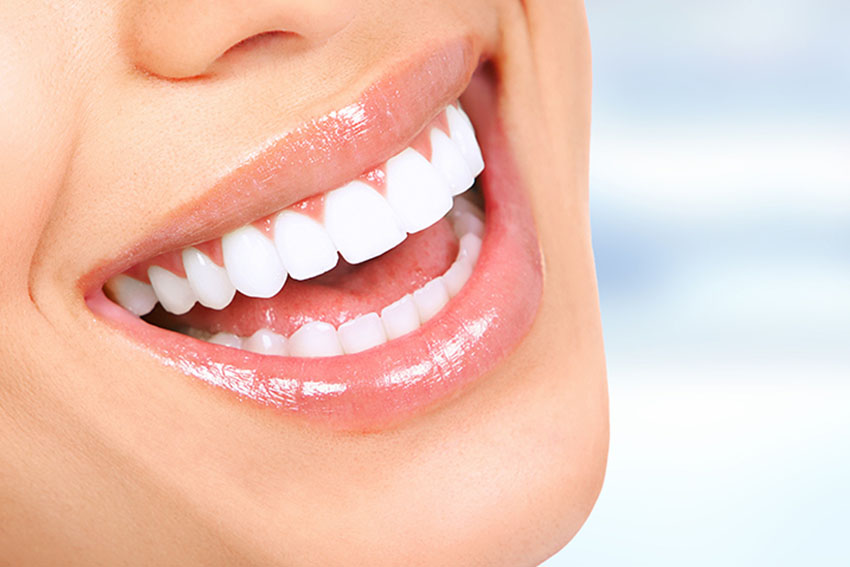
In an era of instant gratification, consumers are keen on achieving quick and noticeable results. Teeth whitening products that promise immediate effects are particularly in demand. Additionally, long-lasting results are highly valued, with consumers seeking options that provide a prolonged whitening effect to maintain their bright smiles over time.
Customization and Personalization
Consumers are increasingly seeking teeth whitening solutions that cater to their individual needs and preferences. Personalization has become a key driver of consumer decision-making, with products that offer different levels of whitening intensity or customizable treatment options gaining popularity. Teeth whitening services that can be tailored to match individuals' specific tooth shade requirements are also highly favored.
Social Influence and Celebrity Endorsements
The growing influence of social media and celebrity culture has significantly impacted consumer demand in the teeth whitening industry. Trendsetters and influencers with dazzling smiles, such as celebrities and social media personalities, often promote teeth whitening products and services. This form of endorsement can greatly influence consumer preferences and drive the demand for specific brands or treatments.
Consumer demand for teeth whitening solutions continues to increase as people place greater emphasis on having radiant smiles. The shift towards at-home convenience, natural formulations, instant and long-lasting results, customization, and the influence of social media are all vital factors shaping consumer preferences in the teeth whitening industry. As the market expands and competition grows, businesses must adapt to these evolving demands to meet the consumers' quest for a brighter, more confident smile.
Understanding the Competitive Landscape of the Teeth Whitening Industry
The teeth whitening industry has experienced significant growth over the past decade as more people have started seeking solutions for achieving a brighter smile. With the increasing demand for teeth whitening products and services, the market has become highly competitive with several industry players vying for market share. In this article, we will explore some of the key industry players and the fierce competition within the teeth whitening industry.
Industry Players
- Colgate-Palmolive: As a leading player in the oral care industry, Colgate-Palmolive offers a range of teeth whitening products under its various brands such as Colgate Optic White and Colgate Total. With a strong brand presence and extensive distribution network, Colgate-Palmolive has established itself as a trusted name in the teeth whitening market.
- Procter & Gamble: Operating under the brand Crest, Procter & Gamble is another major player in the teeth whitening industry. Crest offers an array of teeth whitening solutions, including toothpaste, whitening strips, and whitening kits. With innovative product formulations and effective marketing strategies, Crest has positioned itself as a go-to brand for consumers seeking teeth whitening solutions.
- Philips: Recognized for its dental care products, Philips has made a significant impact on the teeth whitening market with its Sonicare line of products. Philips Sonicare offers electric toothbrushes equipped with whitening features, providing a comprehensive oral care experience. This unique positioning has helped Philips to carve out a distinct niche in the teeth whitening industry.
- HiSmile: Unlike traditional established brands, HiSmile is a direct-to-consumer teeth whitening company that has gained popularity through social media marketing. With its effective influencer collaborations and millennial-focused branding, HiSmile has managed to attract a younger demographic seeking accessible and affordable teeth whitening solutions.
Competition in the Teeth Whitening Industry
The teeth whitening industry is marked by high competition, mainly driven by factors such as product innovation, pricing strategies, and marketing efforts. While established brands like Colgate-Palmolive and Procter & Gamble benefit from their long-standing presence and established customer base, newer entrants like HiSmile have leveraged social media platforms to rapidly gain visibility and capture market share.
In addition to these key players, various other brands and dental professionals offer teeth whitening solutions, increasing the level of competition even further. Some of these include Opalescence, Rembrandt, Zoom! Whitening, and professional dental clinics offering in-office whitening procedures.
To remain competitive, companies within the teeth whitening industry are continuously investing in research and development to create innovative products that deliver better and faster results. Additionally, marketing efforts play a crucial role in driving consumer awareness and loyalty, with companies utilizing both traditional advertising channels and influencer collaborations to reach their target audience.
As consumer demand for teeth whitening continues to grow, the competition within the industry is expected to intensify. Innovation, branding, and marketing prowess will be key differentiators for industry players as they strive to capture a larger market share and meet the evolving needs of consumers who are increasingly seeking effective and convenient teeth whitening solutions.
The teeth whitening industry is highly competitive, with both established players and newer entrants vying for market share. Companies such as Colgate-Palmolive, Procter & Gamble, Philips, and HiSmile have made a significant impact on the industry, each with their own unique strategies and market positioning. As the industry grows, the competition is expected to intensify further, pushing companies to innovate and offer effective and convenient teeth whitening solutions to satisfy the demands of an increasingly discerning consumer base.
Technological Innovations Revolutionizing Teeth Whitening
In recent years, teeth whitening has become a popular cosmetic dental treatment sought by individuals wanting a brighter, more confident smile. With the increasing demand for teeth whitening solutions, technological advancements have played a significant role in revolutionizing the industry. From at-home kits to professional treatments, innovative technologies are now available to provide safer, more effective, and convenient teeth whitening experiences.
Laser Teeth Whitening: One of the most notable technological innovations in teeth whitening is the use of lasers. Laser teeth whitening is a professional treatment that utilizes a laser to accelerate the teeth whitening process. The procedure involves applying a bleaching agent to the teeth and then activating it with the laser, which helps intensify the whitening effect. Laser teeth whitening offers faster results compared to traditional methods, with some treatments achieving desired outcomes in just one session.
LED Teeth Whitening: LED (Light Emitting Diode) teeth whitening is another breakthrough in the teeth whitening industry. LED lights emit blue light, which helps enhance the whitening gel's activity, resulting in quicker and more effective teeth whitening. With LED teeth whitening, individuals can achieve noticeable results in just a few sessions, making it a popular choice for those seeking a fast and convenient teeth whitening solution.
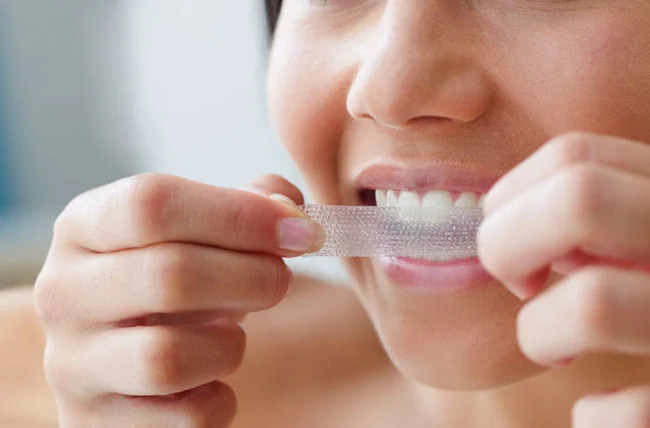
Whitening Strips and Trays: Technology has also improved the effectiveness and ease of use of at-home teeth whitening products, such as whitening strips and trays. In the past, these products were limited in their capacity to whiten teeth effectively. However, advancements in formulation and design have made these options more efficient, allowing individuals to achieve professional-level results in the comfort of their own homes. Some modern whitening strips and trays leverage various technologies, including peroxide-releasing systems and customizable tray designs, to deliver reliable and aesthetically pleasing whitening experiences.
Smartphone Apps and Monitoring Devices: As technology continues to infiltrate various aspects of our lives, teeth whitening is no exception. Smartphone apps and monitoring devices now exist to assist individuals in their teeth whitening journey. These apps provide reminders for when to apply whitening gels or strips, track progress over time, and offer personalized tips and recommendations based on individual requirements and goals. Monitoring devices, such as connected toothbrushes or smart oral care devices, can assess the effectiveness of teeth whitening treatments, providing real-time feedback and guidance for improved results.
Unquestionably, technological innovations have expanded the possibilities and outcomes of teeth whitening treatments. From professional laser and LED treatments to advanced at-home options and the integration of smartphone apps and monitoring devices, these innovations are enhancing the teeth whitening experience for users worldwide. As the quest for brighter smiles continues, we can expect further advancements in the field of teeth whitening technology, promising even more efficient, accessible, and personalized solutions in the future.
Cultural Influences on Teeth Whitening Trends Across Regions

Regional trends and cultural influences play a significant role in determining the popularity and preferences regarding teeth whitening practices. While the desire for a brighter, whiter smile is generally shared across cultures, the approaches and methods used can vary significantly based on cultural norms, traditional practices, availability of resources, and regional aesthetics. Let's explore some examples of how cultural influences impact teeth whitening trends in different regions.
- North America: In North American culture, a bright and white smile is highly valued and often associated with attractiveness and success. The prominence of Hollywood celebrities with dazzling smiles has significantly influenced this perception. As a result, teeth whitening has become a popular practice, with a wide range of over-the-counter and professional whitening treatments readily available. Additionally, North American cultural norms emphasize the importance of personal hygiene and image, further driving the demand for teeth whitening products and services.
- Asia: In many Asian cultures, the preference for a lighter skin tone extends to teeth as well. Having white teeth is associated with beauty, youthfulness, and hygiene. However, the approach to achieving whiter teeth can differ compared to North America. Traditional remedies, such as using charcoal or baking soda, are prevalent in some Asian countries. Herbal or natural methods are also popular, with remedies like neem sticks or using crushed strawberries. These culturally influenced practices showcase the blend of traditional beliefs and contemporary beauty standards.
- Middle East: In the Middle East, oral care and dental hygiene hold cultural significance. Maintaining good oral health is deeply ingrained in the culture, and teeth whitening is an essential part of achieving that goal. Traditional practices such as using miswak, a natural teeth-cleaning twig, are still prevalent in some regions. However, Western influences have introduced modern teeth whitening techniques, leading to an increased demand for professional whitening treatments and the use of whitening toothpaste.
- Europe: Teeth whitening trends in Europe vary across countries due to cultural diversity. In Western European nations, similar to North America, the quest for a radiant smile is highly valued. Professional teeth whitening treatments, at-home kits, and whitening toothpaste are widely used. In contrast, in some Eastern European countries, natural remedies like using lemon juice or baking soda are popular. Moreover, cultural habits like consuming less staining food and drinks, such as tea and coffee, are emphasized to maintain the whiteness of teeth.
- Africa and Latin America: Teeth whitening practices in Africa and Latin America are often influenced by a combination of cultural traditions and Western influences. Traditional remedies like teeth cleaning with salt or chewing certain herbs remain prevalent in rural areas. However, urban centers have seen an increased demand for modern teeth whitening products and treatments due to globalization and the desire to adhere to modern beauty standards.
Understanding the cultural influences on teeth whitening trends is crucial for marketers and businesses in the oral care industry. By recognizing the cultural nuances, companies can develop targeted strategies to meet the needs and preferences of different regions, offering products and services that align with cultural expectations and traditional practices.
The Power of Social Media Influencers in the Teeth Whitening Industry

In recent years, social media has become a powerful platform for promoting beauty and health products. One particular industry that has thrived in the world of social media is teeth whitening. Influencers play a crucial role in popularizing teeth whitening products, driving consumer interest, and shaping trends in this niche market.
Shining Smiles: A Growing Trend
Teeth whitening has gained significant popularity as more people seek to achieve a brighter and whiter smile. This quest for a perfect smile has given rise to a wide variety of teeth whitening products on the market, including toothpastes, whitening strips, gels, trays, and even LED light devices. With countless options available, consumers often turn to social media influencers for guidance and recommendations.
The Influencer Effect
Social media influencers hold considerable sway over their followers, who view them as trusted sources of information and inspiration. When it comes to teeth whitening, influencers share their personal experiences, showcase before-and-after pictures, and provide in-depth reviews of various products. They often collaborate with brands to create sponsored content, introducing their followers to specific teeth whitening products and encouraging them to try them.
Why Influencers Matter
The power of influencers lies in their ability to connect with their audience on a personal level. They offer relatable content, engage in conversations, and often respond to queries and comments from their followers. This level of interaction builds trust and credibility and significantly influences the purchase decisions of their followers. In fact, a survey found that 49% of consumers depend on influencer recommendations for their purchasing choices.
Setting Trends and Fueling Demand
Influencers have the power to shape trends by showcasing the latest teeth whitening products and techniques. Their posts, videos, and stories featuring teeth whitening often go viral, generating millions of views and likes. This exposure draws attention to specific brands and encourages consumers to try the products, creating a surge in demand. As a result, brands experience increased visibility and sales, while consumers gain access to innovative teeth whitening solutions.
Challenges and Regulations
As the teeth whitening industry continues to grow, it is not immune to challenges and regulations. Some influencers may make unrealistic claims about the effectiveness of certain products or provide misleading information. This has led to increased scrutiny from regulatory authorities, such as the U.S. Food and Drug Administration (FDA). To ensure the safe promotion of teeth whitening products, influencers and brands must adhere to advertising guidelines and provide accurate information about their products.
Social media influencers play a vital role in the success of the teeth whitening industry. Their ability to captivate audiences, share authentic experiences, and set trends has made them key players in promoting teeth whitening products. As the industry continues to evolve, it is essential for influencers and brands to maintain transparency, provide accurate information, and navigate regulatory requirements. With the power of social media behind them, influencers will undoubtedly continue to shape and drive trends in the teeth whitening market.
The Future Outlook of Teeth Whitening: A Bright Smile Ahead

Teeth whitening has gained significant popularity in recent years, as people increasingly prioritize aesthetics and a bright smile. With advancements in technology and the growing demand for a whiter smile, the future outlook for teeth whitening looks promising. In this section, we will explore the forecast and potential trends within the teeth whitening industry.
Technological Innovations:
Advancements in dental technology are expected to play a vital role in shaping the future of teeth whitening. Traditional methods, such as bleaching trays and in-office procedures, may be enhanced by innovative techniques. One such advancement is laser teeth whitening, which employs laser technology to accelerate the whitening process. Additionally, researchers are exploring new materials and formulas that could make teeth whitening more efficient and long-lasting.
Growth of Home Teeth Whitening Kits:
Home teeth whitening kits have become increasingly popular, with consumers seeking convenient and cost-effective solutions. The future of teeth whitening is likely to witness the growth of these kits, as more companies invest in producing effective and easy-to-use at-home products. Technological advancements, such as LED light devices and customized mouth trays, are expected to improve the efficacy of these kits, providing results similar to professional treatments.
Natural and Organic Teeth Whitening:
The shift towards natural and organic products is present across various industries and is likely to influence the teeth whitening market as well. With increasing awareness of the potential risks associated with conventional teeth whitening methods, consumers are seeking alternative, nature-based options. Natural teeth whitening products, such as activated charcoal or coconut oil, are gaining popularity due to their perceived safety and efficacy. As a result, we can anticipate more natural and organic teeth whitening products entering the market.
Focus on Oral Health:
As oral health awareness continues to increase, more individuals are seeking products and treatments that not only enhance their smile but also improve their overall oral health. Teeth whitening solutions that prioritize dental health, such as those infused with enamel-strengthening ingredients, may appeal to consumers in the future. Additionally, dental professionals are likely to emphasize the importance of maintaining good oral hygiene habits alongside teeth whitening treatments.
Personalization and Customization:
Personalization has been a dominant trend in various industries, and teeth whitening is no exception. In the coming years, we can expect a rise in personalized teeth whitening treatments. Dental professionals may use innovative technologies to create tailored whitening plans based on factors like tooth sensitivity, staining severity, and individual preferences. Customized treatments could result in more satisfactory and long-lasting whitening results.
The future of teeth whitening holds promising opportunities for cosmetic dentistry. Technological advancements, the growth of home whitening kits, demand for natural alternatives, increased focus on oral health, and the trend towards personalization are shaping the industry's outlook. As consumers continue to prioritize a bright smile, the teeth whitening market is expected to thrive, providing innovative and convenient solutions for those seeking whiter teeth.
The Power of a Dazzling Smile: Key Findings and Insights on the Teeth Whitening Trend

Key Findings:
- Growing Interest: The trend of teeth whitening has witnessed a significant surge in popularity over the past few years. Google search volumes for "teeth whitening" have steadily increased, indicating a growing interest in this cosmetic dental procedure.
- Celebrity Influence: Celebrities often play a crucial role in setting beauty trends, and teeth whitening is no exception. Many high-profile individuals have openly discussed their teeth whitening experiences, leading to increased curiosity and adoption among the general public.
- Social Media Impact: Social media platforms have acted as prime catalysts for the teeth whitening trend. Influencers and beauty bloggers regularly share their teeth whitening routines, favorite products, and before-and-after transformations, inspiring their followers to follow suit.
- Affordable Alternatives: The availability of affordable at-home teeth whitening options has made it more accessible to a broader audience. Over-the-counter whitening strips, toothpaste, gels, and DIY remedies have gained popularity due to their convenience and cost-effectiveness.
- Professional Treatments: Despite the rise of at-home solutions, professional teeth whitening treatments remain highly sought after. The expertise and immediate results offered by dentists and specialized clinics continue to attract individuals seeking fast and effective whitening solutions.
Key Insights:
- The Pursuit of Beauty: The teeth whitening trend aligns with society's increasing emphasis on physical appearance and self-care. People are investing more in their looks, with teeth whitening becoming a popular step in achieving a radiant smile and boosting confidence.
- Improved Accessibility: Accessibility to teeth whitening products and services has expanded, thanks to advancements in technology, increased competition, and the globalization of beauty trends. This accessibility has made teeth whitening more inclusive and available across different demographics and income levels.
- Natural Teeth Enhancement: As consumers become more health-conscious, there is a growing demand for natural and less invasive teeth whitening approaches. This includes products that utilize natural ingredients, minimize sensitivity, and offer gentle whitening methods.
- Brand Differentiation: With the market flooded with various teeth whitening products, brands that can differentiate themselves will enjoy a competitive advantage. Factors such as formulation, packaging, ease of use, price, and endorsements play a significant role in capturing consumer attention and loyalty.
- Importance of Education: As the teeth whitening trend continues to gain traction, it is crucial for consumers to be well-informed about the potential risks, safety precautions, and suitable options. Dental professionals and resourceful online platforms can serve as reliable sources of information, helping individuals make informed decisions and maintain oral health.