
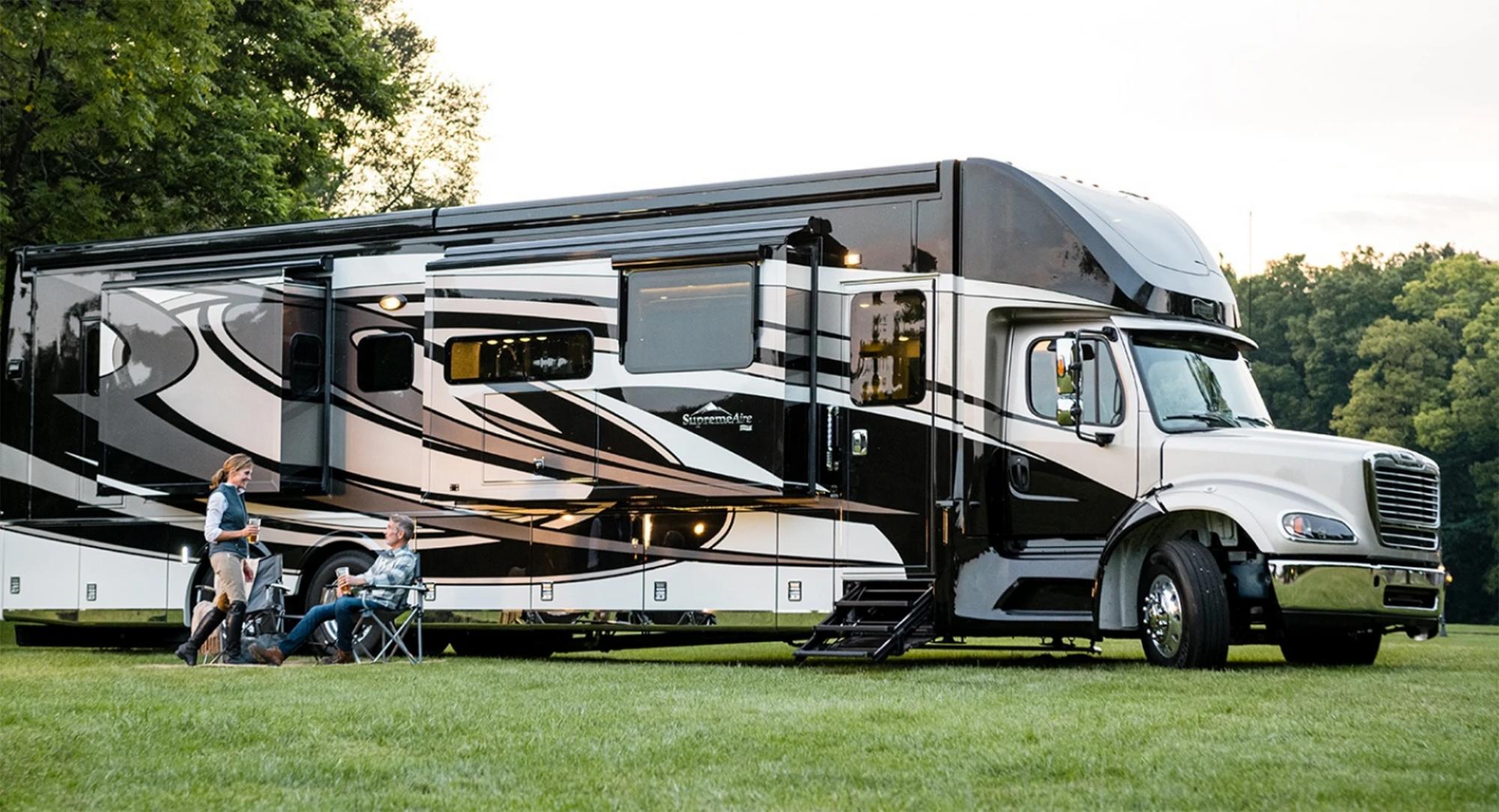
Revving Up: Exploring the Surging Demand for Trendy RVs for Sale in 2022

The Rising Trend of RVs for Sale: Exploring the Origins and Growing Popularity
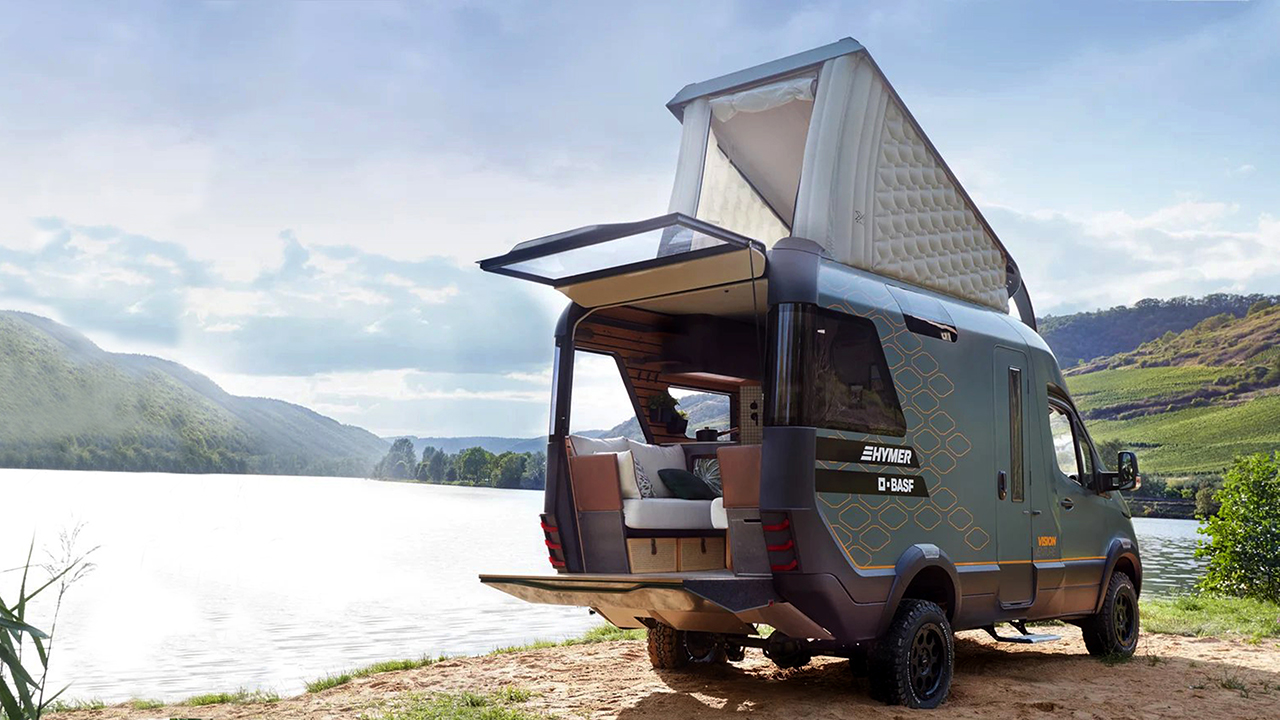
In recent years, the trend of RVs for sale has gained significant traction and popularity across various demographics. Offering a mobile home experience with the freedom to travel and explore at one's leisure, this trend has become a hot topic among adventure enthusiasts, families seeking memorable vacations, and retirees looking for a change of pace. In this article, we delve into the origins of the RV industry, explore the reasons behind its increasing popularity, and highlight its appeal to different segments of the population.
Origins of RV Travel:
Recreational Vehicles, commonly known as RVs, have a rich history dating back to the early 20th century. Initially, they emerged as an alternative means of transportation and accommodation for travelers, allowing them to embark on extended road trips without having to rely solely on hotels or campgrounds. The first few RVs were essentially modified automobiles or horse-drawn wagons, equipped with basic living amenities such as beds and cooking spaces.
Popularity Across Demographics:
RVs have experienced a surge in popularity in recent years, appealing to a diverse range of individuals and families. Here are a few reasons why this trend has gained momentum:
- Freedom and Flexibility: RV travel allows people to break free from the constraints of traditional vacations. With an RV, one can explore multiple destinations, embark on spontaneous trips, and have the freedom to change plans as desired. This flexibility is particularly appealing to those seeking a sense of adventure and the ability to create their own unique experiences.
- Cost-Effective Travel: For families and retirees, the cost-effectiveness of RV travel is a major draw. With rising hotel prices and the added expenses of dining out, RVs provide an affordable alternative. Travelers can prepare their own meals, avoid pricey accommodations, and eliminate the worry of costly flights.
- Connect with Nature: RVs allow individuals to immerse themselves in the great outdoors, providing an opportunity to connect with nature and experience breathtaking landscapes firsthand. Camping in forests, national parks, or by pristine lakes becomes more accessible, enabling travelers to embrace a more sustainable and eco-friendly form of travel.
- Changing Lifestyles and Digital Nomadism: The popularity of remote work and digital nomadism has grown rapidly in recent years. RV travel serves as an ideal solution for those seeking a mobile work-life balance. With the necessary technology and connectivity, individuals can work from the comforts of their RV while exploring new destinations.
The trend of RVs for sale has captivated the interest of various demographics due to its inherent benefits of freedom, flexibility, cost-effectiveness, and connection with nature. As individuals look for alternative ways to travel and experience the world, RVs provide a unique opportunity to embark on personal adventures while embracing a more sustainable and rewarding lifestyle. Whether it's for family vacations, retiree adventures, or digital nomad journeys, RV travel has emerged as a popular choice for those seeking excitement and new horizons.
Exploring the Expanding Market Size and Growth of RVs for Sale
As more people embrace the allure of wanderlust and seek the freedom of the open road, the market for recreational vehicles (RVs) has been experiencing significant growth. In this article, we will delve into the market size and explore the factors contributing to the expansion of RVs for sale.
Market Size of RVs for Sale
The market size of RVs for sale has witnessed a remarkable surge in recent years. According to a report by the Recreation Vehicle Industry Association (RVIA), RV shipments in 2020 reached a total of 430,412 units, which is a notable 4.5% increase compared to the previous year.
Furthermore, the demand for RVs has continued to gain momentum, with the market size projected to grow at a compound annual growth rate (CAGR) of 7.68% from 2021 to 2028. This upward trend is expected to result in a market value of USD 62.24 billion by 2028, according to a study by Grand View Research.
Factors Driving Market Growth
Several factors are contributing to the growth of the RV market:
- Changing Lifestyles: The desire for adventure and leisure experiences has led an increasing number of individuals and families to embrace the RV lifestyle. With an RV, travelers have the freedom to explore diverse destinations without compromising on comfort or convenience.
- Popularity of Road Trips: Road trips have become a popular alternative to traditional vacation options. The flexibility to embark on impromptu adventures and explore off-the-beaten-path destinations has immensely contributed to the rising popularity of RV travel.
- Rise of Remote Work: The COVID-19 pandemic has accelerated the adoption of remote work options. With the flexibility to work from anywhere, more individuals are choosing to work while on the road, making RVs an attractive option to combine work and travel.
- Increased Affordability and Financing Options: The RV industry has responded to growing demand by introducing a wider range of RV models at various price points. Moreover, many manufacturers and financial institutions offer attractive financing options, making RV ownership more accessible.
- Growing Retiree Population: As the baby boomer generation enters retirement, a significant portion is embracing the RV lifestyle. This demographic is seeking adventure, leisure, and a sense of community, all of which can be fulfilled through RV travel.
The market for RVs for sale has experienced remarkable growth, driven by changing lifestyles, the popularity of road trips, the rise of remote work, favorable financing options, and a growing retiree population. As these trends continue to shape consumer preferences, the market is projected to expand further in the coming years. RV manufacturers and dealers have an opportunity to tap into this growing market by understanding and catering to the evolving needs of RV enthusiasts.
Understanding Consumer Demand and Preferences in the RV for Sale Market
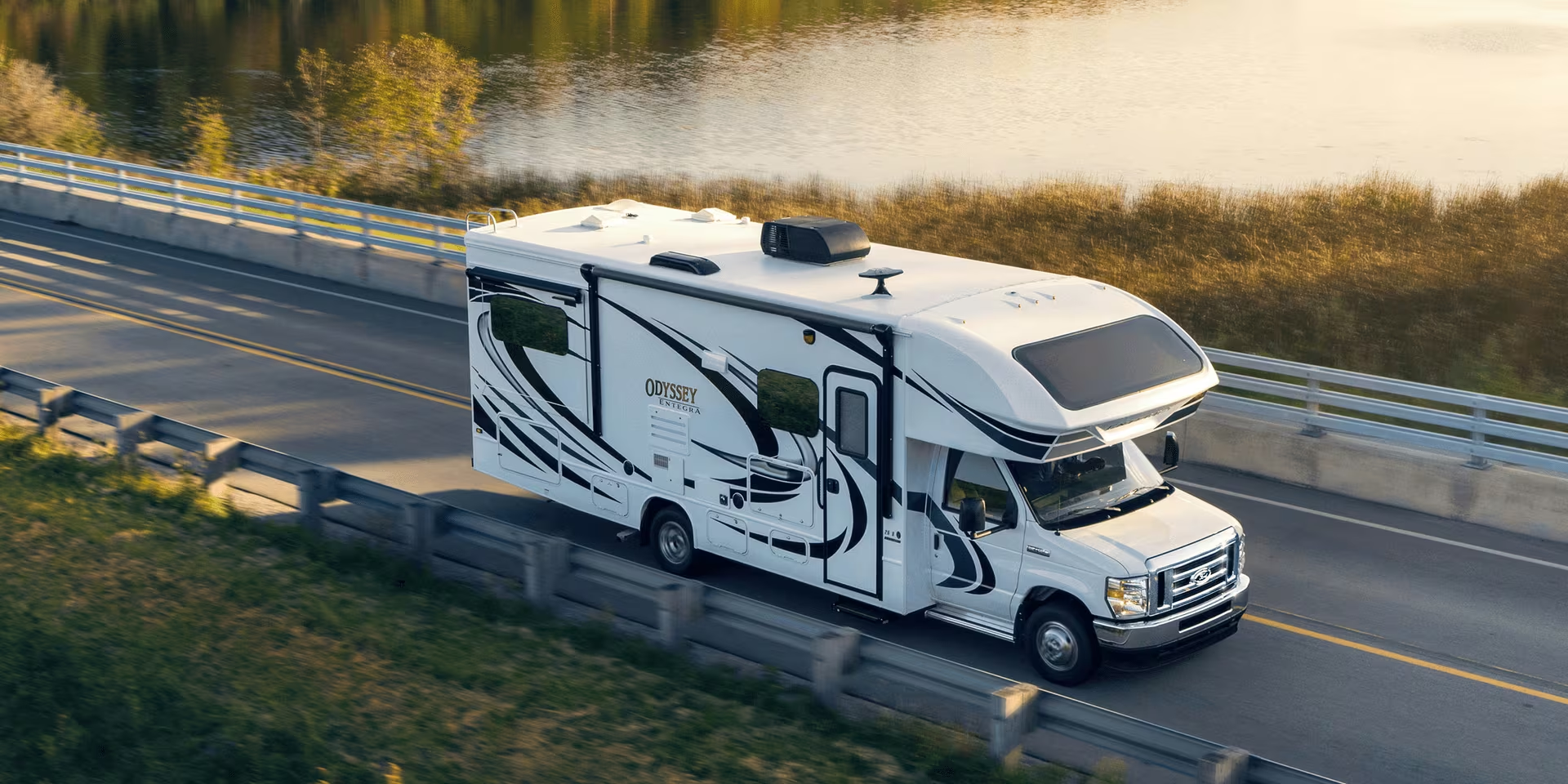
RVs (Recreational Vehicles) have become increasingly popular among travelers and outdoor enthusiasts, offering a convenient and flexible way to explore and experience the great outdoors. With the surge in interest in RV travel, the market for RVs for sale has seen a significant uptick in recent years. In this section, we will delve into the consumer demand and preferences surrounding the purchase of RVs.
Increased Interest in Outdoor Adventures
One of the key factors driving consumer demand for RVs for sale is the growing interest in outdoor adventures. Consumers are increasingly seeking ways to distance themselves from the hustle and bustle of everyday life and connect with nature. RVs provide a comfortable and convenient way for individuals and families to embark on memorable outdoor experiences while still enjoying the comforts of home.
Versatility and Freedom
Consumers value the versatility and freedom that RV travel offers. With an RV, individuals have the flexibility to travel at their own pace, choose their destinations, and modify their itineraries as they please. RVs allow people to explore various national parks, campgrounds, and other travel destinations without the need for hotel bookings or strict schedules. This flexibility appeals to those seeking an independent and spontaneous travel lifestyle.
Customizability and Comfort
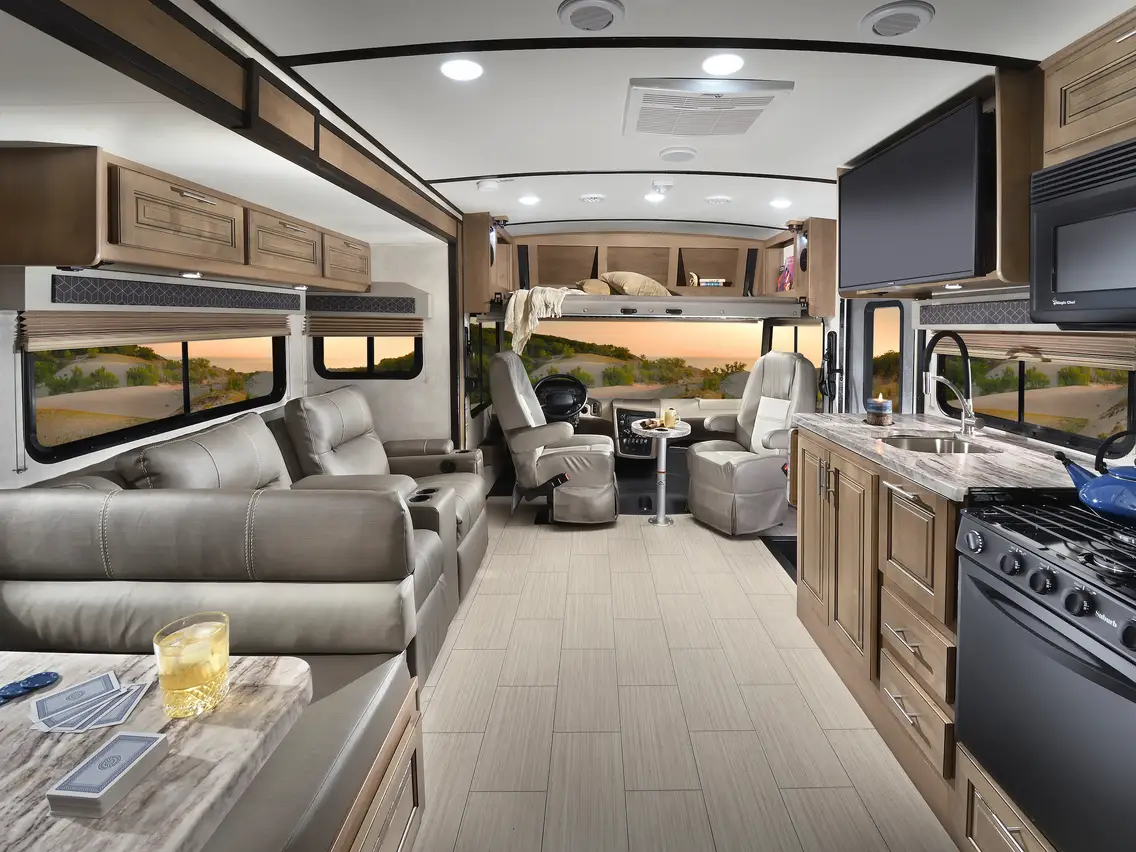
Another factor driving consumer preferences in the RV for sale market is the desire for customized and comfortable living spaces. RV manufacturers have responded to this demand by offering a wide range of floor plans and amenities to suit different needs and preferences. Consumers now have the option to choose RV models with various sleeping arrangements, kitchen facilities, entertainment systems, and other amenities that make their travel experience more enjoyable and convenient.
Increased Focus on Sustainability
Sustainable, eco-friendly features are gaining importance among consumers in the RV for sale market. As individuals become more conscious of their environmental footprint, they seek RV models that are designed with energy-efficient systems, eco-friendly materials, and renewable energy options. RV manufacturers are actively incorporating green technologies into their designs to meet this growing demand for sustainability.
Digital Connectivity and Smart Technologies
In today's digital age, connectivity is a crucial consideration for many consumers looking to purchase an RV. The ability to stay connected while on the road, whether for work or leisure, is increasingly important. RV manufacturers are integrating smart technologies, such as Wi-Fi connectivity, navigation systems, and smartphone-compatible controls, to enhance the convenience and connectivity of RV living.
The demand for RVs for sale is driven by various factors, including the growing interest in outdoor adventures, the desire for freedom and flexibility, the need for customization and comfort, a focus on sustainability, and the importance of digital connectivity. Understanding these consumer preferences allows RV manufacturers and sellers to adapt and cater to the evolving needs of the market, ensuring they provide the best possible product and experience for their customers.
Exploring the Competitive Landscape of the RV for Sale Industry
The market for RVs (Recreational Vehicles) has seen significant growth in recent years, driven by an increased interest in outdoor activities, travel, and exploration. As more people seek to embrace the freedom and flexibility offered by RVs, the competition among industry players in the RV for sale market has become intense.
Key Players in the RV for Sale Industry
- Forest River, Inc.: Forest River, a Berkshire Hathaway company, is one of the leading manufacturers of RVs in North America. With a diverse product lineup that includes Class A, B, and C motorhomes, fifth wheels, travel trailers, and more, Forest River has established a strong presence in the market.
- Thor Industries, Inc.: Thor Industries is another prominent player in the RV industry. It owns several well-known brands, including Airstream, Keystone RV, and Jayco. Thor Industries offers a wide range of RVs, from luxury motorhomes to lightweight travel trailers, catering to different segments of the market.
- Winnebago Industries, Inc.: Winnebago is a well-established name in the RV industry, known for its iconic motorhomes. The company offers a comprehensive range of RVs, including Class A, B, and C motorhomes, as well as travel trailers and fifth wheels, targeting both entry-level and high-end markets.
- Camping World Holdings, Inc.: Camping World is the largest retailer of RVs and outdoor camping products in the United States. In addition to selling new and used RVs, Camping World provides maintenance, repair, and accessory services. With an extensive network of dealerships across the country, the company has a strong customer base and brand presence.
Competitive Dynamics in the RV for Sale Industry
The RV for sale industry is highly competitive, with players constantly striving to differentiate themselves and attract customers. Some key factors shaping competition in this market include:
- Product Differentiation: RV manufacturers differentiate themselves by offering unique features and amenities tailored to different customer segments. Manufacturers often invest in research and development to introduce innovative designs, technologies, and floor plans that meet the evolving needs and preferences of RV enthusiasts.
- Pricing Strategies: Price is a crucial factor influencing consumer purchase decisions. Many manufacturers offer a range of price points within their product lineup, catering to different budget levels. Additionally, periodic sales, discounts, and promotional offers help attract budget-conscious buyers.
- Distribution Channels: The distribution channels for RVs include authorized dealerships, online marketplaces, and direct-to-consumer sales. Manufacturers aim to strengthen their dealer networks, ensure efficient product availability, and provide excellent customer service to gain a competitive edge.
- Brand Recognition: Established RV manufacturers leverage strong brand recognition to attract loyal customers. Brand reputation is built on factors such as quality, reliability, customer support, and after-sales service. Industry players invest in marketing and advertising campaigns to maintain and enhance their brand image.
- After-Sales Service and Support: Excellent after-sales service is essential for customer satisfaction and retention in the RV industry. Manufacturers that provide comprehensive warranty coverage, easy access to replacement parts, and reliable customer support gain an advantage over competitors.
- Market Expansion: As the RV market continues to grow, industry players focus on expanding their market reach. This includes targeting new customer segments, exploring international markets, and adapting product offerings to suit evolving travel trends.
In conclusion, the RV for sale industry is fiercely competitive, driven by major players such as Forest River, Thor Industries, Winnebago Industries, and Camping World. These industry giants differentiate themselves through product offerings, pricing strategies, distribution channels, brand recognition, after-sales service, and market expansion initiatives. As the industry continues to evolve, understanding and adapting to these competitive dynamics will be crucial for sustained success.
The Technological Innovation Revolutionizing the RV Industry

The RV industry has long captivated adventure enthusiasts and travel enthusiasts alike, offering a unique way to explore the great outdoors. However, as technology continues to progress, the once simple and rustic experience of hitting the road in an RV has been transformed by a wave of technological innovation. From cutting-edge features to smart home automation systems, these advancements have brought convenience, safety, and comfort to the forefront of the RV experience.
One of the significant technological breakthroughs in the RV industry is the integration of solar power systems. As the demand for sustainable energy solutions grows, RV manufacturers have started embracing solar panels. These panels can harness the power of the sun to generate electricity, powering essential onboard systems. By reducing reliance on traditional power sources and enabling off-the-grid camping, solar power integration represents a significant step towards eco-friendly RVing.
Another area where technology has made a remarkable impact is in enhancing connectivity on the road. With the rise of 5G technology and satellite internet, RV enthusiasts can now enjoy reliable and high-speed internet access wherever they go. This means staying connected with loved ones, streaming entertainment content, and working remotely while enjoying the freedom of travel. Additionally, many RVs now come equipped with Wi-Fi extenders and signal boosters to improve connectivity in remote areas.
Advancements in home automation systems have also revolutionized the RV experience. Designed to make life on the road more convenient and comfortable, these systems allow RVers to control various aspects of their vehicle with ease. From remotely adjusting temperature and lighting to managing entertainment systems and security, smart RV technology provides a personalized and efficient living space. Incorporating voice command integration further enhances the user experience, enabling hands-free control and simplifying day-to-day tasks.
Safety has always been a top priority for RVers, and technology has played a crucial role in improving it. Innovative safety features such as collision avoidance systems, lane departure warnings, and blind-spot detection help prevent accidents and ensure a smoother and safer journey. GPS navigation systems designed specifically for RVs provide turn-by-turn directions that consider clearance heights, road restrictions, and other factors unique to larger vehicles.
Moreover, the integration of advanced monitoring systems enables RV owners to keep a close eye on their vehicle's vital signs. These systems can monitor tire pressure, battery levels, and even detect gas leaks, providing real-time alerts and peace of mind. As a result, RVers can better manage their vehicle's maintenance needs and avoid unnecessary breakdowns, ensuring a hassle-free travel experience.
As technological innovation continues to accelerate, the RV industry is expected to witness further advancements. With the advent of electric vehicles and the ongoing development of autonomous driving technology, the future of RVs holds tremendous potential. Electric RVs promise a quieter and greener travel experience, while autonomous driving technology could revolutionize RVing by transforming long drives into relaxing experiences.
In conclusion, technological innovation has transformed the RV industry, offering a range of exciting features that enhance convenience, safety, and comfort. From solar power integration to smart home automation systems and advanced safety features, RV enthusiasts can now enjoy a more sustainable, connected, and enjoyable travel experience. As the RV market continues to evolve, it is essential for manufacturers to stay at the forefront of technological advancements, catering to the changing needs and expectations of today's adventurers.
Exploring Regional Trends and Cultural Influences on RV Sales
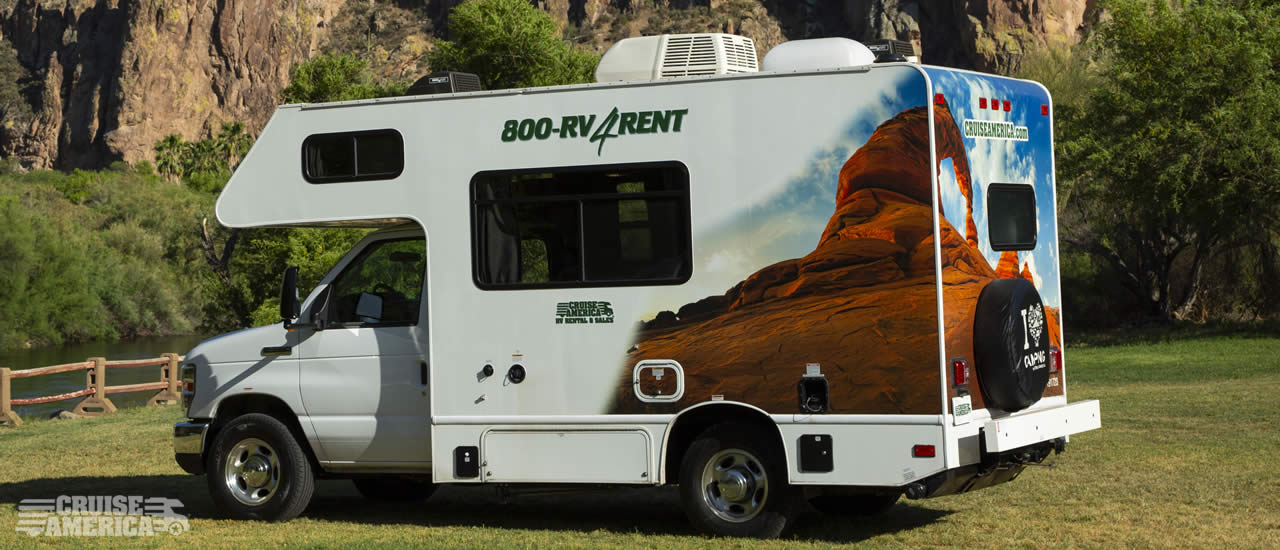
When it comes to purchasing an RV, various regional trends and cultural influences can have a significant impact on consumer behavior. The popularity of RVs can vary from one location to another, driven by factors such as lifestyle preferences, outdoor recreation activities, and regional economic conditions. Let's take a closer look at these regional trends and cultural influences that shape the market for RVs.
Outdoor Recreation Culture
Regions with a strong outdoor recreation culture often see higher demand for RVs. This includes areas with abundant natural beauty, such as national parks, mountains, lakes, and coastal regions. Places like Colorado, Oregon, California, and the Pacific Northwest have prominently featured these cultural preferences, with a higher concentration of RV sales and a robust RV community.
Retirement Communities and Snowbird Culture
Retirement communities and snowbird culture significantly influence RV sales in specific regions. Snowbirds are individuals who migrate seasonally to warmer climates during the winter months, often via RVs. States like Florida, Arizona, Texas, and California attract a large number of snowbirds, making them hotspots for RV sales.
Seasonal Tourism
Regions with high levels of seasonal tourism, such as beach destinations or popular vacation spots, tend to have increased RV sales during peak travel seasons. Coastal areas along the East Coast, including Florida, the Carolinas, and the Gulf Coast, experience an upswing in RV sales during the summer months.
Regional Economic Conditions
The economic conditions of a region can also impact RV sales. For instance, areas with a strong manufacturing or oil industry tend to see higher sales of larger, more luxurious RVs, as individuals with higher income levels are more likely to invest in these vehicles. On the other hand, regions facing economic downturns may experience a decline in RV sales.
Regional Regulations and Campsite Availability
Regional regulations and campsite availability can influence the popularity of RV sales. Some areas have stricter regulations regarding where RVs can be parked or camped, limiting the appeal for potential buyers. Likewise, a shortage of campgrounds or limited availability of RV-friendly amenities in certain regions may have an impact on RV sales.
By examining these regional trends and cultural influences, it becomes evident that understanding the target market and the specific regional characteristics is crucial for RV manufacturers, dealerships, and marketing professionals. A tailored approach that acknowledges these influences can help businesses succeed in different regions.
Overall, regional trends and cultural influences play a significant role in shaping the RV sales market. It is essential for industry professionals to continually monitor these trends and adapt their strategies accordingly. By staying informed and responsive to these influences, businesses can better cater to the diverse needs and preferences of their target consumers in different regions.
The Rise of Social Media Influencers in the RV for Sale Market
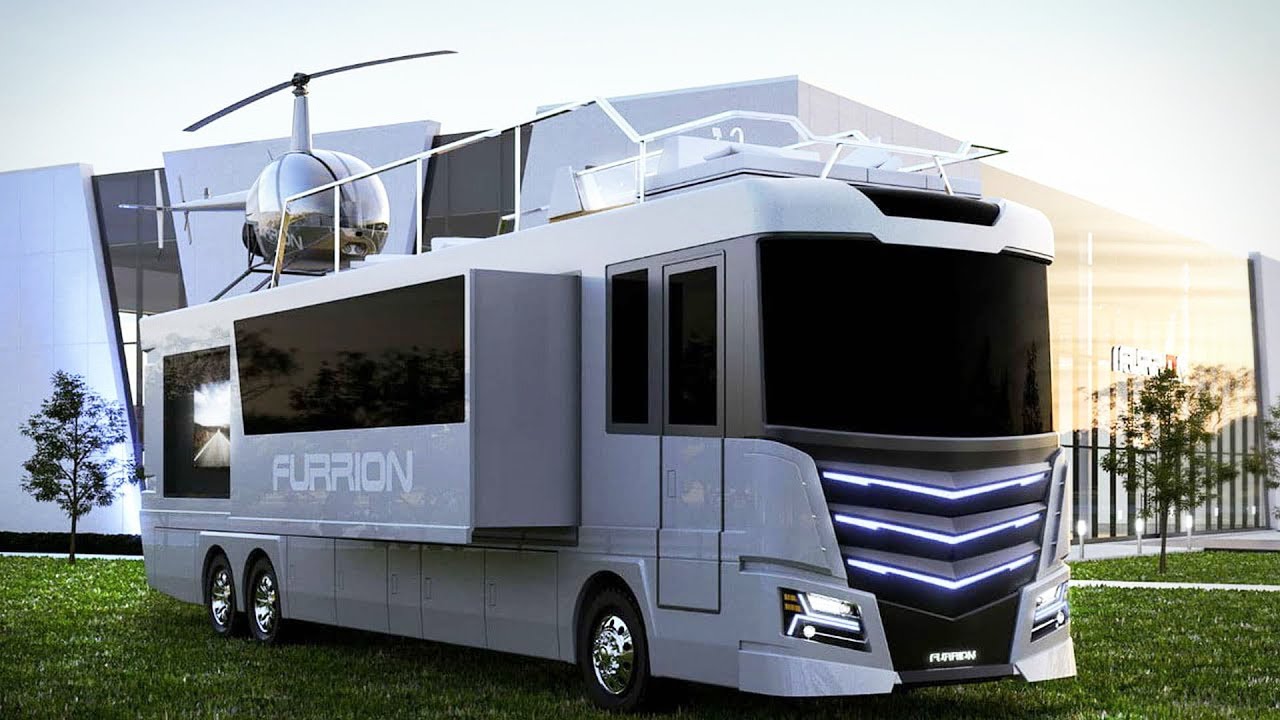
In recent years, the RV for sale market has witnessed a significant shift in how consumers make purchasing decisions. No longer solely reliant on traditional advertising methods, prospective buyers are now turning to social media and influencers to guide their choices. The rise of social media platforms such as Instagram, YouTube, and Facebook has provided a new avenue for RV manufacturers and dealerships to reach their target audience. By leveraging the power of social media influencers, businesses in the RV industry can capitalize on this trend and maximize their marketing efforts.
Building Trust and Authenticity
One of the main reasons why social media influencers have become so influential in the RV for sale market is their ability to establish trust and authenticity with their followers. Unlike traditional advertisements that are often viewed skeptically, influencers are seen as real people with genuine experiences. They often provide honest reviews, showcase their own adventures, and share valuable insights about RVs for sale. This level of authenticity helps potential buyers to connect with the influencers on a more personal level, creating a sense of trust and making them more receptive to the RV brands they endorse.
Reaching Targeted Audiences
Social media platforms allow influencers to reach highly targeted audiences that align with the demographics and interests of RV buyers. Influencers specializing in RV reviews, lifestyle, or travel content attract followers who have an active interest in the RV for sale market. As a result, when influencers promote specific RV brands or models, they are more likely to reach an audience that is genuinely interested in purchasing an RV. This targeted approach helps RV manufacturers and dealerships to tailor their marketing efforts effectively and reach the right demographic.
The Future Outlook of RV Sales: Rising Interest in Recreational Vehicles

The RV for sale trend is expected to continue experiencing significant growth in the coming years. This surge in demand can be attributed to several factors, including changing consumer preferences, the rise of alternative travel options, and the impact of the COVID-19 pandemic. As we look ahead, there are several key factors to consider when forecasting the future of the RV sales trend.
Changing Consumer Preferences
Over the past few years, there has been a noticeable shift in consumer preferences towards experiences rather than material possessions. This shift has led to an increased interest in travel and outdoor activities, with many individuals seeking adventure and exploration. RVs offer a convenient and flexible way to fulfill these desires, providing the comforts of home while allowing people to explore various destinations.
Rise of Alternative Travel Options
Another factor driving the growth of RV sales is the rise of alternative travel options. Traditional forms of travel, such as air travel and hotel stays, have become more expensive and less appealing due to their associated constraints and limitations. RV travel, on the other hand, offers freedom, flexibility, and cost-effectiveness. With RVs, travelers can customize their itineraries, avoid crowded airports and hotels, and enjoy the great outdoors while maintaining a safe and socially distant environment.
RV for Sale: Key Findings and Insights for Buyers

In recent years, there has been a significant increase in interest and demand for recreational vehicles (RVs) for sale. This trend, driven by several factors, has provided key insights for buyers looking to purchase an RV. Let's recap some of the main findings and insights:
- Growing Popularity: The market for RVs has experienced a surge in popularity, fueled by a desire for travel and adventure. As people seek alternative ways to explore and experience the outdoors, RVs have become a popular choice for both long vacations and weekend getaways.
- Versatility and Convenience: RVs offer the flexibility to travel and stay in different locations without the need for hotels or other accommodations. This convenience appeals to those who want to have a comfortable and self-contained home on wheels while enjoying the freedom of the open road.
- Pandemic Effect: The COVID-19 pandemic has significantly contributed to the rise in demand for RVs. With international travel restrictions and safety concerns, many individuals and families turned to domestic travel options. RVs provided an ideal solution as they offered a way to maintain social distancing while still enjoying vacations.
- Increased Interest from Younger Generations: Traditionally associated with retirees, RV ownership is now attracting younger generations. Millennials and Gen Z are embracing the RV lifestyle, seeking adventure, and finding a sense of freedom in exploring the outdoors. This shift has led to a diversification of RV models and designs to cater to different demographics and preferences.
- Upsurge in Online Platforms: The rise of online platforms dedicated to buying and selling RVs has made the purchasing process more accessible and convenient. Buyers can compare prices, browse a wide range of options, and often negotiate directly with sellers. This trend has democratized the RV market, allowing both seasoned RV enthusiasts and newcomers to find their perfect vehicle at competitive prices.
- Considerations for Buyers: As the RV market expands, buyers should consider certain factors before making a purchase. Factors such as RV size, amenities, budget, and maintenance costs are crucial to assess. Additionally, pre-owned RVs may offer a more affordable option for buyers looking to enter the market.