

Realta' Virtuale: Unveiling the Soaring Popularity and Transformative Potential in Gaming and Beyond

Exploring the Rise of Realta' Virtuale: The Growing Popularity of Virtual Reality
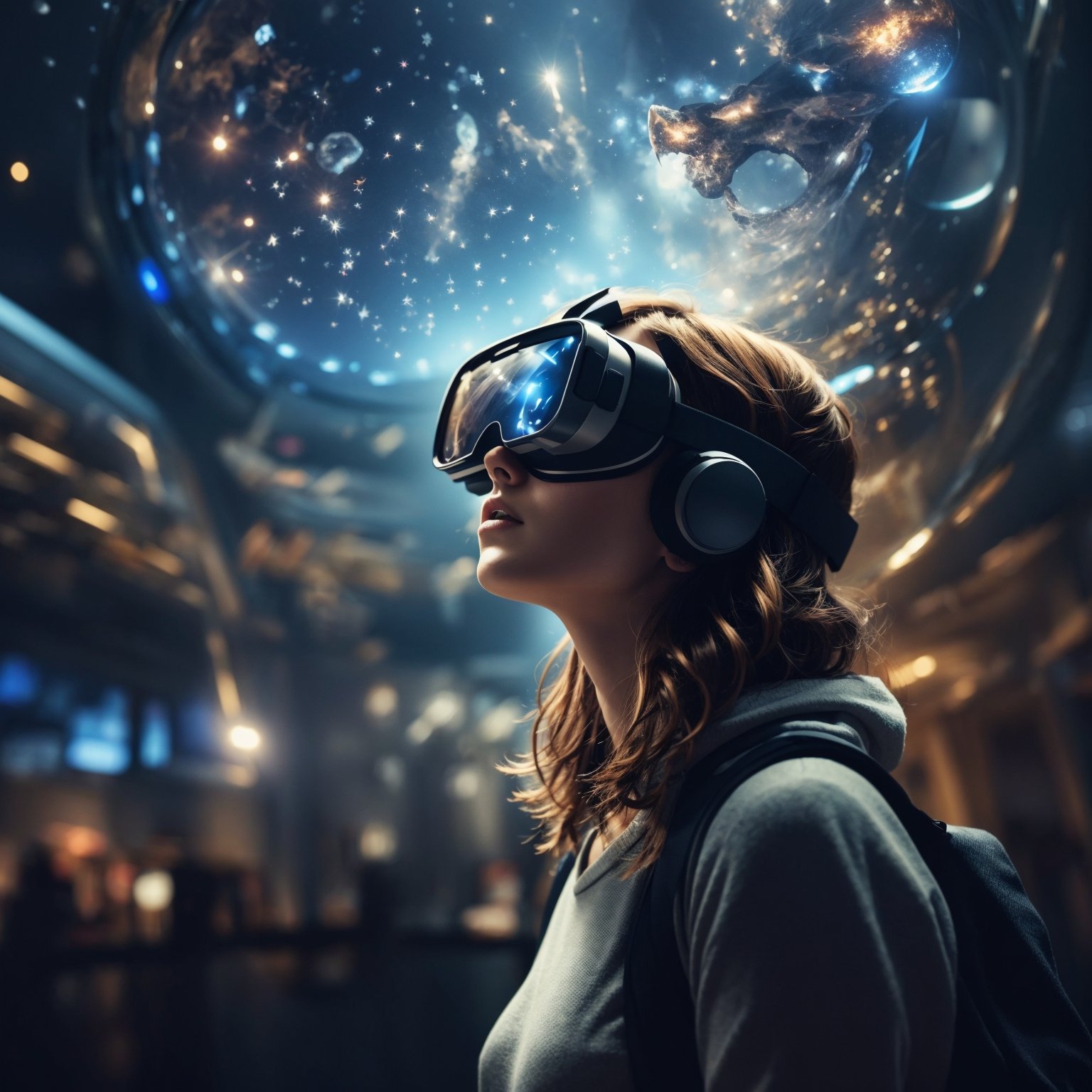
In recent years, Realta' Virtuale, or Virtual Reality (VR), has emerged as a revolutionary technology that is capturing the imagination of people around the world. Offering immersive and interactive experiences, VR has gained immense popularity across various demographics, shedding light on its potential to transform various industries.
Understanding Realta' Virtuale
Realta' Virtuale, derived from the Italian language, translates to "virtual reality" in English. It refers to the technology that creates a computer-generated simulation of an environment, immersing users into a digital realm that replicates real-world experiences or enables them to explore fantastical realms beyond reality's limits. VR typically involves wearing a headset that displays a 3D computer-generated environment and often includes motion tracking and input devices for a more interactive experience.
Origins of Realta' Virtuale
While the concept of virtual reality can be traced back to early experimentation in the 1960s, it gained substantial traction in the 2010s with the introduction of affordable and accessible VR devices. The launch of Oculus Rift, a VR headset developed by Palmer Luckey and later acquired by Facebook, marked a major milestone in the commercialization of VR technology. Since then, numerous companies have entered the market, contributing to its advancement and widespread adoption.
Popularity Across Demographics
Realta' Virtuale has garnered significant popularity among various demographics, appealing to a diverse range of individuals for different reasons.
- Gaming Enthusiasts: Gamers have been among the early adopters of VR, relishing the opportunity to step into the virtual worlds of their favorite games. The ability to interact with the game environment, experiencing it as if they were physically present, brings an unprecedented level of immersion and excitement.
- Entertainment and Media Consumers: VR has also gained traction among consumers in the entertainment and media industry. With VR, individuals can now attend virtual concerts, explore virtual museums, or enjoy virtual movie theaters, expanding their entertainment options and providing a new level of engagement.
- Educators and Professionals: VR has found applications in education and professional settings. Virtual training scenarios and simulations offer a safe and controlled environment for learning complex techniques or practicing skills without real-world consequences. Additionally, virtual meetings and conferences bring remote collaboration to life, enabling professionals to communicate and connect in a more immersive manner.
- Healthcare and Therapy: Virtual reality has shown promise in the healthcare sector, aiding in pain management, rehabilitation, and therapy. By creating alternate environments, VR can distract patients from discomfort and provide a new avenue for therapeutic interventions.
- Travel and Tourism: VR also allows individuals to virtually explore travel destinations, providing a glimpse into unfamiliar locations before committing to a journey. This capability has become particularly relevant during the COVID-19 pandemic, where travel restrictions have limited physical exploration.
The burgeoning popularity of Realta' Virtuale, driven by its ability to deliver immersive and interactive experiences, has positioned virtual reality as a transformative technology across numerous industries and demographics. As it continues to evolve and become more accessible, the potential applications and impact of VR are only expected to expand further.
The Expanding Market Size and Promising Growth of Virtual Reality
The market for Virtual Reality (VR), also known as Realta' virtuale in Italian, has experienced significant growth in recent years, fuelled by technological advancements and increased consumer interest. This immersive technology has captivated various industries, including gaming, entertainment, healthcare, education, and many more. Let's delve into the market size and projected growth of virtual reality.
Market Size
The virtual reality market has witnessed substantial growth globally, with increasing adoption across multiple sectors. According to a report by Statista, the market size of the VR industry was valued at $14.7 billion in 2020. Furthermore, it is projected to reach a staggering $44.7 billion by 2025, representing a compound annual growth rate (CAGR) of 24.2%.
Growth Factors
Several key factors are driving the growth of the virtual reality market:
- Technological Advancements: Continuous advancements in hardware and software have significantly enhanced the capabilities of VR devices. Improvements in resolution, displays, tracking technology, and motion controllers have increased the quality and realism of virtual experiences.
- Rising Consumer Demand: Increasingly, consumers are seeking immersive and interactive experiences. Virtual reality offers a unique and engaging way to explore virtual environments, play games, and consume media content. This growing demand is propelling the adoption of VR across various industries.
- Industry Integration: Virtual reality is being integrated into a wide range of sectors, expanding its applications beyond gaming. Industries such as healthcare, real estate, automotive, and education are leveraging VR to enhance training, improve customer experiences, and facilitate simulations, among other purposes.
- Evolving Content Ecosystem: The availability of compelling VR content plays a vital role in driving market growth. Developers and content creators are working diligently to cater to an increasing range of interests, providing immersive and diverse experiences. This has resulted in a richer content ecosystem that appeals to a broader audience.
- Falling Costs: As technology matures and becomes more widespread, the costs associated with VR devices have decreased. This reduction in price has made virtual reality more accessible to a larger consumer base, driving adoption and expanding the market.
Future Growth Prospects
The future of the virtual reality market looks promising, with several factors indicating continued growth:
- Enterprise Applications: Virtual reality is finding extensive applications in various industries, including training, simulations, and collaboration, among others. As businesses realize the potential benefits of VR, such as cost savings, improved efficiency, and enhanced productivity, the adoption of VR technologies will continue to increase.
- Gaming and Entertainment: The gaming industry remains a significant driver of VR growth, and it is expected to continue expanding. The demand for immersive gaming experiences and the release of new VR-compatible gaming consoles will contribute to the market's growth.
- Healthcare and Education: The healthcare and education sectors are increasingly adopting virtual reality to enhance training, medical simulations, and experiential learning. The ongoing advancements in medical VR applications and the need for remote learning solutions indicate substantial growth potential.
- AR/VR Integration: The convergence of Augmented Reality (AR) and Virtual Reality (VR) technologies is set to create new possibilities and experiences. This integration will likely attract more users and expand the overall XR (Extended Reality) market.
In summary, the virtual reality market is rapidly expanding, with a projected compound annual growth rate of 24.2% by 2025. Technological advancements, increasing consumer demand, industry integrations, evolving content ecosystems, and falling costs are driving this growth. As the adoption of VR continues across multiple sectors, including gaming, healthcare, education, and more, the market will experience sustained growth, offering exciting opportunities for businesses and consumers alike.
Understanding Consumer Demand and Preferences in Virtual Reality

In recent years, virtual reality (VR) has emerged as one of the hottest trends in the technology industry, captivating the attention and imagination of consumers around the world. With its ability to create immersive, interactive experiences, VR has revolutionized various sectors, from gaming and entertainment to education and healthcare. As the technology continues to evolve and become more accessible, it's essential to understand consumer demand and preferences in the realm of virtual reality.
The Rise in Consumer Demand for Virtual Reality
The demand for virtual reality experiences has been steadily increasing as consumers seek new and innovative ways to engage with technology. The global VR market is projected to reach a value of $62.1 billion by 2027, with a compound annual growth rate of 21.6% from 2020 to 2027. This rapid growth signifies a significant interest and adoption of VR among consumers.
One of the primary drivers behind the surge in consumer demand for virtual reality is the desire for immersive and realistic experiences. Whether it's exploring a virtual world, engaging in a thrilling adventure, or simulating real-life scenarios, VR allows users to escape and participate in activities they may not have access to in their daily lives. This capability to transport users to different environments and provide a high level of immersion is a primary factor that attracts consumers to virtual reality.
Consumer Preferences in Virtual Reality
While virtual reality holds immense promise, it's vital to understand the various aspects that influence consumer preferences within this domain.
- Content Diversity and Quality: Consumers value a wide range of high-quality VR content that caters to their diverse interests and preferences. This includes not only gaming experiences but also applications in areas such as virtual travel, training simulations, social interaction, and creative expression. Consequently, developers and content creators must focus on delivering compelling, diverse, and immersive experiences that resonate with users.
- Comfort and Ease of Use: Another critical factor for consumers is the level of comfort and ease of use provided by VR headsets and related peripherals. While early iterations of VR headsets were often bulky and cumbersome, newer models have made significant strides in terms of comfort and ergonomic design. Furthermore, consumers prefer intuitive user interfaces that make it easy to navigate and interact with virtual environments, avoiding complexity or discomfort.
- Affordability and Accessibility: The cost and accessibility of VR technology are paramount factors influencing consumer preferences. While high-end VR setups can be expensive, the availability of more affordable VR solutions, such as standalone headsets or smartphone-based systems, has expanded the consumer base. As VR continues to become more affordable and accessible, it is predicted to reach a wider audience.
- Social Integration: Virtual reality has the potential to provide immersive social experiences, allowing users to interact with others in virtual environments. As a result, consumers are increasingly seeking VR experiences that enable social presence, whether through multiplayer games, virtual meetings, or social platforms. Integrating social elements in VR applications enhances engagement and enables users to share experiences, creating a more connected and interactive virtual world.
Understanding consumer demand and preferences in virtual reality is crucial for businesses and developers aiming to tap into this burgeoning market. By developing high-quality, diverse content, prioritizing comfort and usability, ensuring affordability and accessibility, and integrating social features, companies can align their offerings with the evolving expectations of VR enthusiasts. As virtual reality technology continues to advance, catering to consumer demands and preferences will be instrumental in shaping the future of this exciting industry.
Exploring the Competitive Landscape in the Virtual Reality Industry
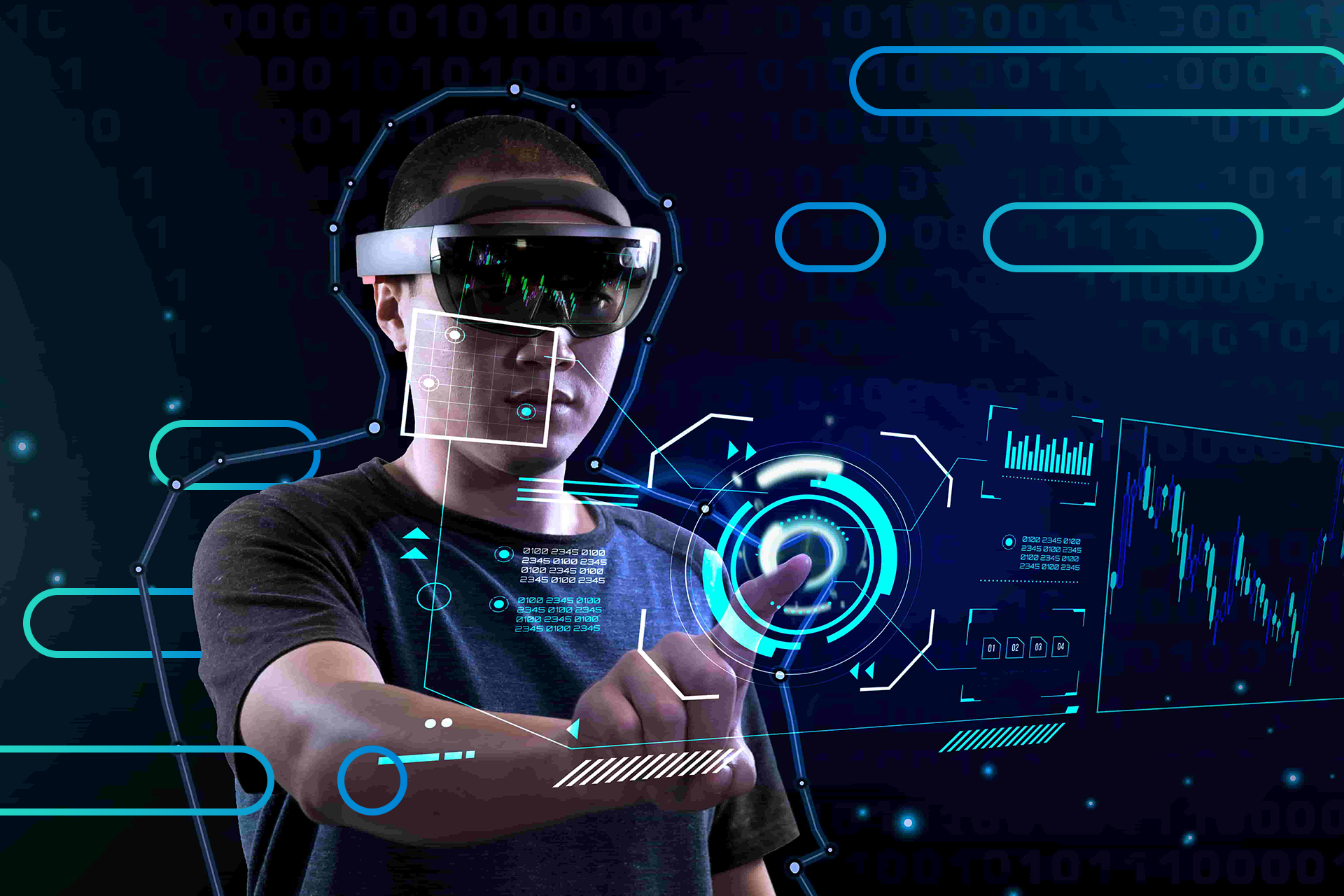
The virtual reality (VR) industry has witnessed significant growth in recent years, presenting a plethora of opportunities for businesses operating in this space. As demand for immersive experiences continues to rise, industry players must navigate a highly competitive landscape to capture a share of this expanding market. This section will examine key industry players and the competition within the virtual reality sector.
- Oculus VR: Oculus VR, a subsidiary of Facebook, is one of the leading players in the virtual reality industry. Their flagship product, the Oculus Rift, revolutionized the consumer VR experience and set the benchmark for quality and performance. Additionally, Oculus Quest, a standalone VR headset, has gained considerable popularity due to its ease of use and affordability. With a strong focus on gaming, Oculus VR has established itself as a dominant force in the virtual reality market.
- HTC Vive: HTC Vive, developed in collaboration with Valve Corporation, is another major player in the VR sector. HTC Vive offers high-end VR experiences with its advanced headsets, robust tracking system, and extensive library of games and applications. The company's dedication to technological innovation, combined with strategic partnerships, has contributed to its success in capturing a significant market share.
- Sony PlayStation VR: Sony, a prominent player in the gaming industry, launched PlayStation VR, a VR headset designed for its PlayStation gaming console. With its existing user base and strong gaming portfolio, Sony effectively tapped into the console gaming market to bring virtual reality experiences to a wide audience. PlayStation VR has gained traction by offering accessible and immersive VR gaming experiences.
- Google: Google entered the VR market with its Google Cardboard, a low-cost VR viewer that transformed smartphones into basic VR devices. While Google Cardboard targeted the entry-level VR market, the company later introduced the more advanced Google Daydream platform, which provided higher quality experiences. However, Google discontinued its Daydream project in 2019, indicating the fast-paced and dynamic nature of the virtual reality industry.
- Microsoft: Microsoft's foray into virtual reality was marked by the development of the Windows Mixed Reality platform. This platform combines virtual reality and augmented reality (AR) experiences, enabling users to interact with both virtual and real-world elements. By partnering with various hardware manufacturers, Microsoft aimed to establish Windows Mixed Reality as a versatile VR/AR platform.
Competition and Market Dynamics
The virtual reality market is highly competitive, with numerous players vying for market share and technological supremacy. In addition to the established players mentioned above, several emerging companies are pushing boundaries and developing innovative VR hardware and software solutions.
Competition within the virtual reality space arises not only from the hardware and software manufacturers but also from content creators, game developers, and application providers. As consumers seek compelling experiences, companies must differentiate themselves by offering unique and engaging content, user-friendly interfaces, and seamless integration with other emerging technologies, such as augmented reality or artificial intelligence.
Moreover, advancements in related technologies, such as 5G connectivity and cloud gaming, are set to shape the competitive landscape further. These developments can enhance the performance and accessibility of VR experiences, creating new opportunities for both established and emerging players.
In conclusion, the virtual reality industry is characterized by intense competition among key players, including Oculus VR, HTC Vive, Sony PlayStation VR, Google, and Microsoft. As the market continues to evolve, staying ahead of the competition will require a combination of cutting-edge technology, innovative content creation, and user-centric approaches to meet the demands of a rapidly expanding customer base.
The Exciting Frontier of Virtual Reality Innovation

In recent years, virtual reality (VR) has emerged as a revolutionary technological innovation, transforming various industries and shaping the future of human interaction and entertainment. With its ability to create immersive digital experiences, VR has opened up a world of possibilities across diverse sectors, including gaming, healthcare, education, and more. This article explores some of the latest technological advancements within the realm of virtual reality, showcasing the incredible potential and continued growth of this rapidly evolving field.
Extended Reality (XR)
Extended Reality (XR) is an umbrella term encompassing virtual reality, augmented reality, and mixed reality technologies. While virtual reality plunges users into fully digital environments, augmented reality overlays digital information onto the real world, and mixed reality combines digital and physical elements in a seamless manner. Recent advancements in XR have captured the attention of tech enthusiasts and industry professionals alike, leading to significant progress in creating more immersive and interactive experiences. For instance, Microsoft's HoloLens 2 offers immersive mixed reality experiences, allowing users to interact with holographic content seamlessly.
Untethered VR
One significant challenge faced by early VR adopters was the cumbersome nature of being tethered to a computer or gaming console. However, recent advancements in untethered VR devices have revolutionized the VR experience. Standalone VR headsets, such as the Oculus Quest 2, have eliminated the need for external sensors or wires, providing users with the freedom to explore virtual worlds without limitations. This innovation has not only enhanced user experience but has also expanded the accessibility of VR technology to a larger audience.
Haptic Feedback Systems
Haptic feedback, the sense of touch in virtual environments, has always been a focus of VR developers. The development of haptic feedback systems has made significant strides, allowing users to feel and interact with objects in virtual settings. Technologies like haptic gloves or exoskeletons create the sensation of touch, improving immersion and realism in VR experiences. Companies like HaptX have developed advanced haptic gloves capable of delivering precise tactile sensations, enabling users to feel the shape, texture, and even temperature of virtual objects.
Eye-tracking Technology
Eye-tracking technology has emerged as a game-changer in the VR industry. By accurately tracking users' eye movements, VR systems are able to create more realistic and dynamic experiences. This innovation not only enhances the visual quality of VR content by focusing rendering power on the user's focal point but also provides valuable data for gaze-based interactions and analytics. Companies like Tobii offer eye-tracking solutions for VR applications, enabling more intuitive and immersive experiences for users.
Virtual Reality in Healthcare
Virtual reality has made significant inroads in the healthcare industry, offering unique opportunities for training, therapy, and patient care. For instance, VR simulations allow medical students to practice complex procedures in a risk-free environment, improving their skills and confidence. Additionally, VR-based therapies have proven effective in treating conditions such as anxiety, phobias, and post-traumatic stress disorder. As technology continues to improve, virtual reality has the potential to revolutionize medical training, patient care, and mental health treatments.
Harnessing the Future of Virtual Reality
As technological innovation in virtual reality continues to accelerate, the possibilities for its application are truly boundless. From advancements in extended reality to untethered devices, haptic feedback systems, eye-tracking technology, and healthcare applications, VR is poised to reshape our world across various sectors. Embracing and harnessing these innovations will unlock new realms of human experience, transforming the way we entertain, educate, and interact with the world around us.
Exploring Regional Trends and Cultural Influences on Virtual Reality
Virtual Reality (VR) has emerged as one of the most exciting technologies of the 21st century, bridging the gap between the digital and physical worlds. With the ability to transport users to immersive environments, VR has made significant strides in sectors such as gaming, entertainment, healthcare, education, and more. While VR is a global phenomenon, it is important to recognize that this technology is not adopted uniformly across different regions. Various cultural factors and regional trends play a crucial role in shaping the adoption and use of virtual reality across different countries and communities.
Regional Trends:
- North America - Early Adopters: North America, particularly the United States, has been at the forefront of VR adoption and innovation. This is largely due to the presence of large tech companies, such as Facebook (Oculus), HTC, and Google, which have invested heavily in VR development. The early establishment of the VR industry in this region has created a culture of technological innovation, making North America an important hub for VR research, development, and consumption.
- Asia - Rise of VR Gaming: Asia, especially countries like South Korea, China, and Japan, has witnessed a significant rise in the popularity of VR gaming. The region's long-standing gaming culture, coupled with a large population of avid gamers, has contributed to the growth of VR arcades and gaming centers. These gaming centers not only serve as entertainment spaces but also act as social hubs, where friends and communities come together to experience VR gaming.
- Europe - Emphasis on VR Education: Europe is known for its strong commitment to education and has embraced VR as a tool to enhance learning experiences. The region has seen growing initiatives to incorporate VR into classrooms, museums, and cultural institutions. VR allows students to explore historical sites, experience scientific experiments, and engage with immersive educational content. European countries like the United Kingdom, Germany, and France are leading the way in leveraging virtual reality for educational purposes.
Cultural Acceptance of Technology:
Cultural attitudes towards technology can significantly impact the adoption of VR. In societies where technology is deeply ingrained and seen as a positive force, such as the United States and South Korea, VR has found greater acceptance and integration into everyday life. Conversely, in countries where skepticism towards new technologies exists, VR adoption may be slower or face resistance.
Cultural Content Preferences:
Different cultures have distinct preferences when it comes to content consumption, which can influence VR experiences. For example, in Asian countries, there is a strong preference for anime and manga-inspired VR content, while European countries gravitate towards historical recreations and cultural experiences. Understanding these cultural nuances is essential for developers and content creators to tailor VR experiences and cater to specific regional audiences.
Social Interaction and Collective Experience:
Culture plays a crucial role in shaping social dynamics and interactive behaviors. In some cultures, collective experiences and social interactions are highly valued. VR experiences that allow for shared experiences and multiplayer interactions tend to resonate well with such cultures. On the other hand, individualistic cultures may value VR experiences that prioritize personal customization and solitary engagement.
Virtual reality is a technology that transcends geographical boundaries, yet regional trends and cultural influences heavily impact its adoption and use. Understanding these influences is essential for businesses, developers, and content creators to cater to diverse global audiences and ensure optimal user engagement. By recognizing regional trends and cultural factors, the VR industry can continue to evolve, opening up new possibilities for immersive experiences worldwide.
The Influence of Social Media and Virtual Reality in the Age of Digital Realities
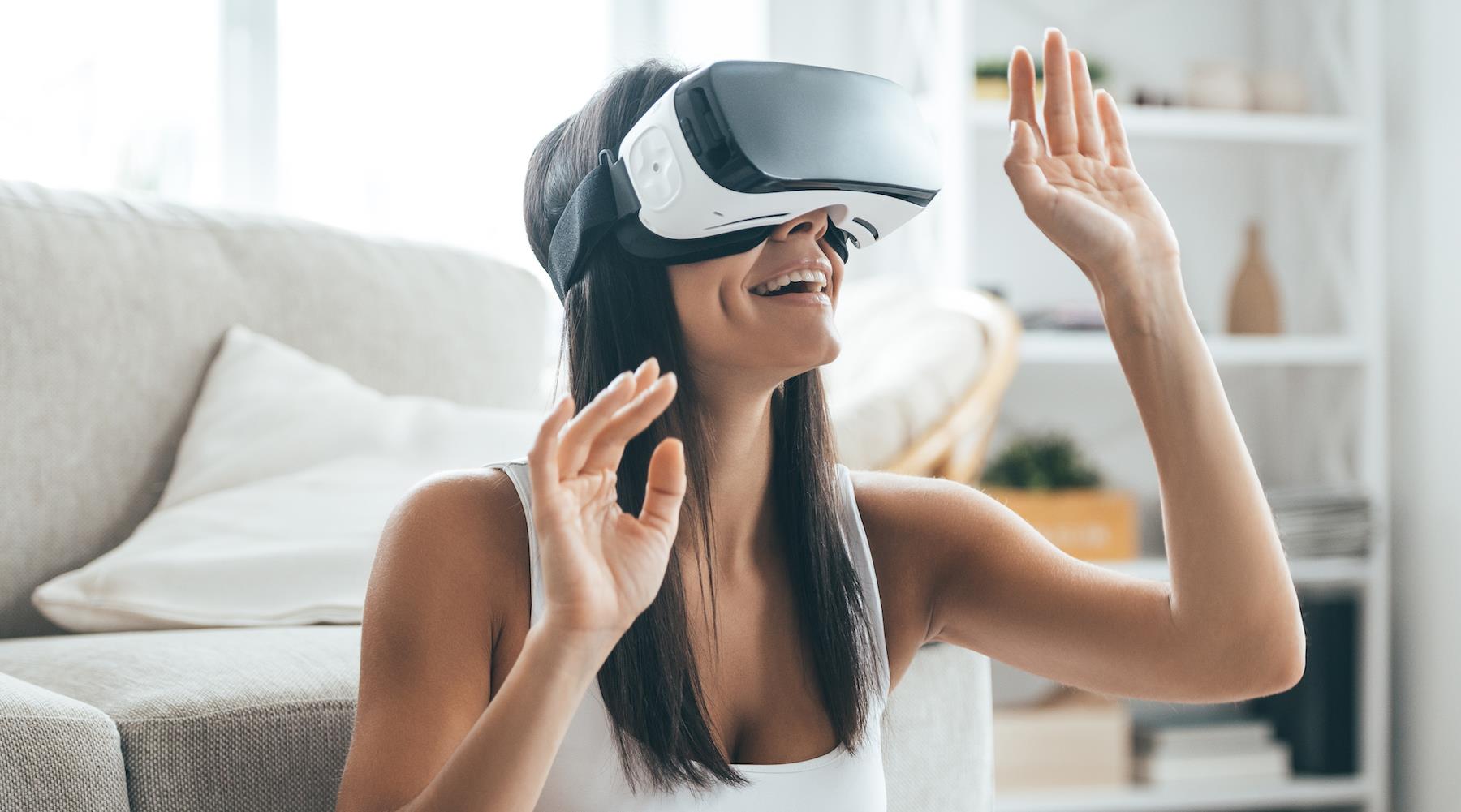
In today's digital age, the convergence of social media and virtual reality has paved the way for an unprecedented level of connectivity and engagement. As people seek immersive experiences and authentic connections, the rise of virtual reality (VR) and its integration with social media platforms has opened up new possibilities for both users and influencers alike.
Social media has become an integral part of our daily lives, providing a platform for self-expression, networking, and content consumption. As a result, influencers leveraging social media platforms have gained significant influence and reach, shaping trends and driving consumer behavior. Brands are quick to recognize the value of leveraging these influencers to promote their products and services.
However, with the emergence of virtual reality technology, the landscape is rapidly evolving. Virtual reality allows users to experience a computer-generated, immersive environment that simulates the physical world or an imagined one. This technology has the potential to revolutionize social media and influencer marketing by providing a more engaging and interactive experience.
Through virtual reality, influencers can create unique and captivating content that takes their audience on virtual journeys, blurring the lines between fiction and reality. Imagine a fashion influencer taking their followers on a virtual behind-the-scenes tour of a high-end fashion show, or a travel influencer transporting their audience to exotic destinations through immersive 360-degree video experiences. The possibilities are limitless.
By incorporating virtual reality into social media platforms, users can become active participants in an influencer's journey rather than passive observers. They can explore virtual environments, interact with objects, and connect with others in ways that were previously impossible. This level of interaction can foster a stronger sense of community and personal connection, enhancing the impact of influencer marketing.
Moreover, virtual reality offers brands a unique opportunity to create memorable and engaging experiences for their target audience. By partnering with influencers who have a strong presence in the virtual reality space, brands can leverage their ability to create immersive, branded content that resonates deeply with consumers. This not only boosts brand awareness but also drives consumer loyalty and advocacy.
As virtual reality technology continues to evolve and become more accessible to the masses, social media platforms and influencers will undoubtedly integrate this technology more deeply into their strategies. This integration will enable users to immerse themselves in digital realities and create a symbiotic relationship between influencers, brands, and their followers.
In conclusion, the blend of social media and virtual reality has the potential to reshape the influencer marketing landscape as we know it. By using virtual reality as a tool for immersive storytelling and engagement, influencers can create truly unforgettable experiences for their audience. As brands and marketers navigate this evolving landscape, understanding the power of virtual reality and its impact on social media will be crucial to staying ahead of the curve.
The Future Outlooks and Forecast of Virtual Reality
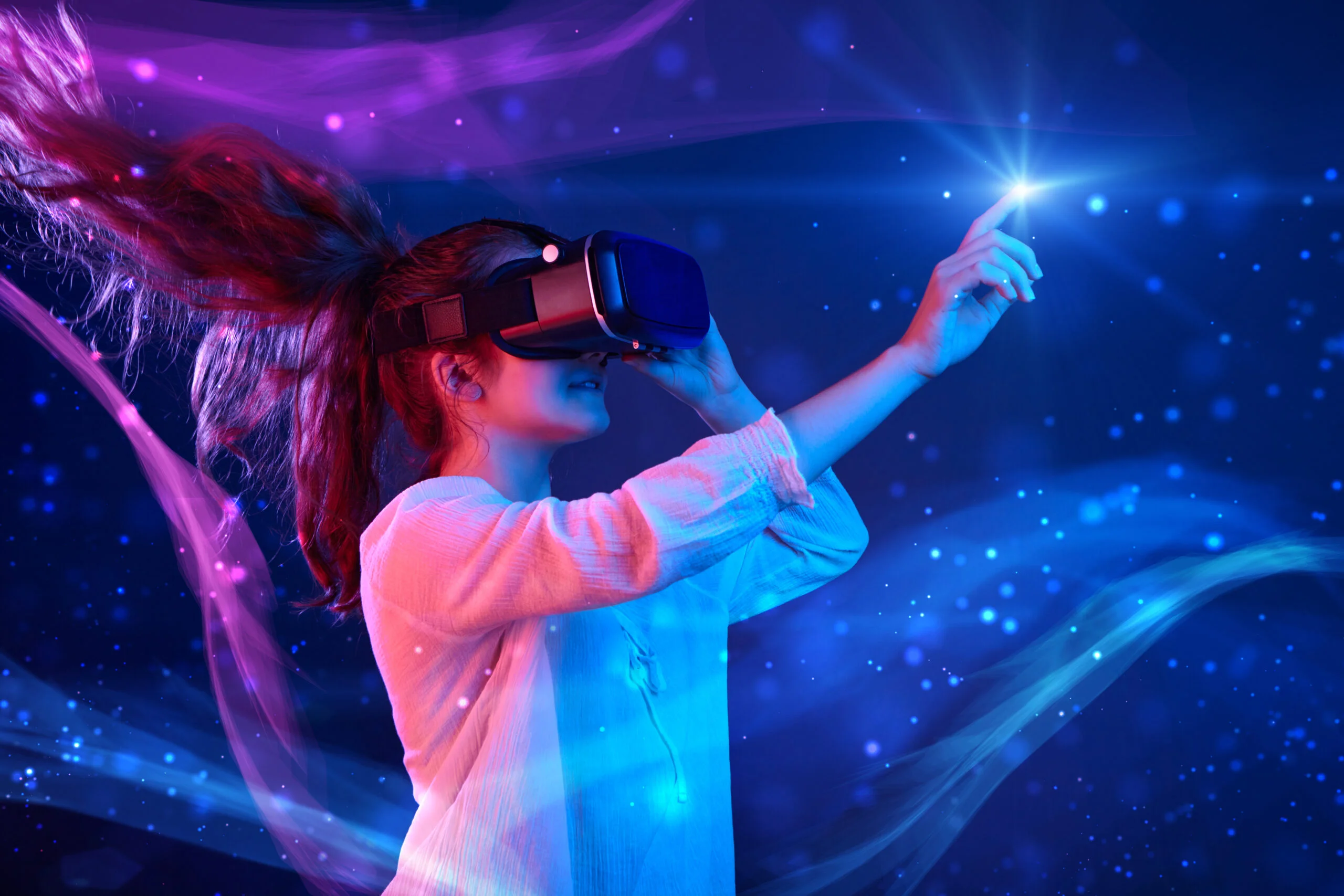
With advancements in technology, virtual reality (VR) has emerged as one of the most exciting trends of the past decade, transforming various industries and providing immersive experiences to users. As we look towards the future, it is interesting to consider the potential outlooks and forecasts of virtual reality.
Growing Adoption and Integration
The future of virtual reality looks promising, as the technology continues to gain traction and sees increased adoption across various sectors. VR has already found applications in gaming, entertainment, education, healthcare, real estate, and more. As the technology improves and becomes more affordable, we can expect to see wider integration in businesses and everyday life. Immersive virtual experiences, remote collaboration, and virtual travel are just a few examples of the possibilities that lie ahead.
Advancements in Hardware
Currently, VR headsets are bulky and require tethering to a computer or gaming console, limiting their overall usability. However, ongoing efforts by technology companies are focused on reducing the size and weight of hardware, enhancing user comfort, and improving overall portability. Wireless VR headsets are already making their way into the market, and further advancements, such as smaller form factors and improved display technology, will make virtual reality more accessible and appealing to a wider audience.
Enhanced Immersion and Realism
One of the key aspects that drive the appeal of virtual reality is its ability to provide immersive experiences. As the technology progresses, we can expect significant advancements in real-time rendering, graphics, and sensory feedback. These developments will contribute to a more realistic and fully immersive virtual environment. With the integration of haptic feedback, motion tracking, and eye-tracking technologies, users will enjoy a more convincing and interactive experience, blurring the line between the physical and virtual worlds.
Expanding Applications in Healthcare
Virtual reality has already made significant strides in the healthcare industry, allowing for medical training, pain management, and mental health therapies. Moving forward, VR is expected to play an even more significant role in patient care, rehabilitation, and telemedicine. Virtual reality can provide patients with a sense of freedom and empowerment, enabling them to tackle fears, manage pain, and engage in therapeutic activities in a controlled, virtual environment.
Challenges and Considerations
While the future of virtual reality looks promising, there are a few challenges that need to be addressed. Cost, widespread adoption, and content availability remain key barriers to overcome. Additionally, data privacy and cybersecurity concerns need to be carefully managed as VR becomes more integrated into our daily lives.
In conclusion, virtual reality holds immense potential for the future. As hardware improves, costs decrease, and integration expands, we can expect virtual reality to become more commonplace and seamlessly integrated into various industries. The transformative experiences offered by VR will continue to captivate users, while advancements in technology and content creation will further enhance the immersion and realism of virtual environments.
Key Findings and Insights: The Virtual Reality Trend
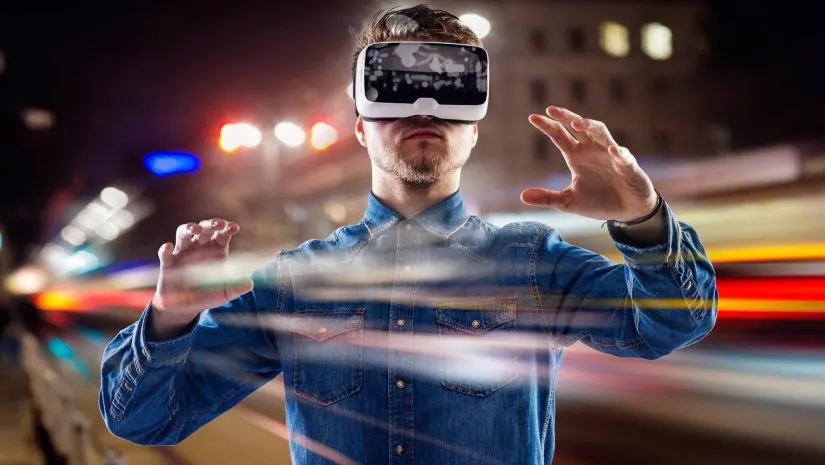
Virtual reality (VR) has emerged as a major technology trend with the potential to revolutionize various industries. Here are key findings and insights on the virtual reality trend:
- Increased adoption across multiple sectors: Virtual reality has gained significant momentum across industries such as gaming, healthcare, education, real estate, and tourism. VR gaming, in particular, has witnessed substantial growth, with a wide range of immersive experiences attracting a large user base.
- Elevating user experience: Virtual reality offers an unparalleled level of immersion and interaction, allowing users to experience virtual worlds that mimic real-life scenarios. The technology is advancing rapidly, enabling more realistic graphics, improved motion tracking, and enhanced haptic feedback, all contributing to a more immersive experience.
- Healthcare applications: Virtual reality technology is being harnessed to improve healthcare outcomes. From pain management and rehabilitation to mental health treatments and surgical training, VR has the potential to transform patient care. Simulations and virtual environments help doctors, therapists, and patients alike by providing a safe and controlled means of practicing skills or coping with medical conditions.
- Education and training: Virtual reality has the potential to revolutionize the education sector. It allows students to engage in interactive and realistic learning experiences, taking them beyond the confines of traditional classrooms. VR can also provide valuable training experiences for professionals in fields such as aviation, military, and emergency services, allowing for cost-effective, hands-on practice in high-risk situations.
- Enhancing real estate experiences: Virtual reality is increasingly being used in the real estate industry to provide immersive property tours. Potential buyers can explore properties remotely, saving time and effort. VR technology also allows developers to showcase projects that are still in the planning or construction phase, enabling customers to visualize the final product.
- Virtual tourism: Virtual reality has the potential to transform the tourism industry by offering virtual travel experiences. Users can explore exotic destinations, visit historical landmarks, and engage with local culture, all from the comfort of their homes. Virtual tourism can provide a glimpse into places that may be unavailable or difficult to visit physically.
- Challenges and opportunities: As virtual reality continues to advance, there are several challenges that need to be addressed. Issues such as high costs, limited content availability, and potential health concerns (e.g., motion sickness) still need to be overcome. However, these challenges present opportunities for innovation and growth within the VR industry, spurring the development of new solutions and technologies.