

Purr-fectly Trending: The Cat Care Revolution Taking the Pet World by Storm

The Surging Popularity of Cat Care: Meeting the Feline Needs
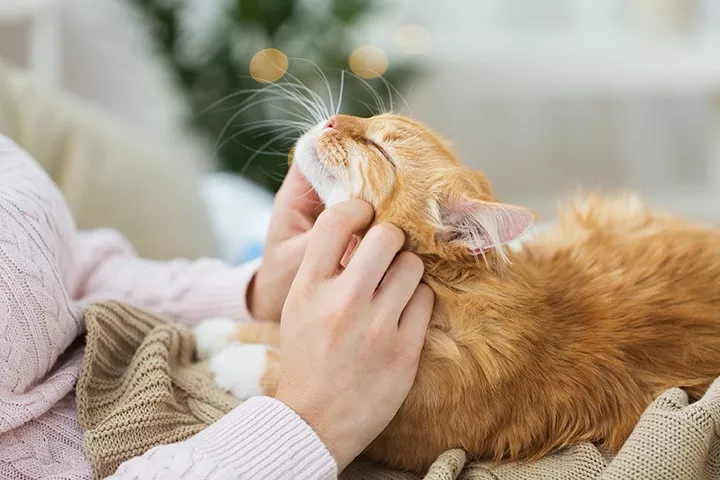
As our beloved feline friends have increasingly become an integral part of our lives, the trend of cat care has gained significant traction. Cat care encompasses a comprehensive range of activities focused on providing optimal wellbeing, health, and happiness to domestic cats. From specialized diets, preventive healthcare, grooming, environmental enrichment, and behavioral training, cat care aims to ensure that cats live their best lives under human care.
Origins of Cat Care:
Cat care can be traced back to ancient times when cats were worshipped as symbols of grace, beauty, and wisdom. During the Egyptian civilization, cats were heralded as sacred animals and even mummified in preparation for the afterlife. In more recent history, the organized concept of cat care emerged during the 19th century, with the establishment of the first cat shows in Europe and North America. Over time, the pet industry recognized the need to address the specific needs of cats and began developing specialized products and services to cater to their well-being.
Rising Popularity:
The popularity of cat care has grown steadily over the past decades, with an increasing number of cat owners seeking personalized care for their feline companions. This trend can be attributed to several factors:
- Shift in Attitudes: Modern society has witnessed a significant shift in attitudes towards pets, with cats being recognized as valued members of the family. Cat owners now strive to provide a higher level of care, mirroring the standards set for human family members.
- Health and Wellness Awareness: With the surge in overall health and wellness awareness, owners have become more conscious of their cats' physical and mental well-being. Regular veterinary check-ups, preventive care, and specialized diets are now considered critical components of responsible cat ownership.
- Social Media Influence: The rise of social media platforms has contributed to the popularity of cat care, offering a platform for knowledge-sharing and showcasing adorable feline companions. Cat owners can connect and learn from each other, promoting awareness of best practices and encouraging a culture of cat care.
- Diverse Demographics: Cat care has transcended demographic boundaries. From young professionals seeking companionship in small apartments to families looking for a suitable pet for their children, the appeal of cat ownership has broadened. Cat care trends are observed across various demographics, reinforcing the popularity of tailored care solutions.
In conclusion, cat care has rapidly gained popularity due to shifts in societal attitudes, increased health and wellness awareness, the influence of social media, and a wide appeal across different demographics. As cats continue to hold a special place in our hearts, the trend of cat care is poised for further growth, shaping the way we nurture and care for our feline companions.
The Expanding Market for Cat Care: Booming Growth and Promising Opportunities
The market for cat care is experiencing remarkable growth as more and more people are welcoming feline companions into their homes. Cats have become one of the most popular pets globally, with an estimated 94.2 million pet cats in the United States alone. This trend has created a significant market opportunity for cat care products and services, making it an attractive industry for entrepreneurs and investors alike.
Market Size and Revenue
The cat care market encompasses a wide range of products and services, including cat food, grooming products, litter boxes, toys, healthcare products, and veterinary services. According to a report by Grand View Research, the global cat food market size was valued at approximately $31 billion in 2020. This figure is projected to reach $38 billion by 2028, growing at a compound annual growth rate (CAGR) of 2.8% from 2021 to 2028.
Aside from cat food, the market for other cat care products and services is also expanding rapidly. The global pet care industry, which includes both cats and dogs, was valued at $223 billion in 2020. This figure is anticipated to reach $358 billion by 2027, growing at a CAGR of 6.1% during the forecast period.
Factors Driving Market Growth
Several factors contribute to the growth of the cat care market:
- Rising pet ownership: The increasing number of people owning cats is a primary driver of market growth. Cats are known for their companionship and low maintenance requirements, making them a popular choice for individuals and families alike.
- Humanization of pets: Cat owners are becoming more willing to spend money on high-quality products and services to ensure the health and well-being of their feline companions. This trend has led to a surge in demand for premium cat food, specialized healthcare products, grooming services, and luxury accessories.
- Changing lifestyles and demographics: With more people living in urban areas and leading busy lives, there is a growing need for convenient and time-saving cat care solutions. This has resulted in increased demand for automatic cat feeders, self-cleaning litter boxes, and subscription-based pet care services.
- Awareness of cat health and wellness: Cat owners are increasingly aware of the importance of providing proper nutrition and healthcare for their pets. This has led to a shift towards holistic and natural cat food options, as well as the demand for specialized veterinary services, such as dental care and weight management.
Future Opportunities
The cat care market is poised for continued growth, driven by various factors such as the increasing prevalence of pet ownership, the humanization of pets, and the evolving needs of cat owners. Some potential areas for further market expansion include:
- E-commerce and subscription-based services: The convenience of online shopping and the growing popularity of subscription boxes present significant opportunities for the cat care market. Offering cat food, litter, and other supplies through e-commerce platforms and subscription services allows for easy access and recurring revenue streams.
- Premium and specialized products: The demand for premium and specialized cat care products, including organic and natural food options, hypoallergenic grooming products, and environmentally friendly litter, is expected to increase. Companies that tap into these niche markets can significantly expand their customer base.
- Digital health solutions: With the rise of telemedicine and digital health solutions, there is an opportunity for the cat care market to leverage technology to provide remote veterinary consultations, health monitoring devices, and personalized wellness plans for cats. These innovations can enhance the overall well-being of feline companions and offer convenience to their owners.
In conclusion, the cat care market is experiencing substantial growth and presents plenty of opportunities for businesses. As pet ownership continues to rise and cat owners prioritize the health and well-being of their feline companions, the demand for cat care products and services is anticipated to expand further. Entrepreneurs and investors should keep a keen eye on this thriving industry and strategically position themselves to capitalize on the growing market.
Understanding Consumer Demand and Preferences in Cat Care
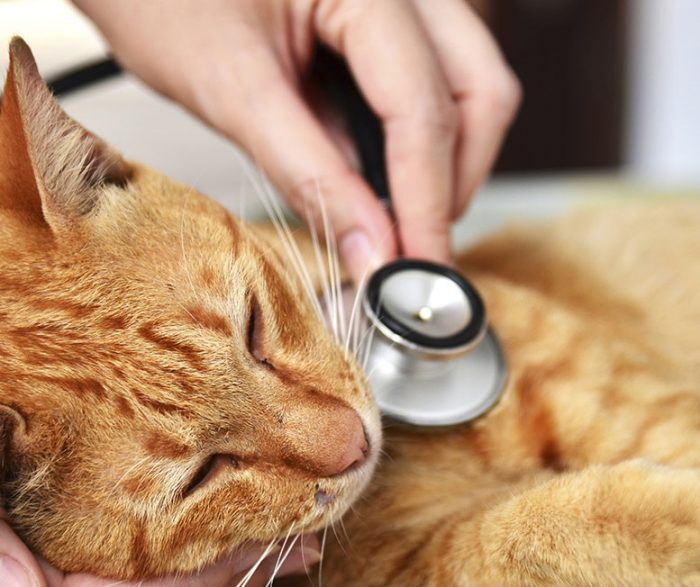
Caring for cats has become a popular and rewarding endeavor for many pet owners. As more people welcome feline companions into their homes, understanding consumer demand and preferences in cat care has become essential for pet product manufacturers, service providers, and retailers. By staying abreast of the latest consumer trends, businesses can effectively cater to the needs of this growing market segment.
The Growth of the Cat Care Market
Over the past decade, the cat care market has witnessed significant growth, driven by a rise in cat ownership and an increasing focus on pet wellness. According to the 2019-2020 National Pet Owners Survey conducted by the American Pet Products Association (APPA), approximately 42.7 million households in the United States own a cat, representing a 2% increase compared to the previous survey. This upward trend in ownership has led to an expansion in the availability of cat care products and services.
Health and Nutrition
Health and nutrition are key concerns for cat owners. Cat food options have evolved to cater to consumers' desire for high-quality and balanced diets for their feline friends. Premium and grain-free cat food options have gained popularity in recent years. Additionally, there is an increasing demand for specialized diets tailored to address specific health issues such as weight management, urinary tract health, and allergies.
Moreover, cat owners are embracing natural and organic products. They are seeking cat food and treats made from high-quality ingredients, free from artificial preservatives, colors, and flavors. Products that prioritize the well-being and longevity of cats are well-received by consumers.
Safety and Convenience
Another significant aspect of cat care that consumers prioritize is safety and convenience. This includes the use of cat litter and litter boxes that minimize odors and make cleaning more manageable. Clumping and odor-control litters have become a favorite among cat owners as they offer superior absorbency and odor elimination.
Furthermore, the demand for user-friendly and innovative litter boxes has surged. Self-cleaning litter boxes, for instance, have gained popularity, offering convenience and reducing the frequency of scooping. Additionally, there is a growing interest in eco-friendly and sustainable litter box options made from biodegradable materials.
Cat Toys and Enrichment
Cat owners understand the importance of mental and physical stimulation for their pets. This awareness has led to a rising demand for cat toys and enrichment products. Interactive toys, puzzle feeders, and scratching posts are among the most sought-after items in this category. Consumers are increasingly looking for products that can engage their cats and prevent boredom, which can lead to destructive behaviors.
Pet Care Services
Apart from physical products, consumers' preferences extend to pet care services. Cat owners seek boarding facilities, grooming salons, and veterinary clinics that specialize in feline care. They value caregivers who are knowledgeable about cats' specific needs and can provide a stress-free environment. Additionally, service providers who prioritize gentle handling techniques and offer personalized attention are likely to attract cat owners.
The cat care market is expanding, driven by cat owners' growing awareness of their pets' needs and preferences. Health and nutrition, safety and convenience, toys and enrichment products, and specialized pet care services are areas where consumer demand is high. To stay competitive in this market, businesses should keep a close eye on emerging trends, continuously innovate, and provide products and services that cater to the evolving needs of cat owners. By understanding consumer demand and preferences in cat care, businesses can position themselves as trusted partners in the well-being of cats everywhere.
Industry Players and Competition in the Cat Care Market
The cat care market has experienced significant growth in recent years as cat ownership continues to rise. As a result, numerous industry players have entered the market, offering a wide range of products and services to meet the needs of cat owners. This increased competition has led to innovation, improved product offerings, and enhanced customer service in the industry.
Online Retailers
Online retailers, such as Chewy and Amazon, have become significant players in the cat care market. They offer a wide selection of cat food, litter, toys, and other essential supplies, providing convenience and competitive pricing to cat owners who prefer to shop from the comfort of their homes. These retailers often provide detailed product information, customer reviews, and subscription options, making it easier for cat owners to find the best products for their furry friends.
Specialty Pet Stores
Specialty pet stores, like PetSmart and Petco, cater to the specific needs of cat owners. These stores typically offer a broader range of cat-related products compared to general retailers. They provide a personalized shopping experience, knowledgeable staff, and often offer additional services, such as grooming, training, and veterinary clinics within their premises. These specialty stores attract pet owners who seek expert advice and high-quality products for their cats.
Veterinary Clinics
Veterinary clinics also play a vital role in the cat care market. In addition to providing medical services, clinics often sell prescription diets, flea and tick prevention products, and other essential supplies recommended by veterinarians. Some clinics even offer specialized cat care services, such as dentistry, behavioral counseling, and surgical procedures. As trusted authorities on pet health, veterinary clinics have a significant influence on the choices cat owners make when it comes to their cat's care.
Cat Food Manufacturers
The cat food industry has become increasingly competitive, with numerous manufacturers vying for market share. Well-known brands such as Hill's Science Diet, Royal Canin, and Purina dominate the market, offering a wide range of cat food options catering to different dietary needs and preferences. In recent years, there has also been a rise in boutique, premium cat food brands that focus on natural and organic ingredients. This growing segment of the market appeals to cat owners seeking high-quality nutrition for their feline companions.
Pet Care Services
Beyond products, cat care services have also seen significant growth in recent years. Cat owners now have access to a range of services such as cat sitting, cat boarding, and cat daycare. Companies like Rover and Cat in a Flat connect cat owners with trusted individuals who offer in-home cat care services, providing a convenient alternative to traditional boarding facilities. These services cater to cat owners who want to ensure their cats receive personalized attention and care while they are away.
With the increasing number of industry players in the cat care market, competition has become more intense. To stand out from the crowd, companies are focusing on product innovation, premiumization of offerings, and customer-centric services. The market is expected to continue evolving as cat owners become more conscious of their pet's well-being and seek out the best products and services to meet their needs.
Technological Innovation in Cat Care: Enhancing Your Feline Friend's Wellbeing
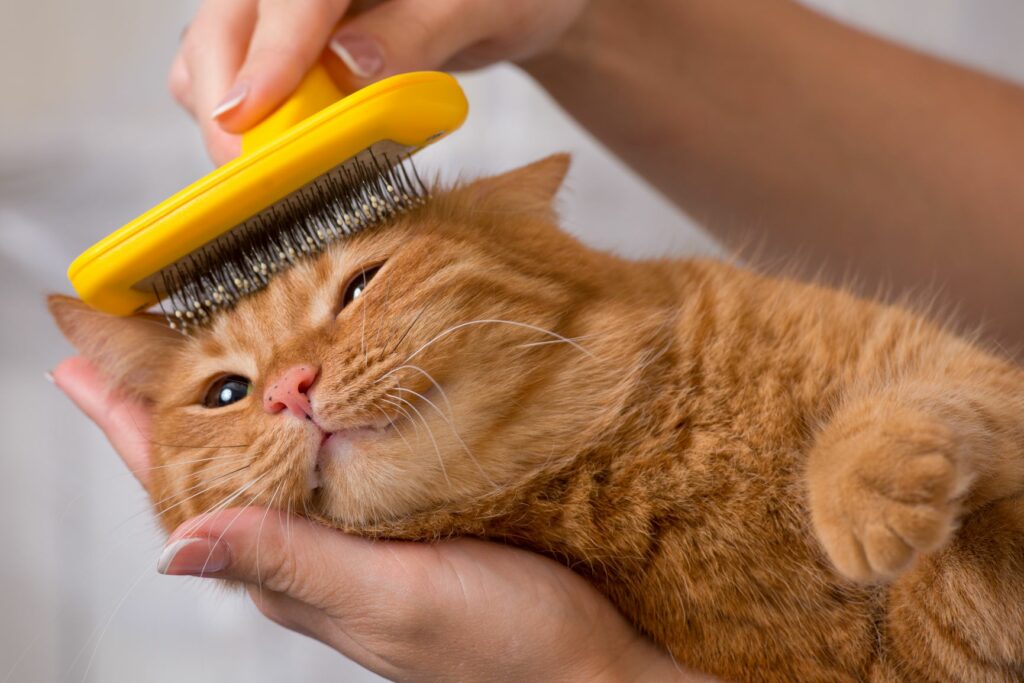
Technological innovation has permeated virtually every aspect of our lives, and it comes as no surprise that it has also made significant inroads into the realm of pet care, specifically in the domain of cat care. With cats being one of the most popular pets worldwide, technological advancements have paved the way for various tools and devices that enhance the health, well-being, and overall experience of cat owners and their feline companions.
Smart Feeder and Water Dispensers: Ensuring Optimal Nutrition and Hydration
Keeping track of a cat's feeding schedule and ensuring they have access to clean, fresh water can be daunting, especially for busy pet owners. Smart feeders and water dispensers have emerged as a game-changer in this aspect of cat care. These devices can be programmed to dispense the appropriate amount of food and water throughout the day, maintaining a consistent feeding routine even in the owner's absence. Some smart feeders can also provide personalized feeding recommendations based on the cat's age, weight, and dietary requirements.
GPS Pet Trackers: Keeping Tabs on Your Cat's Whereabouts
Cats are known for their curious and independent nature, often exploring their surroundings and occasionally wandering off. To ensure their safety, GPS pet trackers are becoming increasingly popular among cat owners. These small, lightweight devices can be attached to a cat's collar and provide real-time location updates through smartphone apps or web platforms. With GPS pet trackers, owners can quickly locate their cats, monitor their activities, and even set up geofencing alerts to receive notifications if their pet strays beyond designated boundaries.
Cat Behavior Monitoring Systems: Understanding Your Cat's Needs
Understanding cat behavior can be challenging, especially for first-time cat owners. However, technology has stepped in to bridge this gap. Cat behavior monitoring systems utilize advanced sensors and algorithms to track various parameters like activity levels, sleep quality, and even litter box behavior. By analyzing this data, owners can gain valuable insights into their cat's well-being, identify any potential health issues, and provide appropriate care. Additionally, some systems offer personalized recommendations and training exercises to improve the cat's overall behavior and mental stimulation.
Automated Litter Boxes: Convenience and Hygiene Combined
Cleaning the litter box is arguably one of the less enjoyable aspects of cat ownership. However, automated litter boxes have made this task significantly more manageable. These self-cleaning units use sensors to detect when the cat has used the litter box and automatically scoop, clean, and dispose of waste. With odor control mechanisms and reduced maintenance requirements, these litter boxes not only provide convenience for owners but also ensure a hygienic environment for both the cat and its household.
Remote Interactive Toys: Playtime Beyond Physical Presence
Playtime is essential for a cat's mental and physical well-being. However, busy schedules or being away from home can limit the interaction between cat owners and their pets. Remote interactive toys have emerged as a solution by allowing owners to engage their cats in play from a distance. These toys can be controlled through smartphone apps and offer various interactive features like laser pointers, feathers, or moving objects, providing stimulation and companionship for cats even when their owners are not physically present.
In conclusion, technological innovation has brought remarkable advancements to the world of cat care. The integration of smart feeders, GPS pet trackers, behavior monitoring systems, automated litter boxes, and remote interactive toys has revolutionized how we care for our feline companions. These technological tools not only simplify the daily routines of cat owners but also contribute to the overall health, happiness, and well-being of their pets. As technology continues to advance, we can expect further innovation in the field of cat care, further enhancing our understanding and connection with our beloved feline friends.
Regional Trends and Cultural Influences in Cat Care
Caring for cats is a global phenomenon, but different regions and cultures may have unique approaches and trends in cat care. Understanding these regional trends and cultural influences can provide valuable insights into the evolving landscape of cat ownership and help identify emerging opportunities in the industry.
Asia: The Rise of Cat Cafés and Health-focused Care
In Asia, cat cafés have gained popularity over the past decade. Originating in Taiwan, these establishments combine the joys of coffee with the therapeutic presence of cats. Cat cafés provide a space for urban dwellers, who may have limited living space, to interact with cats and enjoy their company. This trend has now spread to various cities across Asia and other parts of the world.
Additionally, Asian cultures, particularly in countries like Japan and South Korea, place a significant emphasis on holistic health and wellness for both humans and animals. This approach has led to the emergence of health-focused cat care trends such as specialized diets, herbal remedies, and alternative medicine like acupuncture and massage for cats.
Europe: Outdoor Enclosure and Eco-Friendly Approaches
In many European countries, cats are often allowed outdoor access to roam freely. However, due to concerns about traffic accidents and predation of local wildlife, many European cat owners have started to opt for outdoor enclosures, known as "catios." Catios provide a safe space where cats can enjoy fresh air, explore, and observe their surroundings while remaining protected.
Europeans also have a strong focus on eco-friendly and sustainable living. This cultural inclination has influenced cat care trends, with a growing demand for eco-friendly cat litter made from natural and biodegradable materials like wood pellets, sawdust, or recycled paper. Additionally, there is a rising interest in organic and cruelty-free cat food options.
North America: Humanization of Pets and Technological Innovations
In North America, pet owners tend to humanize their cats, considering them as integral members of their families. This has led to increased demand for high-quality cat products, including premium cat food, luxury bedding, designer accessories, and personalized grooming services.
Moreover, North America is at the forefront of technological innovations and advancements in pet care. The market for smart cat products, such as automated feeders, interactive toys, and tracking devices, has experienced rapid growth. These innovations allow cat owners to monitor their pets' health, activity levels, and behavior to ensure overall well-being and provide enhanced care.
Middle East: The Cultural Significance of Cats
Cats hold a special place in Middle Eastern cultures, and their significance can be traced back to ancient times. In Islamic tradition, cats are highly regarded for their cleanliness and are considered permissible pets. The presence of cats is often associated with good luck and divine protection.
Due to their cultural significance, cats in the Middle East are generally well taken care of. Many Middle Eastern cat owners provide their feline companions with luxurious accommodations, including spacious and ornate litter boxes, plush bedding, and dedicated play areas.
Understanding regional trends and cultural influences in cat care is crucial for businesses operating in the pet industry. Whether it's catering to the demand for specialized cat cafés, eco-friendly products, advanced technology, or embracing the cultural significance of cats, tailoring products and services to these specific needs will help companies thrive in diverse markets and accommodate the unique preferences of cat owners worldwide.
The Rising Role of Social Media Influencers in Cat Care
In recent years, social media influencers have emerged as key players in the pet care industry, including the specialized niche of cat care. With the ever-growing popularity of cat ownership and the increasing desire for cat owners to provide their feline companions with the best care, influencers have become powerful resources offering advice, tips, and product recommendations to millions of cat lovers worldwide.
The Power of Social Media
Social media platforms such as Instagram, YouTube, and TikTok have become virtual havens for pet owners seeking information and inspiration. In the realm of cat care, social media influencers have leveraged these platforms to share their knowledge, showcase their own cats, and build communities of like-minded individuals. By creating captivating content, influencers establish themselves as trusted authorities, engaging audiences with engaging stories, educational content, and interactive features.
Expert Insights and Guidance
Cat care influencers provide an array of valuable insights and guidance that cat owners can benefit from. They cover a wide range of topics, including nutrition, grooming, health, training, and enriching a cat's environment. By offering practical advice backed by their own experience, influencers play an integral role in educating cat owners about best practices while addressing common challenges and misconceptions.
Product Recommendations
In addition to advice, influencers often recommend various products related to cat care. From cat food and treats to litter boxes, toys, and scratching posts, they review and recommend products they believe are beneficial and reliable. These endorsements carry significant weight among their followers, who trust the influencers' expertise and rely on their recommendations to make informed decisions about their cats' well-being.
Building Communities and Validation
The cat care influencer movement has also provided a platform for cat owners to connect and share their experiences. Influencers create communities where cat lovers can interact, seek advice, and support one another. Through comments sections, live chats, and hashtags, cat owners can share stories, ask questions, and find a sense of validation and belonging. The guidance and encouragement provided by influencers and their followers create a supportive network, helping cat owners navigate the sometimes challenging world of cat care.
Embracing the Influencer Phenomenon
As the influence of social media continues to grow, both cat owners and the pet care industry have recognized the importance of influencers in the realm of cat care. Brands have started partnering with influencers to launch products, promote campaigns, and engage with their target audience authentically. At the same time, cat owners have come to rely on the expertise provided by influencers as a valuable source of information and inspiration.
In conclusion, social media influencers in the cat care space have become vital sources of information, guidance, and product recommendations for cat owners. Their captivating content, expert advice, and ability to create communities have made them powerful influencers in the pet industry. As cat ownership continues to rise, influencers are expected to play an even larger role in shaping the future of cat care.
The Future of Cat Care: Forecasting New Trends and Outlooks
As people continue to embrace pets as cherished family members, the demand for cat care is on the rise. With the ever-evolving pet industry, it is crucial to explore the future outlooks and forecast new trends in cat care to meet the changing needs of cat owners. This section delves into the projected directions and potential advancements in cat care.
Technological Innovations:
The future of cat care looks promising, as emerging technologies are set to revolutionize the way we care for our feline companions. One trend to watch is the incorporation of artificial intelligence (AI) and machine learning in cat care products. AI-powered devices, such as automated feeders and litter boxes, will become increasingly popular, providing convenience and improved efficiency for cat owners.
Moreover, wearable technology for cats is likely to gain momentum. GPS tracking collars with health monitoring capabilities will allow owners to keep tabs on their cat's location, activity levels, and overall well-being. These advancements will enhance the safety and health of cats while giving owners peace of mind.
Holistic and Natural Approaches:
In recent years, there has been a growing interest in holistic and natural approaches to pet care, including cat care. This trend is expected to continue as more owners prioritize their cats' overall well-being. Holistic cat food options, formulated with organic and natural ingredients, will become more prevalent in the market.
Furthermore, holistic veterinary care and alternative therapies, such as acupuncture and herbal medicine, may gain traction as cat owners seek comprehensive and holistic methods to maintain their cats' health. Integrating these practices into mainstream cat care services could create a significant shift in the industry.
Personalized Nutrition and Wellness:
As research advances and our understanding of feline nutrition improves, personalized nutrition and wellness plans for cats will likely become more prevalent. With advancements in genetic testing, it may be possible to determine a cat's unique nutritional needs based on their DNA. This tailored approach would optimize the cats' health and prevent potential health issues.
In addition to personalized nutrition, personalized wellness plans could encompass customized exercise routines, mental stimulation activities, and preventive care based on each cat's individual characteristics. Such tailored programs would address the specific needs, preferences, and personalities of cats, leading to improved overall quality of life.
Sustainable and Eco-Friendly Solutions:
The global shift towards sustainable living extends to the pet industry, including cat care. A rising awareness of environmental impact will drive the demand for sustainable and eco-friendly cat care products. Biodegradable litter options, eco-friendly toys, and recyclable packaging will become more sought after by conscious cat owners.
Furthermore, sustainable cat food choices made from ethically sourced ingredients will gain popularity. Brands that prioritize sustainability practices in their manufacturing processes and packaging will have a competitive advantage in the market. With consumers increasingly gravitating towards eco-conscious choices, sustainability will play a vital role in shaping the future of cat care.
The future of cat care appears promising, with a focus on technological advancements, holistic approaches, personalized nutrition and wellness, and sustainability. As cat owners become more invested in providing the best care possible for their feline companions, these emerging trends will shape the industry and cater to the evolving needs of cats and their owners. Stay updated with these trends to effectively navigate the ever-changing landscape of cat care.
Key Findings and Insights: The Evolution of Cat Care
In recent years, the world of cat care has undergone a significant evolution. As more people embrace cats as valued family members, the focus on their well-being has increased, leading to a surge in new products, services, and trends in this niche market. This recap highlights some key findings and insights on the evolving landscape of cat care.
- Rise in Health-Focused Products: Owners are prioritizing the health and well-being of their furry friends, leading to an increase in health-focused cat care products. From specialized diets and nutritional supplements to interactive toys that promote physical activity, pet owners are investing in products that enhance their cats' overall health.
- Social Media Influence: The rise of social media has played a pivotal role in shaping cat care trends. Platforms such as Instagram and TikTok have given birth to a new subculture of cat enthusiasts, with influencers sharing tips, advice, and product recommendations. This digital space has created a more connected community of cat owners, keeping them informed about the latest fads and innovations.
- Adoption and Rescue Awareness: Cat adoption and rescue initiatives have gained significant traction, driving a growing awareness of the importance of adopting cats from shelters rather than purchasing from breeders. This shift in mindset has led to the development of adoption-centered initiatives and campaigns, contributing to the overall well-being of cats while reducing overpopulation.
- Sustainability and Eco-Friendly Solutions: With the growing concern for the environment, consumers are seeking eco-friendly options for cat care. From biodegradable litter and sustainable cat food packaging to environmentally conscious cat furniture, pet owners are increasingly aligning their purchasing decisions with their environmental values.
- Mental and Emotional Well-being: Recognizing that cats have complex emotional lives, there has been a greater focus on providing mental and emotional stimulation. Products such as interactive puzzles, calming toys, and dedicated spaces for relaxation have become popular as owners seek to improve their cats' overall well-being and reduce stress.
- Technology Integration: Technology has made its way into the world of cat care, with innovative products aiming to enhance the human-cat bond. Smart feeding systems, activity trackers, and automated litter boxes are just a few examples of technological advancements that cat owners can now integrate into their daily routines to track and care for their pets more efficiently.
- Inclusive and Diverse Representation: The cat care industry is embracing inclusivity and representation. Brands are showcasing cats of different breeds, ages, colors, and abilities in their marketing campaigns, reflecting the diversity of pet ownership. This shift towards inclusivity has resonated with cat owners and has led to more inclusive product offerings that cater to a wide range of feline needs.