

Microdosing: Unlocking the Trending Potential of Psychedelic Substances

The Rise of Microdosing: Unveiling the Trend and Its Popularity Across Demographics

Microdosing is an emerging trend in which individuals consume small amounts of psychedelic substances, such as LSD (lysergic acid diethylamide) or psilocybin mushrooms, to enhance cognitive function, creativity, and overall well-being. The practice involves taking roughly one-tenth to one-twentieth of a typical recreational dose of these substances, resulting in subtle effects that are often claimed to enhance focus, clarity, and mood.
The origins of microdosing can be traced back to the psychedelic movement of the 1960s, when influential figures like Albert Hofmann, the Swiss chemist who first synthesized LSD, and Timothy Leary, a psychologist at Harvard University, advocated for the mind-expanding potential of psychedelics. However, it wasn't until the early 2000s that microdosing gained significant attention, primarily through the efforts of James Fadiman, a psychologist and researcher who popularized the concept through his book "The Psychedelic Explorer's Guide."
In recent years, microdosing has experienced a significant surge in popularity, capturing the attention of diverse demographics. This trend can be attributed to several factors:
- Enhanced Cognitive Performance: Microdosers believe that consuming small amounts of psychedelics can boost intellectual abilities, sharpen problem-solving skills, and enhance creativity. Many users report increased focus, a sense of clarity, and improved productivity.
- Mood Enhancement and Well-being: Microdosing is also associated with potential mood-boosting effects. Users claim that it can help alleviate symptoms of anxiety, depression, and stress. Some proponents of microdosing even argue that it may have potential therapeutic benefits, although limited scientific research exists on this topic.
- Minimal Disruption to Daily Life: Unlike traditional psychedelic experiences, microdosing is characterized by its subtlety. Users aim to maintain cognitive functionality while experiencing minor effects, making it possible to incorporate microdosing into their daily routines without the fear of impairing their ability to function in daily activities.
- Broader Acceptance and Cultural Shift: As the stigma around psychedelics continues to diminish, driven by growing research into their potential therapeutic applications and benefits, more individuals are willing to explore alternative methods for improved well-being. Microdosing offers a way to tap into the positive aspects of psychedelics without the intensity associated with full doses.
Today, microdosing has gained popularity among various demographics, including professionals seeking cognitive enhancement, artists in search of creative inspiration, and individuals interested in personal growth. According to anecdotal reports and online communities, microdosers span different age groups, professions, and geographic locations.
The rise of microdosing represents a fascinating trend in the quest for self-improvement and cognitive enhancement. Although its benefits and long-term effects require further scientific investigation, the growing interest and positive experiences shared by individuals make it an intriguing subject for research and exploration.
The Rise of Microdosing: Unveiling a Growing Market
Microdosing, the practice of taking small doses of psychedelic substances such as LSD or psilocybin mushrooms, has been gaining significant attention in recent years. As individuals search for alternative approaches to wellness and self-improvement, the market for microdosing has emerged as a promising niche.
Expanding Market Size
The market for microdosing has witnessed remarkable growth, thanks to increased awareness and shifting perceptions surrounding psychedelic substances. According to a report by Data Bridge Market Research, the global psychedelic drug market, which includes microdosing, is expected to reach a value of $6.85 billion by 2027, growing at a compound annual growth rate (CAGR) of 16.3% during the forecast period.
The rise in mental health issues, including depression, anxiety, and post-traumatic stress disorder (PTSD), has served as a catalyst for exploring alternative treatments like microdosing. As the traditional pharmaceutical industry faces challenges in effectively addressing these conditions, consumers are turning to unconventional therapies, bolstering the demand for microdosing products.
Evolving Perceptions and Legislation
Over the years, there has been a notable shift in public perception towards psychedelic substances. Previously stigmatized and strictly classified as controlled substances, the therapeutic potential of psychedelics is gaining recognition. Increasingly, researchers and medical professionals are exploring the benefits of microdosing in treating mental health disorders and enhancing cognitive abilities.
Moreover, legislative changes in various parts of the world are contributing to the growth of the microdosing market. For instance, several cities in the United States, including Denver and Oakland, have decriminalized the use and possession of psychedelic substances. Additionally, countries like Portugal, Brazil, and Jamaica have taken steps toward recognizing the potential therapeutic applications of psychedelics.
The Wellness and Productivity Connection
Microdosing has found a foothold in the wellness and productivity sectors, attracting a diverse range of consumers. Proponents claim that microdosing can enhance mood, creativity, focus, and energy levels, making it appealing to those seeking to optimize their performance in professional, artistic, or personal endeavors.
Tech industry professionals, entrepreneurs, and creative individuals are among the early adopters of microdosing. Silicon Valley, known for its culture of cognitive enhancement and innovation, has played a significant role in popularizing this practice. The so-called "biohackers" and "mind explorers" within these communities have embraced microdosing as an unconventional tool for achieving peak cognitive performance and personal growth.
The market for microdosing is evolving rapidly as the potential benefits of this practice become more widely recognized. With legislative changes, increasing research, and shifting attitudes, the market is expected to witness substantial growth in the coming years. As consumers continue to yearn for alternative approaches to well-being and self-improvement, microdosing presents a unique opportunity for businesses to cater to an expanding market.
Microdosing: Exploring Consumer Demand and Preferences
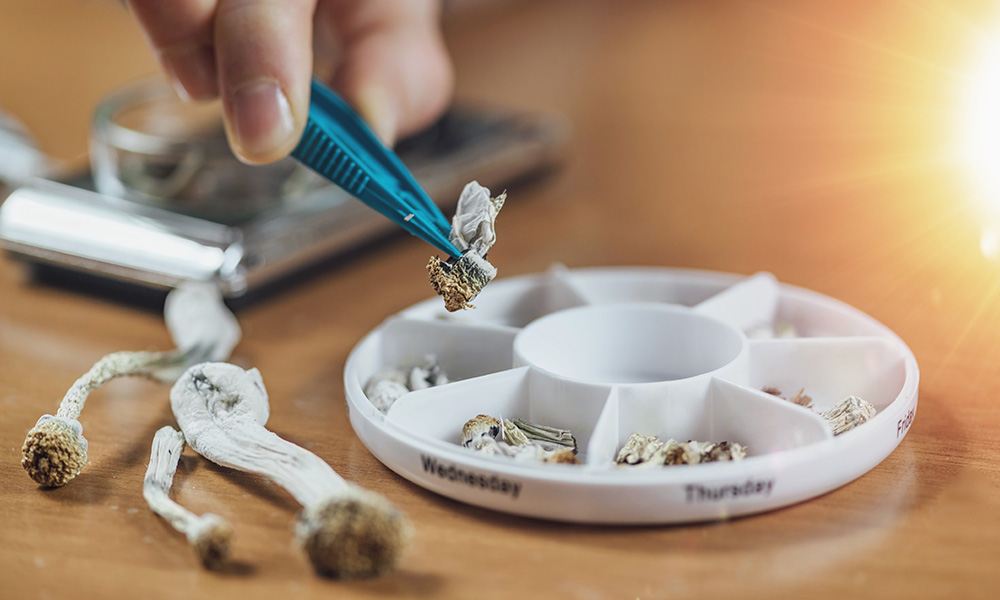
Microdosing has gained considerable attention in recent years as a potential method for improving various aspects of well-being, including mental health, productivity, and creativity. This practice involves taking sub-perceptual doses of psychedelic substances such as LSD or psilocybin mushrooms on a regular basis. While academic research exploring the efficacy and safety of microdosing is still emerging, consumer demand for this alternative approach has been steadily increasing.
Growing Interest in Microdosing
Many individuals are turning to microdosing as a means to enhance their overall well-being. The concept initially gained popularity through anecdotal reports and personal testimonials shared on social media and online forums, with proponents claiming a range of benefits. Some of the reported advantages include increased focus and concentration, heightened mood, enhanced creativity, reduced anxiety and depression symptoms, and improved cognitive function.
This growing interest in microdosing is reflected in the search trends related to the topic. According to Treendly's data, interest in microdosing has experienced a steady upward trajectory over the past few years, with peaks of interest occurring periodically.
Factors Influencing Consumer Preferences
When it comes to microdosing, there are several factors influencing consumer preferences and choices.
- Perceived Benefits: Consumers are attracted to microdosing due to the claimed benefits associated with it. Individuals seeking potential alternatives to conventional approaches for mental well-being and cognitive enhancement are particularly drawn to this practice. The promise of improved mood, creativity, and increased productivity appeals to a wide range of consumers.
- Awareness and Education: Increasing awareness and education about microdosing have played a crucial role in shaping consumer demand. As more information is disseminated through various channels, individuals are becoming more informed about the practice, its potential advantages, and the research surrounding it. This increased knowledge empowers consumers to make informed decisions about whether to try microdosing or not.
- Intellectual Curiosity: The allure of experimenting with unconventional methods drives a significant portion of consumers towards microdosing. For some, it is the desire to understand and explore the potential of psychedelic substances in small, controlled doses. The opportunity to gain firsthand experience fuels the curiosity and engages consumers who are open-minded and willing to explore alternative approaches to well-being.
- Stigma and Legal Considerations: Despite the growing interest, stigma and legal considerations surrounding psychedelic substances continue to impact consumer preferences. In regions where these substances are illegal or heavily regulated, consumer adoption may be limited due to legal and social barriers. However, as research advances and policy changes occur, these factors may evolve, potentially increasing consumer acceptance and demand.
Consumer demand for microdosing has been on the rise, driven by a variety of factors such as the perceived benefits, increased awareness and education, intellectual curiosity, and the ongoing shift in societal attitudes towards psychedelic substances. As more research is conducted on microdosing, its potential benefits and risks will become clearer, further influencing consumer preferences. With the current trajectory, it seems likely that microdosing will continue to gain momentum as a topic of interest and alternative self-improvement practice in the years to come.
Industry Players and Competition in Microdosing
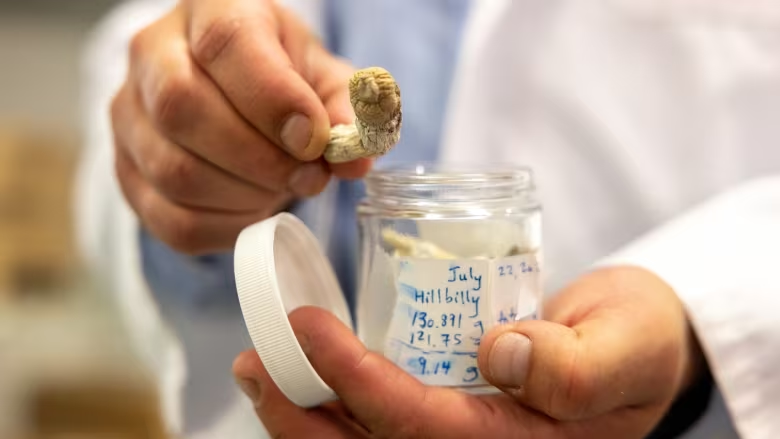
Microdosing, the practice of taking small amounts of psychedelic substances to enhance mood, cognition, and creativity, has gained significant popularity in recent years. As this trend continues to grow, several industry players have emerged, providing products and services to cater to the microdosing community. Let's take a closer look at some of these key players and the competition that exists within the microdosing industry.
Microdose.me is one of the prominent players in the microdosing industry, offering a comprehensive platform for microdosers to track their experiences, interact with a community of like-minded individuals, and access relevant resources. The platform allows users to log their microdosing routines and share their insights, creating a valuable database of user experiences. With an extensive library of research-backed content and a range of interactive tools, Microdose.me aims to educate and empower microdosers.
Third Wave
Third Wave is another influential player in the microdosing space, focusing on providing educational resources and guides for safe and responsible microdosing. The platform offers in-depth information on various psychedelics, their effects, dosage guidelines, and integration practices. Third Wave promotes a science-based approach, ensuring that users have access to accurate and reliable information about microdosing. Additionally, the platform offers online courses and coaching services, catering to both newcomers and experienced microdosers.
Microdose Psychedelic Insights
Microdose Psychedelic Insights is a research-driven platform that provides market intelligence, analysis, and strategic consulting services in the psychedelics space, including microdosing. The company aims to connect industry stakeholders, highlighting emerging trends, market opportunities, and regulatory developments. By providing valuable insights and fostering collaborations, Microdose Psychedelic Insights plays a pivotal role in shaping the microdosing industry.
Psychedelic Society
The Psychedelic Society is a global community and advocacy group that promotes safe and informed use of psychedelics, including microdosing. They organize events, workshops, and ceremonies centered around psychedelic experiences, fostering a sense of community and shared learning. The Psychedelic Society actively conducts research and collaborates with other organizations to advocate for drug policy reform and the integration of psychedelic substances into society.
Competition and the Future
With the rising popularity of microdosing, competition within the industry is expected to increase. Existing players will likely continue to evolve their offerings, capturing a larger market share. Moreover, as scientific research on psychedelics expands, new entrants may emerge, bringing innovative products and services to the microdosing market.
It is worth noting that the microdosing industry operates within the legal frameworks of different jurisdictions, which often limit or restrict the sale and distribution of psychedelic substances. As regulations evolve and become more permissive, it is expected that more companies will enter the market, contributing to increased competition and diversification of products and services.
In conclusion, the microdosing industry boasts several key players that provide products, services, and educational resources to cater to the growing community of microdosers. Each player brings a unique perspective and offers valuable contributions to the industry's development. With increasing interest and a shifting regulatory landscape, the microdosing market is likely to witness intensified competition and further innovation.
The Rise of Microdosing: Exploring Technological Innovation

Microdosing, the practice of taking small doses of psychedelic substances, is gaining momentum as a potential tool for enhancing creativity, productivity, and overall wellbeing. While microdosing itself may not be considered a technological innovation, advancements in technology are playing an integral role in the research, development, and acceptance of this practice.
Enhancing Research and Analysis
Technological tools have significantly contributed to the exploration of microdosing and its effects on the human mind and body. For instance, wearable devices such as smartwatches and fitness trackers can monitor physiological parameters like heart rate, body temperature, and sleep quality, providing researchers with objective data to study the impact of microdosing.
Additionally, advancements in data analysis and artificial intelligence have enabled researchers to process large amounts of data collected from studies and real-life experiences. These technologies allow for more accurate interpretation and understanding of the effects of microdosing, which can help shape future research and clinical trials.
Remote Monitoring and Telemedicine
Microdosing is often considered a self-directed practice, as individuals independently experiment with psychedelics in sub-perceptual doses. However, remote monitoring technologies and telemedicine applications are emerging to support and enhance the microdosing experience.
Mobile apps and connected devices can help individuals track their microdosing protocols, record their experiences, and monitor their moods and behaviors over time. This data can be valuable for personal assessment or sharing with healthcare professionals during teleconsultations, providing a comprehensive understanding of the effects of microdosing to guide further adjustments or recommendations.
Online Communities and Knowledge Sharing
The internet and social media platforms have played a crucial role in the dissemination of information, experiences, and research findings related to microdosing. Online communities have formed where individuals share their insights, protocols, and outcomes, forming a knowledge base that helps others navigate the practice more safely and effectively.
Technology has also facilitated the connection between microdosers and researchers or experts in the field. These virtual discussions and collaborations enable real-time exchange of ideas, insights, and data, fostering a collaborative approach to understanding the effects and potential applications of microdosing.
Personalized Microdosing Tools
Advancements in technology are paving the way for personalized microdosing tools, tailored to individual needs and preferences. For instance, innovative startups are developing apps and wearable devices that can provide real-time feedback and guidance during microdosing sessions. These tools can offer insights into optimal dosing, set and setting recommendations, and even suggest complementary activities or practices to enhance the overall experience.
Furthermore, the emerging field of psychedelic-assisted therapy is benefiting from technological innovations as well. Virtual reality (VR) and augmented reality (AR) are being explored as adjunctive tools in therapeutic settings, providing immersive and controlled environments for guided psychedelic experiences. These technologies have the potential to enhance therapy sessions, assist in trauma treatment, and expand access to therapeutic interventions.
Technological innovation is revolutionizing the study and practice of microdosing, providing new avenues for research, safety, and application. From enhancing research and analysis to enabling remote monitoring and telemedicine, technology is facilitating a deeper understanding of microdosing's potential benefits and risks. Moreover, online communities and personalized microdosing tools are fostering knowledge sharing and customization, democratizing access to information and support. As technology continues to evolve, its role in the field of microdosing is likely to expand, opening new possibilities for exploration and integration into mainstream healthcare practices.
Regional Trends and Cultural Influences on Microdosing

Microdosing, the practice of consuming sub-perceptual doses of psychedelics, has gained significant attention in recent years for its potential to enhance focus, creativity, and well-being. While the concept of microdosing originated in the West, regional trends and cultural influences have shaped its adoption and perception in different parts of the world.
North America: The Birthplace of Microdosing
North America, particularly Silicon Valley in the United States, is widely recognized as the birthplace of microdosing. Influenced by countercultural movements of the past, such as the 1960s psychedelic era, microdosing gained popularity as a tool for enhancing productivity and problem-solving. The region's tech industry, with its emphasis on innovation and alternative thinking, provided a fertile ground for the evolution of microdosing as a performance-enhancing practice.
Europe: Embracing Psychedelic Renaissance
Europe has witnessed a significant surge in interest surrounding microdosing, driven by a broader resurgence of psychedelic research and exploration. Countries like Netherlands, known for their progressive drug policies, have been at the forefront of this movement. With the rise of scientific studies and psychedelic-assisted therapy, an increasing number of Europeans are embracing microdosing as a means to address mental health issues and explore personal growth. The cultural impact of festivals like Burning Man and transformational events like Boom Festival in Portugal also contributes to the growing trend of microdosing in Europe.
South America: Traditional Roots and Ancient Wisdom
South America, particularly regions like the Peruvian Amazon and Colombian Amazon, is home to indigenous cultures with a rich history of using psychedelics for spiritual and healing purposes. While microdosing may not be as prevalent as in North America or Europe, the traditional usage of psychedelic substances like ayahuasca and San Pedro cactus has laid the foundation for a cultural openness towards alternative medicine and plant-based therapies. The influence of these traditions and their ensuing popularity among tourists seeking spiritual experiences contribute to the cultural context of microdosing in South America.
Asia: Slowly Embracing the Concept
In Asia, microdosing is a relatively nascent concept, with limited prominence or widespread cultural acceptance. Cultural factors, such as conservative societal values, strict drug laws, and a lack of scientific research, have contributed to its slow adoption in the region. However, a shift is underway in some parts, particularly in more progressive countries like Japan and South Korea. As the global interest in microdosing expands, influenced by online communities and international research, Asia is gradually witnessing its emergence as a new trend.
Microdosing, as a phenomenon, is influenced by regional trends and cultural contexts. While North America and Europe have embraced it more openly, South America brings a rich history of traditional psychedelic use, and Asia is starting to explore its potential. Understanding these regional influences is vital for gauging the global evolution of microdosing and appreciating its wider societal implications.
The Microdosing Phenomenon: Uncovering the Influence of Social Media
In recent years, the practice of microdosing has gained significant attention as a potential tool for enhancing creativity, mental well-being, and productivity. As this trend continues to grow, social media platforms and influencers have played a pivotal role in popularizing and shaping the discourse around microdosing.
Microdosing involves taking small, sub-perceptual doses of psychedelic substances like LSD or psilocybin mushrooms. Advocates of microdosing claim that it offers various benefits, including increased focus, reduced anxiety, improved mood, and enhanced cognitive function. While scientific research on the effectiveness of microdosing is still limited, anecdotal evidence and personal experiences have fueled its rise in popularity.
Social media platforms, such as Instagram, Facebook, and Twitter, have provided a powerful platform for individuals to share their microdosing experiences, insights, and recommendations. Influencers, in particular, have played a significant role in amplifying the conversation around microdosing.
These influencers, often individuals with sizable online followings, share their own experiences with microdosing, helping to shape the narrative around the practice. Through engaging content such as personal stories, documented results, and reflections on the benefits and challenges of microdosing, they attract followers who are curious about exploring this trending phenomenon.
One way in which influencers contribute to the growth of microdosing is by breaking down the stigma associated with psychedelic substances. By sharing their positive experiences with microdosing, they challenge the traditional narratives of drugs as inherently harmful. This, in turn, encourages a more open and accepting attitude towards psychedelic substances, fostering an environment conducive to the exploration of microdosing as a potential tool for personal growth and optimization.
Moreover, influencers often act as a bridge between scientific research and public understanding. While the scientific community conducts ongoing studies on microdosing, influencers provide easily digestible information, simplifying complex concepts and making them more accessible to a broader audience. This helps individuals to make more informed decisions about microdosing and encourages discussions around the potential risks and benefits associated with this practice.
However, it is crucial to approach information shared by influencers with caution. Given that microdosing is a relatively new and unregulated field, there is a lack of standardized dosing protocols and rigorous scientific evidence supporting its effects. As such, influencers may inadvertently contribute to unrealistic expectations or promote unsafe practices. It is essential for individuals to critically evaluate the content shared by influencers and consult reliable resources before considering microdosing.
Overall, social media platforms and influencers have played a significant role in shaping the discourse around microdosing, amplifying its popularity, and influencing public opinion. As the trend continues to evolve, it is important to strike a balance between the valuable insights shared by influencers and the need for rigorous scientific research to better understand the potential benefits and risks of microdosing. By staying informed and critically evaluating information, individuals can navigate the online landscape and make informed decisions about microdosing for personal growth and well-being.
The Future Outlook and Forecast for Microdosing
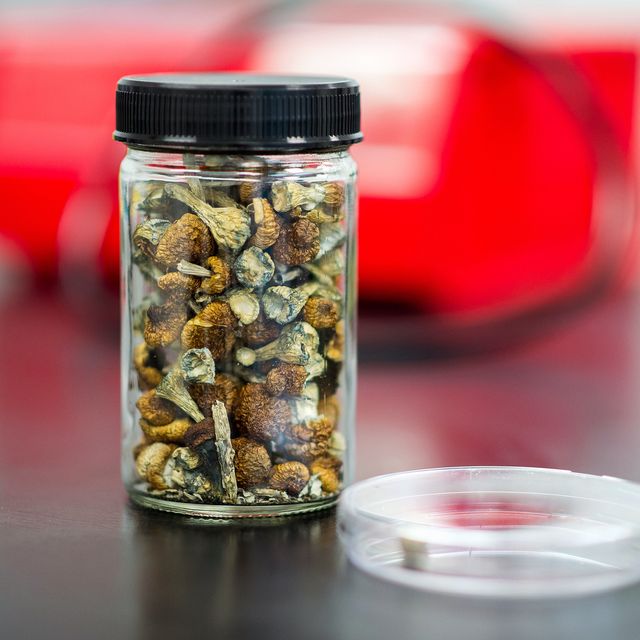
Microdosing, the practice of consuming small, sub-perceptual amounts of psychedelic substances, has gained considerable attention in recent years. While its popularity has surged among certain communities, it is important to assess its future outlook and potential forecast.
Growing Interest and Mainstream Acceptance
Microdosing has seen a significant increase in interest and acceptance. As more individuals seek alternative approaches for mental health and personal development, microdosing has emerged as a potential solution. This trend is likely to continue as more research is conducted and anecdotal evidence supports its benefits. Furthermore, as the stigma surrounding psychedelics decreases, increasing numbers of mainstream consumers may be willing to explore microdosing as a tool for self-improvement.
Scientific Research and Validation
Although research on microdosing is still in its early stages, there is a growing body of evidence supporting its potential benefits. Initial studies have suggested that microdosing may enhance cognitive abilities, improve mood, and increase creativity. However, further research is needed to confirm these findings and investigate potential long-term effects. As more funding becomes available and regulations around psychedelic research loosen, the scientific community's understanding of microdosing will likely improve, leading to greater acceptance and potentially the development of standardized protocols.
Consumer Adoption and Product Development
As microdosing gains traction, there is an opportunity for entrepreneurs and businesses to cater to this emerging market. We can expect to see a rise in products and services specifically designed for microdosers, including pre-measured doses, educational resources, and specialized coaching. Additionally, the growing interest in microdosing may lead to the development of innovative delivery methods that improve convenience and effectiveness.
Regulatory Challenges and Legalization Efforts
One of the significant obstacles facing the future of microdosing is the existing legal framework surrounding psychedelic substances. As of now, most psychedelics are classified as Schedule I drugs, making it illegal to possess or distribute them. However, there has been a notable shift in public opinion regarding the therapeutic potential of psychedelics, leading to some jurisdictions decriminalizing or legalizing certain substances. If this trend continues, it could pave the way for further research and acceptance of microdosing in the future.
Ethical Considerations and Responsible Use
As with any emerging trend, there are ethical considerations and concerns surrounding the responsible use of microdosing. It is crucial for individuals to approach microdosing with caution, seeking guidance from professionals and practicing harm reduction principles. Establishing guidelines and education programs focused on responsible use will be essential to ensure the long-term viability and sustainability of microdosing.
In conclusion, the future outlook for microdosing appears promising, considering the growing interest, scientific research, and acceptance. However, it is important to recognize the regulatory challenges and ethical considerations that accompany this trend. As more research unfolds and public opinion evolves, microdosing has the potential to become a mainstream practice for personal growth and mental health improvement.
Key Findings and Insights on the Trend of Microdosing

Microdosing, the practice of consuming small doses of psychedelic substances, has gained notable attention in recent years. This trend has sparked interest among individuals seeking alternative therapeutic and productivity-enhancing methods. Here are the key findings and insights on the trend of microdosing:
- Enhanced cognitive function and productivity: Users of microdosing often report improved concentration, creativity, and problem-solving abilities. While scientific research on this topic is limited, anecdotal evidence suggests that microdosing may help individuals tap into their creative potential and enhance overall productivity.
- Potential therapeutic benefits: Microdosing has been touted as a potential treatment for mental health conditions such as depression, anxiety, and post-traumatic stress disorder (PTSD). Advocates believe that small doses of hallucinogenic substances like LSD or psilocybin may alleviate symptoms and promote emotional well-being. However, further scientific studies are needed to ascertain these claims.
- Minimal hallucinogenic effects: Unlike traditional psychedelic experiences, microdosing involves consuming sub-perceptual doses, meaning the effects are subtle and don't induce hallucinations or intense mind-altering experiences. This aspect appeals to individuals seeking the potential benefits of psychedelics without the associated psychedelic "trip."
- Growing interest from professionals and Silicon Valley: Microdosing has gained popularity among professionals in high-stress industries, including tech entrepreneurs and professionals in Silicon Valley. Supporters of microdosing claim it can provide a competitive edge by fostering clarity, stimulating innovative thinking, and improving focus.
- Legal considerations and regulations: The legal status of microdosing varies across countries and regions. While psychedelics remain illegal in many places, an increasing number of jurisdictions are exploring the medical potential of these substances and relaxing regulations. Public perception of psychedelics is also evolving, creating opportunities for further research and potential reclassification.
- Lack of standardized dosing protocols and guidelines: One key challenge with microdosing is the absence of standardized dosing protocols. Since there are no official recommendations for microdosing, individuals often rely on trial and error to determine the optimal dosage for them. This lack of guidance poses risks, as inappropriate dosages may lead to unforeseen negative effects.
- Potential health risks and side effects: While microdosing is generally considered safe, potential risks and side effects still exist. Some individuals may experience increased heart rate, mild nausea, or changes in mood. Moreover, the long-term effects of microdosing on physical and mental health are yet to be fully understood.