
M.2: The Bolting Trend Revolutionizing Storage Solutions in the Tech World

The Rise of M.2: Understanding the Popular Storage Trend
In recent years, a buzz has been building around a storage trend called M.2. As technology continues to evolve, M.2 has emerged as a popular choice for storage solutions, garnering attention across various demographics. In this article, we will explore what M.2 is, its origins, and the reasons behind its increasing popularity.
Understanding M.2:
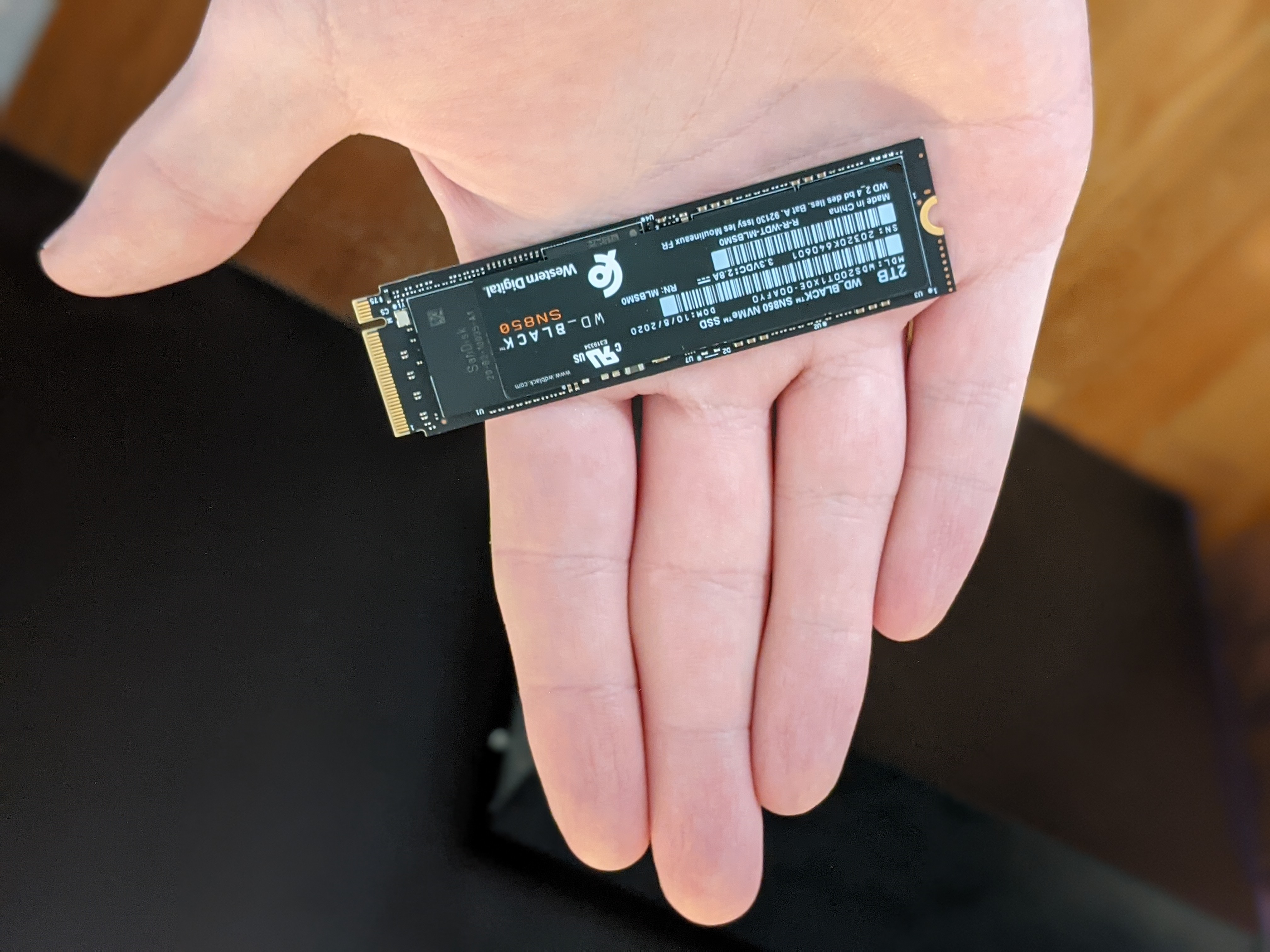
M.2, initially known as the Next Generation Form Factor (NGFF), is a small form factor solid-state drive (SSD) that was introduced in 2013. It was designed to replace the larger mSATA connector commonly found in laptops and other portable devices.
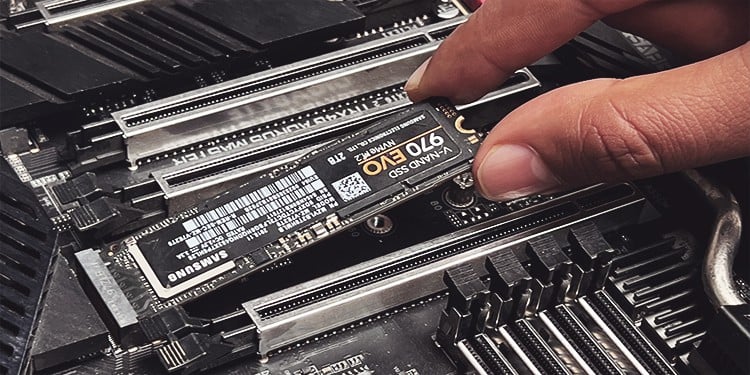
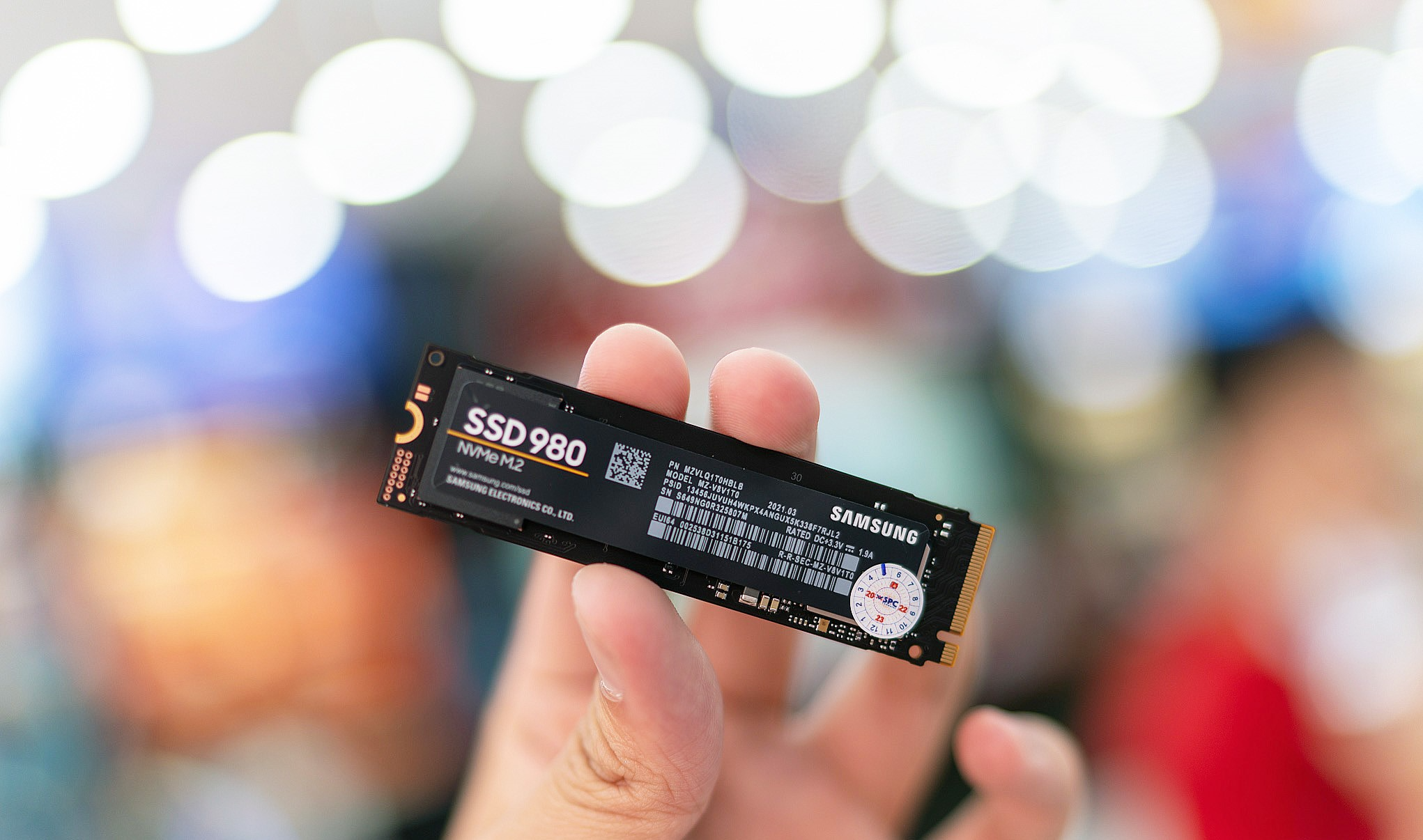
M.2 SSDs come in various lengths and widths and are typically mounted directly onto the motherboard or via an M.2 slot. This compact design allows for a sleeker and more streamlined build, making it highly desirable in a range of devices, including laptops, desktops, and even some ultrabooks.
Origins of M.2:
The M.2 specification was developed by the PCI-SIG (Peripheral Component Interconnect Special Interest Group), the consortium responsible for developing and maintaining the PCI (Peripheral Component Interconnect) standard. Initially, M.2 was mainly focused on providing faster and more efficient storage options for mobile devices. However, its advantages quickly extended to a broader spectrum of computing devices.
Popularity Across Demographics:
M.2's popularity stems from several key factors, making it a sought-after choice for storage solutions:
- Speed and Performance: M.2 SSDs utilize the PCIe (Peripheral Component Interconnect Express) interface, enabling faster data transfer speeds compared to traditional storage options like HDDs (Hard Disk Drives) or even SATA (Serial ATA) SSDs. This increased speed contributes to improved system responsiveness, faster loading times, and seamless multitasking capabilities.
- Compact Form Factor: The physically smaller size of M.2 SSDs allows for more flexibility in device design and enables manufacturers to create sleeker and more portable devices. Its popularity spans across various demographics, from professional gamers seeking high-performance rigs to business professionals requiring lightweight and portable laptops.
- Higher Capacity Options: M.2 SSDs offer storage capacity options that can rival or even surpass traditional storage drives. With advancements in NAND flash memory technology, M.2 SSDs are available in capacities as high as 4TB, offering ample space for data storage.
- Future-Proofing: As technology continues to advance, M.2 SSDs are well-positioned to accommodate forthcoming innovations. As a result, consumers and businesses alike are adopting M.2 as a storage solution to future-proof their devices.
The M.2 storage trend has quickly gained popularity among various demographics due to its faster speeds, compact form factor, higher capacity options, and future-proof capabilities. As more devices adopt M.2 compatibility and as the technology continues to evolve, its popularity is expected to soar further in the years to come.
The Explosive Growth of M.2: Unleashing the Power of Next-Generation Storage
In recent years, the market for M.2 (also known as Next Generation Form Factor or NGFF) storage devices has witnessed tremendous growth and is positioned to continue its upward trajectory in the coming years. M.2, with its compact size, high performance, and versatility, has gained widespread adoption in a range of applications, from consumer electronics to data centers and enterprise environments.
Market Size
The M.2 market has experienced substantial growth, driven primarily by the increasing demand for high-speed and high-capacity storage solutions. According to a report by MarketsandMarkets, the global M.2 SSD market was valued at $9.8 billion in 2020 and is projected to reach $52.5 billion by 2025, growing at a staggering compound annual growth rate (CAGR) of 40.2% during the forecast period.
The growing consumer electronics industry, including smartphones, tablets, and laptops, has been a major catalyst for the market's growth. M.2's small form factor and superior performance have made it the go-to solution for device manufacturers aiming to deliver faster and more efficient storage capabilities. Additionally, the rising demand for cloud computing, big data analytics, and AI-driven applications has fueled the adoption of M.2 SSDs in data centers, resulting in further market expansion.
Key Growth Drivers
Several factors contribute to the rapid growth of the M.2 market:
- Higher Performance: M.2 provides significantly higher read/write speeds than traditional hard disk drives (HDDs) and even SATA-based solid-state drives (SSDs). This performance advantage is especially crucial for applications that require fast data transfer and processing, such as gaming, multimedia content creation, and data-centric workloads.
- Miniaturization and Space Efficiency: M.2's small form factor enables it to be used in space-constrained devices, such as ultrabooks or compact desktops. As the demand for smaller and lighter devices continues to rise, M.2 offers a compact storage solution without compromising performance.
- Wide Compatibility: M.2 supports various interfaces, including PCIe (NVMe) and SATA, making it compatible with a wide range of devices and systems. Its versatility allows it to be used in laptops, desktops, gaming consoles, IoT devices, and even server and storage array systems.
- Future-Proofing: M.2's adoption of the NVMe protocol ensures compatibility with future technological advancements. As NVMe continues to evolve and become the industry standard, M.2 SSDs will remain at the forefront, providing faster speeds and improved storage performance.
The M.2 market's remarkable growth can be attributed to its exceptional performance, compact size, and broad range of applications. With technological advancements and increasing consumer demand for faster and more efficient storage solutions, the M.2 market is expected to witness sustained growth. As industry players continue to invest in research and development, we can expect further innovations and enhancements, solidifying M.2 SSDs as the preferred choice for next-generation storage needs.
Unleashing Consumer Demand: Exploring Preferences for M.2 Technology
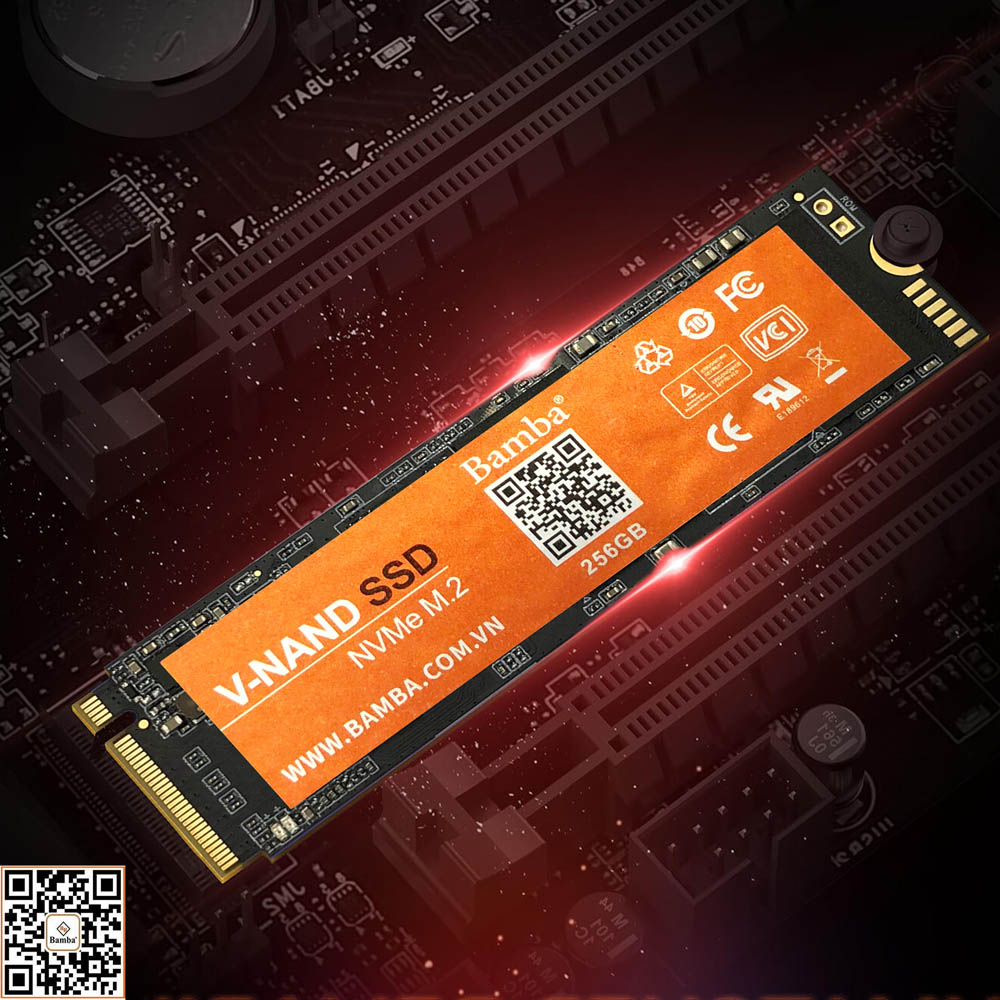
The M.2 (formerly known as NGFF) expansion slot has revolutionized computer storage and connectivity in recent years. Compact and versatile, M.2 has become a highly sought-after technology in the consumer electronics market. In this section, we will delve into the evolving consumer demand and preferences surrounding M.2, shedding light on the factors that drive its popularity.
Increasing Need for Speed: Performance as a Key Driver
One of the primary reasons behind the rising consumer demand for M.2 technology is its exceptional performance capabilities. M.2 drives leverage the latest interface protocols such as NVMe (Non-Volatile Memory Express), which significantly boosts data transfer speeds. Compared to traditional storage options like SATA SSDs (Serial ATA Solid State Drives) or HDDs (Hard Disk Drives), M.2 SSDs offer faster boot times, lightning-fast file transfers, and improved overall system responsiveness. As consumers increasingly seek out seamless multitasking experiences and quicker access to their data, M.2's superior performance becomes an attractive proposition.
Space-Saving & Flexibility: Designed for Miniaturization
Another factor driving consumer preference for M.2 is its compact and space-saving design. M.2 modules are significantly smaller than their predecessors, making them ideal for ultra-thin laptops, mini PCs, and compact form factor desktops. Additionally, M.2 slots support various widths and lengths, allowing for different types of modules (e.g., Wi-Fi, Bluetooth, SSD) to be accommodated within the same slot. This flexibility allows manufacturers to create sleeker and more streamlined devices without compromising on functionality. Consumers who prioritize portability, aesthetics, and smaller footprint are naturally drawn towards M.2-supported devices.
Future-Proofing: Support for Technological Advancements
The ability to cater to future technological advancements is a crucial consideration for many consumers. M.2's design and specifications offer the flexibility to accommodate emerging technological developments within the same slot, future-proofing devices to some extent. As new generations of M.2 drives and expansion cards are released, consumers can upgrade their devices without the need to replace the entire system. This scalability and compatibility ensure that M.2-supported devices stay relevant for a longer time, making them an attractive choice for consumers looking to invest in long-lasting technology.
Form Factor Matters: Consumer Preferences for Different M.2 Types
While M.2 modules are available in various types (NVMe, SATA, Wi-Fi, etc.), consumer preferences can differ based on individual needs and use cases. For example, gamers and professionals seeking optimal performance may lean towards NVMe SSDs, which offer lightning-fast read and write speeds. On the other hand, users with storage-centric requirements might prefer larger capacity SATA-based M.2 drives, which balance price and performance. Similarly, individuals looking to upgrade the wireless capabilities of their laptops might focus more on Wi-Fi-enabled M.2 modules. Understanding the distinct preferences for different M.2 types is essential for manufacturers and marketers to cater to a wide range of consumer demands effectively.
As the technology landscape evolves, consumer preferences around M.2 continue to shape the market. The growing demand for speed, space-saving designs, future-proofing, and the availability of distinct M.2 module types provide valuable insights for businesses looking to leverage this trend. By understanding consumer preferences and responding to their needs, companies can develop innovative M.2-based solutions that meet the demands of today's tech-savvy consumers.
Industry Players and Competitive Landscape of M.2
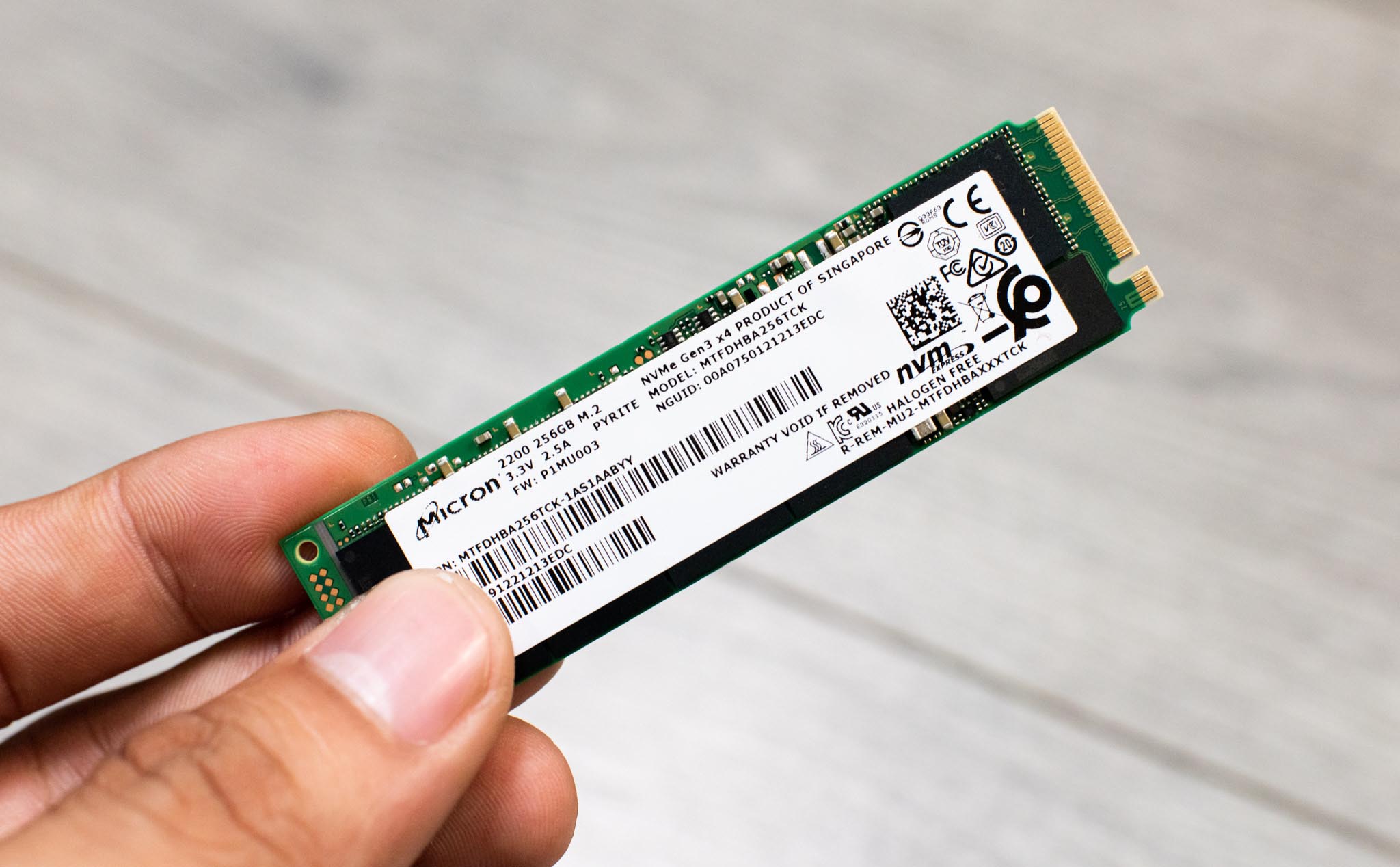
The M.2 (formerly known as NGFF) is an industry-standard form factor for solid-state drives (SSDs), wireless communication cards, and other computer expansion cards. It offers a compact design and high-speed data transfer rates, making it a popular choice for various applications. In this section, we will explore the industry players and competitive landscape surrounding M.2.
Industry Players:
- Intel Corporation: As a leading player in the semiconductor industry, Intel offers a wide range of M.2 SSDs and wireless modules. Their M.2 SSDs are known for their high performance and reliability, catering to both consumer and enterprise markets. Intel has been actively pushing for advancements in M.2 technology, introducing features like Intel Optane memory to enhance storage performance.
- Samsung Electronics: Samsung is another key player in the M.2 market, known for its innovative SSDs and memory solutions. Their M.2 SSDs are highly regarded for their speed, endurance, and energy efficiency. Samsung's products cater to both personal and professional environments, including gaming, data centers, and workstations.
- Western Digital: Western Digital is a renowned storage solutions provider that offers a range of M.2 SSDs under its subsidiary brands, such as WD Black and SanDisk. Their M.2 SSDs focus on delivering high-capacity storage and improved performance for gaming enthusiasts, content creators, and professional users.
- SK Hynix: SK Hynix, a major player in the semiconductor industry, offers a broad portfolio of M.2 SSDs with varying capacities and performance levels. Their M.2 SSDs cater to different market segments, including consumer, enterprise, and industrial applications. SK Hynix emphasizes power efficiency, reliability, and data security in its M.2 product offerings.
- Toshiba Memory Corporation: Toshiba Memory Corporation (TMC) provides a range of M.2 SSDs, leveraging its expertise in flash memory technology. Their products are designed to meet the needs of both general consumers and professionals, offering performance, endurance, and reliability. TMC's M.2 SSDs are widely used in laptops, ultrabooks, and other portable devices.
Competitive Landscape:
The market for M.2 SSDs and other M.2 devices is highly competitive, driven by technological advancements and demand for high-speed storage and communication solutions. In addition to the prominent industry players mentioned above, several other companies contribute to the competitive landscape, including:
- Crucial (a subsidiary of Micron Technology)
- Kingston Technology
- Plextor
- Adata
- Seagate Technology
- Corsair
- Gigabyte
These companies, among others, offer M.2 SSDs with different specifications, performance levels, and price points to cater to diverse customer requirements. The competitive landscape is characterized by continuous innovation, product differentiation, and a focus on improving speed, capacity, and reliability.
This competitiveness fosters ongoing research and development within the M.2 industry, leading to advancements in areas such as NAND flash memory, controller technology, and data transfer protocols. As a result, consumers can expect to see a steady stream of improvements and new product releases in the M.2 market.
Overall, the industry players mentioned, along with other competitors, are driving the growth, technological advancements, and product innovations in the M.2 market, ensuring that consumers and businesses have access to a wide range of high-performing, compact, and reliable storage and communication solutions.
The Rise of M.2: Revolutionizing Storage Technology
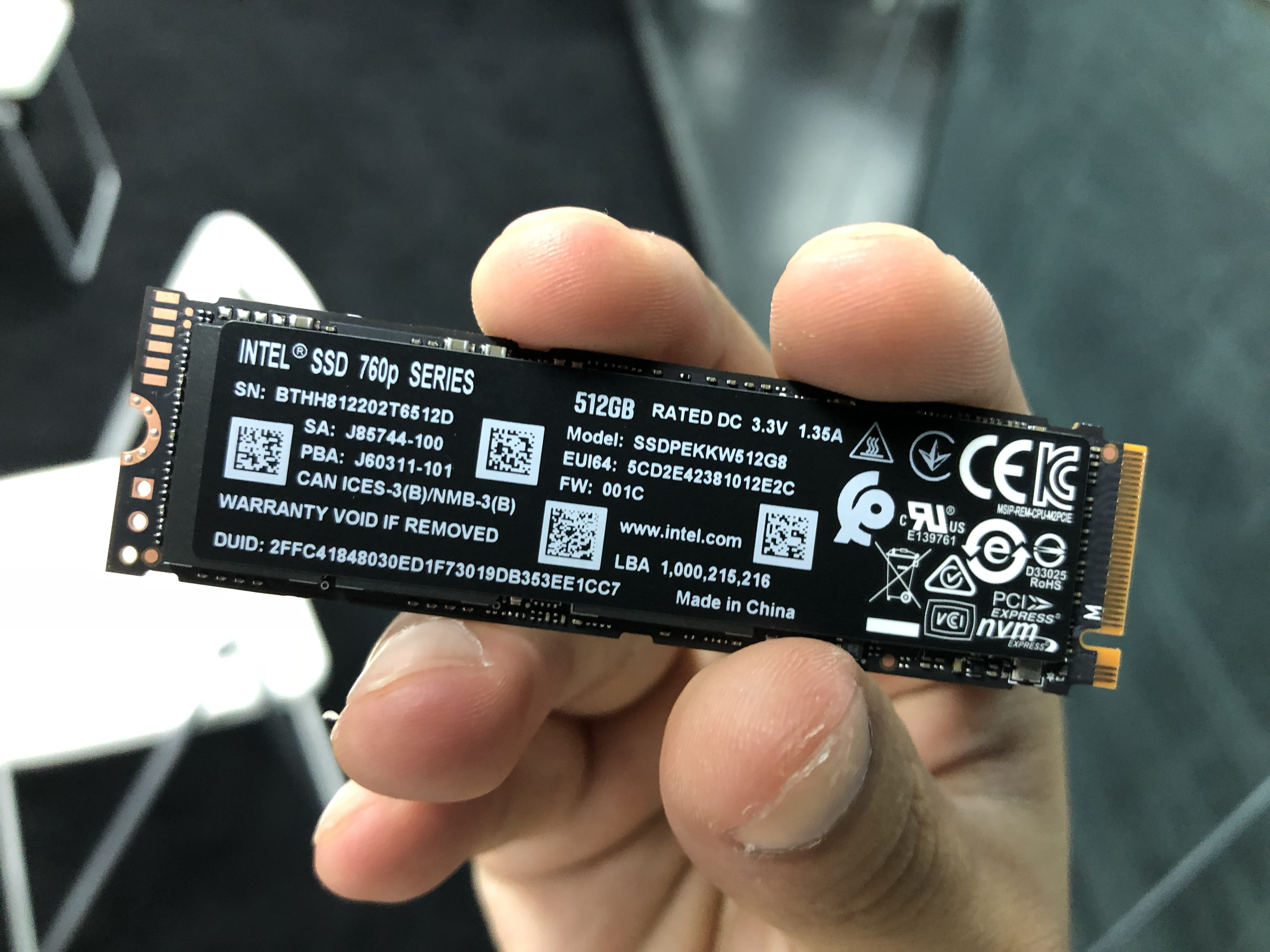
In recent years, M.2 technology has emerged as a game-changer in the world of computer storage. With its compact design and high-speed capabilities, M.2 has revolutionized the way we store and access data. This article explores the various aspects of M.2 technology and its impact on the tech industry.
Understanding M.2 Technology
M.2 is a compact form factor and interface specification that was introduced by the Peripheral Component Interconnect Express (PCIe) Special Interest Group (PCI-SIG) in 2013. It was designed to replace the older mSATA and mini-PCIe connectors and provide a more efficient and flexible solution for storage and expansion devices.
Enhanced Performance and Speed
One of the key advantages of M.2 technology is its ability to deliver fast data transfer speeds. M.2 supports various high-speed interfaces, including PCIe (PCI Express) and NVMe (Non-Volatile Memory Express), which significantly improve the overall performance and responsiveness of storage devices.
With PCIe 3.0 and 4.0 interfaces, M.2 SSDs can achieve much higher data transfer rates compared to traditional SATA-based SSDs. This enables faster boot times, quicker file transfers, and smoother multitasking experiences for users.
Compact Design and Versatility
Another notable feature of M.2 technology is its compact size. M.2 drives are small and lightweight, making them ideal for use in slim laptops, ultrabooks, and small form factor desktops. Unlike traditional hard drives or bulky SSDs, M.2 drives can be mounted directly onto the motherboard, eliminating the need for additional cables and connectors.
The compact design of M.2 also allows for more flexibility in system design. With different lengths and widths available, M.2 slots can accommodate a variety of storage devices, such as SSDs, Wi-Fi cards, and even graphics cards. This versatility has made M.2 a popular choice among both consumers and manufacturers.
Increasing Adoption and Future Trends
M.2 technology has gained significant traction in recent years and has become the standard for storage in many new laptops and desktops. As more companies embrace the benefits of M.2, we can expect to see a rise in the number of M.2-compatible devices in the market.
Moreover, the evolution of M.2 technology is ongoing. PCIe 4.0, which offers even faster data transfer speeds than the previous generation, is gradually being incorporated into new M.2 drives. This will further enhance the performance of M.2 storage devices and push the boundaries of what is possible in terms of storage and data access.
M.2 technology has undeniably revolutionized the storage landscape, offering faster speeds, compact form factors, and enhanced versatility. As the demand for high-performance and efficient storage solutions continues to grow, M.2 is poised to play a crucial role in the future of technology.
Whether it's powering the next generation of laptops, enabling faster gaming experiences, or unlocking new possibilities in data-intensive applications, M.2 technology is a force to be reckoned with. Its impact on the industry is likely to be long-lasting, as it continues to evolve and redefine the possibilities of storage technology.
Regional Trends and Cultural Influences on the M.2 Technology
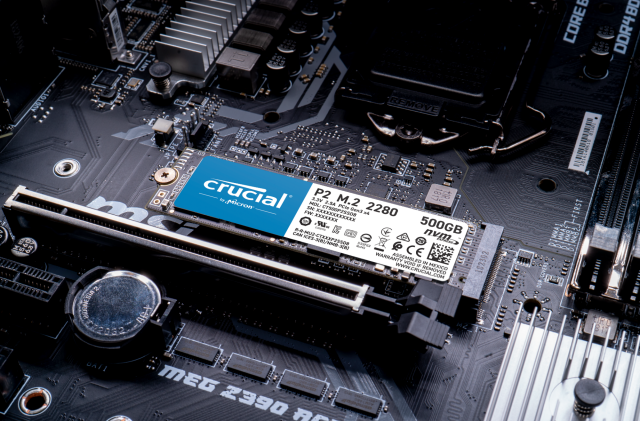
The M.2 technology, also known as Next Generation Form Factor (NGFF), has gained significant traction and popularity in recent years. It is a small, yet powerful, form of solid-state storage device used in various electronic devices such as laptops, desktops, and even mobile devices. While the technology itself is not region-specific, there are regional trends and cultural influences that have impacted its adoption and usage in different parts of the world.
Technological Adoption and Innovation in Asia
Asia, particularly countries like South Korea, Japan, and China, has been at the forefront of technological adoption and innovation. These countries have witnessed a significant increase in the use of M.2 technology due to several factors. One of the primary reasons is the strong presence of leading electronics manufacturers like Samsung and LG in South Korea and companies like Toshiba and Sony in Japan. These companies have implemented M.2 technology in their electronic devices, driving awareness and demand among consumers.
Culturally, Asian countries have a strong inclination towards cutting-edge technology and being early adopters. The culture of continuous improvement and staying ahead of trends has contributed to the rapid adoption of M.2 technology in the region. The preference for sleek and lightweight devices, which can be easily achieved with M.2 technology, has reinforced its popularity in Asia.
Gaming and High-Performance Computing in North America and Europe
North America and Europe have displayed a strong affinity for M.2 technology, particularly within the gaming and high-performance computing communities. The gaming culture in these regions is highly influential, with a significant number of gamers looking for improved performance and faster load times. M.2 technology provides such benefits, making it a preferred choice for gaming enthusiasts.
Moreover, the prevalence of high-performance computing, such as video editing and 3D rendering, has led to the increased adoption of M.2 technology. Faster read and write speeds offered by M.2 drives significantly reduce data transfer times, improving the overall efficiency and productivity for these computationally intensive tasks.
Availability and Affordability in Developing Markets
In developing markets, where affordability and the availability of technology play a crucial role, M.2 technology has faced some challenges. While the technology is becoming more accessible, it still has a relatively higher price point compared to traditional storage options such as hard disk drives (HDDs) or even SATA SSDs.
However, as the cost of M.2 technology decreases with advancements in manufacturing and increased adoption, developing markets are expected to see a rise in its usage. This trend is already noticeable in regions like Southeast Asia and South America, where the demand for affordable laptops and mobile devices is driving the market for M.2 technology.
The adoption and usage of M.2 technology are not limited to any single region or culture. However, regional trends and cultural influences have played a role in shaping its popularity and preferences within different markets. Whether it is the technological superiority in Asia, the gaming and high-performance computing culture in North America and Europe, or the affordability factor in developing markets, M.2 technology continues to make its mark globally. As technology advances and costs decrease, the impact of regional trends and cultural influences on M.2 technology is likely to evolve further.
The Rise of M.2: Influencers Share the Buzz on Social Media
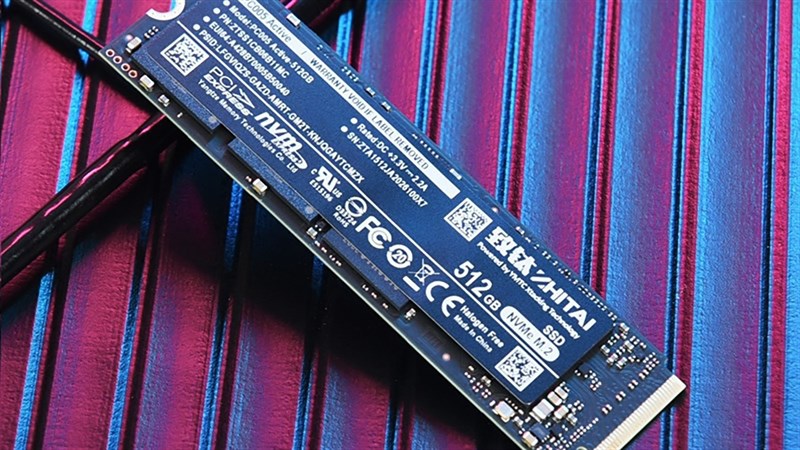
M.2, a small form factor interface for connecting solid-state drives (SSDs) to a computer, is gaining momentum as one of the fastest-growing storage technologies in the market. With its compact size and impressive speed, M.2 is revolutionizing the way users store and access their data. As the popularity of M.2 grows, social media platforms have become instrumental in spreading awareness and driving its adoption.
Influencers as Technology Advocates
Influencers, individuals with a significant following on social media platforms, play a crucial role in shaping consumer perceptions and influencing purchasing decisions. Tech enthusiasts and experts with a passion for staying up-to-date with the latest technology trends, these influencers are at the forefront of showcasing the benefits of M.2 SSDs to their followers.
Well-known influencers such as Linus Sebastian of Linus Tech Tips, Austin Evans, and JayzTwoCents have dedicated follower bases, who trust their opinions on technology-related matters. These influencers regularly feature M.2 as part of their content, highlighting its speed, reliability, and convenience compared to traditional storage options.
By creating engaging and informative videos, blog posts, and social media updates, influencers are able to educate their audience about the advantages of M.2 SSDs. They often provide detailed reviews, benchmarks, and real-world performance comparisons that help consumers make more informed decisions when purchasing storage solutions.
Social Media Platforms as Catalysts
Social media platforms, including Twitter, Instagram, and YouTube, play a significant role in amplifying discussions around M.2. Tech-savvy users and enthusiasts use these platforms to share their experiences with M.2 SSDs, post benchmarks, and engage in discussions about its benefits and compatibility. Hashtags like #M2SSD, #TechReviews, and #SSDUpgrades are regularly used to curate and organize content related to M.2 drives.
YouTube, in particular, has become a hotspot for technology enthusiasts and influencers to showcase M.2 SSDs in action. From unboxing videos to installation guides, YouTube allows influencers to provide a more immersive and visual experience, helping viewers better understand the advantages of M.2 SSDs.
Additionally, technology forums and subreddits on platforms like Reddit provide a space for enthusiasts and users to seek advice, share their experiences, and discuss the latest innovations in M.2 technology. These platforms contribute to keeping the momentum and interest around M.2 alive by fostering a community of like-minded individuals who are passionate about technology.
Brand Collaborations and Influencer Partnerships
Recognizing the power of influencers, brands around the world have undertaken influencer marketing campaigns to promote their M.2 SSDs. These collaborations involve sending products to influencers, who then create content showcasing the features, performance, and benefits of the particular brand's M.2 SSDs.
These partnerships not only expose the brand's M.2 SSDs to new audiences but also tap into the influencer's credibility and trust among their followers. Engaging influencers allows brands to leverage their expertise and credibility to drive product adoption and generate buzz among their target audience.
In conclusion, the rise of M.2 SSDs has been spurred by the active participation of influencers on social media platforms. Their ability to educate, entertain, and guide consumers in their purchasing decisions has been instrumental in accelerating the adoption of M.2 technology. As technology enthusiasts and brands continue to collaborate, the buzz around M.2 on social media platforms is expected to grow, further cementing its position as a game-changer in the storage industry.
The Future Outlook and Forecast of M.2: Reshaping the World of Storage
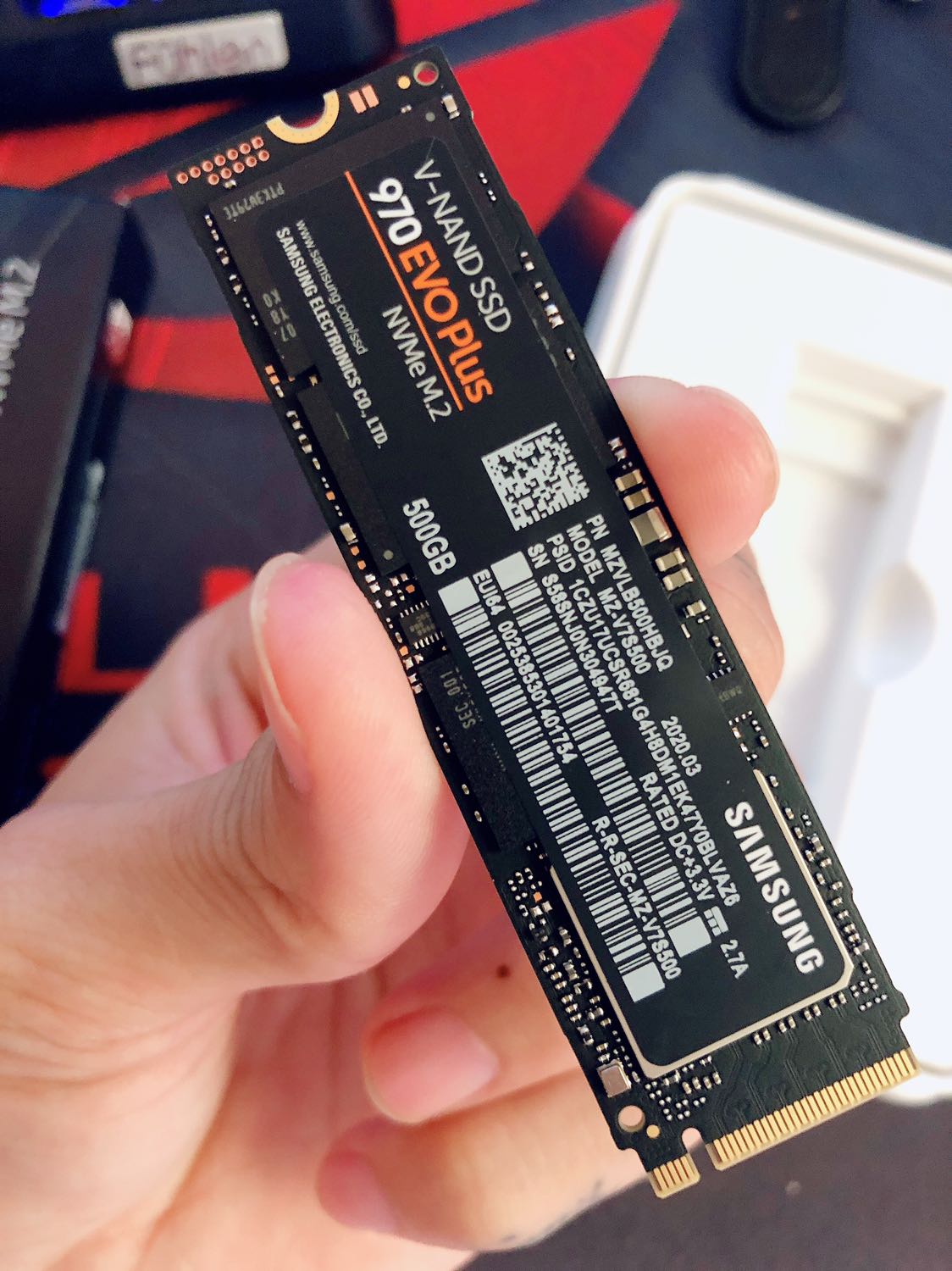
M.2 is a small form factor solid-state drive (SSD) that has quickly gained popularity in recent years due to its high-performance capabilities and compact design. As technology continues to evolve rapidly, it is important to understand the future outlook and forecast for M.2. In this section, we will explore the potential advancements, challenges, and emerging trends that may impact the future of M.2.
- Increasing Storage Capacities: One of the key trends that can be expected for M.2 drives is the continuous increase in storage capacities. As demand for larger storage capabilities grows, manufacturers are likely to develop higher capacity M.2 drives to accommodate the needs of consumers and businesses alike. With advancements in NAND flash memory technologies, we can anticipate M.2 drives with capacities exceeding several terabytes in the future, enabling users to store and access more data than ever before.
- Faster Transfer Speeds: M.2 drives have already revolutionized storage with their blazing-fast transfer speeds compared to traditional hard disk drives (HDDs) or even older SSDs. However, there is still room for further improvement. The future of M.2 is expected to witness the emergence of faster transfer speeds, utilizing newer standards like PCI Express 4.0 and 5.0. These advancements will allow for quicker data access, reducing loading times, and improving overall system performance.
- Enhanced Compatibility: As M.2 becomes more prevalent, compatibility with various devices and platforms is likely to improve. Manufacturers have been working on developing adapters and expansion cards to enable compatibility with devices that lack an M.2 slot. This trend is expected to continue, making M.2 a versatile storage solution for a wide range of devices, including laptops, desktops, gaming consoles, and even smartphones.
- Transition to PCIe 5.0: While PCIe 4.0 is already gaining traction, M.2 drives are expected to make the transition to the newer PCIe 5.0 standard in the future. With twice the bandwidth of its predecessor, PCIe 5.0 will unlock new possibilities for M.2 drives, allowing for even faster data transfer rates. This transition will further solidify M.2 as the go-to storage solution for high-performance computing and demanding applications.
- Increased Applications: As the technology matures and evolves, we can expect M.2 drives to find their way into a wider range of applications. From consumer electronics to enterprise-grade servers, the compact form factor, and high-performance capabilities of M.2 drives make them ideal for numerous use cases. As advancements continue, M.2 drives may even find applications in emerging fields such as artificial intelligence, edge computing, and cloud infrastructure.
The future of M.2 is highly promising, with advancements in storage capacities, transfer speeds, compatibility, and emerging applications. As the demand for faster and more efficient storage solutions continues to rise, M.2 drives are well-positioned to reshape the world of storage. By staying at the forefront of technology, M.2 is set to become an essential component in next-generation devices, providing users with uncompromised performance and versatility.
The Rising Popularity of M.2: Key Findings and Insights
Key Findings:
- Rapid Adoption: The M.2 form factor has experienced significant adoption in recent years across various industries. It has become the preferred choice for storage solutions in computers, laptops, gaming consoles, and even some high-end smartphones.
- Speed and Performance: M.2 drives offer faster data transfer speeds, lower latency, and improved overall performance compared to traditional storage options such as hard disk drives (HDDs) and even solid-state drives (SSDs) using SATA interfaces. This has made M.2 drives highly sought after by individuals and businesses for enhanced computing experiences.
- Compact Size: M.2 drives are smaller in size compared to other storage options, making them ideal for devices with limited space. They are commonly used in ultra-thin laptops and small form factor (SFF) PCs where space optimization is crucial.
- Increasing Storage Capacities: Manufacturers have been consistently improving M.2 drive capacities, with options ranging from 128GB to 8TB or more. This has enabled users to store larger volumes of data, including multimedia files, software applications, and games.
- PCIe NVMe Interface: Many M.2 drives utilize the PCIe NVMe (Non-Volatile Memory Express) interface, which offers higher bandwidth and lower latency compared to traditional SATA interfaces. This provides a significant boost to data transfer rates, allowing faster access to files and applications.
- Growing Gaming Market: The gaming industry has been a significant driver of M.2 adoption. Gamers demand high-performance systems to run resource-intensive games smoothly, and M.2 drives meet these requirements by providing faster loading times and improved game responsiveness.
- Futureproofing: With the continuous advancements in technology, M.2 drives offer a futureproof solution by being compatible with upcoming platforms and interfaces. This has made them an attractive choice for tech enthusiasts and professionals who aim to stay ahead of the curve.
Insights:
- Implications for Industries: The M.2 trend has significant implications for various industries. In the computer hardware industry, manufacturers are increasingly shifting their focus towards M.2-compatible motherboards and components to meet the growing demand. Moreover, businesses providing data-intensive services, such as content creation and data analysis, can benefit from improved performance and storage capacities offered by M.2 drives.
- Consumer Preferences: The demand for faster and more efficient devices is rapidly increasing among consumers. M.2's enhanced performance capabilities align with these preferences, driving its popularity across demographics. Additionally, the compact size of M.2 drives meets the needs of individuals who prioritize portability and sleek designs.
- Competitive Landscape: With the increasing demand for M.2, numerous companies are entering the market to offer a broader range of options. Existing manufacturers are continuously improving their product offerings to remain competitive. This competitive landscape benefits consumers by providing a wider selection of M.2 drives at varying price points.
- Technological Advancements: M.2's rise to prominence reflects the ongoing advancements in storage technology. As new technologies emerge, such as PCIe 4.0 and Gen4, M.2 drives will likely evolve to offer even higher speeds and capacities. Keeping an eye on these developments can help industry professionals and technology enthusiasts stay updated and make informed decisions.