

Imbiancatura: Unveiling the Growing Trend of Italian Wall Decoration Techniques

Imbiancatura: The Rising Trend in Home Renovation
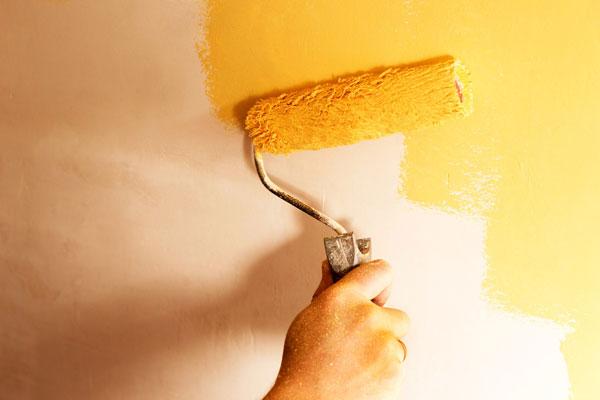
In recent years, an intriguing trend has been gaining momentum in the world of home renovation - imbiancatura. This Italian term, which refers to the act of painting or repainting the walls, has grabbed the attention of homeowners and design enthusiasts alike. As a form of creative expression and a means to refresh one's living space, imbiancatura has become increasingly popular in various demographics. In this article, we will explore the origins of imbiancatura, its rising popularity, and the reasons behind its appeal.
Imbiancatura: Definition and Origins:
Imbiancatura, derived from the Italian word "imbiancare" meaning "to paint," involves the art of applying new coats of paint to the interior or exterior surfaces of a building. While the practice itself is not new, the trend of imbiancatura as a focal point of home renovation has gained traction in recent times.
The origins of imbiancatura can be traced back to the early use of pigments to decorate dwellings. The ancient Egyptians, Greeks, and Romans embraced the concept of adding vibrant colors to their living spaces, showcasing the desire to create aesthetically pleasing environments.
Imbiancatura's Popularity among Various Demographics:
One of the reasons behind imbiancatura's rising popularity is the desire for personalization and self-expression within the home. By choosing specific colors, finishes, and techniques, homeowners can transform their spaces to reflect their unique style and taste.
Imbiancatura also appeals to individuals seeking cost-effective ways to update their homes without extensive renovations. Painting walls can be a relatively affordable and relatively straightforward way to breathe new life into a room, making it an attractive choice for those on a budget.
Furthermore, imbiancatura has gained popularity among eco-conscious individuals who are looking for sustainable options in home improvement. With the availability of eco-friendly paints and finishes, imbiancatura allows homeowners to create beautiful spaces while minimizing their environmental impact.
Imbiancatura's versatility extends across different demographics, as it caters to both homeowners and renters alike. Renters can also benefit from imbiancatura as it offers an opportunity to personalize their temporary living spaces without permanently altering the property.
As the trend of imbiancatura continues to grow, more individuals are discovering the joys of transforming their living spaces through the application of new paint. Whether driven by the desire for personalization, cost-effectiveness, sustainability, or the need to refresh their surroundings, imbiancatura offers a versatile and accessible solution for home renovation enthusiasts. In the following sections, we will delve deeper into the techniques, color choices, and emerging styles within the world of imbiancatura, uncovering the various ways this trend is shaping the future of home design.
The Market Size and Growth of Imbiancatura
Imbiancatura, also known as painting or repainting, refers to the process of applying a fresh coat of paint to interior or exterior surfaces. This service is commonly used in residential, commercial, and industrial settings to enhance the aesthetic appeal of a property or to protect it from environmental elements.
Market Size
The global imbiancatura market has witnessed steady growth in recent years, driven by factors such as increasing urbanization, rising disposable incomes, and the growing focus on interior aesthetics. According to a market research report by Grand View Research, the global painting services market was valued at USD 129.5 billion in 2020 and is projected to reach USD 176.7 billion by 2028, with a compound annual growth rate (CAGR) of 3.9% from 2021 to 2028.
The growth of the imbiancatura market can be attributed to the increasing demand from both residential and non-residential sectors. In the residential sector, homeowners are increasingly investing in painting services to customize their spaces, improve property value, and create a more inviting atmosphere. On the other hand, the non-residential sector includes industries such as commercial buildings, hotels, educational institutions, and healthcare facilities, where painting services are necessary for maintenance and renovation purposes.
Market Growth Factors
- Rising awareness about home improvement: With the growing popularity of home improvement shows and the availability of online platforms such as Pinterest and Houzz, there has been a significant rise in awareness about interior design and the importance of maintaining well-painted spaces. This factor has been driving the demand for imbiancatura services.
- Increasing focus on sustainability: As environmental concerns continue to rise, there is a growing preference for eco-friendly painting solutions. This includes the use of low or zero VOC (volatile organic compound) paints, which are less harmful to human health and the environment. The demand for sustainable painting services has been a significant driver in the imbiancatura market.
- Real estate and construction boom: The real estate and construction sectors play a crucial role in the demand for painting services. As construction activities increase, so does the need for painting, both for new projects and renovations. This trend has contributed to the overall growth of the imbiancatura market, especially in rapidly developing regions.
- Technological advancements: Advancements in technology have also had a positive impact on the imbiancatura market. Companies are now utilizing advanced paint application techniques, such as spray painting and electrostatic painting, which offer better efficiency and higher quality finishes. These technological advancements have attracted customers looking for faster and more precise results.
In conclusion, the imbiancatura market has experienced significant growth in recent years, driven by factors such as increasing awareness about home improvement, sustainability concerns, the real estate and construction boom, and technological advancements. With the market projected to continue growing in the coming years, there are ample opportunities for businesses operating in the imbiancatura industry to thrive.
Consumer Demand and Preferences for Imbiancatura
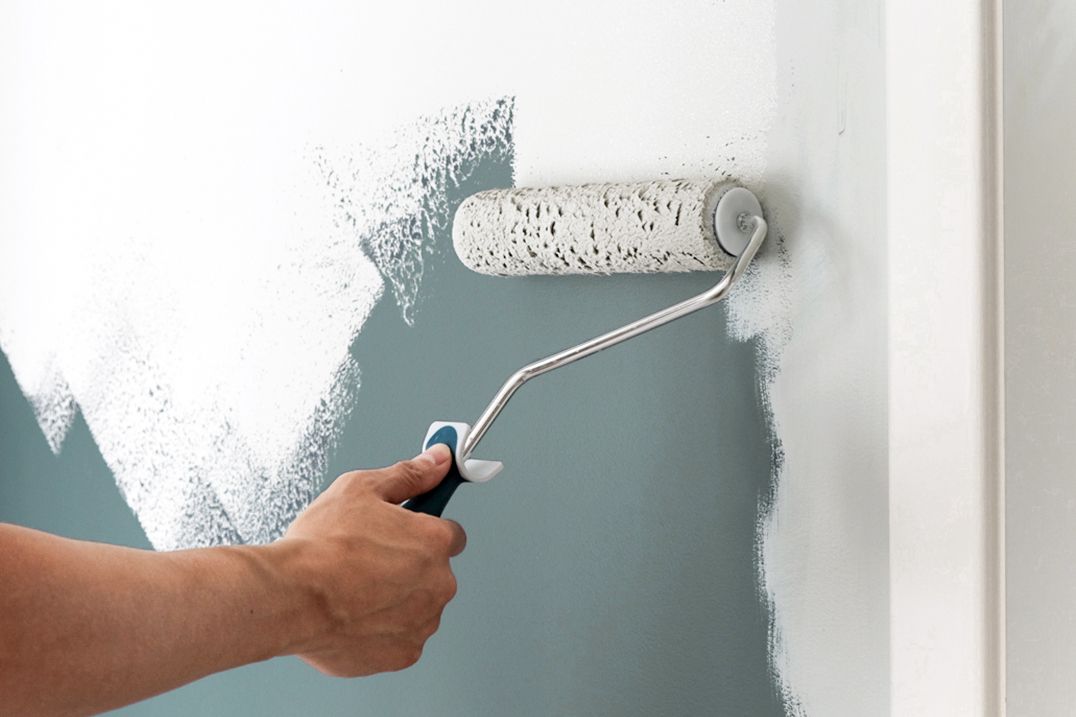
In recent years, there has been a significant increase in consumer demand for imbiancatura, which refers to the process of painting or wallpapering walls in homes or commercial spaces. Imbiancatura can transform the overall appearance of a space, making it more aesthetically pleasing and reflective of personal style. This article will delve into the current consumer demand and preferences for imbiancatura, providing insights that can help businesses cater to this growing market.
Current Consumer Demand
Imbiancatura has become an increasingly popular option among consumers for several reasons. Firstly, many individuals are looking to refresh and renovate their living spaces, seeking a cost-effective way to give their homes a new look without undertaking extensive renovations. Imbiancatura provides a relatively easy and affordable solution for changing the overall ambiance and mood of a room.
Additionally, consumers are increasingly placing importance on the aesthetics of their living spaces, influenced by trends in interior design and social media platforms such as Pinterest and Instagram. Imbiancatura allows individuals to personalize their homes, creating spaces that reflect their individual style and preferences.
Preferences in Color
One of the primary aspects of imbiancatura is color selection. Consumer preferences in color tend to vary based on individual tastes, but certain trends have emerged. Currently, there is a growing demand for neutral colors such as whites, grays, and beiges. These colors provide a clean and modern aesthetic, offering a versatile backdrop for furniture and accessories.
However, bold and vibrant colors are also gaining popularity among consumers who want to make a statement or add a pop of color to their living spaces. Shades of blues, greens, and yellows are particularly sought after for accent walls or feature areas.
In recent years, there has also been a rise in interest in eco-friendly and sustainable paint options. Consumers are increasingly conscious of the environmental impact of their choices and are opting for paints that are free from harmful chemicals and have low VOC (volatile organic compounds) levels.
Importance of Texture and Finishes
Alongside color, consumers are paying close attention to the texture and finishes of imbiancatura. Textured walls, achieved through techniques such as sponge painting, ragging, or stenciling, are particularly in demand as they add depth and character to a room. Consumers appreciate the tactile experience and visual interest that textures bring.
Moreover, different finishes like matte, glossy, or metallic are chosen depending on the desired aesthetic effect. Matte finishes are popular for their elegant and sophisticated look, while glossy finishes create a sense of modernity and brightness. Metallic finishes add a touch of glamour and luxury to a space.
The consumer demand for imbiancatura is on the rise as individuals seek to transform their living spaces and express their personal style. Neutral colors, bold accents, and eco-friendly options are some of the key preferences observed among consumers. Texture and finishes also play a significant role in creating visually appealing and unique spaces. For businesses operating in the imbiancatura industry, understanding these consumer preferences is crucial in meeting market demands and providing exceptional products and services to customers.
Industry Players and Competition in the Imbiancatura Market
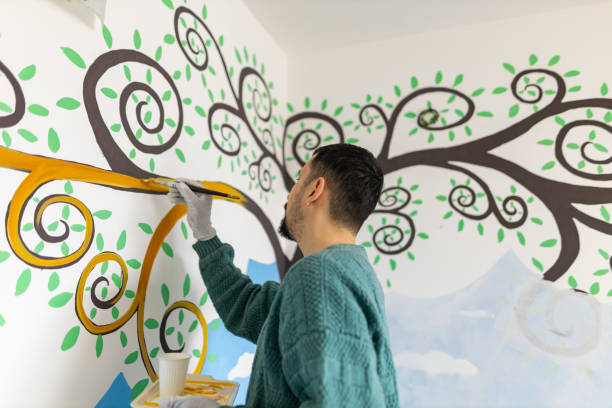
The imbiancatura market, which refers to the professional painting and decorating sector, is a highly competitive industry with several key players. Imbiancatura, an Italian word for "painting," encompasses a wide range of services, including interior and exterior painting, wallpaper installation, surface preparation, and texture coatings. As the demand for aesthetic enhancements and renovation projects remains steady, the competition within this market continues to intensify.
Key Industry Players
- Sherwin-Williams: Sherwin-Williams is a global leader in the paint and coatings industry, offering a comprehensive range of products for both residential and commercial applications. With a strong presence in the imbiancatura market, the company provides professional painters with quality paints, innovative solutions, and exceptional customer support.
- PPG Industries: PPG Industries is another prominent player in the imbiancatura market. Known for its diverse portfolio of paints, coatings, and specialty materials, PPG provides professional painters with a wide array of options to meet their specific requirements. The company's reputation for product performance and durability has made it a preferred choice among contractors and builders.
- AkzoNobel: AkzoNobel is a multinational company specializing in paints and coatings. With its well-known brands such as Dulux, Sikkens, and Coral, AkzoNobel offers a wide range of decorative and protective coatings for professional painters. The company's focus on sustainability and innovation helps them to stand out in the imbiancatura market.
- Benjamin Moore: Benjamin Moore is a leading manufacturer of paints and stains, catering to both professional painters and retail consumers. With a strong emphasis on product quality, color selection, and customer service, Benjamin Moore has established itself as a trusted brand in the imbiancatura industry.
Competition and Market Dynamics
The imbiancatura market is highly competitive, with numerous small and medium-sized enterprises (SMEs) vying for market share alongside larger industry players. These SMEs often cater to local or regional markets, offering personalized services and competitive pricing. Their nimbleness and ability to adapt quickly to changing customer preferences often serve as an advantage in this highly fragmented market.
In addition to traditional industry players, there is also increasing competition from home improvement retail stores that offer their own private label paints and coatings. Retail giants like Home Depot and Lowe's have capitalized on the popularity of DIY painting projects and have expanded their product offerings to appeal to both professionals and consumers.
To stay competitive in this market, industry players are increasingly resorting to technology-driven solutions. Digital platforms, such as websites and mobile applications, have become essential for marketing services, generating leads, and streamlining business operations. Embracing new tools like augmented reality (AR) and virtual reality (VR) for visualizing paint colors and finishes is also gaining traction.
In conclusion, the imbiancatura market exhibits a considerable level of competition among both established industry players and smaller enterprises. With a focus on product quality, a diverse range of offerings, and adoption of technology-driven solutions, players in this market can differentiate themselves and capture the attention of professional painters and consumers alike.
Technological Innovations Impacting the Imbiancatura Industry
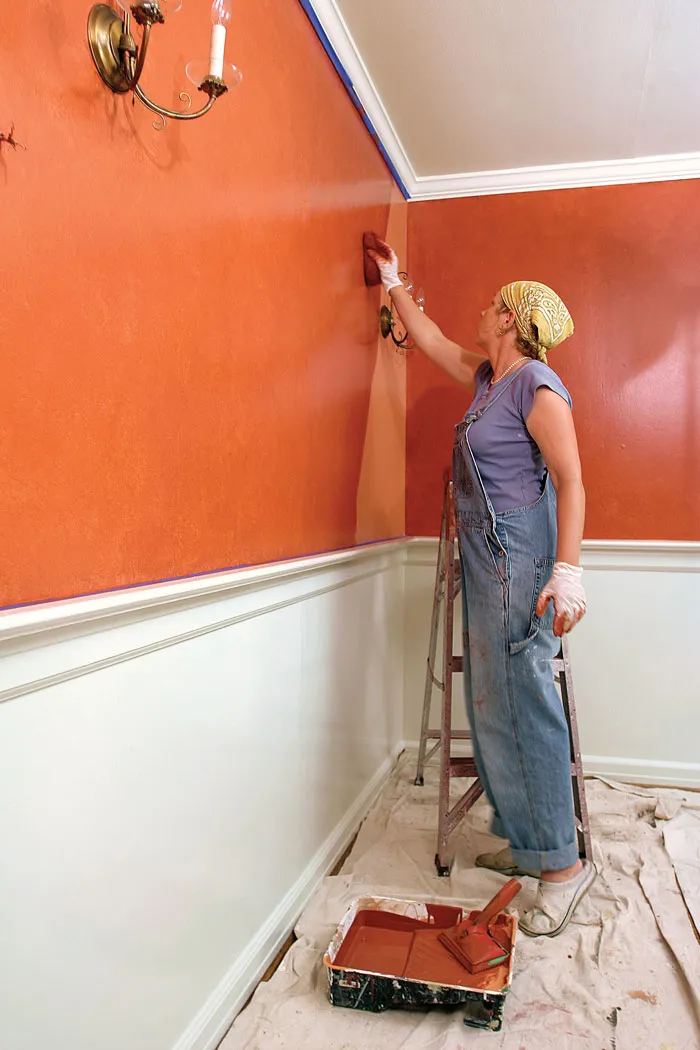
Technological advancements have significantly influenced the imbiancatura industry, revolutionizing traditional painting practices, enhancing efficiency, and improving end results. In this section, we will explore several technological innovations that are reshaping the imbiancatura sector, providing professionals with new tools and techniques to deliver outstanding painting and surface finishing services.
- Smart Paints and Coatings: The development of smart paints and coatings has had a substantial impact on the imbiancatura industry. These innovative products incorporate technologies that offer enhanced functionalities such as self-cleaning, temperature regulation, anti-bacterial properties, and even air purification capabilities. Smart paints and coatings not only provide added value to customers but also allow imbiancatura professionals to achieve desired results more efficiently and effectively.
- High-Performance Painting Tools: Traditional painting tools have witnessed significant improvements, thanks to technological advancements. For instance, the introduction of airless spray systems and high-volume low-pressure (HVLP) spray guns has revolutionized the painting process, delivering faster application, smoother finishes, and reduced overspray. These tools allow imbiancatura professionals to work more efficiently, completing projects in less time while ensuring a high-quality paint application.
- Digital Solutions for Color Selection and Visualization: Digital solutions have transformed how colors are selected and visualized during the imbiancatura process. Online platforms, mobile apps, and virtual reality tools empower customers to explore and experiment with different color combinations before making a final decision. This technology helps reduce the risk of dissatisfaction with color choices and provides imbiancatura professionals with a clearer understanding of customer preferences, streamlining the overall process.
- Augmented Reality (AR) for Surface Preparation and Design: AR technology is making waves in the imbiancatura industry by enhancing surface preparation processes and design visualization. With AR tools, professionals can overlay digital models onto physical surfaces, simulating the final paint job and allowing for precise planning and accurate measurements. This enables imbiancatura experts to identify any potential issues and ensure a seamless execution, eliminating unnecessary reworks and saving both time and resources.
- Digital Project Management and Communication: The use of digital project management tools and communication platforms has transformed the way imbiancatura projects are planned, managed, and executed. These solutions provide a centralized platform for coordination, collaboration, and effective communication between stakeholders, including clients, contractors, and suppliers. Real-time updates, task tracking, and streamlined documentation enable imbiancatura professionals to organize projects more efficiently, enhancing productivity and customer satisfaction.
The imbiancatura industry is embracing technological innovations, and these advancements are elevating traditional painting practices to new heights. From smart paints to digital solutions for color selection and augmented reality tools, these innovations are revolutionizing the industry by improving efficiency, delivering higher quality finishes, and offering enhanced customer experiences. Adaptation to these new technologies can help imbiancatura professionals stay ahead of the curve and provide cutting-edge solutions in a rapidly evolving marketplace.
Regional Trends and Cultural Influences on Imbiancatura
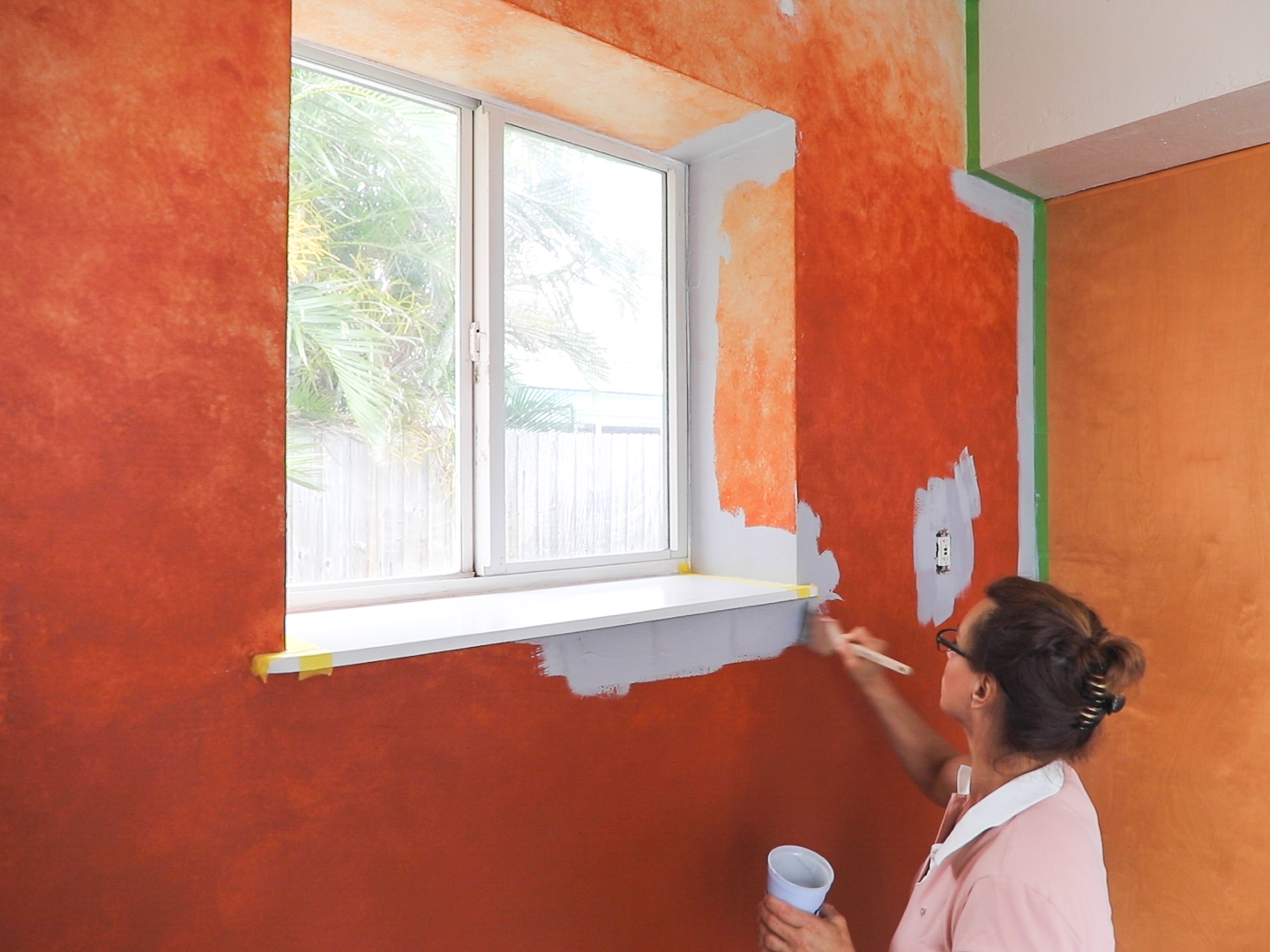
Imbiancatura, the Italian word for "painting," not only encapsulates the act of applying paint to a surface but also carries with it a rich cultural history and regional variations. Painting has been an integral part of human history since ancient times, and its evolution has been greatly influenced by regional trends and cultural factors. Let's explore some of the regional trends and cultural influences on imbiancatura.
Renaissance Influence in Tuscany
Tuscany, known for its rich artistic heritage, has been profoundly shaped by the Renaissance period. During this time, Tuscany was the birthplace of remarkable artists such as Leonardo da Vinci, Michelangelo, and Botticelli. As a result, imbiancatura in Tuscany reflects a deep appreciation for classical techniques and mastery of perspective. The use of vibrant colors, intricate detailing, and thematic influences from mythology and religion are prominent in Tuscan imbiancatura.
Minimalism in Nordic Countries
Nordic countries, including Sweden, Norway, Denmark, Finland, and Iceland, have embraced minimalism as a design philosophy, which is reflected in their approach to imbiancatura. The focus here is on simplicity, functionality, and clean lines. Nordic imbiancatura often incorporates neutral color palettes, with an emphasis on whites, grays, and pastels. The goal is to create a sense of calm and serenity by using a limited color scheme and removing unnecessary clutter.
Vibrant Hues in Latin American Countries
In contrast to the minimalist approach of Nordic imbiancatura, Latin American countries celebrate vibrant and bold colors to reflect their lively and energetic culture. From Mexico to Brazil, imbiancatura is characterized by the use of intense yellows, blues, reds, and greens. Murals and hand-painted surfaces are common in many Latin American cities, showcasing cultural symbols, historical events, and social commentary. Imbiancatura in Latin America serves as a creative expression and a way to preserve cultural heritage.
Traditional Techniques in Asian Cultures
Asian countries like China, Japan, and India have rich artistic traditions that influence their approach to imbiancatura. These cultures often prioritize the preservation of tradition and ancestral skills. Traditional painting techniques such as Chinese brush painting, Japanese ink wash painting (sumi-e), and Indian miniature painting influence imbiancatura in these regions. The use of intricate patterns, delicate brushwork, and storytelling through imagery are hallmarks of imbiancatura in Asia.
Contemporary and Street Art in Urban Centers
In bustling urban centers around the world, imbiancatura has been influenced by contemporary and street art movements. Cities like New York,
Berlin, London, and Tokyo have become hotspots for artistic experimentation and innovation. Street art techniques such as graffiti, stenciling, and abstract expressionism have found their way into imbiancatura, adding a modern edge to traditional painting methods. Urban imbiancatura often serves as a form of self-expression, cultural commentary, or beautification initiatives within city landscapes.
The regional trends and cultural influences on imbiancatura illuminate the diverse ways in which painting is approached and valued across different cultures. Whether it is the classical techniques of Tuscany, the minimalism of the Nordic countries, the vibrancy of Latin America, the traditions of Asia, or the contemporary expressions of urban centers, imbiancatura reflects the unique artistic identities and societal values of each region.
Sources:
The Rise of Social Media Influencers in the Imbiancatura Industry
In recent years, social media has transformed the way businesses promote their products and services. One industry that has particularly benefited from this shift is the imbiancatura industry. Imbiancatura, the Italian term for painting and wall coating, has witnessed the rise of social media influencers who have been instrumental in creating awareness, driving sales, and establishing trends within the industry.
The Power of Social Media Influencers
Social media influencers are individuals who have amassed large followings on platforms such as Instagram, YouTube, and TikTok. They have the ability to influence their followers' opinions, purchasing decisions, and behavior. By leveraging their personal brand, authenticity, and expertise, influencers have become powerful marketing tools for businesses in the imbiancatura industry.
Authenticity and Expertise
One of the key reasons why influencers have been successful in the imbiancatura industry is their authenticity and expertise. Many influencers in this niche have developed their skills and knowledge in the field of painting and wall coating. They are not only passionate about imbiancatura but also well-versed in various techniques, products, and trends. This expertise gives them credibility and allows their audience to trust their recommendations and advice.
Creating Awareness and Driving Sales
Social media influencers have the ability to generate widespread awareness for imbiancatura companies and services quickly. Their content can range from sharing before-and-after transformations, demonstrating painting techniques, recommending specific products, or even collaborating directly with imbiancatura businesses. These influencers can effectively convey the benefits and aesthetic improvements of imbiancatura to their audience, resulting in increased interest and sales for businesses in the industry.
Establishing Trends
In addition to creating awareness and driving sales, social media influencers have played a significant role in shaping trends within the imbiancatura industry. Through their content, they showcase innovative and creative imbiancatura techniques, color palettes, and design ideas. By highlighting the latest trends and sharing their own unique vision, influencers inspire their followers to experiment with new styles and aesthetics, ultimately influencing the demand for specific imbiancatura services and products.
Collaborations and Partnerships
As the influence of social media influencers continues to grow, businesses in the imbiancatura industry have recognized the value of collaborating with these content creators. Collaborations and partnerships allow imbiancatura businesses to tap into the influencers' existing audience, gain exposure to new potential customers, and benefit from the influencers' creative approaches to content creation. These collaborations can include sponsored posts, brand ambassadorships, or joint campaigns, all of which contribute to increased brand visibility and reach.
Social media influencers have become a driving force within the imbiancatura industry, leveraging their authenticity, expertise, and large following to create awareness, drive sales, and establish trends. As the industry continues to evolve, imbiancatura businesses should recognize the role influencers can play in their marketing strategies. By partnering with influencers, businesses can effectively reach their target audience, boost brand credibility, and stay ahead of trends in the ever-competitive imbiancatura market.
The Future Outlook of Imbiancatura: A Rising Trend in Interior Design
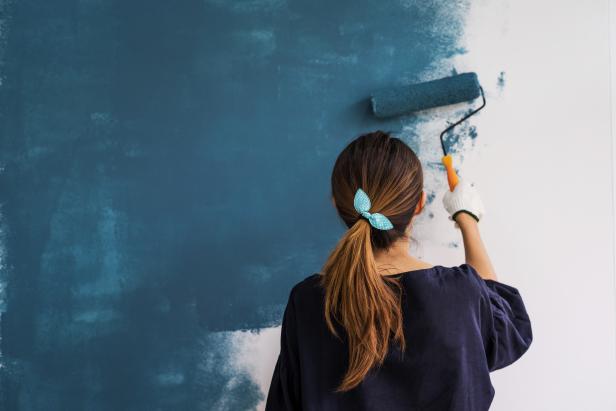
Imbiancatura, an Italian term referring to the art of painting or whitewashing walls, is a growing trend in the world of interior design. As more people embrace minimalist and natural aesthetics, imbiancatura offers a simple yet elegant way to transform living spaces. While it's difficult to predict the future with certainty, there are several indicators that suggest imbiancatura will continue to gain popularity in the coming years.
Emphasis on Sustainability and Eco-Friendly Solutions
One of the driving factors behind the rise of imbiancatura is the increasing emphasis on sustainability and eco-friendly solutions in interior design. Imbiancatura often involves using natural paint materials such as lime wash or milk paint, which are non-toxic and free from harmful chemicals. Additionally, these natural paints are known for their breathable properties, allowing moisture to pass through the walls and preventing mold growth. With sustainability becoming a key consideration for many consumers, imbiancatura aligns perfectly with this growing eco-consciousness.
Shift Towards Minimalist and Scandinavian Aesthetics
Another reason imbiancatura is expected to continue growing is the ongoing shift towards minimalist and Scandinavian aesthetics in interior design. Imbiancatura's simple and clean look perfectly complements these styles, as it creates a sense of calmness and spaciousness in a room. The whitewashed walls act as a blank canvas, allowing other design elements, such as furniture and artwork, to be the focal points. As more people seek to create serene and clutter-free living spaces, imbiancatura provides an ideal solution.
Integration of Technology and Innovation
While imbiancatura may be an age-old technique, its future growth is likely to be fueled by the integration of technology and innovation. In recent years, several advancements have been made in the development of paint materials, such as the introduction of self-healing paints and smart coatings. These advancements aim to enhance the durability and longevity of painted surfaces. By incorporating these technological innovations, imbiancatura can offer not only beauty but also practical benefits, further attracting consumers looking for both aesthetics and functionality.
Influence of Social Media and Influencers
Social media platforms, such as Instagram and Pinterest, have played a significant role in spreading the popularity of imbiancatura. Influencers and interior design enthusiasts have showcased their imbiancatura projects, igniting inspiration and curiosity among their followers. The visual appeal and versatility of imbiancatura make it highly shareable and easily adaptable to various design styles. As social media continues to shape consumer preferences and trends, imbiancatura is poised to gain more attention and recognition.
In conclusion, the future of imbiancatura looks promising as it aligns with the growing demand for sustainable and minimalist design solutions. The integration of technology and the influence of social media are expected to further fuel its growth. As homeowners and designers seek to create harmonious and timeless living spaces, imbiancatura offers an elegant and versatile option for transforming walls. By combining tradition with innovation, imbiancatura has the potential to become an enduring trend in the world of interior design.
Key Findings and Insights of the Imbiancatura Trend
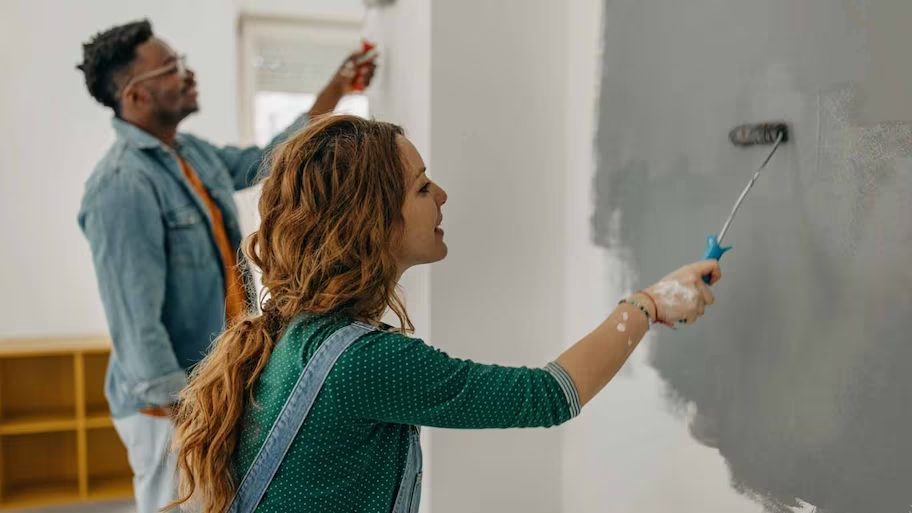
The trend of imbiancatura, which refers to the practice of interior decorating and painting walls, has gained significant popularity in recent years. Here are the key findings and insights related to this trend:
- Elevated Demand for DIY Home Improvement: Imbiancatura has seen a surge in popularity due to the increasing interest in do-it-yourself (DIY) home improvement projects. Many people are opting to repaint their homes as a cost-effective way to refresh their living spaces, rather than relying on professional painters.
- Sustainable and Non-Toxic Paints: Another significant insight is the increasing demand for sustainable and non-toxic paints used in imbiancatura projects. Consumers are becoming more conscious of the potential health risks associated with traditional paints that contain volatile organic compounds (VOCs). This has led to a rise in eco-friendly options, such as natural and low-VOC paints.
- Color Psychology and Mood Enhancement: Imbiancatura is also being influenced by the understanding of color psychology and its impact on mood enhancement in interior spaces. Homeowners are seeking to create specific atmospheres using different color palettes. For instance, calming colors like blues and greens are popular choices for bedrooms, while vibrant hues such as oranges and yellows are commonly used in spaces intended for creativity or energy.
- Experimentation with Wall Finishes: Imbiancatura trend encompasses not only wall painting but also experimentation with various wall finishes. From textured finishes like stucco and Venetian plaster to decorative techniques like color blocking and murals, homeowners are embracing unique and artistic ways to personalize their spaces.
- Online DIY Communities and Influencer-driven Content: The rise of online DIY communities and social media influencers has played a significant role in popularizing the imbiancatura trend. Platforms like Pinterest and Instagram provide inspiration, tutorials, and ideas for imbiancatura projects, empowering and encouraging more people to take on wall painting as a creative endeavor.
- Customization and Personal Expression: Imbiancatura allows homeowners to customize their living spaces and express their personalities. This trend has given rise to the popularity of accent walls, geometric patterns, and other unique designs that reflect individual style and preferences.
- Improved Mental Well-being: Engaging in imbiancatura activities has been found to have a positive impact on mental well-being. The process of decorating walls can be therapeutic, providing a sense of accomplishment and the opportunity to create a more comfortable and aesthetically pleasing environment.