

Foraging Frenzy: Unveiling the Growing Trend of Wild Harvesting for Culinary Delights

The Rising Trend of Foraging: Exploring Nature's Bounty

Foraging, the act of searching for wild food resources in their natural environment, has been an essential survival skill passed down through generations. However, in recent years, it has evolved into a popular and trendy activity among a wide range of demographics. With a growing interest in sustainable and locally sourced food, foraging practices have gained significant momentum in various parts of the world. Foraging is not only a means to obtain free and fresh ingredients but also an opportunity to reconnect with nature and engage in a hands-on culinary experience. From edible plants and mushrooms to wild berries and nuts, foragers explore forests, meadows, and coastlines to discover the abundant resources nature has to offer. Originating from the ancient practices of hunter-gatherer societies, foraging has deep roots dating back to the beginning of human existence. In times past, foraging was a necessity for survival, providing sustenance when agriculture was nonexistent or insufficient. However, as societies transitioned to agriculture and modern living, the art of foraging was largely forgotten. In recent years, there has been a resurgence of interest in foraging, driven by several factors. Firstly, the rise of the locavore and slow-food movements, emphasizing the importance of consuming local, sustainable, and seasonal products, has led to a renewed appreciation for the abundance of resources available in nature. Foraging allows individuals to reduce their ecological footprint while partaking in a rewarding and fulfilling experience. Additionally, the increasing popularity of environmental and health consciousness has fueled the demand for foraging. Foragers are not only seeking fresh and untainted foods but also desiring a deeper connection with the earth, recognizing the nutritional benefits and unique flavors of wild ingredients. Foraging allows them to tap into the rich biodiversity of their surroundings and incorporate naturally occurring, nutrient-dense foods into their diets. Furthermore, the appeal of foraging extends beyond the eco-conscious individual. It transcends age, gender, and cultural background, making it a popular activity among diverse demographics. Families eager to immerse themselves in outdoor adventures, urban dwellers seeking a break from city life, and even professional chefs looking to enhance their culinary skills are all drawn to the allure of foraging. It offers an opportunity to explore and appreciate the bountiful offerings of the natural world while promoting an understanding of the delicate balance between humans and their environment. As the popularity of foraging continues to grow, it is crucial to approach the practice with care and respect for nature. Responsible foraging practices, such as only harvesting within legal limits and avoiding overexploitation of resources, should be followed to ensure the preservation of ecosystems and the sustainability of this sustainable trend. In the next sections, we will delve deeper into the benefits, challenges, and future directions of the foraging trend, providing valuable insights for both enthusiasts and those interested in the topic. Let's embark on this journey of discovery together!
The Expanding Market for Foraging: Size and Growth
Foraging, the practice of sourcing wild food directly from nature, has seen a significant surge in popularity in recent years. As people increasingly seek sustainable and healthy food options, foraging has emerged as a niche market within the broader food industry. Let's dive into the market size and growth of foraging. Market Size While it is challenging to measure the exact market size of foraging, the increasing interest in this activity indicates a growing market potential. Foraging encompasses a wide range of products, including wild edibles such as mushrooms, berries, herbs, nuts, and greens. Additionally, foraging extends beyond the realm of food to include wildcrafting for medicinal plants, natural dyes, and botanical ingredients for skincare and herbal remedies. Several factors contribute to the expanding market size of foraging. Firstly, the rising popularity of organic and locally-sourced foods has generated a demand for unique, wild ingredients. Consumers are increasingly seeking authentic experiences and connection with nature through their food choices. Secondly, the trend towards sustainable living and the desire to reduce carbon footprints have led many individuals to explore foraging as a way to reduce reliance on traditional farming practices and support local ecosystems. Moreover, the market size of foraging is influenced by regionality. While foraging has a long-standing tradition in many cultures, it has gained significant traction in certain geographic areas, such as Scandinavia and the Pacific Northwest. These regions offer rich environments for wild edibles and have seen a gradual commercialization of foraged products, giving rise to dedicated foragers, chefs, and even foraging tours. Market Growth The market for foraging is experiencing steady growth as more people recognize the value of wild foods and the potential economic opportunities associated with them. Numerous factors contribute to the growth of this market. One of the key drivers is the increasing awareness surrounding the nutritional and health benefits of wild edibles. Foraged foods often boast higher nutrient content than their conventionally farmed counterparts, containing valuable antioxidants, vitamins, and minerals. As society becomes more health-conscious and seeks natural, unprocessed alternatives, the demand for wild ingredients is expected to rise. In addition, the growth of the local and sustainable food movement plays a pivotal role in the expansion of the foraging market. As people become more concerned about the environmental impact of industrial agriculture, they are turning to foraged foods as a way to support local ecosystems, reduce food waste, and promote biodiversity. Foraging aligns well with the principles of sustainability and offers a way to reconnect with nature and traditional food systems. Furthermore, the increasing interest in culinary experiences and unique flavors has spurred the growth of foraged ingredients in the restaurant industry. Chefs and food enthusiasts are embracing the creativity and distinct flavors offered by wild ingredients, incorporating them into their menus and elevating the status of foraged foods. This demand from the culinary world further fuels market growth. While the precise market size of foraging is challenging to determine, the increasing interest in sustainable and locally-sourced foods suggests a growing market potential. As individuals seek out connection with nature, unique flavors, and healthier alternatives, foraging continues to gain traction. With the influence of regional preferences, health consciousness, and culinary innovation, the market for foraging is projected to expand in the coming years, offering promising opportunities for both suppliers and consumers alike.
The Rising Consumer Demand and Preferences for Foraging

In recent years, there has been a significant rise in consumer interest in foraging, an age-old practice of searching and harvesting wild edible plants and fungi. This trend is driven by various factors, including a growing desire for sustainable and locally sourced foods, a need for connection with nature, and an increasing focus on health and wellness. In this section, we will explore the consumer demand and preferences for foraging, highlighting the key factors influencing this trend. Increasing Interest in Sustainable and Locally Sourced Foods: One of the primary reasons behind the growing consumer demand for foraging is the desire for sustainable and locally sourced foods. As consumers become more aware of the environmental impact of conventional farming practices, they are seeking alternative ways to access fresh and organic produce. Foraging offers a direct connection to nature and allows consumers to gather food from their surroundings, reducing the carbon footprint associated with transportation and packaging. This quest for sustainability is driving individuals to explore foraging as a means of supplementing their diets with ethically sourced and nutritionally rich ingredients. Connection with Nature and Rediscovering Traditional Knowledge: For many, foraging is not just about finding food; it is a way to reconnect with nature and tap into ancestral traditions. In today's fast-paced and technology-driven world, consumers are increasingly seeking experiences that allow them to unplug and engage with the natural world. Foraging provides an opportunity to connect with the environment, learn about local ecosystems, and rediscover traditional knowledge passed down through generations. The act of foraging itself can be seen as a form of mindfulness, promoting mental well-being and a deeper appreciation for the natural world. Health and Wellness Benefits: Consumers are also drawn to foraging because of the potential health and wellness benefits associated with wild foods. Wild plants often contain higher levels of vitamins, minerals, and antioxidants compared to commercially grown produce. Additionally, foraging allows individuals to diversify their diet and explore lesser-known ingredients with unique flavors and nutritional profiles. As the interest in plant-based and functional foods continues to rise, foraging presents an attractive opportunity for consumers to incorporate nutritious and natural ingredients into their meals. Challenges and Safety Concerns: While the demand for foraging is on the rise, there are inherent challenges and safety concerns associated with this practice. It is crucial for consumers to have a good understanding of plant identification and safety protocols when foraging for wild foods. Misidentification of plants can lead to harmful consequences, as some plants can be toxic or have similar-looking poisonous counterparts. To mitigate these risks, foragers are encouraged to educate themselves through books, expert-led workshops, or by connecting with local foraging communities. Overall, the increasing consumer demand for foraging reflects a broader shift towards sustainable and locally sourced foods, a desire for connection with nature, and a focus on health and wellness. This trend presents opportunities for individuals to explore traditional knowledge, diversify their diets, and engage with the environment. However, safety concerns and the need for proper education are important aspects to consider when venturing into the world of foraging. As foraging continues to gain popularity, it is essential to strike a balance between preserving traditional practices and ensuring consumer safety and well-being.
Industry Players and Competition in the Foraging Market
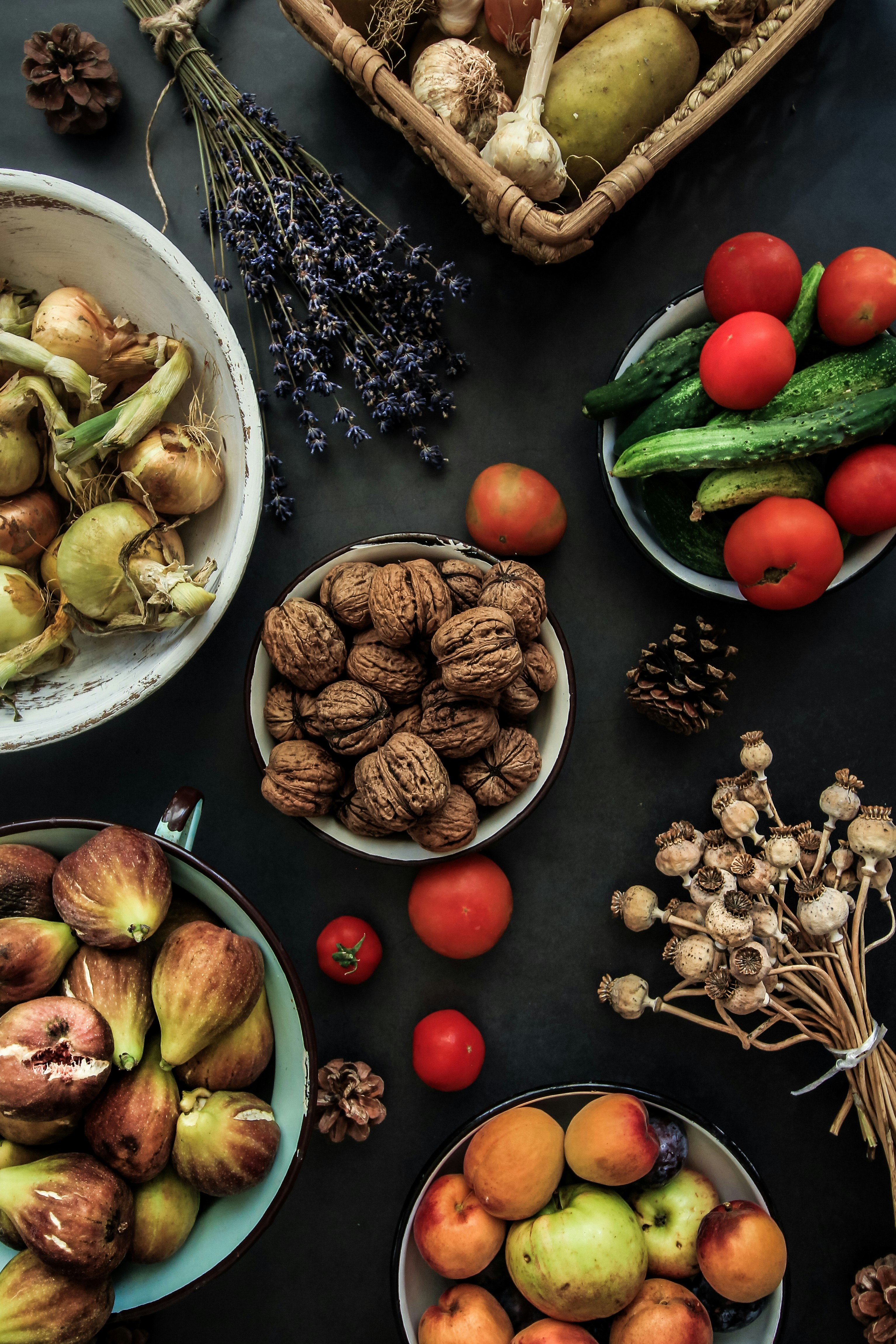
Foraging is the practice of searching for wild food resources, such as edible plants, mushrooms, and berries, in their natural habitats. It is an activity that has gained significant popularity in recent years due to its connection with sustainability, nature, and the desire to eat locally sourced and organic foods. As a result, the foraging market has seen the emergence of various industry players and increasing competition. Foraging Experts and Educators One segment of industry players in the foraging market consists of foraging experts and educators. These individuals have extensive knowledge and experience in identifying and gathering wild plants, mushrooms, and other edible resources. They often offer guided foraging walks and workshops to teach people about the natural food resources available in their local areas. Some well-known foraging experts include Samuel Thayer, author of "The Forager's Harvest," and Wildman Steve Brill, who has been leading foraging tours in the United States since the 1980s. These experts not only contribute to the proliferation of foraging practices but also add value by educating people about the safety and sustainability aspects of foraging. Online Platforms and Apps With the rapid growth of the internet and mobile technologies, online platforms and apps related to foraging have also emerged. These platforms provide a central hub for foragers to share their experiences, exchange information, and connect with other enthusiasts. For example, platforms like iNaturalist and PlantSnap allow users to identify and record the plants and mushrooms they encounter, creating a large database of information for foragers worldwide. Additionally, websites such as Forage to Fork and Falling Fruit provide location-specific foraging maps and resources, making it easier for individuals to find wild food sources in their area. These online platforms and apps create a virtual community where foragers can learn from each other and enhance their foraging skills. Foraging Product Manufacturers and Retailers Another segment of industry players in the foraging market includes manufacturers and retailers of products related to foraging. These products range from specialized foraging gear, such as mushroom hunting knives and baskets, to books, field guides, and educational materials. Companies like Opinel and Hultafors produce high-quality knives specifically designed for foraging purposes, while publishers like Timber Press and Chelsea Green Publishing offer a wide range of foraging-related books. In addition, some retailers, such as grocers and farmers' markets, have started to offer foraged foods, allowing consumers to purchase wild edibles directly. Competition and Challenges As the foraging market continues to grow, competition among industry players is becoming more intense. Foraging experts and educators are constantly competing for the attention and interest of individuals seeking to learn about foraging. Online platforms and apps must provide unique and valuable features to stand out in a crowded market. Manufacturers and retailers need to differentiate their products by offering superior quality, innovative designs, and educational resources. Furthermore, the foraging market faces challenges concerning sustainability and conservation. Increased interest and participation in foraging can put pressure on local ecosystems and threaten the survival of certain plant and mushroom species. To address these concerns, industry players and enthusiasts must actively promote responsible foraging practices, including sustainable harvesting techniques, respectful behavior towards nature, and respect for private property rights. In conclusion, the foraging market is experiencing an influx of industry players, including foraging experts and educators, online platforms and apps, and manufacturers and retailers of foraging-related products. This growing competition reflects the increasing interest and demand for sustainable and locally sourced foods. However, it is essential for industry players to promote responsible foraging practices to ensure the long-term sustainability of this market and protect the natural resources they rely on.
Technological Innovation in Foraging: Enhancing Efficiency and Sustainability

Foraging, the act of searching for and gathering food resources from the wild, has been a fundamental aspect of human existence for thousands of years. As our society progresses and technology continues to advance, innovations have emerged that aim to enhance the efficiency and sustainability of foraging practices. These technological advancements not only improve the overall foraging experience but also provide opportunities to minimize environmental impact. 1. Mobile Apps for Wild Edibles: One significant technological innovation in foraging is the development of mobile applications that assist individuals in identifying edible plants and mushrooms in their surrounding environment. These apps utilize a combination of image recognition, user-contributed data, and expert insights to provide accurate information on plant identification, safe consumption practices, and recipe ideas. Examples include "PlantSnap," "Wild Edibles Forage," and "Forage," which have become popular tools for both beginner and experienced foragers. 2. GPS Tracking and Mapping: Another notable advancement in foraging technology is the integration of GPS tracking and mapping systems. These tools enable foragers to pinpoint specific locations where desired food resources have been previously found, facilitating efficient searching and reducing the time and effort required to locate edible plants or mushrooms. Additionally, GPS tracking and mapping help foragers mark areas where they have already collected from, preventing overharvesting and promoting sustainable foraging practices. 3. Wearable Technology: Wearable technology has also found its way into the realm of foraging, providing hands-free assistance and enhancing safety during expeditions. Smartwatches, for example, can display real-time navigation information, alerts for plant identification, and track vital signs such as heart rate and temperature. This valuable data can help foragers monitor their physical state and make informed decisions based on their needs and abilities.
4. Drones for Surveying and Mapping: In some cases, foraging can involve challenging terrain or areas not easily accessible on foot. Drones equipped with cameras and mapping software have proven to be valuable tools for surveying potentially fruitful foraging locations, especially in hard-to-reach areas such as forests or remote landscapes. These aerial devices allow for efficient reconnaissance and help foragers identify areas with dense vegetation, saving time and energy. 5. Internet-based Foraging Communities: The internet has fostered the growth of online foraging communities where individuals share their experiences, knowledge, and gather valuable information. Through dedicated forums, social media groups, and specialized websites, foragers can connect with like-minded individuals, exchange tips and tricks, and collaborate on identifying new foraging spots. These internet-based communities create an environment for communal learning, making the process of foraging more accessible and inclusive. The integration of technology into the practice of foraging has ushered in a new era of efficiency, safety, and sustainability. Mobile apps, GPS tracking, wearable technology, drones, and online communities have revolutionized how individuals approach and engage in foraging activities. By taking advantage of these technological innovations, foragers can make informed decisions, minimize their environmental footprint, and ensure the long-term availability of wild food resources.
Exploring Regional Foraging Trends: Unearthing Cultural Influences on Nature's Bounty

Foraging, the act of gathering wild food resources from the land, has been an integral part of human survival throughout history. As societies have developed, the practice of foraging has shifted from a necessity to a hobby or lifestyle choice. Today, foraging is experiencing a resurgence in popularity, driven by a growing interest in sustainable living, reconnecting with nature, and rediscovering traditional food sources. While foraging is a universal concept, regional trends and cultural influences play a significant role in shaping the way it is practiced and perceived. Let's explore the fascinating cultural nuances and regional variations that impact foraging practices around the world. 1. Europe: A Tapestry of Foraging Traditions Europe boasts a rich tapestry of foraging traditions, deeply rooted in ancient history and cultural heritage. In Northern Europe, countries like Sweden and Finland have a longstanding tradition of foraging for wild mushrooms and berries, with locals considering it a cherished pastime. The Nordic foraging culture has also influenced neighboring countries, such as Estonia, Latvia, and Lithuania, where mushroom picking during the autumn season is a beloved activity. Southern European countries like Italy and Slovenia have their own unique foraging customs. Italy is famous for its truffle hunting, a practice that dates back centuries. In Slovenia, the tradition of wild herb foraging, known as "divje zelje," has been passed down through generations, with locals gathering wild greens for traditional dishes. 2. Asia: Nature's Pantry In Asia, foraging is deeply intertwined with cultural practices and traditional medicine. In Japan, foraging for wild edible plants, known as "sansai," is a treasured culinary tradition. The Japanese revere seasonal ingredients, and foraging allows them to connect with nature while showcasing their culinary skills in dishes like tempura-fried ferns and pickled spring herbs. In Southeast Asia, countries like Thailand and Malaysia have a rich tradition of foraging for tropical fruits, herbs, and roots. In Thailand, foraging is closely connected to communities living in rural areas, where locals gather wild plants like bamboo shoots, foraged mushrooms, and various fruits, incorporating them into traditional recipes. 3. North America: From Indigenous Traditions to Modern Foraging North America is home to a diverse range of foraging practices, shaped by both Indigenous traditions and modern trends. Indigenous communities have long depended on foraging for sustenance and cultural preservation. For instance, in the Pacific Northwest, Native American tribes have a deep relationship with the cedar tree, using its bark, roots, and branches for food, medicine, and ceremonial purposes. In recent times, modern foraging enthusiasts in North America have embraced the practice as a way to reconnect with nature and consume locally sourced, sustainable food. Urban foraging has gained popularity, with people exploring parks and green spaces for edible plants like dandelions, nettles, and berries. 4. Oceania: A Feast of Indigenous Flavors In the vast continent of Oceania, foraging holds a significant place in the culinary traditions of Indigenous communities. In Australia, foraging for native bush foods, such as wattleseed, finger limes, and bush tomatoes, has gained attention among chefs and food enthusiasts alike. These unique ingredients contribute to the development of contemporary Australian cuisine. Similarly, in New Zealand, Maori traditions celebrate the gathering of wild food resources, with foods like pikopiko ferns, kawakawa leaves, and kumarahou flowers being foraged for their cultural and culinary significance. In short, foraging, as a practice deeply rooted in cultural and regional influences, offers a glimpse into the diverse ways in which people interact with and utilize the natural resources around them. The foraging trends discussed here only scratch the surface of the global foraging landscape, highlighting how cultural traditions, geographical factors, and historical contexts shape the way people engage with nature's bounty. Exploring these regional foraging practices allows us to appreciate and learn from the wisdom of different cultures while promoting sustainable and responsible foraging practices worldwide.
The Rising Trend of Foraging: Exploring Social Media and Influencers

Foraging, the act of gathering wild edible plants and fungi, has increasingly gained popularity in recent years. People are looking to connect with nature, embrace sustainable living practices, and explore new culinary experiences. Social media platforms, such as Instagram, YouTube, and TikTok, have become a powerful tool for influencers, allowing them to share their foraging experiences, knowledge, and recipes with a global audience. A Blooming Community of Foragers Social media platforms have provided an avenue for foragers to connect and share their experiences with a like-minded community. These platforms have played a significant role in allowing foragers to form communities, discuss techniques, share locations, and post pictures of their bounties. Hashtags, such as #foraging, #wildfood, and #edibleplants, have become popular in cultivating this online community of foragers. Sharing Expertise and Knowledge Influencers have emerged as a valuable resource for aspiring foragers. They use social media platforms to share their expertise, providing tips on identifying edible plants, offering recipes, and showcasing the culinary possibilities of foraged ingredients. Through engaging visual content and engaging storytelling, these influencers inspire their followers to explore foraging themselves. Accessible Learning and Education Social media platforms have democratized learning about foraging. Influencers leverage these platforms to educate their followers on sustainable foraging practices, plant identification, and safety precautions. They create informative and visually appealing content, such as identification guides, tutorial videos, and comparison images, making it easier for beginners to identify edible plants and fungi. Influencers as Curators of Culinary Experiences Foraging influencers have also become curators of unique culinary experiences. They bring attention to lesser-known local ingredients and showcase inventive ways to incorporate them into a variety of dishes. Through their influence, influencers encourage their followers to step outside of their comfort zones and experiment with new flavors, ingredients, and cooking techniques. Challenges and Ethical Considerations As foraging gains popularity, it is important to address the challenges and ethical considerations associated with this trend. Social media has the power to trigger overharvesting, as popular foraging spots and specific plants become widely shared. Influencers should emphasize sustainable foraging practices, encourage responsible picking, and promote conservation efforts to ensure the longevity of wild edibles. Overall, social media and influencers have played a significant role in the rising trend of foraging. They have created a platform for foragers to connect, share knowledge, and inspire others. With the help of influencers, foraging has become more accessible, educational, and exciting for a broader audience. However, it is crucial to balance the positive impact of social media with the ethical considerations associated with foraging. By doing so, the trend of foraging can continue to flourish in a sustainable and responsible manner.
The Future Outlook of Foraging: An Emerging Trend

Foraging, the practice of gathering wild food resources from nature, has been gaining popularity in recent years as people embrace a more sustainable and mindful approach to their food choices. While foraging has long been part of human history, it is experiencing a resurgence as individuals and communities seek to reconnect with nature and rediscover the benefits of wild foods.
Growing Interest and Awareness One of the driving forces behind the increasing popularity of foraging is the growing interest and awareness of sustainable living, local and organic food movements, and the desire to reduce our environmental footprint. Foraging aligns well with the principles of these movements, as it promotes the use of locally available resources, reduces the need for industrial agricultural practices, and encourages a deeper understanding of the natural world around us. Health and Well-being Benefits Foraging goes beyond just sustainable eating; it also offers numerous health and well-being benefits. Wild foods are often more nutrient-dense than cultivated alternatives, and they can provide a rich source of vitamins, minerals, antioxidants, and phytonutrients. Additionally, the act of foraging itself can promote physical activity, mental well-being, and a sense of connection to the natural environment. Culinary Exploration and Food Trends The culinary world has also embraced foraging as a way to explore new flavors and ingredients. Chefs and food enthusiasts are increasingly incorporating wild edibles into their menus, resulting in unique dishes that showcase the diversity and richness of wild foods. Foraging adds a level of excitement and novelty to the dining experience, as people savor the flavors of fresh, seasonal ingredients that cannot be found in traditional supermarkets. Environmental Conservation Foraging can also play a role in environmental conservation efforts. By promoting the consumption and appreciation of wild foods, individuals can develop a deeper understanding and respect for local ecosystems. This heightened awareness can lead to a greater commitment to protecting natural habitats and promoting biodiversity, which is crucial for the sustainability of our planet. Challenges and Considerations While foraging offers many benefits and opportunities, it is important to approach this practice responsibly and with consideration for the environment. Over-harvesting, habitat degradation, and the spread of invasive species are potential challenges that need to be addressed. It is crucial to have a solid understanding of local laws and regulations regarding foraging, as well as a commitment to ethical and sustainable practices. As the interest in sustainable living, local food, and health-conscious choices continues to grow, the future outlook for foraging appears promising. With its connection to nature, health benefits, culinary exploration, and environmental conservation potential, the practice of foraging is likely to gain further traction in the coming years. However, it is essential to approach foraging with knowledge, respect, and ethical considerations to ensure its long-term viability and positive impact.
Trend Recap: The Rising Popularity of Foraging

Key Findings and Insights: 1. Health and Sustainability: Foraging has gained popularity as a way to connect with nature and promote sustainable eating habits. People are becoming increasingly conscious of the environmental impact of mass agricultural practices and are turning to foraging to source their own fresh, organic, and seasonal foods. 2. Rediscovering Traditional Knowledge: Foraging allows individuals to reconnect with traditional knowledge and skills related to identifying edible plants and herbs. As modern societies have become more detached from nature, foraging provides an opportunity to rediscover and preserve ancestral knowledge about local flora. 3. Unique Culinary Experiences: Foragers are not only seeking out wild ingredients for sustainability purposes but also for the unique flavors and culinary experiences they offer. Edible wild plants, mushrooms, and herbs can add distinctive tastes to a variety of dishes, bringing novelty and excitement to the dining experience. 4. Mental and Physical Well-being: Engaging in foraging activities has been linked to improved mental and physical well-being. Spending time outdoors, connecting with nature, and engaging in mindful activities like foraging can reduce stress levels, increase mindfulness, and promote a sense of relaxation and contentment. 5. Community Building: Foraging can be a social activity that brings people together. It has become a popular topic of discussion and a way for individuals to connect with like-minded people through foraging groups, workshops, and online communities. Sharing knowledge, experiences, and tips fosters a sense of togetherness and a stronger bond with the natural world. 6. Legal and Ethical Considerations: While foraging offers many benefits, there are legal and ethical considerations to be aware of. Regulations regarding the gathering of wild foods vary from region to region, and it is important to forage responsibly, avoiding over-harvesting and respecting private property rights.