

Fencing as the New Fitness Trend: Discover the Rise of this Exciting Workout Phenomenon

The Rising Popularity of Fencing: A Sport Beyond Boundaries
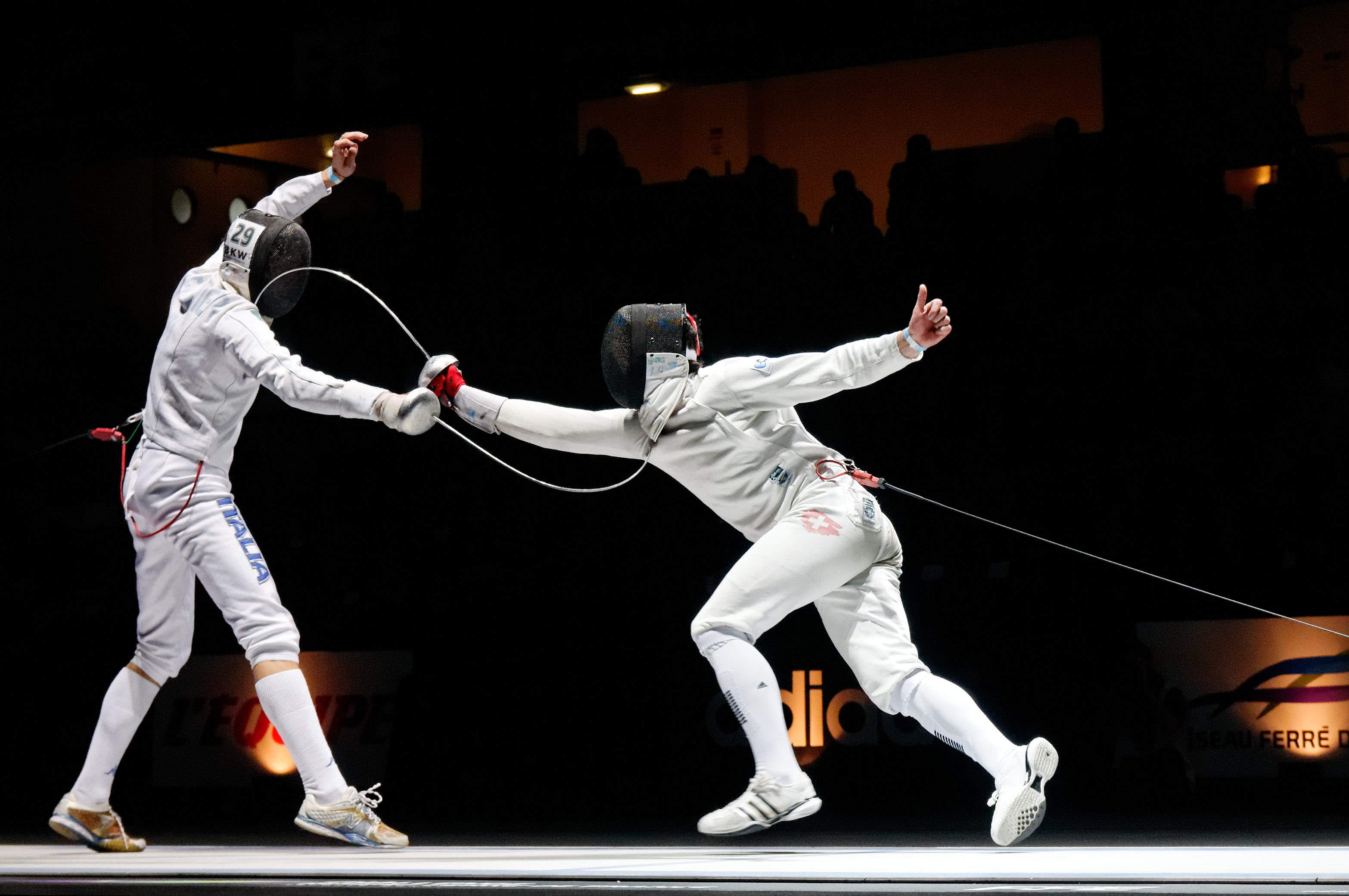
Fencing, an ancient combat sport that traces its roots back to the sword fighting techniques of the Renaissance, has witnessed a significant surge in popularity over the past few decades. With its blend of physical agility, strategic thinking, and rich history, fencing is captivating the interest of individuals from various demographics. In this article, we will delve into the world of fencing, explore its origins, and examine the factors contributing to its growing appeal.
Defining Fencing:
Fencing is a modern sport that originated from the traditional martial arts of swordsmanship. The sport is centered around duels between two opponents, known as fencers, who strategically maneuver their weapons, called foils, sabers, or epees, to score points by successfully striking their opponent while avoiding being struck themselves. Fencing is distinguished by its emphasis on precise footwork, lightning-fast reflexes, and strategic decision-making.
Historical Origins:
The origins of fencing can be traced back centuries to Europe, where it evolved as a method of military training. As firearms emerged in warfare, fencing gradually transformed into a sport, attracting nobility and becoming a staple of European society. Its practitioners refined their techniques, leading to the creation of distinct fencing styles and approaches, such as the classical French, Italian, and Spanish methods.
Rising Popularity Across Demographics:
In recent years, fencing has experienced a surge in popularity, transcending its historical association with the elite and attracting participants from a wide range of backgrounds. Several factors have contributed to its growing appeal:
- Accessibility and Inclusivity: Fencing offers a unique blend of mental and physical challenges, drawing individuals who seek a sport that enhances agility, balance, and coordination. Furthermore, its adaptation to modern safety standards and the availability of fencing clubs and programs have made the sport more accessible to people of various ages, genders, and social backgrounds.
- Intellectual Stimulation: Fencing is often described as "physical chess," as it requires quick thinking, strategic planning, and the ability to read and anticipate your opponent's moves. This intellectual aspect of the sport appeals to those seeking mental stimulation along with physical activity.
- Thrill and Spectacle: Fencing's fast-paced nature and the display of skillful maneuvers make it an exciting spectator sport. High-profile competitions, such as the Olympic Games and World Championships, have further elevated its visibility and attracted new enthusiasts.
- Focus on Discipline and Character Development: Fencing promotes values such as self-discipline, respect, and integrity. The sport demands adherence to rules, sportsmanship, and ethical conduct, making it an attractive choice for parents seeking to instill positive character traits in their children.
As the popularity of fencing continues to rise, the sport is attracting a diverse range of participants, transcending its historical association with the elite. The accessibility, intellectual stimulation, thrill, and character-building aspects associated with fencing have contributed to its growth and appeal across different demographics. In the subsequent sections, we will explore in-depth the various facets of this trend, including training methods, equipment innovations, and notable fencers who have further propelled the sport into the mainstream. Security Upgrades and Regulations
Rising concerns about safety and security, both at residential and commercial premises, further drive the growth of the fencing industry. Fences act as a deterrent to unwanted intruders, providing a sense of security and peace of mind for property owners. Moreover, the implementation of stringent regulations related to safety and security in public places, schools, and government facilities has boosted the demand for high-quality fencing solutions.
Sustainable and Innovative Solutions
In recent years, there has been a shift towards sustainable and eco-friendly fencing solutions. Consumers are increasingly conscious of their environmental footprint and seek fencing materials that are durable, low-maintenance, and made from recycled or renewable materials. This trend has led to the development of innovative fencing products and materials, including composite fencing, bamboo fencing, and metal fencing made from recycled materials.
The fencing industry is experiencing substantial market growth due to the increasing construction activities, rising demand for privacy and security, and strict safety regulations. With the expanding residential and commercial sectors, the market size is expected to continue its upward trajectory in the coming years. To stay ahead in this competitive landscape, companies need to not only meet the demand for traditional fencing solutions but also focus on developing sustainable and innovative products that align with consumers' evolving preferences and values.
Exploring Consumer Demand and Preferences in the Fencing Industry
Fencing is an essential element of residential and commercial properties, providing privacy, security, and aesthetic value. As consumer preferences and demands evolve, the fencing industry must stay updated with the latest trends to meet these changing needs. In this section, we will delve into the factors driving consumer demand and explore the preferences influencing the purchase decisions of individuals in the fencing market.
Emerging Trends in Consumer Demand:
- Sustainable and Eco-friendly Materials: With the growing emphasis on environmental consciousness, many consumers are seeking fencing options that are sustainable and eco-friendly. Materials such as bamboo, composite wood, and reclaimed materials have gained popularity as consumers aim to reduce their carbon footprint.
- Low Maintenance: In today's fast-paced world, homeowners and businesses prefer low-maintenance fencing options that require minimal upkeep. Vinyl and aluminum fences, for example, are frequently chosen due to their durability and resistance to rotting, warping, or fading over time.
- Privacy and Security: Privacy remains a crucial factor driving consumer demand for fencing. As urban density increases, people are seeking ways to protect their property and reduce noise pollution. Tall and solid fencing materials like wood panels and concrete walls are often preferred for enhanced privacy and security.
- Aesthetics and Design: Fencing is not merely functional but also contributes to the overall curb appeal of a property. Consumers are keen on selecting fences that complement their architectural style, landscaping, and personal preferences. Options such as ornamental iron, picket fences, and horizontal slat fences are gaining popularity for their attractive and modern designs.
- Pet and Child Safety: Another significant aspect influencing consumer demand in the fencing market is the need to create a safe space for pets and children. Fences that offer protection and prevent access to dangerous areas are highly sought after by families with young kids or pets.
Factors Influencing Consumer Preferences:
- Budget: Affordability plays a critical role in consumer preferences when it comes to fencing. While some consumers prioritize durability and long-term value, others may have budget constraints and opt for more cost-effective options such as chain-link fencing.
- Local Regulations and HOA Guidelines: The fencing choices of consumers can also be influenced by local regulations and homeowner association (HOA) guidelines. These restrictions may dictate permissible materials, heights, and styles, impacting consumer preferences in specific regions.
- Maintenance requirements: Consumers with limited time or resources may prefer fences that require minimal maintenance and repairs. On the other hand, some individuals enjoy the process of regular upkeep and might lean towards materials like wood that offer opportunities for customization and DIY maintenance.
- Longevity and Durability: The desire for long-lasting fencing products is often a key consideration for consumers. Materials that can withstand harsh weather conditions and resist wear and tear are highly preferred, as they offer long-term value and reduce the need for frequent replacements or repairs.
The fencing industry is witnessing shifts in consumer demand and preferences driven by factors such as sustainability, low maintenance, privacy, aesthetics, and safety requirements. By staying abreast of emerging trends and understanding the diverse factors influencing consumer preferences, fencing manufacturers and suppliers can effectively meet evolving customer needs. By offering a range of fencing options that align with the desired criteria, companies can establish a competitive edge in a growing market.
Industry Players and Competition in the Fencing Market

The fencing market has witnessed significant growth in recent years, driven by increasing demand for security, privacy, and aesthetic enhancements of residential, commercial, and industrial properties. As a result, competition among industry players has intensified as they strive to capture a larger share of this growing market.
Market Overview
The fencing market consists of several key players that offer a wide range of fencing materials, including wood, metal, vinyl, and composites, along with various types such as privacy fences, chain-link fences, picket fences, and others. The market is highly fragmented, with both multinational corporations and local players competing for market share.
Key Industry Players
- Fortress Building Products: Fortress Building Products is one of the leading players in the fencing market, offering a comprehensive range of high-quality fencing products. The company's product portfolio includes ornamental iron fences, steel privacy fences, aluminum fences, and composite fences. With a strong focus on innovation and customer satisfaction, Fortress Building Products has established itself as a prominent player in the industry.
- CertainTeed Corporation: CertainTeed Corporation, a subsidiary of Saint-Gobain, is a renowned manufacturer and distributor of building materials, including fencing products. The company offers a wide range of vinyl and composite fences that are known for their durability and low maintenance requirements. CertainTeed Corporation enjoys a strong market presence and has a reputation for delivering high-quality products.
- ActiveYards: ActiveYards is a leading manufacturer of vinyl and aluminum fences, recognized for its innovative designs and advanced manufacturing techniques. The company offers a diverse range of fencing options that cater to various customer preferences, including privacy fences, picket fences, and pool fences. ActiveYards focuses on providing reliable products with easy installation and exceptional performance.
- Barrette Outdoor Living: Barrette Outdoor Living is a leading provider of fencing solutions, offering a comprehensive range of vinyl, wood, and aluminum fences. The company's product lineup includes privacy fences, semi-privacy fences, and picket fences, known for their durability, style, and ease of maintenance. With a wide distribution network and strong brand recognition, Barrette Outdoor Living has established a significant presence in the fencing market.
- Weatherables: Weatherables is a prominent manufacturer and supplier of vinyl fences, known for their superior quality and long-lasting performance. The company offers a wide range of vinyl fencing options, including privacy fences, picket fences, and semi-privacy fences, with customization options to suit diverse customer needs. Weatherables' focus on providing reliable products and exceptional customer service has helped it gain a competitive edge in the market.
Competition and Market Dynamics
The fencing industry is highly competitive, with players striving to differentiate themselves based on product quality, design innovation, pricing strategy, and customer service. Companies compete to offer fencing solutions that meet customers' aesthetic preferences, durability requirements, and installation conveniences. Additionally, expanding their distribution networks and adopting effective marketing strategies are crucial for companies to gain a competitive edge.
Moreover, factors such as environmental sustainability, technological advancements, and changes in consumer preferences also influence competition in the fencing market. For instance, increasing awareness about eco-friendly materials has led to the rise of composite fences as an alternative to traditional wood and metal fences. Additionally, the growing trend of smart homes has led to the introduction of technology-driven fencing solutions that offer enhanced security and convenience.
In conclusion, the fencing market is highly competitive, with several key players vying for market share. These major industry players such as Fortress Building Products, CertainTeed Corporation, ActiveYards, Barrette Outdoor Living, and Weatherables offer a diverse range of quality fencing products and cater to the evolving needs of customers. As the market continues to grow, companies will need to innovate and differentiate themselves to stay ahead in this competitive landscape.
Revolutionizing the Boundaries: Technological Innovations in the Fencing Industry

Innovation knows no boundaries, and the fencing industry is no exception. While it may seem like a traditional field, technological advancements have been making waves in the world of fencing, transforming the way we secure and define our spaces. From new materials and design techniques to smart solutions, the fencing industry is experiencing a remarkable evolution. In this article, we will explore some of the cutting-edge technological innovations that are reshaping the boundaries within the fencing industry.
Composite Materials: A Blend of Strength and Sustainability
In recent years, composite materials have emerged as a game-changer in the fencing industry. Offering a balance between durability, strength, and environmental sustainability, composite materials have redefined the concept of traditional fencing.
Made from a combination of recycled wood fibers and plastic, composite materials provide a natural appearance similar to wood while requiring minimal maintenance. These materials are resistant to rot, insects, and harsh weather conditions, ensuring longevity and reducing the need for frequent repairs or replacements.
Additionally, composite materials are more environmentally friendly compared to traditional wood fencing, as they repurpose waste products and reduce the demand for virgin materials. As sustainability continues to gain significant importance, composite materials present an innovative solution for eco-conscious consumers.
Electric and Smart Fencing: Enhancing Security and Control
With the advent of technology, fences are no longer simple physical barriers. Electric and smart fencing systems have taken security and control to a whole new level.
Electric fences, powered through low-energy pulses, provide an added layer of security by delivering a mild, non-lethal electric shock to deter intruders. These fences are commonly used in agricultural and livestock settings, ensuring livestock containment and protecting crops from wildlife damage.
Furthermore, the rise of the Internet of Things (IoT) has paved the way for smart fencing solutions. Smart fences are equipped with sensors, cameras, and monitoring systems that connect to the internet and provide real-time alerts and data. These fences can detect movement, send notifications to property owners, and even continuously monitor the structural integrity of the fence itself. This technology allows for improved security, proactive maintenance, and remote monitoring capabilities, making smart fencing an attractive option for residential and commercial properties alike.
Laser-Cut Designs: Blending Aesthetics and Functionality
Gone are the days of generic, uninteresting fence designs. Laser-cutting technology has introduced a new era of aesthetically pleasing and customizable fencing options.
Using high-powered lasers, intricate patterns, images, and designs can be precisely cut into metal, wood, or composite materials. This allows for limitless design possibilities, enabling customers to personalize their fences with unique artistic elements and branding.
Aside from their visual appeal, laser-cut fences offer functional benefits as well. Carefully crafted designs can enhance airflow, provide privacy while maintaining visibility, and reduce wind load on the fence structure, extending its durability. Laser-cut fencing has become a popular choice for both residential and commercial applications, offering a combination of form and function.
The fencing industry, once perceived as traditional, is now at the forefront of technological advancements. From sustainable composite materials to electric and smart fencing systems, as well as laser-cut designs, these innovations are revolutionizing the way we think about and utilize fences. As the demand for more secure, visually appealing, and sustainable solutions continues to grow, we can expect further advancements that push the boundaries of this industry even further. Embracing these technological innovations will undoubtedly redefine the future of fencing.
Regional Trends and Cultural Influences in Fencing: Exploring the Global Sport

Fencing is a fascinating and historically rich sport that has captivated enthusiasts around the world. As a combat sport that incorporates both physical agility and strategic prowess, fencing has evolved differently in various regions, acquiring unique characteristics and cultural influences along the way. In this section, we will explore the regional trends and cultural influences that have shaped the world of fencing.
European Fencing Traditions:
Europe has long been considered the birthplace of modern fencing, with several distinctive traditions originating on the continent. The sport's roots in Europe can be traced back to dueling cultures and medieval sword fighting techniques. Countries such as France, Italy, and Hungary have become renowned for their fencing prowess, with each nation developing its own distinct style and techniques. For example, French fencing emphasizes speed and precision, while Italian fencing focuses on flamboyant movements and a strong sense of individual expression.
Asian Fencing Styles:
Asian countries have also embraced fencing, infusing their unique cultural influences into the sport. In Japan, Kendo, a traditional martial art, has similarities to fencing and emphasizes discipline, respect, and Zen principles. South Korea has seen a surge in popularity for fencing, with the nation excelling in international competitions. Korean fencers exhibit exceptional agility and speed, often relying on lightning-fast attacks to outmaneuver their opponents.
American Fusion:
In the Americas, the cultural diversity and historical influences have shaped a fusion of fencing styles. The United States, for instance, has integrated various European technique
s and training methods while fostering an inclusive and competitive environment. American fencers often prioritize athleticism, strategic thinking, and adapting to their opponents' styles. Latin American countries such as Cuba and Venezuela have also made significant contributions to fencing, combining their own cultural influences with European training methods.
African Resurgence:
Africa has seen a resurgence in fencing in recent years, with several countries making their mark on the international stage. Egypt, Tunisia, and South Africa have accomplished notable successes, incorporating their cultural and regional influences into the sport. African fencers bring agility, explosive movements, and a vibrant spirit to their performances. This newfound interest in fencing in Africa is inspiring more accessibility and investment in the sport, opening doors for future talent.
Global Influences:
Global events, such as the Olympics and international competitions, have played a significant role in fostering cross-cultural interactions and spreading fencing to new regions. The sport's adaptability and inclusivity have allowed it to evolve and absorb cultural influences from around the world, creating a dynamic global sport with a rich tapestry of techniques and styles.
Fencing is a sport that has flourished across different regions, shaped by diverse cultural influences and historical traditions. From the refined techniques of European nations to the disciplined approach in Asia and the fusion of styles in the Americas, each region has contributed to the global development and growth of fencing. As the sport continues to evolve, these regional trends and cultural influences will undoubtedly shape its future trajectory, making fencing a truly world-renowned athletic pursuit.
The Fintastic Rise of Social Media and Influencers in the World of Fencing

In recent years, social media has revolutionized the way people share experiences, promote products, and connect with a global audience. While it may not be surprising to see influencers endorsing fashion, beauty, or food products, there is a burgeoning trend of social media influencers in the world of fencing. Fencing, traditionally considered a niche sport, has found its way to the limelight by leveraging the power of social media influencers to promote the sport, engage audiences, and build a vibrant community.
Fencing influencers, with their expertise and passion for the sport, have successfully carved out a place for themselves on platforms such as Instagram, YouTube, and TikTok. By creating compelling content that showcases their skills, training routines, and competitions, these influencers have managed to attract a significant following of avid fencers and intrigued spectators.
One key advantage of social media influencers in the fencing community is their ability to provide educational content. Through video tutorials, training advice, and demonstration videos, they help beginners and enthusiasts learn the nuances of the sport. Fencers can now access valuable tips and techniques that were once limited to specialized coaching sessions or books. This democratization of knowledge has empowered aspiring fencers all over the world, allowing them to improve their skills and elevate the sport.
Moreover, social media platforms have become an essential hub for fencing equipment companies. Fencers continuously seek new products, gear, and accessories to enhance their performance. By partnering with influencers, these companies can showcase their products, provide reviews, and generate buzz within the fencing community. This influencer marketing approach not only increases brand awareness but also offers a practical solution for fencers looking for reliable and high-quality fencing equipment.
The rise of social media influencers has also elevated the visibility of fencing as a sport. Traditionally overshadowed by more mainstream sports like football or basketball, fencing has gained a new wave of enthusiasts thanks to the captivating content produced by influencers. The combination of their skillful displays, charismatic personalities, and behind-the-scenes insights has made the sport more approachable, intriguing, and relatable to audiences of all ages.
Furthermore, social media has facilitated connections between fencers globally. Fencers can now follow and interact with one another, fostering a sense of camaraderie and community. These connections also extend to live-streamed competitions, where influencers provide real-time commentary, analysis, and interviews, creating an interactive and engaged audience. The fusion of competitio**n and online interaction cultivates a sense of inclusion, support, and dedication to the sport, inspiring others to take up fencing and embrace its challenges and rewards.
In conclusion, the emergence of social media influencers in the world of fencing has had a profound impact on the sport's visibility, accessibility, and community. They have not only provided a platform for expertise and education but also revolutionized the way fencing is perceived by a global audience. As the fencing community continues to grow, the power of social media and influencers will undoubtedly play a significant role in shaping the future of this historically rich and captivating sport.
The Future Outlook of Fencing: Rising Demand and Innovative Trends

Fencing, once considered a niche sport, has gained significant popularity and has become a trend with broader appeal in recent years. It is not only an Olympic sport but also a recreational activity enjoyed by people of all ages and backgrounds. In this section, we will explore the future outlook and forecast for fencing, considering the increasing demand, emerging trends, and market opportunities.
Growing Participation and Fencing as a Lifestyle Choice
The future of fencing appears to be promising as more people are becoming interested in the sport. Fencing offers numerous benefits, including physical fitness, mental agility, and the development of core skills such as coordination and decision-making. With the rise in health consciousness and the desire for unique experiences, fencing is expected to attract a larger audience.
Furthermore, there is a growing interest in making fencing a lifestyle choice rather than just a sport. Fencing clubs and schools are expanding their offerings to include fitness programs, specialized training, and social events, making it a holistic experience for participants. This combination of sport and community engagement is likely to further drive the popularity of fencing in the future.
Technological Advancements and Equipment Innovation
As with any sport, fencing is evolving with advancements in technology and innovation. Equipment manufacturers are focusing on creating lighter, more durable, and technologically advanced gear. Electrical fencing equipment, such as wireless scoring systems and smart sensors, are already in use, enhancing the accuracy of scoring and making the sport more spectator-friendly.
In the future, we can expect further advancements in equipment and technology. Virtual reality training could become an integral part of fencing, allowing fencers to simulate different scenarios and improve their skills in a controlled environment. Additionally, wearable technology could be integrated into fencing gear, providing real-time performance data and enhancing training techniques.
Inclusion and Accessibility
Fencing has traditionally been seen as an elite sport, but there is a growing emphasis on promoting inclusivity and accessibility within the fencing community. Organizations and clubs are working to break down barriers and make the sport welcoming to individuals from diverse backgrounds, regardless of age, gender, or socioeconomic status.
In the coming years, we can expect to see more initiatives aimed at increasing accessibility to fencing programs, particularly in schools and community centers. This will not only drive participation but also help foster diversity and create a more inclusive sporting environment.
Potential for Media and Entertainment Growth
With the increasing popularity of fencing, there is a potential for media and entertainment growth surrounding the sport. As more people develop an interest in fencing, there will likely be a demand for television coverage, streaming platforms, and social media content showcasing fencing competitions and events.
In addition to traditional coverage, there is an opportunity for reality TV shows or documentaries that follow the journey of aspiring fencers, offering insight into the training, dedication, and challenges they face. This kind of media exposure can further enhance the appeal of fencing and attract new participants.
The future outlook for fencing is bright, driven by a combination of increasing participation, technological advancements, inclusivity initiatives, and potential media growth. As the sport continues to evolve, fencing is likely to gain even more traction among a wide range of audiences, establishing itself as a popular and influential trend in the years to come.
Key Findings and Insights: The Rising Trend of Fencing

Fencing, a sport that combines elements of athleticism, strategy, and skill with a rich historical background, has seen increased popularity in recent years. As a result of our comprehensive market research, we have uncovered several key findings and insights that shed light on this rising trend.
- Growing Participation Rates: Fencing has experienced a steady increase in participation rates worldwide. As individuals become more interested in unique and engaging sports, the accessible nature of fencing has attracted many newcomers. The sport offers opportunities for both recreational and competitive participation, appealing to a wide range of individuals.
- Expanding Demographic Reach: Traditionally seen as an elite sport, fencing is now attracting a more diverse audience. While still popular among high-income brackets, individuals from various socioeconomic backgrounds are taking up the sport. This shift can be attributed to the growing availability of fencing clubs, increased exposure through media coverage of high-profile events, and the sport's inclusion in school programs.
- Benefits for Physical and Mental Well-being: Fencing offers a plethora of benefits for physical and mental well-being. The sport requires agility, coordination, and quick reflexes, making it an excellent form of exercise. Furthermore, it promotes mental acuity, strategy development, and discipline, resulting in enhanced cognitive abilities. This combination of physical and mental stimulation appeals to those seeking a well-rounded fitness activity.
- Rise of Professional Fencing: With the surge in interest, professional fencing has gained considerable traction. Fencers are now gaining recognition as athletes, competing in national and international tournaments, and representing their countries at prestigious events such as the Olympics. This increased exposure has led to growing sponsorship opportunities and enhanced the profile of the sport on a global scale.
- Influence of Pop Culture: Fencing has been featured in popular culture through movies, television shows, and books, further boosting its appeal. Iconic characters like Zorro and the Three Musketeers have contributed to keeping fencing relevant and captivating in the public eye. This exposure has spurred increased curiosity and interest in the sport among both adults and children.
- Innovations in Equipment and Technology: Advancements in fencing equipment and technology have made the sport more accessible and appealing to beginners. Lightweight and customizable gear, such as electric scoring systems and wireless technology, have made fencing more user-friendly and safer. These innovations have also made it easier for coaches and trainers to analyze performance data, providing valuable insights for improvement.