

Exploring the Surging Demand for Off-Grid Adventures: The Rise of Van Rentals in Adventurous Travel Trends

Exploring the Rising Trend of Van Rental: A Convenient and Adventurous Mobility Solution

In recent years, van rental has gained significant popularity as an alternative mode of transportation. Offering a unique blend of convenience, versatility, and adventure, van rental has attracted diverse demographics seeking efficient and flexible travel options. This article delves into the world of van rental, its origins, and the reasons behind its growing popularity.
Understanding Van Rental:
Van rental involves the temporary use of a van from a rental company, typically for personal or business purposes. Vans come in various sizes and configurations, ranging from compact minivans to spacious camper vans and cargo vans. They are equipped with seating capacities and storage areas that meet different travel needs. While originally designed for cargo transportation, the concept of van rental evolved to cater to the demand for comfortable and enjoyable travel experiences.
Origins:
The roots of van rental can be traced back to the early 20th century when automobile manufacturers started producing enclosed vehicles for commercial purposes. As more people began looking for affordable and flexible transportation options, rental companies emerged to provide vans for short-term use. Over time, these companies expanded their fleets, offering a wide range of vans suited for different purposes, including cargo transportation, family trips, camping adventures, and more.
Growing Popularity:
- Convenience and Flexibility: Van rental offers unparalleled convenience for travelers to explore diverse destinations without the hassle of owning and maintaining a van. It allows individuals and families to embark on road trips at their own pace, creating itineraries that suit their preferences and schedules.
- Adventure and Exploration: Van rental appeals to adventure seekers and nature lovers who crave immersive travel experiences. Camper vans, in particular, have become popular among outdoor enthusiasts as they provide the freedom to camp in picturesque locations, connect with nature, and enjoy the comforts of a mobile home.
- Socialization and Group Travel: Van rental serves as an excellent option for group travel, whether it's for a family vacation, a friends' getaway, or corporate outings. With spacious interiors and multiple seating options, vans offer ample room for bonding, sharing stories, and creating unforgettable memories.
- Cost-Effective: Van rental can often be a cost-effective alternative to other modes of transportation, especially for larger groups. Sharing the expenses of renting a van, fuel costs, and accommodation expenses can significantly reduce overall travel costs.
- Rise of Digital Nomadism: The rise of remote work and digital nomadism has contributed to the popularity of van rental. As individuals seek the freedom to work from anywhere, van rental offers a mobile office setup, allowing them to combine work and travel seamlessly.
As the demand for flexible, convenient, and adventurous travel options continues to rise, van rental has emerged as a promising trend. Its versatile nature, catering to various demographics and travel preferences, has made it an appealing choice for those seeking memorable experiences on the road. With its origins deeply rooted in the evolving needs of travelers, van rental is expected to flourish in the years to come.
The Growing Market Size of Van Rental
In recent years, the market for van rental has experienced significant growth, driven by various factors such as shifting consumer preferences, urbanization, and the rise of the gig economy. As a result, the van rental industry has become increasingly competitive and dynamic, with tremendous opportunities for both existing players and new entrants.
Increasing Demand for Flexible Transportation Solutions
One key driver of the van rental market's growth is the growing demand for flexible transportation solutions. Many individuals and businesses are recognizing the advantages of renting vans instead of buying or maintaining their fleets. Vans are versatile vehicles that can be used for a range of purposes, such as moving, deliveries, or transporting larger groups of people. By utilizing van rental services, customers can save on the costs associated with vehicle ownership, including maintenance, insurance, and depreciation.
E-commerce and Last-Mile Delivery
The rapid growth of e-commerce and the increasing demand for last-mile delivery services have also contributed to the expansion of the van rental market. With the rise of online shopping, more businesses are relying on delivery services to transport products to customers' doorsteps. Van rentals provide an affordable and flexible solution for companies that need to scale their delivery operations or manage seasonal fluctuations in demand.
Germinating Trends in Travel and Tourism
In the travel and tourism sector, the van rental market has seen notable growth as well. Road trips have gained popularity as a preferred mode of travel, especially among millennials and young families. Van rentals offer travelers the freedom and flexibility to explore various destinations without the limitations of public transportation schedules. Additionally, van life has become a growing trend in many parts of the world, where individuals convert vans into mobile homes to experience a nomadic lifestyle. This movement has sparked an increase in demand for van rentals among adventure seekers and those seeking alternative accommodation options.
Advancements in Ride-Sharing and Ride-Hailing Services
Advancements in ride-sharing and ride-hailing services have also contributed to the expanding market size of van rentals. With companies like Uber and Lyft now allowing drivers to use their own vehicles for business purposes, an increasing number of individuals are renting vans to cater to larger groups or for activities such as airport shuttles, event transportation, or rideshare services specifically designed for group travel.
Growth Opportunities in Emerging Markets
Furthermore, the van rental market is witnessing significant growth opportunities in emerging markets. As globalization continues, more businesses are establishing themselves in new territories, often requiring transportation services for their employees or goods. Emerging economies also tend to experience rapid urbanization, leading to increased demand for transportation services. Van rental companies have recognized these opportunities and are expanding their presence in these markets to cater to the growing needs.
In conclusion, the van rental market has experienced remarkable growth in recent years, driven by shifting consumer preferences, the rise of the gig economy, e-commerce, and travel trends. The demand for flexible transportation solutions, last-mile delivery services, and ride-hailing options has further fueled the growth of this industry. With the market size expected to continue expanding, companies in the van rental sector need to closely monitor emerging trends and adapt their strategies to capture new opportunities.
The Growing Consumer Demand and Preferences in Van Rental

With the increasing popularity of road trips, group travel, and DIY projects, van rentals have emerged as a convenient and cost-effective transportation option for many consumers. This segment of the rental market has witnessed significant growth in recent years, as people seek versatile and spacious vehicles for various purposes. In this article, we will delve into the consumer demand and preferences surrounding van rentals.
- Flexibility in Vehicle Types One of the key factors driving consumer demand in van rentals is the availability of a diverse range of vehicles to suit different needs. Consumers can choose from various van types, including cargo vans for moving purposes, passenger vans for group trips, camper vans for outdoor adventures, and luxury vans for comfortable travel experiences. This flexibility allows individuals and groups to find the perfect vehicle that aligns with their specific requirements.
- Affordable Pricing Affordability plays a crucial role in consumer preferences for van rentals. Compared to other forms of transportation, renting a van often proves to be a cost-effective option, especially for group travel. By sharing the rental cost among several individuals, consumers can significantly reduce their expenses, making it an attractive choice for budget-conscious travelers. Furthermore, the competitive nature of the van rental market has led to pricing transparency, making it easier for consumers to compare and choose the most affordable rental options.
- Ease of Booking and Convenient Pickup Locations In today's fast-paced world, consumers value convenience and simplicity. Van rental companies have responded to this demand by streamlining the booking process and offering user-friendly online platforms. Customers can easily browse available van options, check pricing, and make reservations in just a few clicks. Additionally, van rental companies have expanded their networks and established pickup locations in strategic areas, such as airports, train stations, and city centers, making it convenient for consumers to collect their rented vans.
- Superior Customer Service and Support Consumer preference for van rentals falls heavily on companies that provide excellent customer service. Renters value knowledgeable and attentive customer support, as they may require assistance with vehicle functionalities, road trip recommendations, or any issues they may encounter during their rental period. Companies that prioritize customer satisfaction and respond promptly to questions and concerns are more likely to establish a positive brand reputation and retain loyal customers.
- Cleanliness and Upkeep Particularly in the post-COVID era, consumers prioritize cleanliness and hygiene in all aspects of their lives, including vehicle rentals. Van rental companies that maintain strict cleanliness standards and follow robust sanitization protocols not only ensure customer safety but also enhance overall satisfaction. Regular vehicle maintenance, cleanliness checks, and the availability of sanitization supplies have become critical factors in consumer decision-making when choosing a van rental service.
As consumer preferences shift towards practicality, affordability, and convenience, the demand for van rentals continues to rise. Factors such as vehicle diversity, competitive pricing, ease of booking, excellent customer service, and cleanliness heavily influence consumers' choices. Van rental companies that recognize and adapt to these preferences are likely to thrive in this evolving market. By focusing on meeting consumer demands and providing a seamless rental experience, these companies can build long-term customer relationships and generate sustained growth in the van rental industry.
Exploring the Competitive Landscape of the Van Rental Industry

The van rental industry has witnessed significant growth in recent years, driven by a range of factors such as increased travel, business requirements, and the growing popularity of leisure activities like camping and road trips. As demand for van rentals continues to rise, a competitive landscape has emerged with several industry players vying for market share. In this article, we'll explore some of the key players and the competitive dynamics within the van rental industry.
- Enterprise Holdings Inc.: With an extensive network of locations globally, Enterprise Holdings Inc., through its Enterprise Rent-A-Car brand, is one of the dominant players in the van rental market. The company offers a wide variety of vans, including cargo vans, passenger vans, and minivans, catering to both consumer and commercial clients. Its strong brand recognition and customer-centric approach position it as a formidable competitor in the industry.
- The Hertz Corporation: Hertz, known for its global footprint and diverse fleet of vehicles, is another prominent player in the van rental sector. Through its brand Hertz Rent-A-Car, the company offers a range of van rental options suitable for different purposes. Hertz's focus on quality service and customer satisfaction has helped establish its presence in the competitive marketplace.
- Avis Budget Group Inc.: Avis Budget Group operates a portfolio of brands, including Avis Car Rental, Budget Rent a Car, and Payless Car Rental. These brands provide van rental services to both leisure and commercial customers. Avis Budget Group's strong market presence and strategic partnerships have contributed to its competitive position within the van rental industry.
- Europcar Mobility Group: As a leading player in the European van rental market, Europcar Mobility Group offers a wide range of vans tailored to diverse customer requirements. With its extensive network, the company can effectively cater to the needs of tourists, small businesses, and large enterprises alike. Europcar's focus on sustainability and innovative services positions it as a key competitor in the industry.
- Local and Regional Players: In addition to the major global brands, several local and regional van rental companies have emerged in recent years. These players often cater to specific geographic areas or niche markets, offering personalized services to customers. While local and regional players may have a smaller market share compared to their larger counterparts, they often provide unique offerings and a personalized touch that appeals to certain customer segments.
The van rental industry's competitive landscape is continually evolving to meet the shifting demands and preferences of customers. Factors such as fleet size, geographic coverage, pricing strategies, customer service, and the ability to adapt to emerging trends and technologies play a vital role in determining the success of industry players.
In order to stay ahead in this competitive market, van rental companies are increasingly focusing on factors such as enhancing the customer experience, expanding their fleet options, adopting digital technologies to streamline operations, and exploring partnerships to offer additional services. By keeping a pulse on the industry's competitive dynamics, these companies can identify and capitalize on emerging opportunities.
Understanding the competitive landscape of the van rental industry is crucial for companies seeking to enter or expand within this market. By analyzing the strategies and strengths of key players, businesses can identify areas for differentiation, innovation, and growth. Furthermore, tracking competitor activities, assessing customer feedback, and monitoring emerging trends can provide valuable insights for both established players and new entrants seeking to gain a competitive edge.
Technological Innovation in Van Rental: Making Transportation Smarter and More Convenient
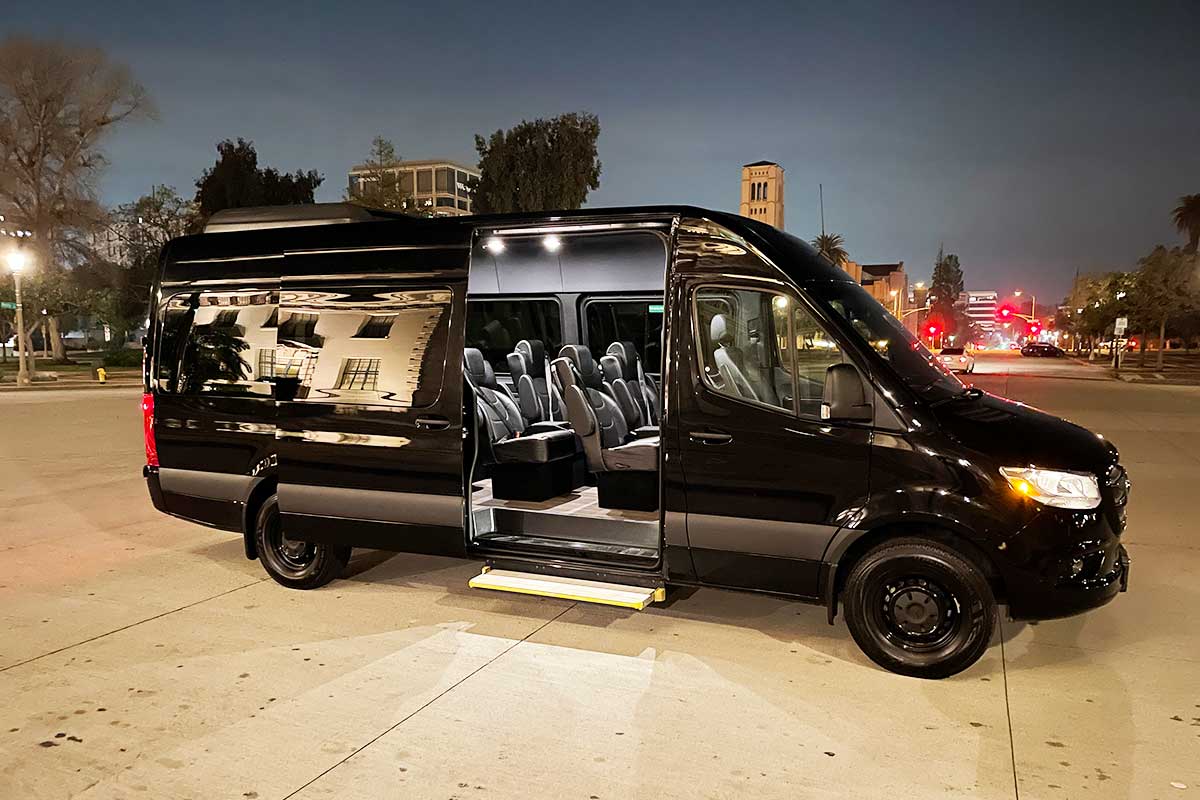
Over the last few years, the van rental industry has experienced a wave of technological innovations that have significantly transformed the way people rent and use vans. With the advent of new digital platforms and the integration of smart technologies, van rental companies are finding creative ways to streamline booking processes, enhance customer experience, and improve overall operational efficiency.
Online Booking Platforms
One of the most prominent technological advancements in the van rental industry is the development of user-friendly online booking platforms. These platforms allow customers to easily browse available van options, compare prices, and make reservations from the comfort of their own homes. With just a few clicks, individuals and businesses can find the perfect van for their needs, making the rental process quicker and more convenient.
GPS Tracking and Telematics
With the rise of internet-connected vans, GPS tracking and telematics technology has become a game-changer in the industry. Van rental companies are now able to track their fleet in real-time, ensuring efficient operations, optimizing maintenance schedules, and improving overall safety. This technology also enables customers to have the peace of mind of knowing their van is being monitored, allowing them to focus on their trip without worries.
Mobile Apps and Remote Access
Another innovation in van rental is the development of mobile apps that provide customers with remote access to their van rental experience. These apps allow renters to manage their reservations, access important information, and even unlock and locate their van using their smartphone. This integration of technology provides a seamless and hassle-free rental experience, eliminating the need for physical paperwork or key exchanges.
Electric and Hybrid Vans
As the world focuses on sustainability, technological innovation has also extended to the type of vans being offered for rental. Electric and hybrid vans are gaining popularity in the industry, providing eco-conscious individuals and businesses with an alternative to traditional fuel-powered vehicles. Not only do these vans reduce carbon emissions, but they also offer potential cost savings on fuel expenses.
Enhanced Safety Features
Safety is a top priority for van rental companies, and technological advancements have allowed for the implementation of enhanced safety features. Vans are now equipped with various safety tools, such as collision avoidance systems, lane departure warnings, and adaptive cruise control. These features help reduce the risk of accidents and ensure a safer driving experience for renters.
In conclusion, the van rental industry is embracing technological innovation to improve efficiency, enhance customer experience, and promote sustainability. Online booking platforms, GPS tracking, mobile apps, electric/hybrid vans, and enhanced safety features are just a few examples of the advancements that are revolutionizing the way people rent and utilize vans. As technology continues to evolve, we can expect further innovations that will make van rental even more convenient and sustainable for both individuals and businesses.
Exploring Regional Trends and Cultural Influences on Van Rental

When it comes to van rental, regional trends and cultural influences can significantly shape the market dynamics in different areas. From varying preferences and purposes for renting vans to cultural practices that impact rental behavior, understanding these factors is crucial for both businesses and consumers. Let's delve into how regional trends and cultural influences play a role in the world of van rental.
- Urban vs. Rural Preferences: One regional trend that influences van rental is the divide between urban and rural areas. In urban settings, many people opt for van rental to meet the increasing demand for ridesharing services, delivery businesses, and short-term transportation needs. In contrast, in rural regions, vans are often rented for outdoor activities like camping or for moving purposes due to the availability of expansive spaces in these areas.
- Climate and Seasonal Demands: Regional climates play a significant role in shaping van rental trends. In areas with extreme weather conditions, such as snowy regions or coastal regions prone to hurricanes, there may be a higher demand for vans equipped with specialized features like snow tires or sturdy construction. Additionally, seasonal factors, such as peak tourism seasons or popular festivals, might also influence the demand for van rentals in specific regions.
- Cultural Practices and Celebrations: Cultural practices and celebrations have a significant influence on van rental trends. For example, in countries like the United States, vans are often rented for road trips, family vacations, or group outings to popular tourist destinations. Similarly, in countries like Japan, where cherry blossom viewing is a cherished tradition, there may be an upsurge in van rentals during the cherry blossom season to enjoy the scenic beauty in comfort.
- Economic Factors: Regional economic factors can impact the van rental market as well. In areas with strong local industries or business hubs, there may be a higher demand for commercial van rentals to support trade, transportation, and logistics needs. Conversely, in economically challenged regions, individuals or small businesses may opt for van rentals instead of purchasing a vehicle, due to lower upfront costs and flexibility.
- Cultural Preferences for Vehicle Types: Cultural influences also extend to preferences for specific types of vans. For instance, in Europe, camper vans are popular and often rented by travelers seeking to explore the continent's diverse landscapes. In contrast, in countries like the United States, cargo and passenger vans are frequently rented for commercial purposes such as moving or transport services.
Understanding regional trends and cultural influences is crucial when venturing into the van rental industry. By identifying these factors, rental companies can tailor their services to meet the specific needs and preferences of different regions, ultimately leading to enhanced customer satisfaction and better market positioning. Similarly, for consumers, being aware of these influences can help them make more informed choices when renting a van.
In conclusion, regional trends and cultural influences have a substantial impact on van rental. From differing urban-rural preferences to seasonal demands, economic factors, and cultural practices, understanding these dynamics is essential for both businesses and consumers involved in the van rental market. By staying attuned to these influences, companies can successfully navigate the regional variations and consumer preferences, ensuring maximum satisfaction for their customers.
The Rise of Influencers in the Van Rental Industry

Social media has revolutionized the way businesses promote their products and services. In recent years, the advent of influencers has become a game-changer for various industries, including van rental. Influencers are individuals who have gained a sizable following on social media platforms such as Instagram, YouTube, and TikTok, and have the ability to shape the opinions and purchase decisions of their audience.
The Rise of Influencers in the Van Rental Industry
The van rental industry may not be the first sector that comes to mind when thinking about influencer marketing. However, the unique lifestyle associated with van rentals has created opportunities for influencers to not only showcase their adventures but also to promote rental companies to their followers.
In the past, traditional advertising methods such as print ads and television commercials were the primary means for van rental companies to reach potential customers. However, with the rise of social media, influencers have emerged as powerful marketing tools, providing a more authentic and relatable approach.
By partnering with influencers who have an affinity for travel, outdoor activities, and adventure, van rental companies can tap into the influencers' established fan base and gain exposure to a wider audience. These influencers create content that features their van rental experiences, showcasing the convenience, freedom, and unique lifestyle that comes with renting a van for travel.
Influencers often document their journeys through engaging travel vlogs, stunning photography, and captivating stories. They share insights into the van rental process, from choosing the right vehicle for specific needs and highlighting the amenities available, to providing tips for a smooth and enjoyable road trip experience. Their content not only entertains and inspires their followers, but also serves as a valuable resource for individuals considering a van rental.
Moreover, influencers provide an element of real-world authenticity, as their experiences and recommendations are often perceived as more genuine and trustworthy than traditional advertisements. Audiences find comfort in knowing that the influencers they follow have firsthand experience with the products or services they endorse. This level of trust encourages their followers to consider van rentals for their own adventures.
Furthermore, influencers often engage in social media collaborations with van rental companies, hosting giveaways, offering discount codes, or promoting special deals to their followers. This type of partnership not only brings visibility to the rental companies but also provides added value to the influencers' audience, enticing them to consider renting a van for their next trip.
As social media continues to evolve, the influence of influencers in the van rental industry is likely to grow. Van rental companies will continue to seek collaborations with influencers who align with their brand values and target audience, allowing them to leverage the influencers' reach and credibility to drive brand awareness and increase bookings.
In conclusion, the emergence of influencers in the van rental industry has proven to be an effective marketing strategy. By partnering with influencers who embody the van rental lifestyle, companies can leverage their authenticity and engaged following to create awareness, increase bookings, and inspire more individuals to embark on their own van rental adventures.
Click here to explore more insights on influencer marketing in the van rental industry.
The Future of Van Rental: A Promising Market with Growing Demand

As people's lifestyles and buying patterns continue to evolve, van rental has emerged as a popular choice for various purposes such as travel, transportation, and business needs. The van rental industry has seen significant growth in recent years, and its future outlook appears highly promising.
Growing Demand for Van Rental
The increasing popularity of van rental can be attributed to several factors:
- Flexible Travel Options: Van rental offers individuals and families the flexibility to embark on road trips and explore destinations at their own pace. This trend has gained momentum with the rise of adventure travel and van life enthusiasts seeking immersive experiences.
- Economic Considerations: Renting a van can often be a more cost-effective option compared to owning a vehicle, especially for short-term or occasional transportation needs. Van rentals provide individuals and businesses the opportunity to access a vehicle without the long-term financial commitment.
- Business and Commercial Use: Van rentals are widely utilized by small businesses, delivery services, and e-commerce enterprises for transportation of goods, supplies, and equipment. As the e-commerce industry continues to thrive, the demand for van rentals is expected to grow in tandem.
- Expanding Tourism Sector: The surge in international travel and domestic tourism has fueled the demand for van rentals. Exploring tourist destinations and scenic landscapes in a van provides travellers with a unique and personalized experience.
- Rise of Remote Work: As remote work becomes more prevalent, the concept of "Work from Anywhere" is gaining popularity. Van rental is seen as an attractive option for remote workers who desire a change of scenery and wish to combine work and travel seamlessly.
Future Outlook and Forecast
The future outlook for van rental is highly promising, with several key trends that are expected to drive its growth:
- Shared Mobility and Peer-to-Peer Van Rental: The rise of the sharing economy has already transformed various industries, and van rental is no exception. Peer-to-peer van rental platforms, akin to Airbnb for vans, are likely to emerge, allowing van owners to rent out their vehicles when not in use. This increased connectivity between van owners and renters will promote affordability and convenience.
- Sustainable and Eco-friendly Van Rental: With heightened environmental awareness, the demand for electric and hybrid vans is expected to increase. Rental companies that offer eco-friendly van options will attract environmentally conscious customers seeking sustainable transportation solutions. Furthermore, advancements in autonomous vehicles may introduce self-driving van rentals in the future, offering enhanced convenience and safety.
- Integrated Services and Package Deals: Van rental companies are anticipated to offer integrated services such as travel planning, accommodation recommendations, and bundled packages to cater to the needs of modern travelers. This approach would provide customers with a seamless end-to-end experience, making van rental an appealing option for hassle-free travel.
- Expansion into Emerging Markets: While the van rental market is well-established in many developed countries, there is significant potential for growth in emerging markets. As disposable incomes rise, more people in developing countries will have the means to explore domestic and international travel, leading to increased demand for van rentals.
Overall, the future of van rental looks bright, driven by changing consumer preferences, technological advancements, and the continued growth of the travel and e-commerce industries. Van rental companies that adapt to evolving trends and incorporate innovative offerings are likely to thrive in this promising market.
Key Findings and Insights: The Rise of Van Rental

The trend of van rental has seen a significant surge in recent years, driven by various factors such as changing consumer preferences and the growth of the sharing economy. Here are the key findings and insights from our research on this rapidly growing industry:
- Increasing Demand for Flexible Transportation Solutions: Van rental has become a popular choice for various purposes, including road trips, camping, moving, and transportation for large groups. The versatility and flexibility of vans have attracted individuals and businesses seeking cost-effective and convenient transportation solutions.
- Changing Consumer Behavior: Consumers are gradually shifting away from traditional vehicle ownership towards more flexible options. Factors such as rising vehicle costs, changing attitudes towards ownership, and the desire for experiences over possessions have contributed to the rise in demand for van rentals. This trend is particularly prominent among millennials and digital nomads who value mobility and adventures.
- Growth of the Sharing Economy: The success of companies like Airbnb and Uber has paved the way for the expansion of the sharing economy in different sectors. Van rental platforms, such as Outdoorsy, Campanda, and Indie Campers, have emerged as intermediaries, connecting van owners with renters. This model not only benefits vehicle owners by providing an additional source of income but also offers renters a wide range of van options at competitive prices.
- Camper Vans - A Booming Segment: Camper van rentals represent a significant portion of the van rental market. The desire for unique travel experiences and the freedom of exploring off-the-beaten-track destinations have fueled the growth of camper van rental services. This trend has also been fueled by the increasingly popular #vanlife movement, where individuals choose to live and travel in vans full-time.
- Sustainability and Eco-Consciousness: Van rental offers an eco-friendly alternative to traditional car rentals, especially for large groups traveling together. Sharing one vehicle significantly reduces carbon emissions, leading to a smaller environmental footprint. As sustainability continues to gain importance in consumer decision-making, van rental providers are emphasizing their commitment to eco-consciousness through practices like using electric or hybrid vans.
- Opportunities for Business Innovation: The growth of van rental presents an array of opportunities for entrepreneurs to tap into this emerging market. Alongside traditional van rental services, we see new business models emerging, such as custom van conversions, guided van tours, and van rental marketplaces. These innovations cater to specific niches and cater to unique customer demands.