
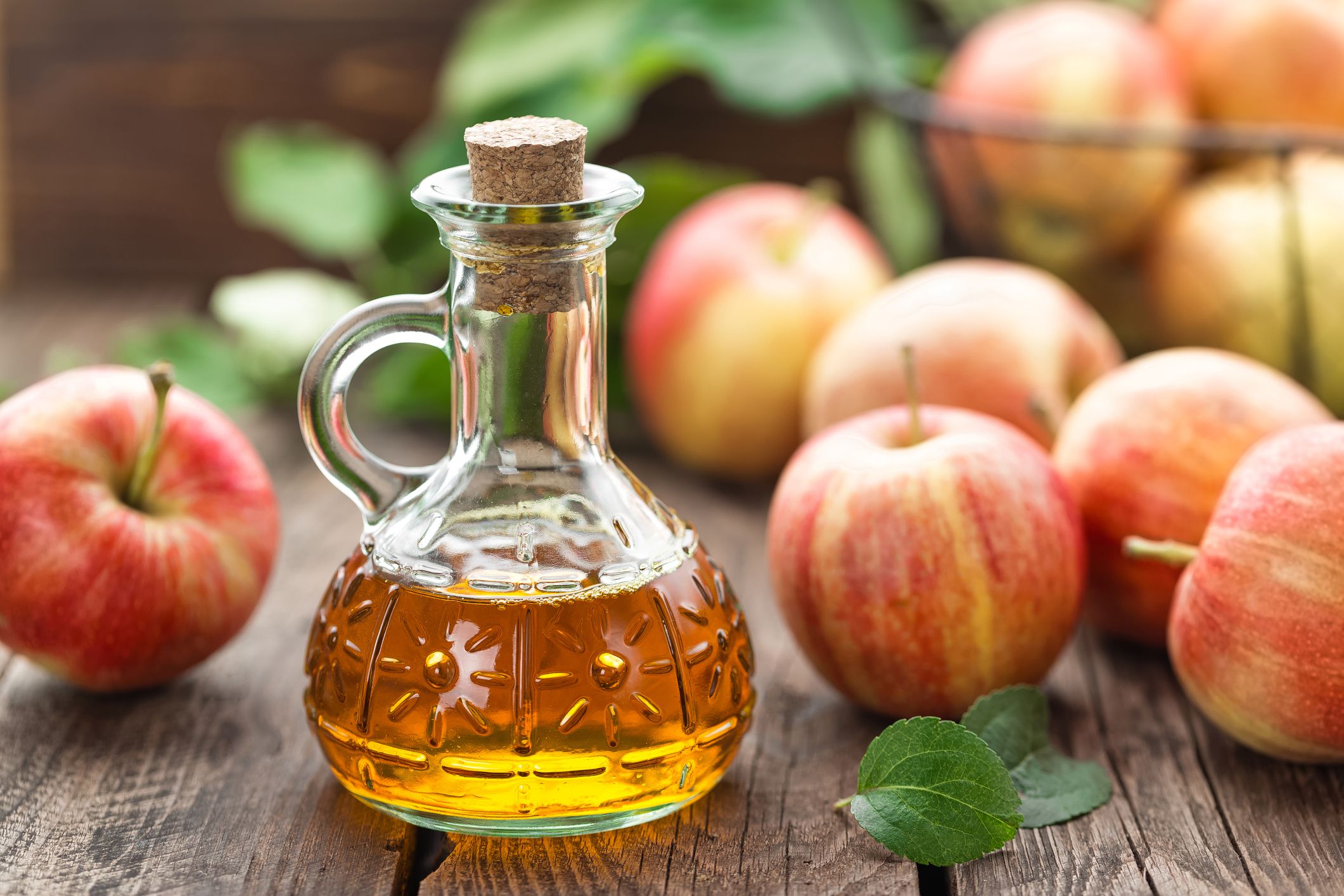
Exploring the Surge in Popularity of ACV: Unveiling the Trend Behind Apple Cider Vinegar's Rise to Prominence

The Rising Popularity of Apple Cider Vinegar (ACV)
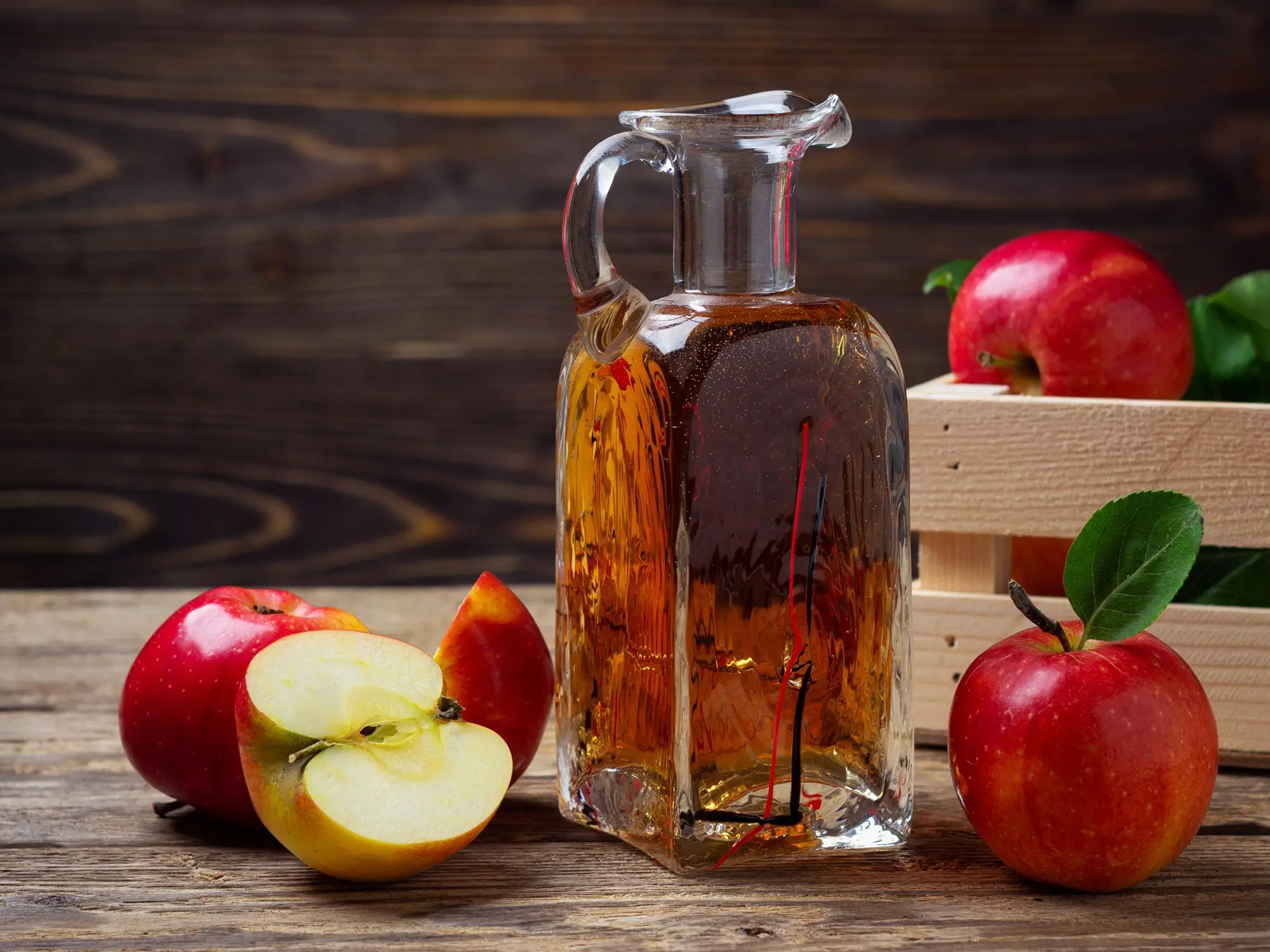
Apple Cider Vinegar (ACV) has become a prominent trend in the health and wellness industry in recent years, gaining popularity among various demographics. ACV, a type of vinegar made from crushed apples, has been recognized for its potential health benefits and its versatility in culinary applications. This section will provide a brief explanation of ACV, its origins, and the reasons behind its growing popularity.
ACV and its Origins:
Apple Cider Vinegar is produced through a two-step fermentation process. First, crushed apples are combined with yeast to convert the sugars into alcohol, forming apple cider. Then, the cider undergoes a second fermentation with bacteria, turning the alcohol into acetic acid. This is what gives ACV its distinct tangy flavor and potent aroma.
The use of vinegar for its health benefits dates back centuries, but ACV gained significant attention in the 1970s when author Paul Bragg popularized its therapeutic properties. Bragg advocated for drinking ACV to detoxify the body and promote weight loss. Since then, ACV has gained traction in the health and wellness market and has become a staple in many households.
Popularity Among Various Demographics:
ACV's popularity is not limited to a specific demographic; it has gained widespread recognition from fitness enthusiasts, health-conscious individuals, and those seeking alternative remedies. Its appeal can be attributed to several factors:
- Potential Health Benefits: ACV has been linked to a range of potential health benefits, including aiding digestion, promoting weight loss, regulating blood sugar levels, and even enhancing skin health. Although scientific research supporting these claims is limited, anecdotal evidence and traditional use have contributed to its popularity.
- Culinary Versatility: ACV can be used in a variety of culinary applications, making it a sought-after ingredient in dressings, marinades, and sauces. Its tangy flavor adds a pleasant twist to dishes, making it a popular choice among culinary enthusiasts.
- Natural and Environmentally Friendly: ACV is derived from natural ingredients and is often preferred over synthetic options. Consumers who prioritize sustainability and eco-friendly choices are drawn to ACV as an alternative to chemically processed products.
- Growing Interest in Wellness Trends: With an increasing focus on holistic well-being, consumers are actively seeking natural remedies and functional foods. ACV aligns with this trend, as it is perceived as a natural and traditional remedy.
In conclusion, ACV has gained popularity due to its versatile culinary applications, potential health benefits, and alignment with the growing interest in natural wellness trends. As consumers continue to prioritize health-conscious choices, the demand for ACV is likely to rise. In the next section, we will explore the various uses of ACV in detail.
Market Size and Growth of Apple Cider Vinegar (ACV)
Apple Cider Vinegar (ACV) has gained significant popularity in recent years, primarily due to its potential health benefits. ACV is made by fermenting apples, resulting in a vinegar that is rich in beneficial compounds such as acetic acid, vitamins, minerals, and antioxidants. This versatile product has not only been used for culinary purposes but has also found application in various health, beauty, and household segments.
Market Size
The global apple cider vinegar market has witnessed substantial growth over the past few years. According to a report by Grand View Research, the global ACV market size was valued at USD 1.28 billion in 2020 and is expected to reach USD 1.90 billion by 2028, growing at a CAGR of 5.3% from 2021 to 2028. The rising awareness about the health benefits of ACV, coupled with increasing consumer demand for natural and organic products, has been key driving factors for market growth.
Market Growth Factors
- Growing Health and Wellness Trends: The shift towards healthier lifestyles has driven the demand for natural and organic products, including ACV. Consumers are becoming more health-conscious and are actively seeking products that offer potential health benefits, such as aiding digestion, supporting weight loss, and improving skin health. ACV's perceived health benefits have played a significant role in its market growth.
- Increased Product Innovations: Manufacturers have been launching innovative ACV products to cater to the evolving consumer preferences. These include flavored ACV variants, convenient ready-to-drink formats, and ACV-based dietary supplements. The introduction of new flavors and packaging formats has expanded the consumer base and contributed to the overall growth of the ACV market.
- Expanding Distribution Channels: ACV is increasingly available in various retail formats, including supermarkets, pharmacies, health food stores, and e-commerce platforms. The expansion of distribution channels has made ACV more accessible to consumers, driving its market penetration and fostering overall growth.
- Rising Demand from Emerging Economies: The ACV market is witnessing significant growth in emerging economies, driven by factors such as increasing disposable income, changing dietary habits, and rising health awareness. As more consumers in these regions embrace healthier lifestyles, the demand for ACV is expected to rise significantly.
- Growing Application in Non-Culinary Segments: ACV's utility extends beyond culinary purposes. It has found application in the beauty and personal care industry, with its use in skincare, haircare, and oral care products. This diversification of usage has opened up new market opportunities and contributed to the overall growth of ACV.
The apple cider vinegar market is experiencing steady growth, fueled by the increasing consumer demand for natural and organic products and the growing awareness about the potential health benefits of ACV. With ongoing product innovations, expanding distribution channels, and rising demand from emerging economies, the market is expected to continue its upward trajectory in the coming years.
Exploring the Rising Consumer Demand and Preferences for Apple Cider Vinegar (ACV)

Consumer demand for health and wellness products has witnessed a significant surge in recent years. One such product that has gained substantial momentum is Apple Cider Vinegar (ACV). ACV, derived from fermented apple juice, has been consumed for centuries, but its health benefits have only recently garnered attention in the mainstream. As consumers increasingly prioritize their well-being, the demand for ACV has surged, fueling a growing market for this versatile and natural health elixir.
The Rise of ACV in Health and Wellness
ACV has generated considerable interest in the health and wellness industry due to its potential health benefits. Research suggests that regular consumption of ACV may aid in weight management, improve digestion, balance blood sugar levels, enhance skin health, and even provide an immunity boost. These claims, along with its natural and organic properties, have propelled ACV into the spotlight, captivating health-conscious consumers seeking a natural solution to support their well-being.
Consumer Preferences for ACV
When it comes to choosing ACV, consumers tend to prioritize certain factors. One key preference is the raw and unfiltered nature of the vinegar. Raw ACV is often sought after as it retains the "mother," a cloudy substance containing beneficial enzymes and bacteria that contribute to its health benefits. Consumers also look for organic ACV, made from apples grown without pesticides or chemical fertilizers, to ensure they are consuming a clean and natural product.
ACV is available in various forms, including liquid, capsules, and gummies. While traditional liquid ACV remains the most popular form, consumers with taste aversions or lifestyle constraints may opt for capsules or gummies for ease of consumption. These alternative forms provide the same benefits in a more convenient and pleasant manner. The preference for a particular form of ACV largely depends on individual taste, lifestyle, and convenience.
ACV-Based Products and Flavors
As the popularity of ACV continues to grow, brands have introduced an array of ACV-based products to cater to consumer demands. This includes ACV-infused beverages, salad dressings, marinades, and even ACV-based beauty products. This diversification allows consumers to incorporate ACV into their diet and beauty routines more conveniently.
Flavored ACV products have also emerged to cater to varied taste preferences. Different flavors such as berry, lemon ginger, and honey have been introduced to make ACV more palatable to those who find the traditional taste too strong. These flavored variations not only attract new consumers but also provide existing ACV enthusiasts with exciting options to explore.
The Future of ACV
The consumer demand for ACV showcases no signs of slowing down. As individuals become more health-conscious and seek natural remedies, the popularity of ACV as a staple in their wellness routines is expected to continue growing. In response, manufacturers will likely focus on creating innovative ACV-based products that cater to consumer preferences, making ACV even more accessible and appealing to a broader audience.
Consumer preferences will shape the direction in which the ACV market evolves. With increasing demand for convenient consumption and flavorful options, brands will likely continue to introduce new forms and flavors of ACV, ensuring the product remains relevant and appealing to consumers seeking optimal well-being.
In conclusion, ACV has experienced a rapid rise in consumer demand due to its perceived health benefits and natural properties. Consumers prioritize attributes such as raw and unfiltered nature, organic sourcing, and convenient consumption options. As the ACV market grows, brands will adapt to diverse consumer preferences, expanding the range of ACV products available and ensuring that this health elixir continues to captivate the market.
Industry Players and Competition in the ACV Market

The ACV (Apple Cider Vinegar) market has witnessed significant growth in recent years, fueled by its numerous health benefits and versatile applications. As consumer interest in natural and organic products continues to rise, the competition among industry players in the ACV market has intensified. In this section, we will explore the key players and competitive dynamics within this thriving market.
Leading Industry Players:
- Bragg Live Food Products: Bragg is a prominent and well-established player in the ACV market. With a focus on organic, unfiltered, and raw ACV, Bragg is known for offering high-quality products. They have built a strong brand reputation and a loyal customer base over the years. Bragg's extensive product range, including flavored ACV and ACV drinks, ensures they cater to various consumer preferences.
- Dynamic Health Laboratories: Another key player in the ACV market is Dynamic Health Laboratories. They offer a diverse range of ACV products, including organic, flavored, and blended options. Dynamic Health Laboratories maintains a strong presence in both online and offline channels, ensuring widespread availability of their products.
- Vitacost: Vitacost is a leading online retailer that offers a wide range of health and wellness products, including ACV. While they do not produce their own ACV, Vitacost sources products from various brands, providing customers with a comprehensive selection. Their robust online platform and competitive pricing make them a prominent player in the ACV market.
Competitive Dynamics:
The ACV market is highly competitive, with players constantly striving to innovate and differentiate their offerings. Several factors contribute to the competitive dynamics within the industry:
- Product Differentiation: To stand out in the crowded market, industry players often focus on product differentiation. This includes offering unique flavors, incorporating additional health benefits, or providing convenience through ready-to-drink formats. Companies like Bragg have successfully differentiated themselves by promoting the raw and unfiltered nature of their ACV.
- Organic and Natural Ingredients: With increasing consumer demand for organic and natural products, many ACV manufacturers emphasize the use of organic apples and natural fermentation processes. Brands like Bragg and Dynamic Health Laboratories have capitalized on this trend by offering organic options, appealing to health-conscious consumers.
- Packaging and Marketing: Eye-catching packaging and effective marketing strategies play a crucial role in attracting customers. Brands that prioritize aesthetically pleasing designs and communicate the health benefits of ACV effectively tend to gain a competitive edge.
- Distribution Channels: The availability of ACV in both online and offline channels is crucial for market success. Companies like Vitacost leverage their robust online platforms to reach a wide consumer base, while local grocery stores and health food stores provide offline distribution opportunities.
- Price Competitiveness: Price sensitivity among consumers can influence purchasing decisions. Price points need to be competitive without compromising on product quality. Offering value packs, promotional discounts, and loyalty programs are some strategies used by industry players to attract price-conscious customers.
As the popularity of ACV continues to rise, competitors in the market are expected to intensify their efforts to capture larger market shares. By keeping abreast of consumer preferences and trends, companies can stay competitive and capitalize on the growing demand for ACV.
Please find more information in this blog article about the health benefits of ACV.
The Technological Innovation Revolutionizing Health and Wellness: ACV

In recent years, technology has played a significant role in revolutionizing various industries, and the health and wellness sector is no exception. One groundbreaking technological innovation that has gained significant popularity and attention is Apple Cider Vinegar (ACV). ACV has become a versatile and highly sought-after product due to its potential health benefits and compatibility with technological advancements. In this article, we will explore how ACV has been incorporated into technological innovations, facilitating its use and enhancing its benefits for individuals.
ACV Tracking Apps and Devices
With the rise of health-consciousness and the increasing popularity of ACV, several tracking apps and wearable devices have emerged to help individuals monitor their ACV consumption and track its impact on their health. These applications and devices enable users to set reminders for consuming ACV, track their daily intake, and provide insights into the potential health benefits they may experience.
For example, some mobile apps allow users to log their daily ACV consumption and input related health metrics such as weight, blood pressure, or glucose levels. By collecting this data over time, users can gain a better understanding of how ACV affects their well-being and make informed decisions about their health goals. Additionally, wearable devices such as smartwatches can sync with these apps, providing real-time notifications and reminders to ensure regular ACV intake.
ACV Infusion in Smart Kitchen Appliances
As technology continues to penetrate our daily lives, smart kitchen appliances have gained popularity for their convenience and ability to simplify cooking routines. In recent years, some innovative appliances have integrated the use of ACV to enhance the flavor profiles and health benefits of dishes.
For instance, smart blenders equipped with ACV infusion capabilities allow users to create custom recipes that incorporate controlled amounts of ACV. These blenders can precisely measure and infuse ACV into smoothies, salad dressings, and other recipes, ensuring the right balance of flavors and nutritional benefits.
ACV-Specific Voice-Activated Assistants
As voice-activated assistants like Amazon's Alexa and Google Assistant become more integrated into our homes, developers have recognized the need for specialized assistants tailored to specific needs. In the case of ACV, some developers have created ACV-specific voice-activated assistants to provide users with recipes, usage guidance, and tips related to ACV consumption.
These assistants leverage natural language processing and machine learning algorithms to understand user queries and provide relevant information. Users can simply ask their ACV assistant for recipes, advice on incorporating ACV into their diet, or answers to common questions about its benefits.
The integration of ACV into technological innovations has facilitated its use and enhanced its benefits for individuals seeking to improve their health and wellness. ACV tracking apps and devices, infusion in smart kitchen appliances, and ACV-specific voice-activated assistants are just a few examples of how technology has revolutionized the way we consume and benefit from ACV. As technology continues to advance, we can expect even more exciting developments that harness the potential of ACV and other health-centric innovations, making them more accessible and convenient for consumers.
Regional Trends and Cultural Influences on the Popularity of Apple Cider Vinegar (ACV)

Apple cider vinegar (ACV) has gained popularity in recent years for its potential health benefits and versatile uses. While ACV has become a global phenomenon, regional trends and cultural influences play a significant role in shaping its popularity in different parts of the world.
North America: Embracing the Health Craze
In North America, ACV has gained a strong following due to the growing health and wellness movement. People in the region are increasingly interested in natural remedies and alternative therapies. The health benefits associated with ACV, such as aiding digestion, boosting the immune system, and promoting weight loss, have resonated with this health-conscious population. The rise of the wellness industry, alongside influential health bloggers and celebrities advocating for ACV, has contributed to its popularity in this region.
Asia: Traditional Remedies and Culinary Delights
In many Asian countries, ACV is not a newcomer to the culinary and medicinal scene. Traditional medicine in countries like Japan, Korea, and China often incorporates ACV, recognizing its potential health benefits. ACV is frequently used in Asian cuisine and is popularly consumed as a remedy for various ailments. Additionally, Asian cultures emphasize the concept of balance and harmony in maintaining health, which aligns with the potential benefits of ACV as a natural tonic. This cultural affinity for traditional remedies has ensured the continued popularity of ACV in Asia.
Europe: Culinary Applications and Ancient Practices
In Europe, ACV has found popularity in culinary applications and traditional practices. It is used as a flavorful ingredient in salad dressings, marinades, and pickled vegetables. European cultures have a rich history of preserving food and incorporating fermented products in their cuisine. ACV's tangy flavor and ability to enhance taste make it a staple in many European dishes. Furthermore, European countries also have a long-standing tradition of producing and consuming various types of vinegar, including ACV. This familiarity with vinegar as a condiment has paved the way for the popularity of ACV in Europe.
Latin America: Folklore and Natural Remedies
In Latin America, ACV is often associated with folklore and natural remedies passed down through generations. Many traditional herbal remedies in this region incorporate ACV as a key ingredient due to its potential therapeutic properties. ACV is believed to help with conditions such as indigestion, high blood sugar, and joint pain. Latin American cultures have a strong connection to nature and traditional healing practices, which have contributed to the popularity of ACV as a natural remedy.
Africa and Middle East: Ancient Practices and Cultural Significance
In certain parts of Africa and the Middle East, ACV has a long history of use in traditional practices and cultural rituals. For example, in Ethiopia, a fermented drink called "tej" is made from honey and water, with ACV acting as a crucial fermenting agent. ACV is also used as a flavoring agent in traditional Middle Eastern dishes and beverages. Its place in ancient practices and rich cultural traditions in these regions has sustained its popularity over time.
Social Media and the Rise of Influencers in the ACV Trend

In recent years, social media platforms have become a powerful tool for sharing information, connecting with others, and discovering new trends. One such trend that has gained significant traction in recent times is the use of Apple Cider Vinegar (ACV) for various health and wellness purposes. As ACV has grown in popularity, social media influencers have played a crucial role in driving this trend and creating a buzz around it. This section will delve further into the influence of social media and the role of influencers in popularizing the use of ACV.
The Power of Social Media
Social media platforms like Instagram, YouTube, and TikTok have become the go-to channels for finding and sharing trending topics. With billions of active users, these platforms offer a vast audience for content creators and influencers to showcase their experiences and opinions. When it comes to health and wellness trends, social media acts as a breeding ground for new ideas and practices, enabling users to discover and adopt them quickly.
Influencers as Trendsetters
Social media influencers, particularly within the health and wellness community, have a unique ability to shape consumer behavior. These individuals have built a substantial following by consistently sharing engaging content and establishing themselves as trustworthy authorities in their respective niches. Their influence is so powerful that many users rely on their recommendations and experiences to inform their own choices.
In the case of ACV, influencers have played a crucial role in promoting its benefits and offering their audiences insights into its potential uses. They often create content around their personal experiences, featuring ACV in recipes, skincare routines, and even household cleaning solutions. By showcasing the positive effects and sharing testimonials, influencers have contributed to the ACV trend's popularity and widespread adoption.
The Rise of Testimonials and User-generated Content
In addition to influencers' impact, social media platforms have empowered everyday users to share their experiences with ACV and other products. The rise of testimonials and user-generated content has provided a platform for real people to voice their opinions and contribute to the overall narrative surrounding ACV's benefits. Whether it's a before-and-after photo or a personal story, these genuine testimonials resonate with audiences and further validate the trend.
Platforms like Instagram and YouTube are flooded with user-generated content featuring ACV, ranging from elaborate recipes to skincare routines and DIY projects. This content not only provides inspiration for users but also strengthens the sense of community around the trend. Users feel connected and motivated to try ACV themselves, thanks to the relatable experiences shared by others.
Social media platforms and influencers have played a significant role in popularizing the use of Apple Cider Vinegar (ACV). Through engaging content, personal experiences, and user-generated testimonials, influencers have created a buzz around ACV and its potential health and wellness benefits. As consumers increasingly turn to social media for inspiration and recommendations, the influence of influencers is likely to continue shaping trends in the health and wellness space.
Read more about the power of influencers and the impact of social media on trends in our blog post: The Rise of Social Media Influencers in Shaping Consumer Behavior.
The Future Outlook and Forecast of the Apple Cider Vinegar (ACV) Trend
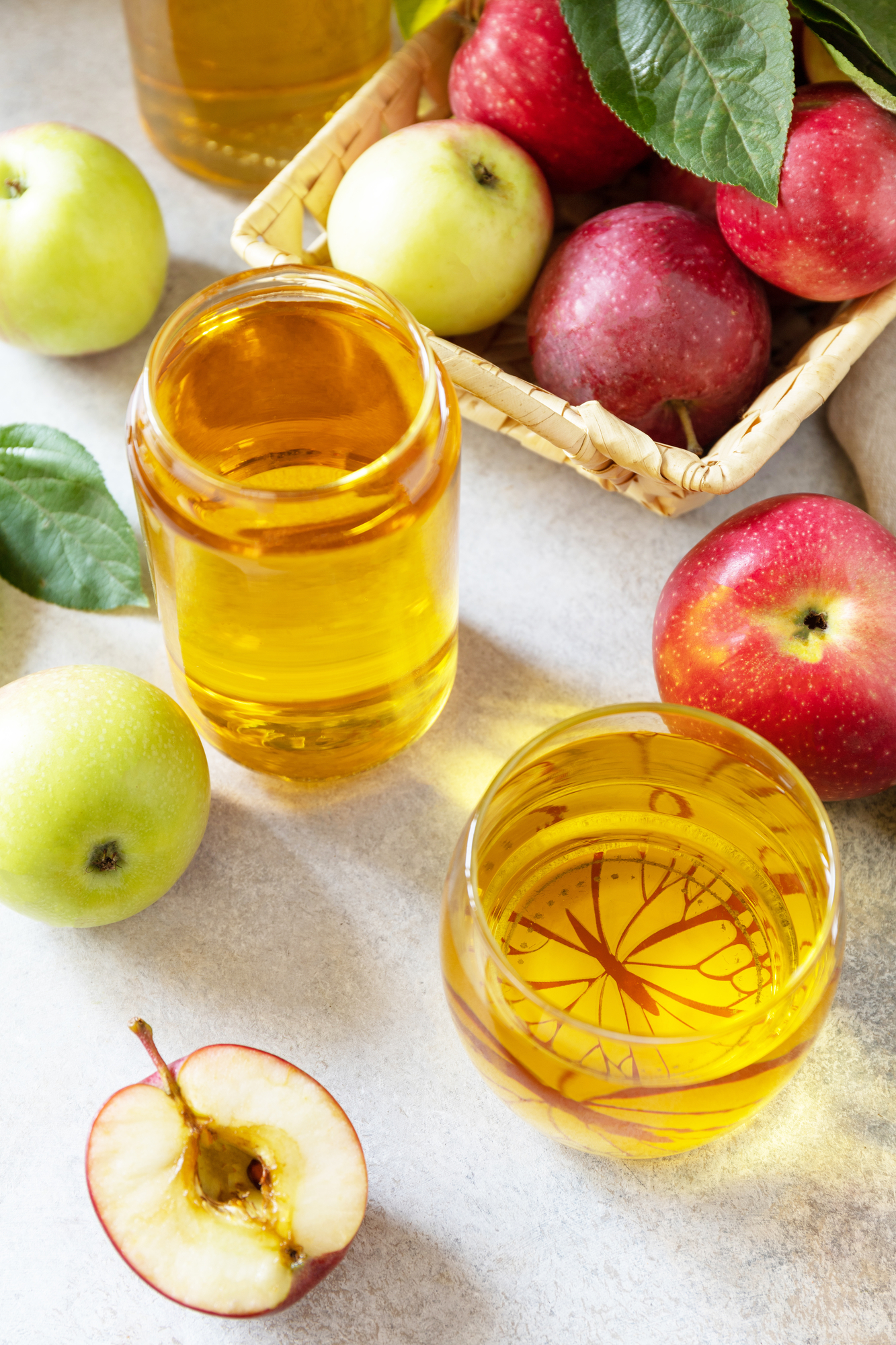
The popularity and usage of apple cider vinegar (ACV) have experienced significant growth in recent years, with many touting its numerous health benefits and versatile uses. As the ACV trend continues to gain momentum, it is essential to evaluate its future outlook and forecast.
- Increasing Consumer Awareness and Adoption: The health and wellness industry has witnessed a surge in consumer interest in natural remedies and organic products. ACV's long-standing reputation for its potential health benefits, such as aiding digestion, promoting weight loss, and balancing blood sugar levels, has contributed to its rising popularity. As consumers increasingly prioritize their well-being and seek natural alternatives, the demand for ACV is expected to continue to grow.
- Expanding Product Offerings and Innovation: ACV is available in various forms, including raw, filtered, organic, and flavored options. Manufacturers have begun to cater to different consumer preferences by incorporating ACV into different products such as gummies, beverages, salad dressings, and even skincare products. This diversification in product offerings not only amplifies ACV's appeal but also widens its consumer base, indicating a positive future outlook for the trend.
- Growing Research and Scientific Interest: While anecdotal evidence and traditional use have contributed to ACV's popularity, the scientific community is increasingly exploring its potential health benefits. Ongoing research is examining ACV's impact on areas such as gut health, cholesterol levels, and insulin sensitivity. As more studies are conducted and published, the scientific validation of ACV's benefits may further drive its adoption and contribute to its enduring success.
- Cross-Disciplinary Applications: Beyond its health implications, ACV's versatility extends to various other industries. It can be used as a cleaning agent, food preservative, and even to enhance the quality of garden soil. As sustainability and eco-friendly practices gain prominence, the multifaceted utility of ACV makes it an attractive option for consumers seeking natural alternatives in different areas of their lives.
- Potential Challenges: While the future of the ACV trend appears promising, some challenges may emerge. One such challenge is market saturation, as more brands enter the market to capitalize on its popularity. Differentiating products and maintaining quality standards will be crucial for brands to remain competitive. Additionally, accurate labeling and transparency regarding product ingredients are important to retain consumer trust.
In conclusion, the future outlook of the apple cider vinegar (ACV) trend is positive, with increasing consumer awareness and adoption, expanding product offerings, growing scientific interest, and cross-disciplinary applications. Consistent innovation, high-quality products, and transparency will be vital for businesses to thrive in this competitive market. As the trend continues to evolve, monitoring consumer preferences and staying ahead of emerging developments will be essential for long-term success.
Key Findings and Insights - The ACV Trend
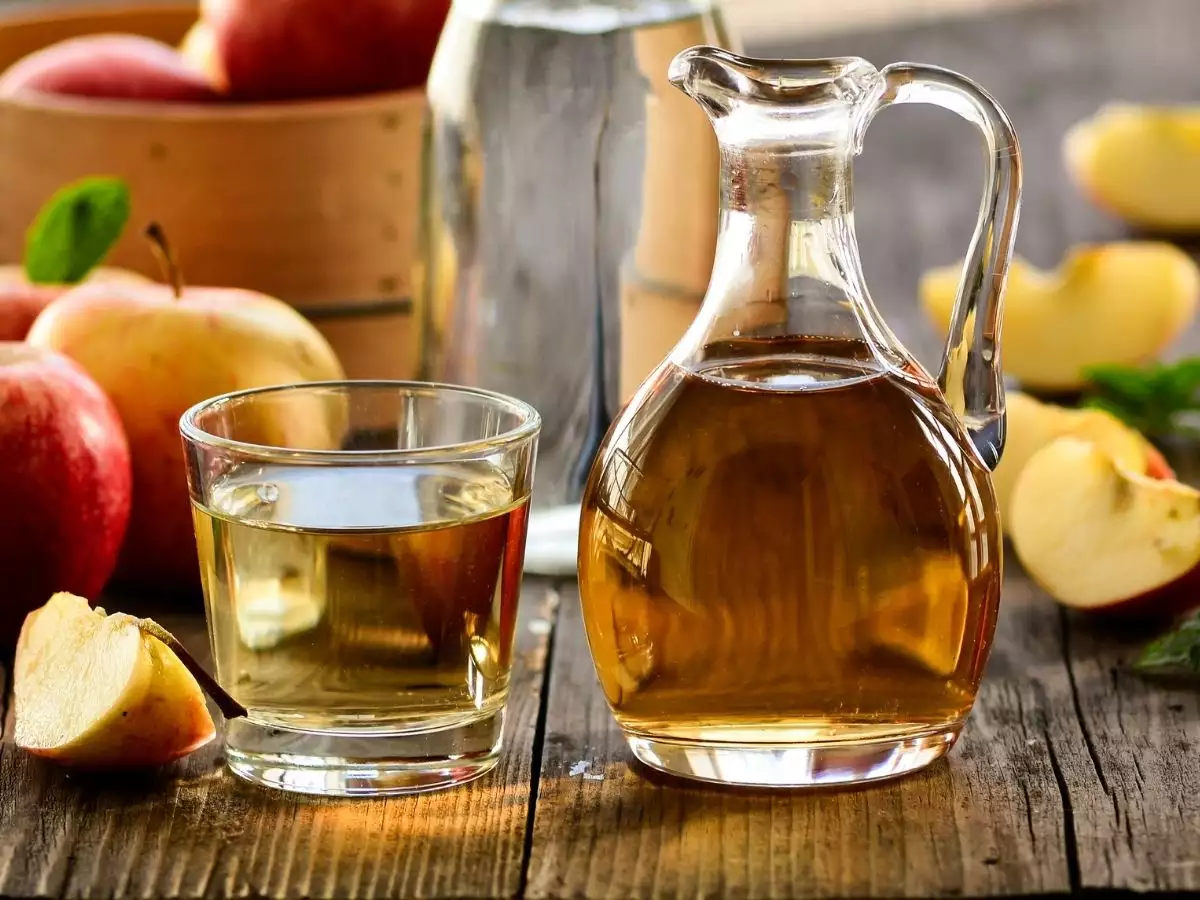
Key Findings:
- Increased Popularity: The trend of Apple Cider Vinegar (ACV) has seen a significant surge in popularity over the past few years. It has gained attention not only for its culinary uses but also for its health and wellness benefits.
- Health Benefits: ACV has been associated with several health benefits, including improved digestion, weight loss, and blood sugar control. There is also growing interest in its potential for reducing cholesterol levels and boosting overall immune function.
- Natural Remedies: ACV has become a favored ingredient in natural remedies. Its antimicrobial properties make it effective against certain bacteria, fungi, and even some viruses. It has been utilized in various home remedies for skin conditions, allergies, and even as a natural treatment for hair care.
- Nutritional Value: ACV is rich in acetic acid, which gives it its distinct taste and has been linked to its potential health benefits. It also contains trace minerals such as potassium, phosphorus, and magnesium, albeit in small amounts. While it is not a significant source of vitamins or minerals, it is low in calories and sugar, making it a healthier alternative to many other condiments.
- Popular Use Cases: ACV is commonly used as a dressing or marinade in cooking, adding a tangy flavor to dishes. Moreover, it has gained popularity as a refreshing drink when diluted with water or mixed with other ingredients like lemon and honey. ACV is also a key ingredient in the creation of kombucha, a popular fermented beverage.
Insights:
- Consumer Wellness Focus: With the increasing demand for natural and holistic wellness solutions, ACV has found its place as a popular remedy in the health-conscious consumer base. Its potential health benefits and versatile culinary applications resonate well with those seeking cleaner and more natural alternatives.
- Social Media Influence: The rise in the popularity of ACV can be partly attributed to social media platforms, where influencers and health enthusiasts share recipes, wellness tips, and success stories. This online exposure has created a wider audience for the trend, leading to increased adoption and exploration of ACV's numerous uses.
- Growing Market Potential: The ACV trend presents opportunities for various industries. The food and beverage sector can develop innovative products incorporating ACV, such as ACV-infused beverages or ready-to-use dressings. Additionally, the health and wellness industry can capitalize on the growing demand for ACV-based supplements or skincare products.
- Scientific Research Needs: While anecdotal evidence supports the benefits of ACV, more scientific research is necessary to determine its effectiveness and potential side effects. Conducting clinical trials and studies can provide a deeper understanding of ACV's mechanisms of action, dosages, and interactions with other medications or health conditions.
- Sustainable Options: As the ACV trend continues to gain traction, emphasis on sustainable sourcing and packaging can resonate with eco-conscious consumers. Brands that prioritize organic and environmentally-friendly practices in ACV production can differentiate themselves in the market and attract a more conscientious audience.