

Emerging Trends: The Self-care Revolution and its Impact on Mental Health in 2022

The Rising Popularity of Self-Care: Taking Time to Nurture the Mind and Body

In our fast-paced, high-stress world, more and more people are recognizing the importance of self-care. This practice, which focuses on taking time to nurture the mind, body, and soul, has gained significant popularity in recent years. From busy professionals and stressed-out students to exhausted parents and individuals seeking personal growth, self-care has become a powerful tool for promoting physical and mental well-being. In this article, we will explore the concept of self-care, its origins, and the reasons behind its growing popularity among various demographics.
Understanding Self-Care:
Self-care refers to the deliberate activities and practices that individuals undertake to maintain their overall well-being. It involves taking intentional steps to preserve and enhance one's physical, mental, and emotional health. This can include activities such as exercising, practicing mindfulness or meditation, engaging in hobbies, spending quality time with loved ones, or simply taking a break to relax and recharge.
Origins of Self-Care:
The concept of self-care has its roots in ancient civilizations. The Greek philosopher Socrates once said, "An unexamined life is not worth living." This idea emphasizes the importance of self-awareness and self-reflection, both integral components of self-care. Similarly, ancient Chinese traditions such as Daoism and Confucianism have long emphasized the balance between mind, body, and spirit.
However, it was in the mid-20th century that the term "self-care" began to gain mainstream recognition. The concept grew out of the field of healthcare, initially referring to the activities that individuals can undertake to take care of their own health beyond medical interventions. Over time, self-care expanded to encompass a more holistic view of well-being and has since permeated various aspects of daily life.
Popularity Among Various Demographics:
Self-care has gained widespread popularity among people from diverse backgrounds and demographics. This trend can be attributed to several factors:
- Increasing Awareness: With the rise of social media and the availability of information at our fingertips, people are becoming more aware of the importance of self-care. Resources and influencers promoting self-care practices have made it accessible and appealing to individuals looking to prioritize their well-being.
- Focus on Mental Health: The growing prevalence of mental health issues has brought self-care to the forefront as an essential tool for maintaining emotional well-being. As people strive to manage stress, anxiety, and burnout, self-care practices offer much-needed relief and a proactive approach to mental health.
- Changing Work Culture: The shift towards a more flexible and remote work culture has prompted individuals to prioritize self-care. With the blurring boundaries between work and personal life, establishing a healthy work-life balance has become crucial. Self-care practices help combat the negative effects of extended screen time, high workloads, and constant connectivity.
- Empowerment and Personal Growth: Self-care is not just about relaxation; it is also about personal growth and self-empowerment. Engaging in self-care activities allows individuals to nurture their passions, develop skills, enhance self-esteem, and boost overall fulfillment and happiness.
As society becomes more aware of the need for personal well-being, self-care has evolved into a mainstream practice. Its origins lie in ancient philosophies, but its popularity has surged thanks to increasing awareness, the focus on mental health, changing work cultures, and the desire for personal growth. In the next sections, we will explore specific trends and aspects of self-care that are grabbing attention, further underscoring its significance in our lives.
The Growing Market for Self-care: Size and Growth
Self-care has emerged as a significant trend in recent years, gaining momentum as individuals prioritize their physical, mental, and emotional well-being. This surge in self-care has led to the creation of a booming industry that caters to the diverse needs and preferences of consumers seeking to improve their overall health and happiness.
Market Size
The self-care market encompasses a wide range of products, services, and experiences that promote personal well-being. From beauty and skincare products to fitness apps, meditation apps, and wellness retreats, the market offers a plethora of options for consumers to indulge in self-care.
The global self-care market has witnessed substantial growth in the past few years and is expected to continue its upward trajectory. In 2020, the market was valued at approximately $133.2 billion and is projected to reach $186.5 billion by 2026, growing at a compound annual growth rate (CAGR) of 5.8% during the forecast period. This significant market size reflects the increasing demand for self-care products and services across various demographics.
Market Growth Drivers
Several key factors have contributed to the growth of the self-care market and its adoption by a wide range of consumers:
- Changing Attitudes and Awareness: There has been a notable shift in societal attitudes towards self-care, with individuals recognizing the importance of prioritizing their own well-being. Greater awareness about mental health issues, stress management, and a balanced lifestyle has led to an increased emphasis on self-care practices.
- Technological Advancements: The rise of technology has revolutionized the self-care industry. Mobile apps, wearable devices, andonline platforms provide accessible and convenient means for individuals to engage in self-care activities. Technologies such as AI-powered wellness apps, virtual reality (VR) relaxation experiences, and fitness trackers have gained popularity, driving market growth.
- Increased Disposable Income: The growth of the middle-class population and rising disposable incomes have enabled a larger segment of the population to spend on self-care. With more disposable income, consumers are willing to invest in products and services that enhance their well-being.
- Growing Interest in Natural and Organic Products: An increasing number of consumers are opting for natural and organic self-care products. This trend is fueled by concerns about synthetic chemicals and ingredients in conventional products. As a result, a wide range of natural and organic brands have emerged, catering to this demand.
- Influence of Social Media: Social media platforms have played a vital role in promoting self-care practices. Influencers and wellness advocates on platforms like Instagram and YouTube have helped cultivate a culture of self-care, inspiring others to adopt similar practices. This influence has driven market growth as individuals seek out the products and experiences showcased by these influencers.
The self-care market has experienced robust growth in recent years and is poised to continue expanding as individuals prioritize their well-being. With changing attitudes, technological advancements, increased disposable income, focus on natural products, and the influence of social media, the self-care market is set to thrive in the years to come.
Unveiling the Rising Consumer Demand and Evolving Preferences for Self-Care
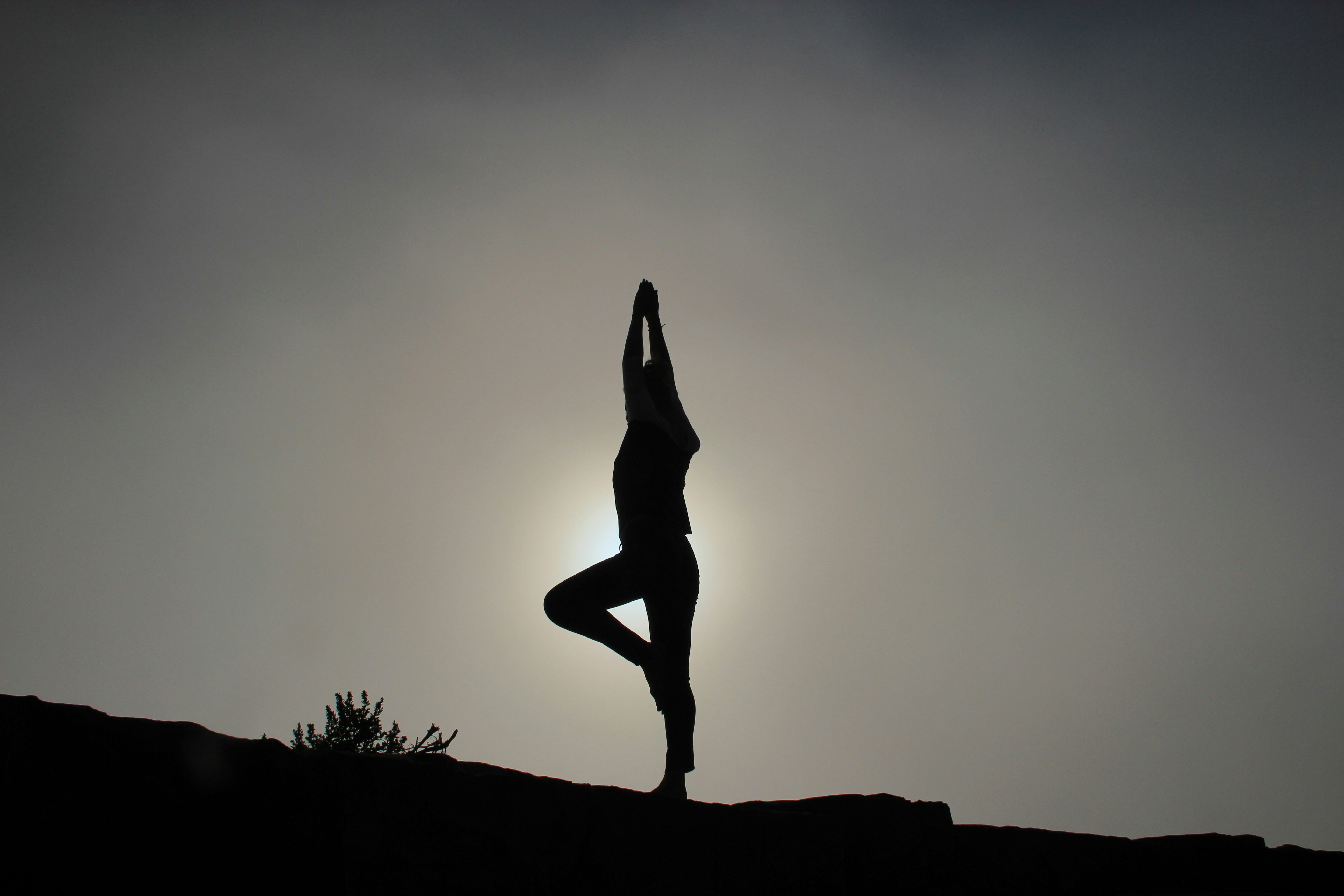
Self-care has become a global phenomenon, with individuals recognizing the importance of prioritizing their physical, mental, and emotional well-being. In recent years, the concept of self-care has gained significant traction, transcending traditional notions of beauty and relaxation. As consumer awareness grows, so does the demand for self-care products and services. This section dives into the shifting consumer preferences and increasing demand for self-care.
- The Growing Emphasis on Wellness: Consumers are increasingly conscious of maintaining a holistic approach to self-care, encompassing not only physical aspects but also mental and emotional well-being. They seek products and experiences that nurture their overall wellness, from skincare and aromatherapy to meditation apps and wellness retreats.
- Self-Care as a Gateway to Authenticity: In an era marked by digital overload and societal pressures, consumers strive for authentic connections with themselves. They are drawn to self-care practices that promote self-reflection, inner growth, and self-exploration. Techniques such as journaling, mindfulness, and therapy have become popular ways to cultivate self-awareness and personal transformation.
- Clean and Green Self-Care Options: Consumer preferences have significantly shifted towards clean, green, and sustainable options in the self-care space. Environmentally friendly brands that prioritize natural ingredients, ethical sourcing, and eco-friendly packaging resonate with consumers seeking to minimize their environmental impact. From organic skincare products to reusable home spa essentials, eco-friendly self-care is in high demand.
- Inclusive Self-Care for All: The self-care movement has encouraged inclusivity, fostering the recognition that self-care is not a privilege limited to certain demographics. Consumers increasingly push for diversity in advertisements, inclusive branding, and marketing strategies that cater to a wider range of skin tones, body sizes, age groups, and gender identities. Brands that embrace inclusivity stand to capitalize on this evolving consumer preference.
- Customized Self-Care Experiences: As consumers become more discerning, they seek personalized self-care experiences that cater to their unique needs. From tailored skincare regimes and personalized wellness subscriptions to online self-care assessments, consumers appreciate the convenience and customization offered by brands that can meet their individual preferences.
- Technology-Enabled Self-Care Solutions: The proliferation of technology has also influenced the self-care landscape. Consumers readily adopt tech-enabled solutions such as wellness apps, fitness trackers, smart beauty devices, and online communities that add convenience and streamline their self-care routines. Technology serves as a facilitator, connecting like-minded individuals and empowering users to take control of their well-being.
The consumer demand for self-care has transformed the traditional notion of indulgence into a vital practice rooted in holistic wellness. The preferences of consumers for clean, inclusive, and personalized experiences have pushed brands to innovate and adapt to meet this evolving demand. As the self-care movement continues to gain momentum, businesses that align with these shifting preferences and ethical mindsets will thrive in this ever-growing market.
Industry Players and Competition in the Self-Care Market
The self-care market has seen substantial growth in recent years, as more individuals prioritize their well-being and seek out products and services that enhance their physical and mental health. With the increasing demand for self-care solutions, it's no wonder that numerous industry players have emerged to meet the needs of consumers. This section explores some of the key players and the competitive landscape within the self-care industry.
Beauty and Personal Care Brands
Beauty and personal care brands have long been associated with self-care. They offer a wide range of products, including skincare, haircare, and bath and body products, that help consumers feel pampered and nurtured. Companies like L'Oréal, Unilever, and Estée Lauder dominate this space, leveraging their extensive resources and marketing capabilities to reach a global audience. These brands often focus on delivering products that promote self-care through indulgence and relaxation.
Wellness and Lifestyle Brands
Wellness and lifestyle brands have gained significant traction in the self-care market by positioning themselves as holistic solutions for overall well-being. These brands go beyond beauty and personal care products, offering a wide range of services and experiences. Companies like Goop, Equinox, and Peloton have successfully tapped into the self-care trend by promoting a comprehensive approach to wellness. They often blend products, services, and content to provide consumers with a curated self-care experience.
Mental Health and Meditation Apps
Recognizing the growing need for mental well-being, mental health and meditation apps have emerged as major players in the self-care market. Apps like Headspace, Calm, and Insight Timer provide guided meditation, mindfulness exercises, and therapy resources to help users manage stress, anxiety, and improve mental resilience. These apps offer personalized self-care solutions and have gained significant prominence as consumers increasingly prioritize their mental health.
Subscription Boxes and Curated Experiences
Subscription boxes and curated experiences have revolutionized the self-care market by offering consumers a surprise-filled package of products tailored to their preferences. Brands like FabFitFun, Birchbox, and Causebox curate a diverse range of self-care items, including skincare products, wellness essentials, and lifestyle goods. By delivering curated experiences directly to consumers' doorsteps, these brands create a sense of excitement and discovery while providing accessible self-care options.
Competitive Landscape
The self-care market is highly competitive, with companies vying for consumer attention and loyalty. Innovation, product quality, effective marketing, and understanding consumer preferences are key differentiators in this industry. Brands that can adapt quickly, offer a unique value proposition, and build strong customer relationships have a higher chance of success.
Moreover, the COVID-19 pandemic has further accelerated the self-care trend, leading to increased competition within the industry. Traditional players are expanding their self-care product lines, while new startups are entering the market with innovative offerings. This dynamic landscape drives constant evolution and ensures that consumers have access to an ever-expanding array of self-care options.
In this competitive environment, staying on top of emerging trends and customer behaviors is crucial for industry players. By leveraging platforms like Treendly, companies can identify rising self-care topics, anticipate consumer demands, and tailor their offerings accordingly. This helps them gain a competitive advantage and better position themselves in the market.
In conclusion, the self-care industry comprises various players across different sectors, each offering their own unique approach to enhancing well-being. From beauty and personal care brands to wellness and lifestyle companies, mental health apps, and subscription box services, the self-care market is diverse and competitive. As companies continue to innovate and consumers prioritize self-care, the industry is expected to grow further, with new players entering the market and existing ones adapting to meet changing consumer preferences.
Technological Innovations Revolutionizing Self-Care

Self-care has become an increasingly important aspect of modern living, as individuals strive to prioritize their physical, mental, and emotional well-being. In this digital age, technology has played a significant role in empowering individuals to take control of their self-care routines and lead healthier and more balanced lives. From wearables to mobile applications, technological innovations have revolutionized the way we approach self-care. Let's delve into some of the recent technological advancements that are shaping the future of self-care.
Smart Wearables
Smart wearables, like fitness trackers and smartwatches, have gained tremendous popularity in recent years. These devices not only track physical activities but also monitor vital signs, sleep patterns, and stress levels, offering users valuable insights into their overall well-being. With features such as heart rate monitoring, sleep tracking, and guided breathing exercises, wearables enable individuals to actively monitor and manage their health. They help users set goals, track progress, and make informed decisions about exercise, sleep, and stress management.
Mobile Applications and Digital Platforms
Mobile applications and digital platforms have emerged as powerful tools for self-care, providing individuals with easy access to a wide range of resources and services. These applications cover various aspects of self-care, including meditation, mental health, nutrition, fitness, and mindfulness. Mobile apps like Calm and Headspace offer guided meditations and relaxing sounds to reduce stress and improve mental well-being. They also provide personalized recommendations and insights based on user data, catering to individual needs and goals. Similarly, nutrition and fitness apps offer customized diet plans, workout routines, and progress tracking, helping users adopt healthier lifestyles.
Virtual Reality (VR)
Virtual reality technology is making its way into the realm of self-care, offering immersive experiences to enhance well-being. VR applications are being developed to address various aspects of self-care, such as pain management, stress reduction, and mental health treatment. For instance, VR-based relaxation experiences can transport individuals to serene environments, helping them reduce anxiety and unwind. Additionally, virtual reality is also being used in therapy to treat conditions like post-traumatic stress disorder (PTSD), phobias, and anxiety disorders. The immersive nature of VR allows users to confront their fears in a controlled environment, facilitating gradual exposure therapy.
Telemedicine and Remote Healthcare
Telemedicine and remote healthcare technologies have gained significant traction, particularly in recent times. These innovations allow individuals to access medical professionals and receive healthcare services remotely, reducing the need for in-person visits. Telehealth platforms enable virtual consultations with doctors, therapists, and specialists, making healthcare more efficient and accessible. Whether it's routine check-ups, medication management, or mental health support, remote healthcare technologies have transformed the way individuals seek and receive care, contributing to self-care in the process.
Closing Thoughts
With the rapid advancement of technology, self-care has gone beyond mere traditional practices, incorporating the power of innovation into our daily lives. Smart wearables, mobile applications, virtual reality, and telemedicine are just a few examples of how technology is revolutionizing self-care. These advancements empower individuals to actively monitor and manage their physical and mental well-being, fostering a proactive approach to self-care. As technology continues to evolve, we can expect further innovations that will enhance our self-care routines and help us lead healthier and more fulfilling lives.
The Influence of Regional Trends and Cultural Factors on Self-Care Practices

Self-care has become increasingly popular over the years as people realize the importance of attending to their physical, mental, and emotional well-being. While self-care is a universal concept, regional trends and cultural influences play a significant role in shaping how individuals engage with this practice. From different self-care rituals and approaches to unique cultural beliefs and societal expectations, these factors contribute to the diversity and variation in self-care practices worldwide.
East Asia: Emphasizing Mind-Body Harmony and Traditional Practices
In East Asia, self-care practices are often deeply rooted in ancient traditions and philosophies such as Traditional Chinese Medicine (TCM) and Ayurveda. The concept of mind-body harmony is a common thread across countries like China, Japan, and South Korea.
In China, practices such as acupuncture, herbal medicine, and tai chi are commonly embraced for self-care purposes. These practices focus on achieving balance and harmony within the body. Similarly, Japanese culture highlights the importance of self-care through practices like meditation, tea ceremonies, and forest bathing, where individuals seek solace and a connection to nature. South Korea, on the other hand, has popularized skincare as an essential part of self-care, with a multi-step skincare routine known as the "K-beauty" trend.
Western Countries: Personal Growth and Mental Well-being
In Western countries, self-care has evolved as a response to the fast-paced, stress-inducing lifestyles many individuals lead. Self-care practices in these regions tend to emphasize personal growth, mental well-being, and taking time for oneself.
In the United States, self-care is often associated with engaging in activities that promote relaxation and stress reduction. This can include practices like yoga, meditation, journaling, and mindfulness. Personal development, including self-help books and workshops, is also a prevalent aspect of self-care in Western culture.
In Europe, self-care practices vary across countries but often reflect a focus on holistic well-being. Nordic countries, such as Finland and Norway, embrace the concept of "hygge," which entails creating a cozy and comfortable environment as a way to promote self-care. Additionally, countries like France and Italy emphasize the importance of enjoying quality food and drink, and the notion of "slow living" as a form of self-care.
Middle East: Rituals and Self-reflection
In the Middle East, self-care practices are often influenced by cultural and religious traditions. Islam, the dominant religion in the region, promotes self-care as a way to maintain physical and spiritual well-being.
Rituals such as prayer, fasting during Ramadan, and pilgrimage to Mecca are considered forms of self-care deeply rooted in Muslim traditions. In addition, practices like hammam (traditional Turkish bath), henna application, and using natural ingredients for skincare and hair care are common self-care rituals across several Middle Eastern countries.
African Countries: Communal Care and Holistic Approaches
In many African countries, self-care practices are deeply rooted in communal care, with a strong focus on interconnectedness and holistic well-being.
In countries like South Africa, the concept of "Ubuntu" highlights the interconnectedness of individuals and the importance of caring for one another. Self-care practices often involve community gatherings, storytelling, and engaging in traditional dances or music.
Additionally, African cultures place a strong emphasis on nature and natural remedies. The use of herbs, plants, and oils for self-care, particularly in skincare and herbal medicine, is a prevalent practice across many African countries.
Conclusion
Self-care practices vary greatly across different regions, influenced by cultural factors, historical traditions, and societal expectations. Understanding and appreciating these regional trends and cultural influences can provide valuable insights into the diverse ways individuals prioritize and engage in self-care. By acknowledging and embracing these variations, we can foster a more inclusive and comprehensive approach to self-care practices worldwide.
The Rise of Social Media Influencers in the Self-Care Movement

In recent years, self-care has emerged as a popular trend and a highly discussed topic across various social media platforms. With an increasing number of individuals prioritizing their well-being, social media platforms have become instrumental in spreading awareness and inspiring the adoption of self-care practices. At the forefront of this movement are social media influencers, who have played a significant role in the promotion and normalization of self-care practices.
The Power of Influence
Social media influencers, with their substantial online following and persuasive abilities, have become key figures in shaping consumer behavior and trends. As more people turn to digital platforms for information and inspiration, influencers have built trust and credibility with their audiences. This trust positions them as ideal spokespeople for promoting self-care practices and products.
Authentic and Relatable Content
Unlike traditional advertising, influencers bring a personal touch to the promotion of self-care. They often share their own self-care routines, tips, and experiences, making their content more relatable and authentic. By incorporating self-care into their daily lives, influencers demonstrate its importance and effectiveness, encouraging their followers to do the same. This relatability allows influencers to establish a deeper connection with their audience, fostering trust and loyalty.
Diverse Range of Self-Care Practices
The self-care movement encompasses a wide range of practices, from mental and emotional well-being to physical health and beauty. Social media influencers have helped diversify and expand the understanding of self-care by showcasing various practices and techniques. For example, fitness influencers promote physical self-care through workout routines and healthy living tips, while beauty influencers emphasize the importance of skincare and self-pampering. This variety allows individuals to find self-care practices that resonate with them and cater to their specific needs.
Influencer Partnerships and Brand Collaborations
Collaborations between influencers and brands have also contributed to the growth of the self-care movement. Influencers often partner with health, wellness, and beauty brands to create sponsored content that educates their audience on the benefits of specific self-care products. These partnerships introduce followers to new brands and provide them with insights into products that align with their self-care routines. By leveraging the influencer's reach and influence, brands can effectively promote their self-care offerings and increase their market visibility.
Responsible Influence and Empowering Choices
While influencers have played a significant role in popularizing self-care, it is essential for both influencers and consumers to prioritize responsible influence. Influencers need to provide accurate information, advocate for ethical practices, and ensure transparency in their partnerships with brands. In turn, consumers should be critical and discerning, considering their own needs and preferences when adopting self-care practices. By empowering individuals to make informed choices, social media influencers can contribute to a more conscious and sustainable self-care movement.
In conclusion, social media influencers have been pivotal in driving the self-care movement on digital platforms. Their relatable content, diverse perspectives, and partnerships with brands have propelled the adoption of self-care practices and products among their followers. However, it is crucial for influencers and consumers alike to approach self-care responsibly and make informed choices to ensure its long-term success.
The Future Outlook and Forecast for the Self-care Trend

The self-care trend has seen significant growth in recent years as more people prioritize their mental and physical well-being. This trend is driven by a growing awareness of the importance of self-care and a recognition of the negative impact of stress and burnout on overall health. With the COVID-19 pandemic further emphasizing the need for self-care, it is expected that this trend will continue to gain momentum in the future.
Increasing Demand for Self-care Products and Services
One of the key aspects of the self-care trend is the increasing demand for products and services that promote well-being. This includes items such as skincare and beauty products, relaxation tools, fitness equipment, and wellness services like massage therapy and meditation classes. As people become more conscious of the importance of self-care, they are investing in these offerings to enhance their personal wellness routines.
According to a report by Grand View Research, the global self-care products market is projected to reach $255.3 billion by 2026. This indicates a promising future for businesses operating in this space.
Technological Advancements in Self-care
Technology is expected to play a crucial role in the future of self-care. Various technological advancements and innovations are already enabling individuals to better track and manage their health and well-being. From wearable fitness trackers to mindfulness apps, these digital tools provide individuals with personalized insights and recommendations to support their self-care practices.
Virtual reality (VR) technology is one area that shows immense potential for the self-care trend. VR can provide immersive and therapeutic experiences, helping individuals to relax, manage stress, and practice mindfulness. It has the potential to revolutionize relaxation techniques and make self-care more accessible and engaging.
Integration of Self-care in Workplaces
Another noteworthy trend in the self-care space is the increasing emphasis on incorporating self-care practices into workplaces. Employers are recognizing the impact of stress and burnout on employee well-being and productivity. As a result, many companies are implementing initiatives that promote self-care and work-life balance among their employees.
This includes providing access to wellness programs, offering flexible work arrangements, and creating supportive environments that encourage self-care practices. These efforts aim to enhance employee satisfaction, reduce absenteeism, and boost overall productivity.
Conclusion
The future outlook for the self-care trend appears favorable, with increasing demand for self-care products and services, technological advancements, and the integration of self-care in workplaces. As people become more health-conscious and prioritize their well-being, the self-care trend is likely to continue growing.
Businesses operating in the self-care industry should stay attuned to evolving consumer needs and preferences. By offering innovative and accessible self-care solutions, they can capitalize on the opportunities presented by this thriving trend.
Key Findings and Insights: The Rise of Self-Care

Self-care has rapidly emerged as a dominant trend in recent years, becoming a mainstream practice across different demographics. This trend reflects a fundamental shift in societal attitudes towards prioritizing personal well-being. From skincare routines and mindfulness exercises to luxurious spa getaways, people are increasingly seeking and investing in self-care activities and products to enhance their physical, mental, and emotional well-being.
The Power of Self-Care in Stress Management: A significant driver behind the popularity of self-care is its ability to alleviate stress. Today's fast-paced, digitally-connected society has generated an atmosphere of constant busyness and pressure, leading to increased stress levels. Self-care provides an essential means of self-empowerment, enabling individuals to manage stress in healthy and proactive ways. By engaging in activities that promote relaxation and mindfulness, such as taking a hot bath or practicing yoga, individuals can effectively combat stress, boost their mood, and improve their overall well-being.
The Holistic Approach to Health and Wellness: Self-care is not limited to physical health; it encompasses a holistic approach to well-being, considering mental, emotional, and spiritual aspects as well. In this context, self-care involves practices such as meditation, journaling, therapy, and setting boundaries. This trend reflects a growing awareness and acceptance of the interconnectedness between these different dimensions of health. People are recognizing the importance of maintaining a balance between work, relationships, and personal time, and are incorporating self-care routines to nurture and restore each dimension.
The Influence of Social Media in Self-Care Trends: The rise of self-care has been strongly influenced by the growth of social media. Platforms like Instagram and YouTube have become powerful vehicles for self-care influencers and brands to showcase and promote self-care practices, products, and rituals. These platforms offer aspirational and relatable content, allowing individuals to discover new ideas and incorporate self-care into their own lives. However, it is important to recognize that social media can also create unrealistic expectations and put pressure on individuals to engage in self-care activities that may not be suitable or accessible to everyone.
The Commercialization of Self-Care: As self-care continues to gain popularity, the market has responded by introducing a wide range of self-care products and services. Skincare products, aromatherapy, spa treatments, and wellness subscriptions are just a few examples of the commercial offerings in this space. However, it is crucial for consumers to be discerning and mindful of the authenticity and efficacy of these products. Genuine self-care should prioritize individual needs and choices rather than being solely driven by consumer trends or external pressure.