
:max_bytes(150000):strip_icc()/wood-tick-171137658-5bf1414e46e0fb00514ce328.jpg)
Emerging Trend: The Surge in Parasitic Infections and its Impact on Public Health

The Rising Trend of Parasitic Infections: Exploring Origins and Popularity
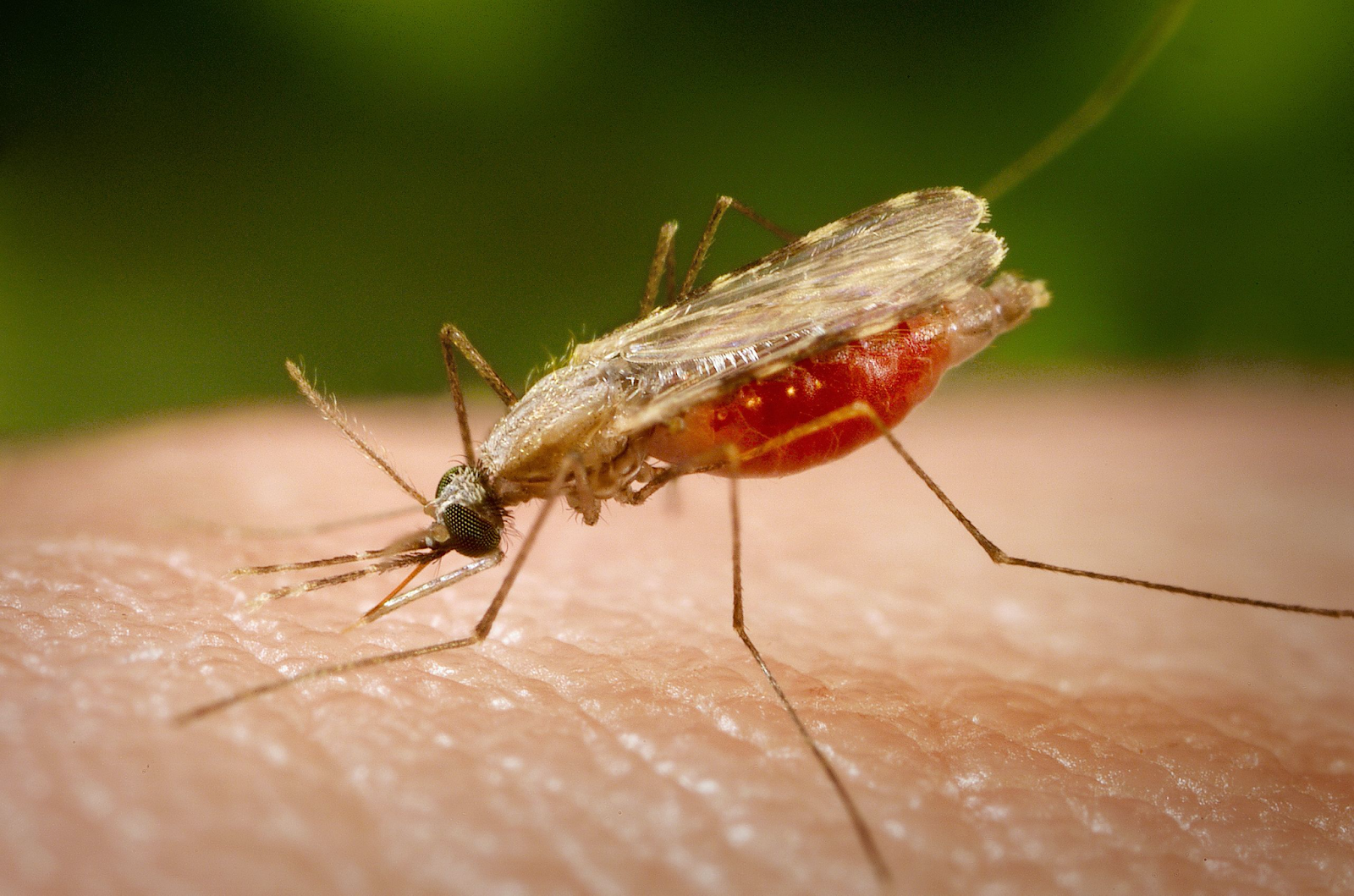
Parasitic infection, also known as parasitism, is a condition caused by the invasion of parasites into a host organism. These parasites, which include protozoans, helminths, and arthropods, rely on the host for their survival and often cause harm or disease in the process. In recent years, there has been a growing popularity surrounding the topic of parasitic infections due to various factors.
Origins of Parasitic Infections:
Parasitic infections have existed throughout human history, often arising from interactions with the natural environment. Many parasites have complex life cycles, involving stages within both humans and other animal hosts, as well as the external environment. These infections can be acquired through various means, including the consumption of contaminated food or water, exposure to infected animals or insects, or through direct contact with infected individuals.
Popularity among Various Demographics:
- Health and Wellness Enthusiasts: Parasitic infections have gained attention within the health and wellness community as an area of concern and interest. The rise in popularity of alternative medicine and natural remedies has led to an increased focus on parasitic infections as a possible cause of unexplained symptoms or chronic health conditions. Some individuals have sought out parasitic cleanses or invested in alternative therapies to address suspected infections, even without clear medical evidence supporting their claims.
- Travelers and Adventurers: Parasitic infections are a recurring concern for individuals who travel to regions with poor sanitation infrastructure or endemic areas where certain parasites are prevalent. Travelers and adventurers often face a higher risk of exposure, making the topic of parasitic infections relevant and important to this demographic.
- Medical Professionals and Researchers: Parasitic infections have been a longstanding area of study for medical professionals and researchers worldwide. Understanding the various parasites, their transmission mechanisms, and developing effective diagnostic tools and treatment strategies plays a crucial role in the field of infectious diseases. Ongoing research and advancements in this area contribute to the popularity of parasitic infection discussions within the medical community.
Parasitic infections have gained popularity across various demographics due to increasing awareness and interest in health and wellness, the risks associated with travel, and the ongoing efforts of researchers and medical professionals. However, it is essential to distinguish between scientifically validated information and unsubstantiated claims when discussing parasitic infections. By understanding the origins and factors driving the trend, individuals can make informed decisions regarding their health and seek appropriate medical advice when needed.
Market Size and Growth of Parasitic Infection: Understanding the Global Impact
Parasitic infections remain a substantial global health issue, affecting millions of people worldwide. These infections are caused by various parasites such as protozoa, helminths, and arthropods, which invade and thrive in the human body. The market size and growth of parasitic infections are driven by several factors, including inadequate sanitation, poor hygiene practices, travel to endemic regions, and climate change.
Market Size
The market size of parasitic infections is difficult to determine precisely due to underreporting and inadequate healthcare infrastructure in many affected areas. According to the World Health Organization (WHO), an estimated 3.5 billion people, or almost half of the global population, are at risk of contracting parasitic infections. This staggering figure highlights the sheer scale of the problem.
Parasitic infections are particularly prevalent in tropical and subtropical regions, where the climate provides a suitable environment for parasites to thrive and spread. Some of the most common parasitic infections include malaria, schistosomiasis, and soil-transmitted helminthiasis. These diseases disproportionately affect low-income countries and disadvantaged communities, where access to healthcare and preventative measures is limited.
Growth Trends
The growth of parasitic infections is influenced by multiple factors, including population growth, urbanization, international travel, and changing environmental conditions. As the global population continues to increase, so does the risk of parasitic infections, especially in densely populated areas with inadequate sanitation and hygiene practices.
International travel and migration contribute to the spread of parasitic infections beyond their traditional endemic regions. As individuals visit or relocate to areas with a higher prevalence of these infections, they may unknowingly acquire and transmit parasites to new locations. This movement of people has the potential to introduce previously non-endemic parasites to new areas, further expanding the market for parasite diagnosis, treatment, and prevention.
Climate change is another significant factor that drives the growth of parasitic infections. Rising global temperatures and changing weather patterns can impact the distribution and prevalence of parasites. For example, as temperatures increase, regions that were previously unsuitable for certain parasites may become more hospitable, leading to the emergence of new parasite-infested areas. Additionally, climate change can influence vector-borne parasites, such as those transmitted by mosquitoes or ticks, by expanding their geographical range.
The market size and growth of parasitic infections present a significant challenge for global health. The wide prevalence of these infections, coupled with factors such as population growth, international travel, and climate change, contribute to the expansion of this market. Addressing parasitic infections requires a multi-dimensional approach, involving improved sanitation, access to clean water, education on hygiene practices, and the development of effective diagnostics, treatments, and preventive measures. By understanding the market size and growth trends of parasitic infections, healthcare stakeholders and researchers can better allocate resources and develop strategies to combat these persistent health threats.
Understanding Consumer Demand and Preferences for Parasitic Infection Solutions
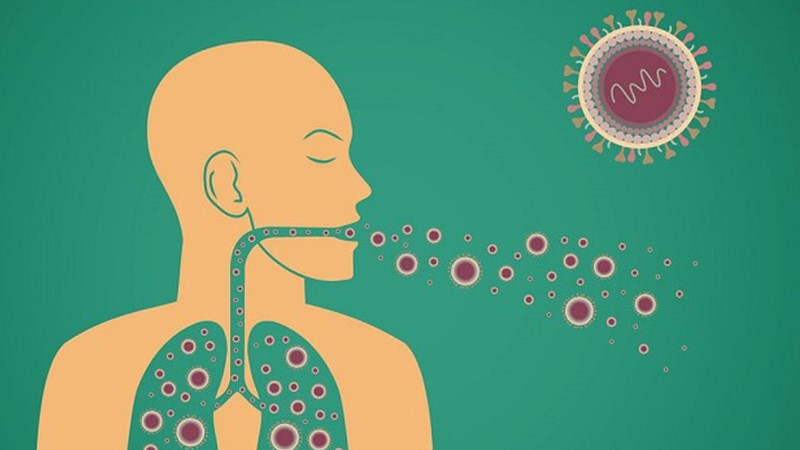
When it comes to consumer demand and preferences, the topic of parasitic infection is a critically important one. Parasitic infections affect millions of people worldwide, and understanding consumer perspectives can guide the development of effective solutions and treatments. This article explores the key aspects of consumer demand, preferences, and considerations when it comes to parasitic infection.
Awareness and Education:
Consumer demand for information and education on parasitic infections is high. People are keen to understand various aspects, including the causes, symptoms, prevention strategies, and treatments available. In recent years, there has been a growing interest in learning about lesser-known parasitic infections such as giardiasis or cryptosporidiosis. As awareness increases, consumers are more likely to adopt preventive measures and seek appropriate medical care.
Accessibility and Affordability:
Consumers often prioritize accessible and affordable solutions for preventing and treating parasitic infections. They seek solutions that are readily available without excessive cost or inconvenience. Over-the-counter (OTC) antiparasitic medications, personal hygiene products, and preventive measures like vaccination or bed netting are preferred options.
Safety and Effectiveness:
The safety and effectiveness of any parasitic infection solution play a crucial role in consumer preferences. Consumers prefer products or treatments that demonstrate high efficacy with minimal side effects. They are more likely to choose medications and interventions that have undergone rigorous testing and approval processes. Natural remedies and alternative treatments are also sought after by a subset of consumers who prefer a holistic or non-pharmaceutical approach.
Product Diversity and Customization:
Consumers appreciate a diverse range of products and solutions for parasitic infections. This includes a variety of medications, preventive measures, personal care products, and diagnostic tools. Personal preferences, such as form factors (e.g., tablets, liquids, or topical applications), play a role in consumer decision-making. Customization of treatments and prevention strategies for specific parasites or individual needs may further enhance consumer satisfaction.
Professional Guidance and Recommendations:
Consumers place significant trust in healthcare professionals and seek their advice when dealing with parasitic infections. They rely on physicians, pharmacists, and other healthcare providers to guide them in selecting appropriate treatment options. Consumer demand often aligns with professional recommendations, especially when there is limited knowledge or uncertainty about the efficacy of specific products or interventions.
Understanding consumer demand and preferences for parasitic infection solutions is vital for developing products and interventions that effectively cater to the needs of individuals facing these challenges. Consumer awareness and education, accessibility and affordability, safety and efficacy, product diversity and customization, as well as professional guidance and recommendations, are crucial factors to consider. By taking these factors into account, researchers, healthcare providers, and businesses can work towards meeting consumer needs and improving public health outcomes.
Understanding the Landscape: Industry Players and Competition in Parasitic Infection
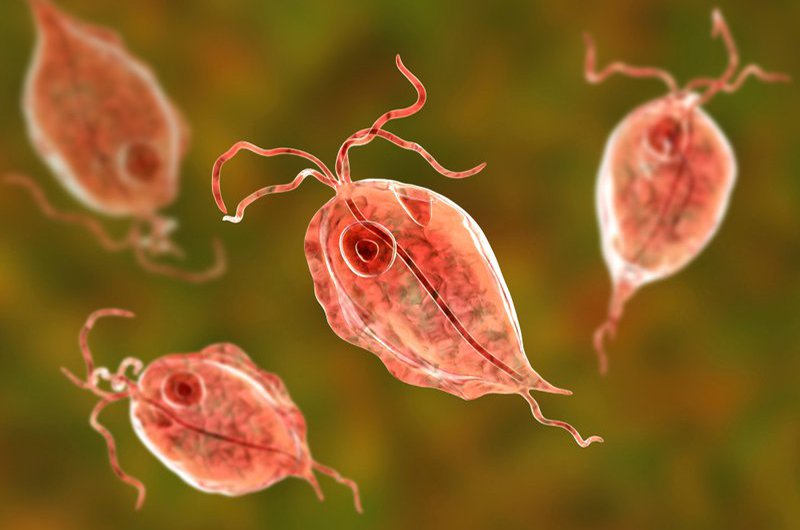
Parasitic infection is a significant global health concern that affects millions of people each year. As the prevalence of parasitic infections continues to rise, various industry players are actively involved in research, development, and treatment of these infections. Understanding the landscape of industry players and competition can offer valuable insights into the efforts made to combat parasitic infections and the potential market opportunities within this sector.
Major Industry Players
Several major players in pharmaceuticals, biotechnology, and healthcare have made significant contributions to the treatment and prevention of parasitic infections. Some of the key industry players include:
- GlaxoSmithKline: GlaxoSmithKline (GSK) is one of the leading pharmaceutical companies actively involved in developing treatments for parasitic infections. With a focus on tropical diseases, GSK has developed drugs for malaria, lymphatic filariasis, and schistosomiasis.
- Merck: Merck, known as MSD outside the United States and Canada, is another prominent player in the field of parasitic infections. The company has a strong emphasis on neglected tropical diseases and has developed drugs for river blindness and schistosomiasis.
- Novartis: Novartis is actively engaged in research and development efforts for parasitic infections. The company has developed drugs for malaria and visceral leishmaniasis, a parasitic disease transmitted by sandflies.
- Johnson & Johnson: Johnson & Johnson has made contributions to the field of parasitic infections through its pharmaceutical division. The company has developed drugs for intestinal parasitic infections, such as helminth infections.
- Sanofi: Sanofi, a global healthcare company, has been involved in research and development of drugs for various parasitic infections, including malaria.
These major industry players have dedicated significant resources to advancing the understanding of parasitic infections and developing effective treatments. Their efforts have not only improved the lives of affected individuals but have also created a competitive landscape within the market.
Competition and Market Opportunities
The industry players in the field of parasitic infection face considerable competition due to the complexity of these infections and the need for innovative solutions. Competition primarily arises in the form of:
- Development of New Drugs: Companies strive to develop new drugs that are more effective, have fewer side effects, and target a broader range of parasitic infections. This competition encourages innovation and drives the search for novel treatment options.
- Diagnostic Tools: Reliable and affordable diagnostic tools are crucial for timely detection and treatment of parasitic infections. Competition exists among companies to develop improved diagnostic methods, including serological tests, microscopy techniques, and molecular diagnostics.
- Access to Emerging Markets: Parasitic infections are more prevalent in low-income regions of the world. Companies compete to gain access to these emerging markets, which creates opportunities for partnerships, collaborations, and development programs tailored for these regions.
- Preventive Measures: Developing effective preventive measures, such as vaccines or vector control strategies, is another area where competition exists among industry players. Companies strive to provide cost-effective and scalable solutions to prevent the transmission of parasitic infections.
As the understanding of parasitic infections and their impact on public health grows, the industry players involved in this sector will continue to face competition while also driving advancements in research, treatment, and prevention.
In conclusion, understanding the landscape of industry players and competition in the field of parasitic infection provides valuable insights into the efforts made to combat these diseases. Major players in the pharmaceutical, biotechnology, and healthcare sectors are actively involved in research and development, striving to improve treatment options and preventive measures. Competition exists in developing new drugs, diagnostic tools, accessing emerging markets, and implementing preventive measures, all of which contribute to the overall progress in combating parasitic infections.
Technological Innovations in the Detection and Treatment of Parasitic Infections
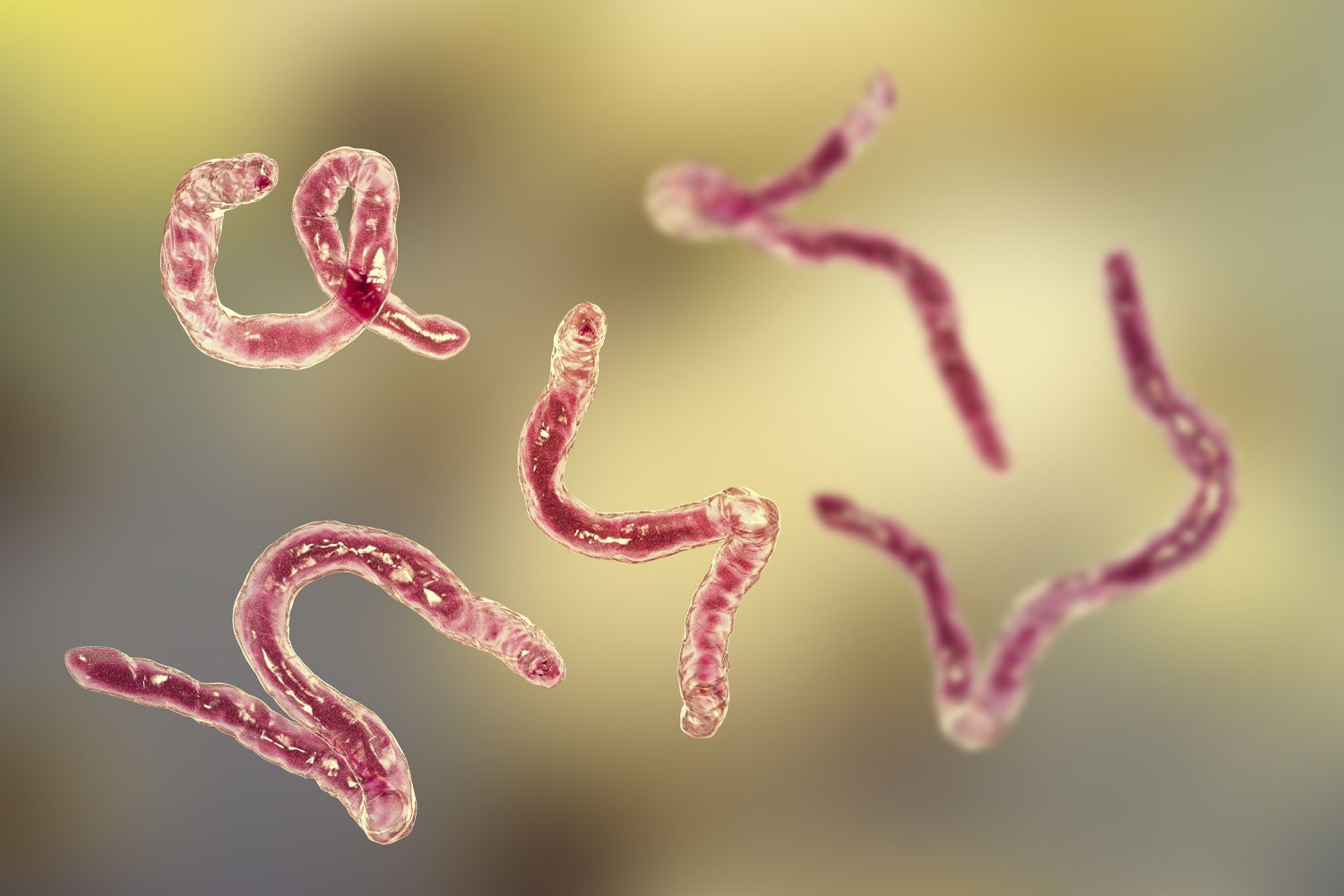
Parasitic infections pose significant threats to global health, affecting billions of people around the world, particularly in developing countries. These infections are caused by various parasites such as malaria, worms, and trypanosomes, and can lead to severe morbidity and mortality if left untreated. Fortunately, advancements in technology have played a crucial role in improving the detection and treatment of parasitic infections. In this article, we will explore some of the recent technological innovations that have revolutionized the field.
Rapid Diagnostic Tests (RDTs)
One of the key challenges in tackling parasitic infections is the accurate and timely diagnosis of the diseases. Traditional diagnosis methods often involve time-consuming laboratory tests, which may not be feasible in resource-limited settings. However, recent developments in RDTs have significantly improved the speed and accuracy of parasite detection. These tests rely on immunochromatographic techniques to detect specific parasitic antigens in patient samples. They provide quick results, require minimal training to use, and are cost-effective, making them essential tools for early detection and treatment.
Genomic Sequencing and Molecular Diagnostics
Genomic sequencing and molecular diagnostic techniques have immensely contributed to understanding the genetic diversity of parasite species and identifying drug-resistant strains. These technologies allow researchers to analyze the DNA or RNA of parasites, helping them develop targeted therapies and track the spread of drug resistance. For instance, in the case of malaria, genomic sequencing has been pivotal in characterizing different strains of the parasite and identifying specific genetic markers associated with drug resistance. Understanding these genetic variations enables scientists to develop more effective treatments and improve strategies for prevention and control.
Point-of-Care Devices
Point-of-care (POC) devices are portable, user-friendly diagnostic tools that can be operated at the patient's bedside, without the need for a laboratory setup. They have proved particularly beneficial in resource-constrained regions with limited access to healthcare facilities. POC devices provide rapid results, allowing healthcare providers to initiate treatment promptly. In the case of parasitic infections, POC devices can aid in the detection of parasites directly from blood or other clinical samples. These devices have the potential to revolutionize the management of parasitic infections by enabling early intervention and preventing disease progression.
Telemedicine and Mobile Health Applications
The widespread availability of smartphones and internet access has facilitated the use of telemedicine and mobile health applications in the management of parasitic infections. These technologies allow remote consultations, diagnostic support, and the delivery of healthcare information to healthcare professionals and patients alike. Through telemedicine, healthcare providers can remotely monitor patients' conditions, offer guidance on treatment plans, and ensure compliance with medications. Mobile health applications also enable individuals to access educational resources, track their symptoms, and receive timely reminders for medication adherence. These advancements support improved patient outcomes and enhance overall healthcare delivery in the context of parasitic infections.
Technological innovations have undeniably transformed the detection and treatment of parasitic infections. Rapid diagnostic tests, genomic sequencing, point-of-care devices, telemedicine, and mobile health applications have collectively revolutionized the field and empowered healthcare professionals in their efforts to combat parasitic diseases. These advancements not only aid in early diagnosis and prompt treatment but also contribute to the prevention and control of parasitic infections on a global scale. As technology continues to progress, we can expect further breakthroughs to enhance the fight against parasitic infections and improve the quality of life for affected individuals.
Regional Trends and Cultural Influences in Parasitic Infections

Parasitic infections are a global health concern, affecting millions of people worldwide. However, the prevalence, types of parasites, and cultural influences surrounding these infections can vary significantly across different regions. Understanding regional trends and cultural factors is crucial for effective prevention, diagnosis, and treatment of parasitic infections. In this section, we will explore some notable regional trends and cultural influences in parasitic infections.
Malaria in Sub-Saharan Africa:
Sub-Saharan Africa experiences the highest burden of malaria globally, with nearly 93% of all malaria cases reported in this region. The primary causative agent is the Plasmodium parasite, which is transmitted through the bite of infected female Anopheles mosquitoes. This high prevalence of malaria in Sub-Saharan Africa is influenced by various factors, including climate conditions, socio-economic disparities, limited access to healthcare services, and cultural practices, such as the lack of knowledge about preventive measures like bed nets and repellents.
Chagas Disease in Latin America:
Chagas disease, caused by the parasite Trypanosoma cruzi, is endemic in several Latin American countries, including Brazil, Bolivia, and Argentina. The infection is mainly transmitted by "kissing bugs" (Triatomine insects) that are commonly found in poverty-stricken rural areas. The cultural influence on Chagas disease is significant, as socio-economic conditions, poor housing infrastructure, and traditional building materials (adobe or thatched roofs) contribute to the presence of kissing bugs within the living environment.
Schistosomiasis in Sub-Saharan Africa and Southeast Asia:
Schistosomiasis, caused by various species of parasitic flatworms (schistosomes), is prevalent in Sub-Saharan Africa and parts of Southeast Asia. The infection occurs when individuals come into contact with freshwater containing infected snails. Cultural practices like fishing, agriculture, and domestic activities involving water increase the risk of exposure to schistosomiasis. Lack of proper sanitation and hygiene, as well as limited access to clean water sources, contribute to the persistence of this infection in these regions.
Taeniasis in Southeast Asia:
Taeniasis, caused by the tapeworm Taenia solium, is particularly prevalent in Southeast Asia. Traditional cultural practices like raw or undercooked pork consumption, common in many Southeast Asian cuisines, increase the risk of acquiring taeniasis. Inadequate meat inspection and poor hygiene during food preparation also contribute to the persistence of this parasitic infection in the region.
Trichomoniasis in North America:
Trichomoniasis, caused by the parasitic protozoan Trichomonas vaginalis, is a prevalent sexually transmitted infection (STI) worldwide. In North America, cultural factors such as taboos around discussing sexual health, limited access to comprehensive sexual education, and lack of STI testing lead to underdiagnosis and underreporting of trichomoniasis. These cultural influences hinder efforts to control the spread of the infection and promote early detection and treatment.
In conclusion, regional trends and cultural influences play significant roles in the prevalence and impact of parasitic infections. These factors shape the transmission dynamics, healthcare practices, and attitudes towards prevention and treatment in different parts of the world. Recognizing and addressing these regional trends and cultural influences are crucial for effective control and management of parasitic infections.
Unveiling the Power of Social Media Influencers in Combating Parasitic Infections

In recent years, social media has emerged as a powerful tool for disseminating information, shaping public opinion, and promoting products and services. However, its impact extends beyond conventional areas to encompass important social issues such as public health. This article explores how social media influencers are playing a significant role in raising awareness about parasitic infections, combating myths and misconceptions, and promoting preventive measures.
Influencers as Advocates for Parasitic Infection Awareness:
Social media influencers have harnessed their reach and engagement to raise awareness about parasitic infections. By leveraging their platforms, influencers share educational content on various platforms, ranging from Instagram posts to YouTube videos, highlighting the risks, symptoms, and methods of prevention for these infections.
For instance, influencers collaborate with relevant health organizations and experts to create informative content on the most common parasitic infections. These collaborations help debunk myths, provide accurate information, and empower their followers to make informed decisions regarding prevention and treatment.
Storytelling to Humanize the Impact of Parasitic Infections:
One of the unique aspects of social media is its ability to create emotional connections through storytelling. Influencers often share personal experiences or interviews with individuals affected by parasitic infections, which helps raise awareness and empathy among their followers.
These stories humanize the consequences of these infections and showcase the hardships faced by those affected. By giving a face to these infections, influencers can drive home the importance of preventive measures, hygiene practices, and timely medical intervention.
Leveraging Influencer Networks for Advocacy:
Social media influencers often collaborate with other influencers and healthcare professionals to create a network of advocates against parasitic infections. These collaborations amplify the message and reach wider audiences, enabling the dissemination of accurate information and increasing engagement on the topic.
Influencer networks also serve as platforms for discussion, sharing personal experiences, and creating support systems for individuals affected by parasitic infections. These networks play a crucial role in breaking the stigma associated with these infections and fostering a sense of community among those affected.
Promoting Preventive Measures and Treatment:
Beyond raising awareness, social media influencers play a vital role in promoting preventive measures and correct treatment approaches. They use their platforms to share tips, guidelines, and expert advice on personal hygiene, sanitation practices, and the importance of seeking medical help early.
By leveraging their influence, these individuals encourage their followers to adopt healthy practices, undergo regular check-ups, and follow prescribed treatment plans. This proactive approach can significantly reduce the risk of parasitic infections and ensure early diagnosis and treatment.
Social media influencers have proven to be powerful agents of change in the fight against parasitic infections. Their ability to raise awareness, debunk myths, share personal experiences, and promote preventive measures is invaluable in combating these health challenges. As they continue to use their platforms to educate and advocate for change, the influence of social media in the realm of public health will only grow stronger.
Future Outlook and Forecast of Parasitic Infections
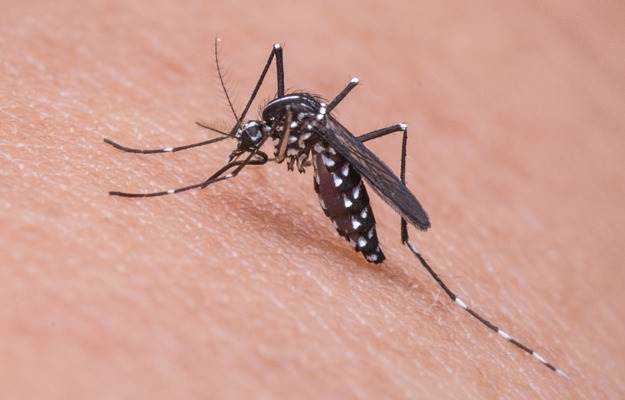
Parasitic infections have been a significant health concern throughout history, affecting millions of people worldwide. These infections often result from exposure to parasites such as helminths (worms) and protozoa, which can invade and reside in various organs and tissues. While significant strides have been made in controlling and treating parasitic infections, understanding their future outlook and forecasting potential trends remains paramount in the field of public health.
- Emergence of Drug-Resistant Strains: One major concern for the future of parasitic infections is the potential emergence of drug-resistant strains. Over time, parasites can develop resistance to commonly used antiparasitic drugs, making them less effective. This phenomenon has been observed in various parasites, including Plasmodium falciparum, the causative agent of malaria, and helminths like Schistosoma spp. and Ascaris lumbricoides. As drug resistance continues to evolve, it poses a considerable challenge in the effective treatment and management of parasitic infections.
- Climate Change and Vector-Borne Infections: Climate change has the potential to impact the distribution and prevalence of vector-borne parasitic infections. Changes in temperature and precipitation patterns can influence the survival and reproduction of parasite-carrying vectors, such as mosquitoes and ticks. As a result, areas that were previously considered low-risk for certain parasitic infections might experience a rise in cases. Additionally, shifting climates may allow the expansion of vector habitats, leading to the emergence of parasitic infections in new geographical regions.
- Travel and Globalization: With increased international travel and globalization, the risk of spreading parasitic infections across borders also rises. Individuals traveling to regions with high endemicity of different parasites can act as carriers, potentially introducing these infections to regions with low incidence. This interconnectedness highlights the need for robust surveillance systems, awareness campaigns, and preventive measures to mitigate the global spread of parasitic infections.
- Advancements in Diagnostic Techniques: As technology evolves, there is a potential for significant advancements in diagnostic techniques for parasitic infections. Traditional diagnostic methods, such as microscopic examination and serological tests, may be complemented or replaced by more sensitive and specific molecular-based technologies. Techniques such as polymerase chain reaction (PCR) and next-generation sequencing (NGS) have shown promise in improving the accuracy and speed of diagnosis. These advancements can lead to earlier detection, appropriate treatment, and better management of parasitic infections.
- Preventive Strategies and Vaccines: The development of effective preventive strategies and vaccines against parasitic infections remains a crucial area of research. Vaccines have played a significant role in controlling and eradicating several infectious diseases. While there are relatively few vaccines currently available for parasitic infections, ongoing research is focused on identifying target antigens and developing effective vaccines against parasites like malaria, schistosomiasis, and leishmaniasis. The successful development and implementation of effective vaccines can have a substantial impact on reducing the burden of parasitic infections globally.
In conclusion, the future outlook of parasitic infections encompasses both challenges and opportunities. The emergence of drug-resistant strains, the impact of climate change on vector-borne infections, globalization, advancements in diagnostic techniques, and the development of preventive strategies and vaccines all shape the future of this trend. A comprehensive understanding of these factors will be essential in formulating effective preventive measures, improving diagnostic capabilities, and developing innovative treatment approaches for parasitic infections.
The Rising Concern of Parasitic Infections: Key Findings and Insights
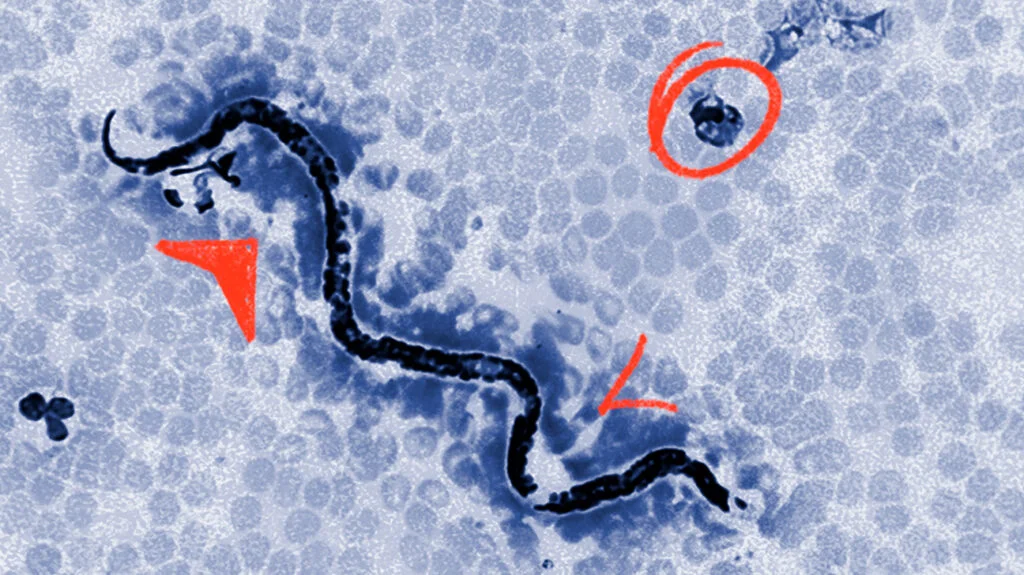
Parasitic infections have become a growing concern in recent years, affecting millions of people worldwide. As these infections pose significant health risks and challenges for healthcare systems, understanding the key findings and insights surrounding this trend is crucial. This recap aims to highlight the main discoveries in the field of parasitic infections and shed light on the important implications they hold for public health.
Key Findings:
- Prevalence: Parasitic infections are a global health issue, affecting individuals in both developed and developing countries. According to the World Health Organization (WHO), billions of people worldwide are at risk of contracting parasitic infections, with some of the most common ones being malaria, schistosomiasis, and trypanosomiasis. These infections tend to be more prevalent in tropical and subtropical regions but are not restricted to these areas.
- Impact on Health: Parasitic infections have serious consequences for human health. They can cause a wide range of symptoms, including fatigue, anemia, gastrointestinal issues, organ damage, and in severe cases, even death. Furthermore, some parasitic infections can lead to long-term complications, such as cognitive impairments and developmental delays in children.
- Transmission Routes: Parasitic infections can be transmitted through various routes, including contact with contaminated water or soil, consumption of undercooked or contaminated food, and through vectors such as mosquitoes or flies. Lack of access to clean water, proper sanitation facilities, and hygiene education increases the risk of infection in many regions.
- Emerging and Re-emerging Infections: Over the past decade, several parasitic diseases that were once thought to be under control have surged back or emerged in new areas. Factors contributing to this resurgence include urbanization, population movement, climate change, and increased resistance to drugs commonly used for treatment.
- Public Health Challenges: The rise in parasitic infections presents significant challenges for public health systems. Diagnosis can be complex and often requires specialized laboratory facilities and skilled personnel. Treatment options are limited, and drug resistance is a major concern. Additionally, controlling the vectors that transmit these infections, such as mosquitoes and snails, poses further challenges.
Insights and Implications:
- Improved Surveillance and Diagnosis: Enhancing surveillance and diagnostic capabilities is crucial to accurately track the prevalence and distribution of parasitic infections. This involves the development of rapid and cost-effective diagnostic tools accessible to healthcare providers in resource-limited settings.
- Targeted Interventions: To effectively combat parasitic infections, interventions should focus on multiple fronts. This includes promoting proper sanitation and hygiene practices, ensuring access to clean water, implementing vector control strategies, and improving treatment options through research and development.
- Education and Awareness: Raising public awareness about the risks associated with parasitic infections is essential. Education campaigns should emphasize preventive measures, such as using insect repellents, practicing safe food preparation, and seeking prompt medical attention for symptoms suggestive of parasitic infections.
- Collaboration and Research: International collaboration and research efforts are necessary to tackle the challenges posed by parasitic infections. This includes fostering partnerships between governments, research institutions, pharmaceutical companies, and non-profit organizations to develop innovative solutions, including new drugs and vaccines.