

Emerging Applications of Machine Learning: Unveiling the Latest Trend Predictions

The Rise of Machine Learning: Unleashing the Power of Artificial Intelligence

In recent years, machine learning has emerged as a cutting-edge technological trend that is revolutionizing industries across the globe. By leveraging the power of artificial intelligence (AI), machine learning enables computers to learn and improve from experience without being explicitly programmed. This transformative technology is rapidly gaining popularity and is being embraced by a diverse range of industries and demographics.
What is Machine Learning?
At its core, machine learning is a subset of AI that focuses on training algorithms to automatically learn patterns and make accurate predictions or decisions without explicit human intervention. It involves analyzing vast amounts of data, identifying trends, and developing predictive models to automate decision-making processes.
Origins of Machine Learning:
Although the concept of machine learning emerged in the 1950s, it was not until recently that advancements in computing power, data availability, and algorithmic innovation propelled this field to new heights. Early pioneers such as Arthur Samuel and Alan Turing laid the foundations for machine learning by introducing concepts like neural networks and the idea of a "learning machine."
Popularity and Adoption:
Machine learning's popularity stems from its ability to tackle complex problems and deliver valuable insights. Businesses across industries, including finance, healthcare, retail, and manufacturing, are recognizing the potential of machine learning in unlocking data-driven decision-making and enhancing operational efficiency.
In addition to business applications, machine learning has also gained popularity among individuals. Data-driven personal assistants like Siri and Alexa rely on machine learning algorithms to understand and respond to user queries, while personalized recommendations on streaming platforms like Netflix are powered by machine learning models.
Moreover, the rise of social media and the proliferation of connected devices have contributed to the popularity of machine learning. Machine learning algorithms play a pivotal role in analyzing social media data, enabling sentiment analysis, detecting fraud, and driving targeted advertising.
As machine learning continues to advance and the demand for data-driven insights increases, its popularity is expected to soar. Innovations in deep learning, natural language processing, and reinforcement learning are pushing the boundaries of what is possible with AI-driven technology. Embracing machine learning can provide businesses and individuals with a competitive advantage in harnessing the potential of data and making informed decisions in our increasingly interconnected world.
Market Size and Growth of Machine Learning
Machine learning has emerged as one of the most powerful and transformative technologies of the digital era. From virtual assistants to autonomous vehicles, machine learning applications are becoming increasingly prevalent across industries. As businesses seek to leverage data-driven insights to gain a competitive edge, the market for machine learning continues to experience exponential growth.
Current Market Size of Machine Learning
The global machine learning market is witnessing remarkable growth. According to a report by Grand View Research, the market size was valued at $8.43 billion in 2020 and is expected to reach $117.19 billion by 2028, growing at a CAGR of 39.2% during the forecast period. This significant growth can be attributed to several factors.
Firstly, the explosive growth in data generation across various industries has created a pressing need for robust machine learning algorithms and tools to extract valuable insights from vast datasets. Organizations are increasingly realizing the potential of machine learning in enhancing customer experiences, optimizing operations, and making data-driven decisions.
Secondly, advancements in computing power and cloud technologies have made machine learning more accessible to businesses of all sizes. The availability of scalable cloud platforms and affordable hardware has enabled organizations to implement and deploy machine learning models more efficiently, further driving market growth.
Factors Driving the Growth of Machine Learning
Several key factors are contributing to the sustained growth of the machine learning market:
- Increasing Demand for Predictive Analysis: By leveraging machine learning algorithms, businesses can predict outcomes, trends, and consumer behavior, leading to more effective decision-making and improved competitiveness.
- Rapid Technological Advancements: The ongoing advancements in areas such as natural language processing, computer vision, and deep learning have expanded the possibilities for machine learning applications, attracting more organizations to adopt these technologies.
- Growing Adoption Across Industries: Machine learning is being adopted across various sectors, including healthcare, finance, retail, manufacturing, and transportation. This broad industry adoption is fueling the expansion of the market.
- Emphasis on Business Process Automation: Organizations are increasingly turning to machine learning to automate repetitive tasks, optimize processes, and reduce operational costs. This trend is driving the market growth as businesses strive for increased efficiency.
- Rising Availability of Big Data: As the volume of data being generated continues to surge, organizations are recognizing the need to extract valuable insights from this data. Machine learning algorithms play a crucial role in analyzing large datasets and uncovering patterns, insights, and trends.
Future Growth Opportunities
The future of the machine learning market holds immense potential for further growth and innovation. As the technology matures and becomes more integrated into various industries, several opportunities are expected to arise. Some of these include:
- Expansion in Healthcare: Machine learning is poised to revolutionize healthcare by enabling more accurate diagnoses, personalized treatments, and predictive analysis to improve patient outcomes.
- Advancements in Autonomous Systems: The integration of machine learning with autonomous vehicles, drones, and robotics is expected to drive significant growth in the coming years. These technologies have the potential to revolutionize transportation, logistics, and delivery systems.
- Enhanced Cybersecurity: Machine learning is instrumental in identifying and thwarting cyber threats. The demand for robust cybersecurity solutions is expected to drive the adoption of machine learning algorithms to detect, prevent, and respond to cyber attacks.
- Increased Focus on Explainable AI: As machine learning is increasingly used in critical decision-making processes, there will be a greater emphasis on building explainable AI models. This will ensure transparency, accountability, and ethical use of machine learning algorithms.
In conclusion, the market size of machine learning is rapidly expanding, driven by factors such as the increasing demand for predictive analysis, technological advancements, broad industry adoption, business process automation, and the availability of big data. As the technology continues to evolve, it presents numerous growth opportunities across various sectors, including healthcare, autonomous systems, cybersecurity, and explainable AI. The future of machine learning holds immense potential for innovation, making it an exciting field to watch.
Unveiling Consumer Demand and Preferences for Machine Learning
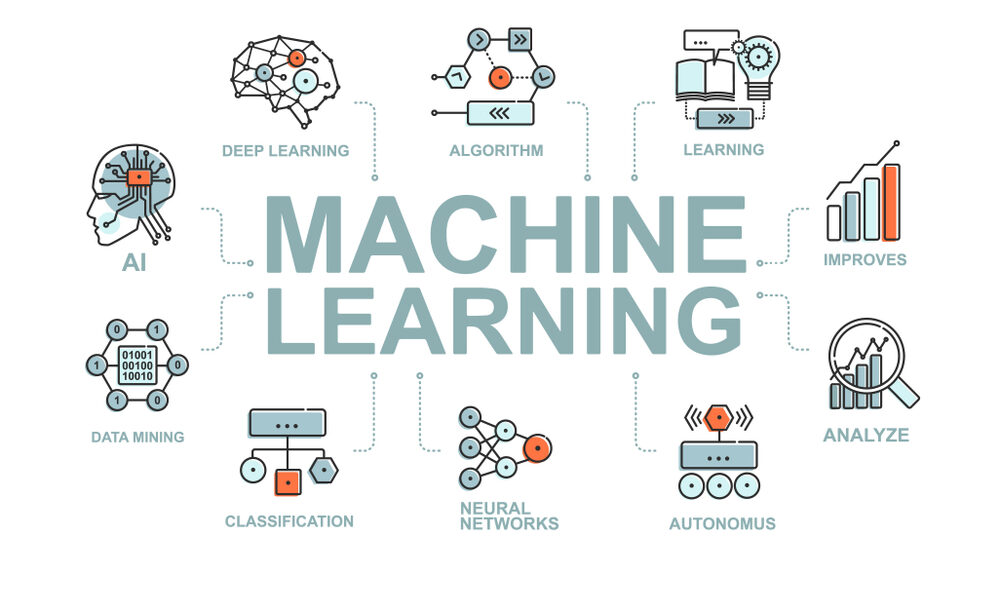
Machine learning, the utilization of artificial intelligence (AI) to enable systems to learn and improve from experience without being explicitly programmed, has gained significant traction across industries. This cutting-edge technology possesses the potential to transform various aspects of consumers' lives, from personalized recommendations to autonomous vehicles. Understanding consumer demand and preferences for machine learning is vital for businesses aiming to capitalize on this burgeoning market.
Growing Awareness
Machine learning has experienced a surge in public awareness and understanding. Consumers are becoming more aware of the benefits and potential applications of this technology, thanks to its prominence in various sectors, including healthcare, finance, retail, and transportation. The exponential growth in the volume of data, combined with advancements in computing power, has facilitated the proliferation of machine learning practices, further amplifying consumer curiosity.
Enhanced Personalization
One of the primary drivers of consumer demand for machine learning lies in the promise of enhanced personalization. It enables businesses to understand individual preferences, behaviors, and needs, thus offering tailored and relevant experiences for consumers. From personalized product recommendations on e-commerce platforms to customized advertisements on social media, consumers appreciate the convenience and efficiency brought about by machine learning algorithms.
Improved Customer Service
Machine learning enables businesses to develop intelligent chatbots and virtual assistants capable of addressing customer queries, providing support, and offering personalized recommendations. This technology enhances customer service by providing instant responses and 24/7 availability, leading to improved overall customer satisfaction. Consumers appreciate the convenience and time-saving aspect of interacting with intelligent systems, making this a significant factor in attracting their interest and preference.
Advanced Healthcare Applications
Machine learning has immense potential in revolutionizing healthcare, which is a critical aspect of consumer demand. From early disease detection to personalized medicine, this technology offers the possibility of improving patient outcomes and reducing healthcare costs. Consumers are increasingly recognizing the value of machine learning in predicting diseases, analyzing medical images, and recommending appropriate treatment options.
Concerns Regarding Privacy and Ethical Implications
While machine learning offers numerous benefits, consumer demand is tempered by concerns surrounding privacy and ethical implications. As machine learning relies on vast amounts of data for training, questions arise regarding data privacy, security, and potential misuse. Consumers express apprehension about the potential for bias or discrimination in algorithms, necessitating the importance of industry transparency and ethical practices.
Consumer demand and preferences for machine learning are fueled by growing awareness, the promise of enhanced personalization, improved customer service, advanced healthcare applications, and concerns surrounding privacy and ethics. Businesses that prioritize incorporating machine learning into their products and services while addressing consumer concerns are poised to capitalize on the immense potential of this innovative technology. By understanding consumer needs and desires, companies can harness machine learning to create impactful solutions that revolutionize various sectors and drive customer satisfaction.
Machine Learning: Industry Players and Competitive Landscape
Machine learning is a rapidly evolving field that has gained significant attention in recent years. As businesses across various industries continue to realize the potential of data-driven insights, the demand for machine learning solutions has soared. This has led to the emergence of several industry players vying for market share and striving to stay ahead of the competition. In this article, we will explore the key players in the machine learning industry and delve into the competitive landscape that surrounds this innovative technology.
The Key Players:
- Google: Google has positioned itself as a dominant player in the machine learning space with its open-source machine learning library, TensorFlow. With a vast array of machine learning tools and frameworks, Google offers solutions for both developers and enterprises. Its cloud-based machine learning platform, Google Cloud ML Engine, powers a wide range of applications, including image, speech, and natural language processing.
- Microsoft: Microsoft has heavily invested in machine learning and artificial intelligence capabilities. Its cloud platform, Azure, offers a comprehensive suite of machine learning tools, including Azure Machine Learning Studio and Azure Databricks. Additionally, Microsoft's Cognitive Services provides pre-built machine learning models, making it easier for organizations to integrate AI features into their applications.
- Amazon Web Services (AWS): AWS, as a part of Amazon's extensive cloud computing offerings, provides robust machine learning services. Amazon SageMaker is designed to simplify the deployment and scaling of machine learning models. AWS also offers pre-trained AI APIs and an extensive marketplace for machine learning algorithms and models.
- IBM: IBM's Watson, a well-known name in the AI and machine learning space, offers a range of services for developers and enterprises. Watson Studio enables data scientists to build, deploy, and manage machine learning models effectively. IBM has also focused on industry-specific solutions, such as Watson Health for healthcare and Watson Assistant for chatbot development.
Competitive Landscape: The competition in the machine learning industry is fierce, with numerous players striving to position themselves as leaders. Apart from the key players mentioned above, several startups have also carved out niches in this burgeoning field. Some notable startups include:
- DataRobot: DataRobot provides an automated machine learning platform that democratizes the building and deployment of accurate machine learning models. It enables organizations to leverage machine learning without requiring extensive data science expertise.
- H2O.ai: H2O.ai offers an open-source platform that combines machine learning and artificial intelligence capabilities. Its product, H2O Driverless AI, helps organizations automate machine learning model building, feature engineering, and model interpretation.
- Databricks: Databricks provides a unified analytics platform that combines big data processing with machine learning capabilities. The platform, built on Apache Spark, empowers data scientists to collaborate and build machine learning models at scale.
Machine learning is a rapidly evolving field with a wide range of industry players catering to the growing demand for data-driven insights. From tech giants such as Google, Microsoft, and Amazon to emerging startups like DataRobot and H2O.ai, the competition in this space is intense. As the industry continues to mature, new players and innovations are likely to emerge, further fueling the growth of machine learning and its applications across diverse sectors.
The Rise of Machine Learning: Transforming Industries through Technological Innovation
Machine learning is revolutionizing industries across the globe, transforming the way businesses operate and driving technological innovation to new heights. This branch of artificial intelligence focuses on the development of algorithms and models that enable computers to learn from and make predictions or decisions based on data. With its ability to analyze vast amounts of information and automate complex tasks, machine learning has become a cornerstone in many cutting-edge technologies.
One area where machine learning has made significant strides is in healthcare. Algorithms powered by machine learning can now analyze medical data, detect patterns, and make accurate predictions for diagnosis and treatment plans. This technology has the potential to improve patient outcomes, streamline diagnoses, and reduce human error.
Another domain that has benefited greatly from machine learning is the finance industry. With the ability to quickly analyze large datasets, machine learning algorithms enable banks and financial institutions to detect fraudulent activities, make better investment decisions, and provide personalized financial advice to customers. This not only enhances security but also optimizes financial strategies, leading to significant cost savings and improved profitability.
The reputation of machine learning as an innovative technology extends beyond traditional sectors. It has found wide-ranging applications in e-commerce, advertising, and marketing as well. By analyzing consumer behavior and purchase history, machine learning algorithms can tailor personalized recommendations to individual users, optimizing customer experience and increasing sales. Additionally, machine learning is driving advancements in targeted advertising, enabling businesses to reach their desired audience more effectively and efficiently.
Transportation and logistics are also being revolutionized by machine learning. Self-driving cars are now becoming a reality, thanks to the continuous advancements in machine learning algorithms. These algorithms can interpret real-time sensor data, make decisions, and guide autonomous vehicles safely. Machine learning is also used in optimizing route planning, predicting demand, and improving delivery efficiency in the logistics industry.
Machine learning is not confined to specific sectors but is rather an integral part of the current technological landscape. Its impact is evident in image and speech recognition technologies, virtual assistants, and natural language processing applications. As data collection and computing power continue to advance, machine learning will only deepen its influence further, revolutionizing industries across the board.
The rise of machine learning has fueled technological innovations that are transforming our world. By harnessing the power of algorithms and data, businesses can streamline operations, boost productivity, and gain a competitive edge. As its capabilities continue to expand, machine learning will continue to reshape industries, opening new frontiers and inspiring fresh ideas for innovation.
Want to learn more about the exciting field of machine learning? Visit our blog article on The Evolution and Future of Machine Learning for an in-depth exploration of this game-changing technology.
Regional Trends and Cultural Influences in Machine Learning
Machine learning, one of the most exciting fields in technology today, is witnessing rapid advancements and widespread adoption in various industries across the globe. While its principles and techniques are universally applicable, regional trends and cultural influences can shape the development and implementation of machine learning solutions in specific areas. Understanding these influences can provide valuable insights into how different regions approach and leverage this transformative technology.
North America: Pioneering Breakthroughs and Business Innovations
North America, particularly the United States, has been at the forefront of machine learning research and development. Major technology companies like Google, Microsoft, and Facebook have their headquarters in this region, fostering a vibrant ecosystem for AI and machine learning advancements. The North American culture of entrepreneurship and risk-taking has encouraged the application of machine learning in various domains, ranging from finance and healthcare to marketing and e-commerce.
Additionally, North American academia has played a vital role in shaping the field. Prestigious universities such as Stanford, MIT, and Berkeley have produced leading researchers and pioneers in machine learning. The region's emphasis on innovation and collaboration has led to the creation of renowned conferences like NeurIPS and ICML, where researchers from around the world gather to exchange ideas and showcase their work.
Europe: Ethical Considerations and Regulation
In Europe, there is a strong focus on ethical considerations and regulation surrounding machine learning. The European Union (EU) has taken significant steps to protect individual rights and privacy, leading to the introduction of the General Data Protection Regulation (GDPR). These regulations impact how machine learning algorithms are trained, deployed, and managed within the EU member states.
European countries also exhibit a cultural emphasis on fairness, transparency, and accountability when it comes to deploying machine learning systems. This has led to the emergence of research areas such as explainable AI, bias detection and mitigation, and algorithmic transparency, aiming to address potential biases and ethical concerns associated with machine learning.
Asia: Adoption and R&D Powerhouse
Asia, with countries like China and South Korea, is rapidly making strides in the adoption and development of machine learning technologies. These countries are leveraging large populations and extensive user bases to drive innovations in artificial intelligence and machine learning applications. For example, China is a frontrunner in using machine learning for facial recognition and other surveillance technologies.
Cultural values in Asia, such as collectivism and a high emphasis on education, contribute to the region's strong focus on academic research and development. Asian countries have established cutting-edge research institutes and universities that produce top machine learning talent. Furthermore, Asian corporations, both large and small, are actively investing in AI and machine learning startups, further contributing to the growth and adoption of these technologies.
Africa and Latin America: Bridging the Digital Divide
Africa and Latin America face unique challenges in the adoption and implementation of machine learning technologies. Factors like limited access to reliable internet, lack of infrastructure, and socio-economic barriers have historically hindered the widespread use of advanced technologies in these regions.
However, initiatives and research efforts are underway to bridge this digital divide. In Africa, projects such as non-profit organizations working on AI for social good and AI research labs are striving to develop machine learning solutions that address local challenges like agriculture, healthcare, and education. Similarly, in Latin America, governments and research institutions are investing in AI research and nurturing local talent to promote machine learning innovations that cater to the region's specific needs.
Regional trends and cultural influences play a significant role in the development, adoption, and application of machine learning technologies. While North America leads in pioneering breakthroughs and business innovations, Europe focuses on ethical considerations and regulation. Asia embraces machine learning as an adoption and research powerhouse, while Africa and Latin America strive to bridge the digital divide and harness the potential of machine learning for their unique challenges. Understanding these regional trends and cultural factors helps shape a comprehensive view of the global machine learning landscape and its diverse applications.
The Power of Social Media Influencers in Machine Learning

In today's digital age, social media has become an integral part of our lives, shaping the way we communicate, consume information, and make purchasing decisions. As a result, businesses and individuals are constantly looking for ways to leverage the power of social media platforms to reach a wider audience and drive engagement. One such strategy that has gained immense popularity is influencer marketing, where individuals with a significant following on social media endorse products, services, or ideas to their followers. In the realm of machine learning, influencers can play a crucial role in driving awareness, education, and adoption. Let's explore how social media influencers are shaping the landscape of machine learning.
Harnessing the Influence
Machine learning, a subfield of artificial intelligence, has experienced remarkable growth in recent years. From personal assistants to recommendation systems and predictive analytics, machine learning algorithms are becoming central to various industries. However, despite its widespread use, machine learning concepts and applications can often be complex and difficult for the general public to comprehend. This is where social media influencers with expertise in machine learning can bridge the gap and make the field more accessible.
Educating and Simplifying
One of the key roles of social media influencers in the machine learning space is to simplify complex concepts and make them easier to understand for a broader audience. Influencers can break down technical jargon, share visualizations, and provide real-life examples to educate their followers about the potential applications and benefits of machine learning. By translating technical content into relatable and digestible formats, influencers can significantly contribute to the democratization of machine learning knowledge.
Building Trust and Credibility
Influencer marketing thrives on trust and credibility. Machine learning influencers who consistently share valuable insights, provide accurate information, and engage in meaningful discussions gain the trust of their followers. As a result, they become a reliable source for machine learning-related content, product recommendations, and industry updates. Their endorsements can have a direct impact on the perception and adoption of particular machine learning technologies or platforms.
Creating Awareness and Driving Adoption
Social media influencers have the power to amplify messages and drive conversations around specific topics or trends. By sharing their thoughts on the latest advancements, breakthroughs, and use cases in machine learning, influencers can create awareness and generate excitement within their communities. This increased awareness can lead to a higher adoption rate of machine learning tools, technologies, and frameworks. By showcasing the benefits and real-world applications, influencers can inspire their followers to explore and embrace machine learning in their respective domains.
Collaboration and Knowledge Sharing
In addition to educating their audience, social media influencers in the machine learning space often collaborate with other influencers, researchers, and industry professionals. By coming together, they can amplify their collective reach and foster a collaborative environment for knowledge sharing and innovation. These collaborations can lead to the exchange of ideas, research findings, and best practices, driving the growth and development of the machine learning community as a whole.
As machine learning continues to permeate various sectors, the role of social media influencers becomes increasingly vital in democratizing knowledge, creating awareness, driving adoption, and shaping the public perception of this transformative technology. By leveraging their influence and expertise, these influencers play a pivotal role in making machine learning accessible, relatable, and exciting to a broader audience. In the fast-paced world of machine learning, social media influencers provide a powerful platform for education, collaboration, and growth.
Future Outlook and Forecast for Machine Learning
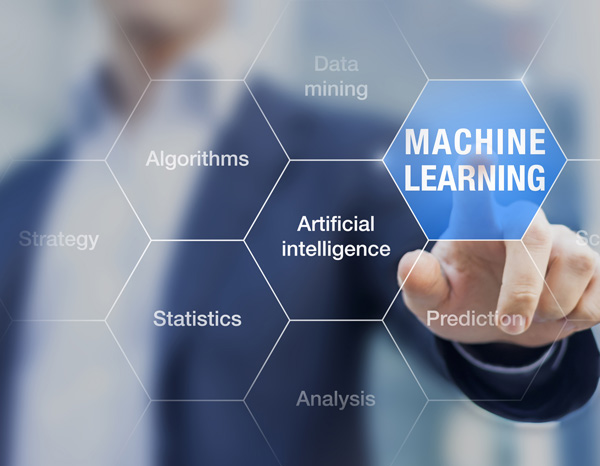
Machine learning has emerged as a groundbreaking technology that is driving innovation across numerous industries. Its ability to enable computers to learn from data and make accurate predictions has opened up new possibilities for businesses and individuals alike. As we look towards the future, the outlook for machine learning is incredibly promising, with several key trends and forecasts indicating its continued growth and impact on our society.
Expansion into diverse industries
One of the most significant future outlooks for machine learning is its expansion into diverse industries. While the technology has already made substantial progress in areas such as healthcare, finance, and manufacturing, its potential applications are far from exhausted. Industries like agriculture, retail, and transportation are beginning to recognize the value of machine learning in improving efficiency, decision-making, and customer experiences. As studies continue to demonstrate the benefits of machine learning across various sectors, we can expect to see a wider adoption and integration of this technology into different industries.
Deeper integration with the Internet of Things (IoT)
As the number of connected devices continues to soar in the age of IoT, machine learning will play a crucial role in deriving valuable insights from the vast amounts of data generated. Machine learning algorithms will be instrumental in analyzing data collected by IoT devices, enabling real-time decision-making and predictive capabilities. With the increasing interconnectivity of devices, we can expect machine learning to become an indispensable technology for managing and extracting meaningful information from IoT ecosystems.
Advancement in natural language processing
Natural language processing (NLP) has already made significant strides in enabling computers to understand and process human language. However, there is still ample room for improvement in this field. Machine learning techniques, such as deep learning and neural networks, have shown promising results in enhancing the accuracy and contextual understanding of NLP systems. As language models grow more sophisticated, we can anticipate more realistic and human-like interactions with machines, which will have far-reaching implications in areas such as customer service, virtual assistants, and content generation.
Ethical considerations and regulations
With the increasing integration of machine learning into our daily lives, ethical considerations and regulations will become increasingly important. As machine learning algorithms make decisions that impact individuals, issues surrounding bias, transparency, and fairness will need to be addressed. The responsible development and deployment of machine learning systems will require collaboration between industry leaders, researchers, and policymakers to establish ethical guidelines and regulations governing their use. Balancing innovation with societal considerations will be key in shaping the future of machine learning.
Advancements in hardware capabilities
Machine learning algorithms require significant computational power and storage to process vast amounts of data. As demand for machine learning continues to grow, advancements in hardware capabilities will be crucial. The development of specialized processors, such as graphics processing units (GPUs) and application-specific integrated circuits (ASICs), tailored to machine learning tasks will fuel faster and more efficient computations. Additionally, improvements in cloud computing infrastructure will provide scalable and cost-effective solutions for organizations looking to leverage machine learning technology.
In conclusion, the future outlook for machine learning is bright and promising. With its expansion into diverse industries, deeper integration with IoT, advancements in natural language processing, increasing ethical considerations, and advancements in hardware capabilities, machine learning is set to revolutionize various aspects of our lives. As organizations and individuals harness the power of machine learning, it is essential to be mindful of the ethical implications and regulatory frameworks that will shape its responsible adoption and use.
Key Findings and Insights: Machine Learning
Machine learning, a subset of artificial intelligence, is a rapidly evolving trend that has significant implications for various industries. Through analysis of market research and industry reports, the following key findings and insights have emerged:
- Rapid growth and adoption: Machine learning has experienced unprecedented growth in recent years. The global machine learning market is predicted to reach $96.7 billion by 2025, with a compound annual growth rate (CAGR) of 43.8% during the forecast period. This growth can be attributed to the increasing availability of big data, advancements in computing power, and the need for automated decision-making systems across industries.
- Industry applications: Machine learning has a wide range of applications across industries. In healthcare, it is transforming diagnosis, treatment, and drug discovery processes. In finance, it is used for fraud detection, risk assessment, and algorithmic trading. In retail, it powers personalized recommendations and demand forecasting. Transportation, manufacturing, and energy are also leveraging machine learning for optimization, predictive maintenance, and efficiency improvements.
- Enhanced customer experiences: Machine learning enables businesses to gain insights from massive amounts of data and personalize customer experiences. This technology enables accurate predictions of customer preferences, behavior, and purchasing patterns, leading to targeted marketing campaigns, improved recommendation engines, and enhanced customer service. As a result, businesses can develop stronger customer relationships and drive customer loyalty.
- Automation and efficiency: Automation is a significant benefit of machine learning. By automating repetitive tasks and decision-making processes, companies can improve efficiency, reduce human error, and save time and costs. Industries like manufacturing and logistics are using machine learning to optimize supply chains, streamline operations, and improve productivity.
- Data-driven decision making: The availability of vast amounts of data in today's digital world has made data-driven decision-making crucial. Machine learning algorithms analyze structured and unstructured data to extract valuable insights, enabling businesses to make informed decisions. This trend has shifted the focus from intuition-based decision-making to data-driven strategies, leading to improved accuracy and competitiveness.
- Challenges to overcome: Despite its numerous benefits, machine learning also faces significant challenges. One hurdle is the lack of skilled professionals who can develop and implement machine learning models. Additionally, concerns about ethics, privacy, and bias in machine learning algorithms need to be addressed to ensure fair and unbiased outcomes. Organizations must also navigate the complexities of data management, integration, and security to leverage the full potential of machine learning.