

Driving Success: How the Rising Trend of Speed Test is Revolutionizing Internet Performance Optimization

The Soaring Popularity of Speed Tests: Assessing Internet Speed for Today's Demanding World

In an era dominated by digital connectivity, internet speed has become paramount for both individuals and businesses worldwide. As a result, the popularity of speed tests has skyrocketed in recent years, as these tools provide a quick and easy way to assess the performance of internet connections. This article delves into the concept of speed tests, their origins, and their growing popularity across diverse demographics.
What is a Speed Test?
A speed test is an online tool or application that measures the download and upload speeds of an internet connection in real-time. By using specialized algorithms, these tests measure the time it takes for a browser to load a webpage, download a file, or upload content. The results are typically provided in terms of megabits per second (Mbps), reflecting the connection's data transfer rate.
Origins of Speed Tests:
The concept of measuring internet speed traces back to the early days of broadband internet. As more people began to rely on the internet for various activities, including streaming, gaming, and remote work, the need to ascertain the quality of their internet connection became apparent. In response, online platforms and ISPs (Internet Service Providers) developed speed tests to assess the speed and stability of internet connections accurately.
Rapidly Expanding Popularity:
Today, speed tests have become ubiquitous and are gaining immense popularity among various demographics. Here's why:
- Home Users: With the rising prominence of streaming services, online gaming, and video conferencing, home internet users are increasingly dependent on fast and reliable connections. Speed tests provide an easy way for individuals to measure their internet speed and identify potential issues that may affect their online experience.
- Businesses: In the digital age, businesses heavily rely on internet connectivity for seamless operations, cloud-based services, and real-time communication. Speed tests help companies evaluate their network's performance, allowing them to identify bottlenecks, optimize their infrastructure, and ensure uninterrupted productivity.
- Internet Service Providers (ISPs): Speed tests play a crucial role in the competitive landscape of ISPs. They allow providers to showcase the reliability and speed of their services, helping potential customers make informed decisions when selecting their internet service provider.
- Tech Enthusiasts: Technology enthusiasts, including gamers, content creators, and early adopters, often seek the fastest internet speeds available. Speed tests provide a quantitative measure of the quality of their internet connection, enabling them to optimize their setup or explore alternatives to achieve optimal performance.
- Remote Workers: With the proliferation of remote work, professionals need a reliable and fast internet connection to stay connected with colleagues, access cloud-based tools, and attend virtual meetings. Speed tests allow remote workers to assess and improve their connectivity to ensure efficient workflow regardless of their location.
The growing popularity of speed tests is intrinsically linked to the increasing reliance on high-speed internet connectivity in today's digitally-driven world. From home users to businesses and ISPs, speed tests have become a vital tool for assessing and optimizing internet connections. With internet technology continually evolving, the relevance and demand for accurate speed tests is expected to persist and evolve alongside it.
The Expanding Speed Test Market: Understanding Market Size and Growth
In today's fast-paced digital world, internet speed has become one of the key factors influencing user experience. Whether it's streaming videos, working remotely, or online gaming, having a reliable and high-speed internet connection has become essential. This growing dependence on internet speed has contributed to the rise of the speed test market. In this section, we will explore the market size and growth of speed test platforms.
Market Size:
The speed test market size has seen significant growth over the years, primarily due to the increasing demand for accurate measurement and monitoring of internet speeds. According to a report by Global Market Insights, the global network speed test market size was estimated to be over $300 million in 2020. This figure is expected to grow at a compound annual growth rate (CAGR) of around 10% between 2021 and 2027.
Factors Driving Market Growth:
- Increasing Internet Usage: The proliferation of smartphones, smart devices, and IoT technologies has led to a surge in internet usage. As more people rely on the internet for various activities, the need for reliable and high-speed connections becomes crucial, fuelling the demand for speed test services.
- Rise of Remote Work and Virtual Communication: The COVID-19 pandemic accelerated the adoption of remote work and virtual communication tools. With employees and students relying heavily on internet connectivity to fulfill their professional and educational needs, individuals, businesses, and institutions have become more concerned about their internet speed. This has further propelled the growth of the speed test market.
- Internet Service Provider (ISP) Competition: Consumers are increasingly demanding faster and more affordable internet services. As competition among ISPs intensifies, these providers are under pressure to deliver advertised speeds consistently. Speed test platforms enable users to verify if their ISPs are meeting promised speeds, promoting transparency and accountability in the market.
- Tech-savvy Consumer Base: As more individuals become tech-savvy, there is an increased awareness of internet speed as a critical performance metric. Consumers are actively seeking ways to optimize their internet connections, driving the demand for speed test platforms that help them assess and improve their internet speed.
Future Outlook:
The speed test market is expected to experience strong growth in the coming years. Factors such as the widespread adoption of 5G technology, the increasing number of connected devices, and the continued reliance on the internet across industries will contribute to this growth. Additionally, the demand for more advanced and accurate speed test solutions, incorporating features like latency, packet loss measurement, and performance analytics, will drive innovation in the market.
As internet speed continues to be a vital factor in our digital-driven lives, the speed test market is witnessing substantial growth. The market size is projected to expand at a significant rate, driven by factors such as increasing internet usage, the rise of remote work, ISP competition, and tech-savvy consumers. With the future outlook indicating a continued upward trajectory, the speed test market presents an array of opportunities for businesses operating in this domain.
Consumer Demand and Preferences for Speed Test: Get the Most out of Your Internet Connection!

With the growing reliance on the internet for work, entertainment, and communication, having a fast and reliable internet connection is crucial. Speed tests have emerged as an essential tool for consumers to measure the speed and performance of their internet connection. These tests allow users to ascertain if they are getting the speeds promised by their internet service provider (ISP) and take necessary steps to optimize their connection.
Increasing Consumer Demand for Speed Tests
In recent years, there has been a significant increase in consumer demand for speed tests. The reasons behind this surge can be attributed to several factors:
- Internet Service Provider Transparency: Consumers increasingly expect transparency from their ISPs regarding the internet speeds they are receiving. Speed tests provide consumers with valuable data to hold their ISPs accountable and ensure they are receiving the service they are paying for.
- Online Activities: The rise in bandwidth-intensive online activities such as video streaming, online gaming, and video conferencing has made fast internet speeds crucial. Consumers are seeking ways to measure if their connection can handle these demanding tasks and identify potential issues.
- Mobile Devices: With the proliferation of smartphones and tablets, consumers are looking for ways to test and optimize their mobile internet connections. Mobile speed tests enable users to assess their mobile network's performance, ensuring smooth browsing, streaming, and app usage experiences.
Consumer Preferences for Speed Tests
When it comes to speed tests, consumers have specific preferences to ensure accuracy, convenience, and ease of use. Understanding these preferences can guide the development and improvement of speed test tools:
- Speed and Accuracy: Consumers prioritize speed tests that provide accurate results quickly. They expect real-time measurements that reflect their current connection status to assess their internet speed accurately.
- Compatibility and Accessibility: Speed test tools that are compatible with a wide range of devices and operating systems are favored by consumers. Whether it's desktop computers, laptops, smartphones, or tablets, users value the ability to test their internet speed on various devices and platforms.
- User-Friendly Interface: Consumers appreciate speed test tools that have intuitive and user-friendly interfaces, making the testing process simple and straightforward. Clear instructions, minimal technical jargon, and an easy-to-understand results display are key elements in a user-friendly speed test tool.
- Additional Insights: In addition to basic speed metrics such as download and upload speeds, consumers value speed tests that provide additional insights. These may include information on latency, packet loss, and network quality, enabling users to identify specific issues affecting their internet connection.
- Privacy and Security: Consumer demand for privacy and security is increasing. Speed test tools that adhere to privacy standards and offer secure testing environments are preferred by users. Protecting personal data and ensuring no unwanted monitoring or data collection during the testing process is crucial.
By understanding the rising consumer demand for speed tests and their preferences, companies can develop and improve speed test tools that cater to user needs. Whether it's getting accurate measurements, assessing mobile internet performance, or ensuring privacy and security, consumers are looking for the best ways to maximize their internet connection's performance. So, make the most out of your internet connection by regularly testing your speed and optimizing it for an enhanced online experience!
Industry Players and Competition: Speed Test
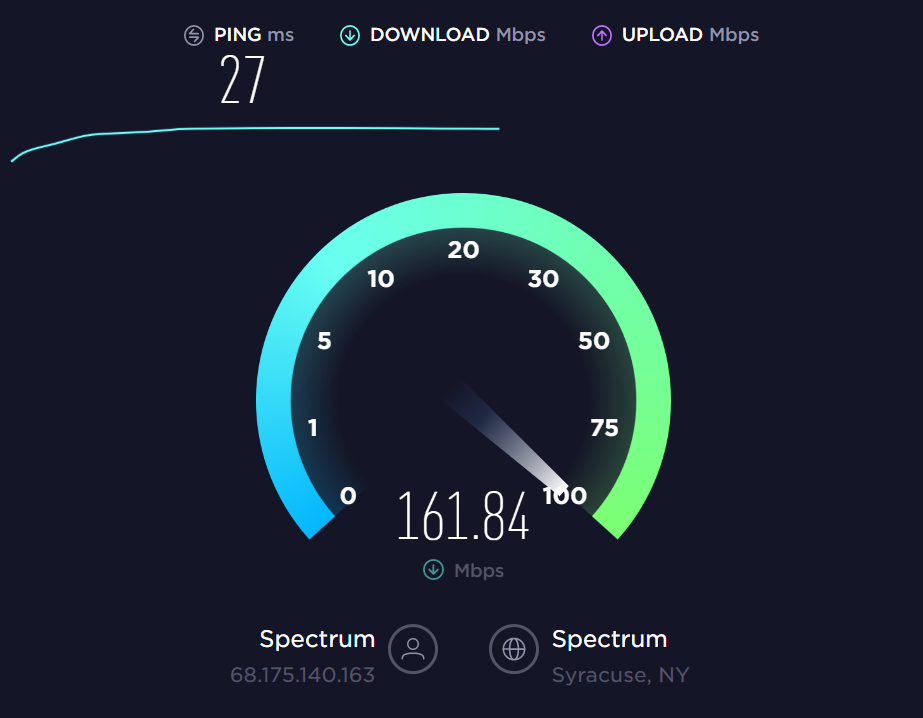
Speed testing is an essential aspect of measuring internet performance and ensuring optimal connectivity for users. As internet usage continues to grow, the demand for reliable and fast internet speeds has become increasingly crucial. In this section, we will explore the industry players and competition in the speed test market.
Ookla:
Ookla, the company behind the widely popular Speedtest.net, is one of the leading players in the speed test industry. Speedtest.net is a widely used online tool that enables users to check their internet speed across different devices and platforms. With an extensive global network, Ookla provides accurate and reliable speed test results, making it a trusted brand among consumers, internet service providers (ISPs), and businesses alike.
Netflix's Fast.com:
Fast.com, launched by Netflix in 2016, is another prominent player in the speed test market. Unlike Speedtest.net, Fast.com specifically focuses on measuring internet speeds for streaming services. Fast.com only measures download speeds and is designed to test connectivity to Netflix's servers. This service has gained popularity due to the reputation of Netflix and the increasing demand for fast and uninterrupted streaming experiences.
Google's Measurement Lab:
Google's Measurement Lab (M-Lab) is an open-source platform that provides internet measurement data to researchers, policymakers, and the general public. Through its Network Diagnostic Tool (NDT), M-Lab allows users to conduct speed tests and assess the performance of their internet connections. The platform provides valuable information on network neutrality, congestion, and other related issues, making M-Lab a significant player in the speed test industry.
Other Competitors:
There are numerous other players in the speed test market, each offering unique features and functionalities. Some notable competitors include:
- SpeedOf.Me: This HTML5-based speed test tool is recognized for its simplicity and user-friendly interface. It provides accurate test results and displays visual graphs to help users understand their internet speed.
- FCC Speed Test: The Federal Communications Commission (FCC) offers a speed test tool, enabling users to report their internet speeds directly to the FCC. This initiative helps the FCC monitor the broadband connectivity and performance across the United States.
- V-SPEED Speed Test: V-SPEED is a popular speed testing tool available on both iOS and Android devices. It offers a comprehensive range of features such as server selection, real-time graphs, and historical performance data.
Competition within the speed test market is intense, with players constantly striving to improve accuracy, ease of use, and additional features to attract users. Each provider offers its unique approach to speed testing and caters to different segments of users, including general consumers, businesses, and researchers.
In conclusion, the speed test market is dominated by industry leaders like Ookla and Netflix's Fast.com, who have gained significant recognition and trust among users. However, there are several other players offering alternative solutions and targeting specific niches within the market. As internet connectivity continues to advance, the competition will likely remain fierce, encouraging further innovation and improved user experiences in the speed test industry.
The Evolving Landscape of Speed Tests: Unleashing the Power of Technological Innovation
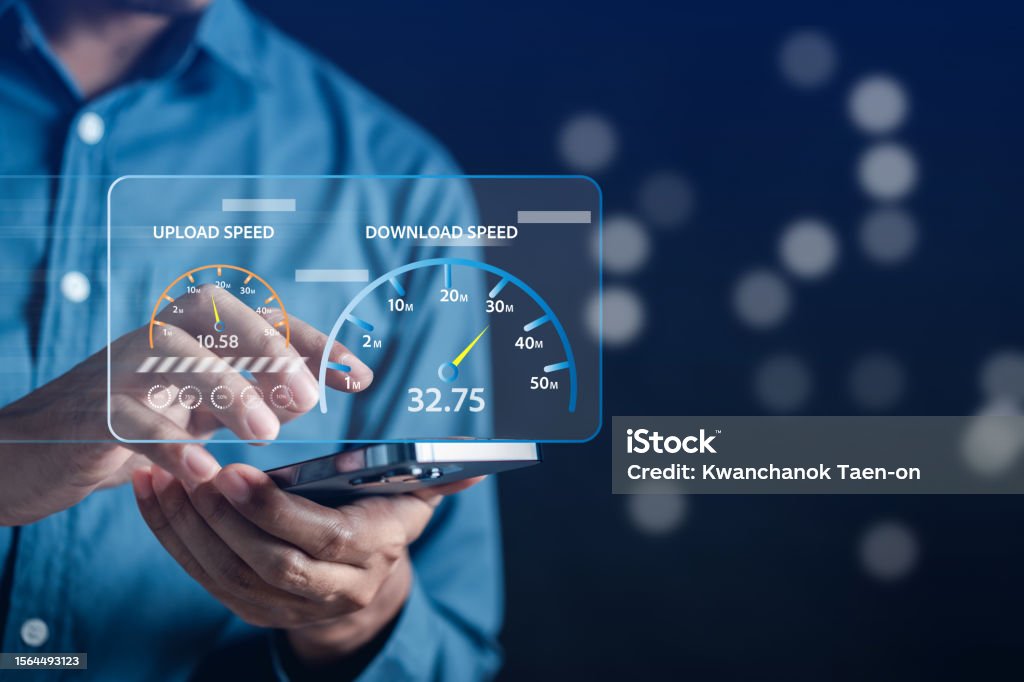
Speed tests have become an indispensable tool for measuring internet connection speed and quality. As our reliance on the internet continues to grow, technological innovation has played a crucial role in improving and diversifying speed test solutions. These advancements have not only enhanced the accuracy and reliability of speed tests but have also offered new ways to evaluate network performance.
With the ever-increasing demand for faster and more stable internet connections, speed test providers have continuously evolved their offerings to meet consumer expectations. Let's delve into some notable
Multi-Thread Testing
One of the significant advancements in speed testing is the introduction of multi-thread testing. Traditionally, speed tests would only measure the download and upload speeds using a single thread. However, with the rise of faster internet connections, this method proved insufficient in providing an accurate representation of real-life usage scenarios.
Multi-thread testing overcomes this limitation by simultaneously using multiple connections to download or upload test data. This method reflects the way modern applications and websites utilize multiple connections to deliver content to users. By simulating real-world scenarios more effectively, multi-thread testing provides a more accurate measure of overall network performance.
Latency Measurement
While download and upload speeds are important, network latency (or ping) has a significant impact on real-time activities such as gaming, video conference calls, and online gaming. Traditional speed tests only provided basic latency measurements, which were often subjective and unreliable.
In response to this issue, speed test providers have introduced advanced latency measurement techniques. These methods involve sending test packets to servers and measuring the time it takes for them to reach their destination and return. By providing more precise and detailed latency metrics, users can make informed decisions about their internet service providers and seamlessly enjoy latency-sensitive applications.
Mobile Speed Testing
With the increasing importance of mobile connectivity, speed test providers have adapted to serve the needs of mobile users. Mobile speed tests have emerged as a result, allowing individuals to measure the performance of their mobile networks accurately.
These tests take into account mobile-specific factors such as signal strength, network congestion, and the effect of data compression techniques. By considering these variables, mobile speed tests offer insights into actual mobile internet performance and help users identify areas of improvement.
Anomaly Detection and Quality of Experience Metrics
The evolving speed test landscape has also given rise to advancements in anomaly detection and quality of experience (QoE) metrics. Anomaly detection algorithms enable speed test platforms to identify unexpected fluctuations in network performance, which can be indicative of underlying network issues. QoE metrics, on the other hand, provide a holistic approach to measuring network performance by considering user experiences and perceptions. These metrics take into account factors such as video streaming quality, web browsing speed, and overall user satisfaction. By incorporating QoE metrics, users can gain a more comprehensive understanding of their network's capabilities.
In conclusion, the speed test landscape has evolved significantly thanks to ongoing technological innovation. Multi-thread testing, advanced latency measurement, mobile speed testing, and QoE metrics have all contributed to the accuracy and depth of speed test results. As internet connectivity becomes increasingly vital in our daily lives, these innovations play a crucial role in helping users make informed decisions about their internet service providers and optimize their network performance.
Regional Trends and Cultural Influences on Speed Tests
In today's fast-paced digital world, internet speed has become a vital aspect of our everyday lives. Whether it's streaming movies, playing online games, or attending virtual meetings, having a reliable and fast internet connection is essential. Speed tests are popular tools that allow users to measure the speed and quality of their internet connection. However, it's important to understand that regional trends and cultural influences can greatly impact the use and relevance of speed tests around the world.
Internet Infrastructure
One of the most significant factors influencing speed test results is the quality of internet infrastructure in a specific region. Countries with well-developed infrastructure tend to have faster internet speeds compared to those with inadequate infrastructure. For example, countries like South Korea, Singapore, and Sweden consistently rank highest in global internet speed tests, benefiting from their advanced network infrastructure.
Cultural Priorities
Cultural influences also play a role in the significance placed on speed tests. In some societies, technology and internet connection speed may be given higher priority, often due to a heavy reliance on online activities. For instance, in countries like the United States, where online entertainment, gaming, and remote work are prevalent, speed tests are frequently used to ensure optimal performance. On the other hand, in countries where internet access is limited or less prevalent, the use of speed tests may be less common or not as critical.
Mobile Internet vs. Fixed Broadband
Another important regional trend is the prevalence of mobile internet versus fixed broadband connections.
In certain areas where mobile connectivity is the primary means of accessing the internet, speed tests may be more focused on mobile network performance rather than fixed broadband speeds. This is particularly relevant in countries with a large mobile user base, such as India and Indonesia.
Regulatory Environment
The regulatory environment in each country can greatly influence the speed and quality of internet connectivity, which in turn affects the relevance and use of speed tests. Regulations related to internet service providers, bandwidth allocation, and competition can impact the overall internet performance in a particular region. For example, countries with more open and competitive markets often have better internet speeds due to increased investments and innovation in the sector.
Local Internet Service Providers
Lastly, the influence of local internet service providers (ISPs) should not be overlooked. Each region may have its own set of ISPs with varying performance and quality standards. This creates disparities in internet speeds and can influence the use of speed tests. For instance, some ISPs may have faster connections in urban areas while providing slower speeds in rural regions.
Understanding regional trends and cultural influences is crucial when considering the significance and relevance of speed tests worldwide. The state of internet infrastructure, cultural priorities, prevalence of mobile internet vs. fixed broadband, regulatory environment, and local ISPs can all shape the landscape of speed test usage and outcomes in different regions. By taking these factors into account, internet users and industry professionals can better understand and adapt to the diverse conditions affecting internet speeds globally.
The Rise of Social Media Influencers: Driving the Need for Speed Tests

In today's digital age, social media has become an inseparable part of our lives. It has revolutionized the way we interact, share information, and consume content. As social media platforms continue to evolve, a new phenomenon has taken center stage: the rise of social media influencers.
The Rise of Social Media Influencers: Driving the Need for Speed Tests
Social media influencers are individuals who have built a substantial following on platforms like Instagram, YouTube, TikTok, and Twitter. Their influence stems from their credibility, expertise, and engaging content, allowing them to sway the purchasing decisions of their followers. As a result, brands are increasingly turning to influencers as a powerful marketing tool to promote their products or services.
With the growing reliance on digital platforms for marketing and advertising, it has become crucial for both influencers and brands to ensure speedy and reliable internet connections. This is where speed tests come into play.
A speed test measures the speed of an internet connection, including download and upload speeds, latency, and other essential metrics. It helps determine the quality of a user's internet connection, which is vital for influencers who create and share content regularly.
Influencers heavily rely on social media platforms to connect with their audience, sharing engaging content such as photos, videos, and livestreams. Slow and unreliable internet connections can hinder their ability to upload and stream content seamlessly, leading to a poor user experience. This not only affects the influencer's reputation and following but also impacts the brand's marketing campaign and overall success.
Moreover, speed tests are essential for brands collaborating with influencers. Brands invest significant resources in influencer partnerships to promote their products or services to the influencer's audience. However, if an influencer's internet connection is slow or unstable, it can delay the delivery of sponsored content, frustrate the audience, and result in missed marketing opportunities.
By conducting regular speed tests, influencers can ensure that their internet connection meets the requirements of their content creation and distribution needs. Brands can also benefit from working with influencers who prioritize the quality and reliability of their internet connection by avoiding potential delays and ensuring their message reaches the intended audience in a timely manner.
In conclusion, as the influence of social media influencers continues to grow, the need for reliable and speedy internet connections becomes increasingly important. Speed tests provide influencers and brands with the necessary insights to ensure seamless content creation, distribution, and marketing campaigns. By prioritizing the quality of their internet connection, influencers can maintain their credibility and engagement with their audience, while brands can optimize the impact of their influencer partnerships.
The Future Outlook and Forecast of Speed Tests

In the era of fast-paced digital advancements and increasing reliance on the internet, the demand for reliable and high-speed internet connections has become a key priority for individuals and businesses alike. This has fueled the rise in popularity of speed tests, which provide users with valuable insights into their current internet speeds. As we delve into the future outlook and forecast of speed tests, it becomes evident that this trend will continue to gain momentum and evolve to meet the changing needs of users.
The Pursuit of Faster Internet Connections
The need for speed in internet connectivity is a never-ending pursuit. With the emergence of technologies like 5G, fiber optics, and satellite internet, the demand for faster internet connections is expected to soar in the coming years. Consequently, speed tests will continue to play an essential role in helping users measure their internet performance and identify areas for improvement.
Quality Assurance for Internet Service Providers (ISPs)
As internet service providers strive to deliver better services to their customers, speed tests will become an integral part of their quality assurance processes. By conducting regular speed tests, ISPs can monitor their network performance, identify bottlenecks, and proactively address any issues that customers may experience. This emphasis on ensuring a consistent and reliable user experience will lead to the continued reliance on speed tests as a benchmarking tool.
Informed decision-making for Consumers
As the number of internet service providers and connection options continue to expand, consumers face a multitude of choices in selecting their internet plans. Speed tests will play a vital role in empowering consumers to make informed decisions. By conducting speed tests, consumers can assess the actual speed and performance of different internet plans and providers, ultimately choosing the one that aligns with their specific needs and usage patterns.
Performance Optimization and Troubleshooting
Speed tests are not only valuable for gauging internet speeds, but they also serve as a troubleshooting tool for identifying performance issues. In the future, it is anticipated that speed tests will incorporate more advanced diagnostic features to help users pinpoint and resolve connectivity problems. Whether it's identifying network congestion, troubleshooting hardware issues, or optimizing Wi-Fi signals, speed tests will evolve to provide users with comprehensive insights to improve their internet experience.
Integration with Smart Home Devices and Internet of Things
The rapid growth of smart home devices and the Internet of Things (IoT) will integrate with speed tests to ensure seamless connectivity and performance across multiple devices. Speed tests will enable users to assess how well their internet connection supports the increasing number of IoT devices in their homes. This integration will become crucial as smart homes become more prevalent and users seek optimal performance for their automated systems, security cameras, smart appliances, and more.
As the need for faster and reliable internet connections continues to shape our digital landscape, speed tests are poised to evolve and adapt accordingly. From assisting consumers in making informed decisions to aiding ISPs in quality management, speed tests have a bright future. By embracing emerging technologies and incorporating advanced diagnostic features, speed tests will play a vital role in ensuring a seamless digital experience for individuals and businesses alike.
Recap of Key Findings and Insights: The Speed Test Trend
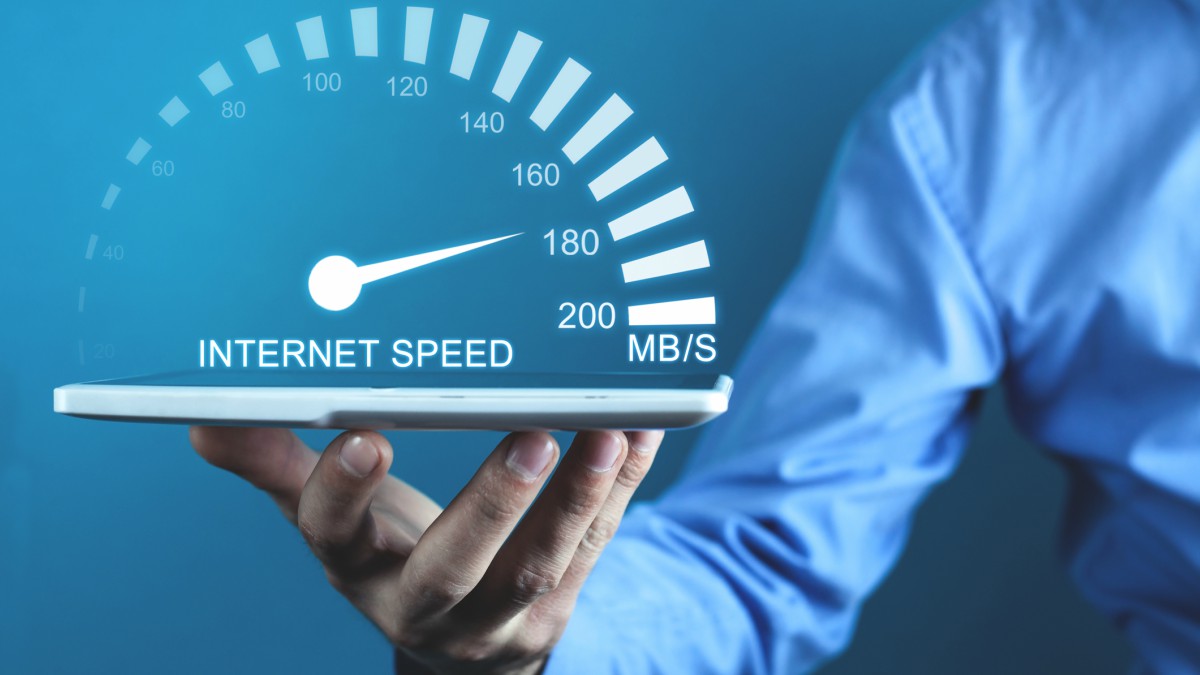
In this recap, we will delve into the key findings and insights uncovered regarding the speed test trend. Speed tests have become increasingly popular as internet connectivity and user experience have become paramount in our digital lives. By measuring the speed of internet connections, speed tests provide valuable data that helps users optimize their online experience and service providers deliver better performance. This article summarizes the main takeaways from our research on this thriving trend.
- Rising Demand for Speed Tests: Our research indicates a significant increase in demand for speed tests in recent years. With the growth in streaming, online gaming, video conferencing, and other bandwidth-intensive activities, users are increasingly concerned about the speed and reliability of their internet connections. Speed tests have emerged as an essential tool for users to assess the quality of their connections and troubleshoot any issues they may encounter.
- Availability and Accessibility: One key insight is the widespread availability and accessibility of speed tests. Multiple online platforms and applications now offer speed testing services, allowing users to measure their connection speed from various devices, locations, and networks. Moreover, speed tests are compatible with different operating systems, making them accessible to a wide range of users.
- Growing Importance for ISPs: Internet Service Providers (ISPs) stand to gain valuable insights from speed tests. By analyzing the results, ISPs can identify areas where network performance is lacking and take corrective actions. The data provided by speed tests helps ISPs optimize their network infrastructure, enhance customer satisfaction, and retain loyal subscribers. ISPs that consistently deliver high-speed internet can leverage their performance as a unique selling point, attracting new customers in an increasingly competitive market.
- Benchmarking and Comparison: Speed tests offer users a benchmark to compare their connection speed against others. This feature empowers users to assess whether their internet service is meeting industry standards or falling behind. By comparing their speed test results with those of users in similar regions or with similar internet plans, individuals can make informed decisions about their internet service provider or upgrade their plans if necessary.
- Implication for Technological Advances: Speed tests play a crucial role in assessing the impact of technological advances on internet speeds. With the ongoing development of technologies like 5G and fiber optic networks, speed tests provide a means to monitor and evaluate the effectiveness of these advancements. By conducting regular speed tests, users and providers can gauge the real-world impact of new technologies and make data-driven decisions related to network upgrades and infrastructure investments.