

Dinner Delights: Exploring the Exciting Trend of Plant-Based Dinner Ideas

Exploring Dinner Ideas: An Evolving Trend in Meal Planning
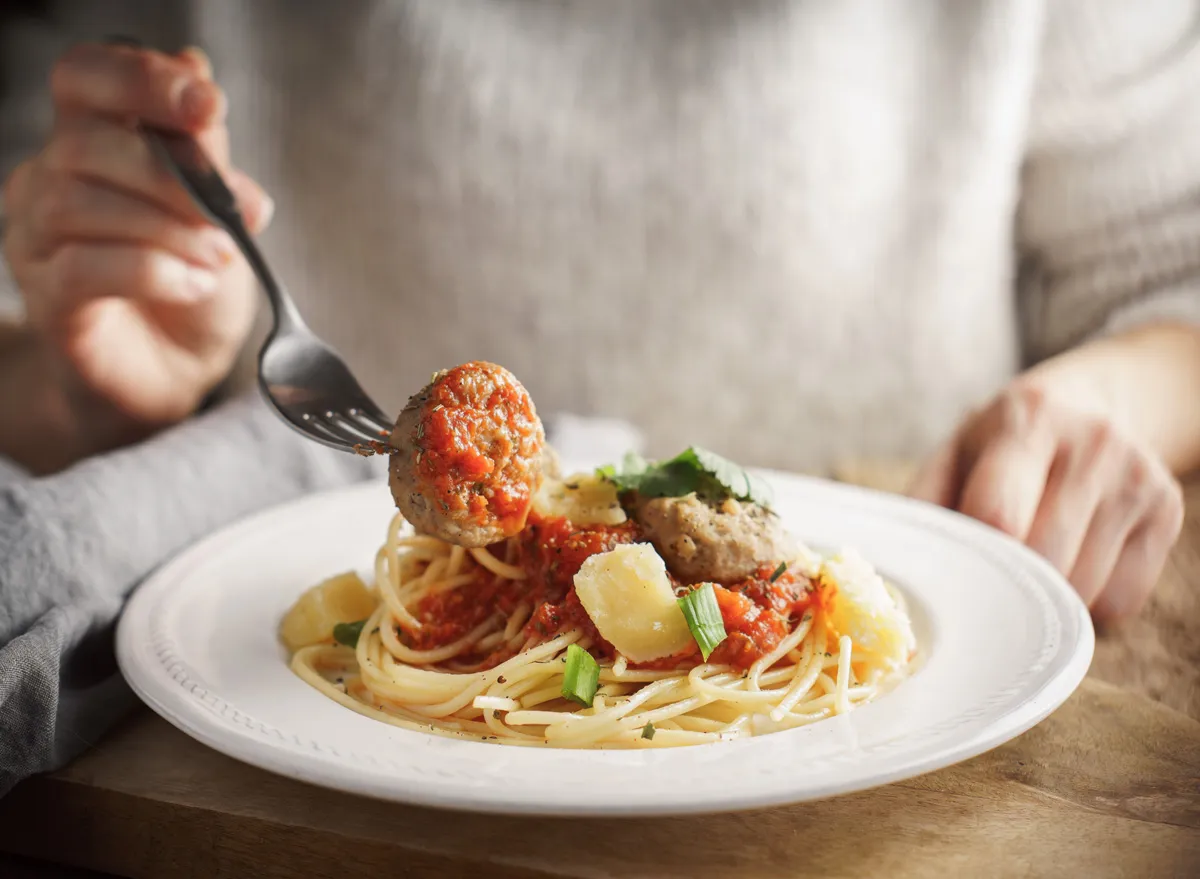
In recent years, the concept of dinner ideas has gained significant popularity as an answer to the perennial question: "What's for dinner?" With a growing emphasis on convenience and variety in meal planning, dinner ideas offer a diverse range of recipes, meal suggestions, and culinary inspiration to assist individuals and families in creating delicious and satisfying meals.
Dinner Ideas Defined:
Dinner ideas can be described as curated collections of recipes and meal suggestions that cater to a wide range of tastes, dietary preferences, and occasions. These ideas often include detailed instructions, ingredient lists, and even tips for presentation, making it easier for home cooks to plan and prepare their meals. Dinner ideas can be found across various mediums, including websites, blogs, social media platforms, recipe apps, and cookbooks.
Origins and Evolution:
The origins of dinner ideas can be traced back to the rise of digital media and the advent of recipe websites in the early 2000s. Initially, these platforms focused on traditional recipe sharing, but as technology evolved, the concept of dinner ideas emerged as a more comprehensive approach to meal planning. Best exemplified by websites like Pinterest and Tasty, dinner ideas have evolved to incorporate a wide range of cuisines, dietary restrictions, and cooking styles, catering to the diverse needs of modern households.
Popularity Among Various Demographics:
The popularity of dinner ideas cuts across various demographic groups, making it an appealing trend for individuals and families with diverse backgrounds and lifestyles. Busy professionals and working parents often find dinner ideas valuable as they provide quick and easy-to-follow recipes that streamline the cooking process. For others, such as stay-at-home parents or cooking enthusiasts, dinner ideas offer a wealth of inspiration and creativity, encouraging experimentation with new flavors, ingredients, and cooking techniques.
Additionally, dinner ideas have become particularly popular among younger generations who have embraced digital platforms as a primary source of information and inspiration. The visually appealing nature of dinner idea content, coupled with the ease of sharing and saving recipes, has made these platforms highly engaging and shareable. As a result, dinner ideas have gained traction among millennials and Gen Z, who actively seek out culinary inspiration and enjoy sharing their creations with others via social media.
The trend of dinner ideas has rapidly emerged as a response to the need for convenient and diverse meal planning options. By providing an abundance of recipes, meal suggestions, and culinary inspiration, dinner ideas have become immensely popular across various demographics. Whether seeking quick and easy meals or exploring new cooking adventures, dinner ideas offer a versatile and accessible solution that meets the changing demands of modern lifestyles. As this trend continues to evolve, it is likely to become an indispensable resource for anyone seeking culinary inspiration and convenience in their daily dinner preparations.
Exploring the Market Size and Rapid Growth of Dinner Ideas
In recent years, the dinner ideas market has witnessed substantial growth due to evolving consumer preferences and the increasing demand for convenient and healthy meal options. With our busy schedules and limited time for meal preparation, people are constantly on the lookout for quick, delicious, and varied dinner ideas that can be easily prepared at home.
The Expanding Market Size
The dinner ideas market encompasses a wide range of products and services, including meal kit delivery services, cooking websites and apps, recipe books, and innovative kitchen appliances. This diverse market has experienced significant expansion, driven by changing consumer lifestyles and a rising interest in cooking at home.
As per a report by Allied Market Research, the global meal kit delivery services market was valued at $10.26 billion in 2019 and is projected to reach a whopping $20.39 billion by 2027, growing at a CAGR of 12.8% from 2020 to 2027. This growth can be attributed to the increasing popularity of meal kits among busy professionals, couples, and individuals who want to save time and enjoy cooking new recipes without the hassle of grocery shopping.
Furthermore, the dinner ideas market has witnessed the emergence of innovative technology-driven solutions that aim to simplify and enhance the cooking experience. Smart kitchen appliances, recipe apps, and online platforms have become instrumental in providing consumers with easy access to a vast array of dinner ideas and step-by-step instructions, consequently driving the market growth.
Factors Fueling the Growth
- Changing lifestyles and time constraints: With the fast-paced nature of modern life, consumers are seeking dinner solutions that are not only delicious but also quick and convenient to prepare. Dinner ideas that offer time-saving options, such as meal kits and ready-to-cook recipes, have gained significant traction in response to these demands.
- Health and wellness concerns: Increased awareness about health and wellness has led consumers to become more conscious of their food choices. Many dinner ideas now cater to specific dietary needs, including vegetarian, vegan, gluten-free, and low-calorie options, providing consumers with a greater range of healthy alternatives.
- Social media and pop culture influence: The rise of social media platforms and cooking shows has played a pivotal role in boosting the popularity of dinner ideas. Celebrity chefs, influencers, and food bloggers often showcase unique and enticing dinner recipes, inspiring consumers to try out new dishes and experiment with different flavors and cuisines.
- Rise of home cooking culture: The COVID-19 pandemic and subsequent lockdowns have spurred an increase in home cooking. As people spent more time at home, there was a surge in demand for dinner ideas that offered variety, creativity, and the opportunity for individuals to showcase their culinary skills.
The market size of dinner ideas has expanded significantly as consumers increasingly seek convenient, healthy, and interesting meal options. With meal kit delivery services, recipe apps, and technological advancements in the kitchen, the dinner ideas market shows no signs of slowing down. To stay ahead in this rapidly evolving market, companies should continue to innovate, provide personalized options, and tap into the growing demand for quick, easy, and flavorful dinner solutions.
Understanding Consumer Demand and Preferences for Dinner Ideas
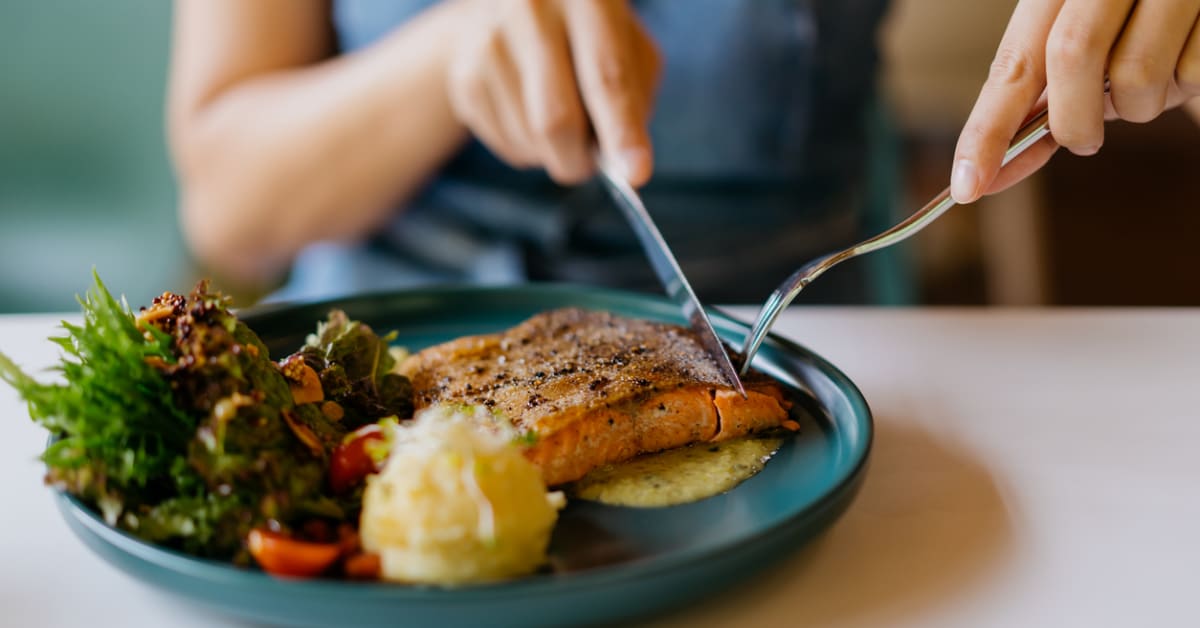
In today's fast-paced world, dinner is no longer just a meal to satisfy hunger; it has become a social and cultural experience. With an increasing number of people looking for innovative ways to make meals more exciting and convenient, understanding consumer demand and preferences for dinner ideas has become crucial for marketers and food industry players. In this article, we will explore the evolving preferences of consumers and the factors that influence their choices when it comes to dinner ideas.
- Health and Nutrition: One of the primary factors influencing consumer preferences for dinner ideas is health and nutrition. The rise in awareness regarding the importance of a balanced diet has led consumers to seek out healthier options for their evening meals. There is a growing demand for dinner ideas that incorporate fresh and nutritious ingredients, low in processed foods and artificial additives. Plant-based and vegetarian dinner options are also gaining popularity as more consumers embrace healthier eating habits.
- Convenience and Time-Saving: Time constraints and busy lifestyles have made convenience a key consideration for consumers when it comes to dinner ideas. Consumers are seeking quick and easy meal solutions that require minimal preparation and cooking time. Meal kits, pre-packaged meals, and one-pot recipes are gaining popularity as they offer convenience without compromising on taste or quality. The demand for ready-to-eat or pre-cooked options that can be easily heated or assembled is also on the rise.
- Authenticity and Cultural Diversity: Consumers are increasingly interested in exploring different cuisines and flavors from around the world. They seek dinner ideas that are authentic and diverse, allowing them to indulge in new culinary experiences. This preference is reflected in the popularity of international recipes, fusion cuisine, and global food trends. Consumers appreciate dishes that showcase the unique traditions and flavors of various cultures, offering them a chance to explore different tastes and expand their culinary horizons.
- Sustainability and Ethical Considerations: Sustainability and ethical considerations are playing a significant role in shaping consumer preferences for dinner ideas. Consumers are more conscious of the environmental impact of their food choices and are actively seeking sustainable options. Locally sourced ingredients, organic produce, and eco-friendly packaging are gaining traction as consumers prioritize ethical and eco-conscious dining experiences. The farm-to-table movement and support for local farmers and suppliers have become essential considerations for consumers when choosing dinner ideas.
- Customization and Personalization: The demand for customization and personalization has extended to dinner ideas. Consumers want the flexibility to tailor their meals according to their taste preferences, dietary restrictions, and health goals. Meal delivery services and customizable meal kits have gained popularity, allowing consumers to choose their ingredients and portion sizes. The ability to adapt recipes to accommodate specific dietary requirements, such as vegan, gluten-free, or keto, is also highly valued by consumers.
Understanding consumer demand and preferences for dinner ideas is crucial for businesses aiming to cater to the evolving needs and tastes of their target audience. By focusing on health and nutrition, convenience, authenticity, sustainability, and customization, brands can offer dinner ideas that align with consumer desires and create memorable dining experiences. Staying abreast of these evolving preferences will position businesses at the forefront of the ever-changing food industry landscape.
Industry Players and Competition in the Dinner Ideas Market

When it comes to dinner ideas, the market is filled with numerous players offering a wide variety of options to cater to diverse consumer preferences. From meal kit delivery services to recipe websites, the competition in this industry segment is fierce as companies strive to offer innovative and convenient solutions to busy individuals and households seeking inspiration for their evening meals.
Meal Kit Delivery Services
One of the key players in the dinner ideas market is the meal kit delivery industry. Companies like Blue Apron, HelloFresh, and Home Chef have gained significant traction in recent years by providing consumers with pre-portioned ingredients and step-by-step instructions for preparing a home-cooked meal. These services have revolutionized the way people approach cooking dinner, offering convenience, variety, and eliminating the need for meal planning and grocery shopping. Competition among meal kit providers is robust, leading to constant innovation and improvement in their offerings to stand out in the crowded market.
Recipe Websites and Apps
Recipe websites and apps have also become major players in the dinner ideas market. Platforms like Allrecipes, Food Network, and Tasty offer a vast collection of recipes that cater to a wide range of tastes and dietary preferences. These platforms provide inspiration, guidance, and user reviews to help individuals choose and prepare dinner ideas that suit their needs. The competition in this space is intense, with each platform continually updating their content, user experience, and leveraging social media to stay relevant and engage with their audience.
Supermarkets and Grocery Stores
Supermarkets and grocery stores have always been a go-to source for dinner ideas. They often provide pre-packaged meal solutions, ready-to-cook ingredients, and recipe suggestions to make dinner preparation easier for busy shoppers. Retailers like Walmart, Kroger, and Whole Foods offer a vast array of options, including healthier meal choices, vegetarian and vegan options, and international cuisine. These establishments face competition not only from each other but also from other players in the market like meal kit delivery services and recipe websites. To remain competitive, supermarkets are increasingly focusing on expanding their ready-made meal sections and partnering with meal kit providers to offer their products in-store.
Local Restaurants and Takeout Options
While cooking at home has gained popularity in recent years, local restaurants and takeout options remain significant competitors in the dinner ideas market. Individuals and families often opt for the convenience of dining out or ordering takeout when they lack the time or energy to cook. These establishments offer diverse menu choices, ranging from fast food to gourmet cuisine, providing consumers with a wide range of dinner ideas. As the demand for delivery continues to grow, innovative platforms such as Grubhub, Uber Eats, and DoorDash have emerged as intermediaries, connecting consumers with their favorite local restaurants and facilitating the delivery process.
In this highly competitive dinner ideas market, industry players are constantly striving to meet the evolving needs of consumers. The convenience, variety, and personalization offered by meal kit delivery services, recipe websites, supermarkets, and local restaurants have created a plethora of options for individuals seeking inspiration for their evening meals. With continued innovation and adaptation to changing consumer demands, the competition among these players is sure to intensify in the coming years.
Technological Innovation: Revolutionizing Dinner Ideas

In today's fast-paced world, finding innovative and appealing dinner ideas can be a challenge for many individuals and families. However, thanks to technological advancements, we are witnessing a revolution in the way we discover, plan, and create our dinner menus. From smart kitchen devices to recipe apps and AI-driven meal planning platforms, technology has transformed the way we approach dinner ideas.
- Smart Kitchen Devices: One of the most significant technological innovations in the culinary world is the advent of smart kitchen devices. These devices, such as smart ovens, connected refrigerators, and intelligent cooking appliances, have revolutionized the way we cook and prepare meals. Smart ovens, for instance, can be controlled remotely through smartphone apps, allowing users to monitor and adjust cooking settings even when they are not at home. Connected refrigerators come equipped with inventory management systems, which help users keep track of ingredients and suggest recipes based on the available items. These devices are streamlining the cooking process and making it more efficient and convenient for individuals seeking dinner ideas.
- Recipe Apps and Platforms: Gone are the days of flipping through traditional cookbooks for dinner inspiration. Recipe apps and platforms have transformed the way we discover and plan our meals. With an extensive collection of recipes from around the world, these apps offer a wide range of dinner ideas tailored to individual preferences and dietary restrictions. Many apps also provide features such as step-by-step instructions, ingredient substitutes, and personalized recommendations based on user preferences and previous selections. Some notable recipe apps include Tasty, Yummly, and Allrecipes, which have gained immense popularity for their user-friendly interfaces and vast recipe databases.
- AI-Driven Meal Planning Platforms: Artificial Intelligence (AI) is making its mark in the meal planning industry, helping millions of individuals take the guesswork out of dinner ideas. AI-driven meal planning platforms analyze users' preferences, dietary requirements, and available ingredients to create personalized meal plans. These platforms often take into account factors such as nutritional balance, cost-effectiveness, and even cooking skills. With AI's ability to continuously learn and adapt to individual tastes, these platforms provide users with an endless stream of dinner ideas that cater to their unique needs. By automating meal planning, AI-driven platforms save time and effort while ensuring a diverse and exciting culinary experience.
Overall, technological innovation is revolutionizing the way we approach dinner ideas. Smart kitchen devices, recipe apps, and AI-driven meal planning platforms are transforming cooking and meal preparation. They streamline the cooking process, inspire creativity, and provide personalized recommendations that cater to individual tastes and preferences. As technology continues to advance, we can look forward to even more exciting developments in the world of dinner ideas. So the next time you're strapped for inspiration, let technology lend a hand in curating a delightful dining experience.
Regional Influences on Dinner Ideas: A Culinary Journey

Food is an integral part of every culture, and dinner, in particular, plays a significant role in bringing people together. Dinner ideas vary greatly depending on the region and cultural influences. Let's take a journey through different parts of the world to explore how regional trends and cultural factors shape dinner ideas.
Asian Cuisine: The Art of Balance
Asian cuisine is renowned for its bold flavors, use of fresh ingredients, and harmonious combination of textures. In countries like China, Japan, Thailand, and India, dinner ideas are often centered around a mix of rice, noodles, or bread, complemented by various curries, stir-fries, soups, or stews. These dishes are often characterized by a careful balance of five fundamental flavors: salty, sweet, sour, bitter, and umami.
Mediterranean Delights: The Art of Simplicity
The Mediterranean region, encompassing countries like Italy, Spain, Greece, and Lebanon, inspires dinner ideas that emphasize simplicity and the use of fresh, seasonal ingredients. Mediterranean cuisine revolves around staples such as olive oil, vegetables, legumes, and grains. Pasta, pizza, tapas, souvlaki, and hummus are just a few examples of popular dinner ideas from this region.
American Comfort Food: The Land of Diversity
The United States is a melting pot of different cultures, and its dinner ideas reflect a diverse array of influences. Barbecues, burgers, steak, fried chicken, macaroni and cheese, and tacos are some classic American dinner ideas influenced by various immigrant groups. Each region within the U.S. also has its own unique food culture, such as the Creole and Cajun cuisine in Louisiana or the Tex-Mex flavors of Texas.
European Classics: From Paris to Prague
Europe, with its rich history and culinary traditions, offers a wide array of dinner ideas influenced by its diverse regions. French cuisine is known for its emphasis on sophistication and presentation, with dishes like coq au vin and boeuf bourguignon. Italian cuisine, on the other hand, veers towards hearty pasta dishes, risottos, and pizzas. Countries like Germany, Spain, and Czech Republic have their own unique dinner ideas, featuring dishes such as sausages, paella, and goulash.
African Flavors: A Tapestry of Tastes
African cuisine encompasses a wide range of flavors and ingredients, varying from one region to another. North African countries like Morocco and Egypt are known for dishes like tagine, couscous, and falafel. In West Africa, dinner ideas often revolve around staples like rice, plantains, yams, and various stews. The Ethiopian injera and the South African braai are prominent examples of the diverse dinner ideas found on the African continent.
Pacific Rim: Fusion and Freshness
The Pacific Rim region embraces a fusion of flavors from various cultures, resulting in exciting dinner ideas. Japanese sushi, Hawaiian poke bowls, Vietnamese pho, and Australian barbecues highlight the diverse influences found in this region. Fresh seafood, tropical fruits, and vibrant spices are commonly featured in dishes, creating an explosion of tastes and textures.
Embracing Cultural Diversity: A World of Dinner Ideas
Exploring regional trends and cultural influences on dinner ideas allows us to appreciate the rich tapestry of flavors and traditions that exist around the world. From the delicate balance of Asian cuisine to the comforting American classics, each region has its own unique culinary traditions that make dinner time a special occasion. So, next time you plan your dinner, consider embracing cultural diversity and embarking on a global culinary adventure.
The Influence of Social Media and Influencers on Dinner Ideas
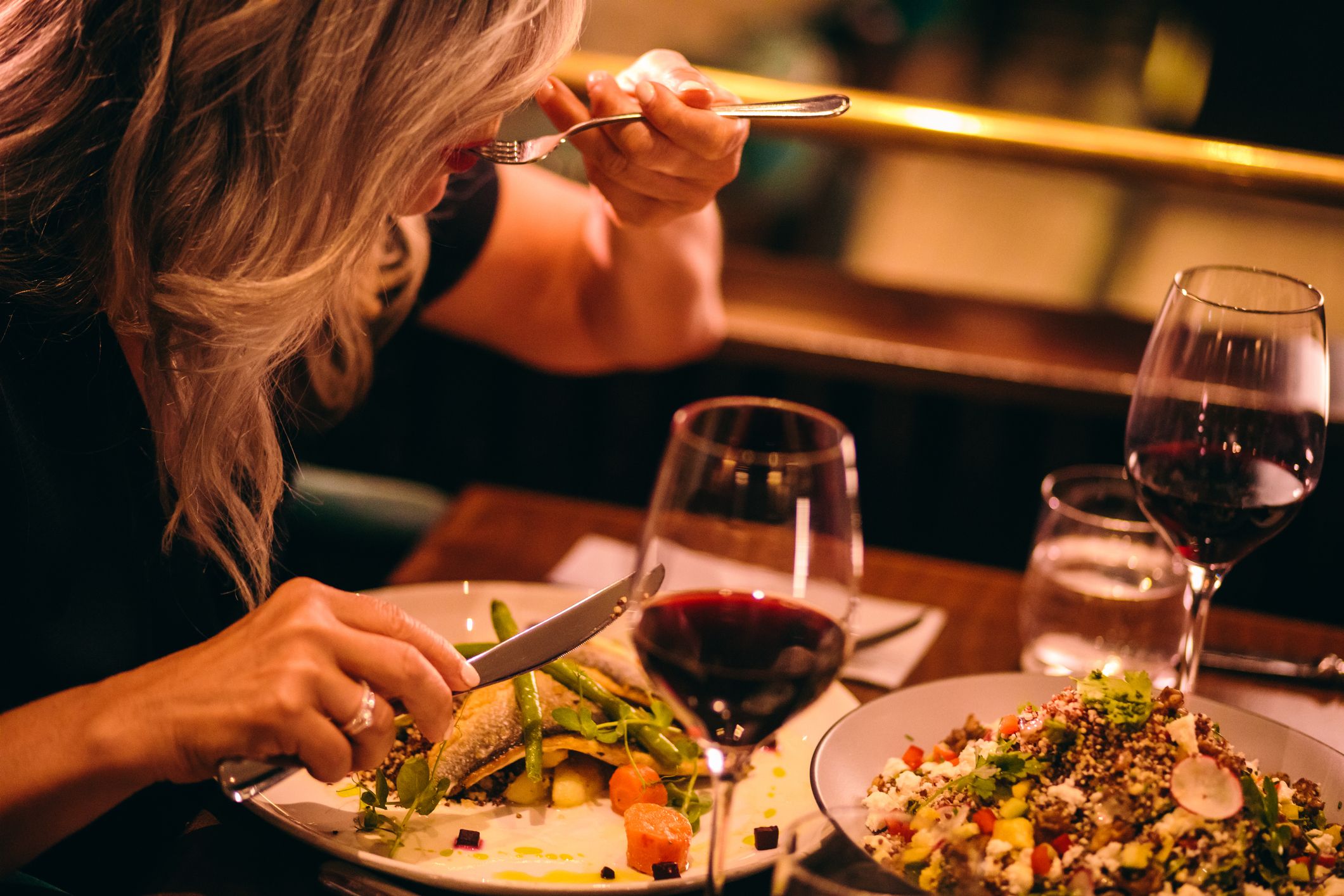
Social media platforms have become an integral part of our lives, revolutionizing the way we communicate, share information, and even seek inspiration for our meals. In recent years, influencers on social media platforms have gained significant prominence, especially when it comes to providing exciting and creative dinner ideas.
The Rise of Social Media Influencers
Social media influencers are individuals who have built a significant following on platforms such as Instagram, YouTube, TikTok, and Pinterest, with their content influencing the choices and preferences of their audience. These influencers have become trusted sources of inspiration, offering innovative ideas for people seeking to diversify their dinner options.
Creating Engaging and Visual Content
One of the main reasons behind the success of these influencers is their ability to create engaging and visually appealing content. Through high-quality photography, creative storytelling, and visually appealing presentations, influencers captivate their audience and encourage them to try out new and unique dinner ideas.
Real-Time Trends and Virality
Social media platforms provide a real-time environment for sharing ideas and information. Influencers leverage this aspect of social media by promptly sharing trendy recipes and dinner ideas that capture the public's attention. This rapid dissemination of information results in viral trends, with millions of users trying out the latest dinner recipes within a short period.
Authenticity and Relatability
Successful social media influencers in the realm of dinner ideas are often valued for their authenticity and relatability. By sharing their personal experiences, struggles, and triumphs in the kitchen, influencers establish a connection with their audience. This sense of connection helps viewers feel more confident in their own cooking abilities, encouraging them to try out new dinner ideas with enthusiasm.
Sharing Personalized and Niche Recommendations
Within the realm of dinner ideas, influencers often focus on specific niches or dietary preferences, catering to the diverse needs and interests of their audience. Whether it's vegan recipes, budget-friendly meals, or quick and easy options, influencers curate content that resonates with a particular segment of the population.
The Business of Sponsored Content
As influencers gain popularity and a loyal following, their ability to influence food choices and preferences becomes sought after by food brands and companies. Sponsored content and collaborations with influencers have become an effective way for businesses to reach their target audience and promote their products or services.
Social media influencers have revolutionized the way we discover and experiment with dinner ideas. By leveraging platforms that offer real-time trends, visual content, authenticity, and personal connection, influencers have become trusted sources of inspiration. As the influence of social media continues to grow, food brands and individuals alike can tap into the power of these digital influencers to discover unique and exciting dinner options.
The Future Outlook of Dinner Ideas: Embracing Convenience, Health, and Global Flavors

With the hectic pace of modern life, finding quick and delicious dinner ideas has become a priority for many individuals and families. This trend is driven by a variety of factors, including busy schedules, increasing health consciousness, and a desire for culinary exploration. Looking ahead, the future of dinner ideas promises to be shaped by three key elements: convenience, health, and global flavors.
Convenience: Embracing Time-Saving Solutions
In the fast-paced world we live in, convenience continues to dominate as a driving force behind meal choices. As a result, the future of dinner ideas will see a rise in time-saving solutions that offer both ease and variety. Meal kits, for example, have gained significant popularity in recent years, providing pre-portioned ingredients and step-by-step recipes to simplify the cooking process. These kits offer convenience without compromising on quality, enabling individuals to enjoy a home-cooked meal in less time.
Furthermore, technological advancements, such as smart kitchen appliances and AI-powered recipe platforms, will further streamline the cooking process. Smart appliances will offer features like voice-activated commands and personalized recipe recommendations, making it even easier to prepare meals at home. These innovations will revolutionize the way we approach dinner, reducing the burden of meal planning and freeing up more time for other activities.
Health: Prioritizing Nutritious and Holistic Meals
Another significant aspect of the future of dinner ideas is an increasing focus on health and wellness. As individuals become more conscious of their dietary choices, there is a growing demand for nutritious and holistic meals. This trend has led to the rise of plant-based and vegetarian options, as well as a greater emphasis on organic and locally sourced ingredients.
In the coming years, dinner ideas will cater to various dietary preferences and restrictions, accommodating those who follow specific eating patterns such as keto, paleo, or gluten-free. Additionally, there will be a shift towards more sustainable food practices, with an increased emphasis on minimizing food waste and utilizing alternative protein sources.
Global Flavors: Exploring Culinary Diversity
The dinner plate has become a way to explore different cultures and flavors from around the world. As people become increasingly adventurous in their culinary preferences, incorporating global flavors into their dinner ideas has become a popular trend.
In the future, this trend will continue to grow, with individuals seeking out a wider range of international cuisines. Thanks to the accessibility of information and ingredients, cooking dishes from various cultures will become even more accessible. Online recipe resources, cooking shows, and social media platforms will continue to inspire individuals to experiment with flavors and techniques from different parts of the world.
The future outlook of dinner ideas is driven by the need for convenience, health-consciousness, and a desire for culinary exploration. The rise of time-saving solutions, increased emphasis on nutritious meals, and the popularity of global flavors will shape dinner trends in the coming years. As technology continues to advance and consumer preferences evolve, the dinner table will become a space for both innovation and cultural celebration. Embracing convenience, health, and global flavors will be key in meeting the demand for fast, wholesome, and diverse dinner ideas.
Trend Recap: Dinner Ideas

As the demand for convenience and variety in meal planning continues to grow, the trend of dinner ideas has gained significant traction. In this trend recap, we will summarize the key findings and insights related to dinner ideas.
- Increasing Interest in Home Cooking: With more people cooking at home due to the COVID-19 pandemic and the desire for healthier and cost-effective meals, dinner ideas have become an essential part of daily life. Consumers are seeking inspiration, new recipes, and ways to make their dinner meals more exciting.
- Rise of Diverse Dietary Preferences: Dinner ideas cater to a wide range of dietary preferences, including vegetarian, vegan, gluten-free, and keto options. As people become more conscious about their health and sustainability, there is a growing demand for recipes that accommodate different dietary needs.
- Emphasis on Quick and Easy Recipes: Time-strapped individuals are seeking dinner ideas that can be prepared quickly and with minimal effort. Quick and easy recipes, one-pot meals, and meal prepping ideas have become especially popular, as they save time and streamline the cooking process.
- Influential Role of Social Media: Social media platforms like Instagram, Pinterest, and food blogs play a crucial role in sharing dinner ideas and recipes. Influencers, chefs, and home cooks share their creative meal ideas, showcasing visually appealing and appetizing dishes that inspire others to try new recipes.
- Personalization and Customization: Consumers are increasingly looking for dinner ideas that can be customized to suit their taste preferences, dietary restrictions, and ingredient availability. As a result, recipe websites and apps have started offering features that allow users to adapt recipes, substitute ingredients, and scale portion sizes.
- Ethnic and International Inspiration: Dinner ideas are no longer limited to traditional cuisines. There has been a surge of interest in exploring diverse flavors and global culinary traditions. Recipes inspired by international cuisines, such as Asian, Mediterranean, and Middle Eastern, are becoming increasingly popular among food enthusiasts.
- Conscious Cooking and Sustainability: Sustainability and conscious cooking have become integral aspects of dinner ideas. Consumers are seeking recipes that incorporate locally sourced, seasonal ingredients, reduce food waste, and promote eco-friendly practices, such as making plant-based meals and using reusable packaging.
- Meal Kits and Subscription Services: The rise of meal kit delivery services has simplified the dinner planning process for many people. Subscription-based companies curate weekly menus and deliver pre-portioned ingredients, allowing consumers to explore new recipes with convenience and reduce grocery shopping trips.