
Bilirubin Testing Takes the Spotlight: Unveiling the Surging Trend in Healthcare Diagnostics

The Growing Popularity of Bilirubin Testing: A Vital Screening Tool
In recent years, the Bilirubin test has gained significant popularity and emerged as a vital screening tool in healthcare. This test measures the levels of bilirubin, a yellowish pigment produced during the breakdown of red blood cells, in the body. Monitoring bilirubin levels is crucial for diagnosing and managing various liver and blood disorders. Originating as a diagnostic tool for jaundice, the Bilirubin test has now become widely recognized and utilized across diverse demographics.
Understanding the Bilirubin Test:
The Bilirubin test originated from the long-standing need to identify and assess bilirubin levels, a key indicator of liver and blood health. When red blood cells reach the end of their lifespan, they are broken down, resulting in the release of bilirubin. This pigment is transported to the liver, where it is conjugated and eventually excreted via the bile. However, if the liver is unable to process bilirubin efficiently, its levels can increase, leading to various complications.
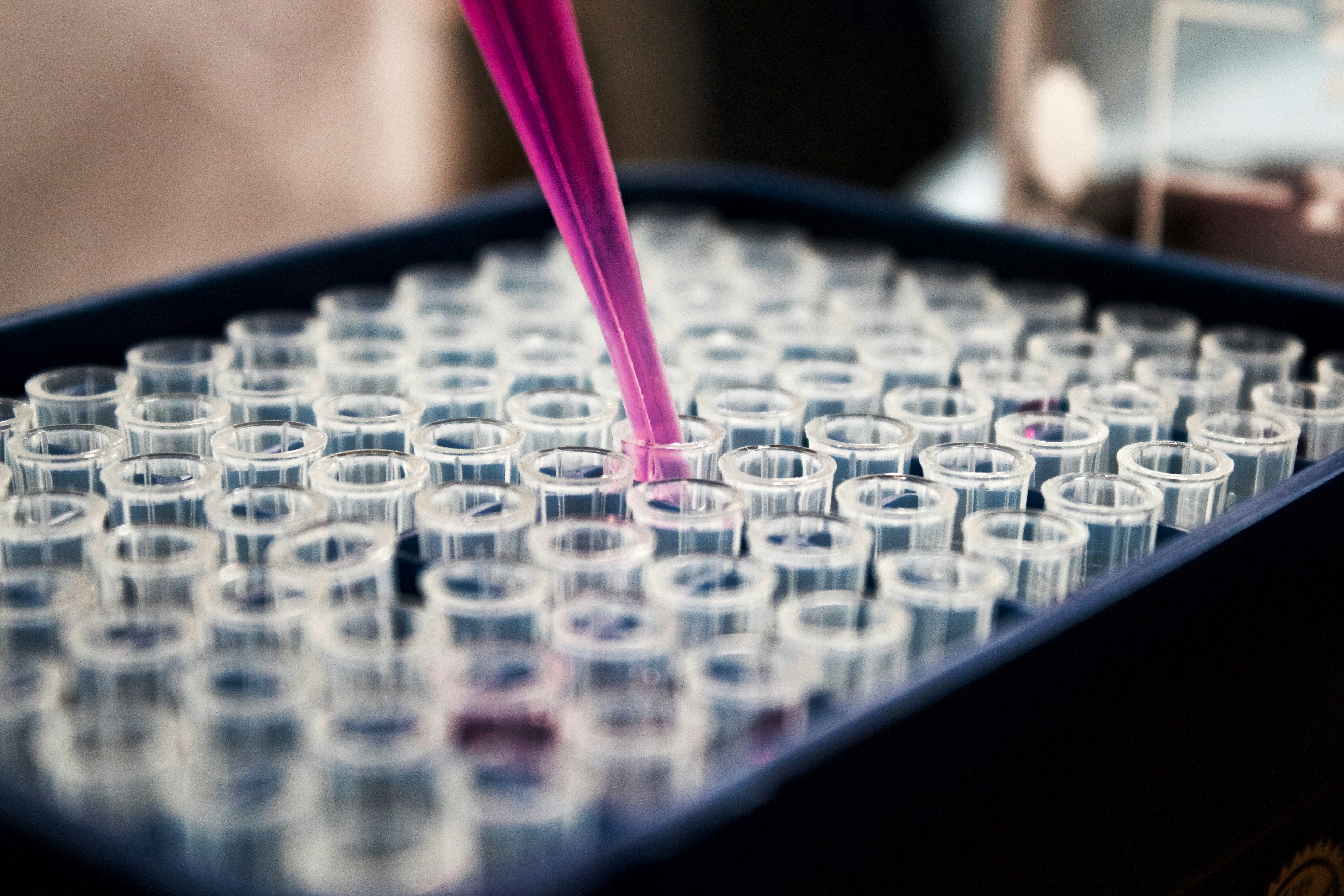
The test itself involves measuring the total bilirubin levels and often differentiating between direct (conjugated) and indirect (unconjugated) bilirubin. To conduct the test, a healthcare professional takes a blood sample, which is then analyzed in a laboratory using specialized equipment. The results provide crucial insights into the functioning of the liver, helping healthcare practitioners diagnose conditions like liver disease, anemia, and jaundice.
Growing Popularity across Demographics:
The Bilirubin test's popularity can be attributed to several factors, including its effectiveness, ease of administration, and increasing awareness of liver and blood disorders. Here is a closer look at how this test has gained traction among various demographics:
- Pediatrics: Bilirubin testing is particularly common among newborns and infants. As jaundice is a prevalent condition in this population, the test helps identify hyperbilirubinemia, a condition in which bilirubin levels are excessively high. Early detection allows prompt intervention to prevent complications such as kernicterus.
- Preoperative Screening: Bilirubin testing has become an essential component of preoperative evaluations. Elevated bilirubin levels can indicate liver dysfunction or poor liver reserve, which can impact patient outcomes and guide surgical decision-making.
- Liver Disease Management: Individuals with liver diseases, such as hepatitis, cirrhosis, or alcoholic liver disease, often undergo regular Bilirubin testing. Monitoring bilirubin levels helps assess disease progression, evaluate treatment efficacy, and guide therapeutic interventions.
- Anemia Diagnosis: The Bilirubin test is instrumental in diagnosing anemia. Elevated levels of indirect bilirubin can indicate excessive breakdown of red blood cells, leading to anemia. This test facilitates accurate identification and classification of anemia, aiding in appropriate treatment strategies.
The Bilirubin test has witnessed a significant surge in popularity across various demographics. Its effectiveness in diagnosing liver and blood disorders, ease of administration, and increasing awareness have contributed to its widespread adoption. By monitoring bilirubin levels, healthcare professionals can gain valuable insights into patients' overall health and manage conditions more effectively. The growing importance of the Bilirubin test signifies its status as an indispensable tool in modern healthcare.
Market Size and Growth of Bilirubin Test
The market for bilirubin tests has experienced significant growth in recent years, driven by factors such as the rising prevalence of liver diseases and neonatal jaundice. Bilirubin tests are commonly used to measure the levels of bilirubin in the blood, which can indicate liver dysfunction and other health conditions.
According to a report by Market Research Future, the global bilirubin test market was valued at $541 million in 2018 and is projected to reach a market value of $1,080 million by 2025, growing at a CAGR of 11.1% during the forecast period. This growth can be attributed to various factors:
- Increasing Prevalence of Liver Diseases: Liver diseases, such as hepatitis and cirrhosis, are on the rise globally. According to the World Health Organization (WHO), liver diseases are responsible for 2 million deaths per year. Bilirubin tests play a crucial role in the diagnosis and monitoring of these conditions, contributing to the growth of the market.
- Neonatal Jaundice Management: Neonatal jaundice, a condition characterized by high levels of bilirubin in newborns, is another significant driver for the bilirubin test market. This condition affects approximately 60% of term newborns and 80% of premature babies. Early detection and management of neonatal jaundice through bilirubin tests are critical in preventing the development of severe conditions like kernicterus, leading to an increased demand for such tests.
- Technological Advancements: The advancement of technology has led to the development of innovative bilirubin testing methods. These include transcutaneous bilirubinometers and point-of-care testing devices that offer rapid and accurate results. Such advancements have enhanced the convenience and efficiency of bilirubin testing, contributing to the market growth.
- Increasing Healthcare Expenditure: With the growing awareness about health and well-being, there has been a significant increase in healthcare expenditure worldwide. Governments and private organizations are investing in improving healthcare infrastructure and facilities, leading to improved access to diagnostic tests such as bilirubin tests. This, in turn, has fueled the market growth.
In conclusion, the market size of bilirubin tests is expanding rapidly, driven by the increasing prevalence of liver diseases, the need for neonatal jaundice management, technological advancements, and rising healthcare expenditure. As advancements continue to improve the accuracy and efficiency of bilirubin testing methods, the market is expected to witness sustained growth in the coming years.
Understanding Consumer Demand and Preferences for Bilirubin Testing

Bilirubin is a yellowish pigment produced during the breakdown of red blood cells in the body. The bilirubin test is commonly used to diagnose and monitor liver and bile duct conditions, including liver malfunction, hepatitis, and jaundice. Understanding consumer demand and preferences for bilirubin tests is crucial for healthcare providers, manufacturers, and market researchers in order to provide effective and user-friendly testing solutions.
- Accessibility and Convenience: Consumers today increasingly value accessibility and convenience when it comes to healthcare services and diagnostic tests. Therefore, the demand for bilirubin testing options that are easily accessible, convenient, and less invasive is on the rise. Point-of-care devices that can provide fast and accurate bilirubin results, such as handheld analyzers or home test kits, are becoming more popular among consumers.
- Accuracy and Reliability: Consumers place high importance on the accuracy and reliability of bilirubin test results. Inaccurate results can lead to misdiagnoses and unnecessary treatments. To meet consumer preferences, healthcare providers and manufacturers need to prioritize developing bilirubin testing methods and devices that offer consistent and precise results. This may involve adopting advanced technologies, such as spectrophotometry or enzymatic testing, to enhance the accuracy and reliability of bilirubin measurements.
- Non-invasive Testing: Traditional methods of bilirubin testing often involve blood sample collection, which may cause discomfort and anxiety in some individuals, particularly children. Increasingly, consumers prefer non-invasive or minimally invasive testing options that offer a more comfortable experience without compromising accuracy. Non-invasive bilirubin testing methods, such as transcutaneous bilirubinometry, which measures bilirubin levels through the skin, can provide a more desirable testing experience for consumers.
- Affordability: Affordability is an important consideration for consumers when it comes to medical tests. The demand for cost-effective bilirubin testing options is driven by the desire for accessible healthcare, particularly in low-income or underprivileged communities. Affordable bilirubin test kits, insurance coverage for testing, and subsidized or discounted testing services can help meet the needs of consumers who prioritize affordability.
- Clear Instructions and User-Friendly Design: Consumer preferences also revolve around clear instructions and user-friendly design for bilirubin testing devices and kits. Consumers appreciate intuitive interfaces, straightforward instructions, and minimal steps in sample collection and analysis. Manufacturers should focus on developing user-friendly products that can be easily used by individuals with limited medical knowledge or expertise.
Understanding consumer demand and preferences for bilirubin testing is crucial for healthcare providers and manufacturers to develop effective and user-friendly testing solutions. Accessibility, convenience, accuracy, non-invasiveness, affordability, and user-friendliness are key factors that shape consumer preferences in this domain. By addressing these preferences, healthcare providers can enhance patient satisfaction and improve the overall quality of bilirubin testing services.
Industry Players and Competition in Bilirubin Testing

Bilirubin testing is a vital diagnostic tool used to evaluate liver function and detect various liver disorders. It measures the level of bilirubin, a yellowish pigment produced by the breakdown of red blood cells, in the blood. As one of the essential tests in clinical practice, bilirubin testing is conducted in various healthcare settings, including hospitals, clinics, and diagnostic laboratories. This section will focus on the key industry players and the competition landscape in the bilirubin testing market.
Industry Players:
Several companies are actively engaged in the development, manufacturing, and distribution of bilirubin testing equipment and related products. These players contribute to the advancement of technology, innovation, and market growth. Here are some notable industry players in the bilirubin testing market:
- Abbott Laboratories: Abbott offers the ARCHITECT Bilirubin assay, a fully automated and standardized test used in their ARCHITECT platform. This system allows for high-throughput testing, reducing manual labor and improving efficiency.
- Beckman Coulter: Beckman Coulter provides the Unicel DXC Synchron Clinical Systems, which offer both total and direct bilirubin testing capabilities. These systems are widely used in clinical laboratories for accurate assessment of liver function.
- Diazyme Laboratories: Diazyme offers a range of bilirubin assay kits for use on various clinical chemistry analyzers. Their liquid-stable reagents provide enhanced accuracy and precision in bilirubin testing.
- Roche Diagnostics: Roche offers the Cobas bilirubin assay, which can be run on their Cobas analyzers. This assay allows for the measurement of total and direct bilirubin levels, providing valuable information in the diagnosis and monitoring of liver diseases.
Competition Landscape:
The bilirubin testing market is highly competitive, with numerous players offering a variety of products with different features and capabilities. The competition is driven by factors such as product quality, accuracy, ease of use, price, and customer support. In addition to the industry players mentioned above, other companies also contribute to the competition in the market. These include:
- Siemens Healthineers: Siemens offers the Bilirubin Total assay, available on their ADVIA Chemistry Systems. It provides accurate measurements of total bilirubin levels, aiding in the diagnosis and monitoring of liver disorders.
- Ortho Clinical Diagnostics: Ortho Clinical Diagnostics provides the VITROS Bilirubin assay, used in their VITROS Systems. These assays enable efficient and reliable bilirubin testing with a low sample volume requirement.
- Sysmex Corporation: Sysmex offers the XN-Series hematology analyzers, which include the capability to measure bilirubin levels. These analyzers provide comprehensive testing capabilities, including bilirubin testing, leading to streamlined workflows for healthcare providers.
The bilirubin testing market is competitive, driven by the need for accurate, efficient, and reliable diagnostic tools in liver function assessment. Notable industry players such as Abbott Laboratories, Beckman Coulter, Diazyme Laboratories, and Roche Diagnostics offer advanced bilirubin testing solutions. These companies continually strive to improve their products and technologies to meet the evolving needs of healthcare professionals. Additionally, companies like Siemens Healthineers, Ortho Clinical Diagnostics, and Sysmex Corporation also contribute to the competition, providing a wide range of bilirubin testing options for healthcare providers worldwide.
Technological Innovations Revolutionizing Bilirubin Testing

Bilirubin testing is a vital diagnostic tool used to measure the levels of bilirubin, a yellow pigment produced during the breakdown of red blood cells, in the blood. Elevated levels of bilirubin can indicate a range of medical conditions, including liver diseases, such as jaundice and cirrhosis. Technological advancements are continuously enhancing the accuracy, efficiency, and accessibility of bilirubin testing. In this section, we will explore the latest innovations that have revolutionized bilirubin testing.
Non-invasive Bilirubin Measurement:
Traditionally, bilirubin levels were measured through invasive blood tests, requiring needle pricks to obtain a blood sample. However, recent technological innovations have paved the way for non-invasive methods, reducing patient discomfort and the risk of infections. Devices such as spectrophotometers and transcutaneous bilirubinometers (link to explanation) utilize light absorption techniques to measure bilirubin levels in the skin. These non-invasive approaches have become increasingly popular, particularly for neonates, simplifying the monitoring of bilirubin levels and enabling early detection of potential complications like neonatal jaundice.
Point-of-Care Testing (POCT):
Point-of-care testing has gained tremendous popularity across various medical fields, including bilirubin testing. POCT devices allow healthcare professionals to obtain rapid bilirubin test results, directly at the patient's bedside or even in remote locations. These portable and user-friendly devices, such as handheld bilirubin analyzers, provide reliable and accurate results within minutes, eliminating the need for laboratory processing. POCT not only streamlines the diagnostic process but also enables immediate clinical decision-making, especially in emergencies or critical care scenarios.
Integration of Artificial Intelligence (AI):
The integration of artificial intelligence has played a significant role in transforming bilirubin testing. AI algorithms, combined with data from large patient populations, have the potential to enhance accuracy and efficiency in diagnosing bilirubin-related conditions. Machine learning algorithms can analyze vast amounts of data and identify patterns, helping healthcare professionals make more informed decisions. By continually learning and improving, AI-powered systems can quickly adapt to complex situations, further optimizing bilirubin testing and improving patient outcomes.
Home-based Bilirubin Testing:
Advancements in technology have enabled the development of home-based bilirubin testing devices, allowing patients to monitor their bilirubin levels conveniently. These devices, such as smartphone applications with integrated sensors, provide individuals with a cost-effective method to track their bilirubin levels regularly. Home-based testing not only increases patient engagement and empowerment but also offers an opportunity for real-time monitoring of bilirubin levels, especially for individuals with chronic liver conditions. Additionally, telemedicine platforms can leverage this technology to remotely monitor and guide patients, enhancing access to care for individuals in rural or underserved areas.
Technological innovation continues to shape the landscape of bilirubin testing, with non-invasive measurement, point-of-care testing, artificial intelligence integration, and home-based testing revolutionizing the field. These advancements have significantly improved the accuracy, accessibility, and convenience of bilirubin testing, ultimately benefiting patients, healthcare professionals, and the healthcare system as a whole. As technology continues to advance, we can anticipate further developments in bilirubin testing, enhancing the efficiency and effectiveness of this vital diagnostic tool.
Regional Trends and Cultural Influences on Bilirubin Testing

Bilirubin testing is a common medical procedure used to measure the levels of bilirubin in the blood. This test is primarily conducted to assess liver health and evaluate conditions such as jaundice, liver disease, and hemolytic anemia. While the bilirubin test is performed worldwide, regional trends and cultural influences can have an impact on the frequency and approach to this diagnostic examination.
Varied Prevalence by Region
The prevalence of bilirubin testing can vary significantly from one region to another. In some areas, such as countries with advanced healthcare systems, routine bilirubin testing might be a standard practice during physical examinations and newborn screenings. On the contrary, resource-constrained regions may have limited access to this test due to financial constraints or a lack of healthcare infrastructure.
Cultural Factors
Cultural influences can also play a significant role in the frequency and perception of bilirubin testing. In some cultures, there might be a higher emphasis on preventive healthcare measures, leading to more frequent bilirubin testing. For instance, in countries with a high prevalence of liver diseases, such as China and India, routine bilirubin testing may be more common due to the population's increased awareness and concern for liver health.
Traditional Medicine and Bilirubin Testing
In regions where traditional medicine practices are prevalent, the approach to bilirubin testing may be influenced by traditional beliefs and remedies. Traditional healthcare systems might have their own diagnostic methods for assessing liver health, which can differ from conventional bilirubin testing. This can lead to variations in the usage and adoption of bilirubin testing across different cultural groups.
Impact of Regional Health Policies
Regional health policies and guidelines established by healthcare authorities can also influence the frequency and availability of bilirubin testing. Some countries might recommend routine bilirubin testing as part of their national health programs, particularly for high-risk populations such as newborns. These policies can standardize the usage of bilirubin testing and ensure its accessibility across different regions.
Conclusion
Regional trends and cultural influences can significantly impact the prevalence and approach to bilirubin testing. Factors such as healthcare infrastructure, cultural beliefs, traditional medicine practices, and regional health policies all contribute to the variations observed in the frequency and availability of this diagnostic examination. Understanding these regional trends and cultural influences is crucial for healthcare stakeholders to ensure equitable access and effective implementation of bilirubin testing worldwide.
The Rising Influence of Social Media and Influencers in the Bilirubin Test Domain

Social media platforms have become integral parts of our lives, with billions of users sharing information, connecting with others, and seeking advice. As a result, social media has evolved into an influential tool in the medical world as well, including in domains like the bilirubin test. Nowadays, an increasing number of people turn to social media platforms and influencers to gather information, share experiences, and seek guidance related to bilirubin testing.
Accessible Information:
One of the main reasons why social media has gained significant influence in the bilirubin test domain is its ability to provide accessible information. Traditional sources of medical information, such as textbooks or medical journals, may be overwhelming or confusing for the general public. Conversely, social media platforms offer a user-friendly way for individuals to seek information about the bilirubin test. This accessibility enables users to educate themselves about the test's purpose, procedure, and potential implications.
Personal Experiences and Support:
Social media platforms provide an avenue for individuals to share personal experiences related to the bilirubin test. Users can create posts or join online communities where they can discuss their journeys, ask questions, and seek support from others who have undergone similar experiences. These shared experiences can help alleviate anxiety, provide reassurance, and offer practical advice to individuals preparing for or recovering from the bilirubin test.
Influencer Impact:
Influencers, individuals with a substantial social media following and expertise in a specific domain, have emerged as powerful players in shaping opinions and influencing consumer behavior. The bilirubin test domain is no exception. Influencers specializing in healthcare, parenting, or wellness have started discussing topics related to the bilirubin test, such as its significance, interpretation, or associated conditions. Their insights and recommendations serve as an additional resource for individuals seeking reliable and relatable guidance on the topic.
Community Awareness and Advocacy:
Social media platforms have amplified the reach and impact of advocacy and awareness initiatives surrounding the bilirubin test. Various organizations, patient groups, and healthcare professionals utilize social media to spread awareness about the importance of testing for bilirubin levels, especially in newborns. These online communities allow individuals to connect, share resources, and participate in campaigns, ultimately contributing to increased understanding and proactive engagement with bilirubin testing.
Educational Campaigns:
Social media provides an ideal platform for educational campaigns focused on the bilirubin test. Healthcare providers and organizations often leverage the power of influencers, engaging them in promoting accurate information about the test, its benefits, and potential risks. Furthermore, through visually compelling content and concise messages, educational campaigns aim to enhance public knowledge and encourage individuals to prioritize bilirubin testing as a preventive measure or diagnostic tool.
As social media continues to grow, its influence on the healthcare landscape, including the bilirubin test domain, is expected to expand further. From accessible information and personal experiences to influencer impact and education campaigns, social media platforms offer a wide range of resources for individuals seeking information and support related to bilirubin testing. Understanding and leveraging this influence can play a vital role in ensuring the dissemination of reliable information, fostering community engagement, and enhancing healthcare outcomes in this important area.
The Future Outlook of Bilirubin Testing: Advancements and Forecast

Bilirubin testing is a vital diagnostic tool used to measure the levels of bilirubin in the blood, allowing healthcare professionals to identify different liver and gallbladder conditions. By understanding the future outlook for bilirubin testing, we can anticipate potential advancements and emerging trends that may shape the field for years to come.
Technological Advancements:
The field of bilirubin testing is expected to witness significant technological advancements. Traditional methods, such as the total serum bilirubin (TSB) method, have limitations in terms of accuracy and time required for results. However, newer innovations, like transcutaneous bilirubinometry, have emerged as non-invasive alternatives. Through the use of optics and light absorption, transcutaneous bilirubinometers provide quick and reliable measurements, particularly in newborns.
Additionally, advancements in point-of-care testing (POCT) technology will continue to optimize bilirubin testing. POCT devices allow rapid testing at the patient's bedside, reducing the time between testing and diagnosis. These developments in technology promise to improve patient care by enhancing accuracy, efficiency, and convenience.
Integration with Artificial Intelligence (AI):
The integration of bilirubin testing with AI holds significant potential. AI algorithms can analyze large volumes of data, including historical patient records and bilirubin levels, to detect patterns and predict future outcomes. By leveraging AI, healthcare professionals can identify potential liver or gallbladder conditions early on, leading to timely interventions and improved patient outcomes.
Furthermore, AI-powered algorithms can streamline the interpretation of bilirubin test results, reducing subjectivity and human error. This automation not only increases efficiency but also enhances the accuracy of diagnoses, resulting in better and more personalized patient care.
Forecasted Rise in Demand:
The global bilirubin testing market is expected to grow steadily in the coming years. Factors such as increasing prevalence of liver diseases like hepatitis and growing awareness about healthcare diagnostics drive this growth. Additionally, the high demand for early detection and monitoring of neonatal jaundice — a common condition caused by high bilirubin levels in newborns — is also likely to contribute to market expansion.
As healthcare systems strive for improved patient management and cost-effectiveness, bilirubin testing will continue to play a vital role in disease diagnosis and monitoring. This demand is expected to encourage further research and innovation in the field, leading to the development of more advanced and efficient testing methods.
The future outlook for bilirubin testing is characterized by technological advancements, integration with AI, and a forecasted rise in demand. These factors will drive innovations in testing methods, resulting in quicker, more accurate, and personalized diagnostics. As the healthcare industry continues to prioritize timely interventions and improved patient outcomes, bilirubin testing will remain a critical tool in the diagnosis and monitoring of liver and gallbladder conditions, especially in neonatal care.
Key Findings and Insights on Bilirubin Test
The bilirubin test has become an increasingly important diagnostic tool in healthcare, providing valuable insights into various medical conditions and liver function. Here are the key findings and insights related to this trending medical test:
- Understanding Bilirubin: Bilirubin is a yellowish pigment produced during the breakdown of red blood cells. It is typically processed by the liver and excreted in bile. Elevated levels of bilirubin in the blood can indicate liver disease, hemolytic anemia, or other medical conditions.
- Liver Function Assessment: The bilirubin test is commonly used to assess liver function and identify potential liver disorders. It helps in detecting liver diseases like hepatitis, cirrhosis, or drug-induced liver injury. By measuring the level of bilirubin in the blood, healthcare professionals can evaluate the liver's ability to process and excrete bilirubin effectively.
- Screening for Jaundice: The bilirubin test is an integral part of newborn screening programs to detect jaundice, a condition characterized by yellowing of the skin and eyes due to excess bilirubin. Early detection and treatment of jaundice in infants are crucial to prevent potential complications and ensure their healthy development.
- Monitoring Treatment Response: For patients with existing liver conditions, monitoring bilirubin levels over time can provide valuable insights into treatment effectiveness. A decreasing trend in bilirubin levels indicates improved liver function and response to therapy, while increasing levels may indicate disease progression or the need for adjustments in treatment plans.
- Indirect vs. Direct Bilirubin: Bilirubin exists in two forms: indirect (unconjugated) and direct (conjugated). Measuring both forms helps differentiate between different types of liver diseases and provides more specific diagnostic information.
- Point of Care Testing: Technological advancements have made it possible to perform bilirubin tests at the point of care, allowing for quick and convenient results. This has been particularly useful for neonatal care units and emergency settings, where immediate bilirubin level assessment is critical for making timely treatment decisions.
- Role in Liver Disease Management: Bilirubin measurements are often included in liver function tests, alongside other liver enzymes and markers. Combining bilirubin results with other diagnostic tests provides a comprehensive understanding of liver health and aids in accurate disease diagnosis, prognosis, and management.
- Demand for Home Testing Kits: In recent years, there has been a growing demand for home testing kits for bilirubin, enabling individuals to monitor their liver function conveniently. These kits provide an accessible and cost-effective option for people with chronic liver conditions to track their bilirubin levels regularly and share results with healthcare providers for interpretation.