
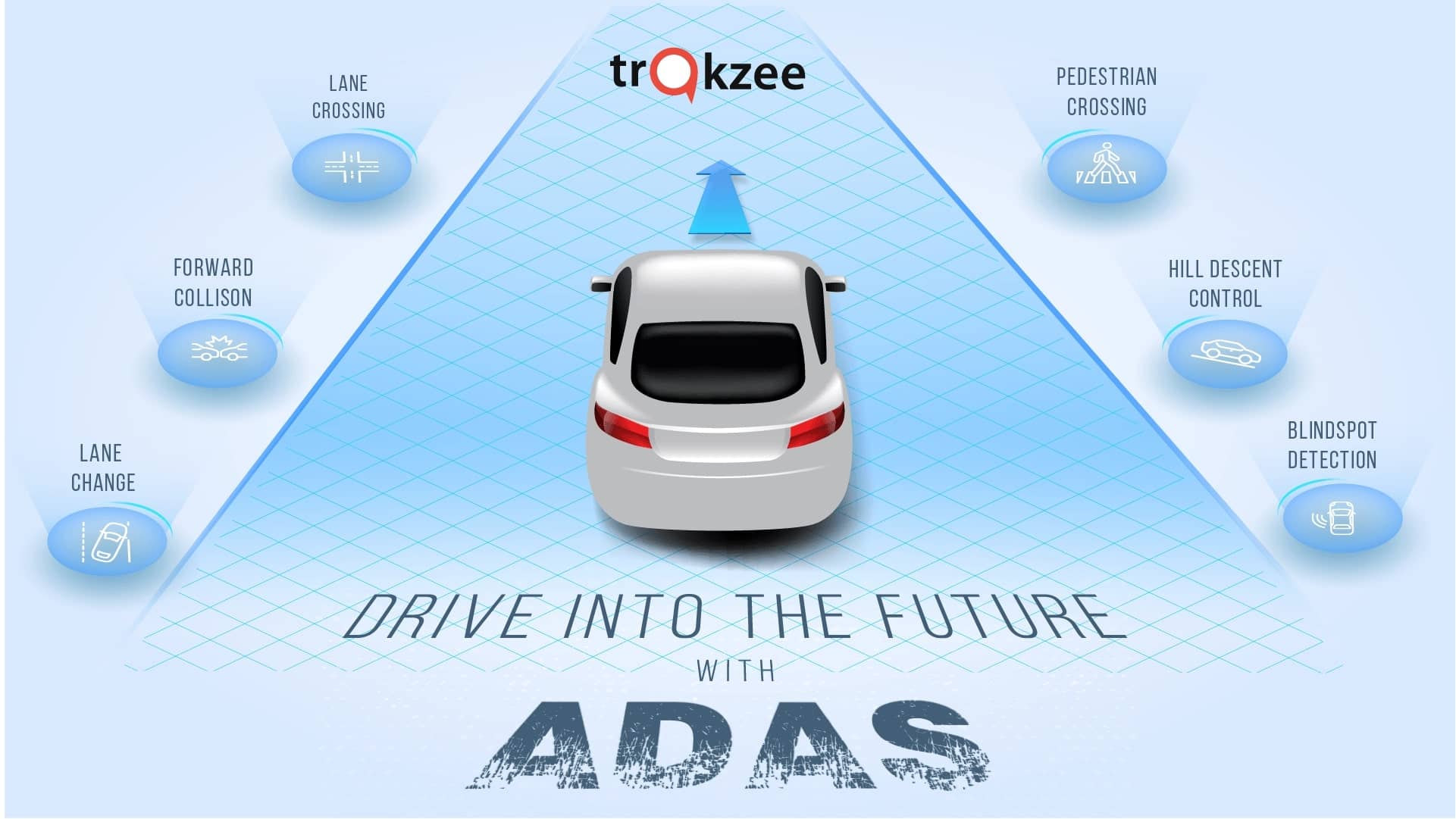
ADAS: Accelerating Demand and Future Opportunities in Automotive Safety Technology

The Rising Popularity of Advanced Driver Assistance Systems (ADAS)

In recent years, the automotive industry has witnessed a significant rise in the adoption of Advanced Driver Assistance Systems (ADAS) across the globe. ADAS refers to a wide range of features and technologies designed to enhance vehicle safety and provide an improved driving experience. From autonomous emergency braking to adaptive cruise control, ADAS aims to assist drivers, reduce accidents, and pave the way for autonomous driving in the future.
Explanation of ADAS and Origins:
ADAS encompasses a variety of technologies that use sensors, cameras, and advanced algorithms to monitor the vehicle's surroundings and assist the driver in real-time. These systems can provide warnings, alerts, and even take control of certain aspects of the vehicle, such as braking or steering, to prevent collisions and improve overall road safety.
Originating from research conducted by automakers, universities, and the military, ADAS began gaining momentum in the late 1980s and early 1990s. Early ADAS features included anti-lock brakes (ABS) and traction control systems (TCS), which aimed to improve vehicle stability and control.
With advancements in technology and an increasing focus on safety, the development of ADAS has accelerated exponentially in recent years. The integration of cutting-edge sensors, artificial intelligence, and machine learning algorithms has given rise to a new generation of ADAS, capable of performing intricate tasks such as lane-keeping assistance, blind-spot monitoring, pedestrian detection, and automated parking assistance.
Popularity among Various Demographics:
ADAS technology has garnered popularity among various demographics, spanning different age groups and driving preferences. Here's why ADAS has become increasingly appealing:
- Enhanced Safety: ADAS features provide an extra layer of safety by assisting drivers in avoiding potential collisions, mitigating human error, and providing early warning systems. This reassures both experienced and new drivers, making it an attractive feature for all age groups.
- Convenience and Comfort: ADAS features, such as adaptive cruise control and traffic jam assist, alleviate the stress of driving in heavy traffic conditions, making it more comfortable and convenient for drivers.
- Decreased Insurance Premiums: Several insurance companies offer discounts to vehicle owners equipped with ADAS features due to their proven track record of reducing accidents and minimizing claims. This incentive further fuels the demand for vehicles with ADAS capabilities.
- Government Regulations and Safety Standards: Governments across the world are continuously pushing for safer roads, leading to the implementation of stricter safety standards. ADAS technologies play a crucial role in meeting these requirements, leading to increased adoption.
As the benefits of ADAS become more evident, the technology is becoming increasingly popular across various demographics. The integration of ADAS into modern vehicles not only enhances safety but also offers greater convenience and driving comfort. With its roots in research and technological advancements, ADAS is poised to play a significant role in shaping the future of the automotive industry, paving the way for autonomous vehicles and revolutionizing the way we drive.
The Growing Market Size and Future Growth of Advanced Driver Assistance Systems (ADAS)
The automotive industry is witnessing a significant transformation with the advent of Advanced Driver Assistance Systems (ADAS). ADAS refers to a collection of features and technologies incorporated into vehicles to enhance driver safety and improve the overall driving experience. As the demand for safer, more connected, and autonomous vehicles increases, the market size and growth potential of ADAS are becoming increasingly significant.
Market Size of ADAS:
The market size of ADAS has been witnessing substantial growth in recent years, driven by several factors, including government regulations, rising consumer awareness on safety, and advancements in technology. According to a report by Grand View Research, the global ADAS market was valued at $31.5 billion in 2019. It is expected to witness a compound annual growth rate (CAGR) of over 19% from 2020 to 2027, reaching a projected market size of $102.5 billion by 2027.
Factors Driving Market Growth:
- Government Regulations and Safety Standards: Government initiatives and regulations mandating the inclusion of specific ADAS features in vehicles have been instrumental in driving market growth. For instance, the European Union mandates the inclusion of features such as autonomous emergency braking (AEB) and lane departure warning (LDW) systems in new vehicles. These regulations, along with similar measures adopted by other countries, are expected to propel the market growth of ADAS.
- Increasing Focus on Vehicle Safety: With a growing emphasis on passenger and pedestrian safety, consumers are increasingly demanding vehicles equipped with advanced safety features. ADAS, with its ability to assist drivers and mitigate potential accidents, has gained significant attention. Features like adaptive cruise control, blind spot detection, and forward collision warning systems have become increasingly common in newer vehicle models.
- Technological Advancements: Rapid advancements in sensor technologies, artificial intelligence, and machine learning have significantly contributed to the growth of ADAS. The development of more accurate and cost-effective sensors, such as LiDAR and radar, has enabled vehicles to gather and process real-time data for better decision-making. These technological advancements not only improve vehicle safety but also enhance the driving experience.
Future Growth Opportunities:
- Autonomous Vehicles: As the automotive industry moves towards autonomous driving, ADAS will continue to play a crucial role. ADAS acts as a stepping stone towards fully autonomous vehicles, providing essential functionalities and data for the safe operation of self-driving cars. With the ongoing advancements in self-driving technologies, the market for ADAS is expected to witness substantial growth.
- Increasing Vehicle Connectivity: The integration of ADAS with vehicle-to-everything (V2X) communication technology enables vehicles to communicate not only with each other but also with infrastructure and pedestrians. This connectivity improves situational awareness and allows for more proactive safety measures, further driving the market growth of ADAS.
With the rising demand for safer and more connected vehicles, the market size and growth potential of ADAS are poised for significant expansion. Government regulations, increasing consumer awareness about safety, and technological advancements are driving the adoption of ADAS. As the automotive industry continues to embrace autonomous driving and vehicle connectivity, the market for ADAS is projected to witness sustained growth in the coming years.
Analyzing Consumer Demand and Preferences for ADAS

In recent years, Advanced Driver Assistance Systems (ADAS) have gained significant prominence as technological advancements continue to revolutionize the automotive industry. ADAS encompasses a range of features, such as adaptive cruise control, lane departure warning, and automatic emergency braking, designed to enhance safety and convenience for drivers. As consumer demand and preferences play a crucial role in driving the adoption of ADAS, it is essential to delve into the factors influencing these decisions.
Safety as the Key Driver
Safety is the primary driver behind the growing consumer demand for ADAS. With a considerable emphasis on reducing accidents and fatalities, consumers increasingly prioritize vehicles equipped with ADAS features. According to a study conducted by the Insurance Institute for Highway Safety (IIHS), vehicles equipped with forward collision warning and automatic emergency braking systems experienced a 50% reduction in rear-end crashes.
Convenience and Ease of Use
In addition to safety, convenience and ease of use are significant factors shaping consumer preferences for ADAS. These systems provide additional comfort and reduce the cognitive load on drivers, allowing them to focus on the road better. Features like adaptive cruise control, which automatically adjusts the vehicle's speed based on traffic conditions, reduce driver fatigue on long journeys.
Integration with Connected Technologies
Consumers are increasingly seeking vehicles that integrate ADAS with connected technologies. These technologies include smartphone integration, voice controls, and other smart features. The ability to seamlessly connect ADAS with smartphones, for instance, allows users to receive real-time alerts and monitor vehicle systems remotely, enhancing the overall driving experience.
Awareness and Education
Although ADAS technologies have gained significant traction, consumer awareness and education still play a critical role in shaping preferences. Many potential buyers may be unaware of the latest ADAS features and their benefits. Therefore, manufacturers and dealerships must invest in educational campaigns to highlight the advantages of ADAS and dispel any misconceptions consumers may have.
As the automotive industry continues its transformation towards increased automation and safety, consumer demand and preferences for ADAS are becoming vital considerations for manufacturers. Understanding the key drivers behind the adoption of ADAS, such as safety, convenience, integration with connected technologies, and raising awareness, will help stakeholders cater to consumer needs effectively. By prioritizing these factors, manufacturers can develop ADAS systems that appeal to a wider consumer base and contribute to a safer and more connected driving experience.
Industry Players and Competition in ADAS

The automotive industry is rapidly evolving, with new technologies being integrated into vehicles to enhance safety and convenience. One such technology gaining significant attention is Advanced Driver Assistance Systems (ADAS). ADAS refers to a set of electronic features designed to assist drivers and improve road safety. As the demand for ADAS continues to grow, various industry players are vying for a larger share of the market. In this section, we will explore the key players and analyze the competition in the ADAS industry.
Key Players in the ADAS Industry:
- Bosch: As one of the leading suppliers of automotive technology, Bosch holds a prominent position in the ADAS market. They offer a wide range of ADAS solutions, including adaptive cruise control, lane keeping assist, and collision warning systems. With their extensive research and development capabilities, Bosch is consistently introducing innovative ADAS features to cater to the evolving needs of consumers.
- Continental: Continental is another prominent player in the ADAS arena. They provide a comprehensive portfolio of ADAS solutions, including cameras, radar sensors, and electronic control units. With a focus on sensor fusion and artificial intelligence, Continental aims to deliver advanced safety features and pave the way for autonomous driving in the future.
- Aptiv: Aptiv, formerly known as Delphi Automotive, is a global technology company specializing in automotive solutions. They offer a broad range of ADAS products, including radar, vision, and vehicle-to-everything (V2X) communication systems. Aptiv is known for their expertise in sensor technologies and their commitment to developing autonomous driving capabilities.
- Denso: Denso, a Japanese automotive component manufacturer, has a significant presence in the ADAS market. They provide a range of ADAS technologies, including radar and vision systems, to enhance driver safety and improve vehicle performance. Denso has been collaborating with other industry players and actively participating in the development of ADAS standards.
Competition in the ADAS Industry:
The ADAS market is highly competitive, with several players striving to gain a competitive advantage. The competition revolves around factors such as product innovation, performance, pricing, and partnerships. Some notable aspects of the competition in the ADAS industry include:
- Technological Advancements: Companies are continuously investing in research and development to create cutting-edge ADAS technologies. This includes the development of advanced sensors, improved algorithms, and enhanced connectivity features. Staying at the forefront of technological advancements is crucial for companies to attract customers and gain a competitive edge.
- Partnerships and Collaborations: Collaboration between automotive manufacturers, component suppliers, and technology companies is becoming increasingly essential. Partnerships allow companies to leverage each other's strengths and combine resources to create comprehensive ADAS solutions. These collaborations help in accelerating technology development and entering new markets while staying competitive.
- Pricing and Cost Optimization: With the increasing demand for ADAS, cost optimization becomes a critical factor in attracting customers. Players in the ADAS industry continuously work on reducing the overall cost of ADAS systems without compromising quality. Pricing strategies that strike a balance between affordability and profitability become crucial to stay ahead in the market.
- Regulatory Compliance: The ADAS industry is subject to strict regulations and safety standards. Industry players must ensure that their products comply with these regulations to gain market traction. Companies that can swiftly adapt and meet evolving regulatory requirements will have a competitive advantage.
The ADAS industry is witnessing fierce competition, with companies like Bosch, Continental, Aptiv, and Denso dominating the market. Technological advancements, partnerships, pricing strategies, and regulatory compliance are the key areas where players focus their efforts to outperform their competitors. As the demand for ADAS continues to increase, competition in the industry is likely to intensify, driving further innovation and development of advanced safety features for vehicles.
The Rise of ADAS: Driving Technological Innovation in the Automotive Industry

In recent years, the automotive industry has witnessed significant technological innovation, and one of the noteworthy advancements is the introduction of Advanced Driver Assistance Systems (ADAS). ADAS is a set of technologies designed to enhance vehicle safety, improve driving experience, and pave the way for autonomous driving. This section will explore the various technological innovations within the ADAS landscape and their impact on the automotive industry.
- Sensor Technology: ADAS heavily relies on sensors to gather data and provide real-time feedback to the driver. These sensors include radar, lidar, cameras, and ultrasonic sensors, which enable the vehicle to detect and respond to its surroundings. The continuous advancements in sensor technology allow for better accuracy, range, and reliability, enabling vehicles to make informed decisions and avoid potential accidents.
- Computer Vision and Machine Learning: Computer vision and machine learning technologies play a crucial role in ADAS by interpreting data from various sensors and making sense of it in real-time. By leveraging algorithms and artificial intelligence, these systems can recognize objects such as pedestrians, cyclists, and vehicles, and analyze their behavior to make appropriate driving decisions. As these technologies continue to evolve, ADAS capabilities will become even more sophisticated, leading to higher levels of automation.
- V2X Communication: Vehicle-to-Everything (V2X) communication is another key innovation within the ADAS landscape. It enables vehicles to communicate with each other, as well as with infrastructure systems such as traffic lights and road signs. This exchange of information allows for improved situational awareness, enhanced traffic management, and increased safety. As the infrastructure evolves to support V2X communication, vehicles will benefit from a more connected and intelligent transportation ecosystem.
- Artificial Intelligence (AI) and Neural Networks: ADAS systems are becoming increasingly reliant on AI and neural networks. These technologies enable ADAS to learn from vast amounts of data, adapt to changing road conditions, and continuously improve performance. AI-based systems can also analyze driver behavior and provide personalized feedback, such as suggesting safer driving techniques or alerting the driver to potential distractions. As AI models become more advanced and efficient, ADAS capabilities will become increasingly reliable and effective.
ADAS is revolutionizing the automotive industry with its technological innovations. Sensor technology, computer vision, V2X communication, and artificial intelligence are just a few examples of the advancements driving this transformation. As ADAS continues to evolve, we can expect safer roads, improved driving experiences, and eventually, the realization of fully autonomous vehicles. The continued investment in research and development of ADAS technologies will undoubtedly shape the future of mobility.
Regional Trends and Cultural Influences on Adas

Adas, also known as Advanced Driver Assistance Systems, are increasingly becoming an integral part of the automotive industry, enhancing safety and driver convenience. However, regional trends and cultural influences play a crucial role in shaping the adoption, implementation, and perception of adas technologies worldwide. Let's explore some of these fascinating dynamics.
North America: Early Adoption and Emphasis on Safety
In North America, there is a growing emphasis on safety standards and regulations, which has a direct impact on the adoption of adas technologies. As a result, North American consumers often prioritize safety features when purchasing vehicles, making the region one of the early adopters of adas systems.
Moreover, cultural factors such as a robust car culture and long road trip traditions contribute to the rapid adoption of adas. Americans and Canadians spend ample time on the roads, making the integration of features like adaptive cruise control, lane-keeping assist, and blind-spot detection crucial for long-distance safety and convenience.
Europe: Eco-Friendly and Luxury-Oriented Approaches
In Europe, with a strong focus on sustainability and environmental consciousness, adas technologies align well with the region's desire to reduce carbon emissions and improve fuel efficiency. European consumers heavily favor hybrids, electric vehicles, and other eco-friendly options.
Additionally, European automakers often position themselves as leaders in luxury vehicles, incorporating advanced adas technologies into their offerings. The region serves as a hub for innovation in automotive safety systems, with notable examples including autonomous emergency braking, traffic sign recognition, and pedestrian detection.
Asia: Rapid Technological Advancements and Ergonomics
Asia, home to some of the world's largest automotive markets, showcases unique regional trends and cultural influences on adas technologies. Rapid technological advancements and the integration of adas features are driven by the desire to cater to a tech-savvy population.
Cultural factors also come into play, particularly in countries like Japan and South Korea, which prioritize ergonomics and convenience. Features like automatic parking systems, adaptive headlights, and drowsiness detection systems are highly sought after in these markets.
Latin America and Africa: Economic Factors and Specific Preferences
In regions like Latin America and Africa, economic factors often play a significant role in the adoption of adas technologies. Due to affordability concerns, advanced adas features may be limited to higher-end models or luxury vehicles.
Additionally, preferences for specific adas features may vary. Latin American markets, for example, tend to prioritize theft-prevention systems such as vehicle immobilization, steering wheel locks, and tracking devices.
Understanding regional trends and cultural influences is crucial in gauging the adoption and acceptance of adas technologies worldwide. Factors like safety regulations, eco-consciousness, technological advancements, and economic considerations greatly shape the preferences and priorities of consumers in each region. Automakers and industry professionals must consider these nuances to effectively cater to the diverse needs and expectations of consumers across the globe.
The Rise of Social Media and Influencers in the Automotive Industry

In recent years, the automotive industry has witnessed a tremendous shift in the way consumers interact and engage with brands. One significant development has been the rise of social media platforms as a powerful tool for marketing and advertising. As part of this digital revolution, automotive brands have also recognized the influential power of online personalities, known as influencers, in shaping consumer opinions and driving sales. This section will explore the impact of social media and influencers specifically in the context of Advanced Driver Assistance Systems (ADAS).
Social Media Platforms: A New Frontier for Automotive Industry
Social media platforms, such as Instagram, YouTube, Facebook, and Twitter, have provided the automotive industry with a dynamic new channel for reaching and engaging with consumers. These platforms have allowed brands to showcase their latest vehicles, highlight innovative technologies, and create a sense of aspiration and desire around their products.
In the context of ADAS, social media has played a pivotal role in educating and creating awareness among consumers about the various features and benefits of these systems. Brands leverage their social media channels to explain the functionalities of ADAS, provide real-life examples, and share customer testimonials. This approach helps demystify ADAS, removing any misconceptions and ultimately driving adoption.
The Power of Influencer Marketing
Influencer marketing has become an integral part of social media strategies for automotive brands. Influencers are individuals who possess a significant following on platforms like Instagram, YouTube, or TikTok, and have the ability to impact their audience's purchasing decisions. By partnering with influencers, automotive brands gain access to a dedicated and engaged audience, which can help amplify their brand message and generate authentic conversations around ADAS.
In the world of ADAS, influencers have played a crucial role in raising awareness and promoting the benefits of these technologies. They often collaborate with automotive brands to create engaging and informative content, such as product reviews, demonstrations, or tutorials. These collaborations allow influencers to share their personal experiences with ADAS, highlighting the convenience, safety, and enhanced driving experience that these systems offer.
Benefits and Challenges of Influencer Marketing in ADAS
The use of influencers in ADAS marketing comes with several benefits. First, influencers provide a sense of authenticity and relatability, which helps build trust among consumers. By showcasing their personal experiences and opinions, they offer a more genuine perspective on ADAS, making it more accessible for potential buyers.
Second, influencers have the ability to influence specific target demographics. Through their niche focus, influencers can reach audiences that align with the target market for ADAS. For example, influencers specializing in family-oriented content can effectively communicate the advantages of ADAS in enhancing safety features for parents and children.
Nevertheless, challenges exist when leveraging influencers for ADAS marketing. It is essential to carefully select influencers who resonate with the brand's values and target audience. Additionally, disclosure of sponsored content is a regulatory requirement, ensuring transparency in influencer marketing practices.
Harnessing the Potential of Social Media and Influencers in ADAS Marketing
To fully harness the potential of social media and influencers in ADAS marketing, automotive brands need to develop a comprehensive digital strategy. By utilizing social media analytics tools, brands can identify influential voices relevant to their target market and build relationships with these influencers.
Furthermore, collaborations with influencers should extend beyond a one-time partnership. Brands can engage influencers in long-term ambassadorial roles, allowing for a consistent presence and continuous promotion of ADAS features.
In conclusion, social media and influencers have become integral components of the automotive industry's marketing strategies, especially in the context of ADAS. Brands that effectively leverage these platforms and partnerships can educate consumers, drive awareness, and ultimately increase adoption of ADAS technologies.
The Future Outlook of ADAS: Advancements and Forecast

Advanced Driver Assistance Systems (ADAS) have rapidly evolved over the past decade, revolutionizing the driving experience and enhancing road safety. With ongoing advancements in technology and increasing consumer demand for safer and more autonomous vehicles, the future outlook for ADAS appears promising.
Integration into Mainstream Vehicles
One of the key trends in the future of ADAS is the integration of these systems into mainstream vehicles. Once considered a luxury feature, ADAS functionalities are now becoming more accessible across a wide range of vehicle models and price points. As technology continues to advance, we can expect to see even more affordable vehicles equipped with ADAS capabilities.
Growing Adoption of Autonomous Vehicles
ADAS plays a crucial role in the development of autonomous vehicles. As self-driving technology continues to advance, ADAS serves as a stepping stone towards full autonomy. ADAS features such as adaptive cruise control, lane-keeping assist, and automatic emergency braking form the foundation for future autonomous systems. The gradual adoption of autonomous vehicles is expected to drive the demand and further advancements in ADAS technologies.
Continuous Technological Innovations
The future of ADAS is highly dependent on continuous technological innovations. Emerging technologies such as artificial intelligence (AI), computer vision, and LiDAR (Light Detection and Ranging) are expected to significantly enhance the capabilities and accuracy of ADAS systems. AI-powered algorithms can process vast amounts of data in real-time, enabling more efficient decision-making in dynamic driving situations. For instance, AI can analyze traffic patterns, road conditions, and pedestrian behavior to provide proactive safety measures.
Moreover, ADAS will benefit from the increasing use of LiDAR technology. LiDAR sensors, often used in self-driving cars, can provide detailed 3D mapping of the vehicle's surroundings, offering a more accurate perception of the environment. As LiDAR technology becomes more cost-effective and compact, its integration into ADAS systems is likely to become more widespread.
Enhanced Safety Features
Road safety remains a top priority for consumers, regulators, and manufacturers. ADAS will continue to evolve with more advanced safety features aimed at reducing accidents and fatalities. For instance, intersection assistance systems, which detect potential collisions when crossing traffic or exiting intersections, can effectively reduce accidents in complex driving scenarios. Furthermore, efforts are being put into developing ADAS features that specifically address the protection of vulnerable road users, such as bicyclists and pedestrians.
Market Growth and Forecast
The ADAS market is expected to witness significant growth in the coming years. According to a report by Grand View Research, the global ADAS market size was valued at USD 27.36 billion in 2019 and is projected to expand at a compound annual growth rate (CAGR) of 19.9% from 2020 to 2027. Factors such as increasing consumer awareness about road safety, stringent government regulations, and advancements in sensor technologies are expected to drive market growth.
Furthermore, the integration of ADAS features in electric vehicles is expected to fuel market demand. As the electric vehicle industry experiences substantial growth, ADAS functionalities will play a key role in enhancing safety and convenience in these vehicles.
In conclusion, the future outlook for ADAS appears optimistic, driven by advancements in technology, the growing adoption of autonomous vehicles, continuous innovation, and an increasing focus on road safety. With the market poised for significant growth, stakeholders in the automotive industry should continue prioritizing the development and integration of ADAS functionalities in vehicles to meet consumer demands and stay ahead in this competitive landscape.
Recap of Key Findings and Insights on ADAS

What is ADAS?
ADAS stands for Advanced Driver Assistance Systems. These are technologies designed to enhance vehicle safety and improve the driving experience. ADAS features include collision warnings, automatic emergency braking, adaptive cruise control, lane-keeping assist, and blind spot detection, among others. These systems utilize sensors, cameras, and radar to monitor the surroundings and assist drivers in avoiding accidents.
The Rise of ADAS
ADAS has gained significant momentum in recent years due to advances in technology and increasing concerns about road safety. The automotive industry is witnessing a rapid adoption of ADAS features in both new vehicles and aftermarket solutions. According to a study by MarketsandMarkets, the global ADAS market is expected to reach $83.23 billion by 2030, growing at a CAGR of 10.8% from 2020 to 2030.
Improving Road Safety
One of the main drivers for the growing popularity of ADAS is its potential to improve road safety. ADAS features like automatic emergency braking can greatly reduce the risk of rear-end collisions, while lane-keeping assist can prevent accidents caused by lane departure. The integration of ADAS in vehicles has the potential to save lives and reduce the severity of accidents by providing drivers with additional assistance and warnings.
Regulations and Industry Standards
Government regulations and industry standards are playing a crucial role in the adoption of ADAS technologies. Many regions, including the European Union, the United States, and China, have implemented regulations mandating the inclusion of certain ADAS features in new vehicles. These regulations not only contribute to improved road safety but also drive the demand for ADAS technology.
Challenges and Limitations
Although ADAS offers several benefits, it also faces challenges and limitations. One significant challenge is the cost of implementing ADAS features, which can make vehicles more expensive. Additionally, ADAS systems heavily rely on accurate sensor data and can be affected by adverse weather conditions or sensor failures. There is also the issue of driver complacency, where drivers may become overly reliant on ADAS systems and neglect their individual responsibility as the operator of the vehicle.
The Future of ADAS
The future of ADAS looks promising. The continuous advancements in technology, including machine learning, artificial intelligence, and sensor innovations, will further enhance the capabilities of ADAS features. The integration of ADAS with autonomous driving technology will pave the way for fully self-driving vehicles. Moreover, the increasing focus on electric vehicles and sustainability is likely to drive the development of ADAS solutions specifically tailored for electric cars.