
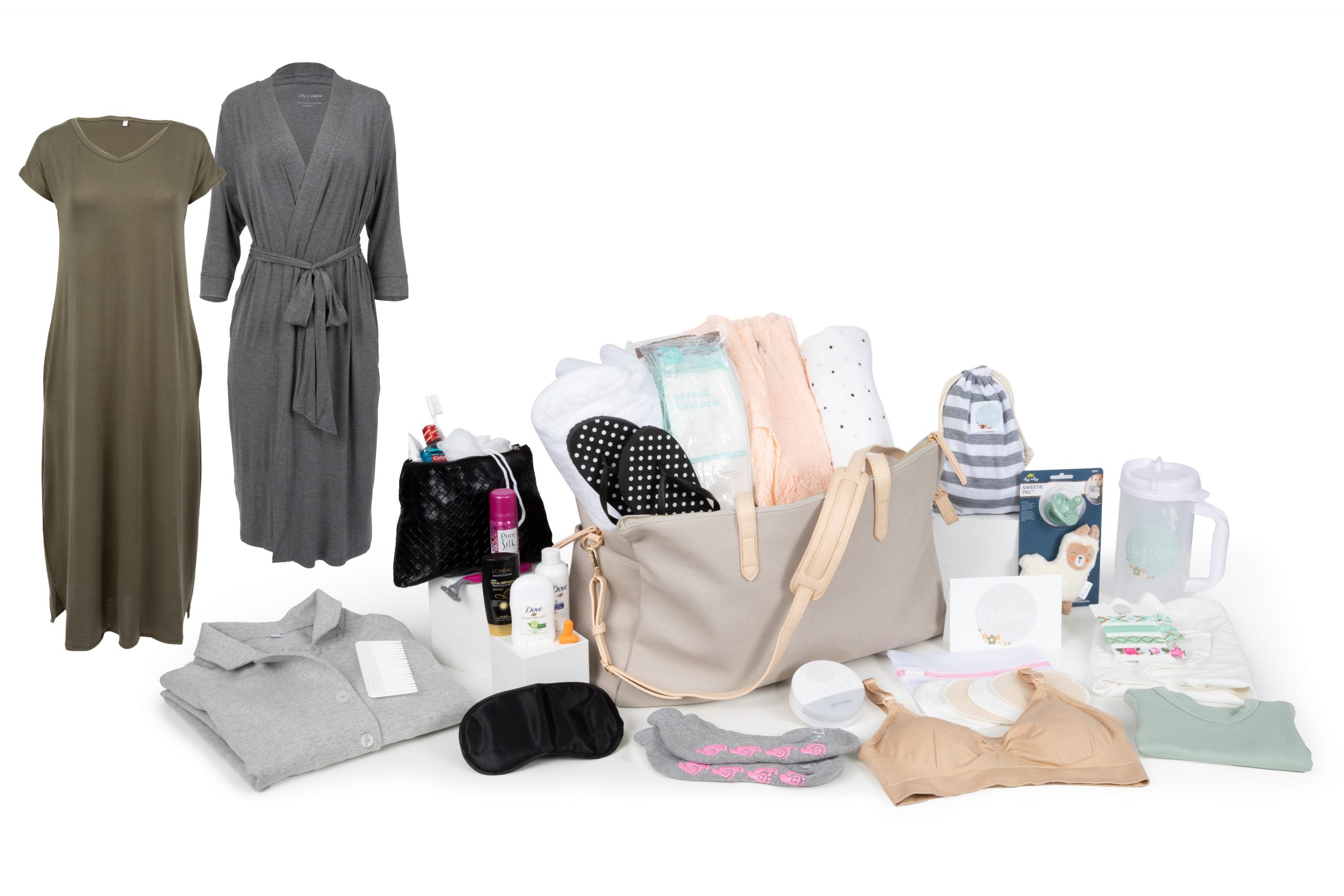
6 Must-Have Items: Uncovering the Latest Trend in Hospital Bag Packing

The Trend of What to Pack in Hospital Bag: A Comprehensive Guide

Preparing a hospital bag is a cherished tradition for expectant parents as they eagerly anticipate the arrival of their little one. It is a carefully curated collection of essential items that provide comfort, convenience, and assurance during a hospital stay for childbirth. The concept of what to pack in a hospital bag has gained immense popularity in recent years, as more people recognize the importance of being prepared and organized for this significant life event.
Explaining What to Pack in a Hospital Bag:
A hospital bag is a portable collection of items that an expecting parent takes with them to the hospital or birth center during labor and delivery. It typically includes a combination of essentials for both the parent and the newborn, ensuring their comfort, hygiene, and well-being during their hospital stay. The items packed can vary depending on personal preferences, cultural traditions, and the specific needs of the parent and baby.
Origins of the Trend:
The concept of a hospital bag dates back to a time when childbirth primarily took place in homes. As healthcare practices shifted towards hospital settings, expectant parents started preparing a bag with necessary items to facilitate their stay during the birth of their baby. Over time, what to pack in a hospital bag has evolved, incorporating modern conveniences and personal touches.
Popularity Among Various Demographics:
The trend of what to pack in a hospital bag has gained significant popularity amongst various demographics, as it addresses the universal need for preparedness, comfort, and organization during the childbirth experience.
- Millennials and Gen Z: With an emphasis on individual preferences and wellness, young parents are actively seeking resources and guides on what to pack in a hospital bag. They appreciate practical checklists and seek out eco-friendly, sustainable, and gender-neutral options for baby essentials.
- Expectant Fathers: Dads-to-be are increasingly involved in the childbirth experience and are actively participating in the preparation process. They are discovering the importance of having their own essentials packed in the hospital bag, such as comfortable clothing, toiletries, and gadgets to capture precious moments.
- Culturally Diverse Communities: Different cultural practices and traditions influence the specific items packed in hospital bags. For example, some communities may include religious artifacts, traditional clothing, or herbal remedies. Understanding these cultural differences is crucial in offering inclusive and diverse suggestions for hospital bag essentials.
- Social Media and Influencers: The rise of social media platforms and the influence of bloggers and influencers have contributed to the popularity of the trend. These platforms offer a wealth of information, advice, and personal experiences related to what to pack in a hospital bag. Expectant parents turn to these digital resources to find inspiration and insights from others who have gone through the same experience.
As the anticipation and excitement surrounding childbirth continue to grow, the trend of what to pack in a hospital bag shows no signs of slowing down. With its practicality, emotional significance, and cultural diversity, this trend has become an essential aspect of many parents' journey into parenthood.
Market Size and Growth of Hospital Bag Essentials
The hospital bag, also known as the maternity bag, is a crucial item for pregnant women and their partners as they prepare for the arrival of their baby. It contains essential items that will be needed during their stay in the hospital. Over the years, the concept of what to pack in a hospital bag has evolved, with expectant parents now seeking more convenience, comfort, and personalization. This article will explore the market size and growth of hospital bag essentials, highlighting the changing trends and the reasons behind their popularity.
Market Size: The market for hospital bag essentials has been expanding steadily in recent years. According to a report by Grand View Research, the global baby care products market size was valued at USD 8.2 billion in 2020 and is expected to grow at a compound annual growth rate (CAGR) of 6.7% from 2021 to 2028. Among these products, hospital bag essentials, including baby clothes, blankets, diapers, toiletries, and other comfort items, play a significant role. The increasing number of pregnancies, rising awareness about the importance of early childcare, and the desire for a comfortable hospital stay contribute to the growth of this market.
Changing Trends and Growth Factors: Several factors have contributed to the growing market size of hospital bag essentials:
- Personalization: Expectant parents are increasingly seeking personalized items for their hospital bags. Personalized baby apparel, blankets, and accessories allow them to express their unique style and create memorable experiences. This trend has led to the rise of online retailers offering customized hospital bag essentials.
- Convenience and Comfort: Modern parents expect more convenience and comfort during their hospital stay. This has led to the emergence of specialized hospital bag essentials such as nursing pillows, comfortable maternity gowns, slippers, and toiletry kits. These products cater to the needs of expectant parents by providing them with comfort and convenience during their hospital stay.
- Sustainability: The demand for environmentally friendly products has influenced the market for hospital bag essentials. Many parents are now opting for organic and eco-friendly materials for their baby's clothes, blankets, and toiletries. This shift towards sustainability has created opportunities for eco-conscious brands and has contributed to the market's growth.
- Digitalization: The rise of e-commerce platforms has made it easier for expectant parents to purchase hospital bag essentials online. The convenience of online shopping, coupled with the availability of a wide range of products, has significantly contributed to market growth. Online marketplaces and specialized baby care websites offer a plethora of options, making it easier for parents to find and purchase the products they need.
The market size of hospital bag essentials is expanding, driven by factors such as personalization, convenience, sustainability, and digitalization. Expectant parents are increasingly seeking products that offer comfort, convenience, and style during their hospital stay. The growth of this market presents opportunities for retailers and manufacturers to cater to the evolving needs and preferences of modern parents. By understanding the changing trends and addressing the demands of expectant parents, businesses can tap into this growing market and provide innovative solutions for hospital bag essentials.
Unveiling Consumer Demand and Preferences in Hospital Bag Essentials

Preparing a hospital bag is an essential task for expectant parents and individuals undergoing medical procedures. This article aims to uncover the consumer demand and preferences surrounding what to pack in a hospital bag. By understanding the key items consumers prioritize and the specific features they look for, healthcare professionals, retailers, and manufacturers can tailor their products and services to cater to these preferences.
- Prioritizing Comfort and Convenience: When it comes to packing a hospital bag, consumers consistently prioritize comfort and convenience. Soft, loose-fitting clothing, such as comfortable nightgowns, pyjamas, or loungewear, are high on the list of essentials. Adjustable and front-open designs are particularly favored as they offer ease of dressing while providing accessibility for medical procedures or breastfeeding. Consumers also appreciate soft and breathable fabrics, such as cotton or bamboo, to ensure comfort during their stay.
- Hygiene and Toiletries: Maintaining personal hygiene and feeling refreshed is another important aspect of the hospital bag. Consumers tend to pack travel-sized toiletries, including toothbrushes, toothpaste, shampoo, conditioner, and body wash. Unscented or lightly scented products are preferred to avoid triggering sensitivities or allergies. Additional items such as facial wipes, lip balm, and moisturizers are also often included to combat the dry and sterile hospital environment.
- Practicality and Functionality: Consumers place great importance on the practicality and functionality of the items they pack in their hospital bag. Practical essentials typically include extra underwear, nursing bras or pads, and comfortable socks or slippers with non-slip soles. Many individuals also prefer to pack their own pillows or nursing pillows for added comfort during their stay. Additionally, items that provide entertainment or distraction, such as books, magazines, or electronic devices, are often included to help pass the time.
- Baby's Needs: For expectant parents, packing items for the baby is a top priority. Consumers typically pack baby clothing (including onesies, sleepers, and socks) as well as blankets, diapers, and wipes. Many also include items like burp cloths, pacifiers, and nursing covers. As an increasing number of hospitals are promoting skin-to-skin contact and breastfeeding immediately after birth, features like easy-access nursing tops or dresses for the new mother are gaining popularity.
- Personal Touches and Sentimental Items: Consumers often add personal touches and sentimental items to their hospital bag to create a more comforting and familiar environment. These items may include family photos, special blankets or pillows, music playlists, or favorite snacks. Such items can help alleviate stress and provide emotional support during a potentially challenging time.
When it comes to packing a hospital bag, consumer demand and preferences revolve around comfort, convenience, practicality, and personalization. Understanding these needs and preferences can help healthcare professionals, retailers, and manufacturers provide tailored products and services that meet consumers' expectations. By meeting these demands, they can contribute to a more positive and satisfactory hospital experience for patients and their families.
Industry Players and Competition in the "What to Pack in Hospital Bag" Market

Preparing a hospital bag is an essential task for expectant parents as they get ready for the arrival of their new baby. As this topic gains popularity, a few industry players have emerged, offering guidance and products to help parents pack everything they need for their hospital stay. In this section, we will explore the industry players and competition in the "What to Pack in Hospital Bag" market.
- Online Blogs and Websites Online blogs and websites focused on pregnancy and childbirth play a significant role in guiding expectant parents on what to pack in their hospital bags. These blogs provide comprehensive checklists, tips, and recommendations for essentials to include. The Bump, Babylist, and What to Expect are some of the most popular online platforms that offer detailed guides on packing hospital bags. These platforms not only provide valuable information but also generate revenue through affiliate marketing by promoting relevant products.
- Maternity and Parenting Brands Several maternity and parenting brands have recognized the need in the market for specialized hospital bag products and have created helpful offerings. These brands offer pre-packed hospital bags or curated sets specifically designed for expectant parents. Crate and Kids, Hatch, and Mommy Labor Nurse are a few examples of brands that cater to the hospital bag needs of expectant parents, providing convenience and peace of mind.
- Social Media Influencers Social media influencers within the parenting and pregnancy niche play a significant role in shaping trends and providing recommendations on what to pack in a hospital bag. These influencers often collaborate with hospitals, maternity brands, and online platforms to promote their recommendations. They share their own experiences, tips, and product suggestions with their large followings on platforms like Instagram, YouTube, and Pinterest. Their influence on the target audience's decision-making process shouldn't be underestimated.
- Traditional and Online Retailers Traditional brick-and-mortar and online retailers also compete in the "What to Pack in Hospital Bag" market by offering a wide range of products that can be included in the hospital bag. These retailers provide essentials such as toiletries, clothing, comfortable pajamas, nursing bras, and baby products. Target, Amazon, and Buy Buy Baby are examples of retailers that stock a variety of items suitable for inclusion in a hospital bag.
Coping with Competition In a market with multiple industry players, it's crucial for businesses to differentiate themselves from the competition. Innovation, personalized offerings, and endorsement from reputable sources can help brands stand out. Building trust with expectant parents by providing accurate and reliable information is also essential. Creating engaging content, leveraging social media, and collaborating with influencers can further increase a brand's visibility and attract more customers.
To stay ahead of the competition, businesses in this market must continuously monitor consumer preferences, conduct market research, and adapt their offerings accordingly. Keeping up with emerging trends and developing unique products will be key to success in the "What to Pack in Hospital Bag" market.
Sources:
Technological Innovation in Hospital Bag Packing: Ensuring a Seamless Experience

As technology continues to advance at a rapid pace, it infiltrates every aspect of our lives, including our healthcare systems. From advanced medical equipment to innovative digital solutions, technology is revolutionizing the way we experience healthcare. In the realm of hospital bag packing, technological innovation is becoming increasingly prevalent, helping individuals to better prepare for their hospital stay and ensure a seamless experience.
Digital Checklists and Apps
Traditionally, packing a hospital bag could be a daunting task, with the risk of forgetting essential items. However, with the advent of digital checklists and mobile apps, the process has become much easier. These tools provide users with comprehensive lists of suggested items to pack, ensuring they don't miss anything important. Plus, some apps even offer personalized checklists based on the specific type of hospital stay, such as childbirth or surgery. Users can customize their lists, add notes, and easily tick off items as they pack. This technological innovation not only saves time but also minimizes stress and anxiety associated with hospital bag packing.
Smart Luggage and Packing Cubes
Incorporating technology into the luggage itself, smart luggage offers numerous features that make hospital bag packing more efficient. With built-in compartments and packing cubes, these bags help users organize their items effectively, making it easier to locate them when needed. Furthermore, many smart luggage options come with built-in scales, allowing users to avoid any excess baggage fees and ensuring they pack the right amount for their hospital stay. Some bags even come with integrated charging ports to keep essential devices powered up during the hospital stay.
Portable Chargers and Power Banks
With smartphones, tablets, and other electronic devices becoming an integral part of our daily lives, it's essential to keep them powered up, especially during a hospital stay. Portable chargers and power banks have become must-have items in hospital bags, ensuring that individuals can stay connected and entertained throughout their stay. These compact devices are designed to be lightweight and portable, providing a convenient solution for charging devices on the go. Whether it's staying in touch with loved ones, accessing important medical information, or simply passing the time with entertainment, portable chargers and power banks are becoming indispensable in hospital bag packing.
Wearable Health Monitors
In recent years, wearable health monitors have gained popularity, not only for fitness tracking but also for monitoring vital signs. These devices, such as smartwatches or fitness bands, can track metrics like heart rate, blood pressure, and even sleep patterns. When packed in a hospital bag, wearable health monitors can offer valuable insights into a patient's health during their stay. This data can be shared with healthcare professionals, aiding in monitoring and diagnosis. Additionally, these devices can provide individuals with a sense of empowerment and control over their own health, promoting a more proactive approach to recovery.
E-books and Digital Entertainment
Hospital stays can often involve downtime, and having access to entertainment can help alleviate boredom and provide a level of comfort. E-books and digital entertainment platforms allow individuals to carry an entire library or collection of movies and shows in a single device. By packing an e-reader or tablet loaded with e-books or streaming apps, patients can enjoy their favorite literary works or binge-watch their preferred TV series, all from the comfort of their hospital bed. This technologically driven form of entertainment not only offers a distraction from a clinical environment but also allows individuals to relax and enjoy some leisure time during their stay.
In conclusion, technological innovation has transformed the way we approach hospital bag packing. From digital checklists and smart luggage to portable chargers and wearable health monitors, technology enables individuals to pack efficiently, stay connected, and make their hospital stay as comfortable as possible. As technology continues to evolve, we can expect further advancements in this area, ultimately enhancing the overall patient experience.
Regional Trends and Cultural Influences on What to Pack in Hospital Bag

When it comes to preparing for a hospital stay, the items people pack in their hospital bags can vary based on regional trends and cultural influences. While some items may be universal necessities, there are certain nuances that exist across different regions and cultures.
North America
In North America, the items commonly packed in a hospital bag tend to focus on personal comfort and convenience. Many people include essentials such as toiletries, comfortable clothing, and personal electronics. However, there are a few cultural influences that can be observed.
In the United States, it is common for expectant mothers to pack items that reflect their personal style and preferences. This may include cute baby clothes, personalized birth plan materials, and sentimental items like a special blanket or stuffed animal for the baby. Additionally, some families choose to bring items that are traditionally considered "lucky charms" or symbols of protection, such as religious artifacts or heirlooms. These items provide a sense of comfort and familiarity in a potentially stressful situation.
Europe
In Europe, hospital bag packing preferences differ slightly. Scandinavian countries, for example, have a reputation for being minimalist, and this can extend to hospital bag preparations as well. Expectant mothers in countries like Sweden and Norway tend to pack only the essentials, such as toiletries, comfortable clothing, and items for the baby like diapers and clothes.
However, in Southern European countries like Italy and Spain, there is often a greater emphasis on personal care and grooming. It is common for women to include beauty products, such as makeup and skincare items, in their hospital bags. This reflects the cultural values of taking pride in appearance, even during an event as momentous as childbirth.
Asia
In Asian countries, cultural influences play a significant role in what is packed in hospital bags. In countries like China and India, families often pack items related to traditional beliefs and practices. For example, Chinese families may include items such as red clothing, as red is considered an auspicious color symbolizing good luck and fortune. Families in India may bring items like ghee (clarified butter) for rituals or traditional garments for the newborn baby.
Moreover, in Japan, families sometimes pack a "birth bag" known as "o-mimai" which contains gifts for other patients and staff in the hospital as a gesture of appreciation and respect. This cultural practice reflects the importance of community and mutual support in Japanese society.
Packing a hospital bag is a personal choice influenced by individual preferences, regional trends, and cultural customs. While the essentials such as toiletries and comfortable clothing remain universal, the inclusion of sentimental items, personal grooming products, or culturally significant objects can vary from region to region. Understanding these regional trends and cultural influences can provide valuable insights for expecting parents as they prepare for their hospital stay.
The Influence of Social Media and Influencers on What to Pack in a Hospital Bag

In recent years, social media has revolutionized the way we access and consume information. One area where this influence is particularly visible is in the realm of prepping for major life events, such as packing a hospital bag for the birth of a baby. Expectant parents have traditionally relied on advice from healthcare professionals and personal experiences from friends and family members when deciding what to include in their hospital bag. However, in today’s digital age, social media platforms and influencers have become powerful sources of inspiration and guidance in this process.
Instagram and YouTube: The Powerful Platforms for Hospital Bag Inspiration
Instagram and YouTube are two platforms that have gained significant popularity in delivering inspiration and advice to expectant parents. Influencers, who have built substantial followings by sharing their personal experiences and recommendations, play a crucial role in shaping the decisions of their audience.
On Instagram, expectant parents can find influencers dedicated to all things pregnancy and parenthood. These influencers often share detailed hospital bag packing lists along with explanations of why each item is essential. Their beautiful sepia-toned or muted pastel flat-lays of neatly arranged baby clothes, toiletries, and other items evoke a sense of calm and organization, making expectant parents feel more prepared and confident for their hospital stay.
YouTube, on the other hand, offers expectant parents a more immersive experience by showcasing vlogs of hospital bag packing and birth experiences. Influencers typically share their personal stories, providing viewers with a firsthand understanding of what to expect during their own hospital stay.
The Role of Influencers in Shaping Hospital Bag Content
Influencers have become trusted figures in the realm of pregnancy and motherhood, and their recommendations carry significant weight. Their content often includes suggestions and tips that cover a wide range of aspects related to packing a hospital bag, including clothing items for both the mother and baby, toiletries, electronics, and even snacks. Some influencers collaborate with brands to create hospital bag essentials kits, which can be purchased online, making it convenient for expectant parents to have all the necessary items in one package.
These collaborations and product endorsements not only benefit the influencer financially, but they also provide value to their followers who perceive their recommendations as reliable and trustworthy. This has led to a symbiotic relationship between influencers and brands, wherein brands gain exposure and reach a highly targeted audience, while influencers receive compensation for their advocacy and the creation of informative content.
The Pros and Cons of Relying on Influencer Advice
While influencers have undoubtedly brought a wealth of inspiration and guidance to expectant parents, it is essential to consider both the pros and cons of relying solely on their advice. On the positive side, influencers often offer a fresh perspective and share unique product recommendations that may not necessarily be on someone's radar. They also provide realistic insights and personal anecdotes that can be relatable and comforting for expectant parents.
However, it is important to remember that not all influencers are healthcare professionals, and their recommendations may not align with medical best practices or individual needs. It is always advisable to consult with healthcare providers to ensure that the items packed in the hospital bag are appropriate and safe for both the mother and baby.
Social media platforms and influencers have undoubtedly transformed the way expectant parents approach packing their hospital bags. Their content provides an abundance of inspiration and valuable advice, making the process less overwhelming and more enjoyable. However, it is crucial to strike a balance between relying on influencers and seeking professional guidance to ensure a safe and tailored hospital bag experience. With the right mix of resources, expectant parents can confidently prepare for the arrival of their little ones.
The Future Outlook of Hospital Bag Essentials: Anticipating the Needs of Modern Parents

In recent years, the concept of a hospital bag has gained significant popularity among expecting parents. Seen as a vital preparedness tool, the hospital bag is packed with essential items to help ease the transition into parenthood and ensure a smooth stay during childbirth. As we delve into the future outlook of hospital bag essentials, it is clear that this trend will continue to evolve and adapt to the needs and preferences of modern parents. Exciting advancements in technology and changing societal attitudes towards pregnancy and childbirth will undoubtedly shape the contents and purpose of hospital bags in the coming years.
- Personalized and Tech-Integrated Essentials: As technology becomes increasingly integrated into our daily lives, it is only natural that hospital bag essentials will embrace this trend. In the future, we can envision parents packing personalized and tech-integrated items tailored to their specific needs. For instance, smart baby monitors, wearable devices to track maternal and fetal health, and interactive breastfeeding aids could become common additions to the hospital bag. These tech-enabled essentials will not only provide comfort and convenience but also offer valuable insights and support during the hospital stay.
- Sustainable and Environmentally-Friendly Products: As environmental consciousness grows, so does the demand for sustainable and eco-friendly products. Expecting parents of the future will likely prioritize environmentally-conscious choices when packing their hospital bags. From organic and sustainable clothing for the newborn to reusable nursing pads and biodegradable toiletries, eco-friendly alternatives will become integral components of hospital bag packing lists. This shift towards sustainability reflects society's increasing focus on minimizing the ecological impact of parenthood.
- Inclusive and Gender-Neutral Approaches: Traditional notions of gender roles and expectations have evolved significantly, and this transformation will undoubtedly influence the future contents of hospital bags. In recognition of diverse family structures and the importance of inclusive language, hospital bags will likely be packed with gender-neutral essentials. This inclusive approach will extend to items such as clothing, bedding, and baby care products. Additionally, hospitals and birthing centers may evolve to provide more diverse options that accommodate the different needs and preferences of expectant parents.
- Mental Health and Well-being Support: The future of hospital bags will go beyond physical necessities and address the emotional well-being of parents. With increasing awareness of mental health during and after childbirth, hospital bags will include resources and tools to support parental mental well-being. This could range from relaxation aids such as essential oils and soothing sound machines to informational guides on postpartum mental health. As the conversation around perinatal mental health continues to gain momentum, hospital bag essentials will reflect society's commitment to supporting and prioritizing parental mental well-being.
The future outlook for hospital bag essentials is a promising one, geared towards anticipating the needs and priorities of modern parents. Beyond the traditional checklist of items, hospital bags will be personalized, sustainable, inclusive, and supportive of mental health. As technology and societal values continue to advance, we can expect the hospital bag trend to adapt accordingly, providing parents with the tools and resources they need for a smooth and comfortable transition into parenthood.
Key Findings and Insights: What to Pack in Your Hospital Bag

When it comes to preparing for childbirth, one of the most important tasks on an expectant parent's to-do list is packing the hospital bag. This bag contains all the essentials needed for the hospital stay, providing comfort, convenience, and peace of mind during this significant moment in life. Through our market research analysis, we have identified several key findings and insights related to what to pack in a hospital bag:
- Essentials for the Mother: The mother's hospital bag should include items to support her physical and emotional well-being. Key essentials include comfortable clothing, toiletries, and personal care items such as maternity bras, nursing pads, and comfortable slippers. Additionally, packing items such as lip balm, a cozy blanket or pillow, and a robe can provide extra comfort during the hospital stay.
- Baby Essentials: For the newborn, it is crucial to pack all the necessary baby essentials. This includes onesies, sleepers, hats, socks, and blankets. It's also important to bring along diapers, wipes, and baby toiletries, as hospitals may not always provide these items. Additionally, including a going-home outfit for the baby will create lasting memories.
- Items for Labor and Delivery: When it comes to packing for labor and delivery, it's important to pack items that will help ease the process. This can include a birth plan, a comfortable labor gown, massage tools, essential oils for aromatherapy, and any other items that make the expectant parent feel more relaxed and comfortable during labor.
- Documentation and Communication: It is crucial to bring important documents, such as identification, health insurance cards, and any necessary hospital paperwork. Additionally, many experts recommend packing a phone charger, a camera, and a list of important phone numbers for ease of communication with loved ones and capturing precious moments.
- Snacks and Entertainment: When packing a hospital bag, it's worth considering items such as snacks and entertainment to help pass the time during labor and recovery. This can include healthy snacks, drinks, books, magazines, or even a laptop or tablet for watching movies or staying connected with the outside world.
Overall, our research has highlighted the importance of being well-prepared when packing a hospital bag. Ensuring that all essential items are included will contribute to a more comfortable and stress-free experience for both the mother and baby during their time at the hospital. By following these key findings and insights, expectant parents can confidently pack their hospital bags and focus on the exciting journey ahead.